
Ortega y GassetPast
As in a Mirror, Dimly
Jenny Fine
Mar 22 – Apr 28 · Gowanus
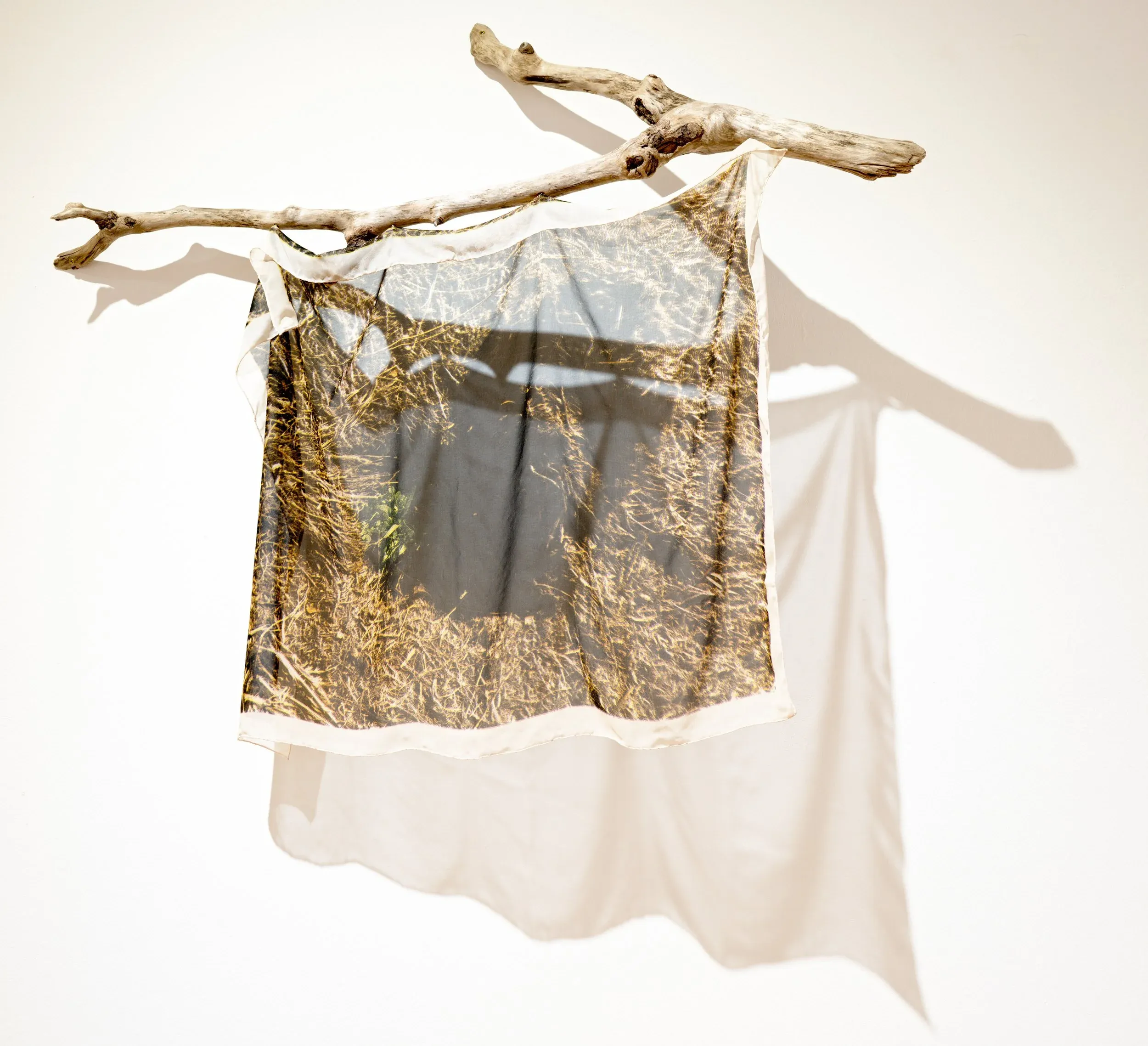
Ortega y Gasset Projects proudly presents As in a Mirror, Dimly, Jenny Fine's inaugural New York solo exhibition in our main space, curated by Co-Director Lauren Whearty. Jenny Fine is an Alabama-based artist whose work explores personal and cultural memory, identity, and our ever-shifting relationship to the photograph. This body of work is shaped by the sudden and tragic loss of Fine's sister, Beth. Her death was a result of the failure of our broken healthcare system. In the wake of her sister's passing, Fine explores the unknowns surrounding her loss, the systems that failed her sister, the indifference of officials in power, and a family left without answers or peace. Her work looks inward as a meditation on care, grief, and the unseen forces that shape life and death. Photography, both artistically and spiritually, is a medium in this body of work. It is a sacred means of reaching toward what is gone. Images that once showed proof of one's existence now also define their absence. As in a Mirror, Dimly draws inspiration from the psychomanteum which is a mirror used as a device for spirit communication, from the ectoplasm photography of mediums generations ago and Victorian-era spiritualism. The works in this series merge photography with ritual and memory with material in a search for connection beyond the veil. Fine gives form and life to shapeshifting memories through her sculpture, installations, photography, and performance works. Family stories flicker on the theater screen of her mind. She uses what materials are at hand to map the unknown to take her sister on an epic journey through the afterlife, while she also attempts to solidify and preserve the ephemeral quality of her memories. The result immerses us in an intimate spiritual world that merges life and death. Objects and imagery found throughout the exhibit, like wishbones, evil eyes, and horseshoes, symbolize luck, ritual, and protection, as if to form an armor for navigating grief. This symbolism, and the rituals often attached to them in seances, religious ceremonies, and witchcraft, Fine looks at the many ways we try to undo death, bring power to the powerless, and attempt the impossible. These devotional practices fashion a tether line into the hereafter and grasp with determination for presence in the face of absence. Amy Ritter's new body of work, What Does it Feel Like to Be You, site responsive installation in our Skirt space. Curated by Co-Director Lauren Whearty, the exhibition constructs a deeply personal yet universally resonant portrait of the artist's father through layered depictions of his home and surroundings. Ritter's father has lived for more than 40 years in Lil' Wolf, a mobile home community in Orefield, Pennsylvania, where she was raised. Through layered depictions of his home—both its interior and the surrounding neighborhood—Ritter examines notions of memory, identity, and connection. The physicality of her materials like Xerox photographic prints, the texture of an early digital video, and the use of working-class materials like plywood and asphalt mirrors the tactile nature of recollection and care, bridging generational and ideological divides through deep observation and empathy. The creation of this work is itself an act of care, finding empathy and connection across barriers made from contrasting views and politics. Ritter reflects on the past and present by walking us through an environment that combines interior and exterior views of the home and its surrounding neighborhood. Old family photos are combined with recent documentation as Ritter forms her father's character with complexity and sensitivity. Viewers are invited to step into this world, yet they remain distanced—fragmented reflections in window panes obscure full access, mediating our perspective. The constant pace of a dripping faucet, left on to prevent the pipes from freezing, is an immersive element that makes us acutely aware of time's passing. The disrepair and staining of asphalt, sculptures of flies, and imagery of an untidy home are reminders of class and become metaphors for human struggles. Through close observation, Ritter challenges us to push back against the divisive forces of political and social polarization. In a world that thrives on dehumanization, What Does it Feel Like to Be You asks us to see, to listen, and to recognize each other's full humanity—an act that, now more than ever, feels both radical and necessary.
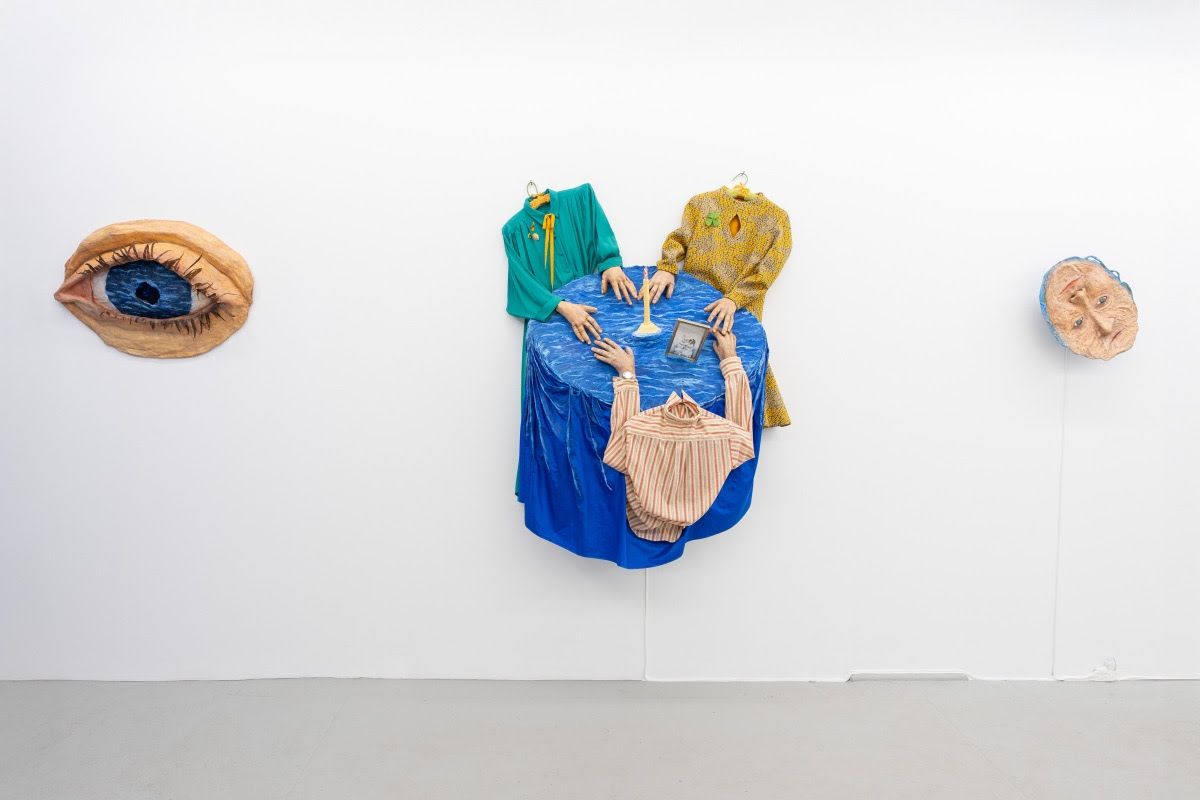
Installation views
At the gallery
Ortega y Gasset
Gowanus · 363 3rd Ave, Brooklyn