
Germain, Paris
Charbel-joseph H. Boutros
Distant Tears
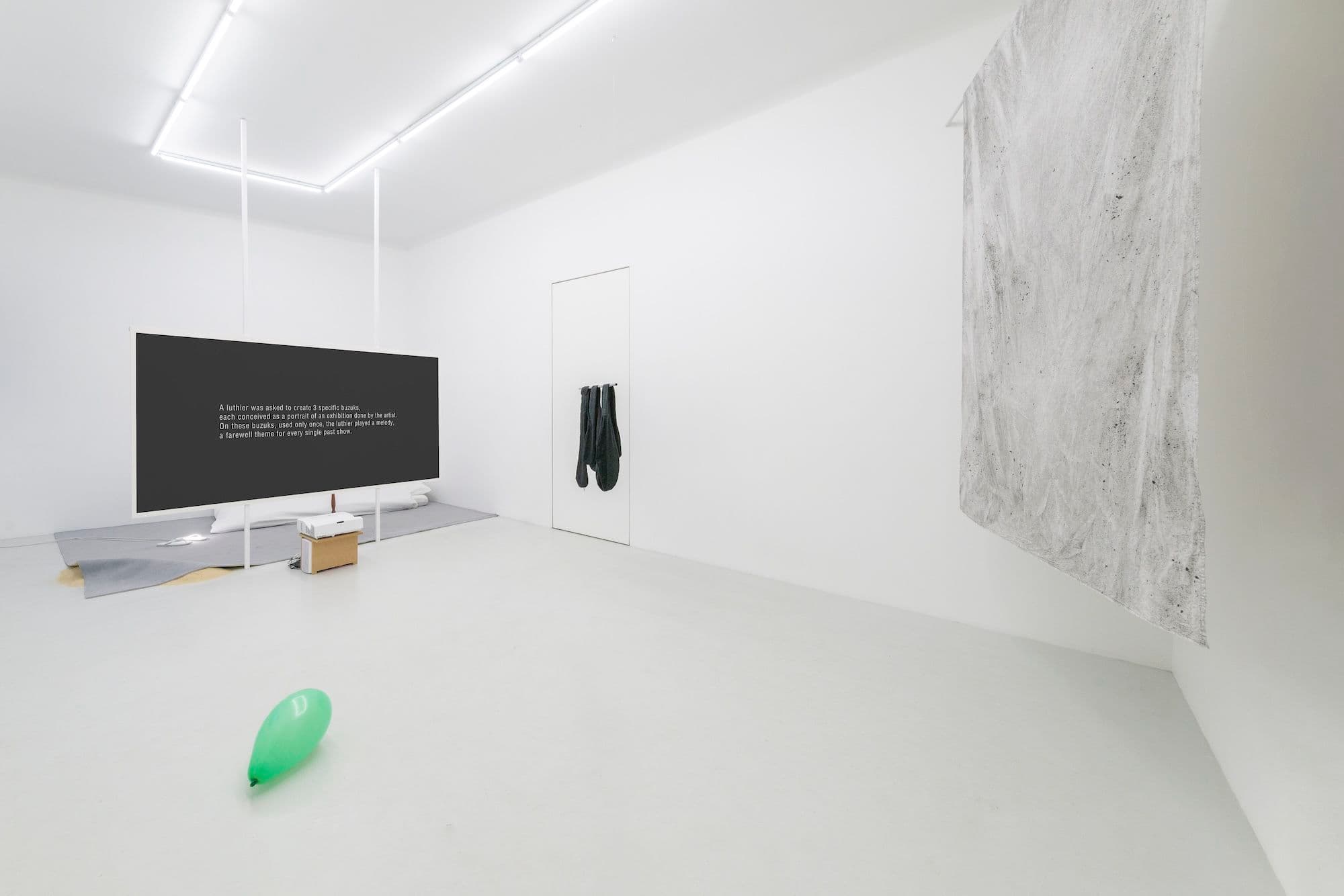
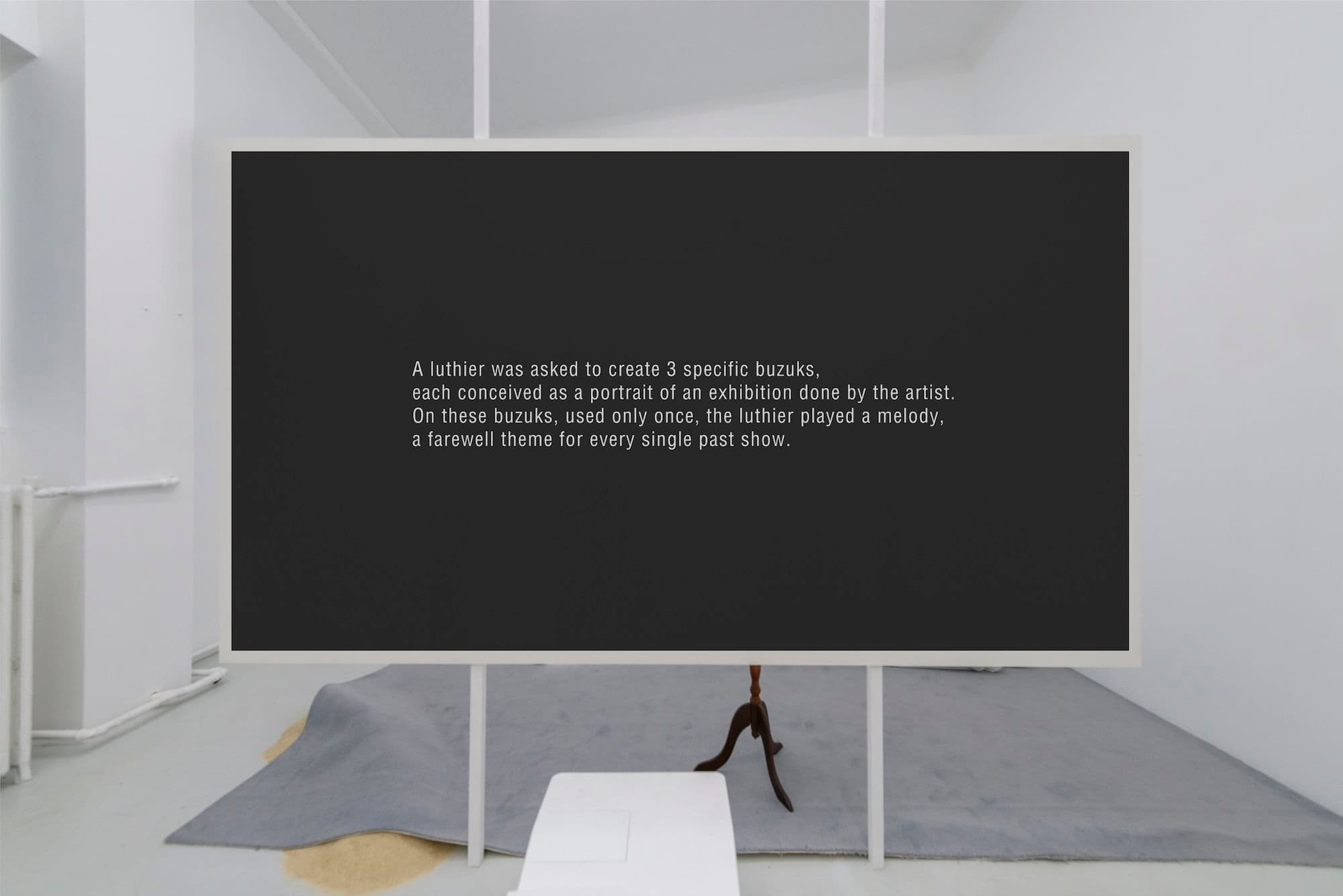
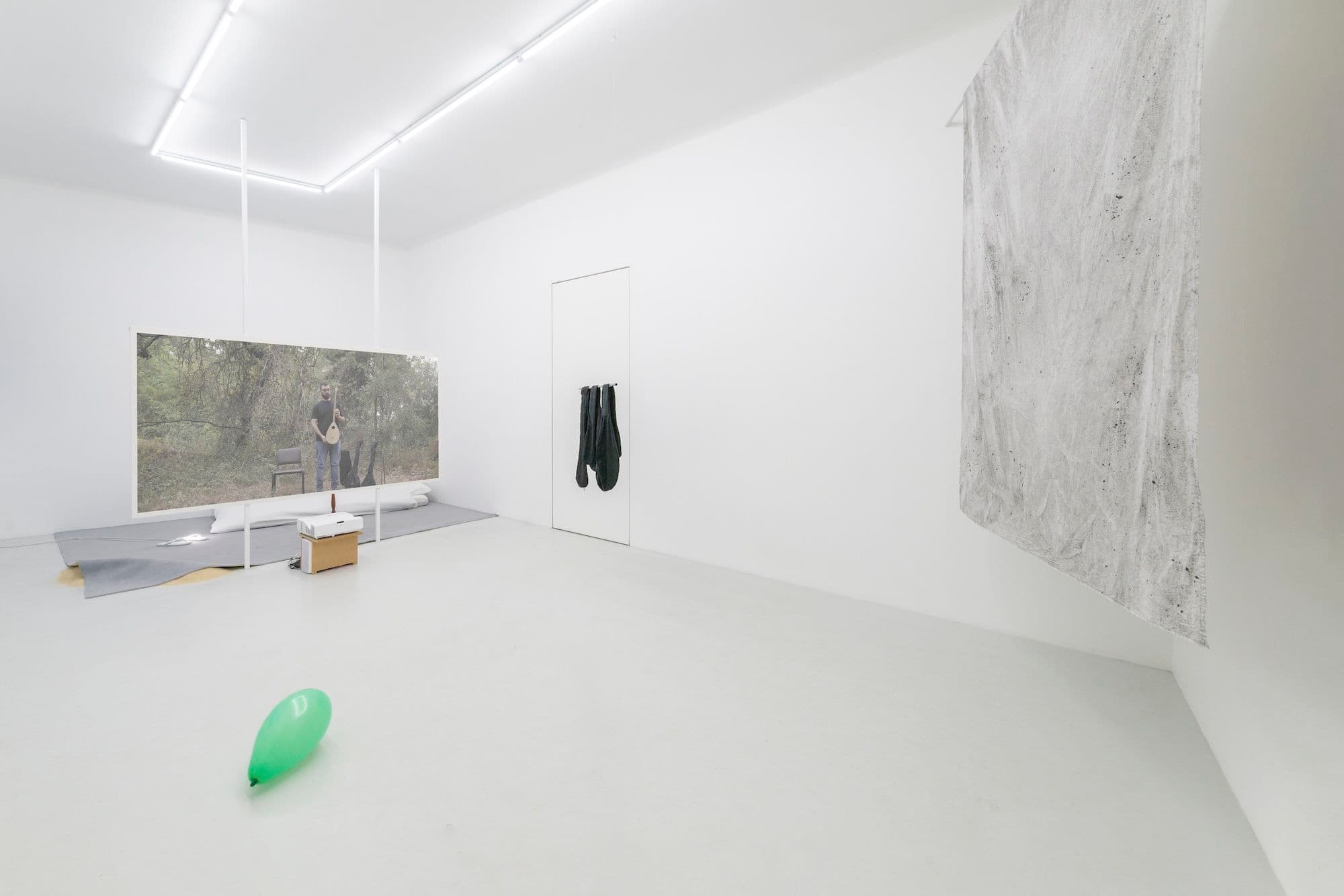
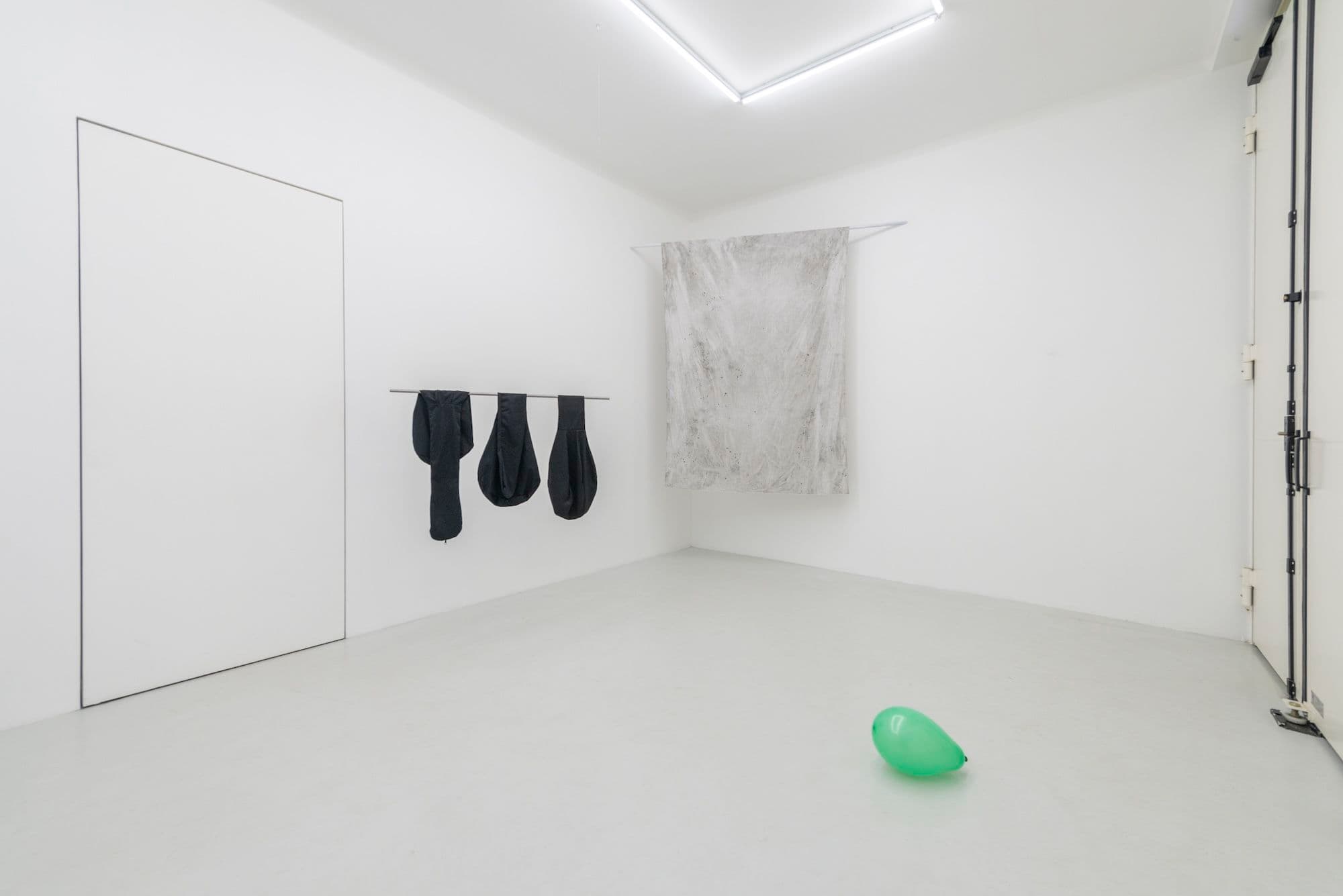
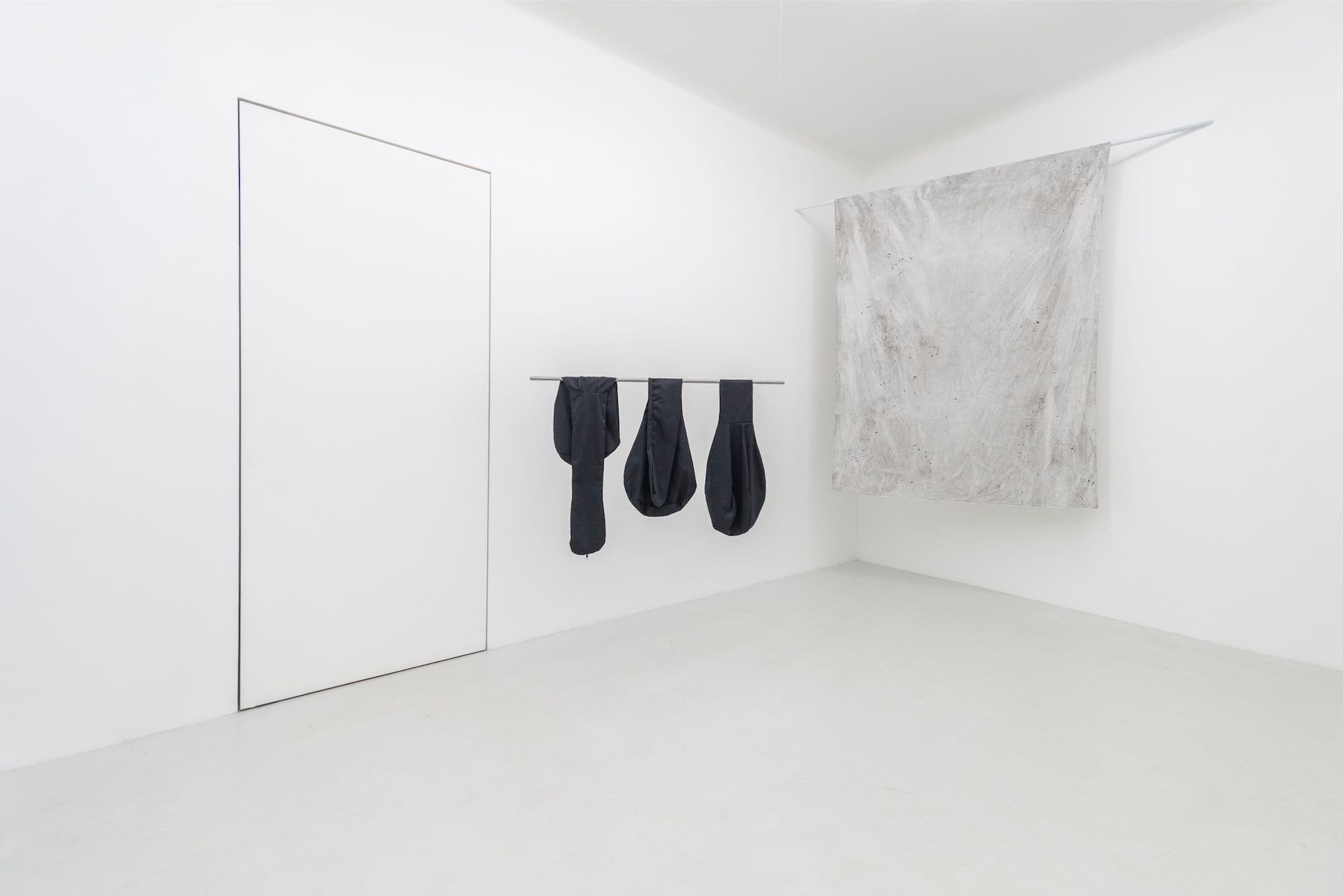
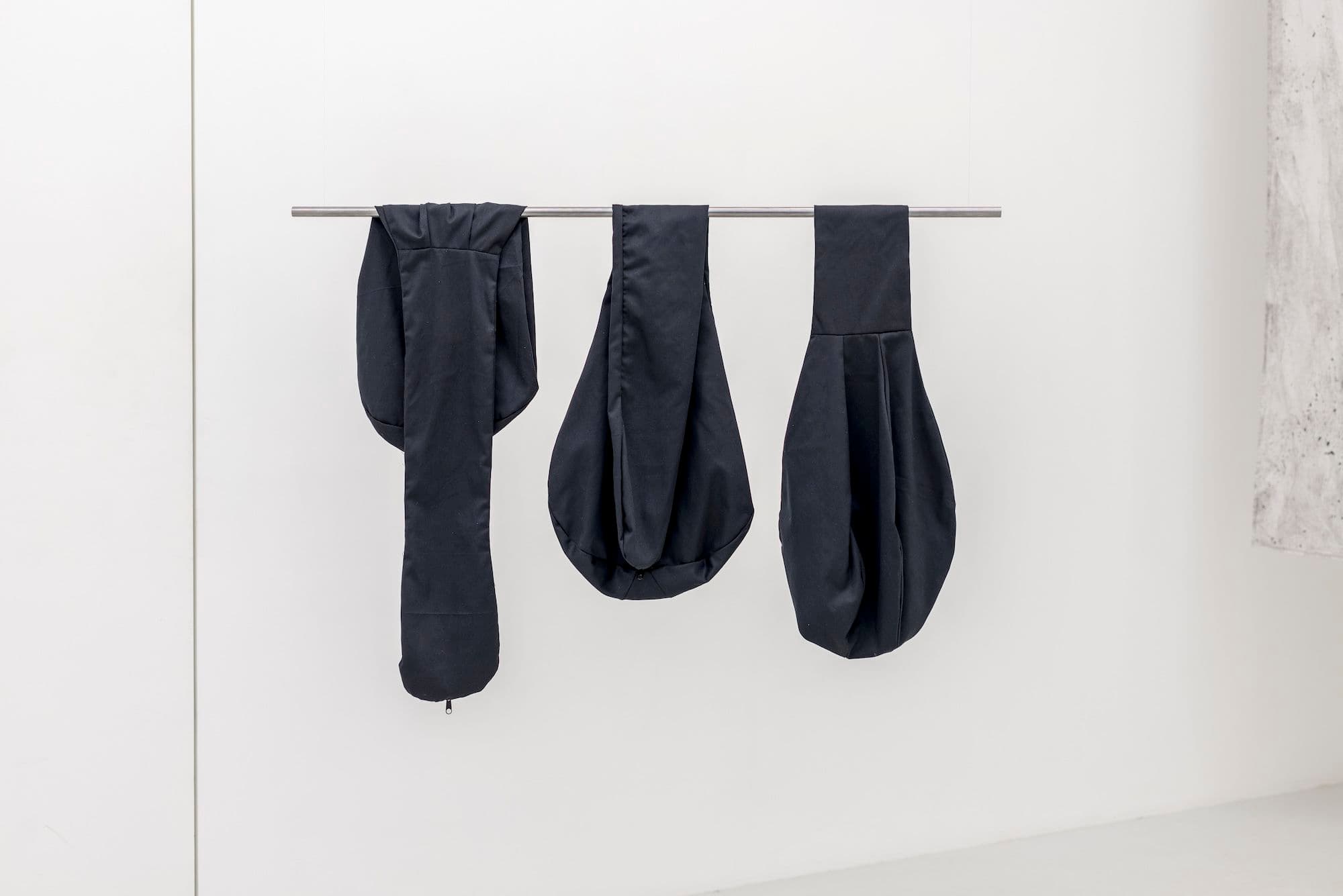
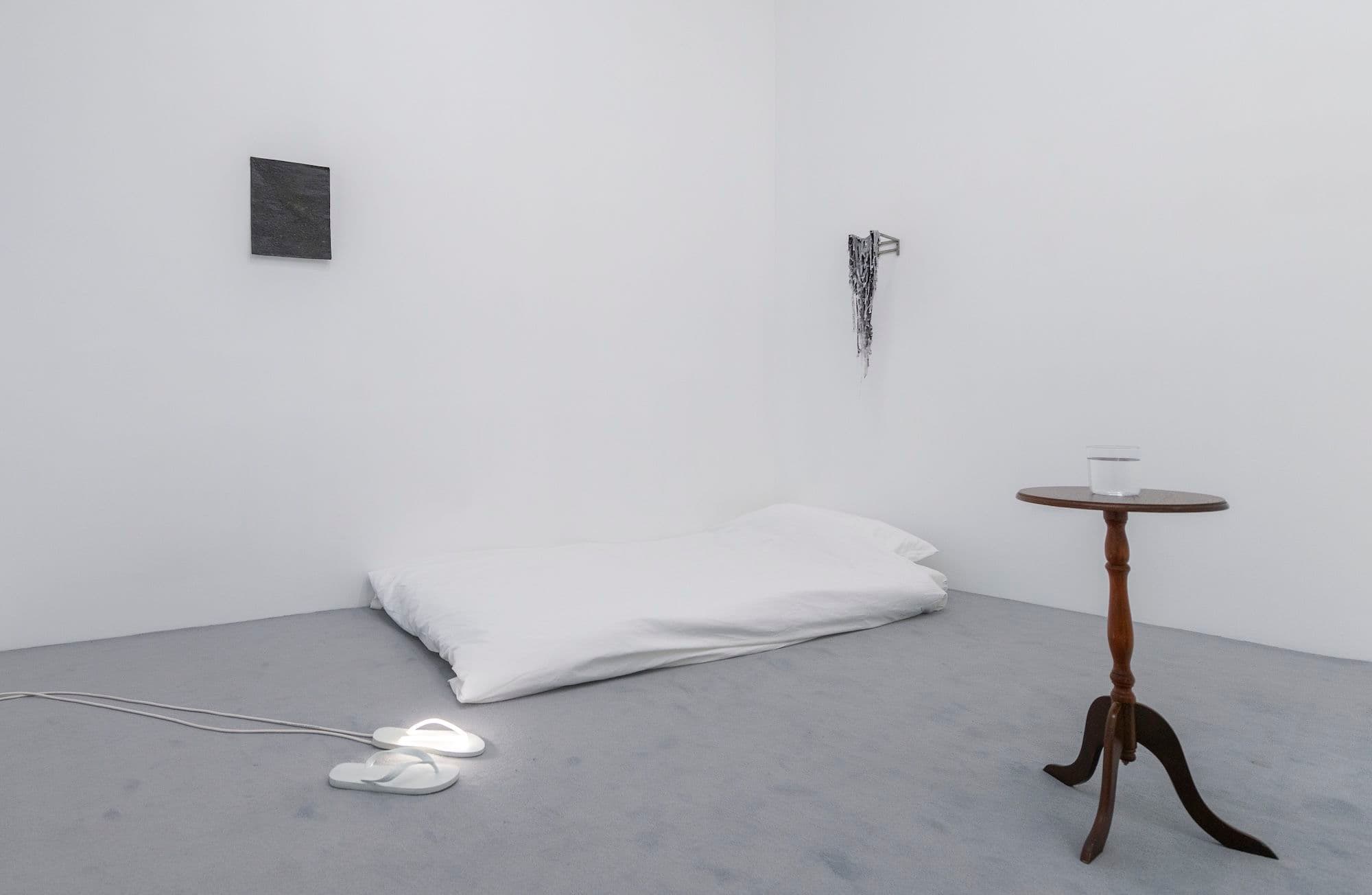
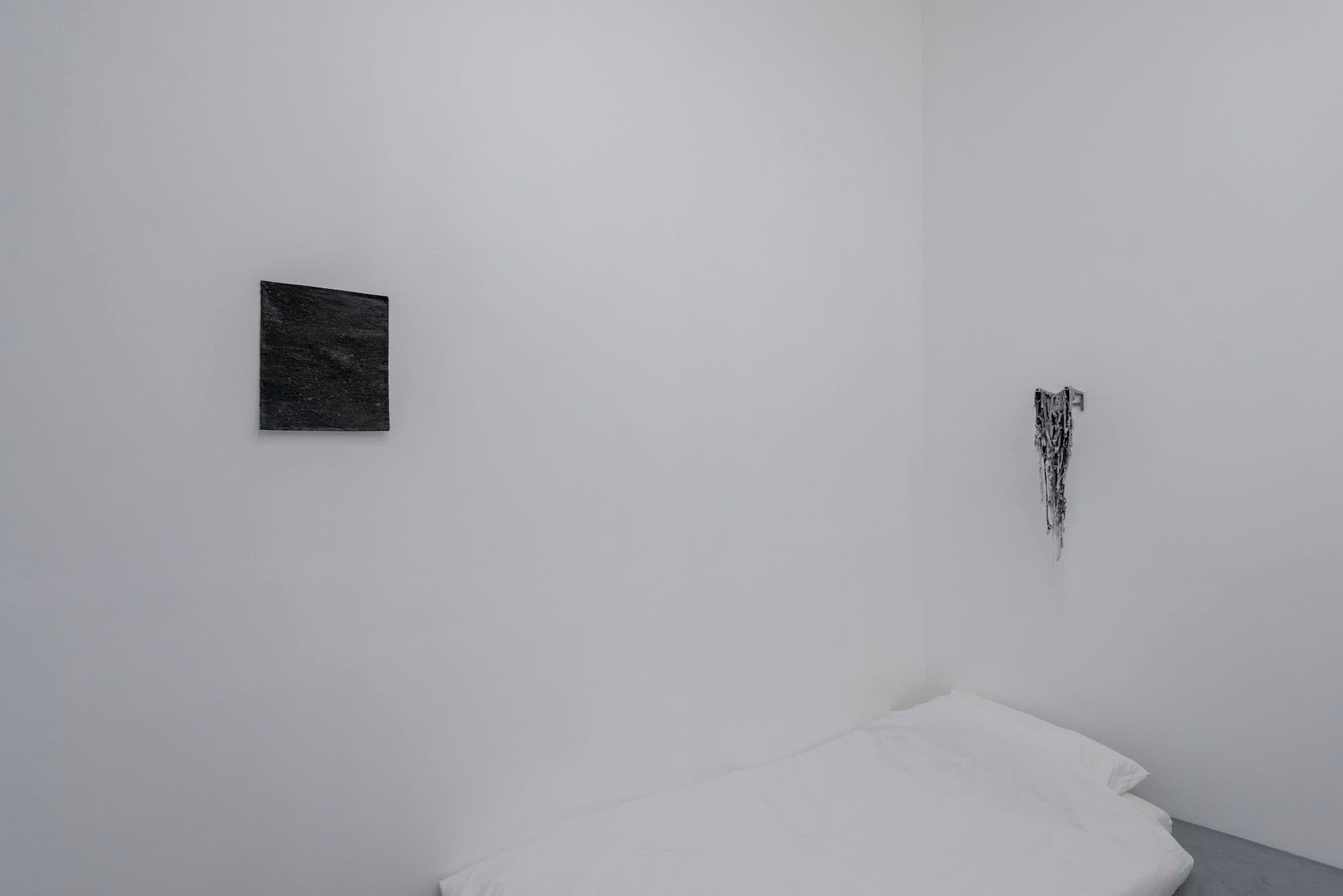
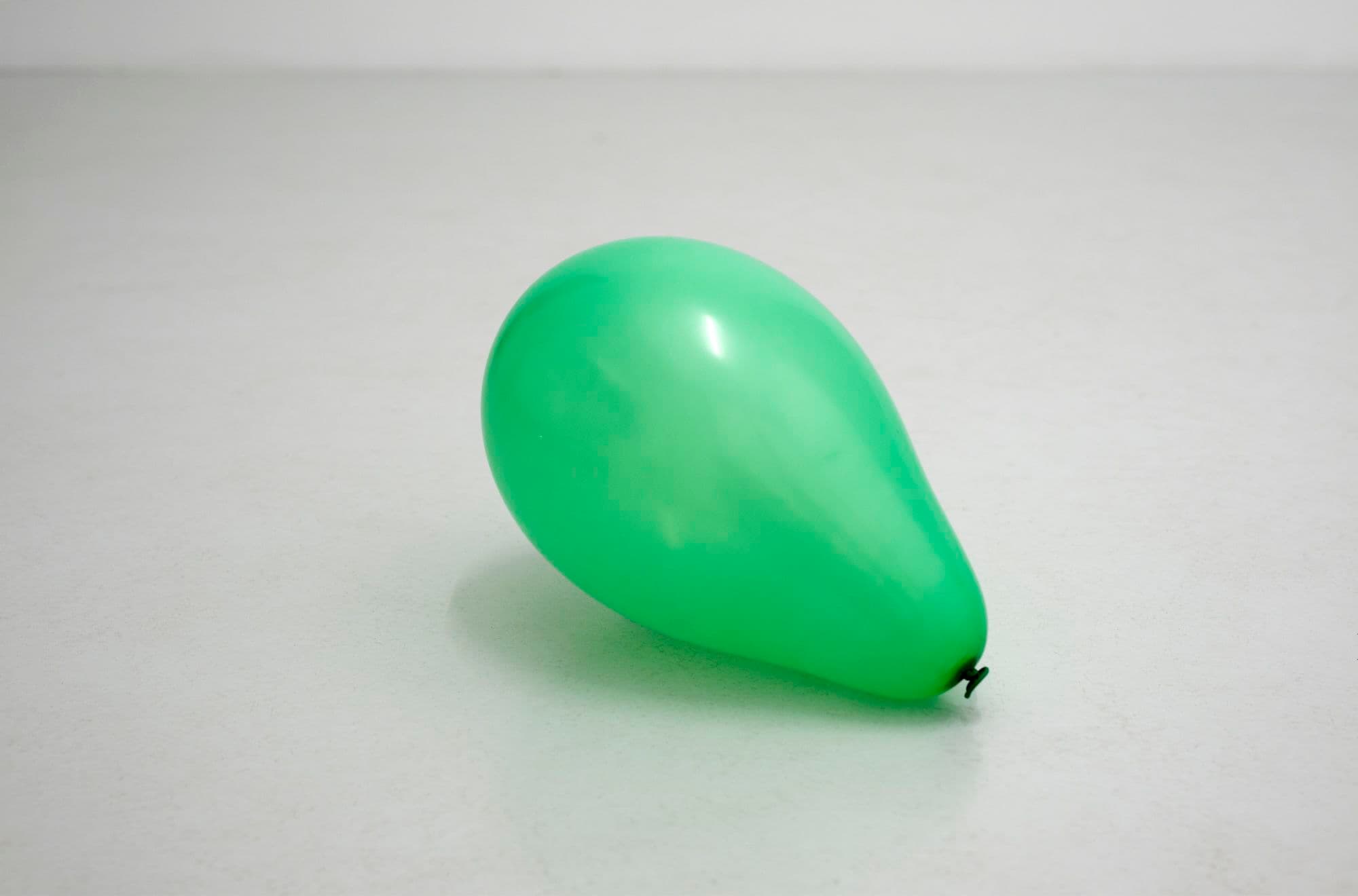
Jean-Kenta Gauthier | Vaugirard[Scroll down for French version / Veuillez trouver ci-dessous la version française] “Have you ever fallen asleep, I mean, have you ever felt that falling sensation ?” —Léa Bismuth For his first exhibition at Jean-Kenta Gauthier gallery, Charbel-joseph H. Boutros (born in Lebanon in 1981, lives between Paris and Beirut) inserts a tear from each of his eyes into a wall of each gallery, as if to bring both Odéon and Vaugirard spaces closer together and introduce the city of Paris into the work. Entitled Distant Tears (2025), this new work gives its title to the exhibition. For H. Boutros, the exhibition itself often becomes part of the work, as in his film Three Songs, Three Exhibitions (2022), which welcomes visitors to the Vaugirard gallery and paints a metaphorical and musical triple portrait of his three recent exhibitions at Beirut Art Center (Home Works 8, Ashkal Alwan, 2019), S.M.A.K. (Ghent, 2020) and La Criée Centre d’art contemporain (Rennes, 2022), which produced the work. H. Boutros also merges days. In Give Today’s Air to Yesterday’s Air (The Kiss) (2024-2025), he blew up a coloured balloon twice: half the day before, half the day of the opening. Resurrecting yesterday’s air, bringing a balloon to the mouth like a kiss between two days, celebrating the start of the exhibition, watching the balloon deflate. A diversion from Piero Manzoni’s Artist’s Breath (1960)? Night Cartography #4 (2024-2025) is a sheet in which the artist has spent a night and which he has covered the next day with ashes from the day’s newspapers. “Night cartographies” form a series of protean works that H. Boutros has been producing for over ten years. To coincide with the exhibition, Léa Bismuth has published a new essay entitled Somewhere, Night. A text inspired by a several nocturnal works by Charbel-joseph H. Boutros. At Vaugirard, H. Boutros has set up a small room with a mattress as an invitation to rest. The gallery team can nap there, surrounded by works (Dream, No. 10 (2024-2025), Mixed Up Dream #5 (2019-2025), If Close to the Sun a Drop May Fall (2019-2025)) that evoke the role of dreams in the artist’s production. On the bedside table, a glass of water, but of 27 mineral waters from 27 European countries (Drink Europa, 2012-2013). And a bit of reading: When Two Days Meet (2024-2025) is today’s newspaper overlaid with the previous day’s edition reduced to ashes; yesterday’s news eclipses today’s. Odéon is the other small space in the exhibition. Although the tears in Distant Tears (2025) link it to Vaugirard like two lovers, the proposal has its own autonomy. The Most Magical Line in Vermeer’s Painting (2024) is a sampling, a single line of neon that, as the title suggests, embodies the entire oeuvre of the Flemish painter. H. Boutros often speaks of a ‘charged abstraction’, a non- figuration that contains several narratives. On the floor, in the sole light of art history, a tiny cube whose inner surfaces are covered with mirrors, invisible to the visitor, collect an infinitely reflected darkness (1 CM3 of Infinite Darkness (2013)). Perhaps another night, this one immensely small. Combining new works and recent projects, H. Boutros continues with Distant Tears to compose his works using unexpected elements—dream, sleep, breath, wish or exhibition—which he distils into a variety of everyday materials—sheet, mattress, carpet, ash, balloon, votive wax, water or pills—to interweave intimacy, geography and political history. —Jean-Kenta Gauthier ***** « N’êtes-vous jamais tombé de sommeil, je veux dire, n’avez-vous jamais ressenti cette tombée? » —Léa Bismuth Pour sa première exposition à la galerie Jean-Kenta Gauthier, Charbel- joseph H. Boutros (né en 1981 au Liban, vit entre Paris et Beyrouth) insère dans un mur de chaque galerie une larme de chacun de ses yeux, comme pour rapprocher les deux espaces Odéon et Vaugirard et introduire la ville de Paris dans l’œuvre. Intitulée Distant Tears (2025), cette nouvelle œuvre offre son titre à l’exposition. Chez H. Boutros l’exposition devient souvent elle-même matière de l’œuvre, à l’instar de son film Three Songs, Three Exhibitions (2022) qui accueille les visiteurs dans la galerie de Vaugirard et dresse un triple portrait métaphorique et en musique de ses trois expositions récemment présentées au Beirut Art Center (Home Works 8, Ashkal Alwan, 2019), au S.M.A.K. (Gand, 2020) et à La Criée Centre d’art contemporain (Rennes, 2022), qui a produit l’oeuvre. H. Boutros fusionne également les jours. Pour Donner l’air d’aujourd’hui à l’air d’hier (The Kiss) (2024-2025), il gonfle à deux reprises un ballon coloré: une première moitié la veille, l’autre moitié le jour du vernissage. Ressusciter l’air d’hier, porter à la bouche un ballon comme un baiser entre deux jours, célébrer le début de l’exposition, voir le ballon dégonfler. Un détournement du Souffle d’artiste (1960) de Piero Manzoni ? Night Cartography #4 (2024-2025) est un drap dans lequel l’artiste a passé une nuit et qu’il a le lendemain recouvert des cendres issues des journaux du jour. Les « cartographies de nuits » sont une série d’œuvres protéiformes réalisées depuis plus de dix ans. À l’occasion de l’exposition, Léa Bismuth livre un nouvel essai intitulé Quelque part nuit. Un texte inspiré par quelques œuvres nocturnes de Charbel- joseph H. Boutros. À Vaugirard, H. Boutros installe ainsi une petite chambre dont le matelas invite à la sieste. L’équipe de la galerie peut y sommeiller, entourée d’œuvres (Dream, No. 10 (2024-2025), Mixed Up Dream #5 (2019-2025), If Close to the Sun a Drop May Fall (2019-2025)) qui évoquent le rôle des rêves dans la production de l’artiste. Sur la table de chevet, un verre d’eau, mais de 27 eaux minérales provenant de 27 pays européens (Drink Europa, 2012-2013). Et un peu de lecture: When Two Days Meet (2024-2025) est le journal du jour recouvert de l’édition de la veille réduite en cendres; les informations d’hier éclipsent celles d’aujourd’hui. Odéon est l’autre petit espace de l’exposition. Si les larmes de Distant Tears (2025) le lient à Vaugirard comme deux amants, la proposition est autonome. The Most Magical Line in Vermeer’s Painting (2024) est un prélèvement, une seule ligne de néon qui, comme le suggère le titre, incarnerait toute l’œuvre du peintre flamand. H. Boutros évoque souvent une « abstraction chargée », une non-figuration qui contient plusieurs narrations. Au sol, à la seule lueur de l’histoire de l’art, un minuscule cube dont les faces internes recouvertes de miroirs, invisibles au visiteur, recueillent une obscurité reflétée à l’infini (1 CM3 of Infinite Darkness (2013)). Peut-être une autre nuit, immensément petite. Mêlant réalisations nouvelles et projets récents, Charbel-joseph H. Boutros continue avec Distant Tears de composer ses œuvres à l’aide d’éléments inattendus - le rêve, le sommeil, le souffle, le souhait ou encore l’exposition - qu’il distille dans une variété de matières courantes - le drap, le matelas, la moquette, la cendre, le ballon, la cire votive, l’eau ou encore le comprimé - pour entremêler l’intime, la géographie et l’histoire politique. —Jean-Kenta Gauthier