
Tribeca, New York
Group Exhibition
Wildswim: Hunter MFA Thesis Exhibition, Pt. 1
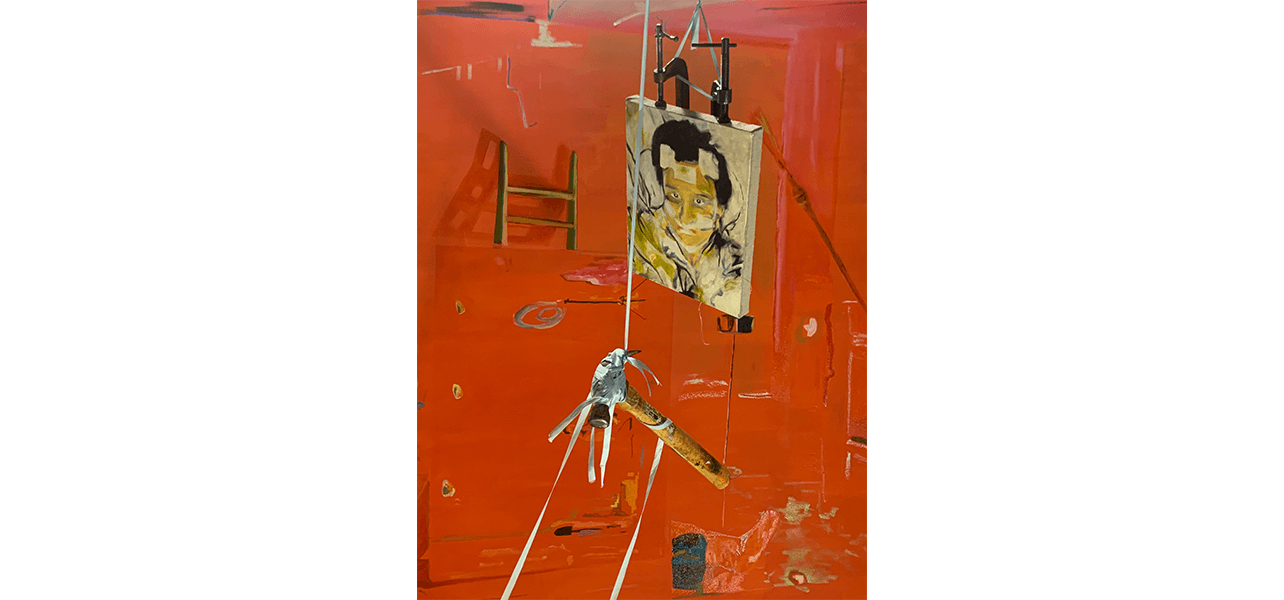
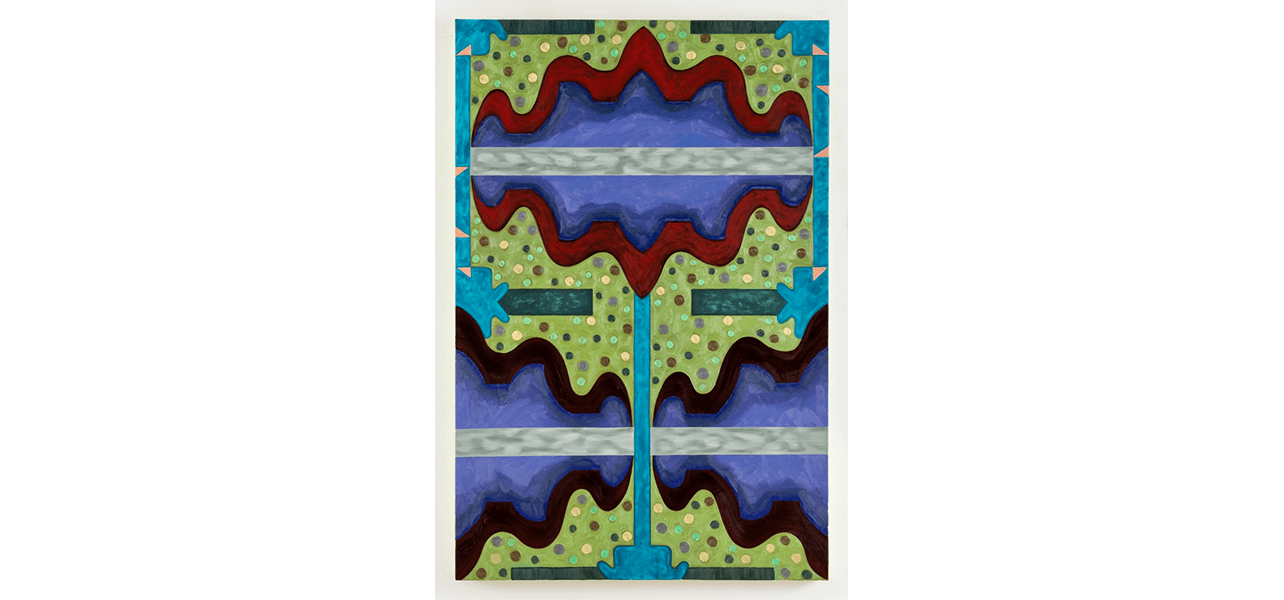
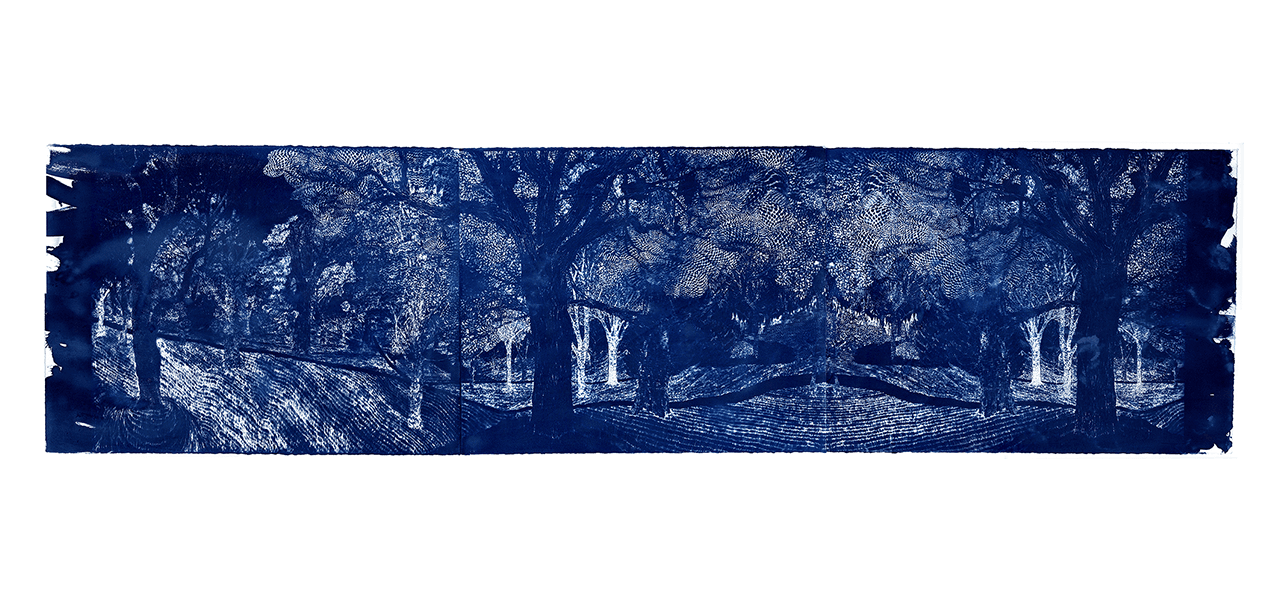
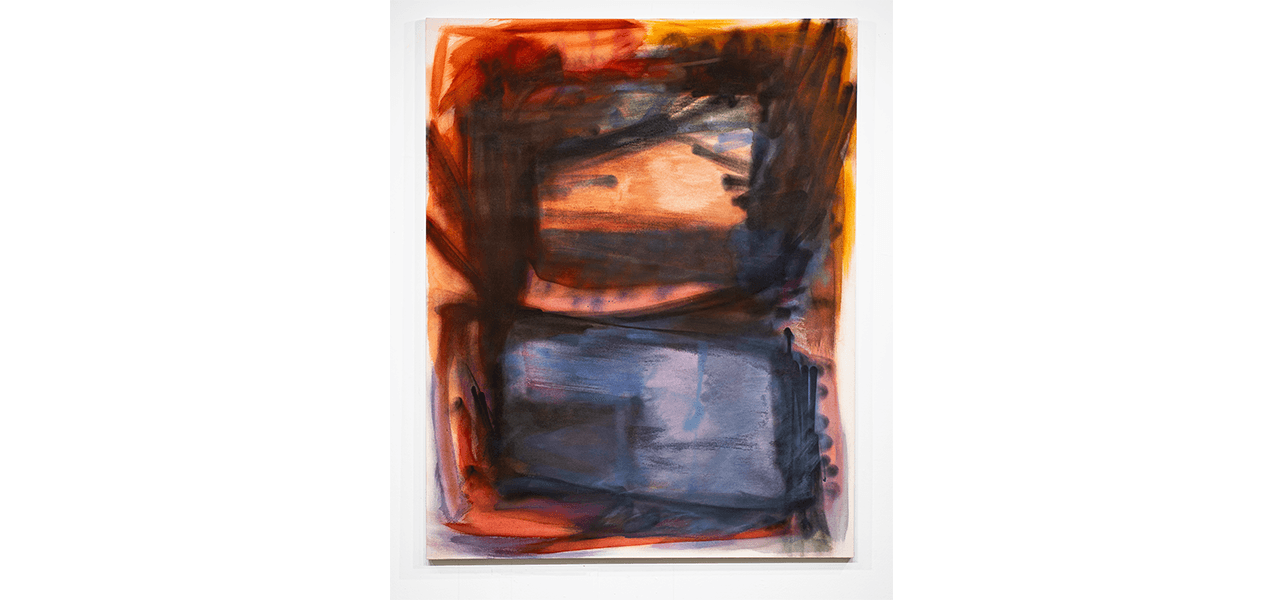
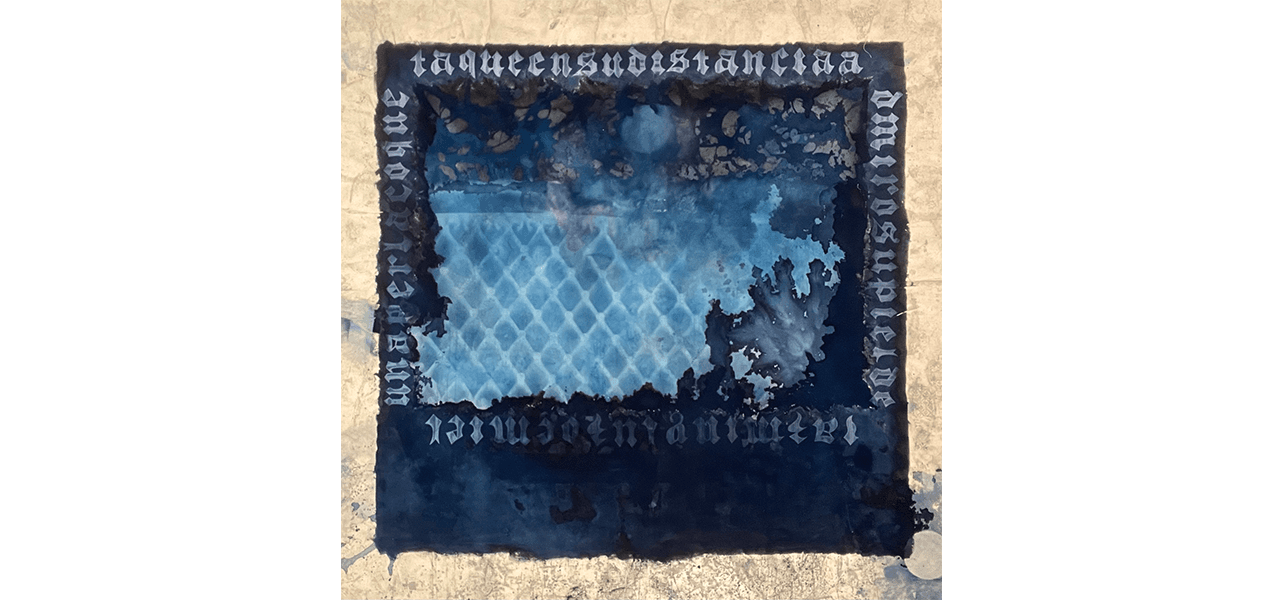
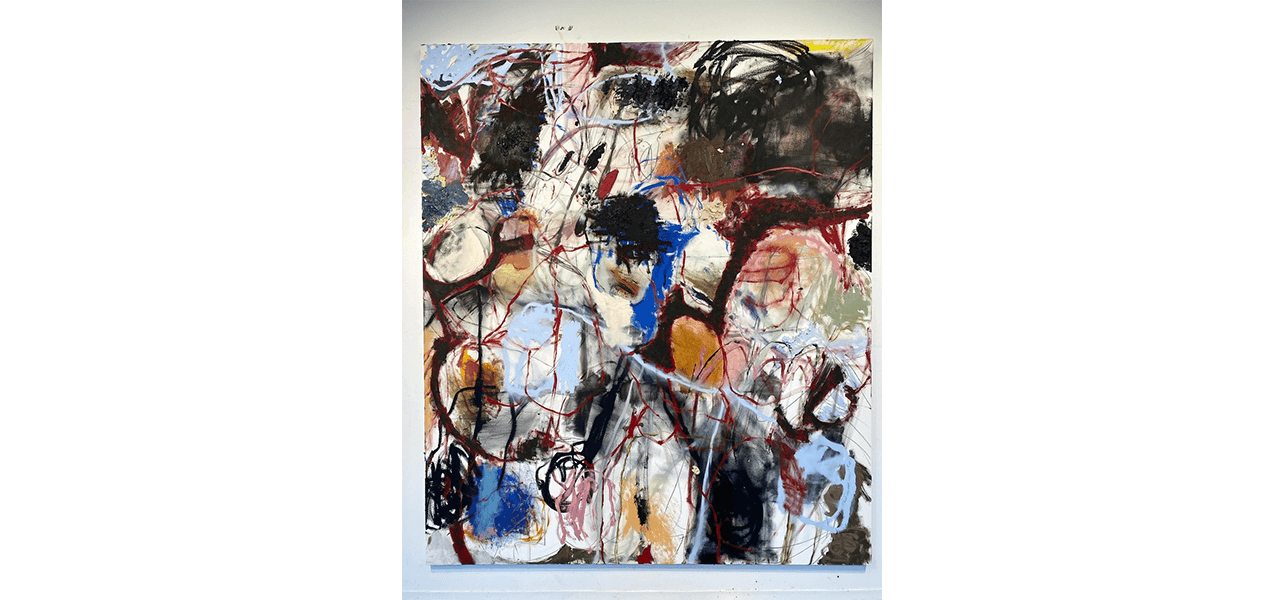
Hudson GalleryKarewith Casas, C'naan Hamburger, Sam Mattax, Bonnie Morano, Alex Schmidt, Milly Skellington, Julio Williams "When you swim, you feel your body for what it mostly is—water—and it begins to move with the water around it. No wonder we feel such sympathy for beached whales; we are beached at birth ourselves. To swim is to experience how it was before you were born." —Roger Deakin, Waterlog Wild swimming is the act of swimming in a natural, sometimes unregulated body of water—a stream, a lake, an ocean. In British history this has a connection to the Acts of Enclosure, laws enacted between the seventeenth and twentieth centuries which privatized public land (and water) in the name of improving agricultural production. The seven artists exhibiting in Wildswim approach their work as a process of morphology rather than taxonomy. Meaning is formed rather than defined as each artist fares into waters where boundaries come into question. The artificial construct of a border—the trap of containment—becomes a place where restriction meets reorientation. In Karewith Casas’s multimedia works, experience and identity are explored through notions of atmosphere. Large cyanotypes on canvas are developed with sunlight, and his palettes evoke the color and forms of Venetian sunsets. Heavy Gothic script is used as a border or pattern in these works, lyrics of his own music or Spanglish phrases. Expression of light and dark resembles that of singers and dancers. Whereas landscape is the genre of nature, C’naan Hamburger challenges this through her works on wood, metal, and cyanotype. Using traditional material such as egg tempera, she also incorporates the rust and asphalt of the sites she is depicting. Her landscapes are an index of person and place, where plywood is both an architectural part of the gallery but also the mass-produced wood pulp that begins as tree and ends as an image of tree. The paintings of Sam Mattax treat raw canvas as fields of experimentation and transformation. Drawing on paper is a diaristic impulse that evolves into large-scale work, where he builds visual languages that are as emotionally resonant as they are resistant to straightforward symbolic interpretations. His images are the debris from various worlds. Bonnie Morano’s work asks if painting can still attempt to discover the absolutes of truth and beauty. Bringing us back to Plato, the physicality of her meticulously designed hard-edge forms are gateways to metaphysical exploration. She challenges the traditionally masculine heroic journey through a decadent combination of color and brushwork, and a visual language sourced from the maximalism of Modernism, the P & D movement, and precious gems and minerals. Alex Schmidt uses improvisation, humor, and relationality to find fault lines in painting and performance. Like a muse turned politician, Schmidt plays the joker to locate and mime the absurdity of heteronormativity of the past and present. Through video, painting, performance, and social engagement, Schmidt questions the site of production, treating each gesture as rehearsal for ongoing work. Milly Skellington’s work is both an exploration of and exercise in emulation. Their aim is to suspend viewers in spaces both virtual and concrete, hyperpluralist scaffolds that draw from high and low brow iconography. Using programs such as Blender and custom-contrapted drawing machines, Skellington questions where and how agency operates in the production of an image, its interaction with a public, and the unfolding field of history. Light and texture are the concerns of Julio Cesar Williams, whose canvases are made of complex layers of paint wash and commercial airbrush. He approaches these atmospheres as performative capture, spontaneity as an embodied process. Inspired by the light of his native West coast, we’re invited by Williams to find myriad horizons through his lyrical and fleeting process. Water can be the place of birth, evolution, an exercise in gravitational freedom. It can also project the icy depths of the human psyche where monsters, leviathans, and demigods have their way with our hubris. Flotsam and jetsam. Through modes of research, experimentation, humor, and improvisation, the artists in Wildswim push our expectations of content and medium. Enclosure cannot contain the fragments of the past nor the residue of the future.