
Tribeca, New York
Group Exhibition
Inflation
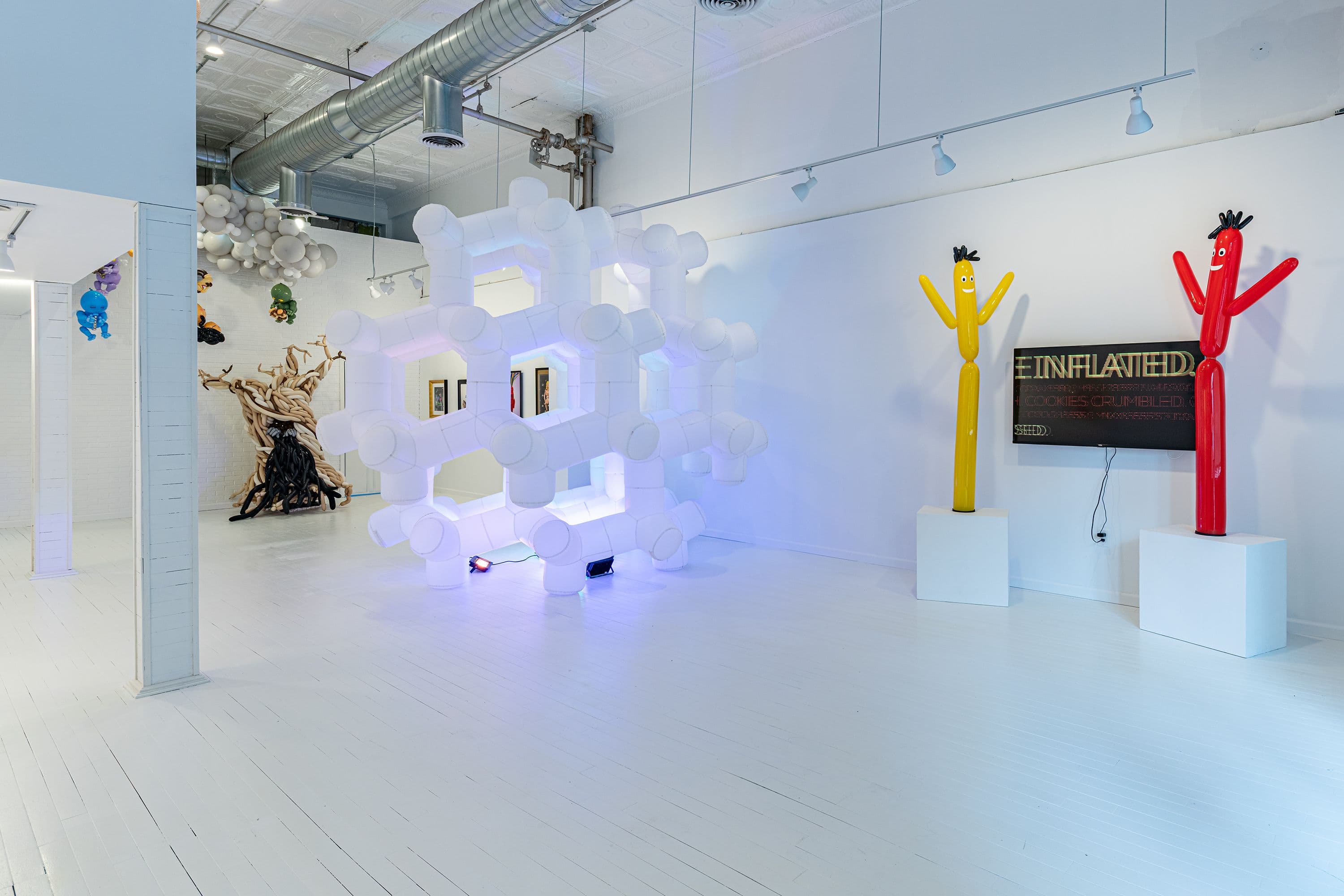
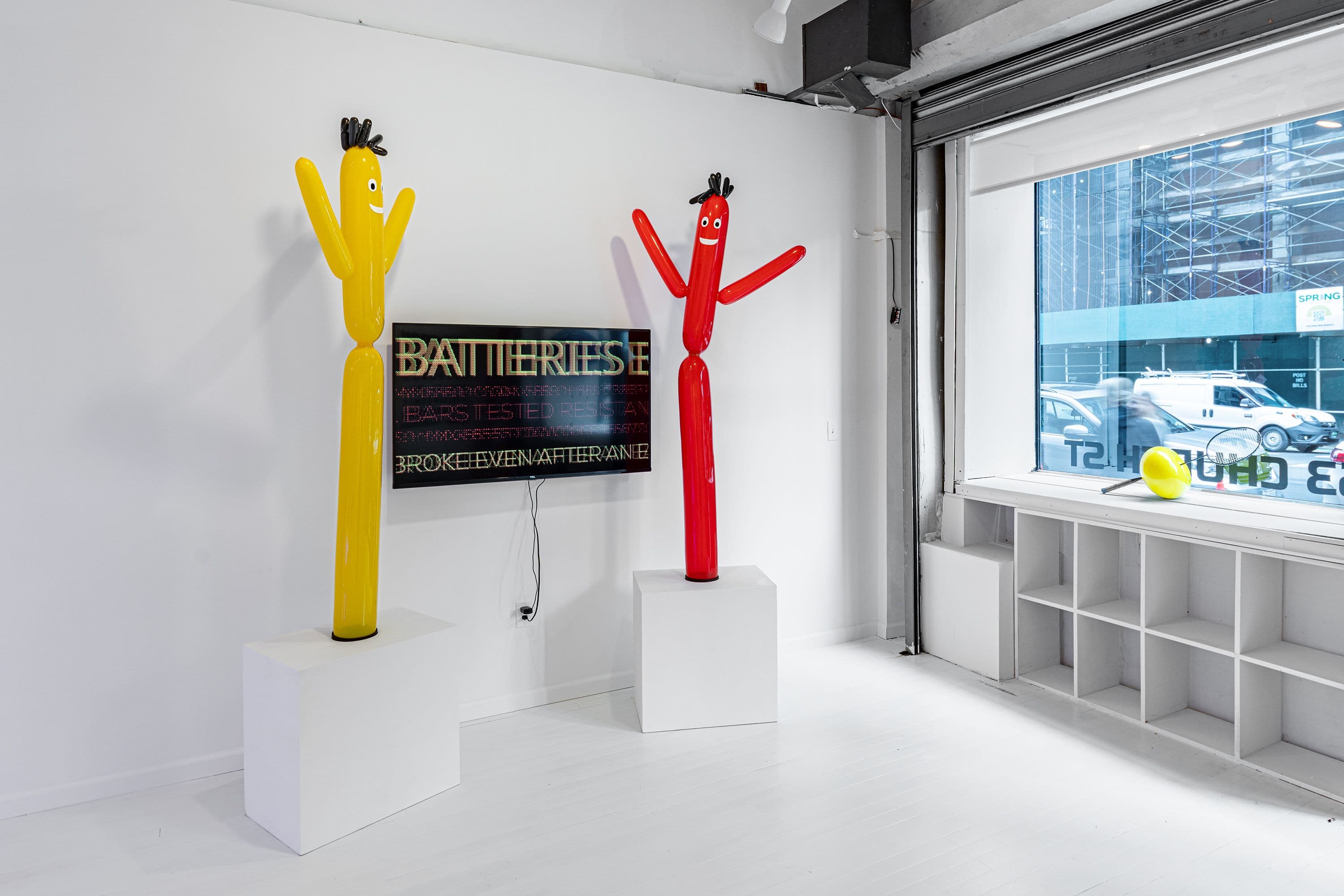
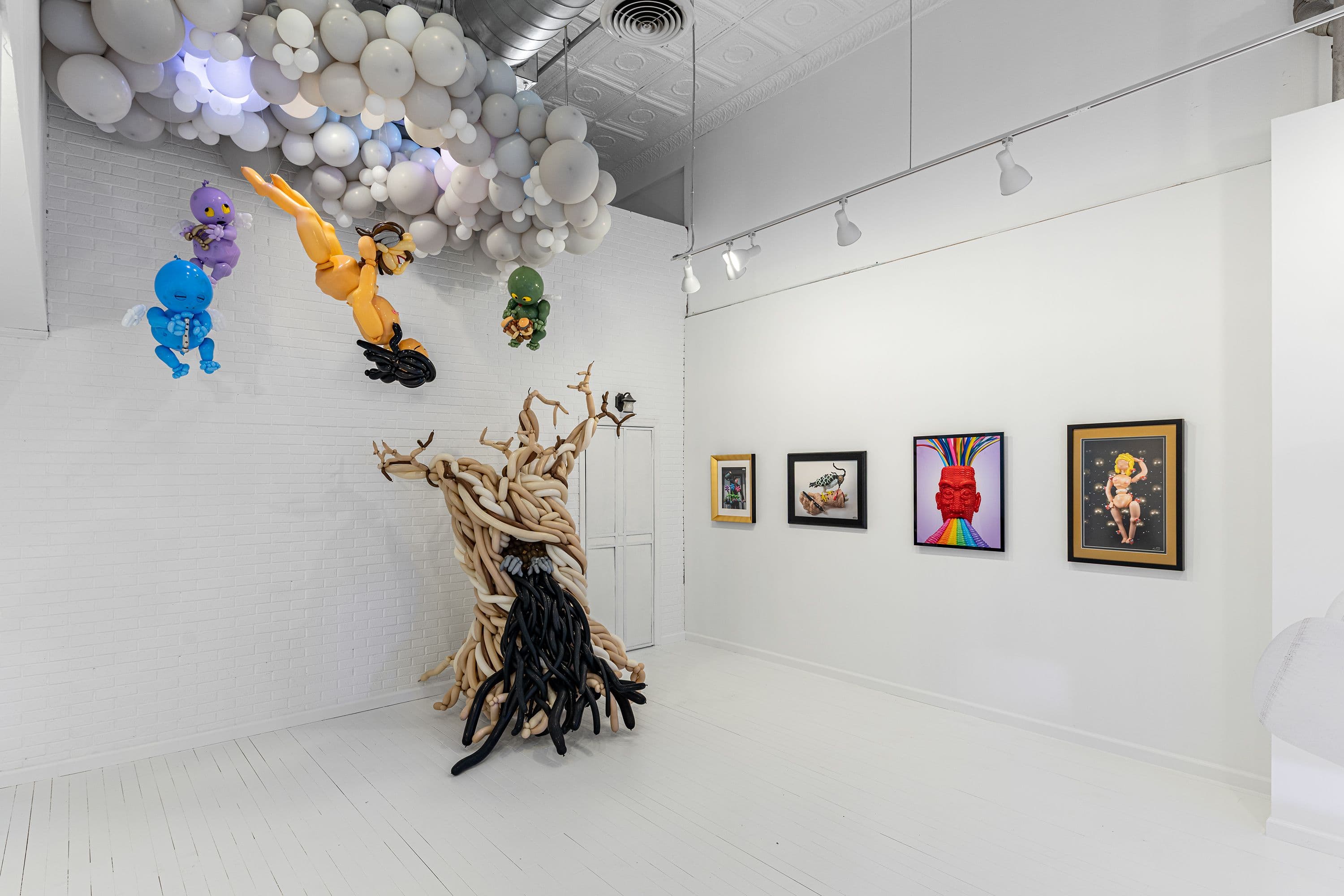
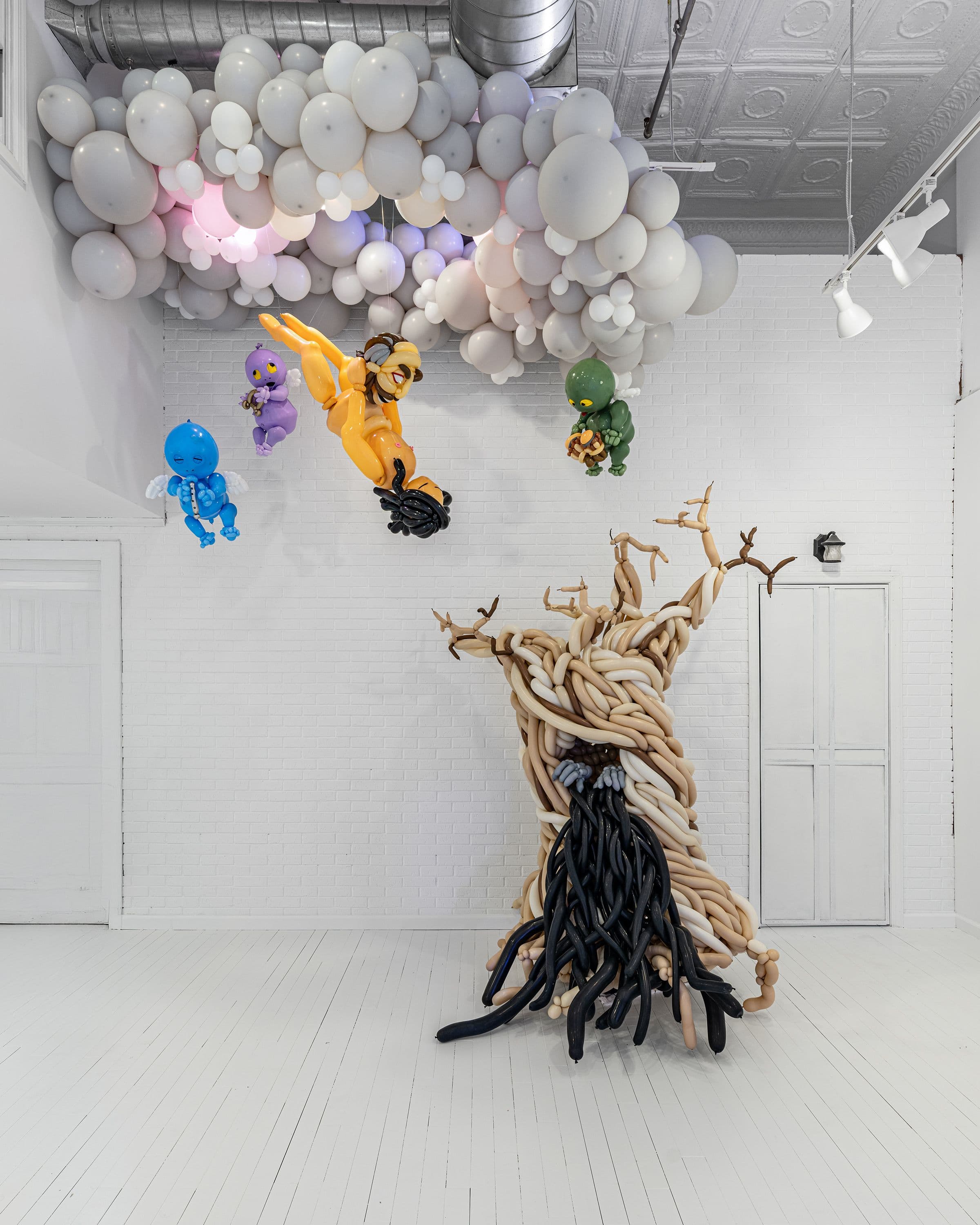
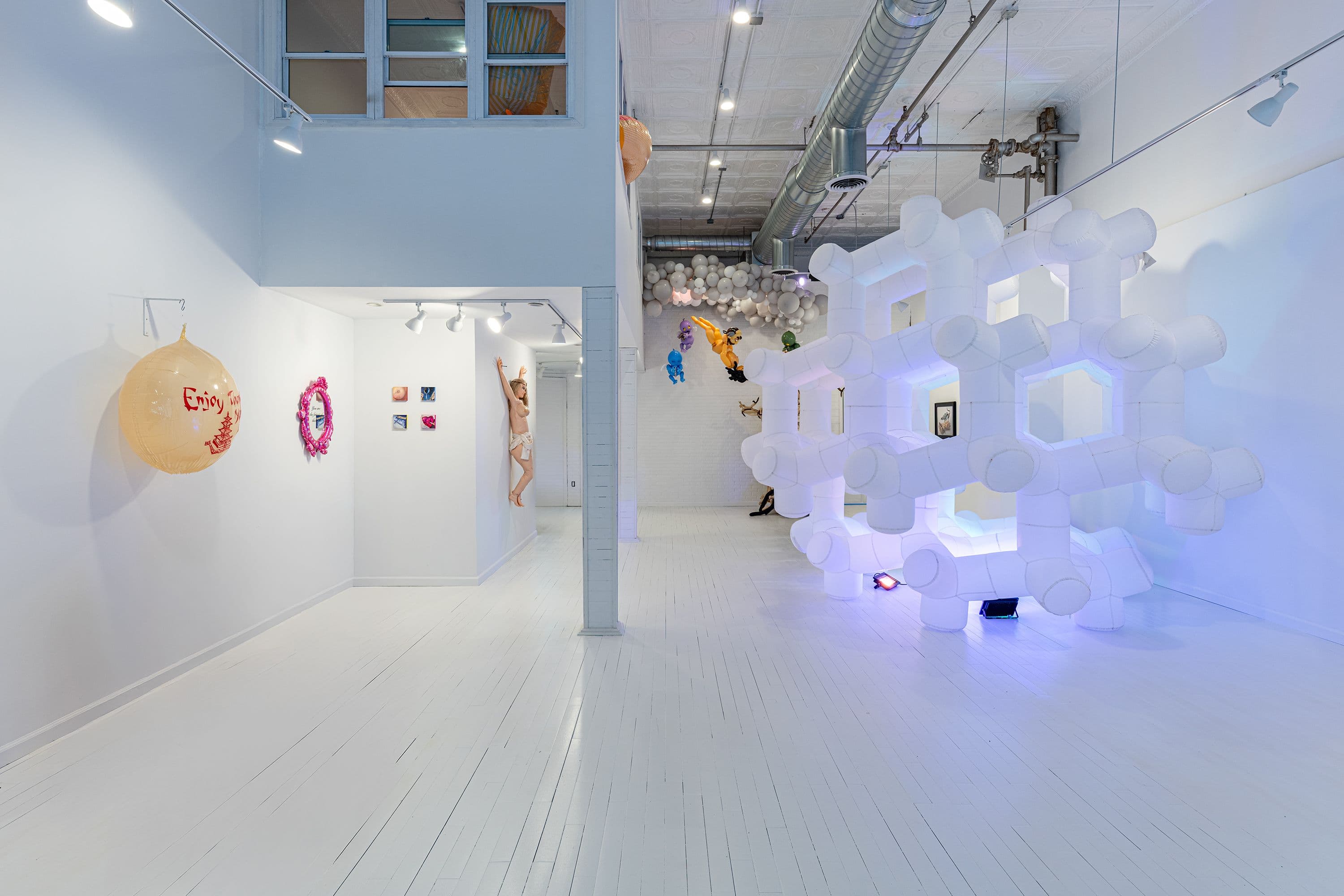
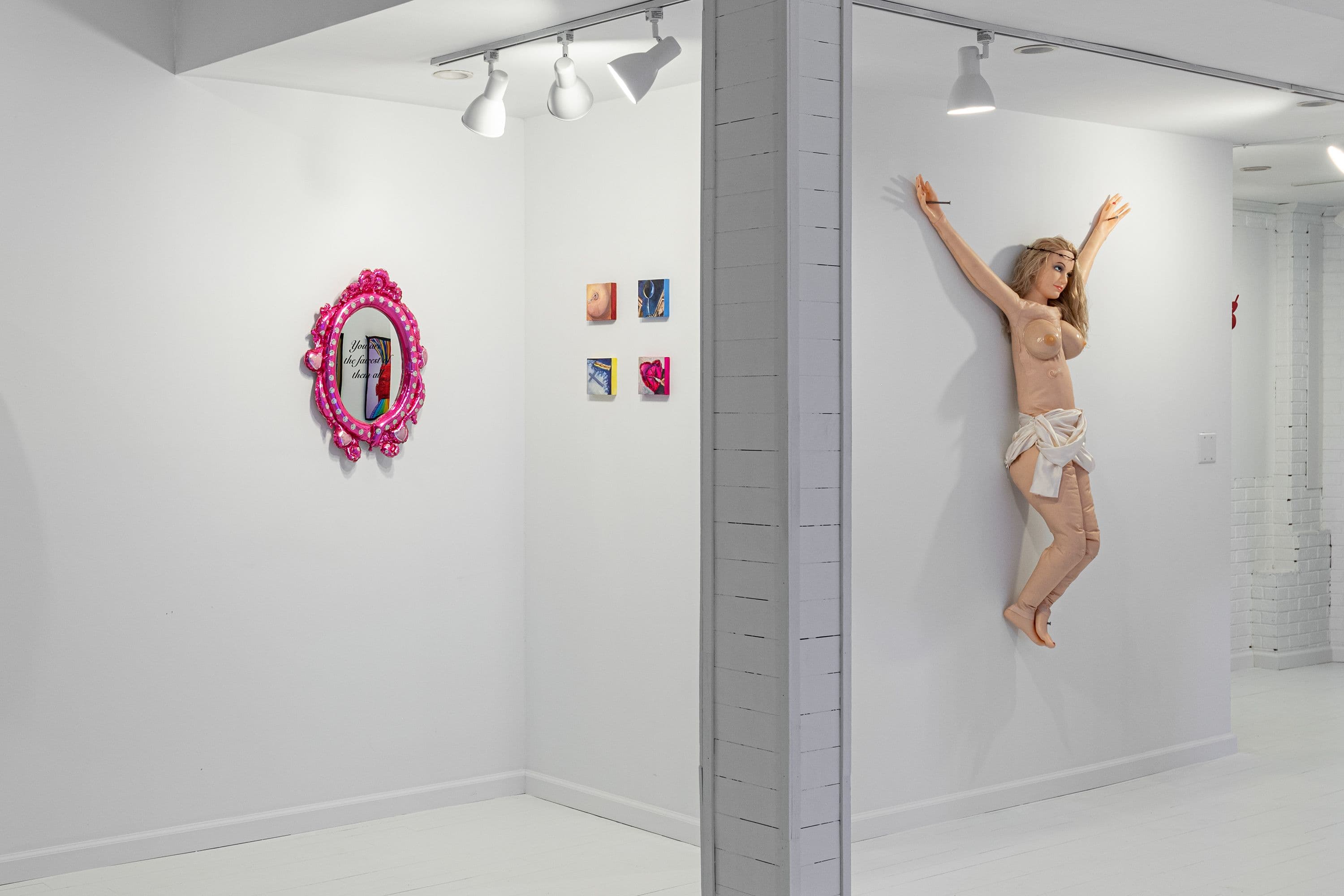
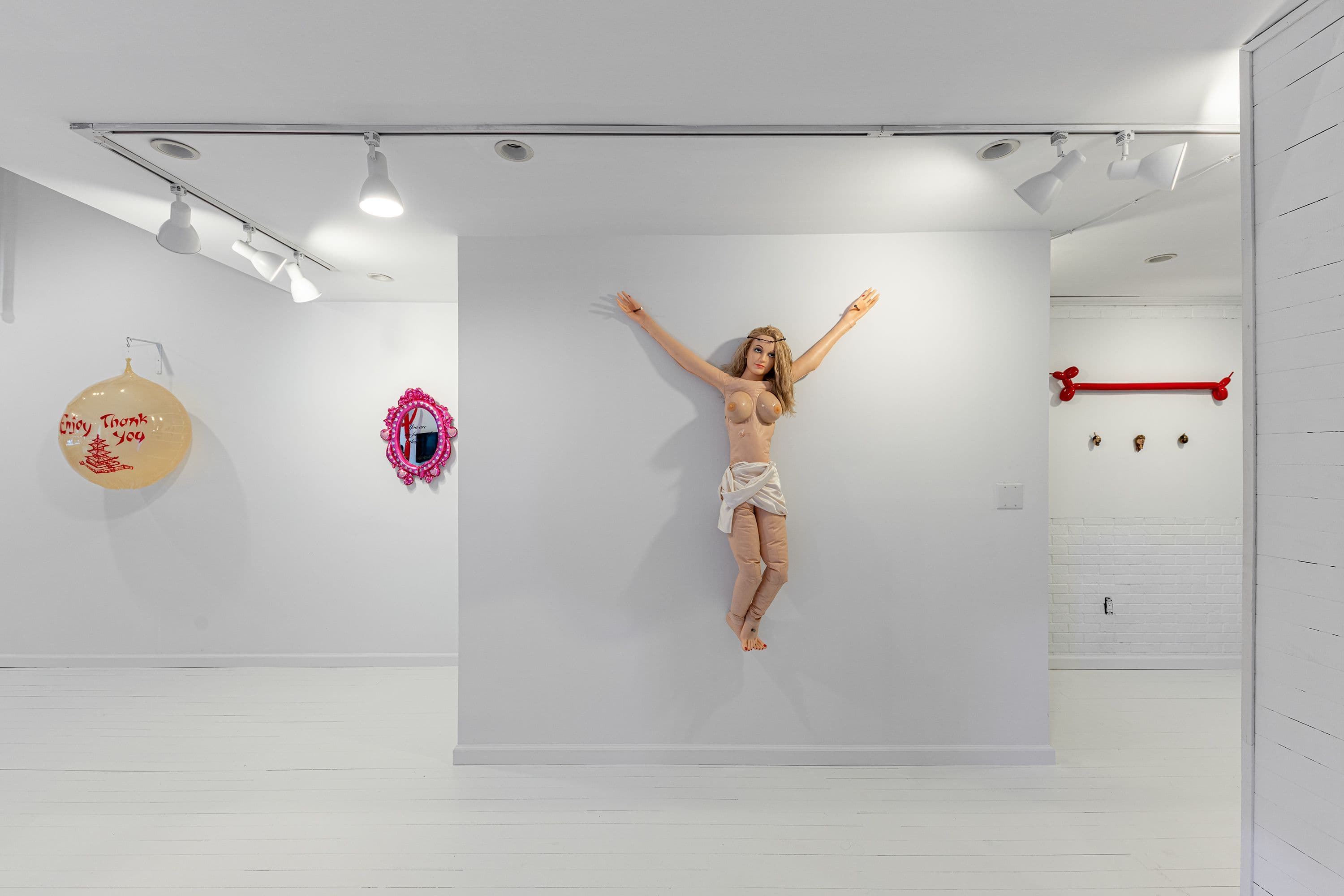
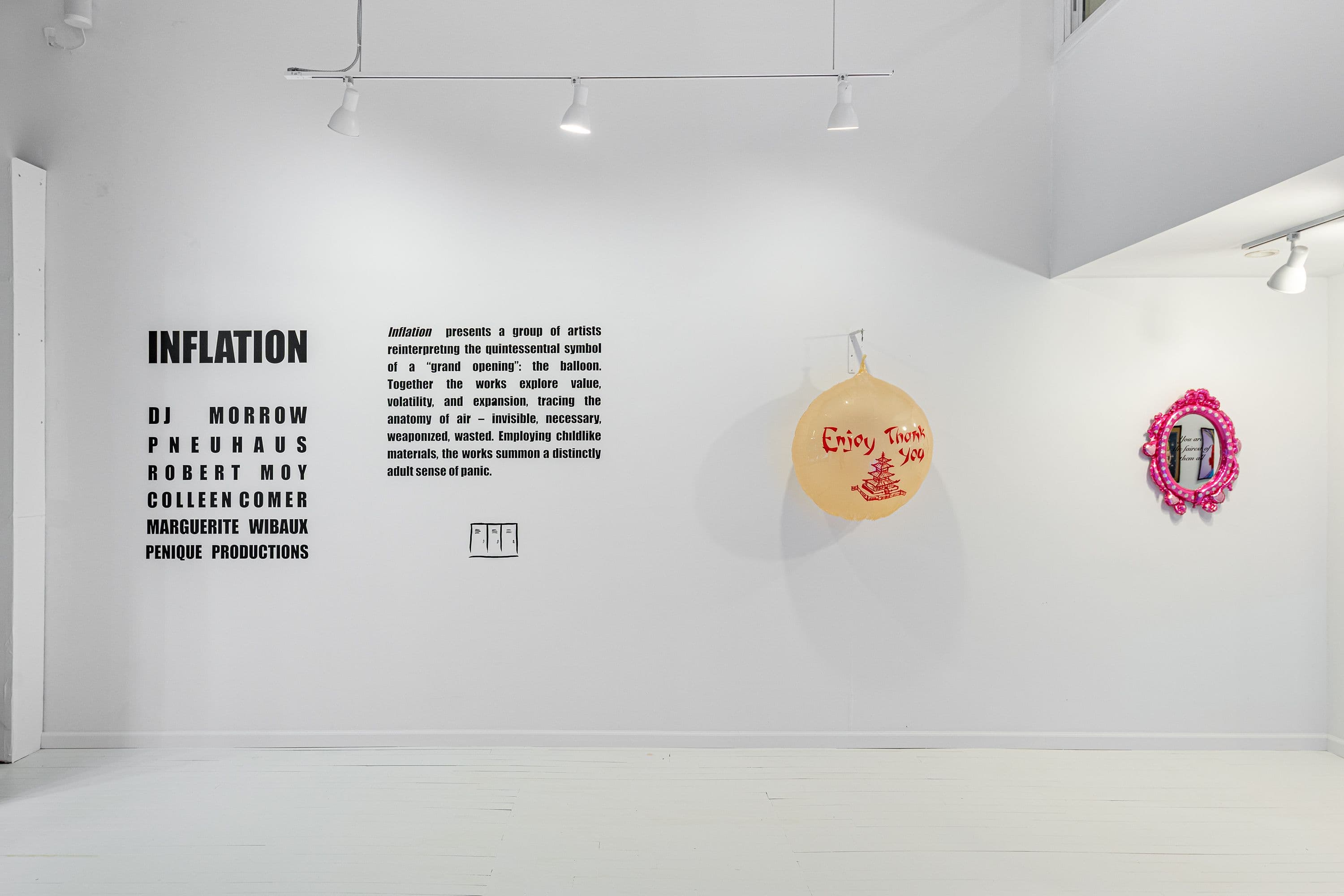
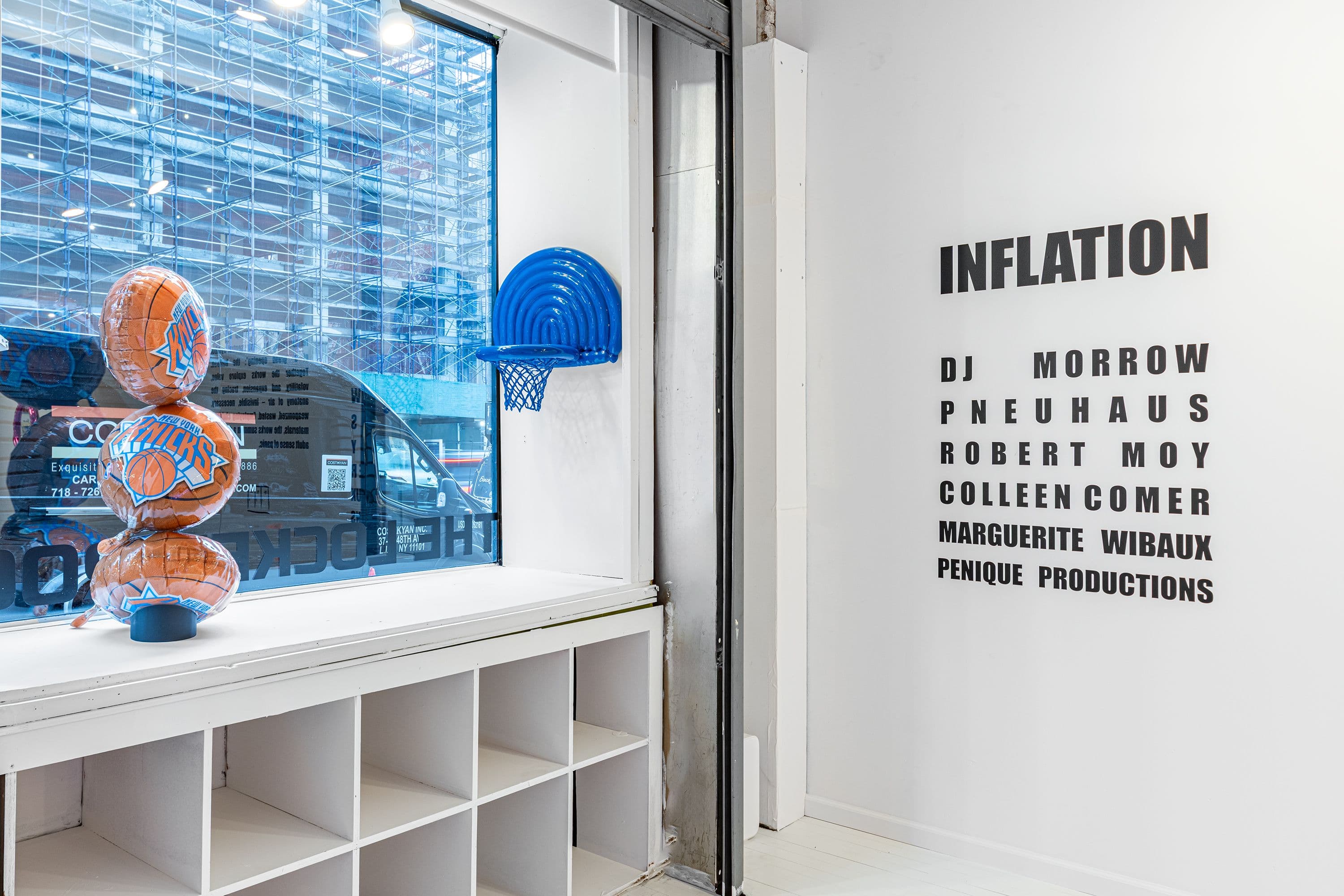
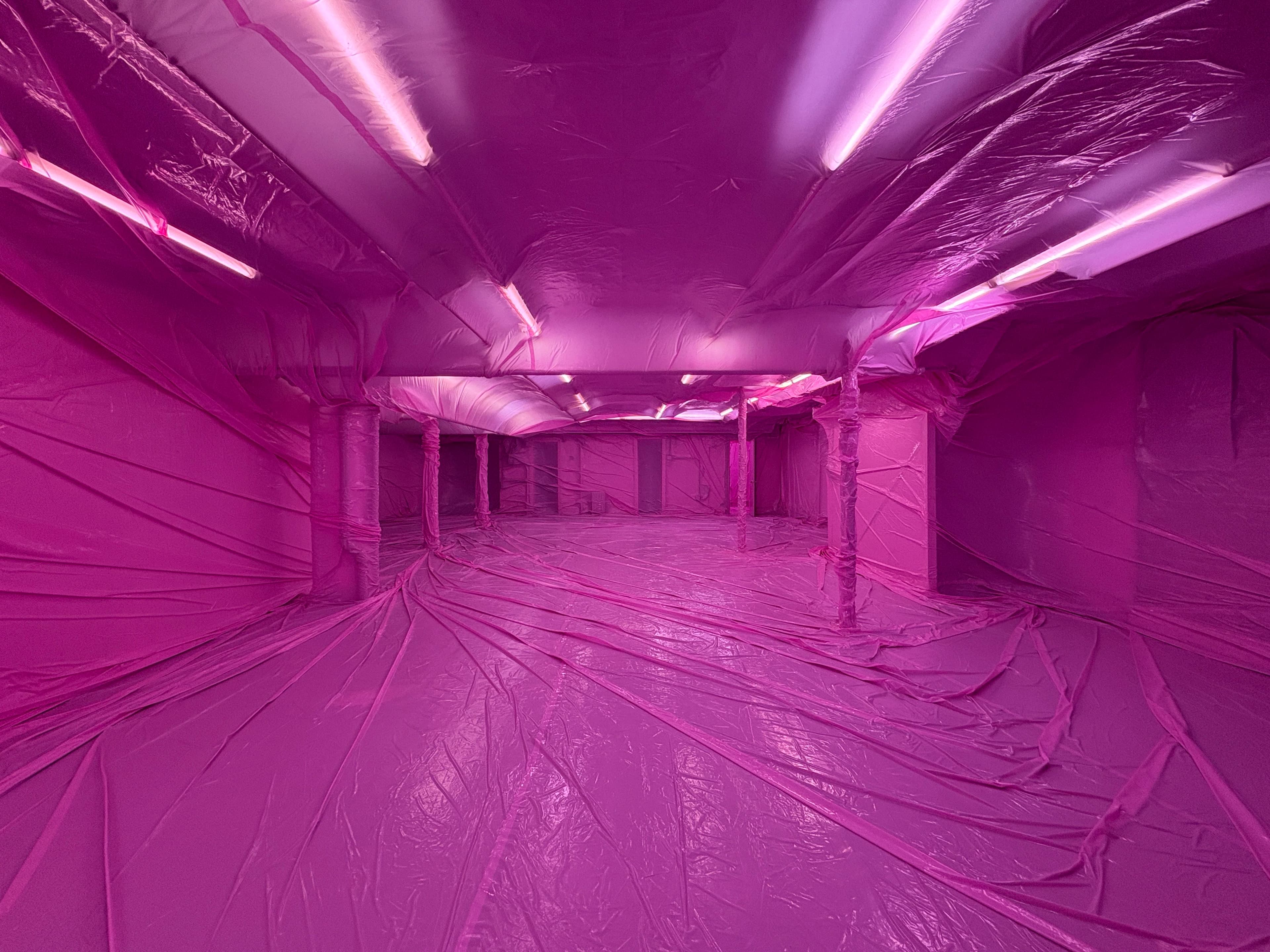
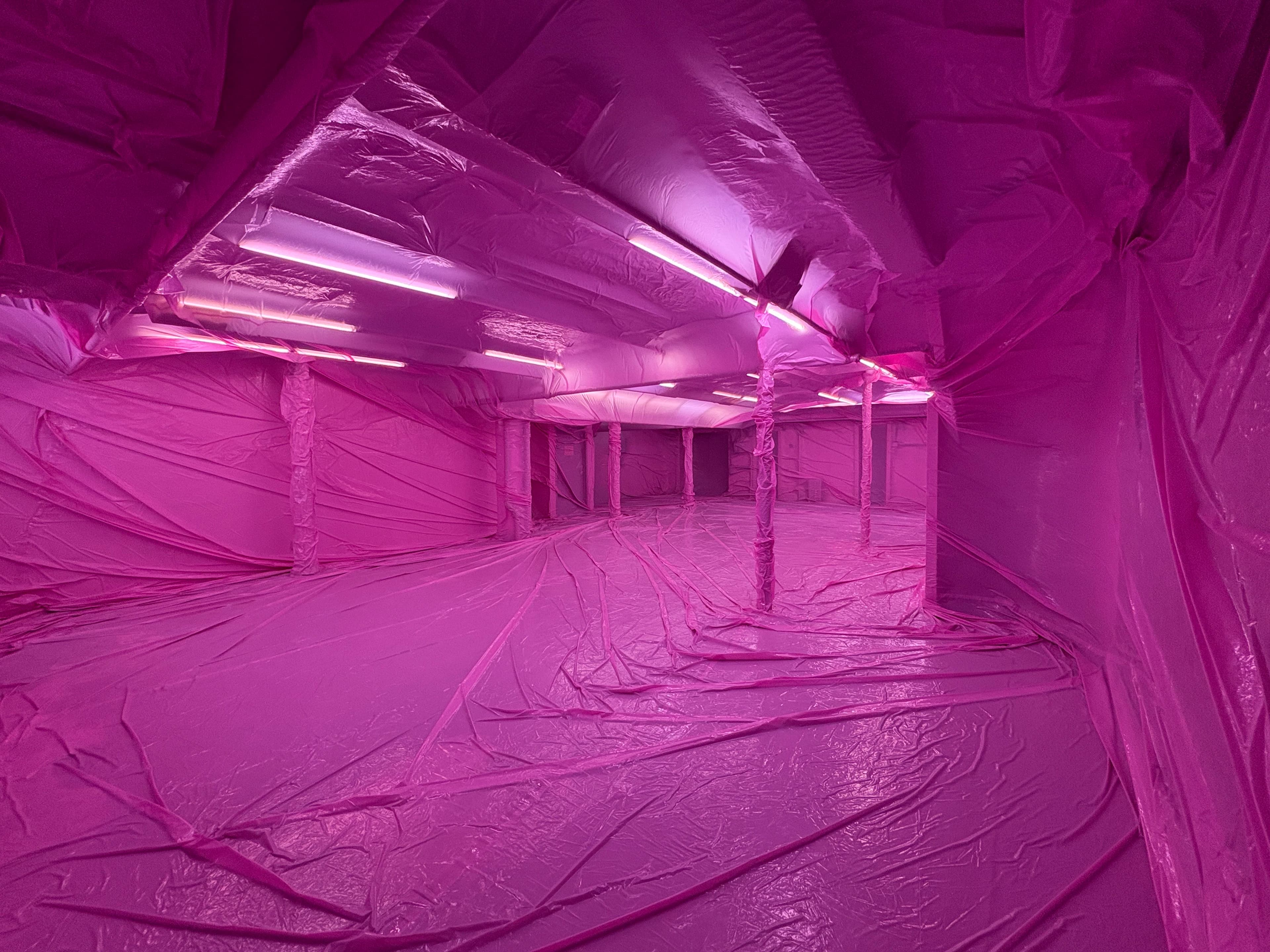
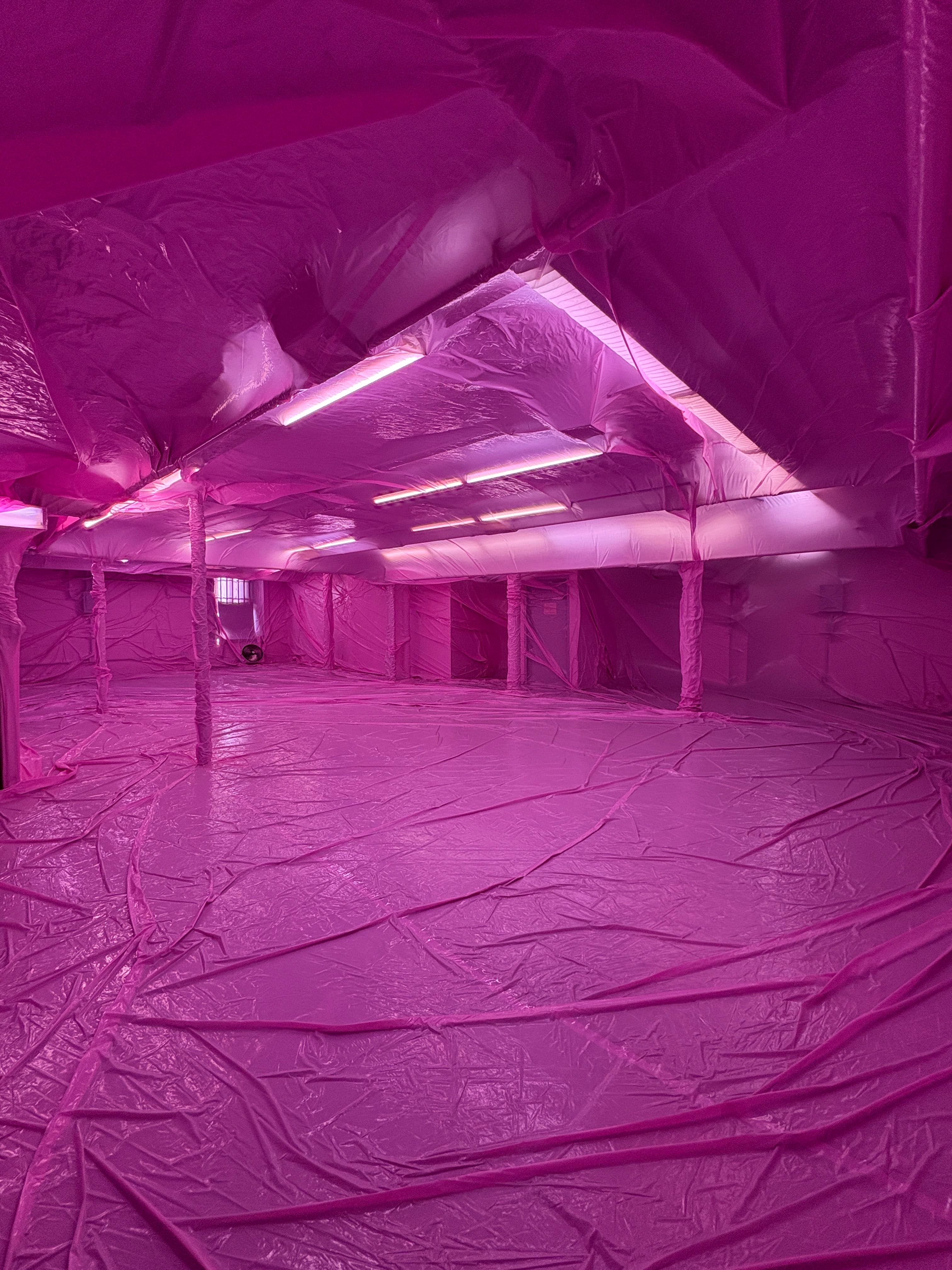
Locker RoomColleen Comer, DJ Morrow, Robert Moy of Brooklyn Balloon Company, Penique Productions, Pneuhaus, Marguerite Wibaux Opening a gallery during a moment of global instability might seem reckless—but in New York, survival has always doubled as style. For the Locker Room, it's also tradition. In 2020, Samara Bliss founded The Locker Room art collective in Brooklyn at the peak of the pandemic, providing an experimental hub and residency programs that were part creative resilience, part collective survival. Artribune called it "New York's Underground Renaissance". Now, in the thick of inflation, market whiplash, and cultural volatility, the Locker Room doubles down on artists again–this time in Tribeca–with an opening exhibition that floats directly into the storm. "I've seen that the Locker Room thrives in moments that are unstable and unhinged," says Bliss. "I've historically been drawn to people and opportunities that draw inspiration from chaos. Maybe that's how I ended up becoming a gallerist." Titled Inflation, the inaugural show reinterprets the quintessential symbol of a "grand opening" by featuring works centered around the concept of a balloon. This timely group exhibition features a range of balloon-inspired, inflatable, and air-filled works that collectively probe themes of value, spectacle, fragility, and collapse. Childlike materials collide with a distinctly adult sense of anxiety and panic. Since its inception, the Locker Room has built a reputation for showcasing art with poignant commentary and offering artistic levity during heavy times. Most infamously, the collective was behind the viral campaign "New York is Dead. Don't Come Back." in 2021 with billboards in Los Angeles and a prop plane flying over Miami, drawing on the trend of leaving the city during the pandemic. "We're not trying to guess what's next—we're trying to catch and coin what's happening right now," says Bliss. "Art is how we make sense of the absurdity of the times, and perhaps even how we remember it later."