
West, London
Lennart Anderson & Nate Antolik
Lennart Anderson & Nate Antolik
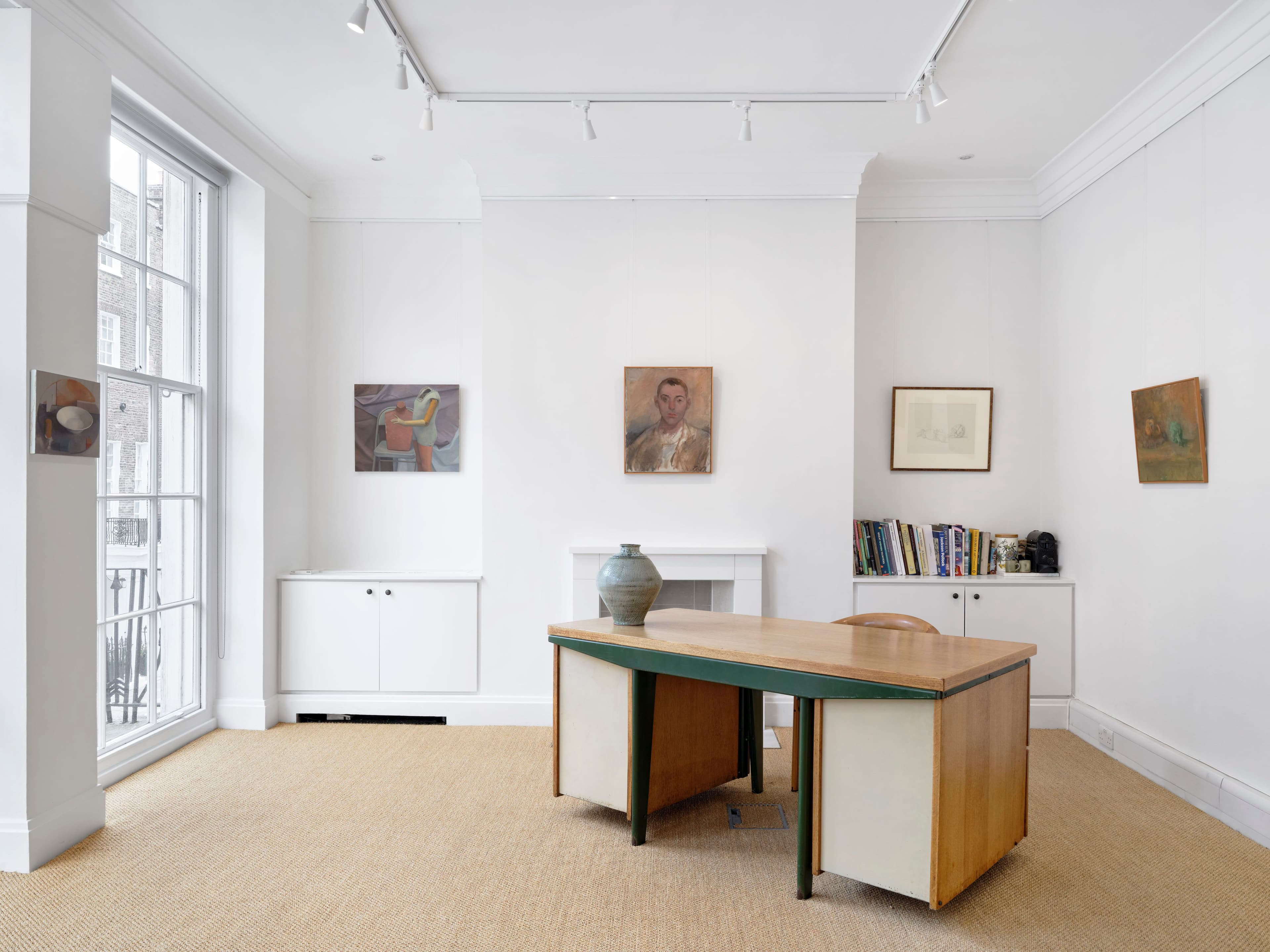
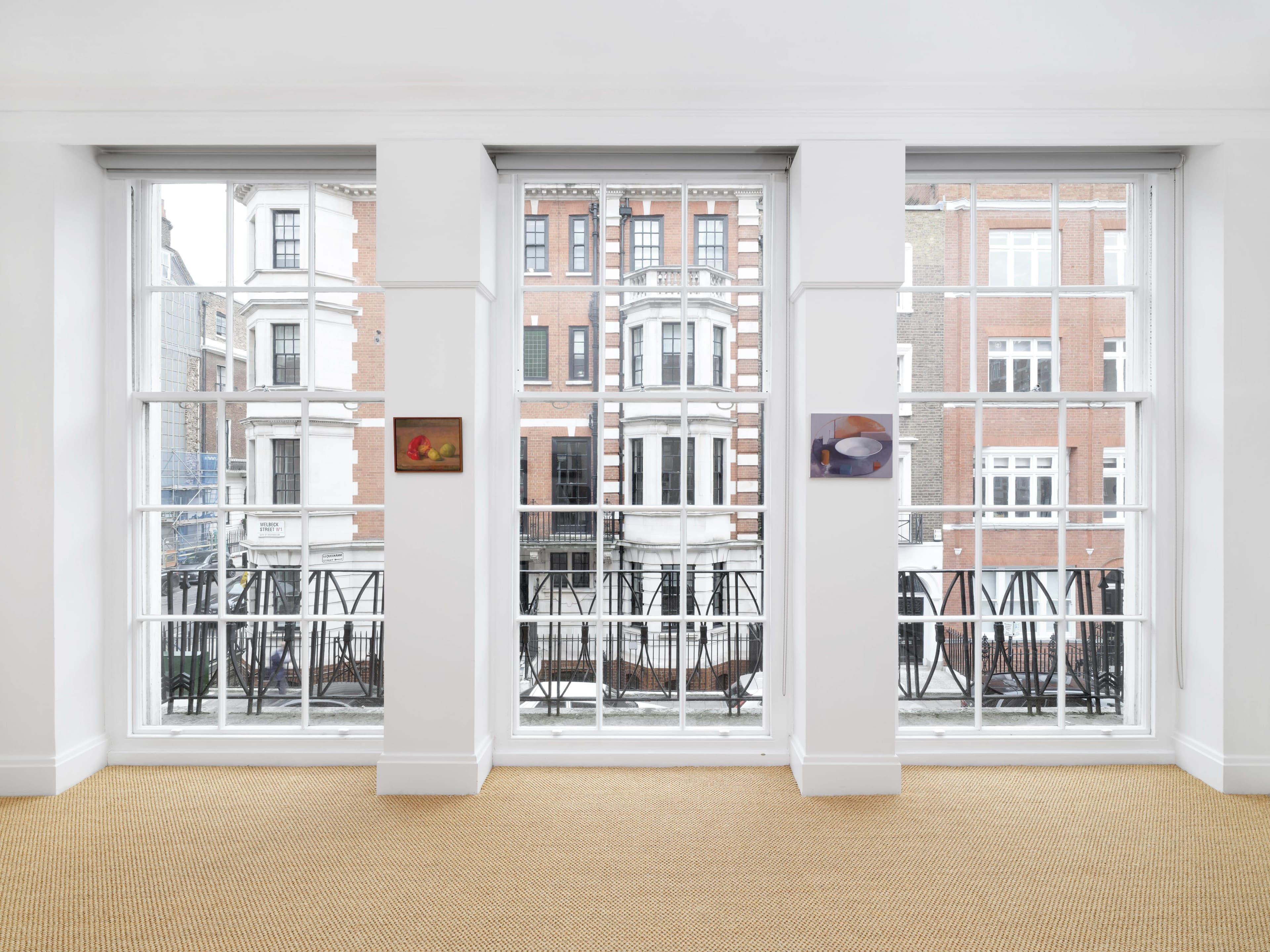
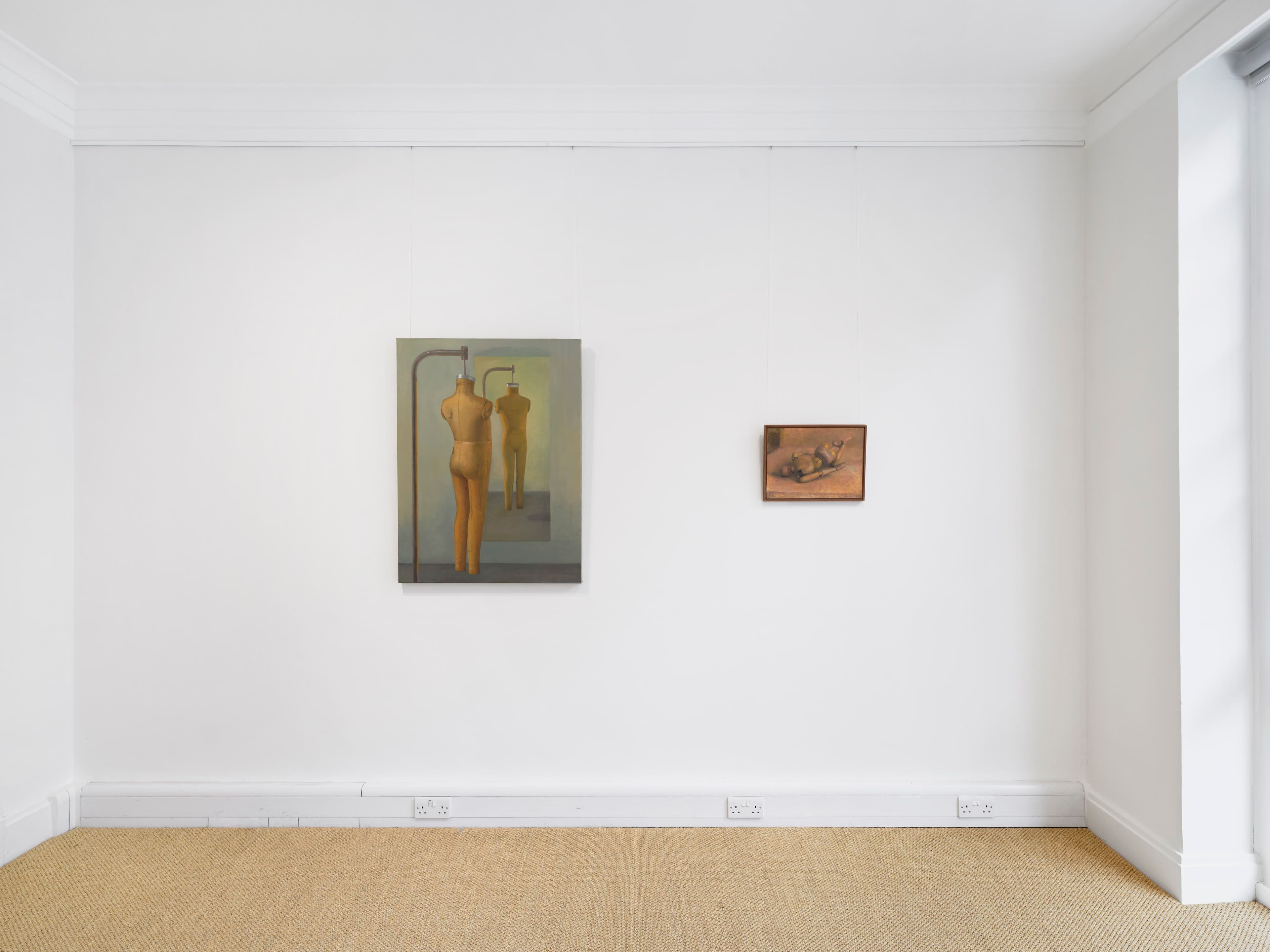
Jeremy ScholarFor Lois Dodd, Lennart Anderson’s (1928-2015) work stood out among those of his contemporaries when she first saw it in the 1950s. The fact that Anderson’s quiet, attentive paintings went against the grain of the gestural abstraction that preoccupied his peers made him more, not less appealing, and Dodd showed him in her gallery, Tanager, on 10th Street, New York. What was it about his unusual work, I asked her recently, that so appealed? “It’s so clearly good stuff”, she replied. It’s a good answer because it avoids the question. Anderson’s paintings, gathered in this exhibition in dialogue with works by Nate Antolik (b.1981), have the curious effect of speaking for themselves. What’s clear is their independence from current trends in painting and their evident relationship with works that came before them. An invisible thread runs from Pompeiian still life, through Chardin, Corot, Edwin Dickinson and Gwen John, to Anderson’s work – and on to Antolik, an artist for whom Anderson is a conduit into these works of the past. This is an exhibition about continuity and concentration. Objects – fish and fruit, mannequins and masks, dishes, tables and chairs – are seen clearly, shown plainly. Neither Anderson nor Antolik’s paintings pretend to be anywhere other than in a specific studio, with its particular fall of light on certain surfaces. The mannequins that feature in both artists’ works are part of the apparatus of that studio: their effect of liveliness only serves to remind us of their stillness. I’ve sometimes thought still life paintings are called that for their way of fixing their makers and viewers in place. (In other words, the artist is present). The precision of these painted objects, and the points of view in which they sit, hold you still, too. See how Antolik’s white dish places you slightly above it. See, too, how Anderson’s plate of fish locks you into position, looking down from above. What connects these two artists is this concern with presence, both theirs and their viewers’ own. Looking has an urgency in Anderson’s work. Towards the end of his life, he gradually lost his sight through macular degeneration, but painted through it all the same, until he no longer could. In later works, this translates into, at once, a ravenous attention to detail and the slow fading of the sight that serves it. Carry this knowledge with you back into his paintings and the precision of attention they show comes to stand for a way of connecting to the world itself. It’s there in Antolik’s paintings, too. The patience with which he translates his own slow looking into the medium of paint – the specificity of the sheen on the wooden leg of a chair, or the stripe of bright light in a glass of water – is a kind of self-portrait. Attention is a way of finding oneself in the world. These paintings are small dramatisations of that. Their acts of patient looking instruct our own. You are here. —Ben Street, London, September 2023