
Upper East Side, New York
Joe Brainard
Love Nancy
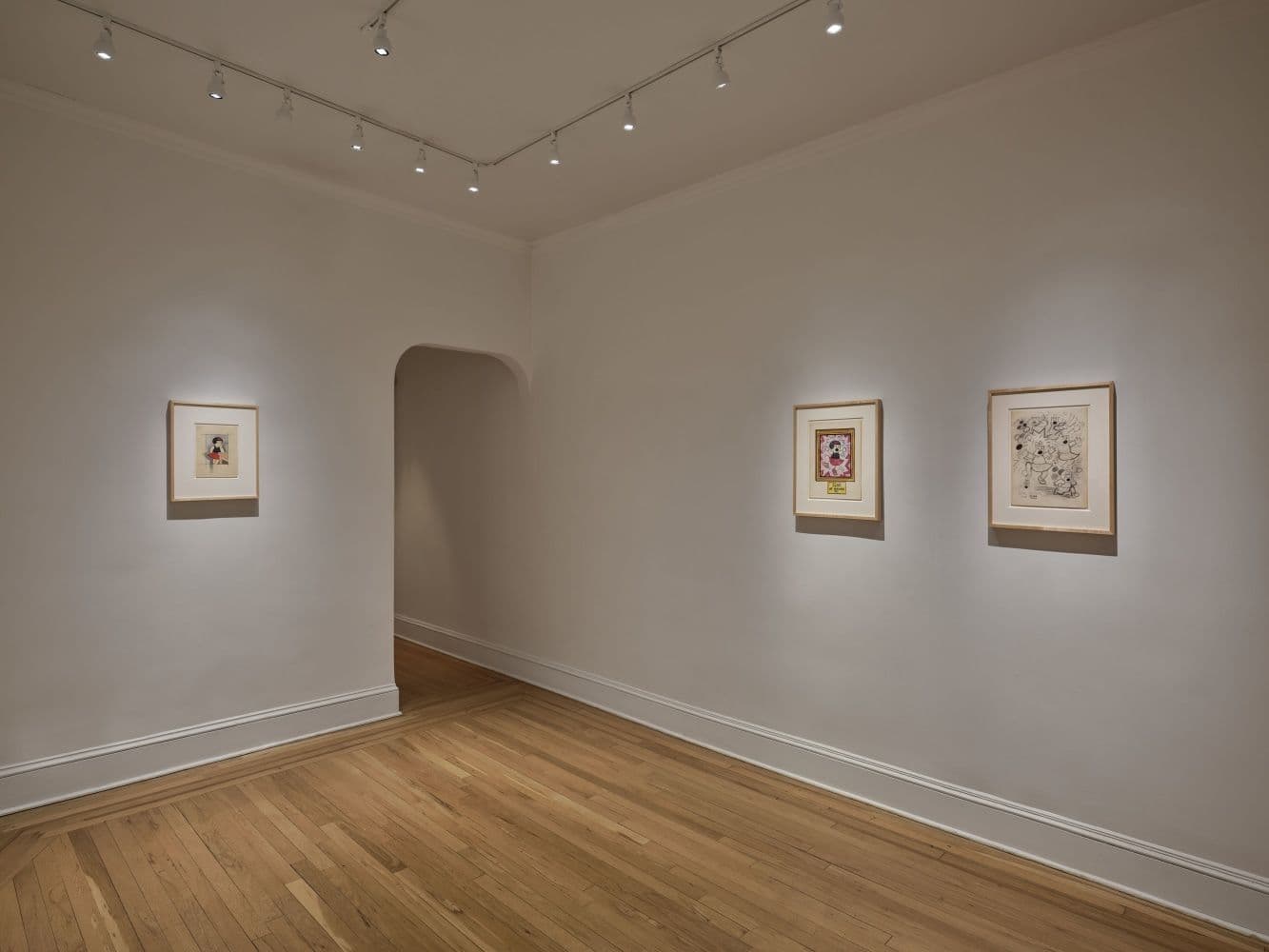
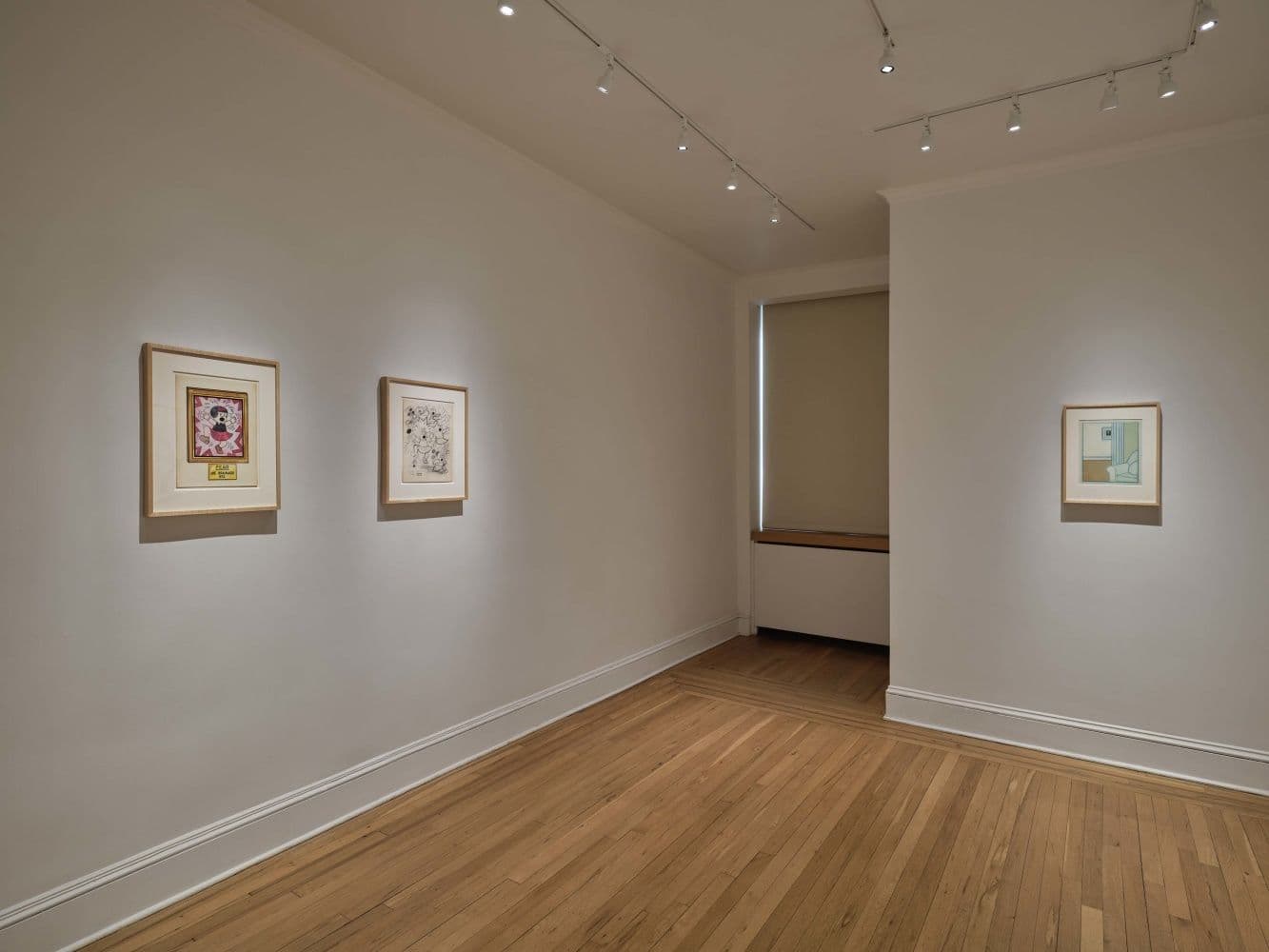
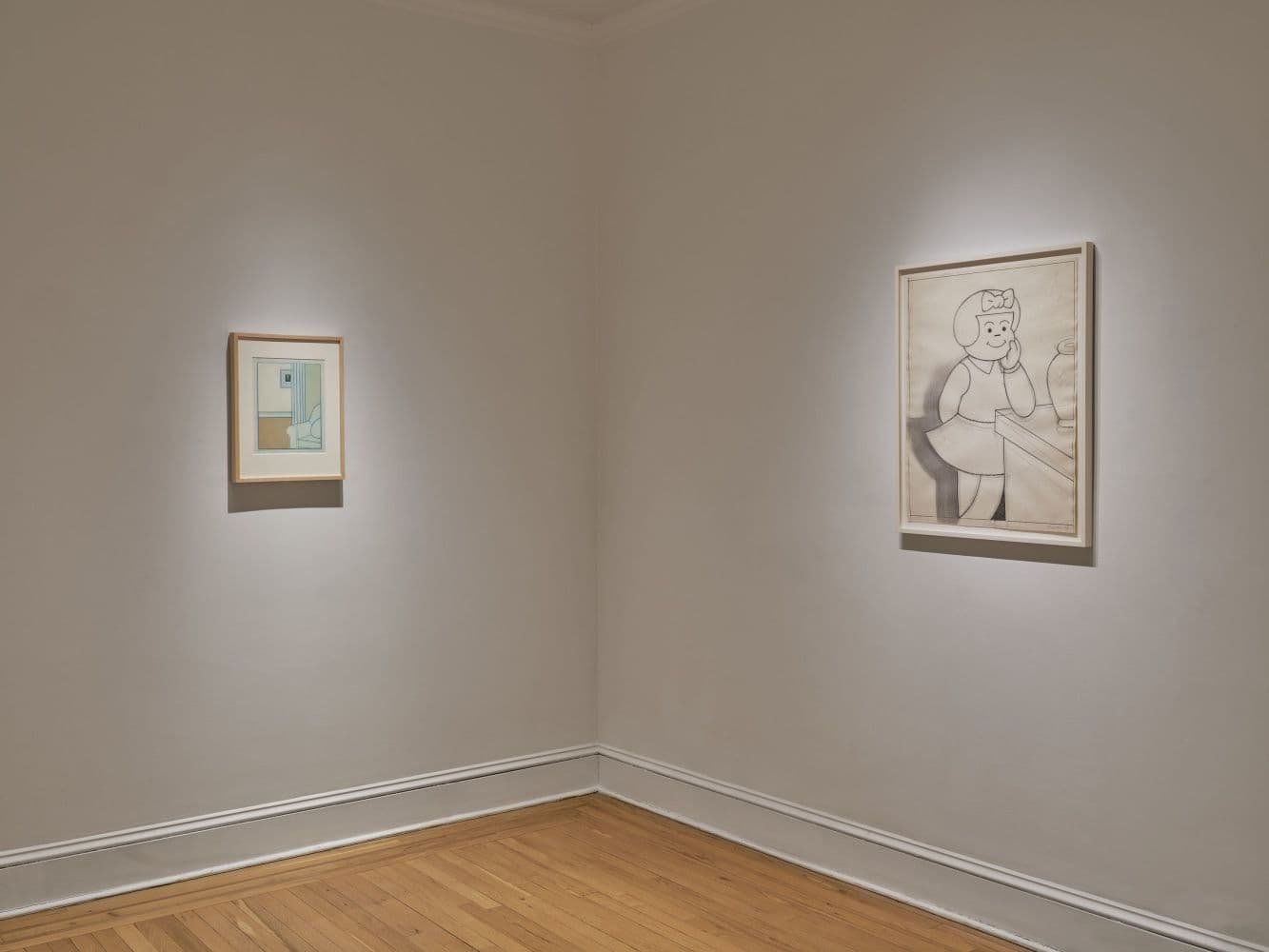
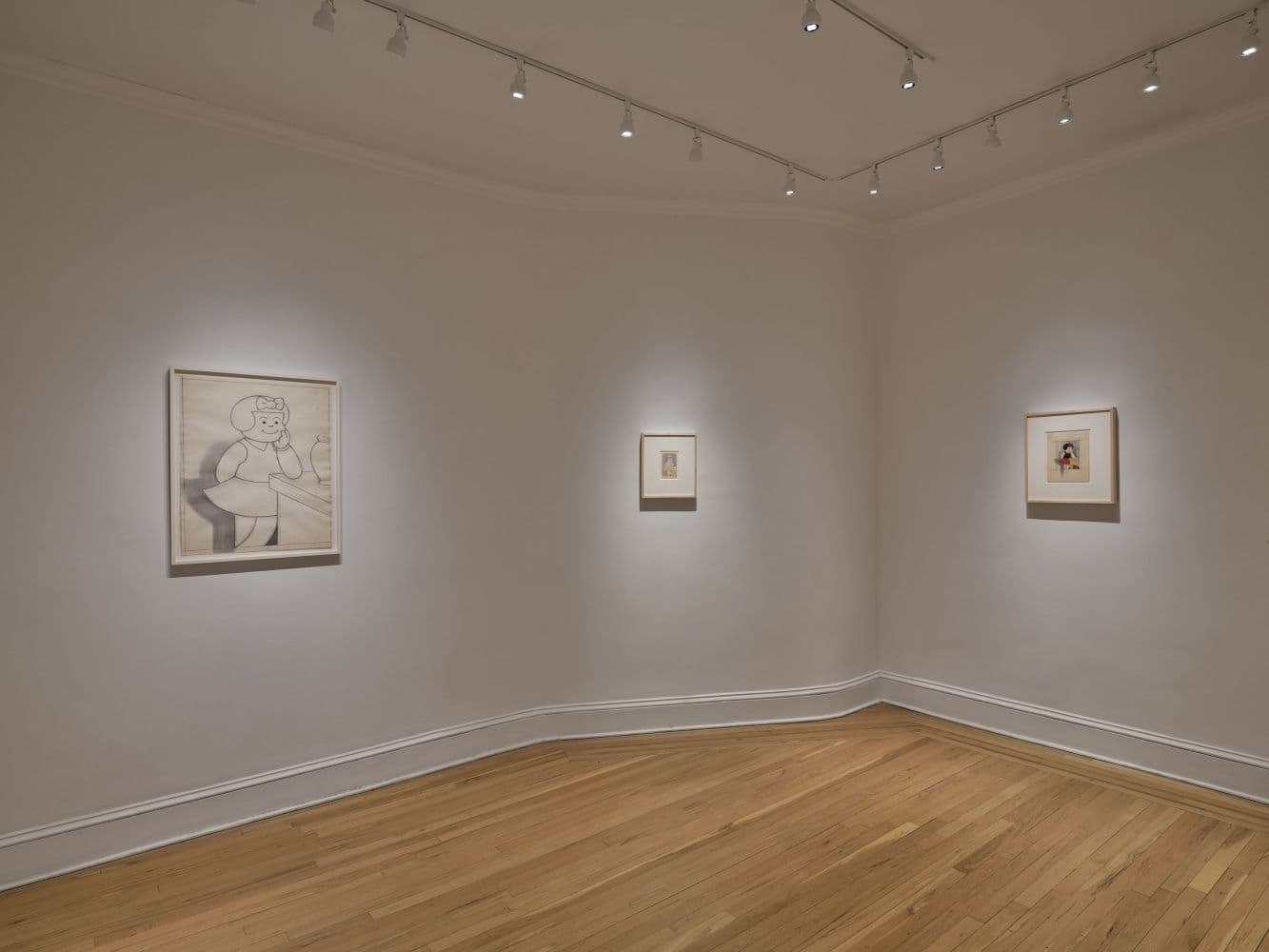
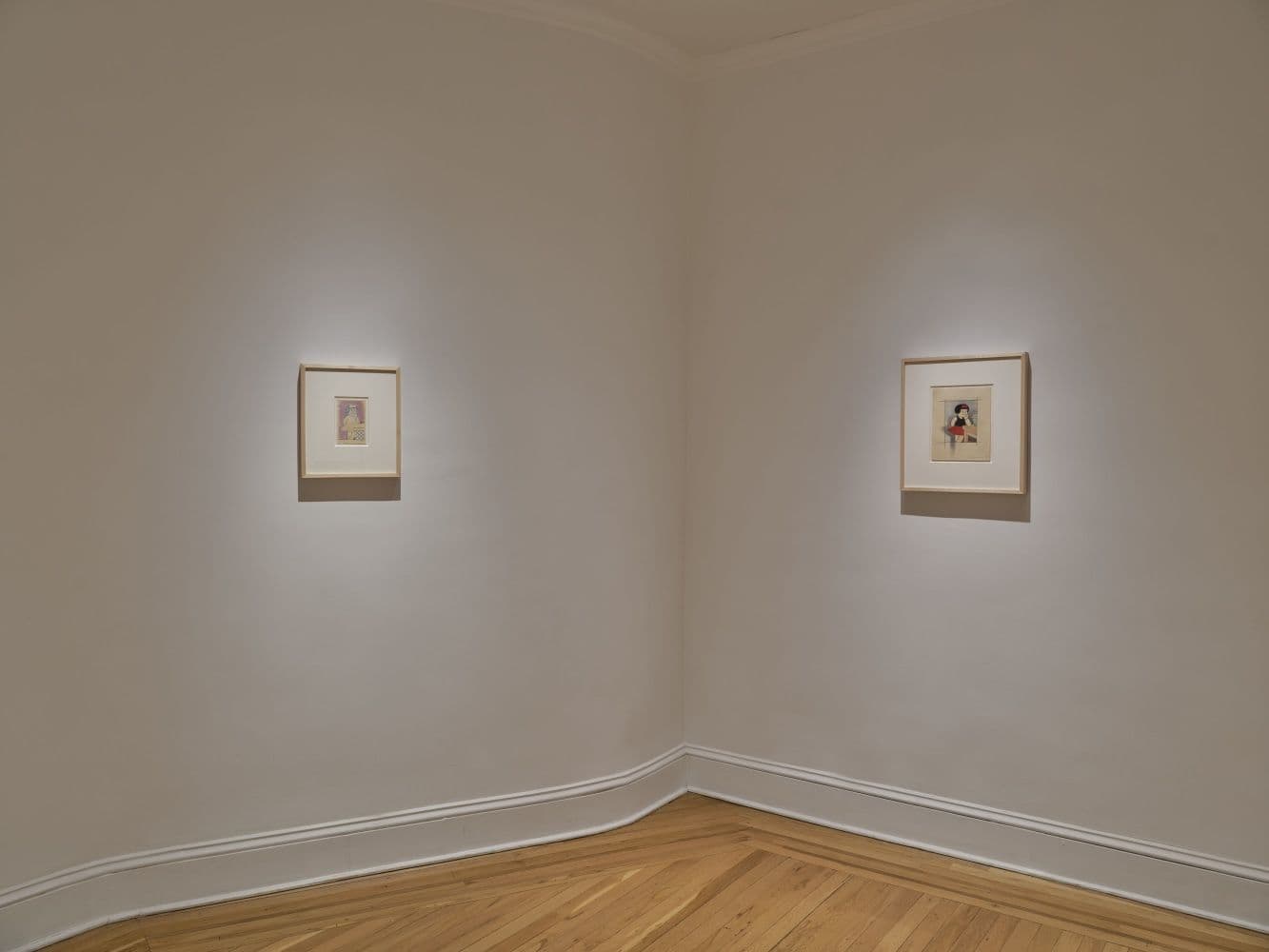
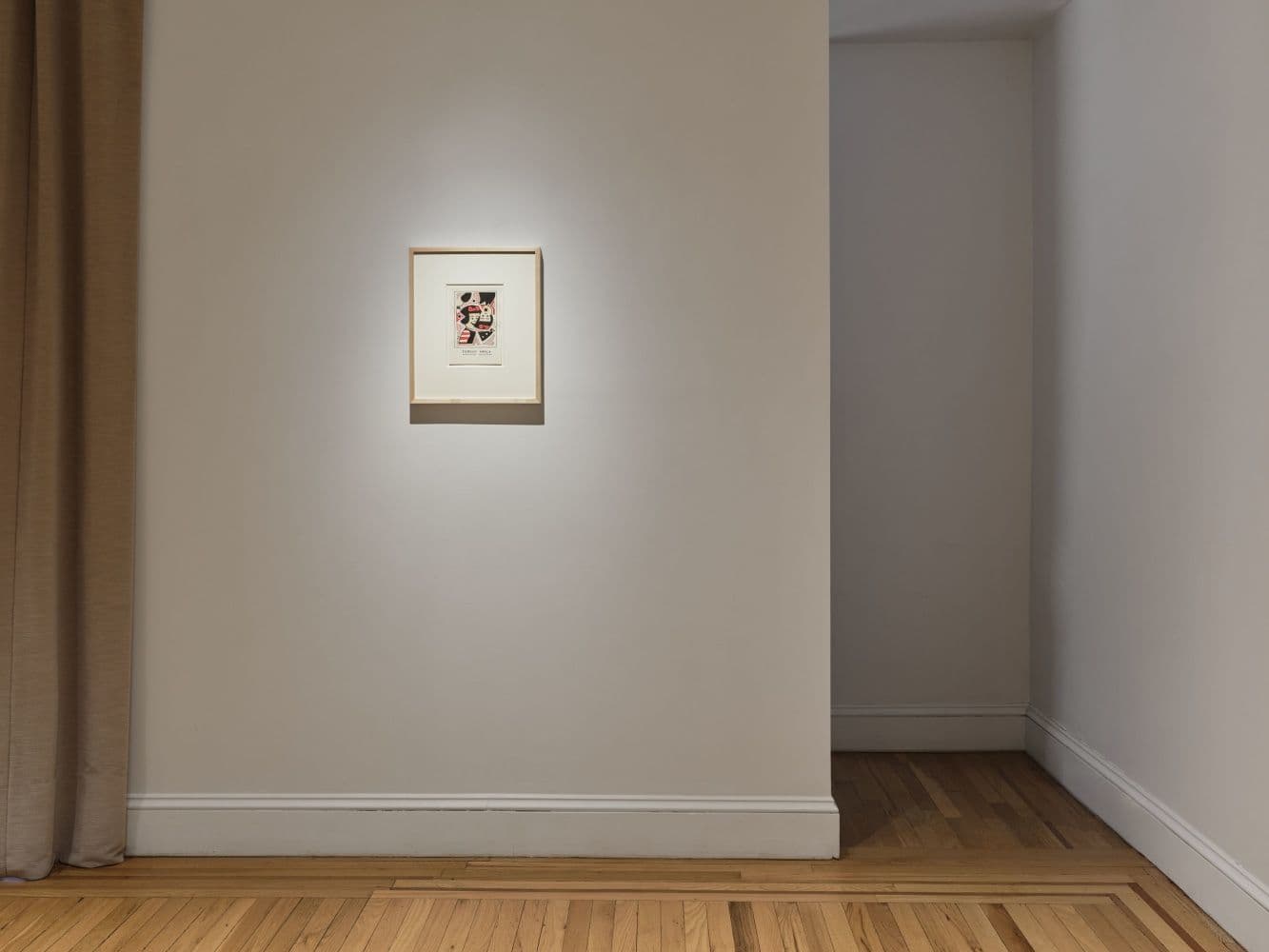
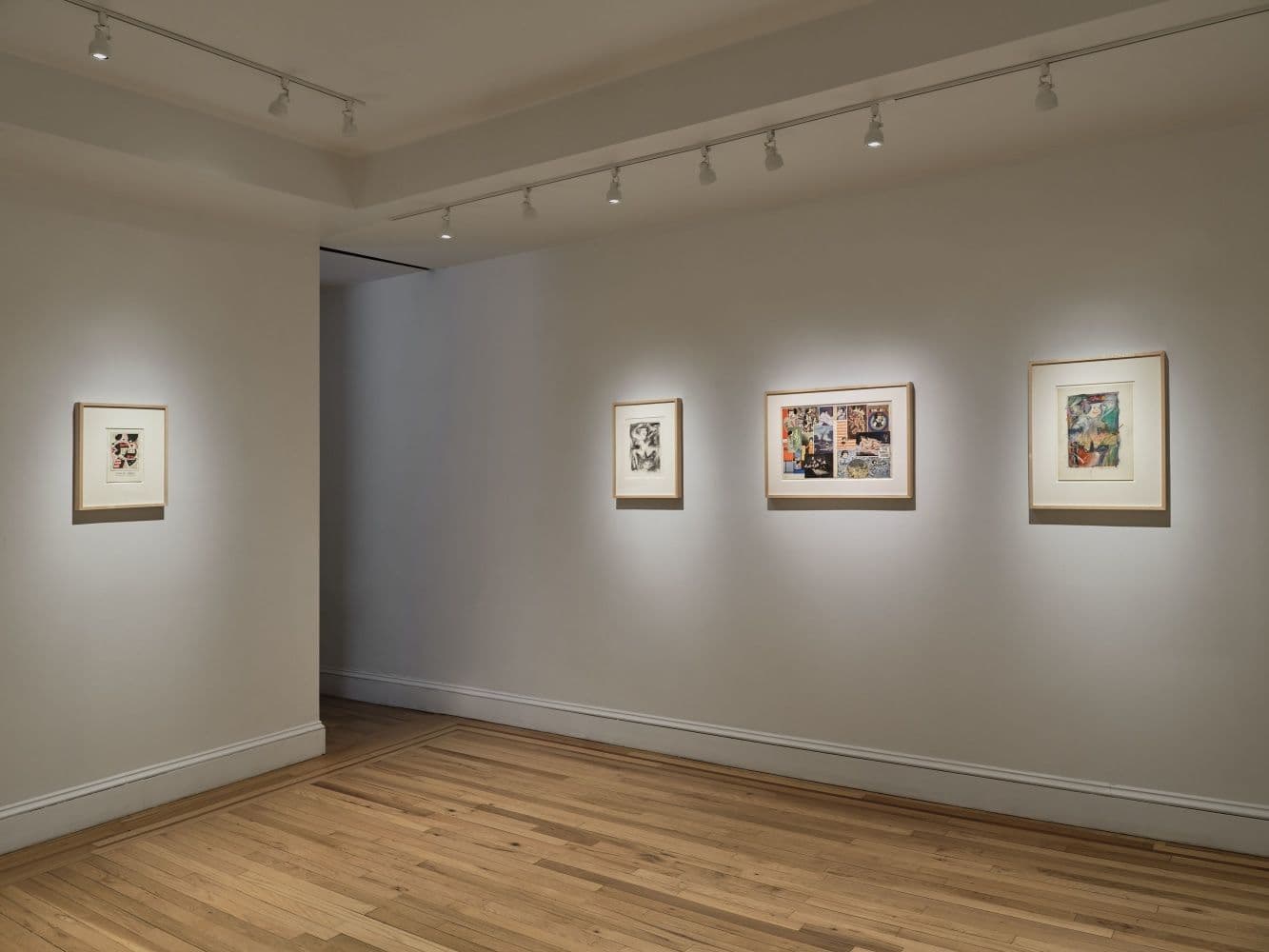
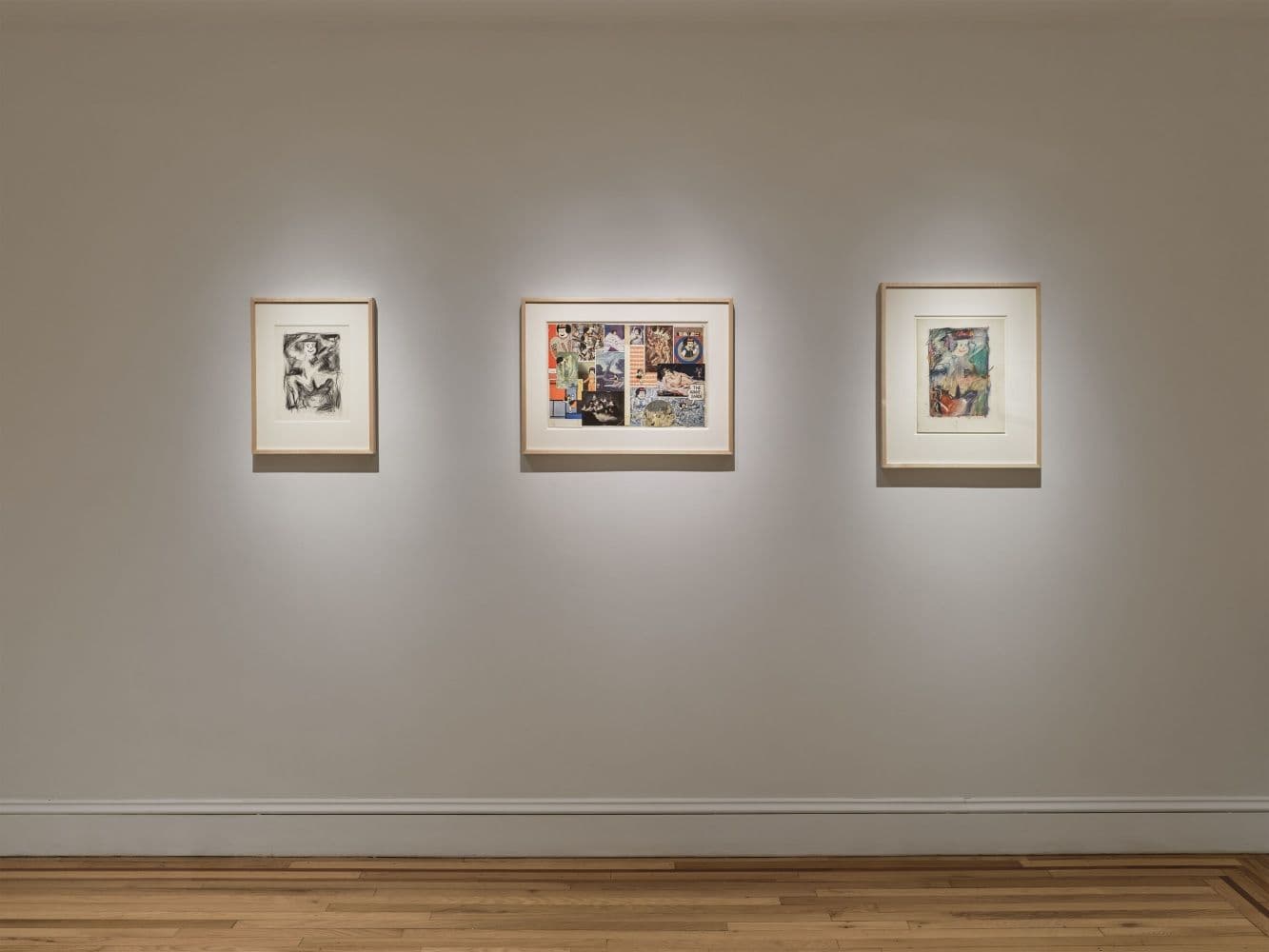
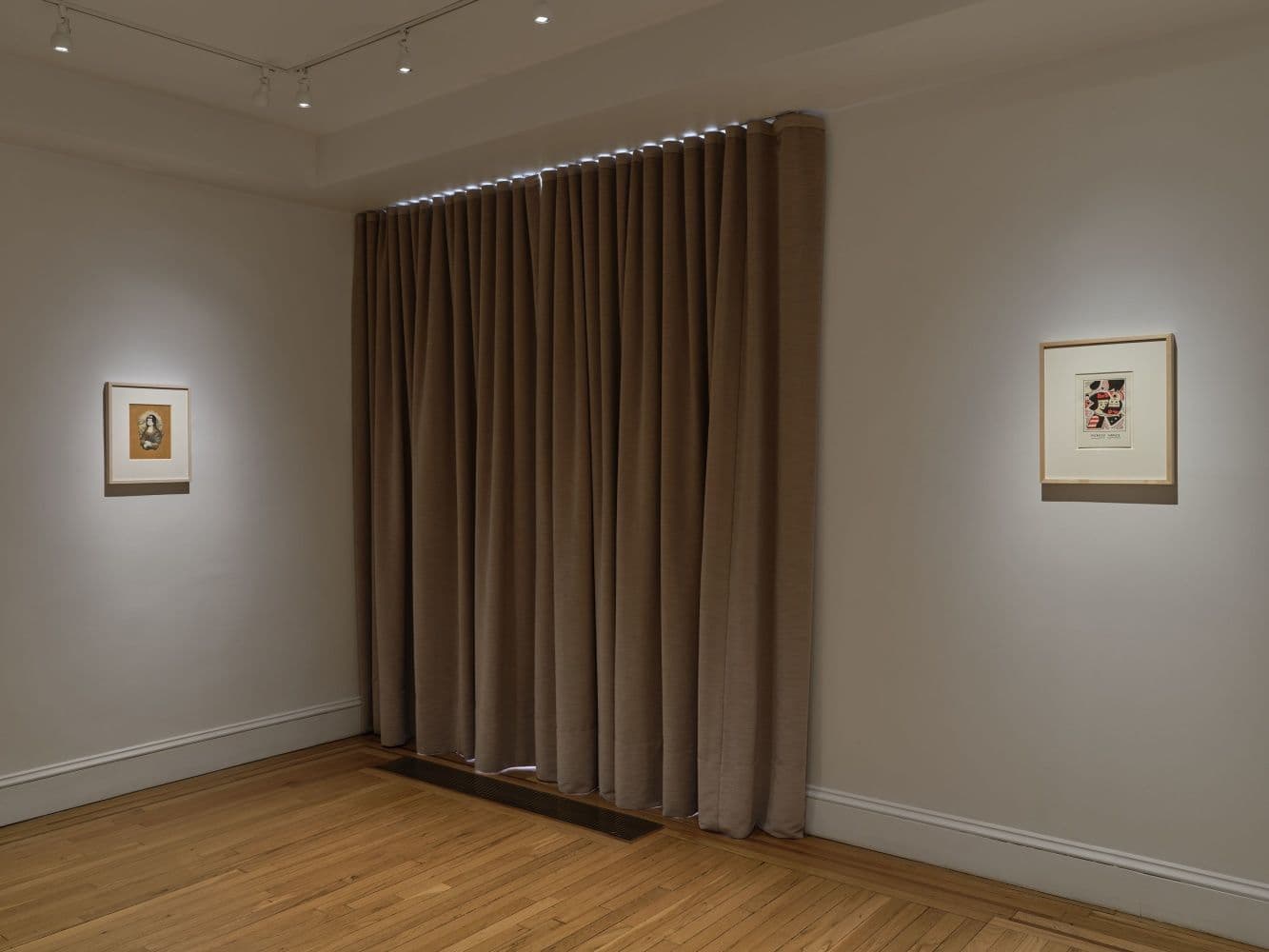
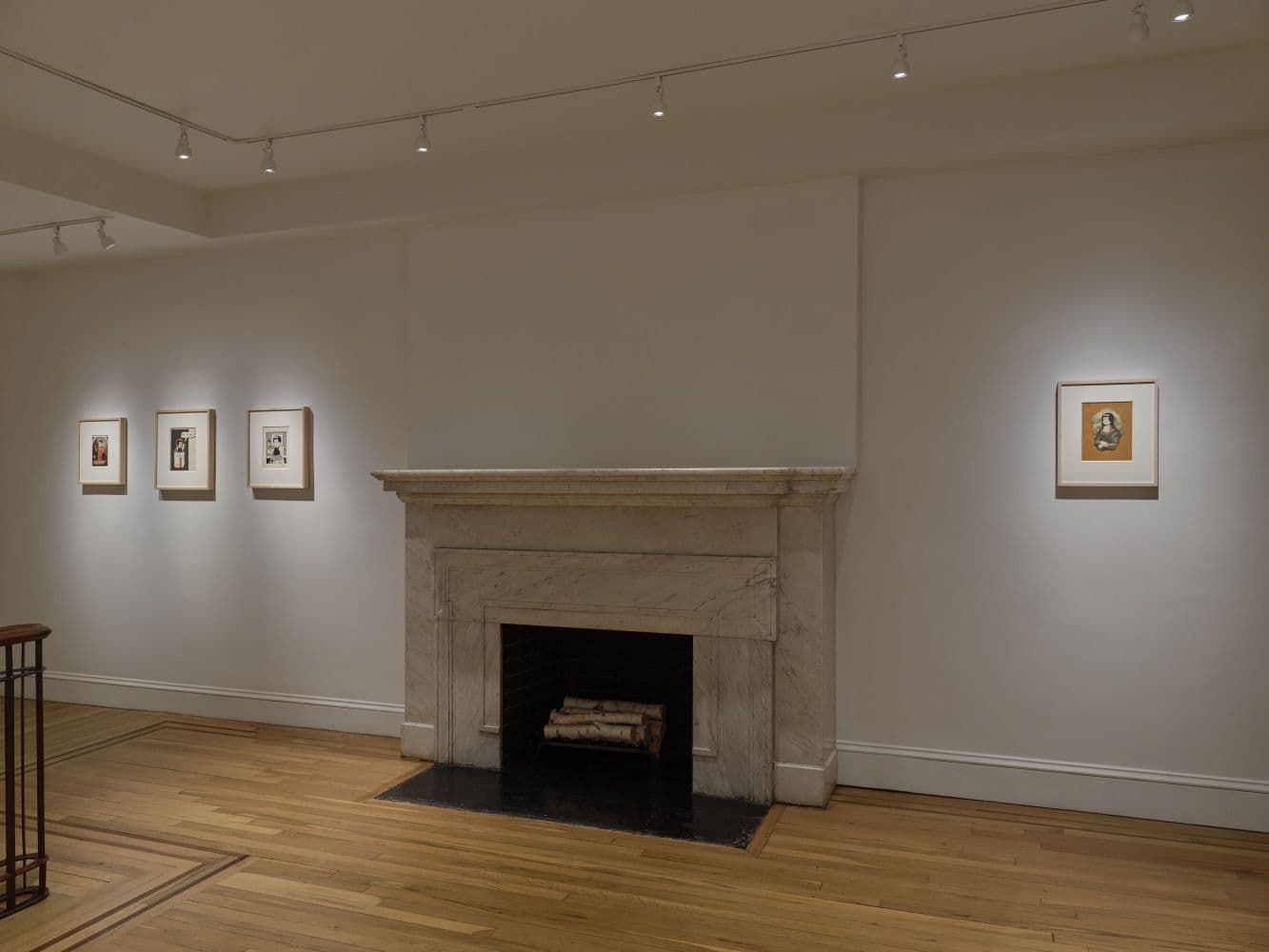
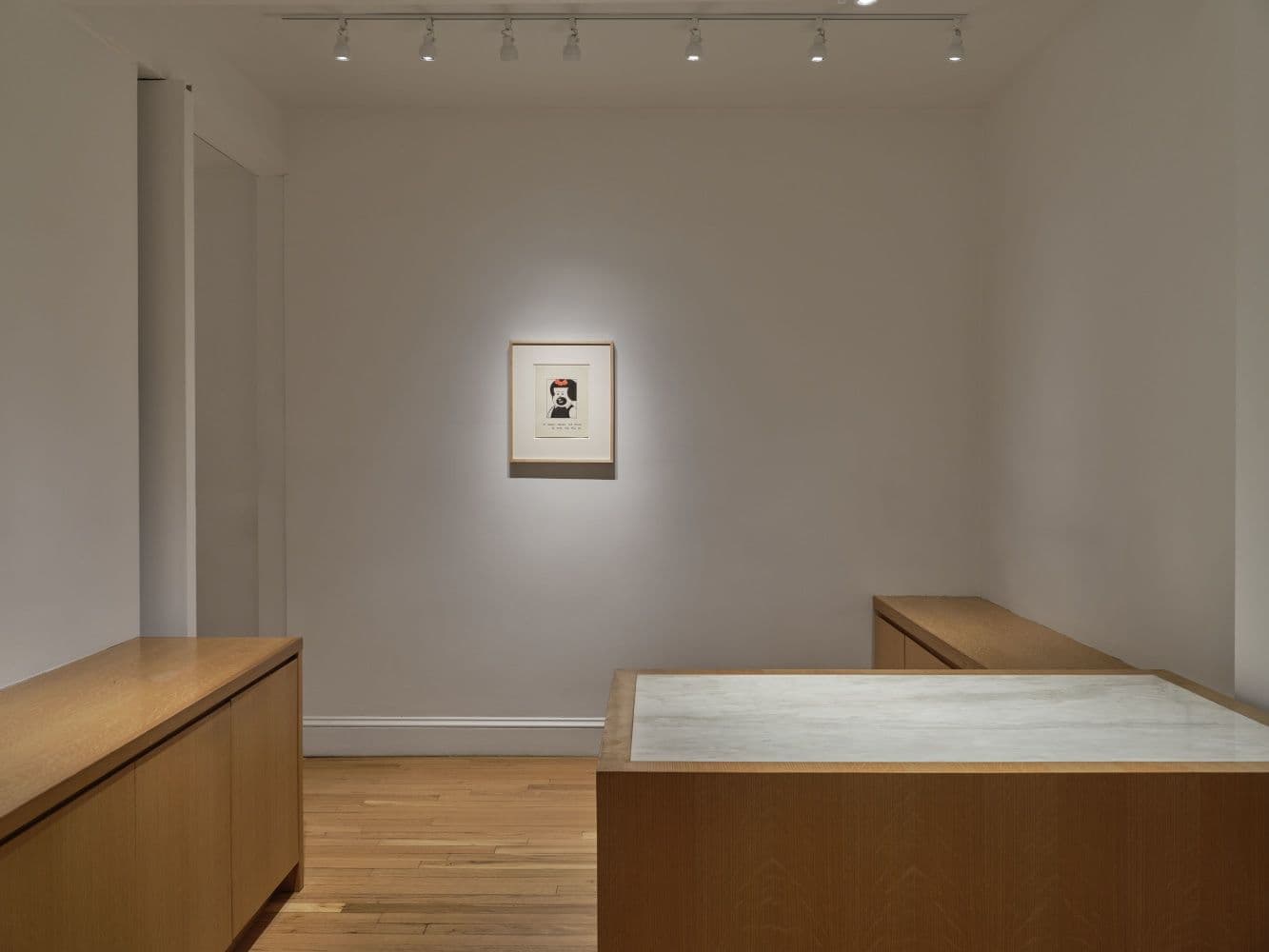
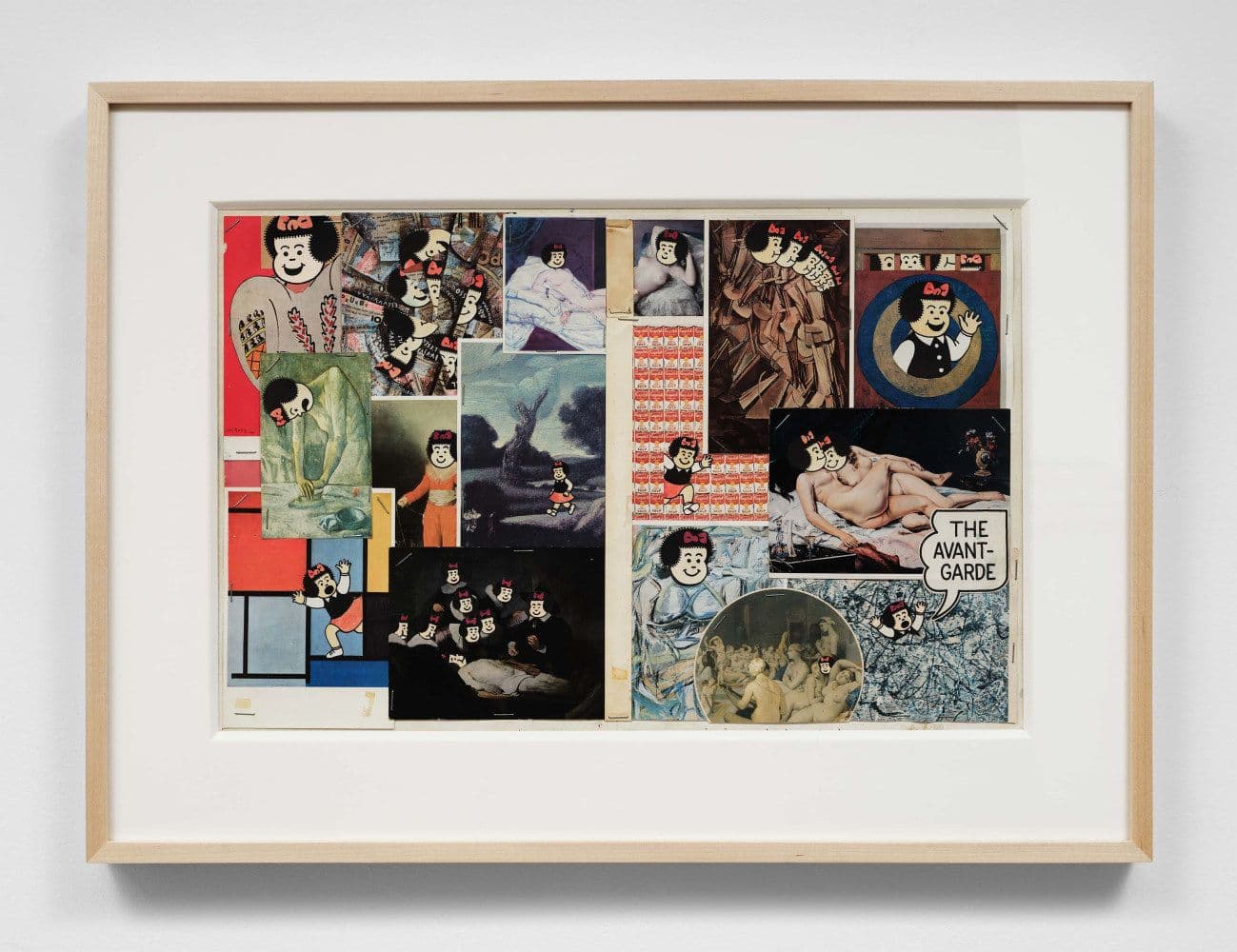
Craig Starr GalleryCraig Starr Gallery is pleased to present Joe Brainard: Love Nancy. Ernie Bushmiller's 1930s popular cartoon character Nancy is one of the central motifs of Joe Brainard's work. Brainard first uses the character in 1963 and continues until his retirement from art in 1978, producing over 100 works in various media. Joe Brainard: Love Nancy brings together a large selection of drawings and collages from this body of work for the first time in almost 20 years, including loans from the Colby College Museum of Art and the Fogg Museum at Harvard University. Born in Arkansas in 1942 and raised in Tulsa, Oklahoma, Brainard moves to New York City in late 1960. A writer and an artist, he becomes associated with the New York School, an informal group of artists and poets that includes Joseph LeSueur, Frank O'Hara, Alex Katz, Larry Rivers, Fairfield Porter, John Ashbery, and others. In New York, Brainard also becomes interested in Pop Art and their use of comics as a poetic medium. In the words of his lifelong friend, the poet and essayist Ron Padgett: Joe begins using Pop elements in his visual artworks soon after his arrival in New York in late 1960--images of consumer goods such as Fab, Tide, Alka-Seltzer, Lucky Strikes, and 7-Up--and in 1963 he begins including comic strip characters such as L'il Abner, Dick Tracy, and Nancy, whose adventures he is following in the New York Post. Nancy quickly emerges as his clear favorite, culminating in the "If Nancy was…" series of 1972 and the large Nancy Diptych of 1974. The original character of Nancy first appears in the comic strip Fritzi Ritz, "a stereotypical flapper strip that capitalizes on the excitement of the Roaring Twenties and the emancipation of American women… Fritzi Ritz relates the story of a New York glamour girl turned movie actress." Published by the New York Evening World, the strip is written and drawn since 1933 by Ernie Bushmiller, the son of a German immigrant and a student at the National Academy of Design. In one episode, Fritzi travels to Hollywood and is joined there by her niece, Nancy, who less than a year later becomes the focus of the daily strip. Bushmiller's earlier drawings for Fritzi highlight the elegance of the actress's marvelous outfits, including lingerie, coats, hats, and detailed dresses. In contrast, his style for Nancy becomes increasingly linear and economical, emphasizing the cheerful buoyancy and ingenuity of her simpler world. In the words of Padgett, pictures such as Untitled (Nancy Leaning on a Table), on view in this exhibition, follow "Bushmiller's clean, bold line and his disposition of solid blacks against white," as well as Nancy's "simplicity of manner… her direct, courteous demeanor." This drawing shows Brainard's beloved heroine donning her classic schoolgirl uniform-a jumper, collared shirt, and pleated skirt. Brainard enjoys identifying with Bushmiller's Nancy, making her a quiet expression of his own attitudes and desires-and he returns several times to this modest composition as the best receptacle for his sentimental projections, including two other smaller works on paper, also in the show, and his large 1974 painting Nancy Diptych (Private collection). In 1972, Brainard begins a series of works casting Nancy in a variety of surprising roles: as a face on Mount Rushmore, an ashtray, or a de Kooning "Woman" painting. Like in his famous memoir I Remember, these works are composed around a discreet sentence beginning with "If Nancy Was…", and which decrees the model or situation that she needs to play. Some pictures simply lay out an experience or perception, both startling and hilarious. In If Nancy Opened Her Mouth So Wide She Fell In, on view in the exhibition, Nancy is shown asking for help as she falls into her own mouth, both the attacker and the victim-an uncanny double in a Freudian slip. Nancy also allows Brainard to explore art history and appears garbed in the style of Leonardo, Picasso, or de Kooning, confounding and upsetting in an ironic way different modes of pictorial representation. A fully illustrated catalogue accompanies the exhibition and includes a new essay by Hilton Als, an award-winning journalist, critic, and curator. Als has been a staff writer at the New Yorker since 1994 and has received numerous awards, including the Pulitzer Prize for Criticism (2017), Yale's Windham-Campbell Literature Prize (2016), and a Guggenheim Fellowship (2000). He is currently a teaching professor at the University of California, Berkeley.