
Upper East Side, New York
Robert Rauschenberg
Important Early Works from the Cy Twombly Foundation
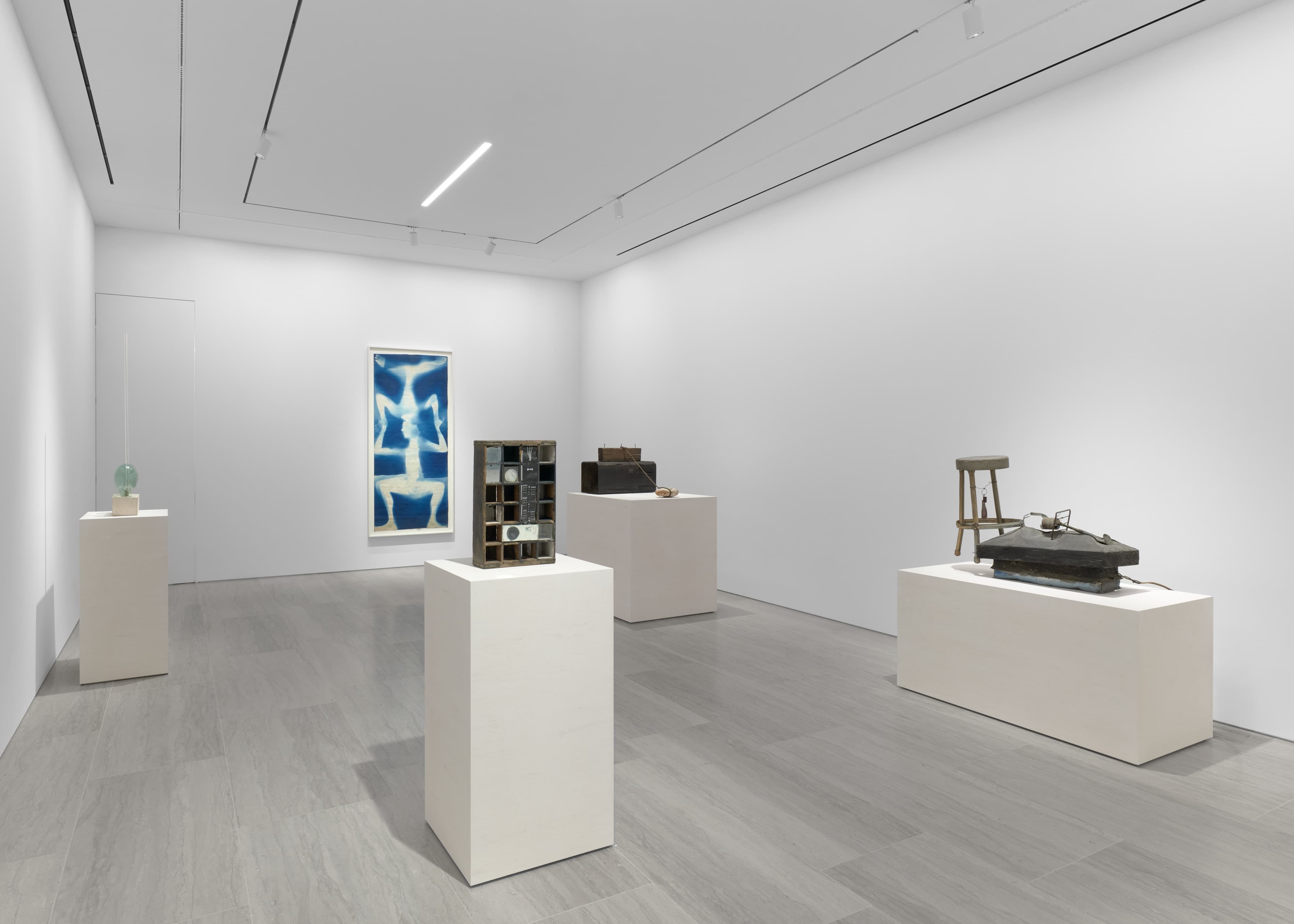
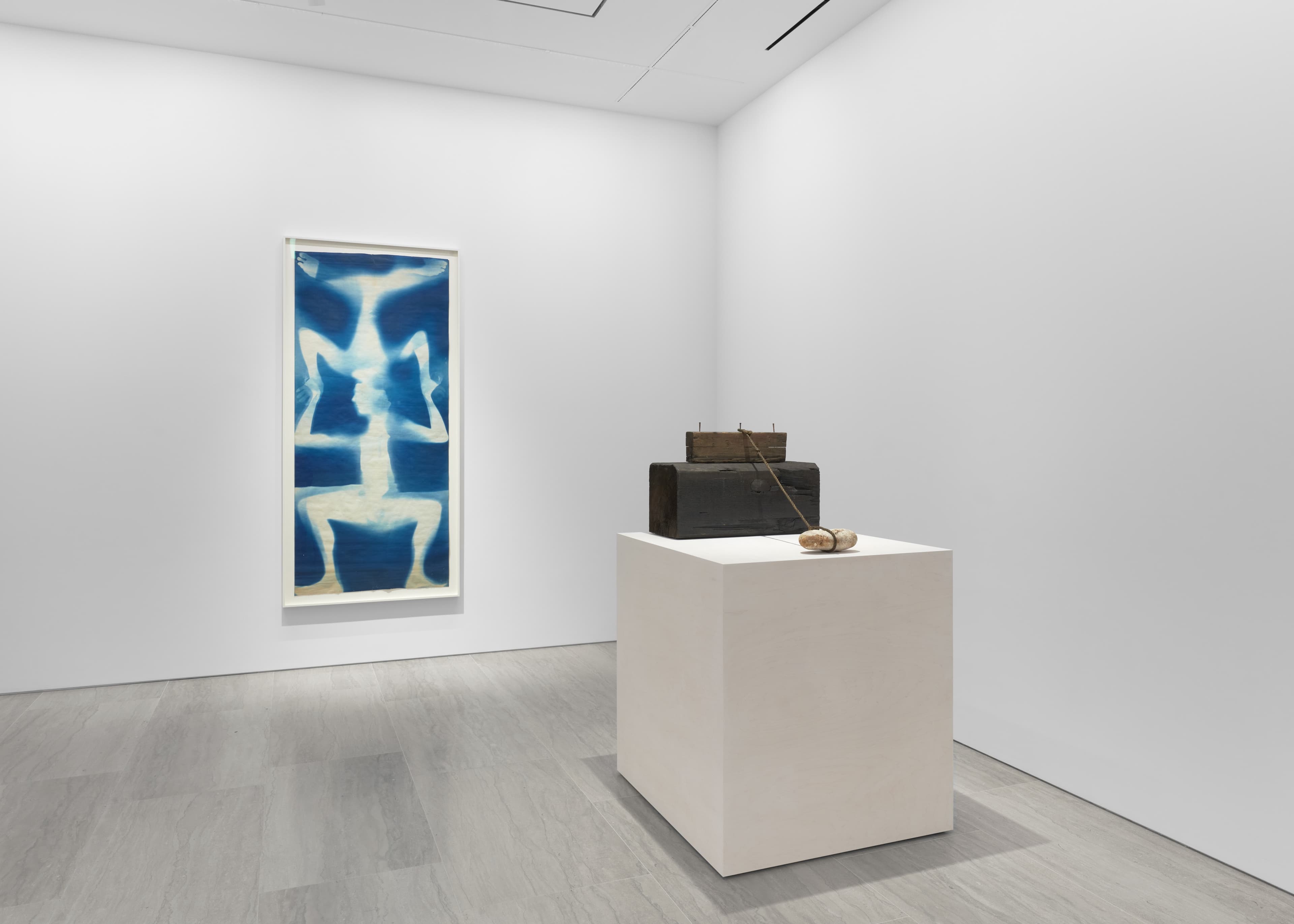
GagosianGagosian is pleased to present an exhibition of six important early works by Robert Rauschenberg from the Cy Twombly Foundation. Organized during the centennial of Rauschenberg’s birth, this presentation accompanies the exhibition of works by Marcel Duchamp that will inaugurate the gallery’s new ground-floor space in the historic building at 980 Madison Avenue. Rauschenberg and Twombly met in 1951 at the Art Students League of New York and subsequently attended Black Mountain College near Asheville, North Carolina, before traveling together throughout Italy, Morocco, and Spain in 1952 and 1953. Key milestones of Rauschenberg’s early development, the works from Twombly’s collection on view are especially significant given the close friendship and substantial exchanges of ideas that took place between the two artists. The exhibition features one of Rauschenberg’s earliest known surviving sculptures, an assemblage he made in 1950. Whereas much of his production of 1950–51 was lost, destroyed, or incorporated into new works, this sculpture was kept and preserved by Twombly. Also included is Untitled (1950), a life-size photogram that is among the most recognized of the blueprint works that Rauschenberg and Susan Weil made in collaboration shortly before they were married. Additional pieces include key examples from the Black Painting, Elemental Sculpture, and Combine series. Together, they chart Rauschenberg’s engagement with Duchamp’s radical reconception of art making and his commitment to acting in the gap between art and life, while anticipating the incorporation of technology and performance into his practice. In conjunction with the gallery’s Duchamp exhibition, this presentation confirms the contemporary relevance of this branch of the twentieth-century avant-garde. The exhibition is accompanied by a catalogue featuring an essay by curator and Rauschenberg scholar Susan Davidson.