


Marais, Paris
Nohemí Perez
El Jardín de Amado
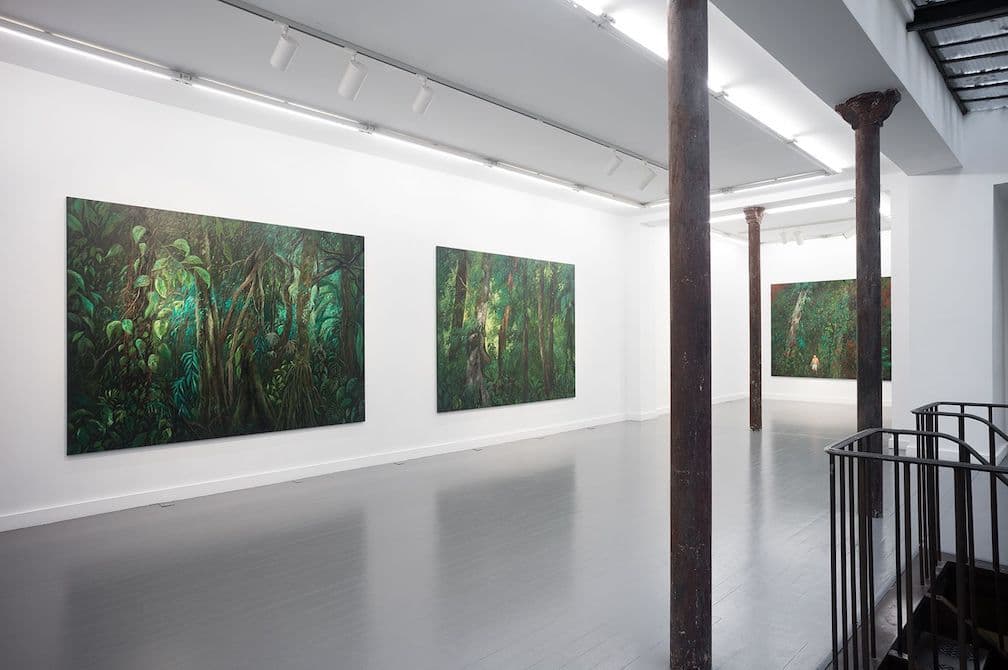
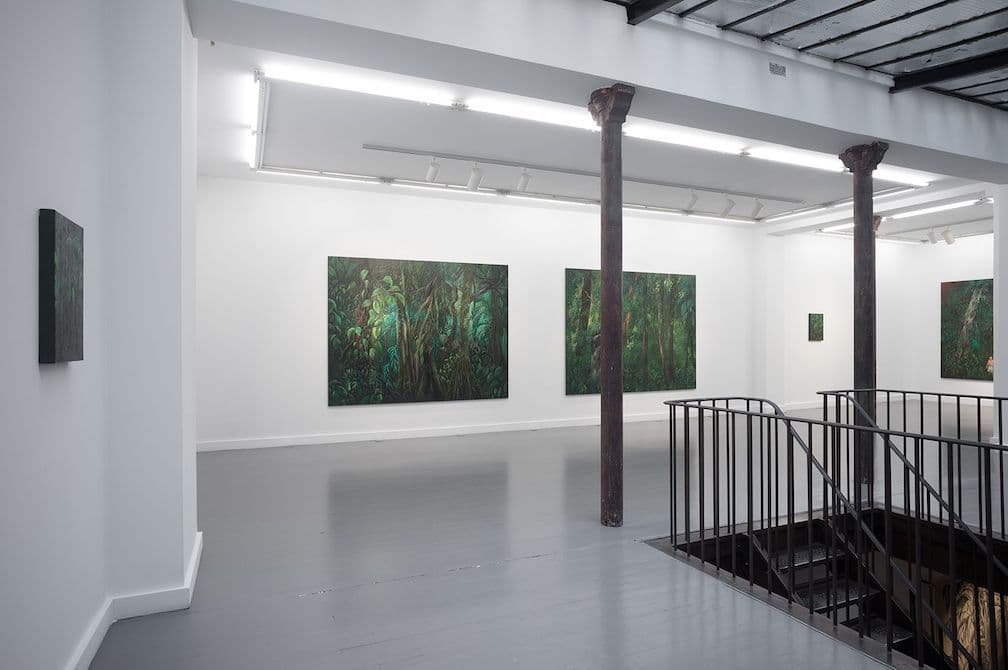
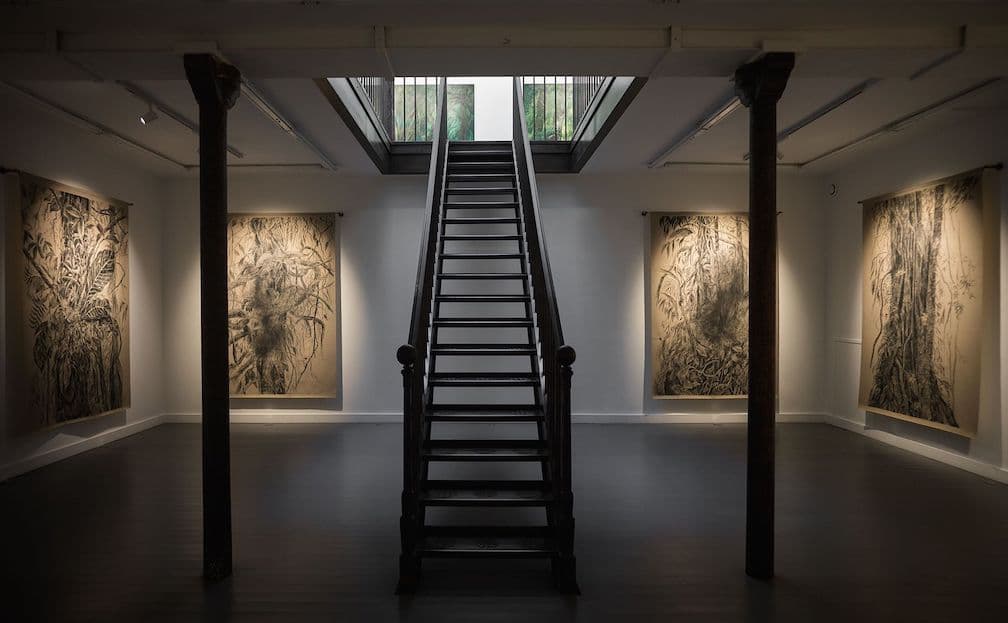
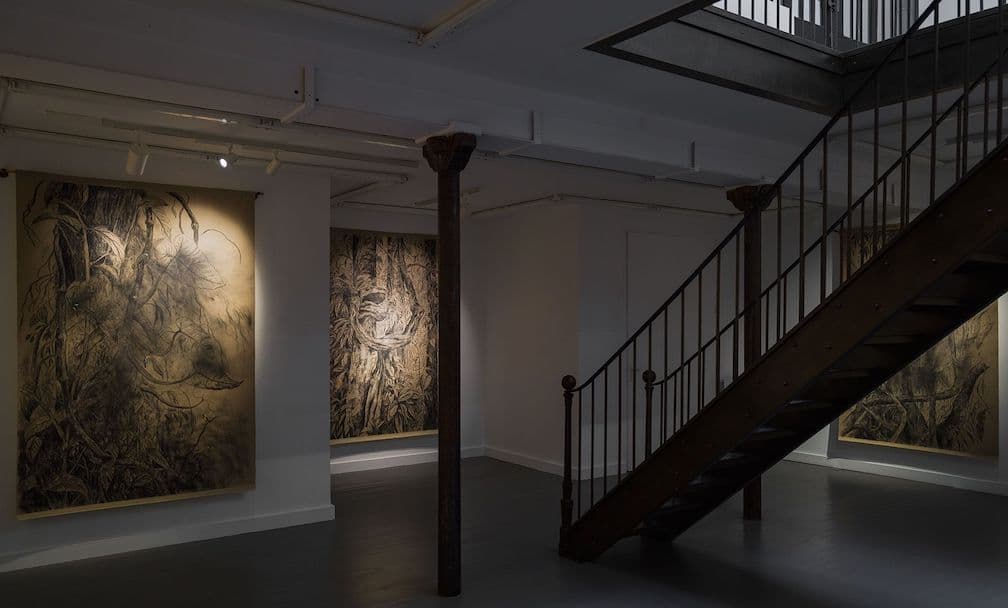
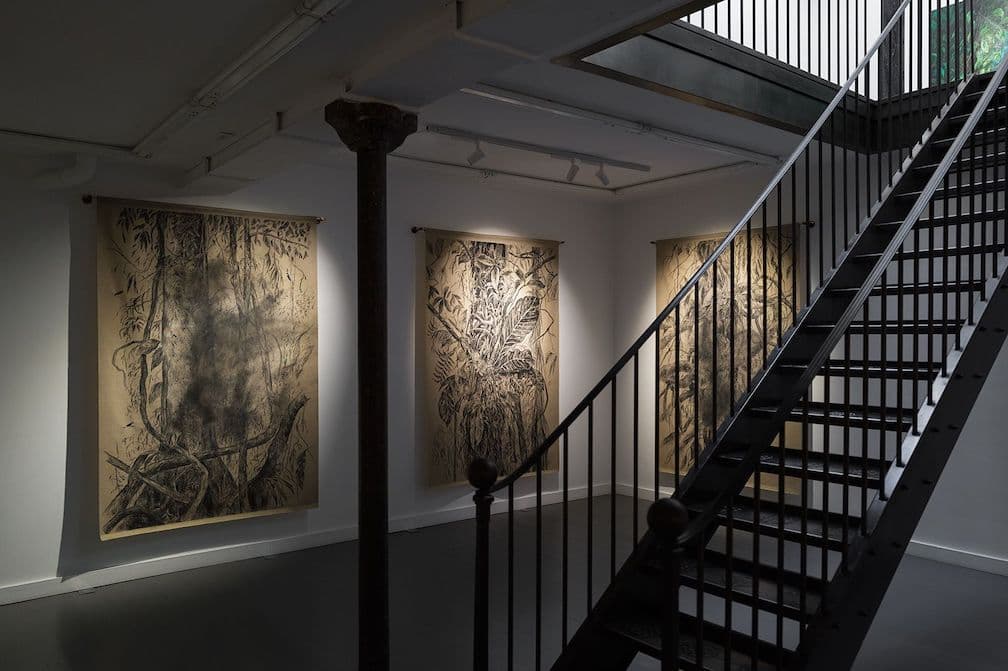
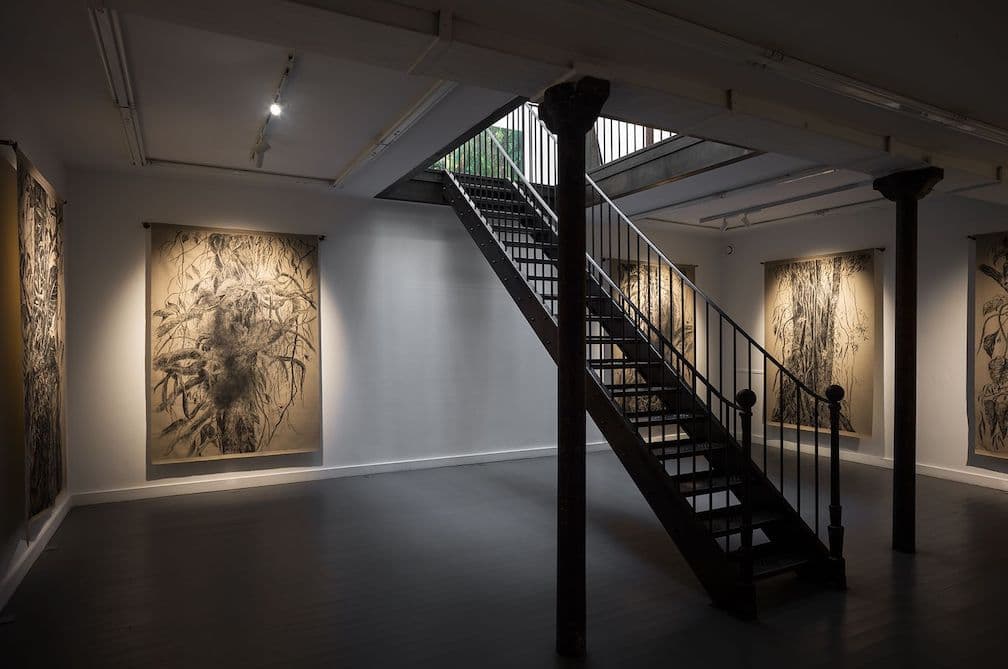
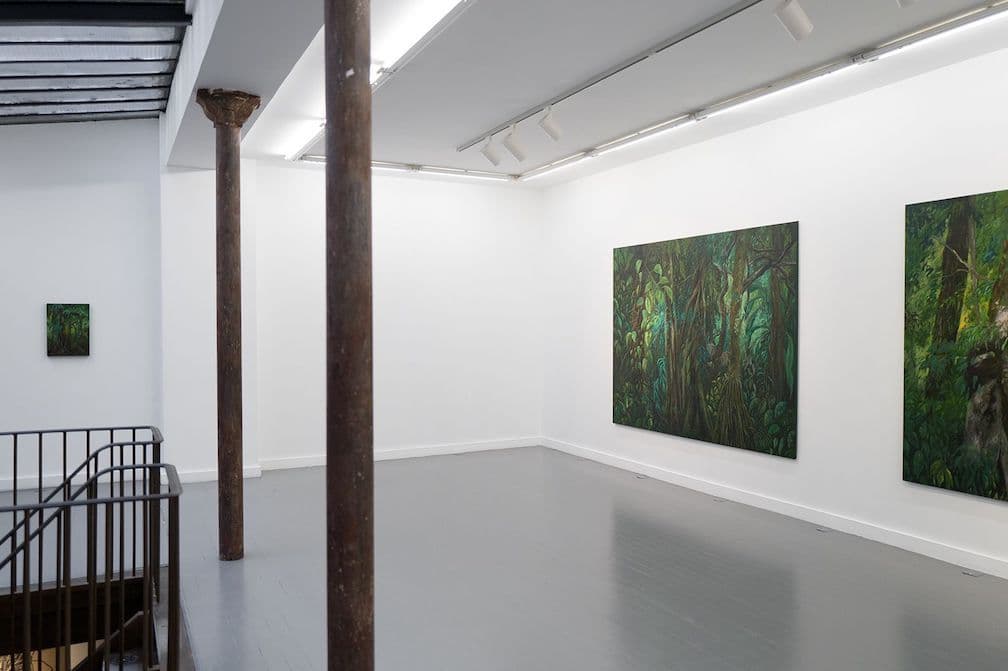
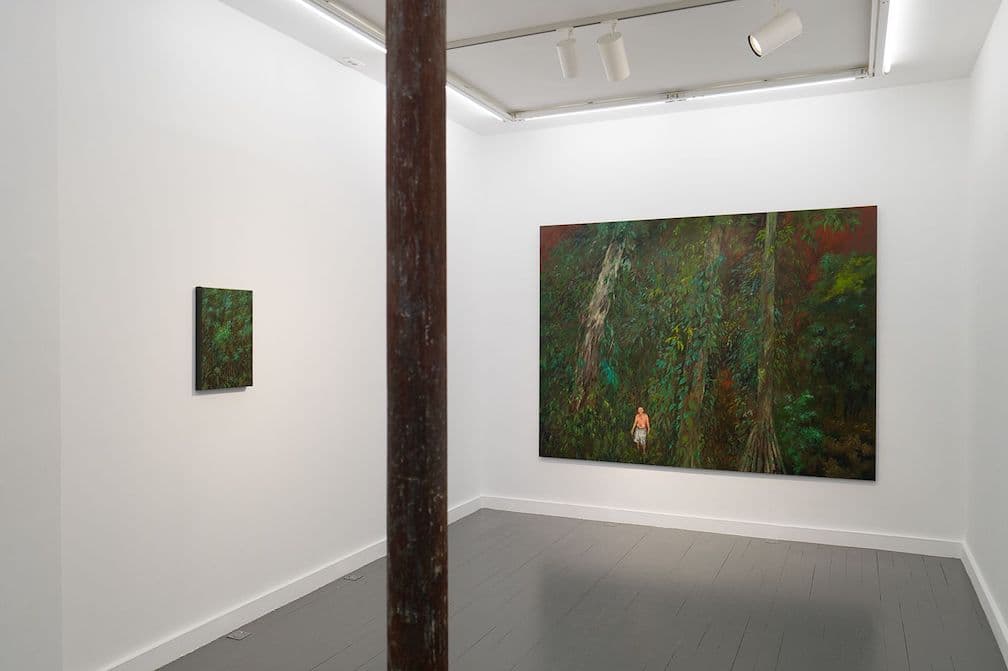
Mor CharpentierNohemí Pérez's multidisciplinary work revolves around the relationship between humans and nature; the conflicts, tensions and effects that arise from this constant friction. The artist proposes a new interpretation of Colombian territories that share a very particular natural and socio-cultural ecosystem. From the time of the Conquest until today, these jungle regions have been the scene of multiple conflicts that have been transformed to create a complex web of anachronistic situations that are also characteristic of contemporary Latin America. In these forests coexist illegal armed groups of opposing ideologies, native tribes, evangelical missionaries, large agricultural, mining and drug trafficking multinationals. Drawing from a land that's both in her memory and her affections, Nohemí Pérez reconstructs the history of her origin, gathering the voices of those who live and have lived there. A particular interest in her work is to trace new symbolic and geographical maps that correspond to the multiple realities of the territory to allow it to become a stage for reconstruction and peace. Although she examines the history from his own affective ties, she integrates another concern, such as the impact on birds, reptiles, insects and other species of animals and plants. Perez tries to pay homage to the ecosystems that have been harmed by fires, careless exploitation and the consequences of global warming. The trees and plants that she represents in her charcoal pieces have another material addition: the embroidery. Through this physical gesture, the artist tells us about resilience. These, often slightly unfinished, embroideries of animals are a metaphor for the actual risk of disappearance they face, but also show the possibility of repair. For her first solo exhibition in Europe, Nohemí Perez has decided to focus on the figure of Amado and his garden of medicinal plants, which resists, like an oasis of biodiversity in the midst of the ravaged jungles: "In Putumayo, on the banks of the river, lives Amado, a traditional doctor, son of an Indigenous woman and a Santandereano, a mestizo like most of Colombians. Around him the forest has been devastated, he takes care of a piece of dense jungle, most of the plants that live there are medicinal: for the lung, for the prostate, for memory, for cleansing, for luck and seven varieties of the Yagé master plant. He is a doctor in his pharmacy, that was my feeling. The wisdom of what we call nature is palpable there, his offering. He receives it and macerates it or boils it, mixes it with his prayers and chants to heal. This reminds us of the importance of those beings that seem static, that call us to change the way we look and the way we relate to each other, since we are also part of what we call nature. In the series El jardín de Amado, I am interested in making a reinterpretation, and I want to think that what I draw and paint are portraits. Portraits of conscious beings. Of their branches, of their trunks, of the communion between them, of their ties to survive and inhabit, branch upon branch, leaf upon leaf." —Nohemí Pérez