
Hollywood, Los Angeles
Olga de Amaral
Olga de Amaral
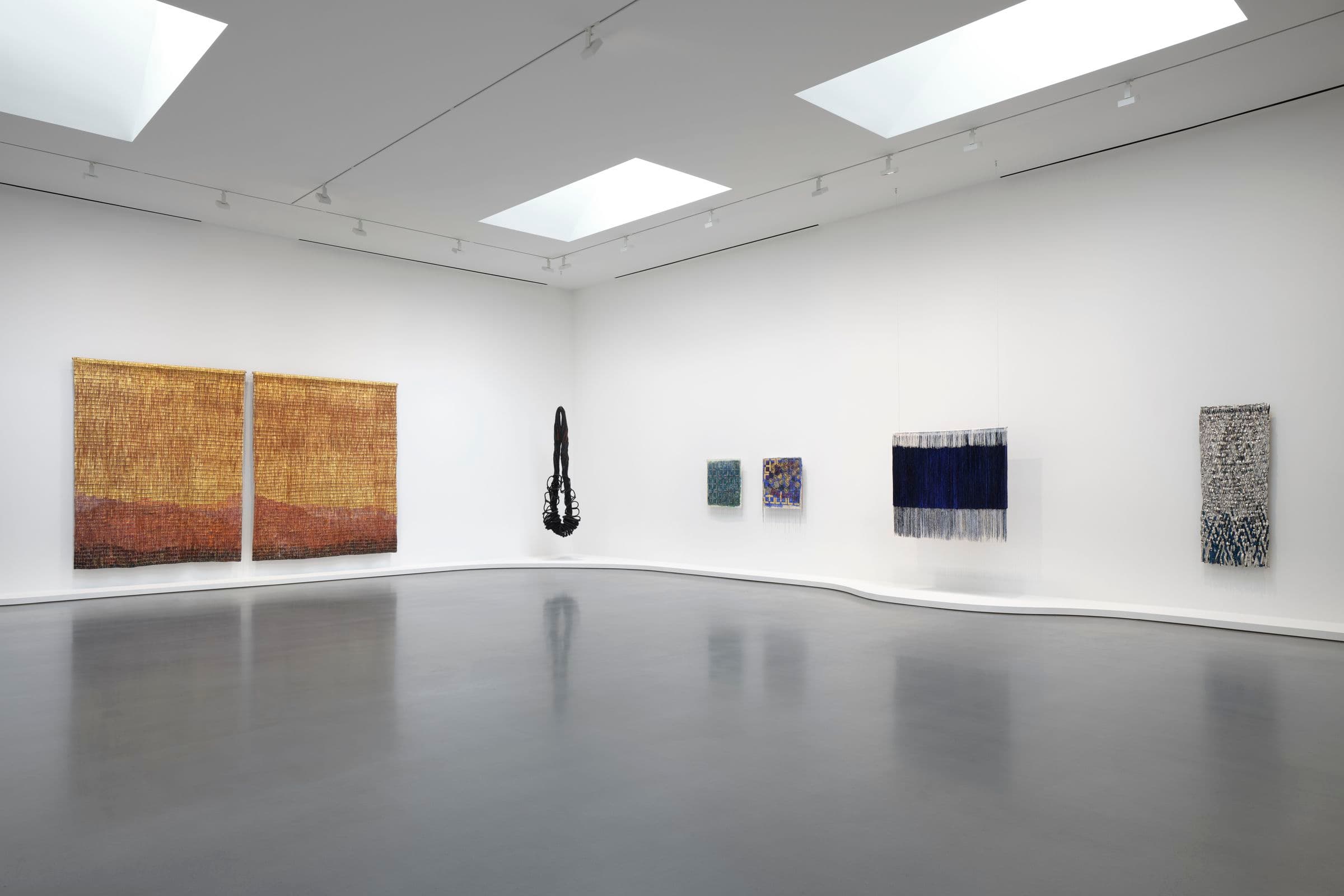
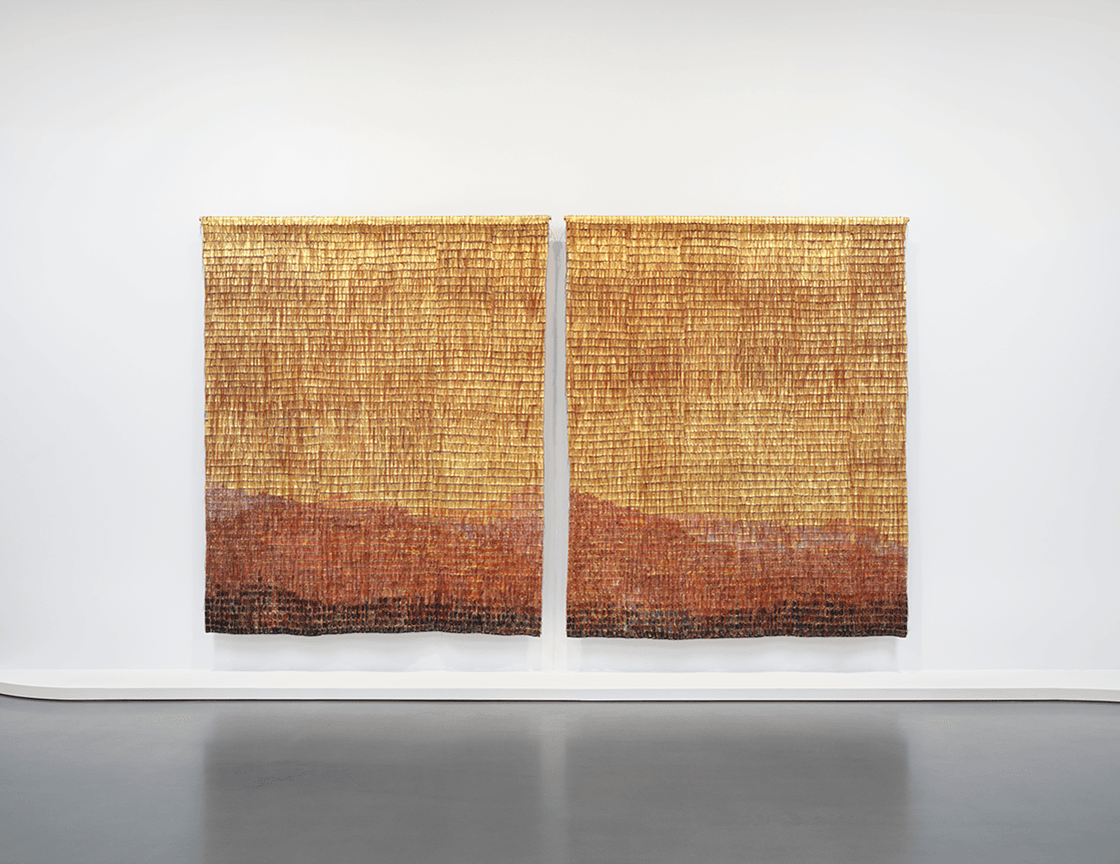
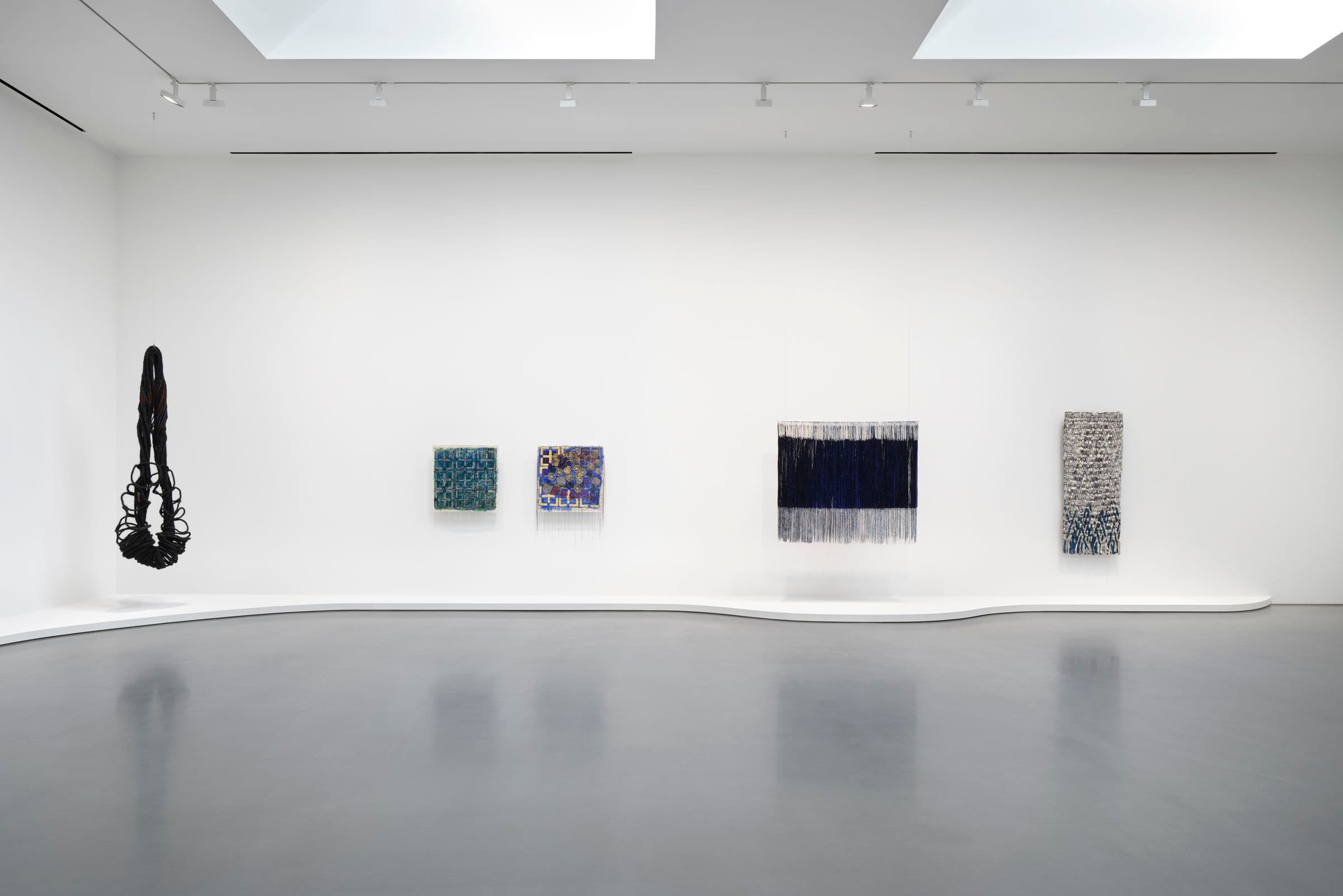
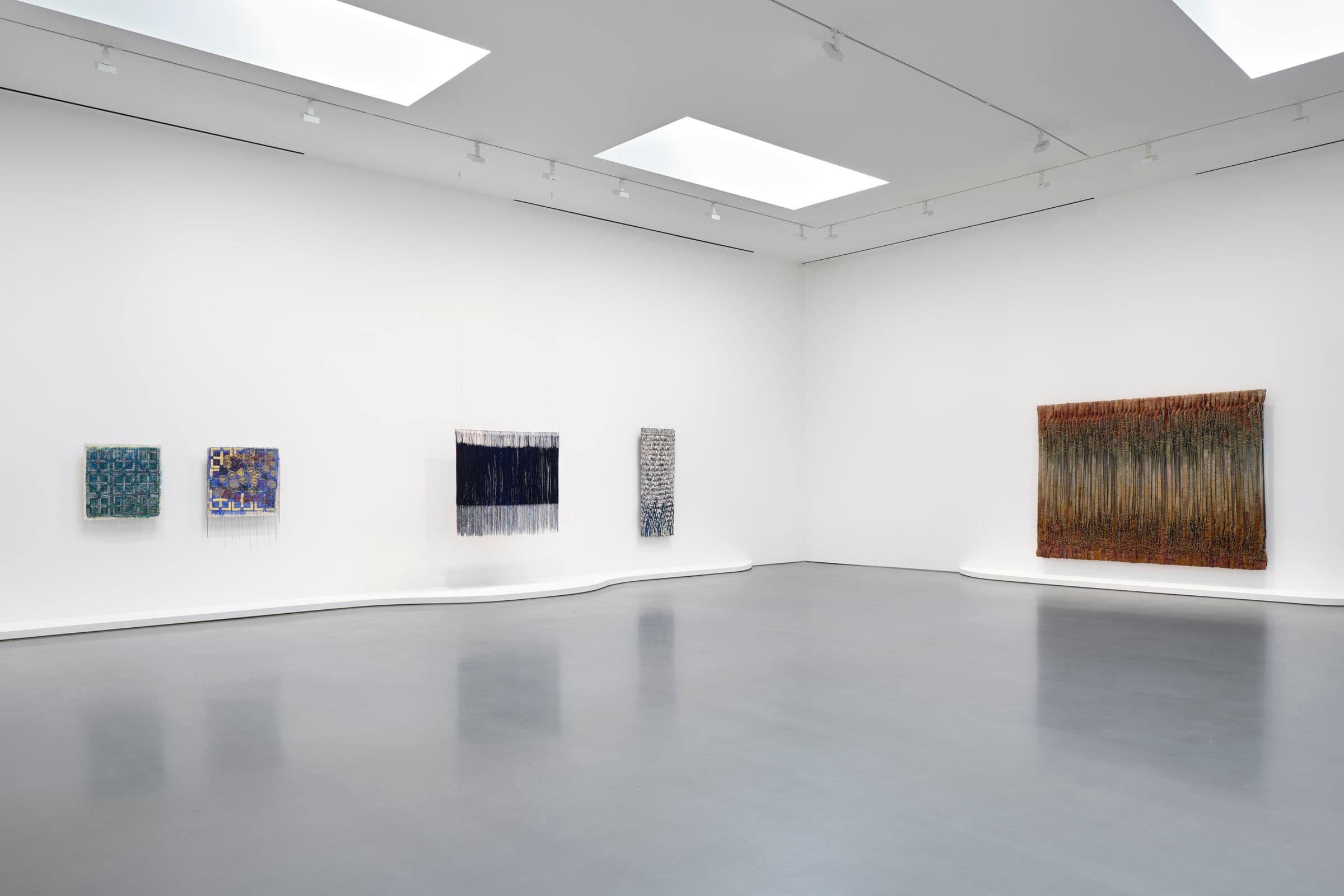
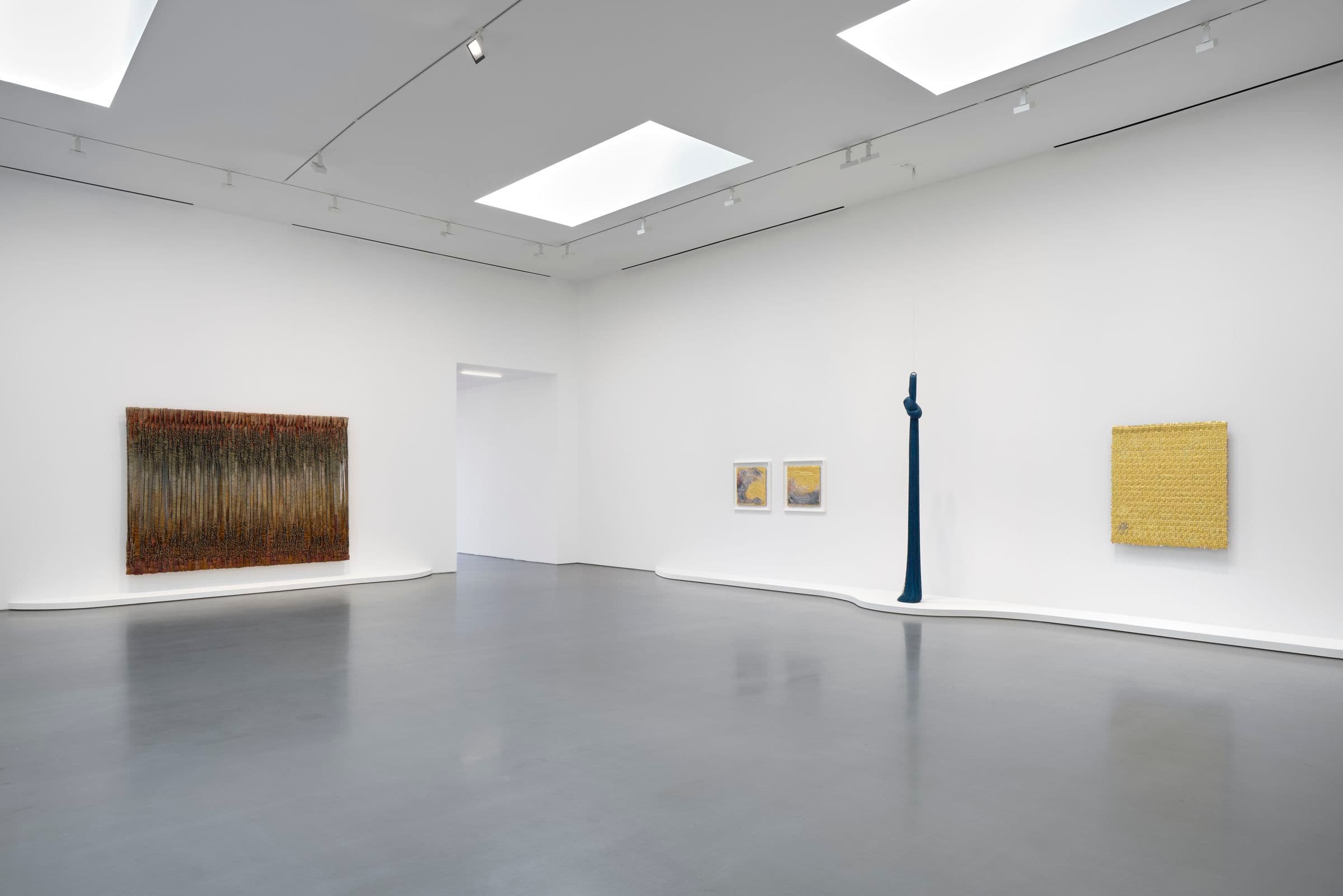
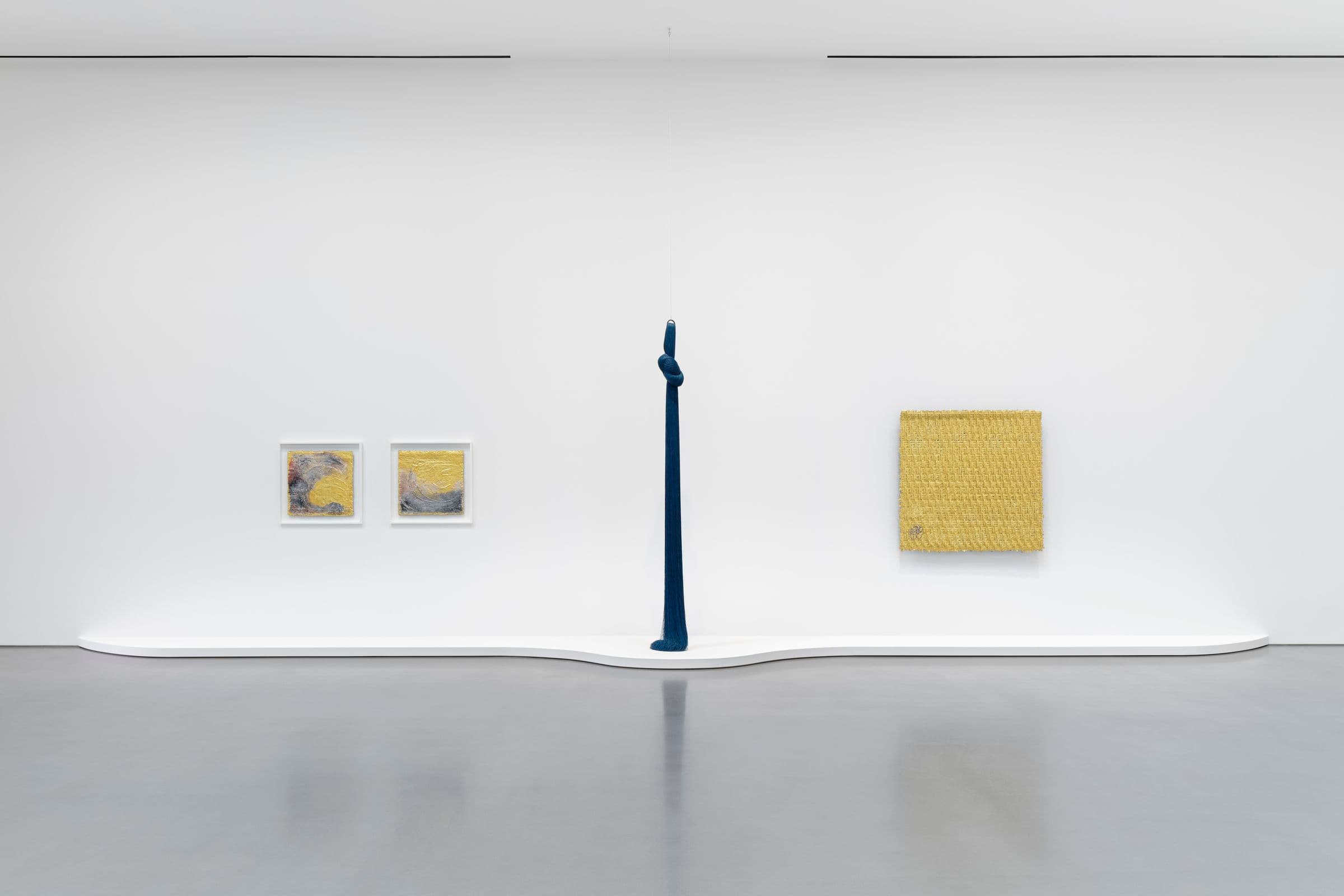
Lisson"From my earliest days to my most recent pieces, I have always been inhabited by color, yet I am still looking for its mysterious soul." —Olga de Amaral Lisson Gallery Los Angeles is honored to present a focused survey of works by renowned Colombian artist Olga de Amaral, marking her first solo exhibition in the city in almost a decade. Spanning from the early 1970s through 2018, the exhibition traces key developments in Amaral's influential, six-decade career and her singular practice that dissolves the boundaries between weaving, painting, and sculpture. Through landmark works of varying scale and format, the show offers a rare opportunity to engage deeply with Amaral's unique visual and material language, interlacing linen, wool, horsehair, Japanese paper, acrylic, and precious metals into luminous, sculptural forms that shimmer with historical, spiritual, and environmental resonance. The works on view bear witness to the determined plurality of Amaral's art since the 1970s. Materials including horsehair, Japanese paper, and gold and palladium leaf combine to produce a fluid, emotional and aesthetic register, one that fluctuates between the epic and the intimate, the material and the spiritual. In two distinct works, created nearly forty years apart, Amaral has suspended a woven structure from the ceiling. Eslabón familiar (1973) consists of a rope-like length of horsehair that loops with Baroque intricacy around a larger loop-shaped armature. By contrast with the internal dynamism of this early work, Nudo 19 (turquesa) (2014) takes the form of a slender column of turquoise-dyed linen threads, stiffened with gesso and tied in a single knot towards the top. The object appears both airborne and earthbound, magnifying a simple gesture at the core of all weaving to a grand scale. Throughout the exhibition, twin elements of ornate complexity and disciplined simplicity can be seen to alternate and combine. A rare and monumental work from Amaral's acclaimed Alquimia series, Alquimia 41 (díptico), will be featured prominently on the west wall of the gallery. Created in 1987, this diptych is one of the largest examples from Amaral's most extensive body of work through which she has explored the transformative nature of alchemy. Infused with the luminosity of gold leaf, the work reflects both the sacred materiality of pre-Columbian traditions and the Japanese philosophy of kintsugi. Such ritualistic associations become more concrete in Memento 9 (2016), in which tightly-layered strips of linen form a grid, overlaid with gold leaf. Also on view is work from the Soles series, which relate closely to her Estelas (1996–2018), a larger body of gold leaf works. As the title Soles (Suns) suggests, Amaral's use of gold emphasizes the luminosity of the material. Her deft manipulation of the surface, built up with many layers of gesso, lends a solid, sculptural weight to these works, which nonetheless maintain a sense of movement and ephemerality evocative of the natural world. The grid structure reappears in two works from the Nébulas series (2014–19), where segments of Japanese paper, saturated in deep greens and blues, are overlaid with geometric or radial motifs. A related interplay of structure and light is evident in Agua azul (2018), where vertical strips of painted paper are folded over linen threads and suspended away from the wall, allowing light to pass through and produce a shimmer reminiscent of cascading water. This dualism between solidity and transparency, the earth and the sky, can also be traced back to early monumental works like Paisaje de calicanto (1983), in which light is integral to the woven form. However, unlike the artworks such as the Nébulas, which reference the cosmos in their palette and construction, Paisaje de calicanto's rich colors are rooted in the artist's native Colombian landscape. Amaral's studies at Cranbrook Academy of Art in Michigan in the mid-1950s proved to be a transformative experience for the artist, introducing her to weaving and thus providing a technical outlet for a fascination that had begun in childhood: "I learned about the loom, which I saw as another way of working and constructing things," she has explained. "I became interested in fiber, in thread, because weaving allowed for invention." Upon returning to Colombia, she began to make handwoven textiles, and from the late 1960s she increasingly aligned her creations with ‘fine art' genres, initiating a dismantling of the boundary between craft and art that would come to define her output. The current exhibition follows upon institutional displays that have confirmed Amaral's position within an expanded history of art. These include ‘Woven Histories', which opened at LACMA in 2023 and subsequently travelled to three other venues, including the National Gallery of Art, Washington D.C., and a large-scale retrospective that travelled from the Fondation Cartier pour l'art contemporain, Paris (2024) to ICA Miami (2025). Olga de Amaral spins base matter into fields of color and weaves tectonic lines through space, unselfconsciously testing the borders between crafted object and the work of art. From the flat surfaces of tapestry through to resolutely three-dimensional sculptural forms made from fibre, the Colombian artist's work spans more than 60 years, in turn reaching even further back to the spiritual qualities and ancient craquelure of medieval icon paintings or else the rigour and simplicity of the modernist grid, as if run through a loom. Developing her own tools and techniques, while relying on the hand for her strip-woven expanses of wool, linen and cotton, Amaral has also knotted reams of horsehair together and bolstered her fabric works through a painterly application of gesso or stucco, often highlighting the reverse, or foregrounding the edges. Working not only on the floor or the wall, Amaral carves up interiors with her hanging tapestries, creates floating formations from yarn or plastic, while following nature's lead for outdoor works such as Hojarascas (Dried Leaves), begun in the 1970s, or working at architectural scale, for the creation of the six-story façade commission, El Gran Muro (The Great Wall), in 1976. Amaral's work also references religious and ceremonial dimensions prescribed to gold through the pre-Columbian worship of the substance, especially in her Alquimia (Alchemy) works begun in 1984, which reclaim the notion of a material indelibly connected to the sun and the earth, but equally plundered from her country over many centuries. During a lecture at the Metropolitan Museum of Art in 2003, she said: "As I build these surfaces, I create spaces of meditation, contemplation and reflection… Tapestry, fibres, strands, units, cords, all are transparent layers with their own meanings, revealing and hiding each other to make one presence, one tone that speaks about the texture of time." Olga de Amaral was born Olga Ceballos Vélez in Bogotá, Colombia (b. June 14, 1932), where she continues to live and work. She studied Architectural Drafting at the Colegio Mayor de Cundinamarca in Bogotá, leaving for the USA in 1952 to study textiles at the Cranbrook Academy of Art outside of Detroit, Michigan. By the 1960s she was herself a teacher at the Haystack Mountain School of Crafts in Maine and was included in a group exhibition at MoMA, New York entitled Wall Hangings, before staging a solo show, entitled Woven Walls, at New York's Museum of Arts and Design in 1970. After living in Barcelona and Paris in the early 1970s she returned to Colombia, representing her country at the Venice Biennale in 1986 and receiving her first major survey show at the city's Museo de Arte Moderno in 1993. Her work is in many major collections worldwide, including the Art Institute of Chicago, Chicago, IL, USA; Blanton Museum of Art, Austin, TX, USA; Cleveland Museum of Art, Cleveland, OH, USA; Cranbrook Art Museum, Detroit, MI, USA; De Young Museum, San Francisco, CA, USA; Metropolitan Museum of Art, New York, NY, USA; Museum of Arts and Design, New York, NY, USA; Museum of Fine Arts, Houston, TX, USA; Museum of Modern Art, New York, NY, USA; Musée d'Art Moderne de la Ville de Paris, Paris, France; Museo Nacional, Bogotá, Colombia; American Craft Museum, New York, NY, USA; The National Museum of Modern Art, Kyoto, Japan; Rhode Island School of Design, Providence, RI, USA; San Antonio Museum of Art, San Antonio, TX, USA; Toledo Museum of Art, Toledo, OH, USA; and Tate Collection, London, UK.