
Chinatown, New York
Group Exhibition
Labor & Adornment: Radical Craft in America
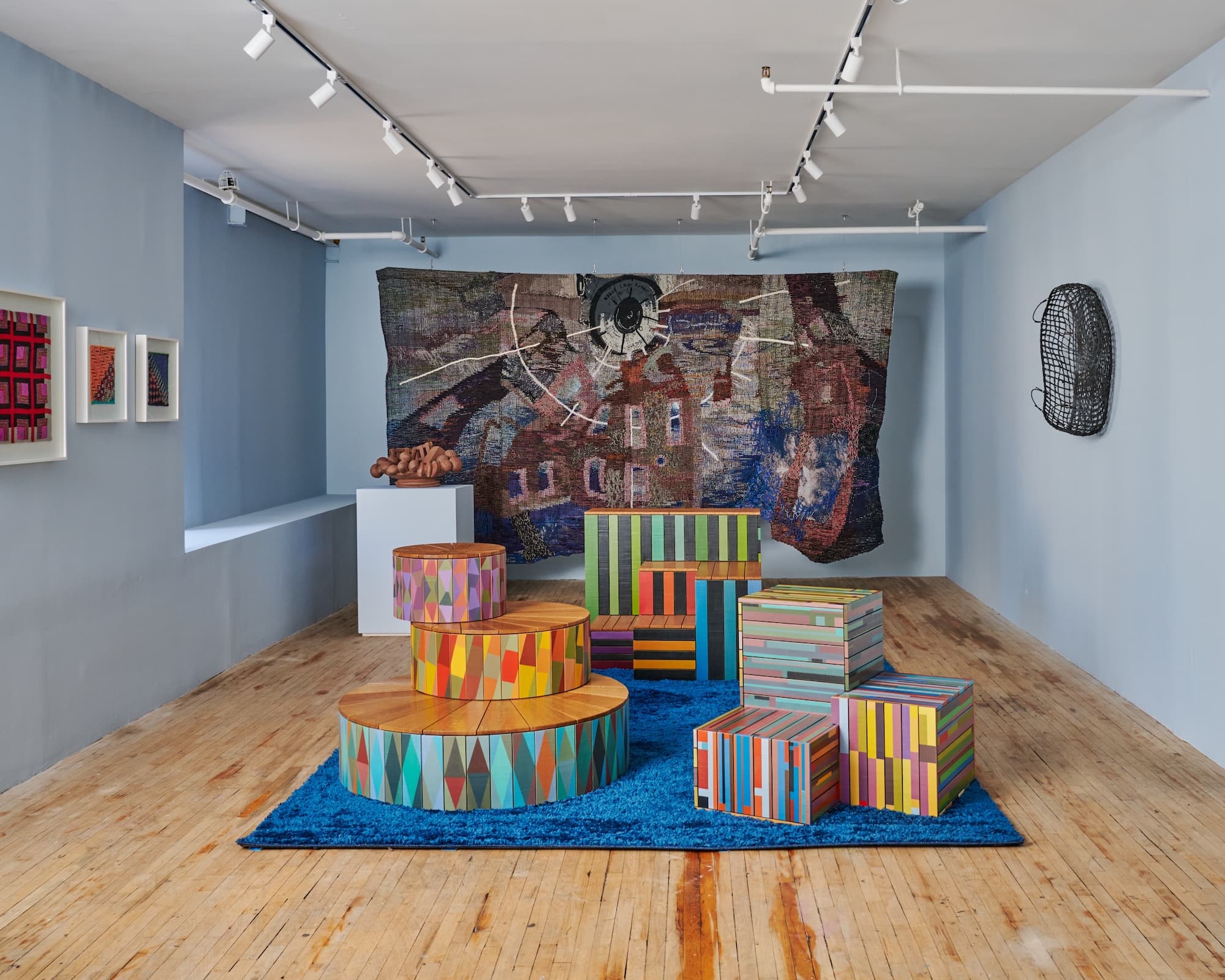
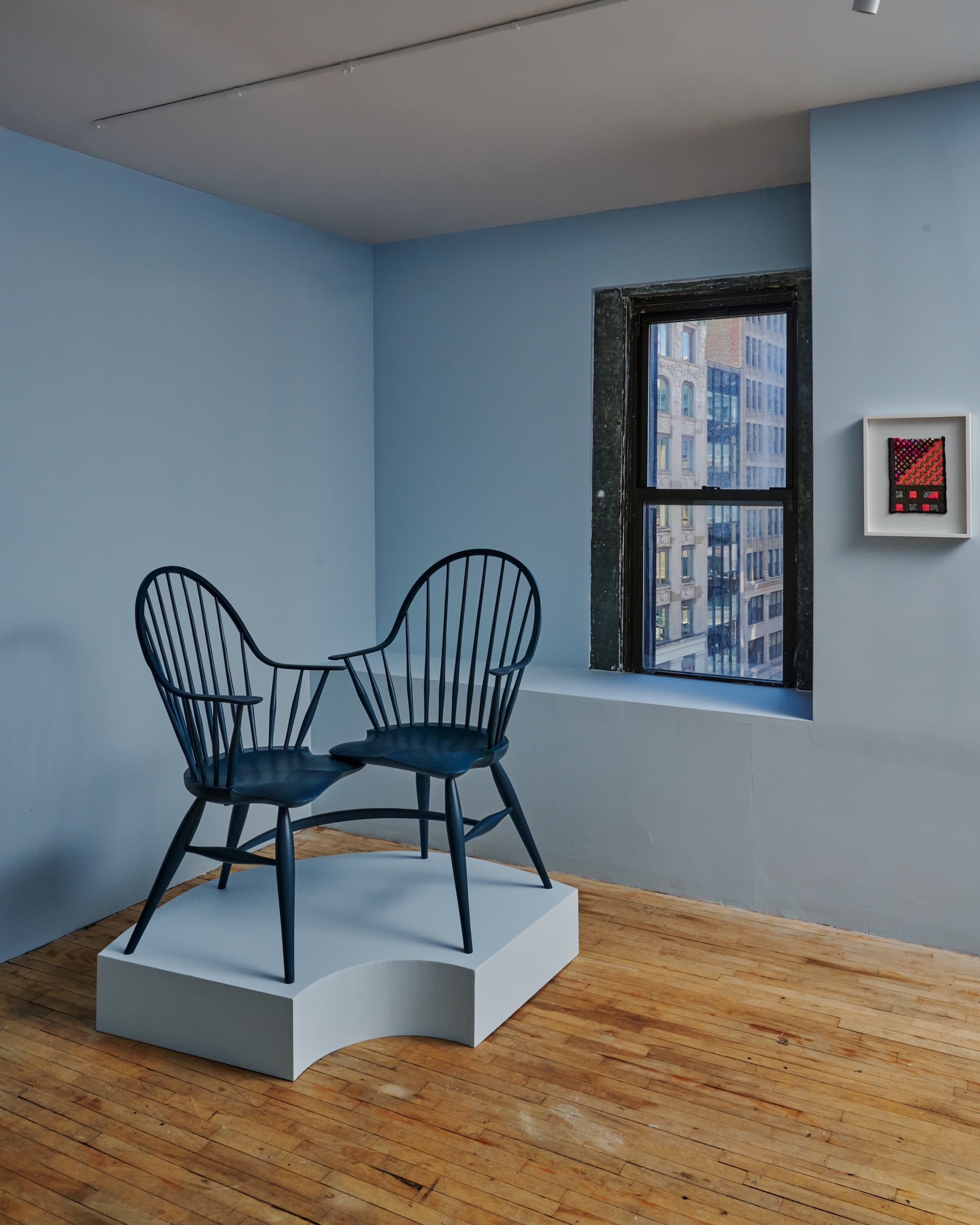
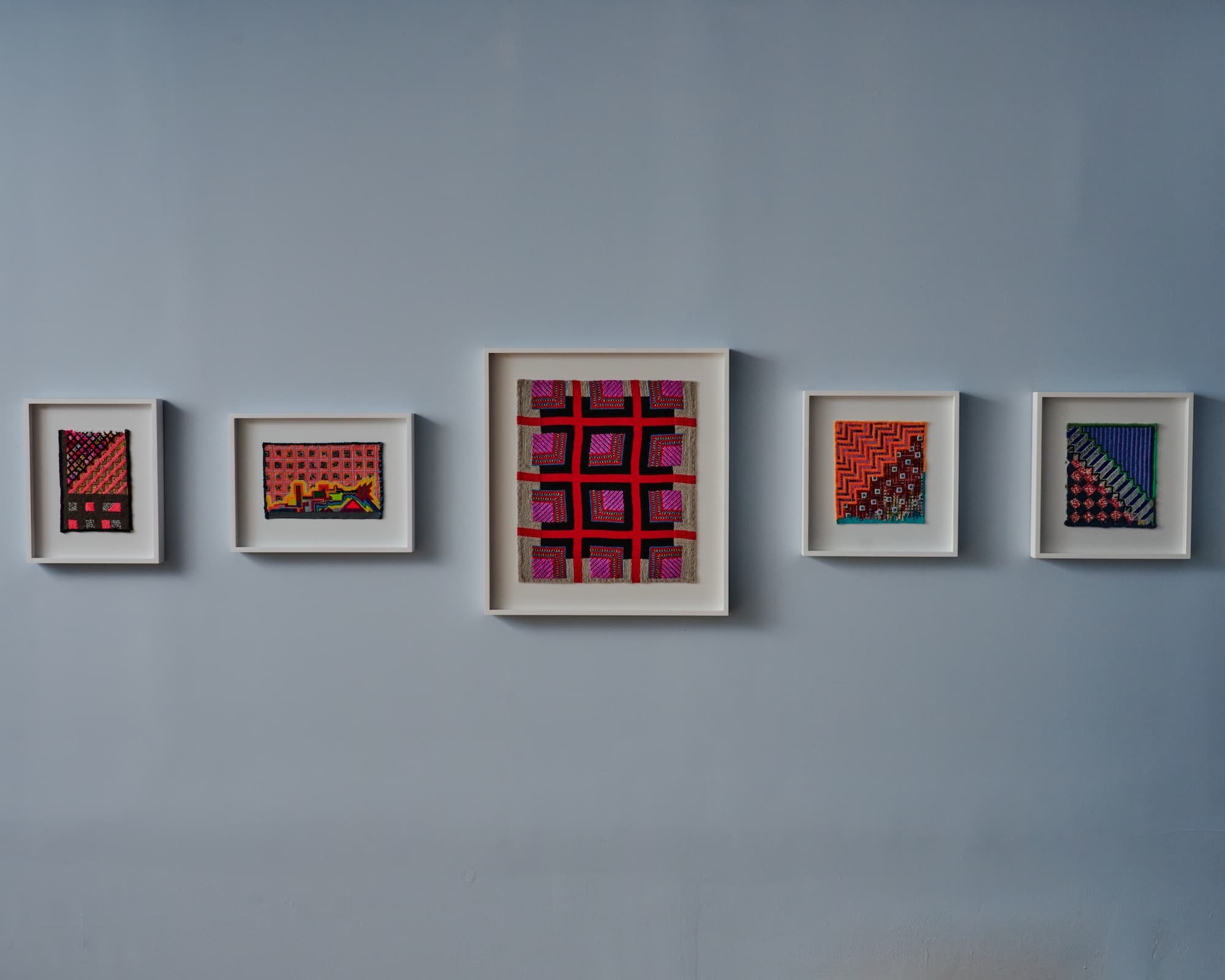
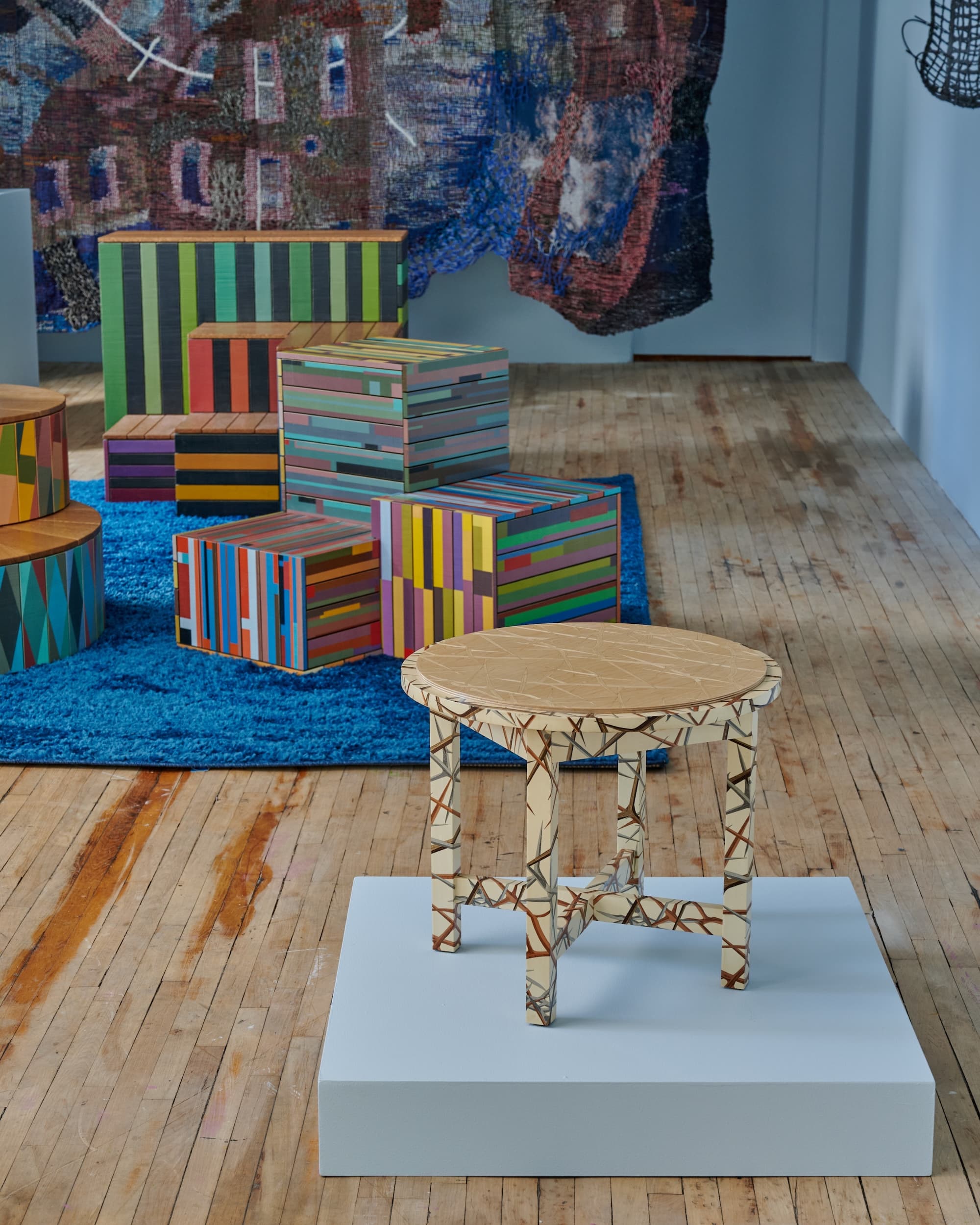
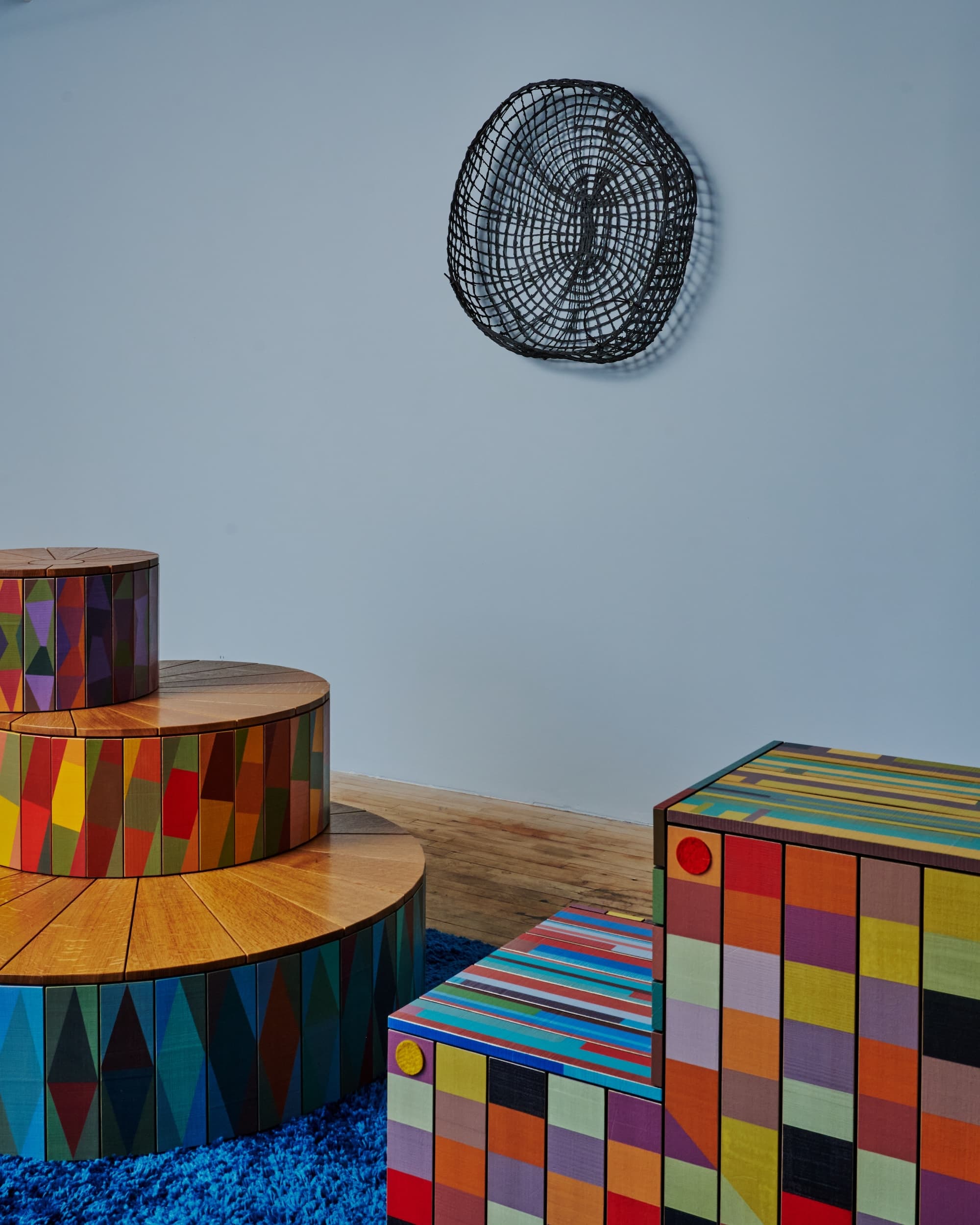
SuperhouseDotan Appelbaum, Jonny Campolo, Syd Carpenter, Liz Collins, Aspen Golann, Colin Knight, Tom Loeser, Wendy Maruyama, Cal Siegel, Sophie Stone, Maris Van Vlack, Sarita Westrup Superhouse is pleased to present Labor & Adornment: Radical Craft, a group exhibition bringing together artists who treat craft not as tradition preserved, but as tradition rerouted. The exhibition stages a conversation across wood, fiber, glass, ceramic, and basketry, foregrounding making as a contemporary form of thought. As craft historian Glenn Adamson has argued, craft is not a noun but a verb. It is not a fixed category of objects, but a way of working shaped by time, technique, and attention. In Labor & Adornment, material mastery is not presented as mere virtuosity. Instead, craft operates as an active language capable of carrying history, revealing power, and remaking inherited forms. Two ideas structure the exhibition: adornment and labor. Here, ornament is not secondary to structure, but a coded vocabulary through which surface can signal lineage, taste, and belonging. Labor, likewise, is not simply evidence of skill. It appears as an ethics of care made visible through repetition, restraint, and finish. The exhibition draws on historical legacies without treating them as quotation or revival. Figures such as William Morris and Louis Comfort Tiffany serve as reference points for a longer argument that beauty has always carried political meaning, and that craft has long shaped everyday life. Throughout the exhibition, inherited forms are treated as sites for revision rather than preservation. The artists in Labor & Adornment work across the Northeast, Mid-Atlantic, South, Midwest, and West Coast, reflecting how radical craft has circulated through regional lineages rather than emerging from a single center. Liz Collins and Aspen Golann, artists who have both recently presented institutional exhibitions, use domestic forms as vehicles for ritual, expression, and critique. Collins's needlepoints unfold through sustained hand labor that suspends time, transforming needlepoint from decorative surface into a site of presence and care, and reframing a feminized domestic medium as a space of agency. Golann's conjoined Windsor chair applies similar rigor to American furniture traditions, reworking a familiar form to surface the gendered structures of labor, authorship, and power embedded within it. Elsewhere in the exhibition, craft emerges as a carrier of place, politics, and lived experience. Sarita Westrup draws on the material language of South Texas border towns to create basket forms that insist on slowness and care as radical acts. Dotan Appelbaum's marquetry table reframes pattern as structure rather than decoration, collapsing the divide between ornament and ideology. Maris Van Vlack expands weaving into a large-scale visual field shaped by both handwork and digital methods. Wendy Maruyama's painted wall cabinets translate early Bauhaus color studies into domestic architecture, while Tom Loeser's tiered Sit-Upons merge Shaker restraint with the social logic of the stoop, turning seating into a scaffold for gathering. Syd Carpenter's Farm Bowl grounds the exhibition in agricultural form and material knowledge, and Jonny Campolo's Tiffany-style stained-glass window insert transforms the gallery into a threshold shaped by light. Taken together, the works in Labor & Adornment: Radical Craft refuse the separation of fine art from craft. Instead, they assert craft as a form of cultural agency, where adornment becomes structure and labor becomes meaning.