
Midcity, Los Angeles
Group Exhibition
Bahia Reverb: Artists and Place
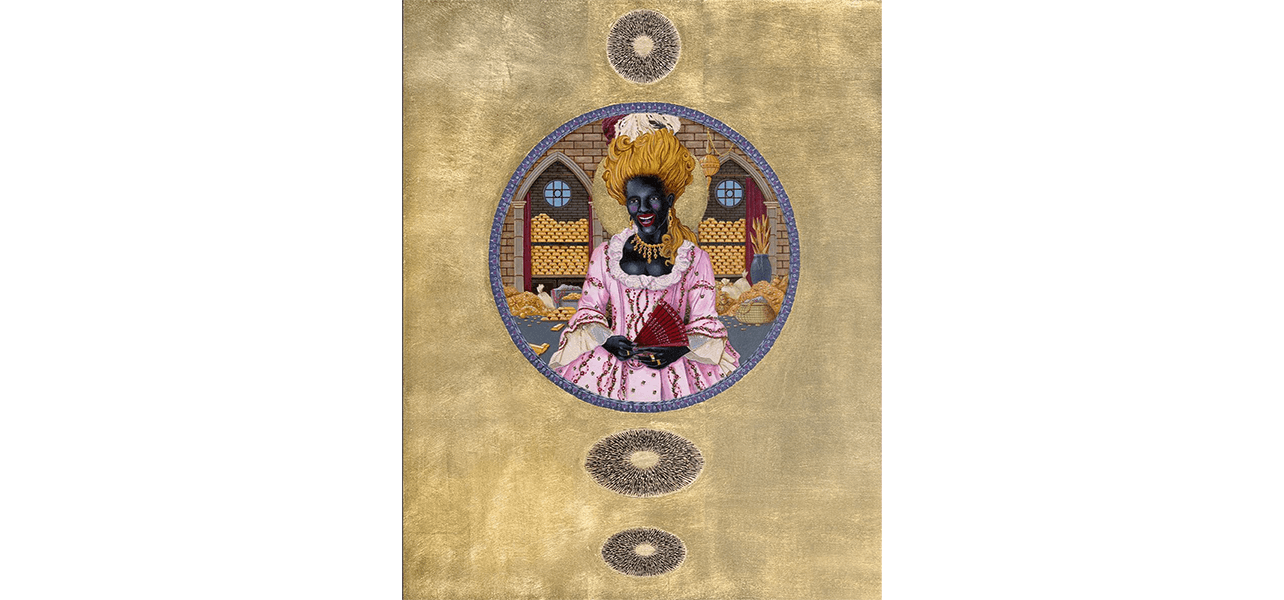
Art + PracticeSandra Brewster, Gerald Cyrus, Rik Freeman, Juan Erman Gonzalez, Mark Steven Greenfield, Karen Hampton, Germaine Ingram, Francis Tre Lawrence, Precious Lovell, Tim Whiten The California African American Museum (CAAM) and Art + Practice (A+P) are pleased to present Bahia Reverb: Artists and Place. Bahia Reverb: Artists and Place presents the work of ten artists who are former fellows at the Sacatar Institute in Bahia, Brazil—all from North America and of African descent. The exhibition reflects on how Bahia, an epicenter of the African diaspora that is located in northeast Brazil, has fueled their work and changed their understanding of themselves. Bahia was the first point of entry of enslaved Africans into the Americas and remains the center of Afro-Brazilian culture to this day. CAAM Executive Director Cameron Shaw says, “Bahia Reverb: Artists and Place demonstrates how artist residencies can be important, often deeply meaningful, sites for artists to explore and expand their practices within new places, contexts, and cultures.” “After twenty-five years living in the US, in 2018 I was awarded a Sacatar Fellowship to do a residency on Itaparica Island (in the state of Bahia), which enabled me to return to my homeland and produce work in this area for the first time,” says Brazilian-born Bia Gayotto, who curated the exhibition. “By engaging with the local community I was able to learn about its history, beauty, and struggles from a completely different perspective, and further understand the underlying racial, economic, and cultural division between north and south, where I grew up.” Focusing on each artist’s process, the exhibition features a range of media—including installation, work on paper, video, painting, textile, watercolor, and mixed media—initiated either before, during, or after the artists’ residencies at the Sacatar Institute. Bahia Reverb: Artists and Place reflects on how these experiences shaped their visions and impacted their practice as they engaged in myriad ways with the richness and cultural power of Bahia. For some artists, their time in Bahia represented an encounter with their Black ancestors and African roots. Los Angeles-based artist Mark Steven Greenfield presents a series of paintings that pay homage to martyrs and mythical figures from Afro-Brazilian history, in particular symbols of Black pride and heroic resistance in Brazil, while textile artist Karen Hampton explores stories of the African diaspora in the United States and her own lineage. Other artists found home and a feeling of belonging, or an unknown or forgotten spiritual part of themselves. Installation artist Sandra Brewster is inspired by her family’s migration from Guyana to Toronto. She centers her practice on the experiences of African Caribbean communities and their relationship with “back home,” such as in Clothesline, 2008/2023, a large wall installation that depicts a clothesline packed with garments that allude to the white clothing worn during Candomblé ceremonies. Though the artists’ backgrounds and approaches vary, many overlapping concepts and narratives reappear throughout the exhibition. Collectively the artworks illustrate questions of Afro-Brazilian histories and respond to the legacies of African colonialism and diaspora, dealing with issues of displacement, forced migration, faith, environmental justice, and inequality. This exhibition is curated by Bia Gayotto, independent curator, artist, and writer, with assistance from Taylor Bythwood-Porter, Assistant Curator, California African American Museum (CAAM). The exhibition is co-presented by CAAM and Art + Practice as part of CAAM at A+P, a five-year collaboration.