



Tiergarten, Berlin
André Butzer
André Butzer
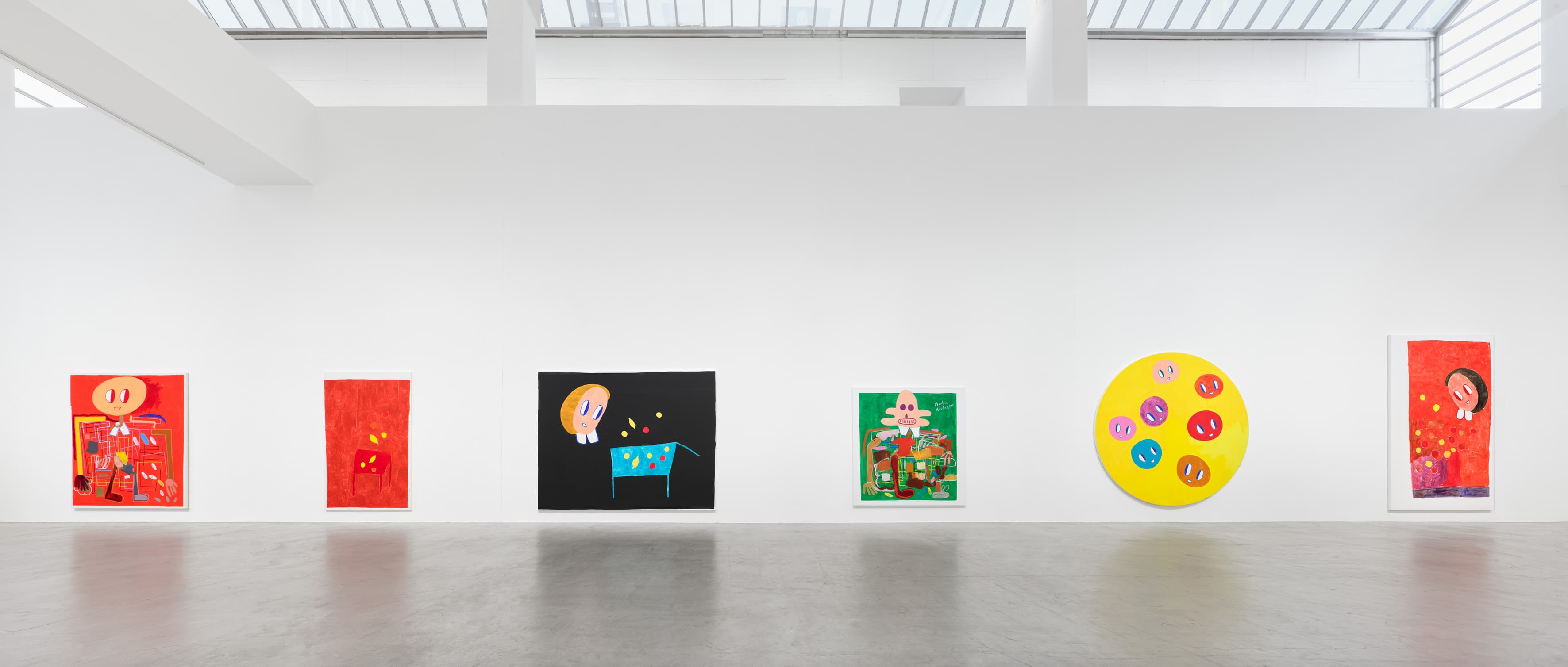
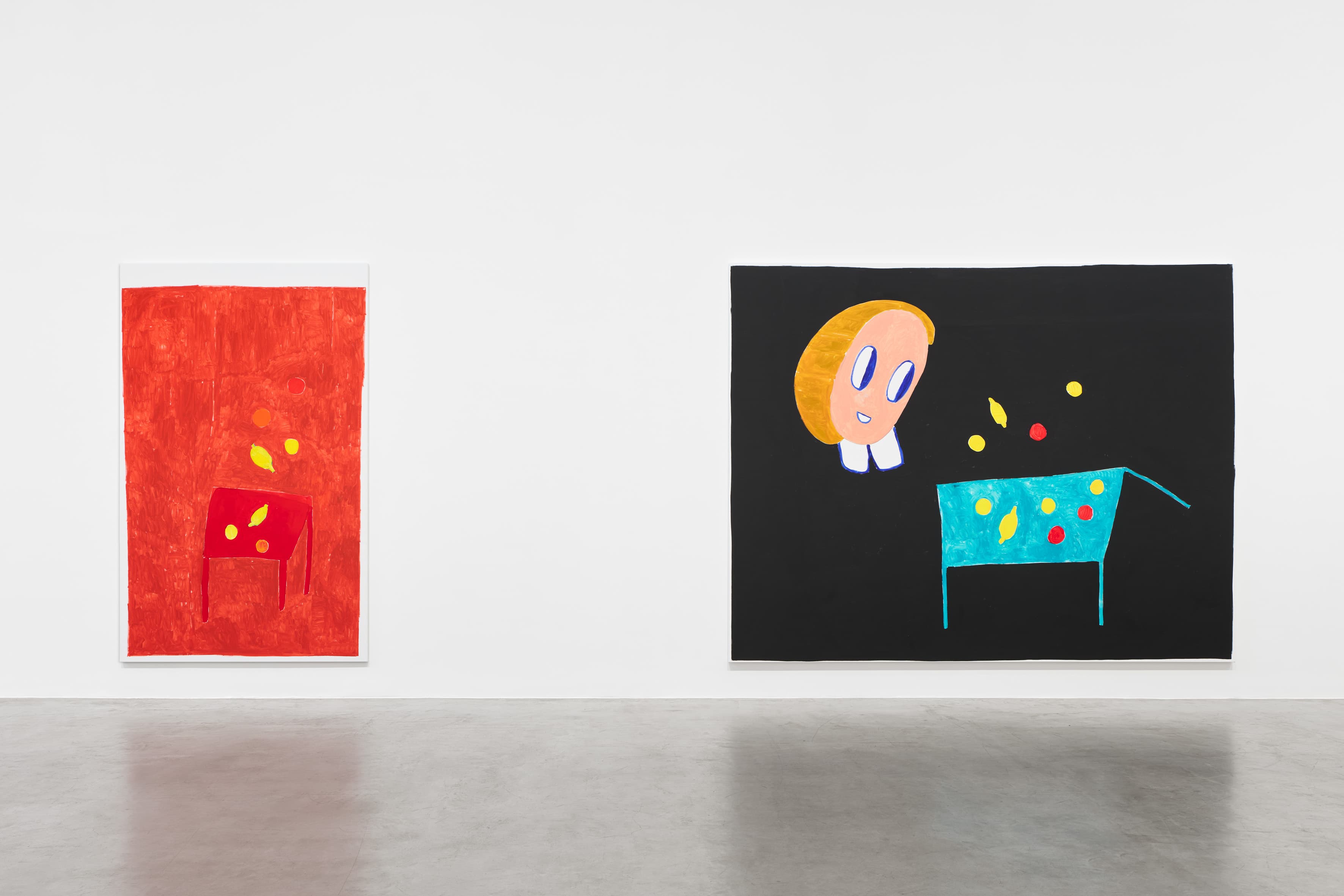
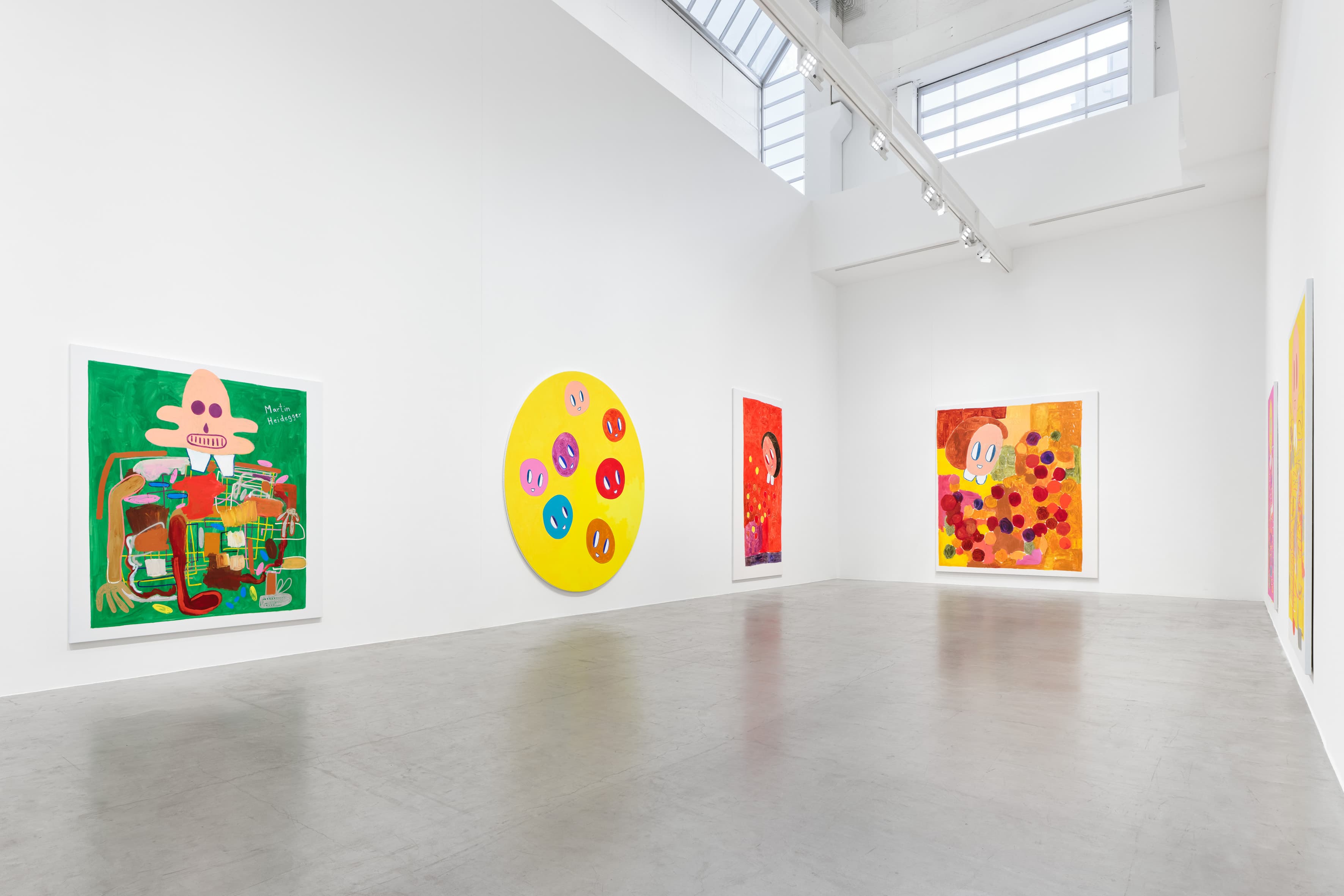
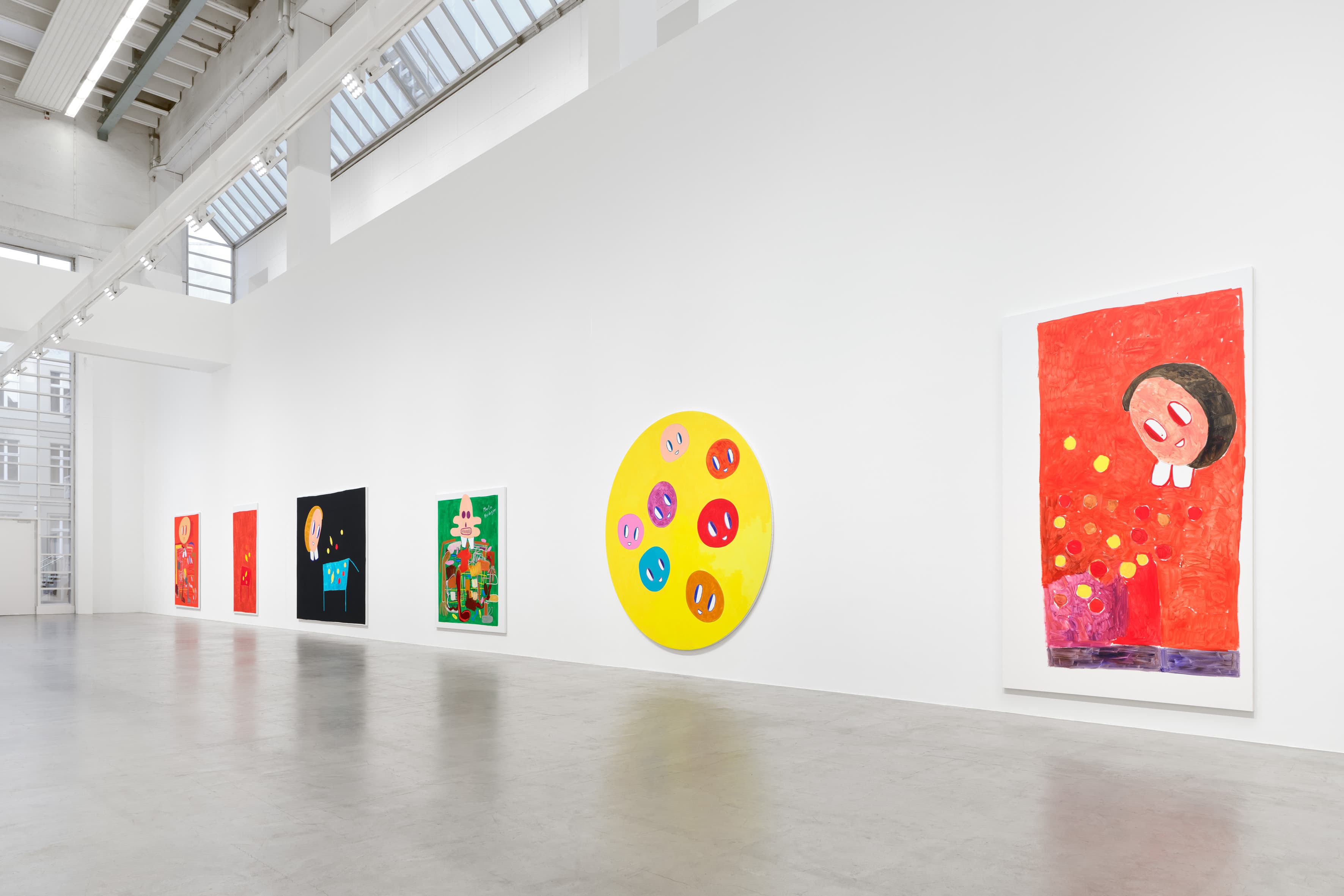
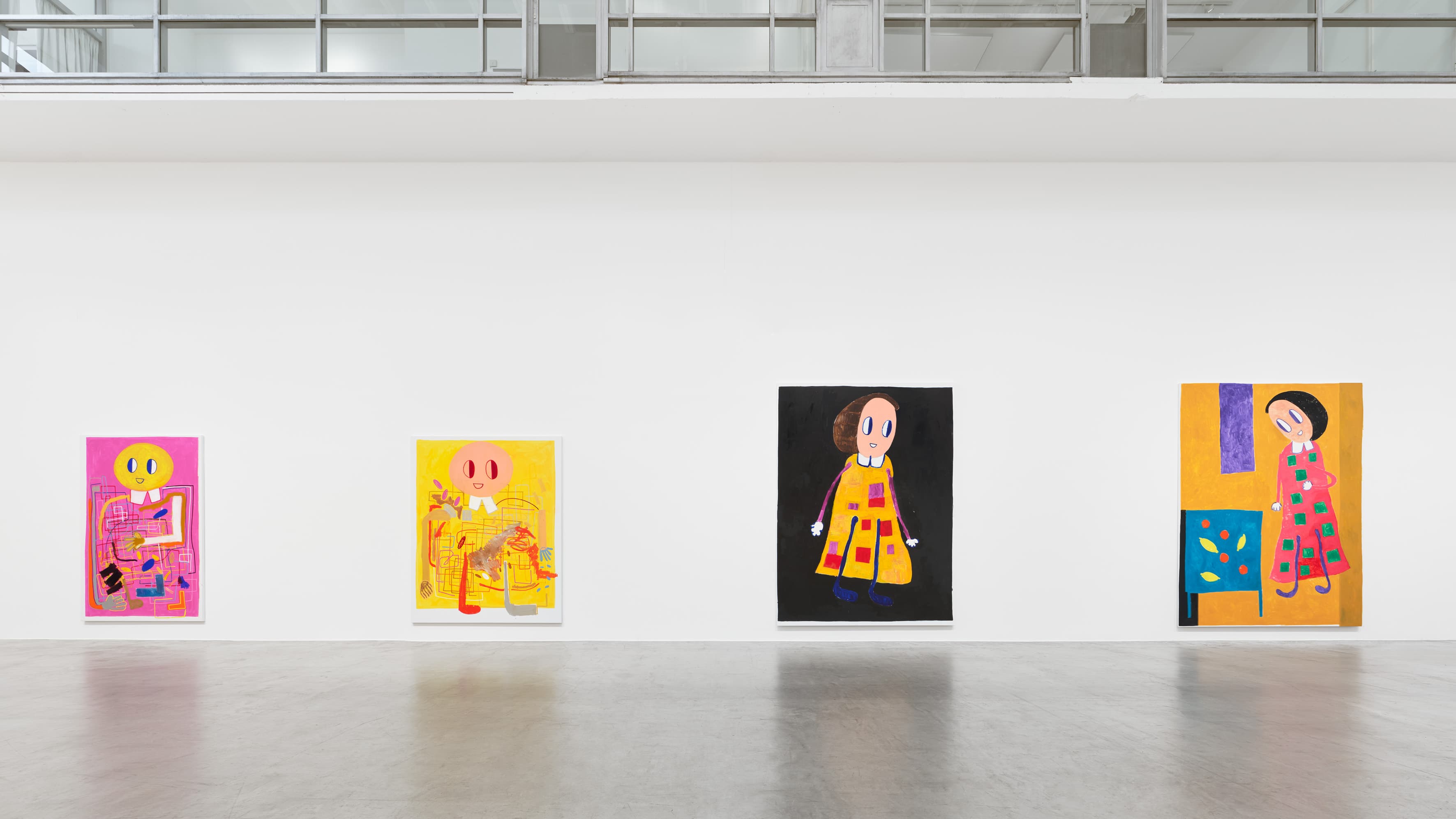
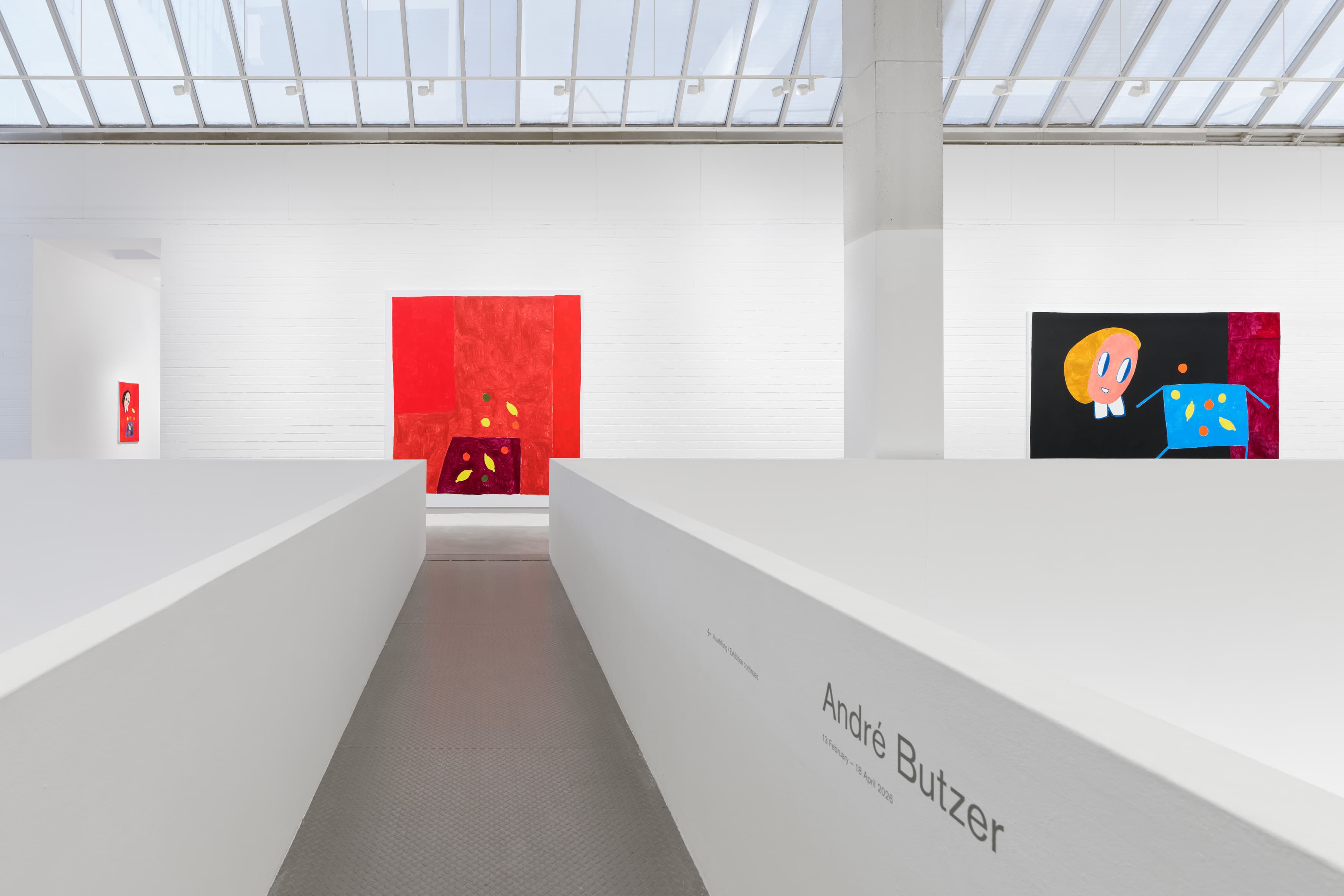
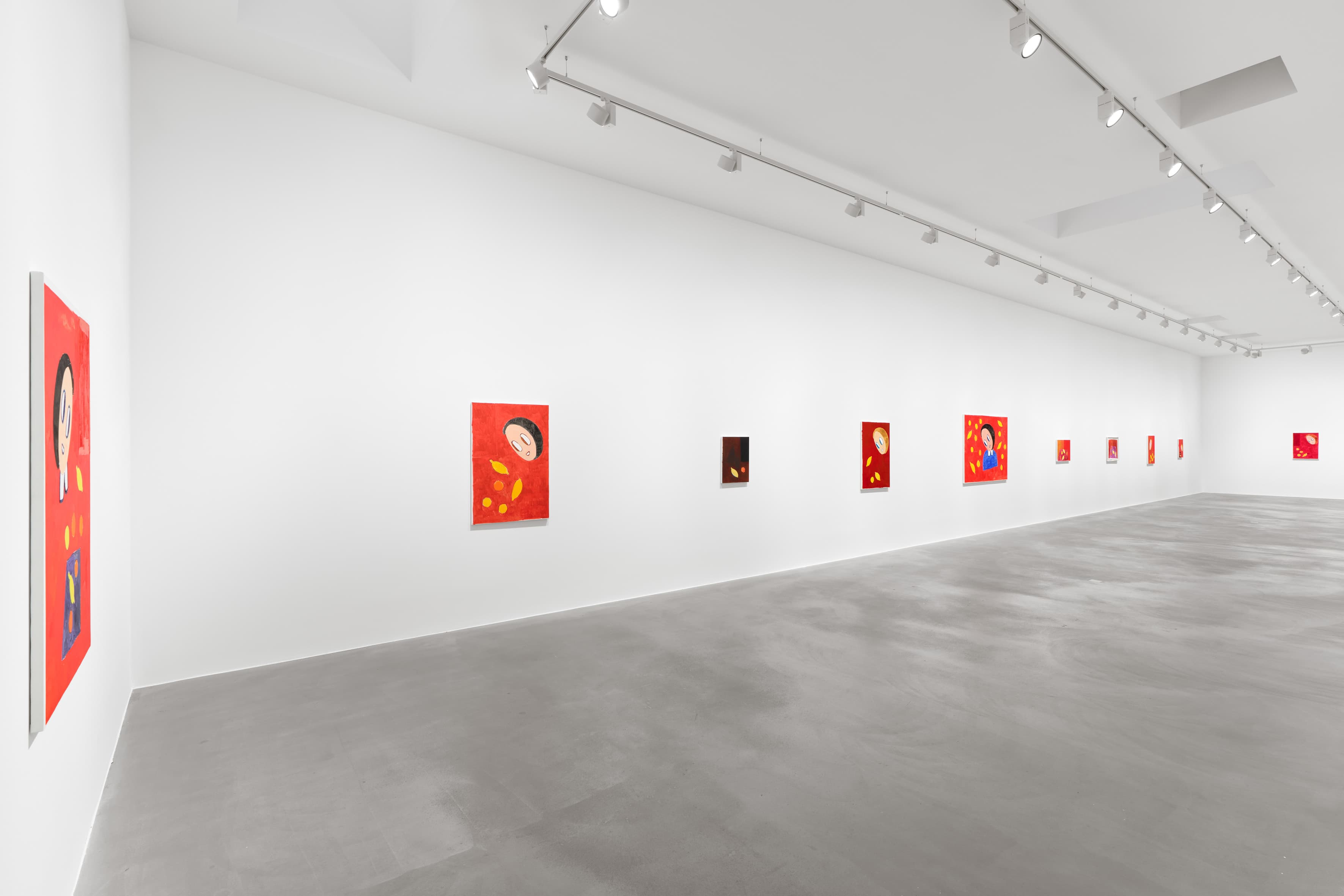
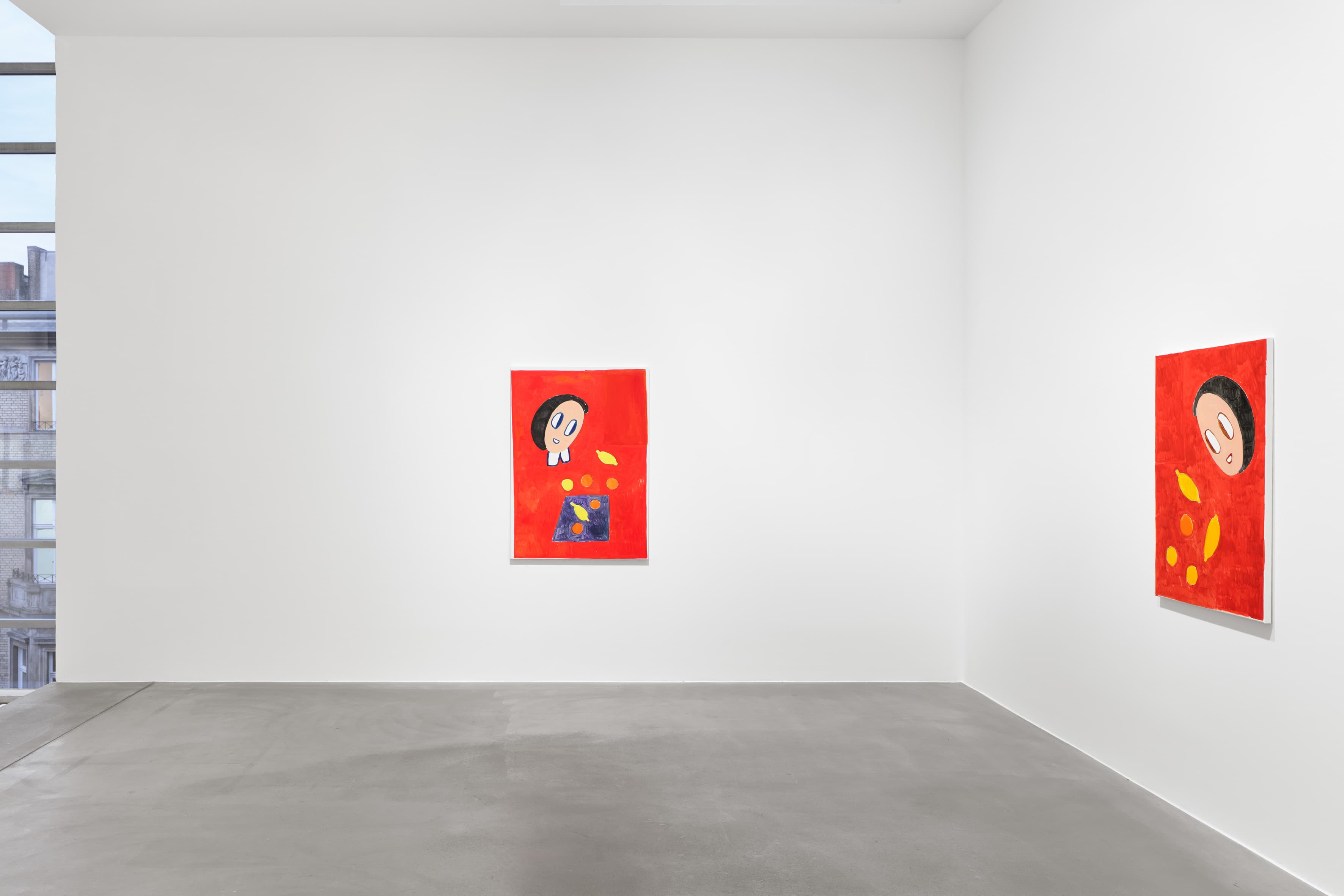
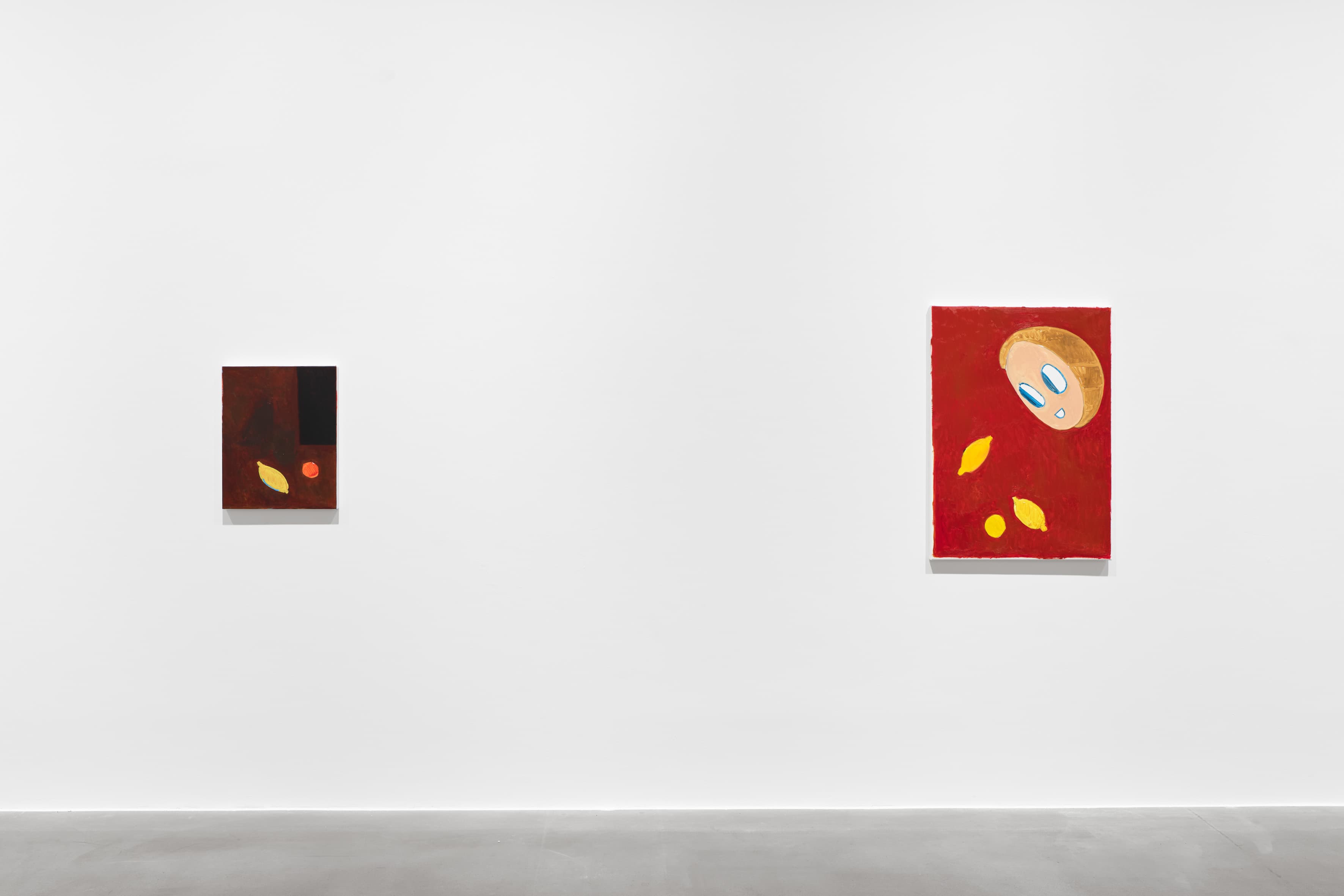
Max HetzlerGalerie Max Hetzler is pleased to present a solo exhibition of new works by André Butzer. The following excerpt is from a conversation between Andre Butzer and Christian Malycha, in the forthcoming publication André Butzer: Farben, Fruchte, Bilder, Geneva. Christian Malycha: Is it Pop, what you're doing? Expressionism? Matisse and Warhol? Andre Butzer: I find myself after the long end of Pop Art. The readymade is destroyed. Two-thousand years of painting history continues. The image of the woman endures. CM: What about cartoons and comics, the ready-made and seriality? The actual absence of the image. AB: Images are, or rather, bear witness to presence. They are the genuine proximity towards truth. The principle that counteracts reproducibility. CM: Tradition and history are being erased, we no longer encounter ourselves anywhere and are becoming increasingly alienated from ourselves. AB: Nothing is erased. The image first introduces us to ourselves, reminding us of our origins and thus of our future. So, there's nothing contemporary about it. CM: Still, your paintings are always relational, filled with the world. There are sentiments, places, people that appear, are evoked and make up the image. There's a palpable bond to being-as-presence. This bond is constantly there. Like the sum of your experiences … AB: Being-as-image CM: Image-as-being … Every time I stand in front of a new painting, I marvel at the uniqueness of the genuine presence. How distinctive and sincere each individual image is, expressing gentleness, joy, affection, severity or shyness. AB: I'm happy to hear that. Uniqueness exists only in relation to repetition. Only through repetition do we recognize uniqueness, the system being interrupted each time, which has been imposed on people's real need for this uniqueness. This principle is repeatedly destroyed in precisely the same place and is thus sacrificed in all the mildness of beauty. CM: Matisse wondered how "life" could "remain possible" in the midst of torment and pain, in the midst of the strife of the times and the temptations of one's own fate. You said that paintings are "localizations of the greatest despair and the greatest hope" and this is exactly why "they come closest to the very joy and aid we are in dire need of". How is human dwelling on earth possible? AB: Eventually, there will be no more dwelling, or rather, there probably isn't any left already. CM: There's one thing I find pretty astonishing about the Fruit Paintings. The fruits have … no, that's not the right word. At times, the fruits are accompanied by fine blue lines. These are neither contours nor colorful shadows, though. The blue takes up the outer boundaries of the color form and retraces it. It is as if the fruits were held or carried by the blue, as if they were carried in the chalice of a hand's open palm. Cezanne uses a similar blue, but as a shadow. Matisse contours his fruits. For me, however, it's reminiscent of Warhol. In the mid-1970s, he began to trace the contours of his screen prints, but gesturally. The lines stand for themselves and yet relate to the motif. Which brings us back to Matisse and Warhol … André Butzer (b. 1973, Stuttgart) lives in Berlin-Wannsee. Solo exhibitions of his work have been held in international institutions including Gesellschaft fur Gegenwartskunst, Augsburg; Museo Novecento, Florence; Museo Stefano Bardini, Florence; St. Nikolaus, Innsbruck; nw9 Kunstraum der Stiftung Kunstwissenschaft, Cologne (all 2024); Museo Nacional Thyssen-Bornemisza, Madrid; Kebbel Villa | Oberpfalzer Kunstlerhaus, Schwandorf; Miettinen Collection, Berlin; Kunstverein Friedrichshafen (all 2023); Friedrichs Foundation, Weidingen (2022); Yuz Museum, Shanghai; Museum of the Light, Hokuto (both 2020); IKOB Musee d'Art Contemporain, Eupen (2018); Vaxjo Konsthall (2017); Bayerisches Armeemuseum, Ingolstadt; Neue Galerie Gladbeck (both 2016); Kunstverein Reutlingen (2015); Halle fur Kunst, Graz (2014); Kestnergesellschaft, Hanover; Kunsthistorisches Museum / Theseustempel, Vienna (both 2011); Kunsthalle Nuremberg (2009); Kunstverein Ulm (2005); and Kunstverein Heilbronn (2004), among others. Butzer's works are in the collections of Aishti Foundation, Beirut; Art Institute of Chicago; Aurora Museum, Shanghai; Carre d'Art, Nimes; Children's Museum of the Arts, New York; CICA Center of International Contemporary Art, Vancouver; Contemporary Art Collection of the Federal Republic of Germany, Bonn; Deichtorhallen, Hamburg; Es Baluard Museu d'Art Contemporani de Palma, Mallorca; Friedrichs Foundation, Weidingen / Bonn; Galerie moderniho uměni, Hradci Kralove; Galerie Stadt Sindelfingen; Hall Art Foundation, Reading / VT | Derneburg; Hamburger Bahnhof - Nationalgalerie der Gegenwart, Berlin; Hamburger Kunsthalle, Hamburg; Holderlinturm, Tubingen; IKOB Musee d'Art Contemporain, Eupen; Kunstmuseum Stuttgart; Kupferstichkabinett / Staatliche Museen zu Berlin; LACMA Los Angeles County Museum of Art; Marciano Art Collection, Los Angeles; MARe Museum, Bucharest; MOCA Museum of Contemporary Art, Los Angeles; Musee d'art Moderne de Paris; Museo Nacional Thyssen-Bornemisza, Madrid; Museo Novecento, Florence; Museum Reinhard Ernst, Wiesbaden; Paula Modersohn-Becker Museum, Bremen; Pinakothek der Moderne, Munich; Rubell Museum, Miami; Sammlung Goetz, Munich; Space K, Seoul; Staatsgalerie Stuttgart; Stadel Museum, Frankfurt am Main; Stahl Collection, Norrkoping; Stadtische Galerie im Lenbachhaus, Munich; Stadtische Galerie Ostfildern; State Collection of Baden-Wurttemberg, Stuttgart; Tiroler Landesmuseum Ferdinandeum, Innsbruck; University of Washington, Seattle; Wooyang Museum of Contemporary Art, Gyeongju-si; and Yuz Museum, Shanghai.