
Institutions, Venice
Ugo Rondinone
Burn Shine Fly
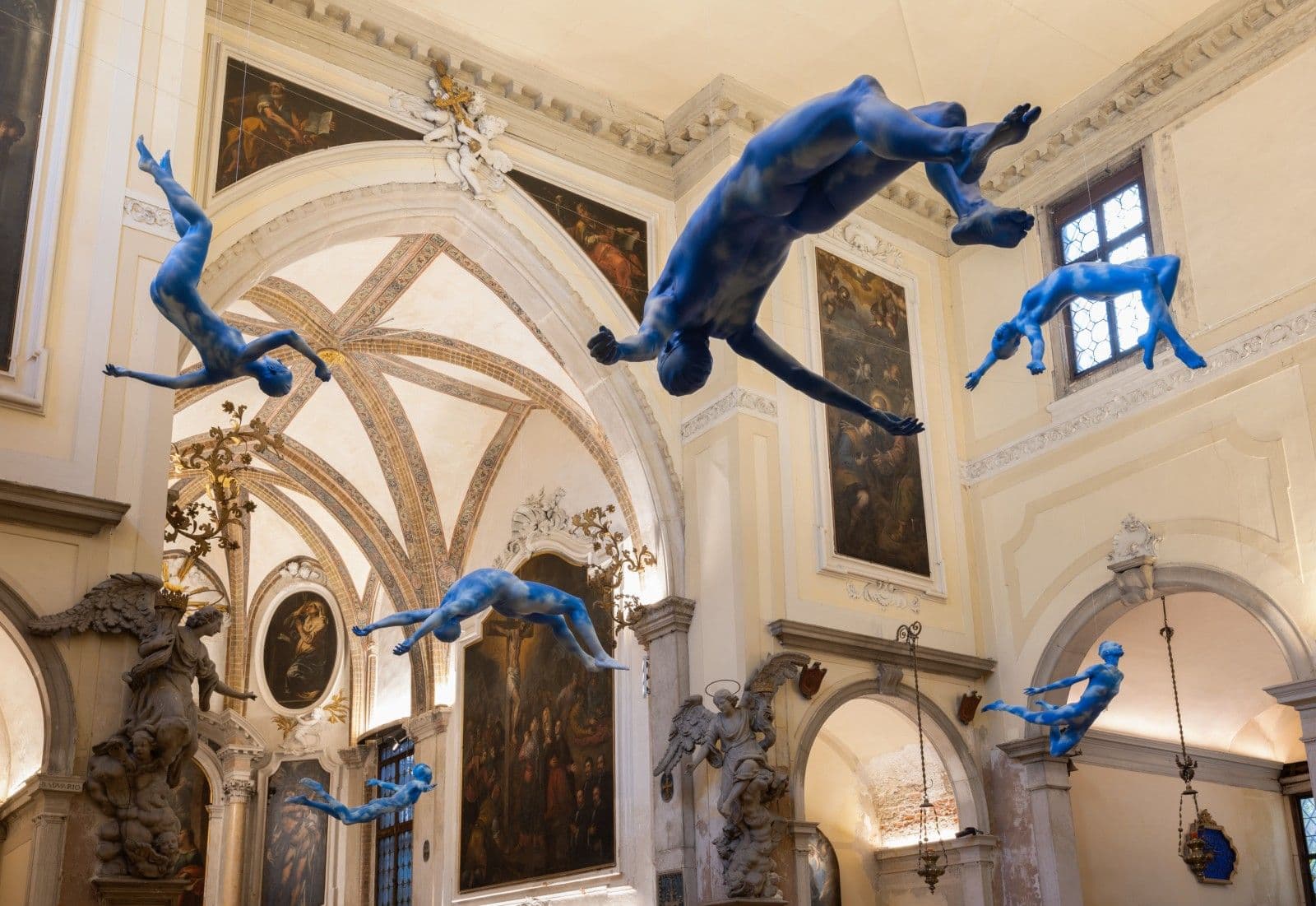
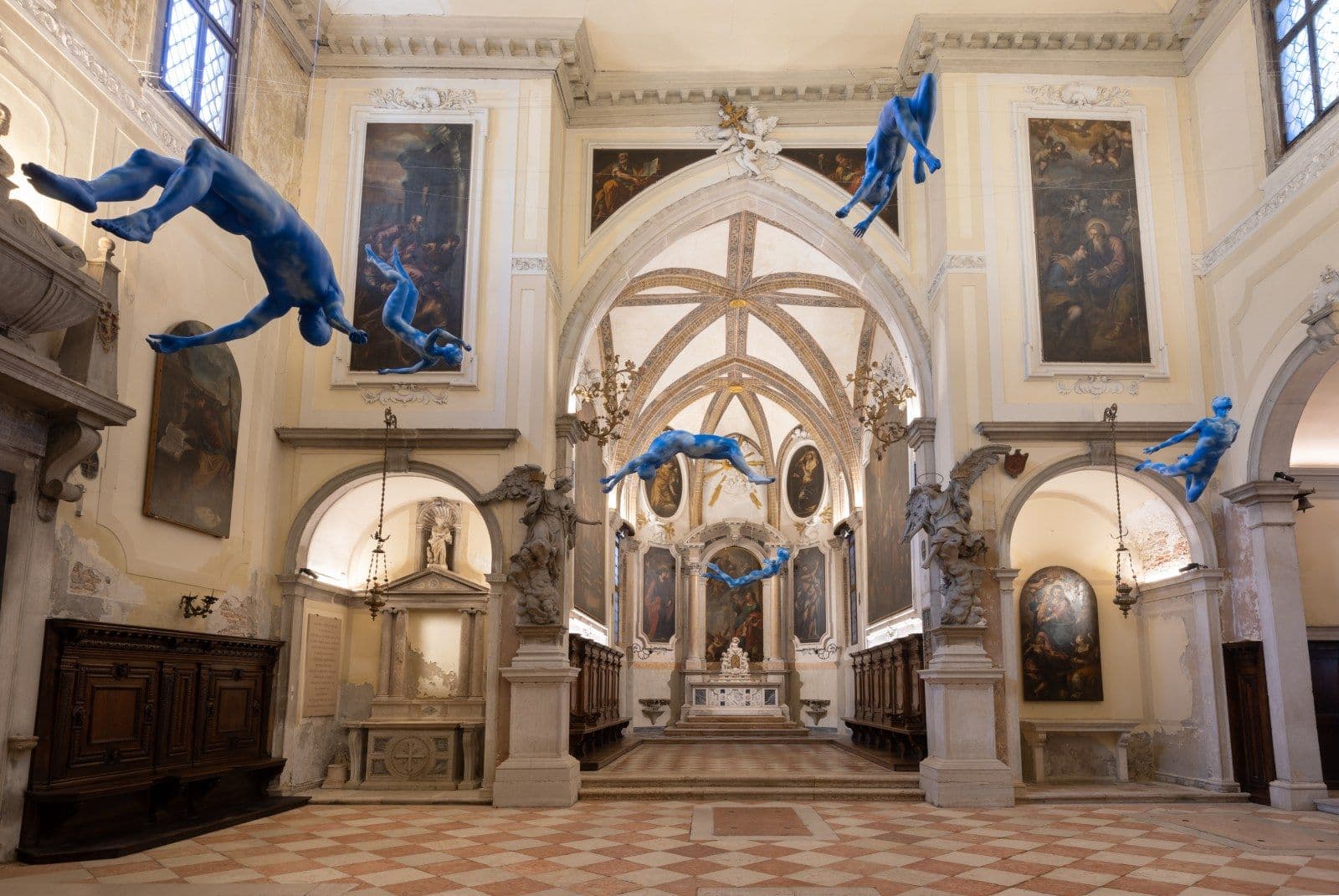
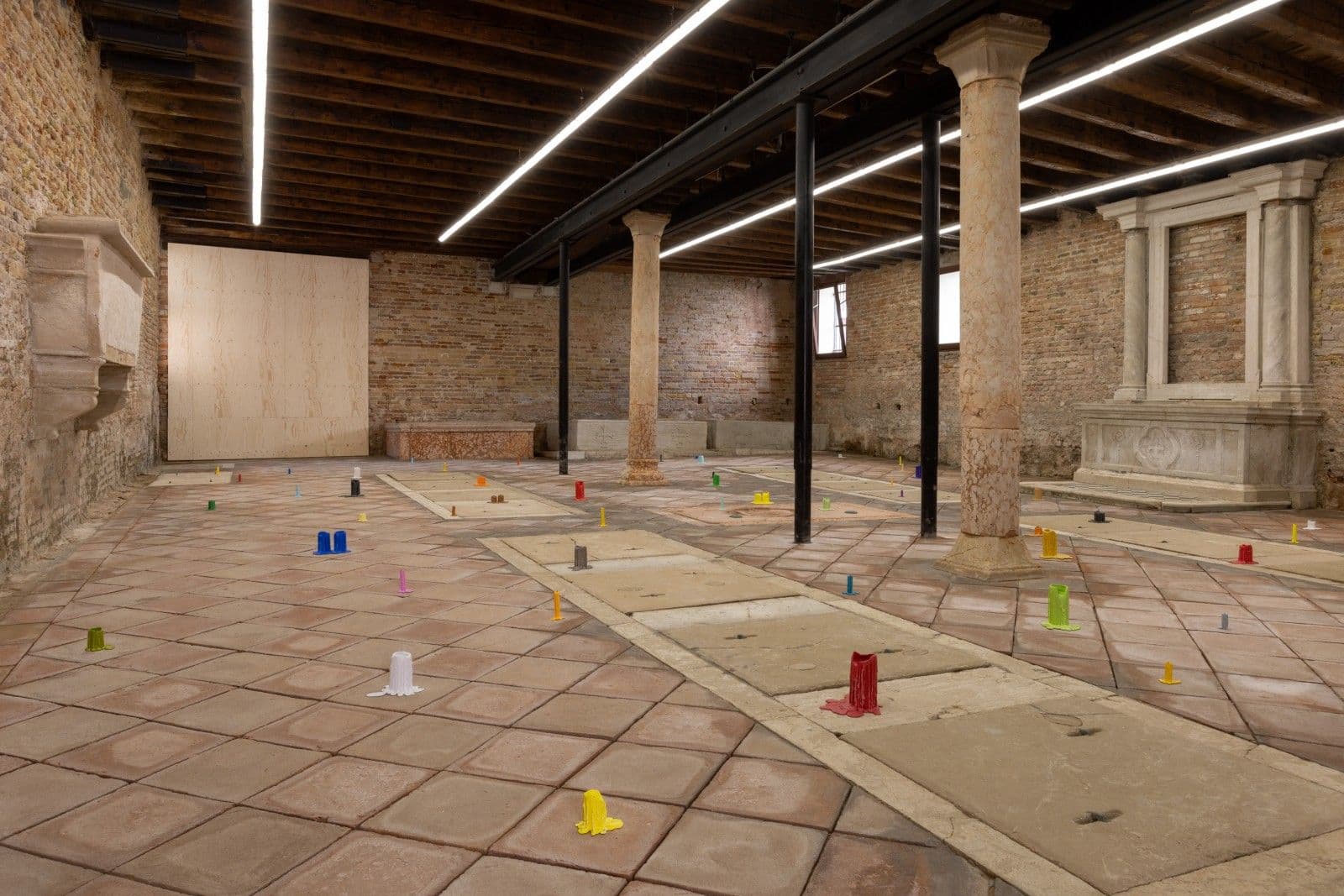
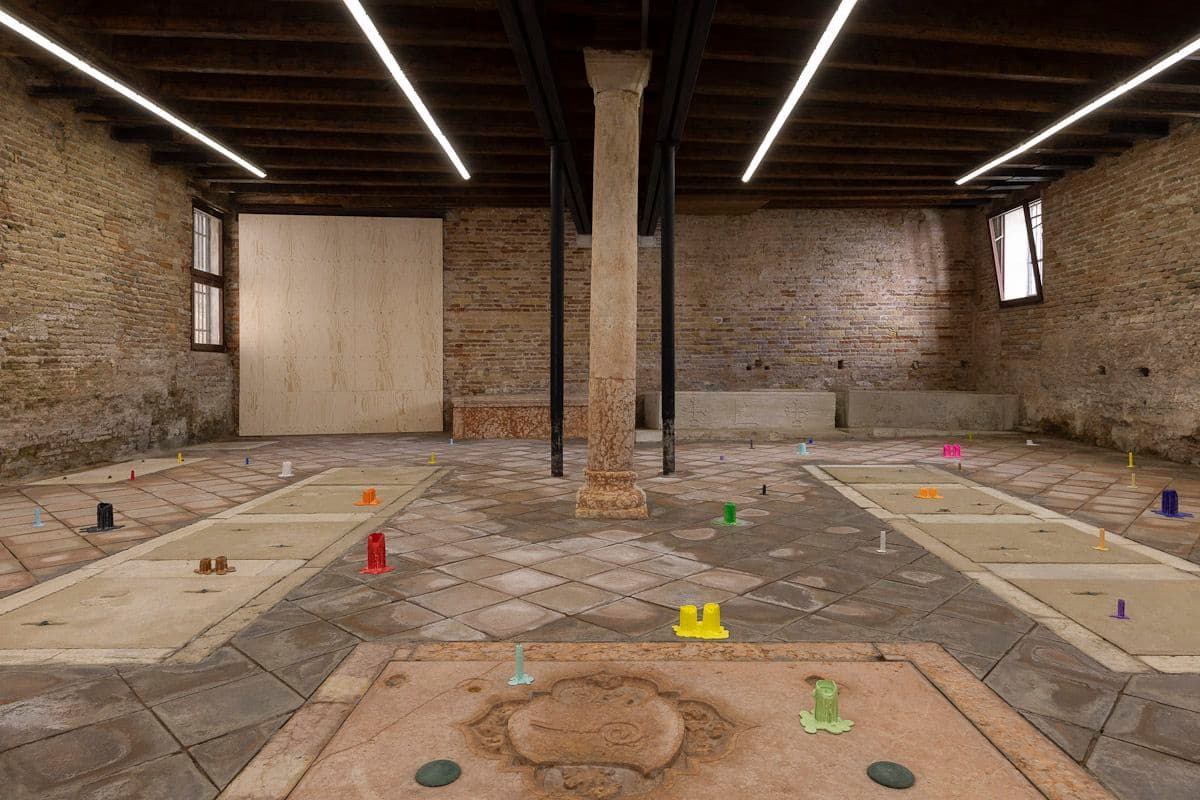
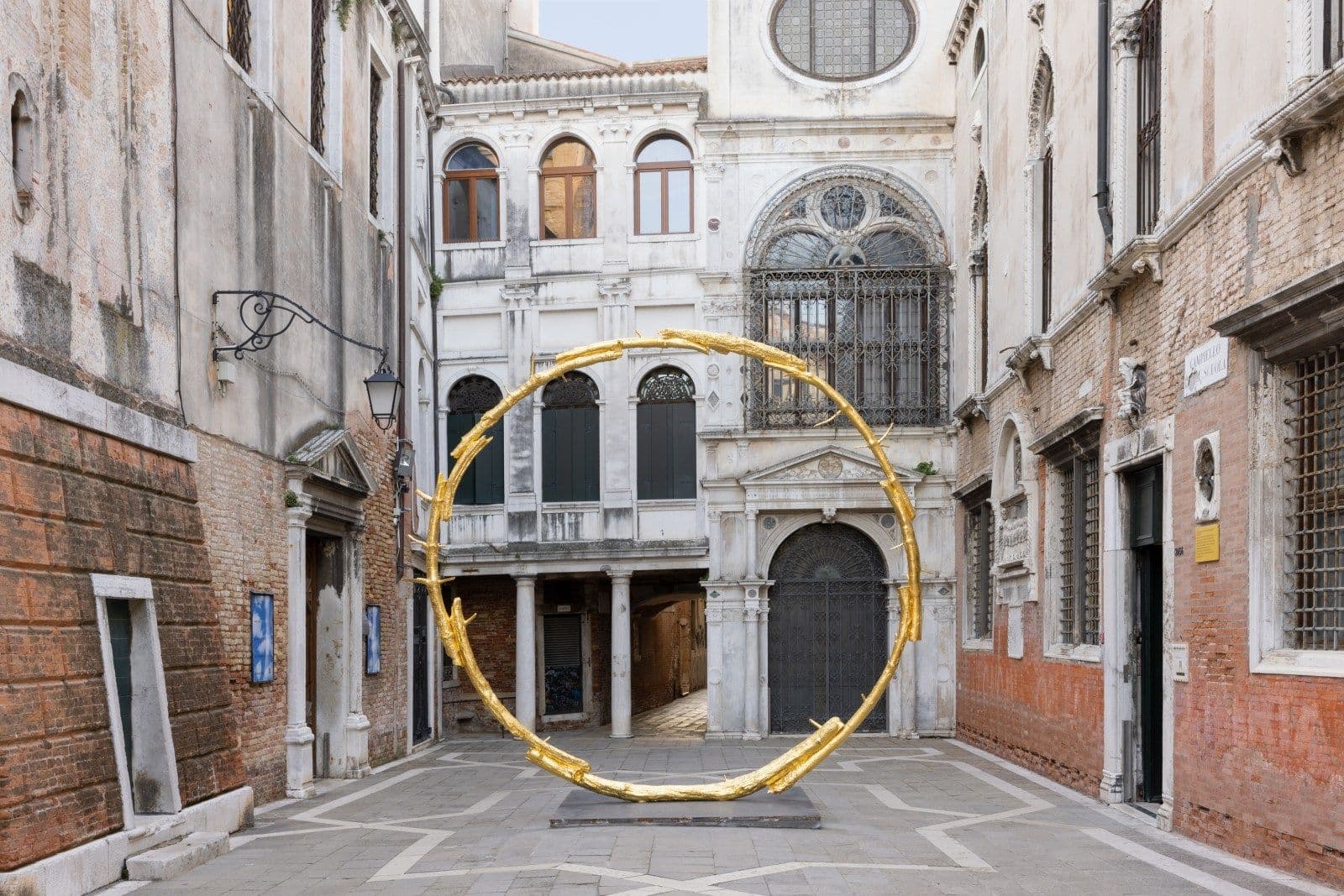
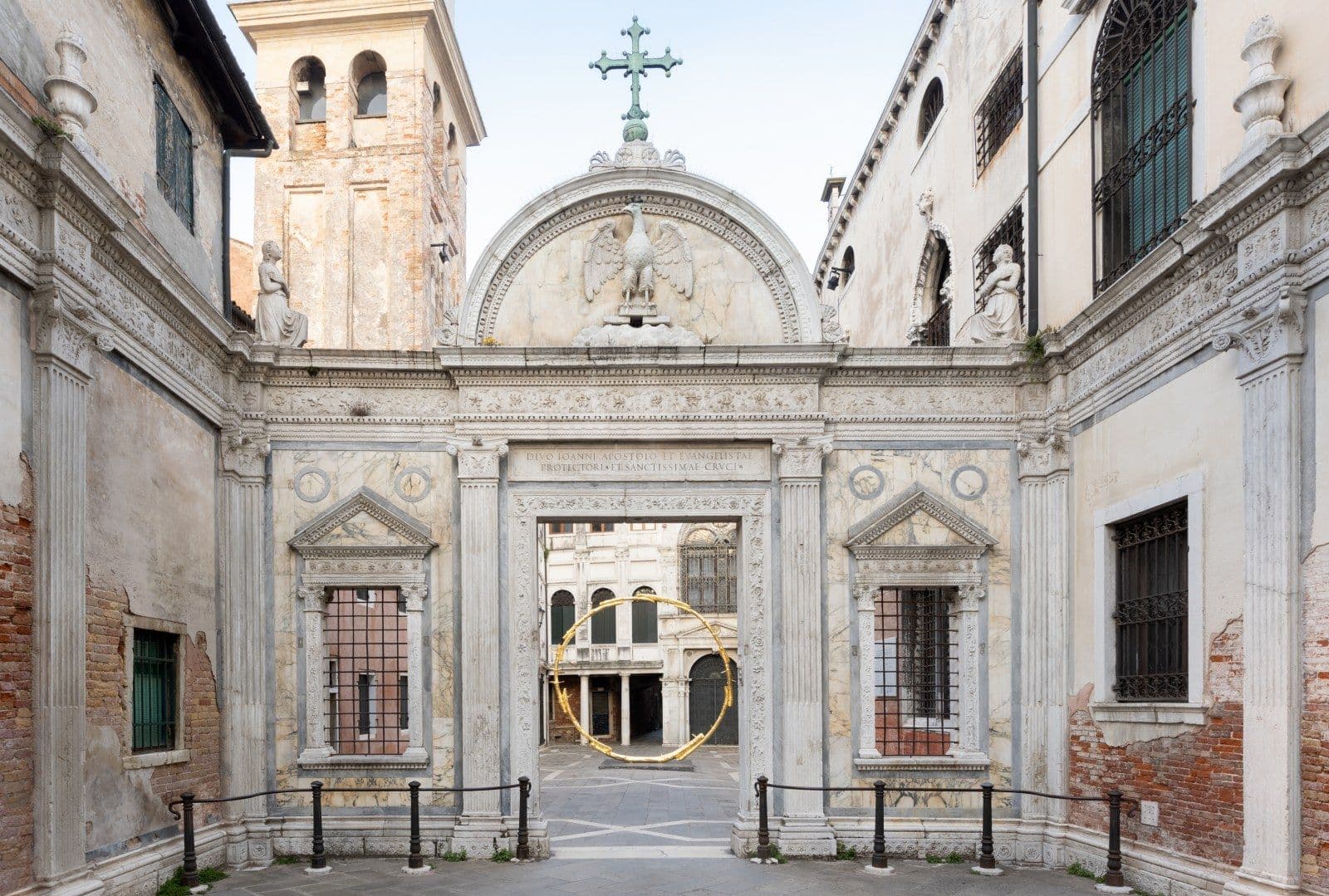
Scuola Grande di San Giovanni Evangelista“The sculptures in Burn Shine Fly are natural growths out of a loam of perception and feeling I had of the Scuola Grande San Giovanni Evangelista. The work aims to coax the sublime from the subliminal. The work should dazzle us and send us into a deep reflection about the marvels and mysteries of life.” —Ugo Rondinone On the occasion of the 59th La Biennale di Venezia, the Scuola Grande San Giovanni Evangelista hosts a major solo exhibition of work by Swiss artist Ugo Rondinone, entitled Burn Shine Fly. Curated by Javier Molins, Burn Shine Fly is installed within the historic walls of one of the oldest and most important Scuole in Venice, with both iconic works by Rondinone as well as a new body of work created specifically for this exhibition. Below please find excerpts from Molins's catalogue essay for the forthcoming publication to be published by Skira in summer 2022: Burn Shine Fly by Javier Molins The Scuola Grande di San Giovanni Evangelista, founded in 1261, is one of the oldest fraternities in Venice, and as such it sets before us the long, varied and rich history of this city. In general, a Scuola Grande, of which there are several in Venice, is a religious fraternity that provides a variety of charitable functions for the city, including acting as a patron of the arts. Its walls have housed treasures ranging from relics of the cross of Jesus Christ to works by such famous Venetian artists as Titian, Vittore Carpaccio and Giovanni Bellini. Access to the complex is through an entrance gateway designed by Pietro Lombardo (1435–1515), which turns what would be a street into an enclosed precinct, a kind of courtyard, leading to the various spaces of the Scuola, which grew organically over the centuries. — Now it is the turn of one of the oldest Scuole Grandi in Venice, a city characterized by a sense of balance that imbues all its architecture; in the words of Andrea Palladio, one of the great architects who left his mark on this city in works such as the Abbey of San Giorgio Maggiore and the Church of the Redentore: “We are obliged to make in them all the ornaments we possibly can, and build them in such a manner and with such proportions that all the parts together may convey a sweet harmony to the eyes of beholders”. This exhibition by Rondinone comes across as a reaction, in contraposition to the classical architecture of the Scuola Grande di San Giovanni Evangelista, but overall it creates a similar harmony to that of a dance, in which Rondinone is the choreographer who makes the whole thing meaningful and continuous and in which his works are in dialogue both with each other and with the space that houses them and the viewers who look at them. After all, as Rondinone says: “My interest lies in the human condition and its place in the world. I see the world as a mysterious place where appearances are deceptive and ultimate reality is rarely perceived. A world where each individual creates its own time and space”. Creating one’s own time and space will be something that each visitor will contemplate on seeing this exhibition. The full essay will be published in Burn Shine Fly, Skira, 2022.