
NoHo, New York
Alix Le Méléder
The Thread: Paintings and Works on Paper 1993-2011
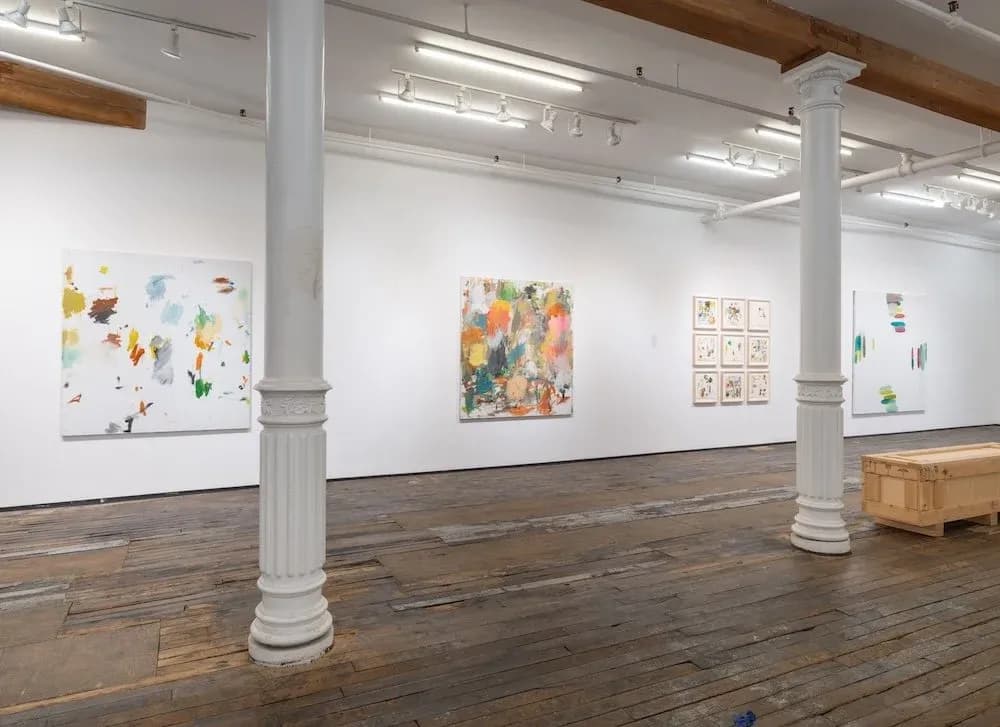
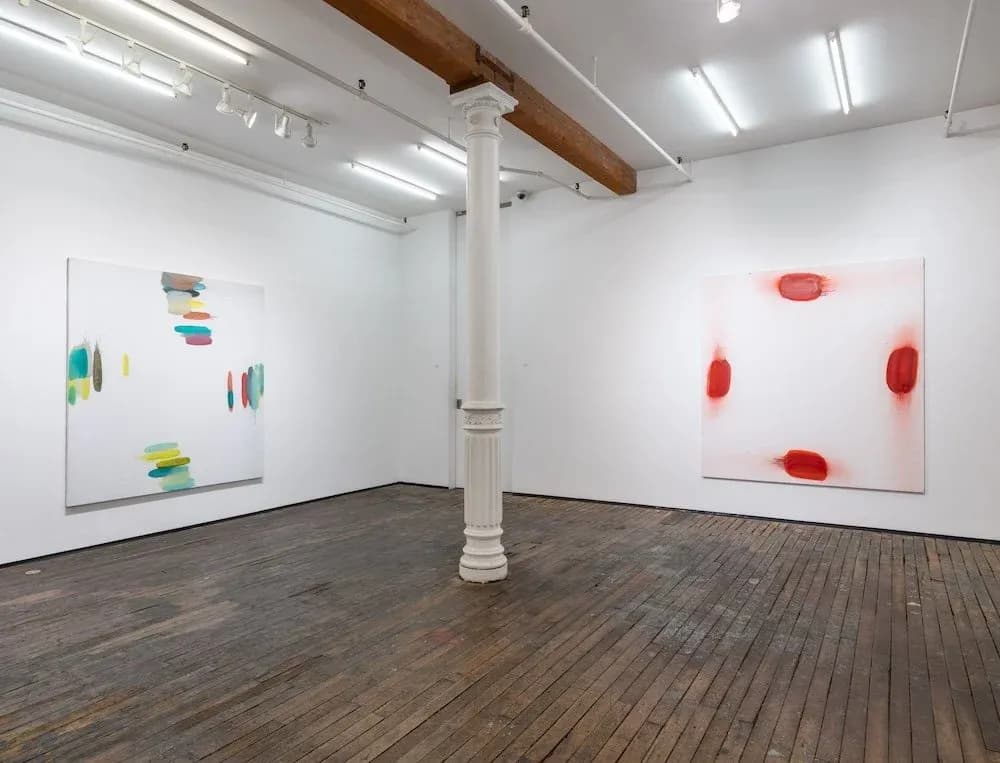
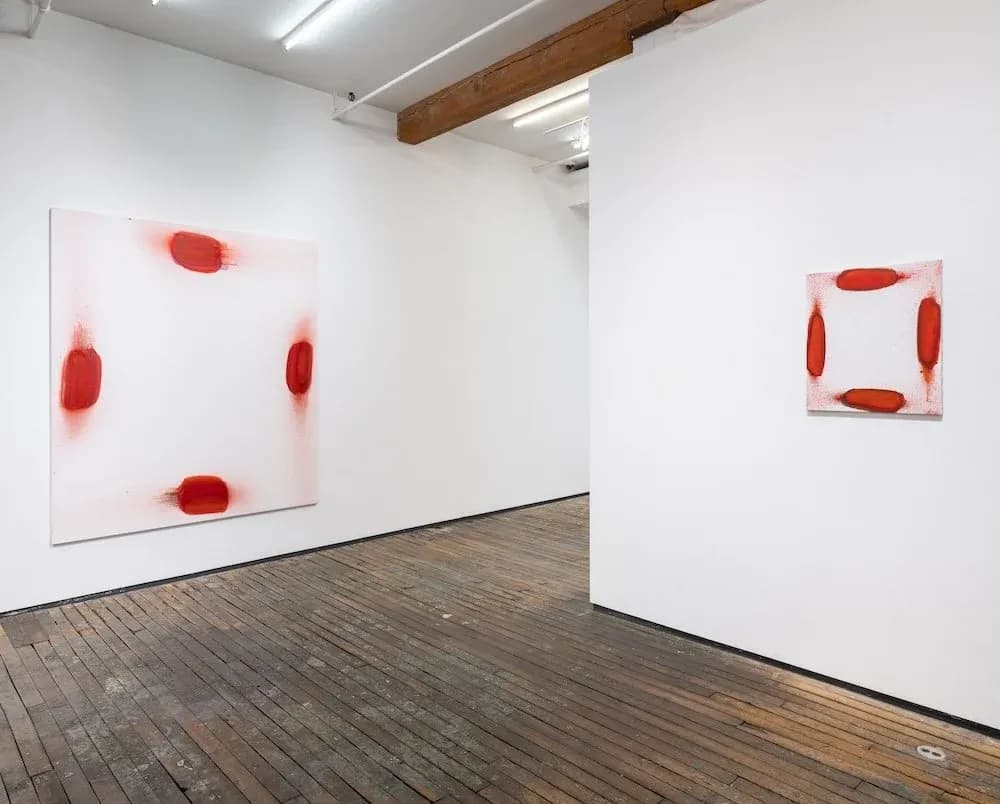
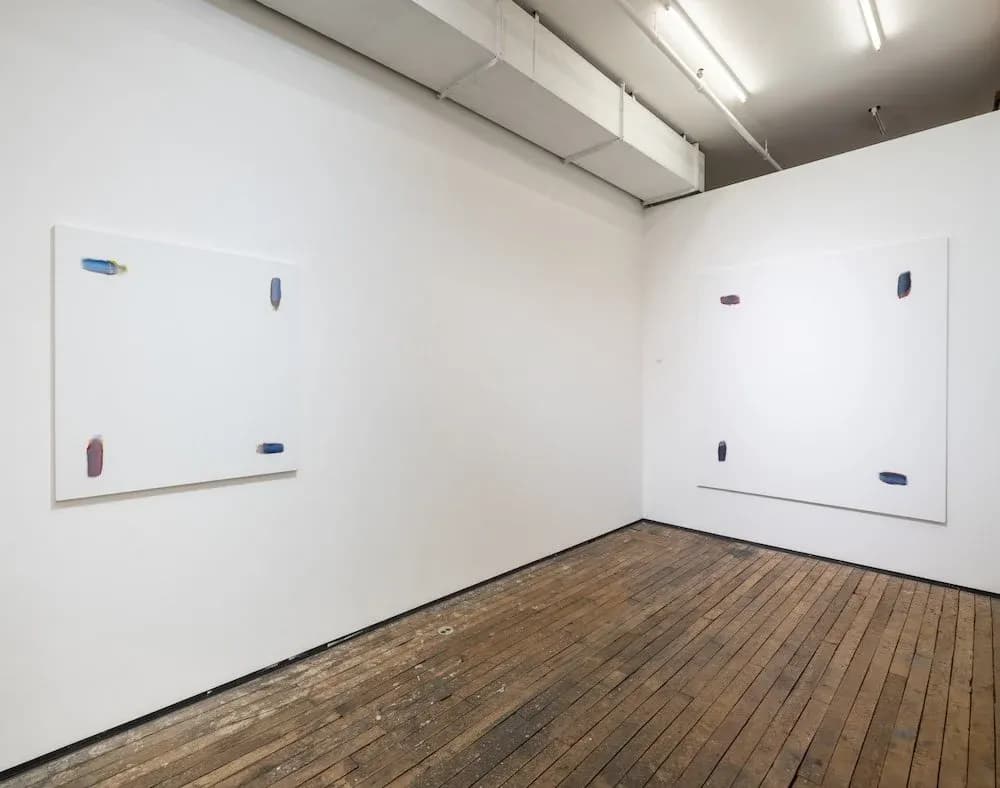
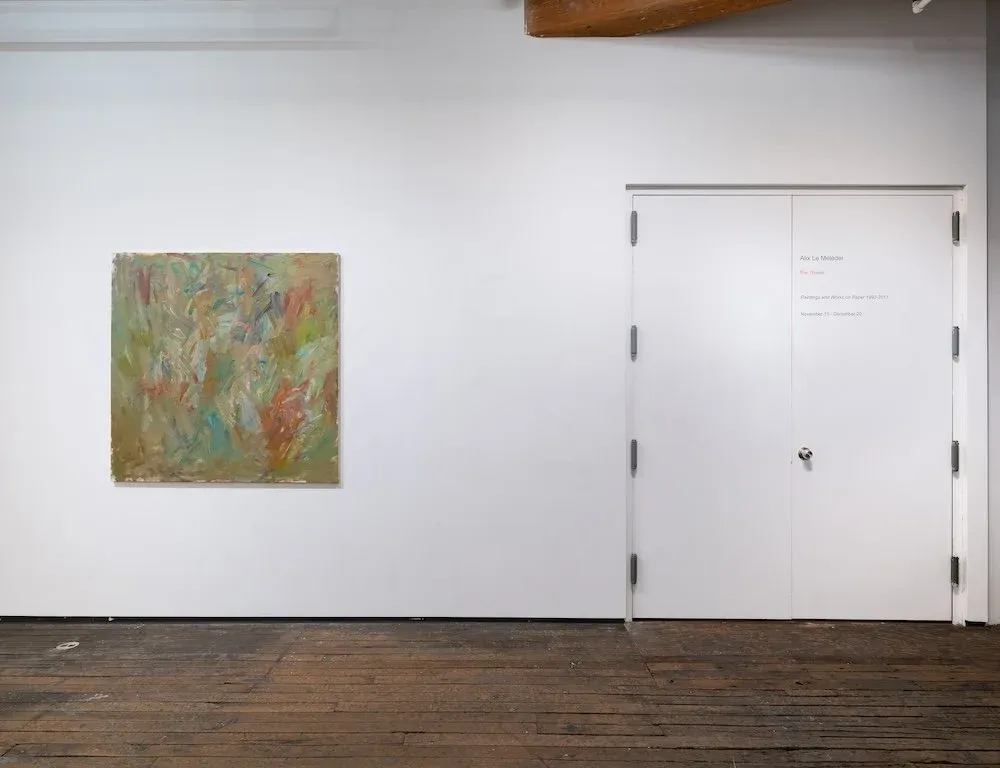
Zürcher GalleryZürcher Gallery is thrilled to present the fourth solo-exhibition in New York of Alix Le Méléder (born in 1956, in Boulogne sur Seine, France). Alix graduated from the sculpture department at Ecole des Beaux-Arts of Paris, where she studied with the sculptor Cesar Baldaccini. After graduating, she resumed painting in 1985 and moved into a warehouse in La Villette that burned down in 1990. She lost all her work. When she emerged from this big trauma, her work developed in an impressive way. The City of Paris then gave her a large studio, which she occupied until she stopped painting in 2011. In the early 90’s, she met Shirley Jaffe, who introduced her to Jean Fournier gallery, the gallery of Joan Mitchell, Sam Francism, and Kimber Smith in Paris. Alix Le Méléder showed there until 2004, when she entered Zürcher Gallery, New York/Paris, which now represents her work. This new solo-show of paintings by Alix le Méléder shows the thread between her saturated paintings from 1993, to Les Grandes Rouges (The Big Reds) from the early 2000s, and ends with her last paintings from 2009-2011 (which had never been shown in New York except for one that was included in Reverie, a group-show curated by Stephen Westfall, May 23 - July 20, 2011). The Thread presents 3 “key” paintings by Alix Le Méléder from 1993: one is completely saturated, the second significantly emptier, and the third shows the formation of blocks, which would progressively become the “marks” that later emigrated to the four corners of the canvas throughout Alix’s practice. In Alix Le Méléder’s work, for every action there appears a requisite of restraint or a negation. Untitled, April 28, 2011, is one of the last paintings she made before she stopped in July of 2011. She had completed her work. The ethical and philosophical nature of her decision to stop comes from her work’s internal logic. Hypothetically, Alix could go on working, but it would be meaningless. She felt she had nothing else to say, so echoing Herman Melville’s Bartleby, she says, “I’d prefer not to.” "I realized one day that there was a desire for expression in my paintings, and I wanted to free myself from it. I had to erase myself and paint again with color. I felt the need to blow out the space even more; that's why I came to the square format. And then, to escape a kind of horizontal face- to-face with the canvas, I decided to rotate it. The painting turns, but not the artist. This is the path of centrifugal painting: gradually deporting the color and paint towards the edges until it is expelled. The space thus exploded oscillates between the centrifugal and the centripetal, like a target. The white is not empty; it is the center of the target. The paint is deposited on the canvas with such evidence, and there, the painting presents itself; it is very simple. Painting is no longer a matter of composition; it is no longer a projection space. Painting now means letting go in order to be only pure presence, in silence. I sometimes think I'm like Sisyphus, relying neither on imagination nor on a story, a narrative. Nothing but the canvas and the four marks. I work constantly to reach this state of emptiness, a vacuum traversed by a great tension, a bit like a force field. Sisyphus is also the road to becoming, the death cycle – the rebirth of Hinduism or Buddhism. In daily life in India, Hindu gestures of offering reveal their relationship to the world. I have always thought that my work was an offering like the Hindus, a "puja", a puja in the very process of creation. I have made many visits to India since 1976, until the last one in 2017, where I stayed several months in a resthouse on the Ghats and the Ganges. I often returned to the same places in northern India: Benares, Rajasthan, and Bengal. My journey goes in the direction of simplicity and truth, towards the “global” and the universal, and above all, towards decentering; and is it not this decentering that specifies my work, with this centripetal thrust that leaves the central void of my paintings more and more gaping. All these elements are present and recurrent in my work: decentering and simplification, simplicity. Expression of the global immanence and Spirit. A work like a quest or a journey... It seems to me that in my work, death is present as much as life, forming a single whole. Presence of life and death; a vision that comes back to me of the bonfires of Benares with the children who wave their kites among grieving dogs and families. By observing life there on the banks of the Ganges, one can have the impression that everything is reborn every day, almost in the same way since always, it is the beginning of the "same" again, the eternal return: life goes towards the death that regenerates life again... It's sort of circular to the point of evoking infinity. The act of painting stopped one day in July 2011... In fact, I made a long initiatory journey thanks to Painting as a medium, and these trips to India surely helped me on this journey through the healing that they allowed me. All along the way, I felt a great closeness to India in my relationship to the world, to life, and to nature. Painting took me on a kind of initiatory journey with its experiences and obstacles, with its phenomena that brought me to awareness. Each step of this journey had to be based on knowledge and not merely on simple intuition. These paintings are the manifestations of a phenomenon of shifting consciousness between death or non- being and birth or rebirth. To reach this state, I had to work on a negation of myself, a kind of annihilation, a necessary passage to go towards the unknown. —Alix Le Méléder