
Museums, Basel
Group Exhibition
Mémoires Voyageuses
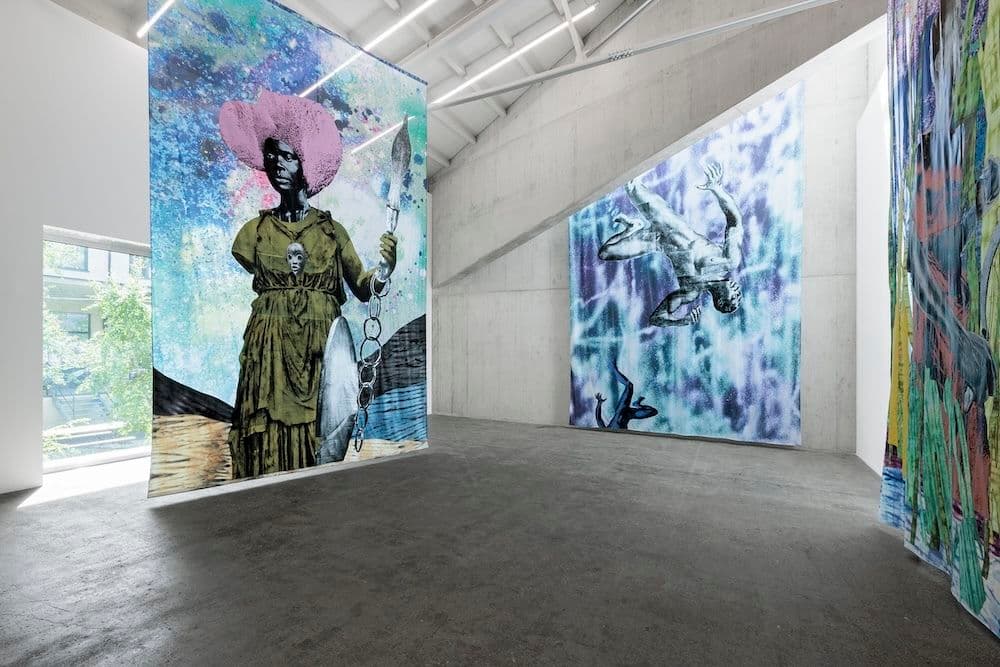
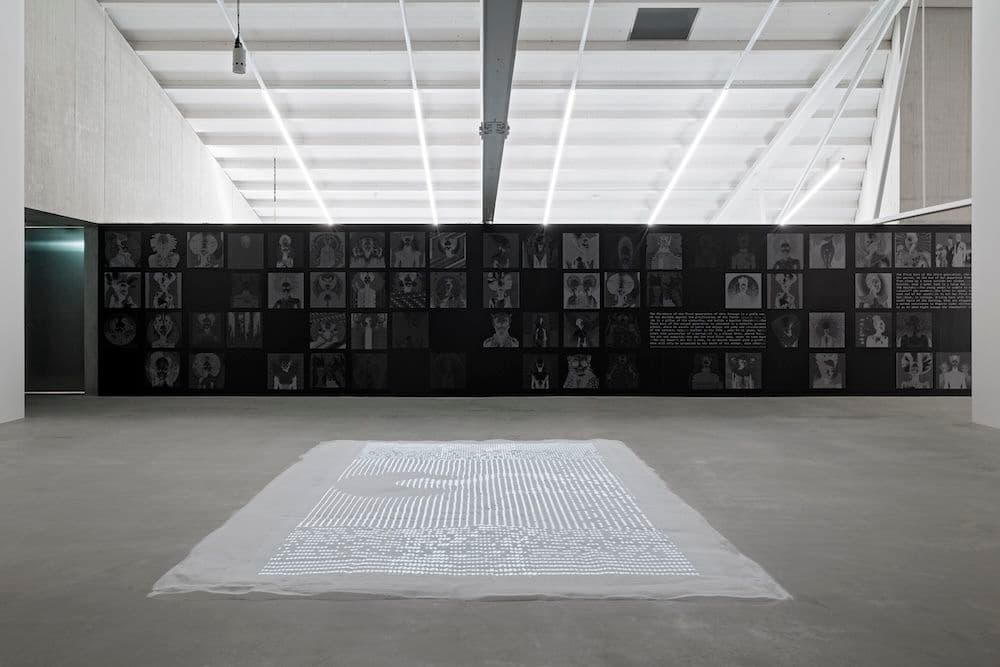
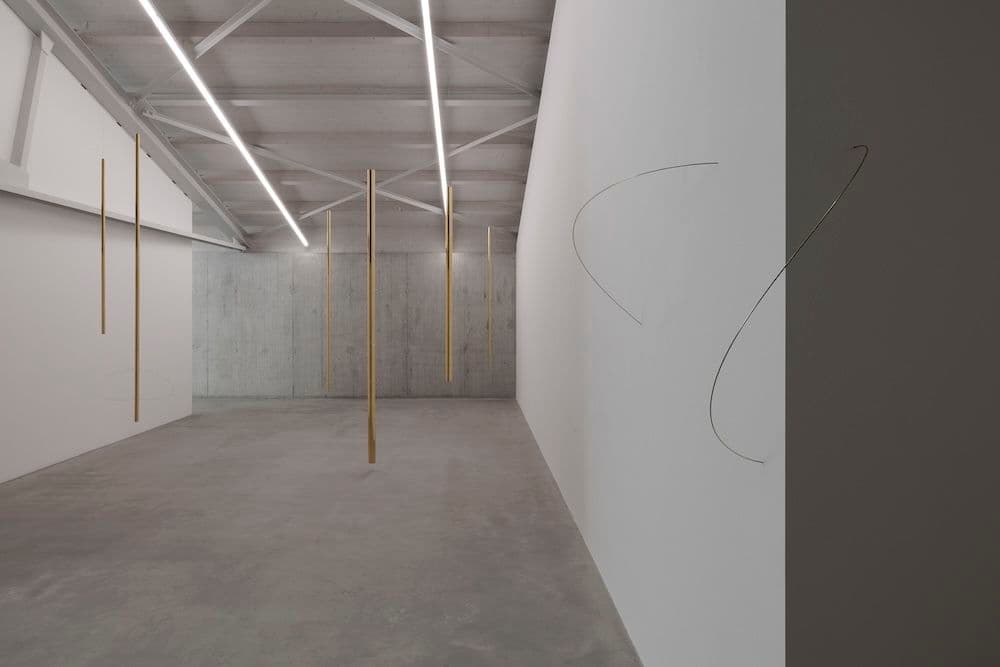
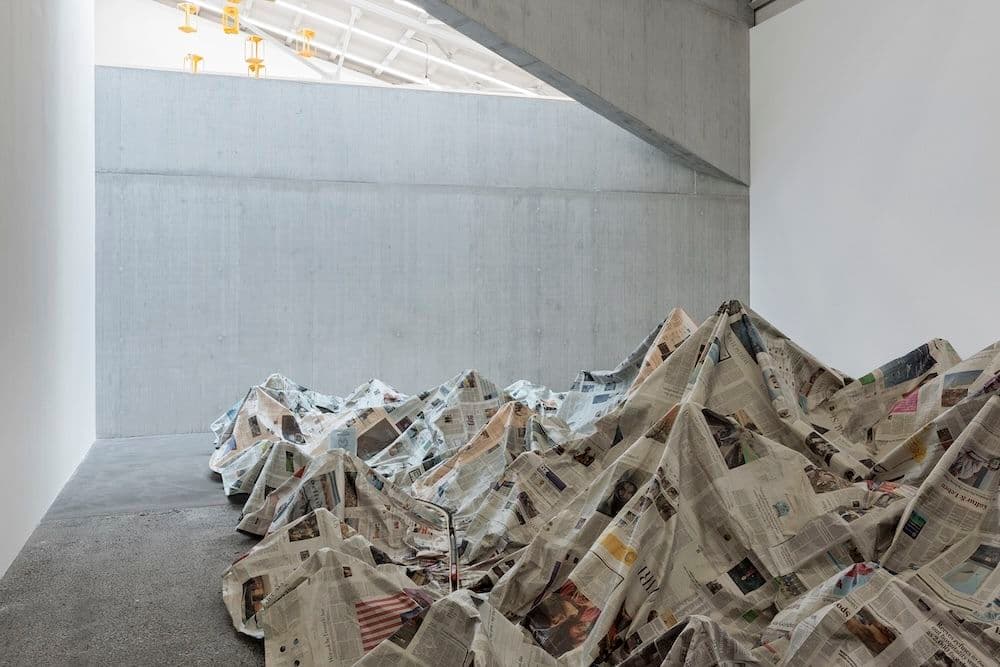
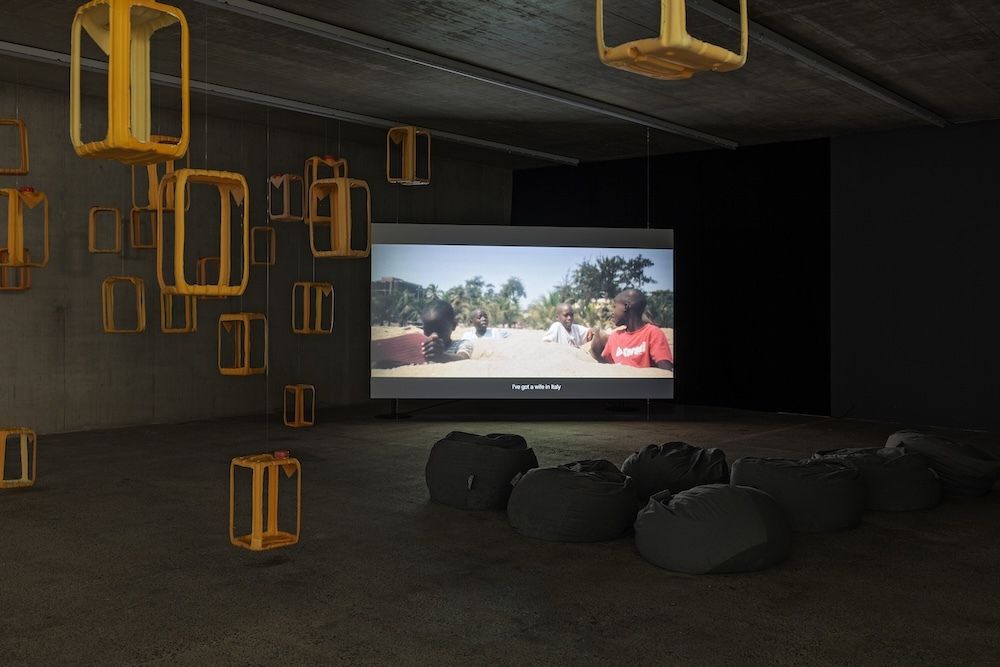
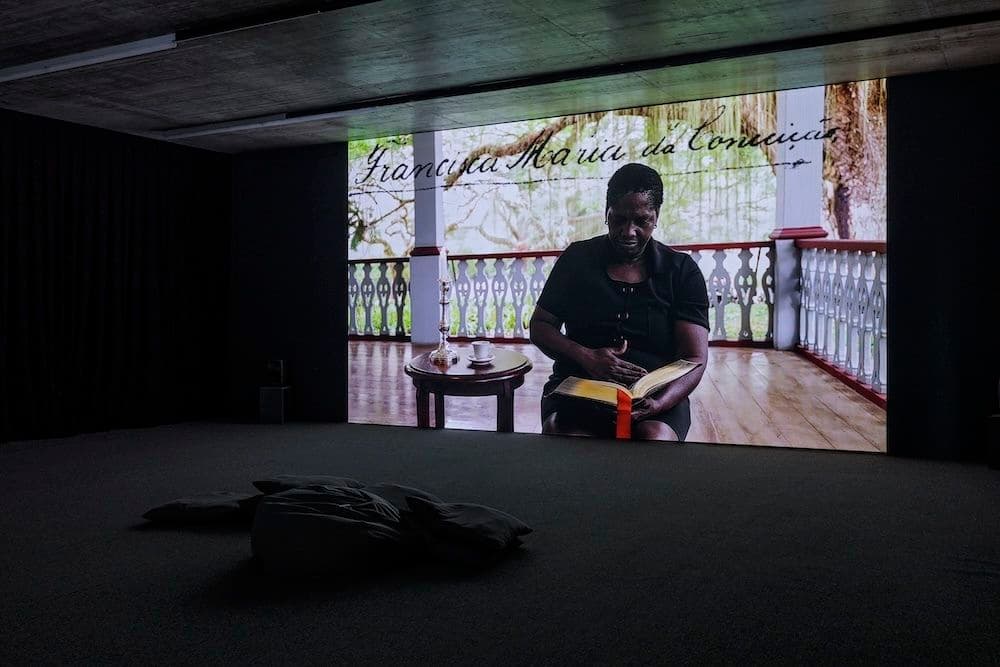
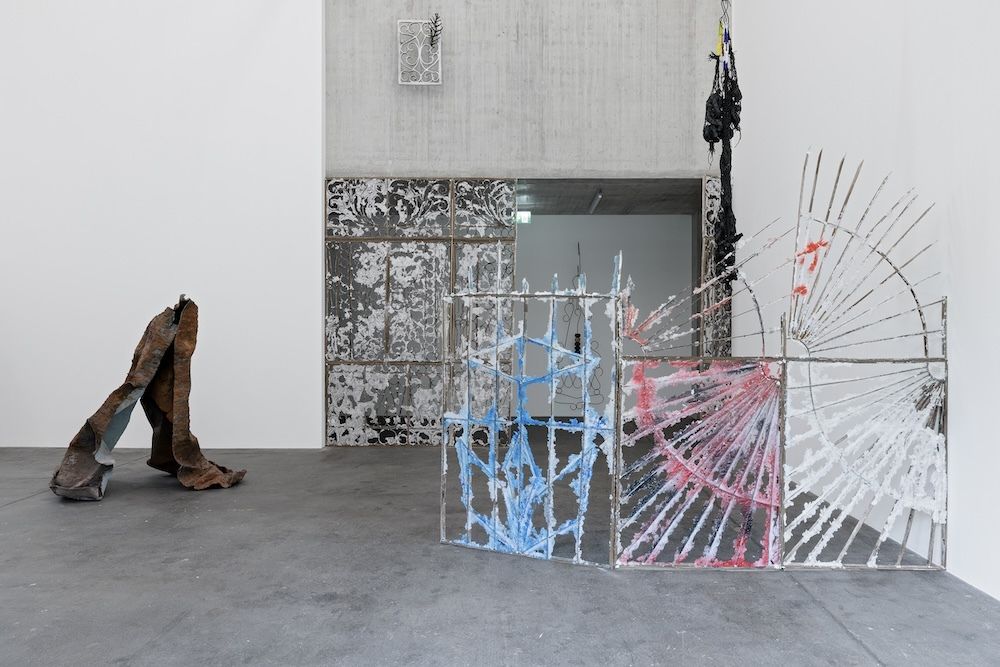
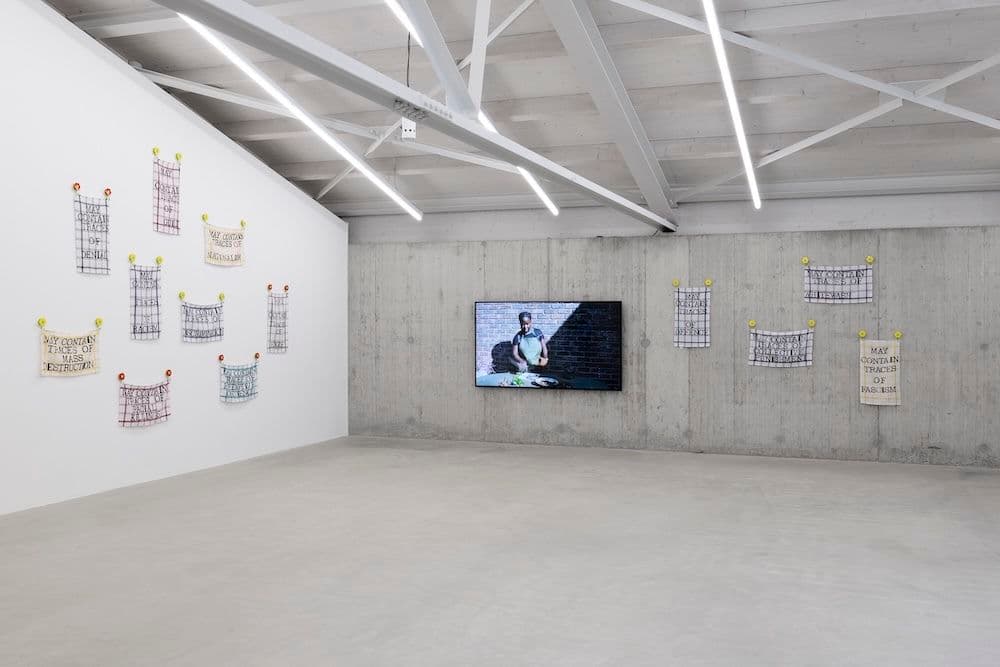
Kunsthaus BasellandRaphaël Barontini, Onome Ekeh, Joana Escoval, Binelde Hyrcan, Mateo Maté, Aline Motta, Sofía Salazar Rosales, Helena Uambembe We know this ourselves all too well: memory can be deceptive. Experiences, encounters, floods of information, and political realities that once felt immediate and vivid gradually fade over time and shift in recollection. But how does one come to terms with stories about one's own family and origins that suddenly emerge through oral transmission—stories told, for example, by a great-grandmother, and that unsettle one's sense of identity with entirely new questions? What, if anything, can actually be verified, and how much may itself be rooted in fragmentary memories? How can questions of identity be approached when (family) histories—or even those of an entire country—have traditionally been passed down only orally, remaining incomplete and unsupported by written records? Yet even what is written down does not necessarily allow us to fully or meaningfully comprehend what is happening in the world. The constant stream of reports and images from across the globe—now saturated with war, violence, and catastrophe—barely leaves room to breathe, and is often riddled with falsehoods. One news story is almost immediately replaced by the next. In moments like these, it may be necessary to step back and turn instead toward dialogue—with others, or with nature—as several of the artists in the exhibition suggest: "Stories stay with you and move with you. So bring the stories and images back and nurture them with nature." Landscape, in the many forms it takes throughout the work of the participating artists, runs like a common thread through the exhibition. It invites us to move through it and to fill it with our own experiences. The artists in this exhibition are not searching for absolute truths, but for possibilities that emerge through dialogue, for artistic spaces capable of expanding our ways of thinking and imagining. They are sensitive storytellers, concerned less with objectivity or precision than with beauty, poetry, empathy, and care, even in the face of loss, displacement, trauma, violence, and fear. In this context, I am reminded of a quote by Carolin Emcke: “We do not tell stories only for ourselves. We always tell them also for those who came before us and can no longer do so themselves. We tell them in order to remember them […] and also for those who come after us and who will ask themselves how what will have happened could have happened.” Only by telling stories about the future, and imagining it vividly, can we begin to believe that another reality is possible. Only then can we learn to listen to what nature may be telling us, to what makes human coexistence possible, to what could emerge, to what we might leave behind, and to how we might set out together—through (artistic) dialogue—on a journey that, for all its speculation, invention, and dreaming, still holds truths and new possibilities. Curated by Ines Goldbach