
Galleries, Basel
Tobias Kaspar
Flowers: Jealousy
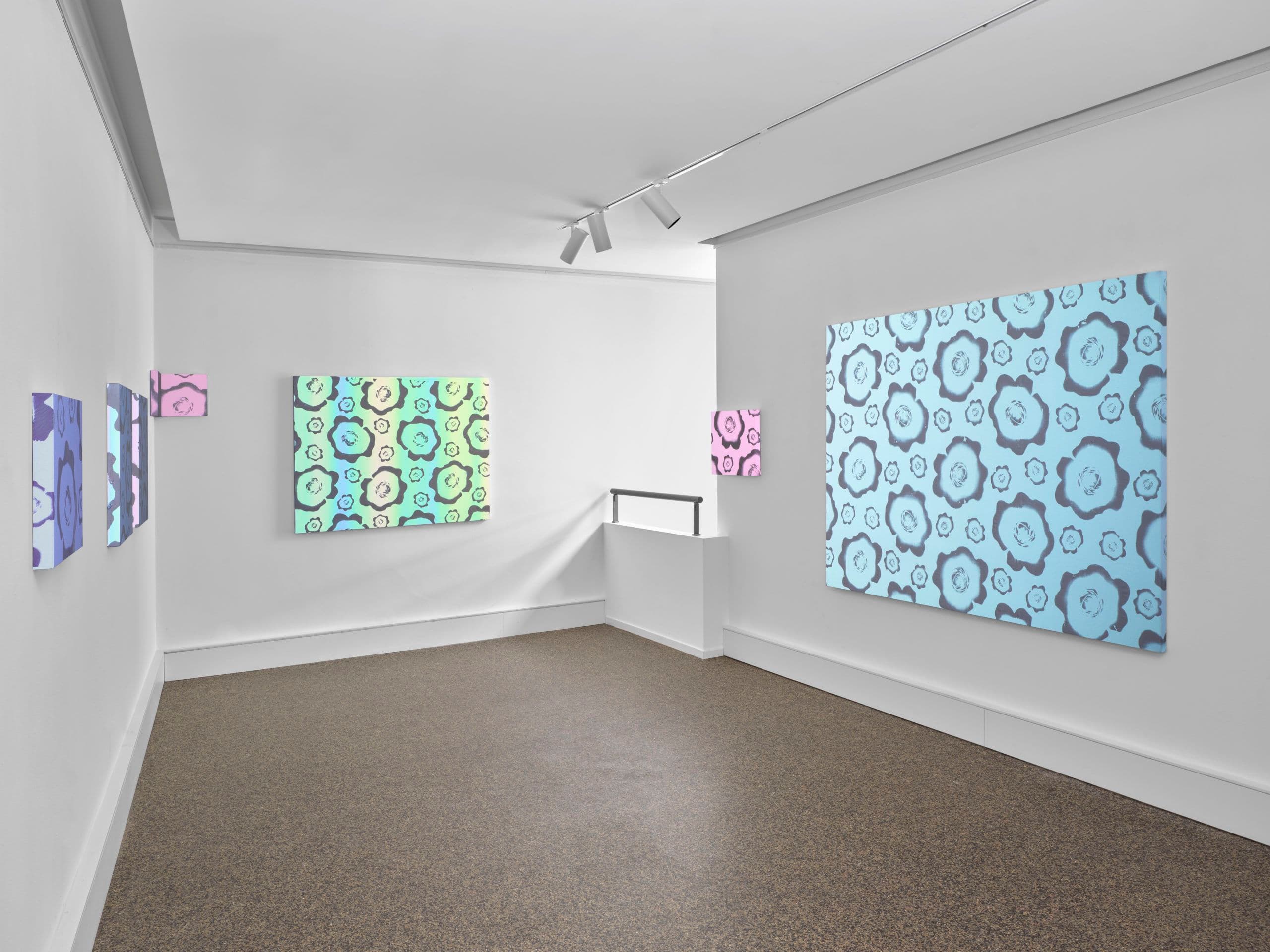
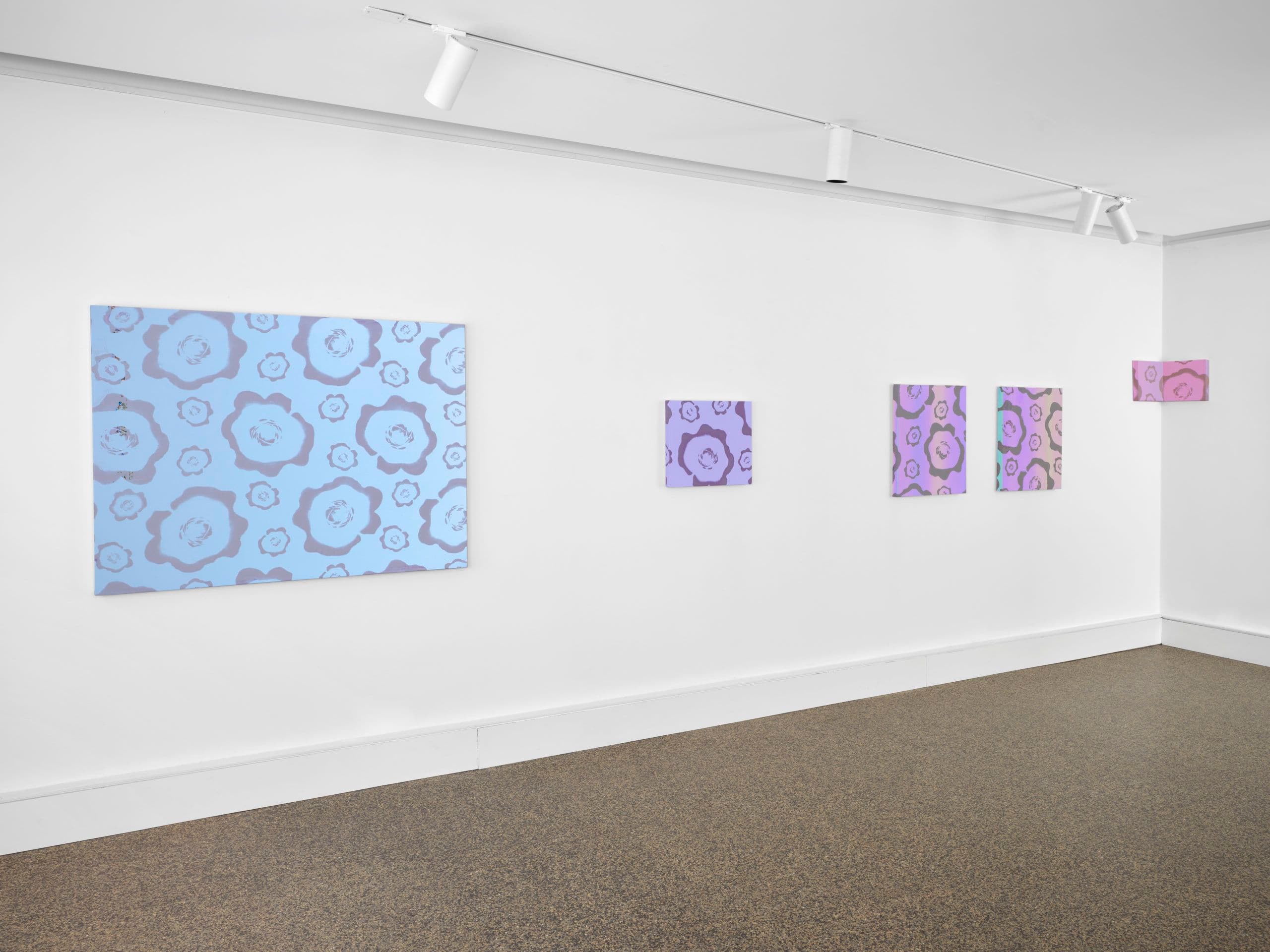
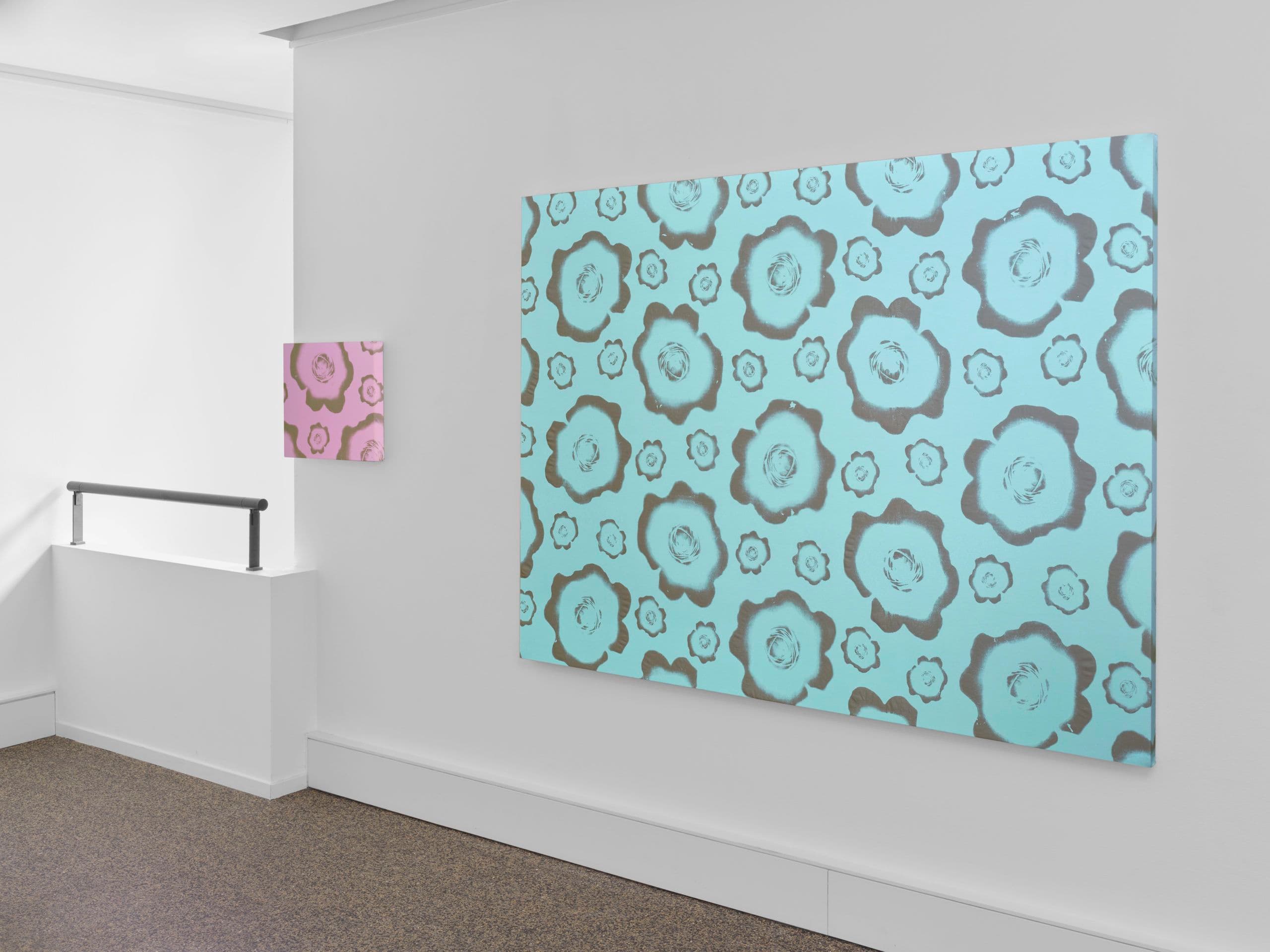
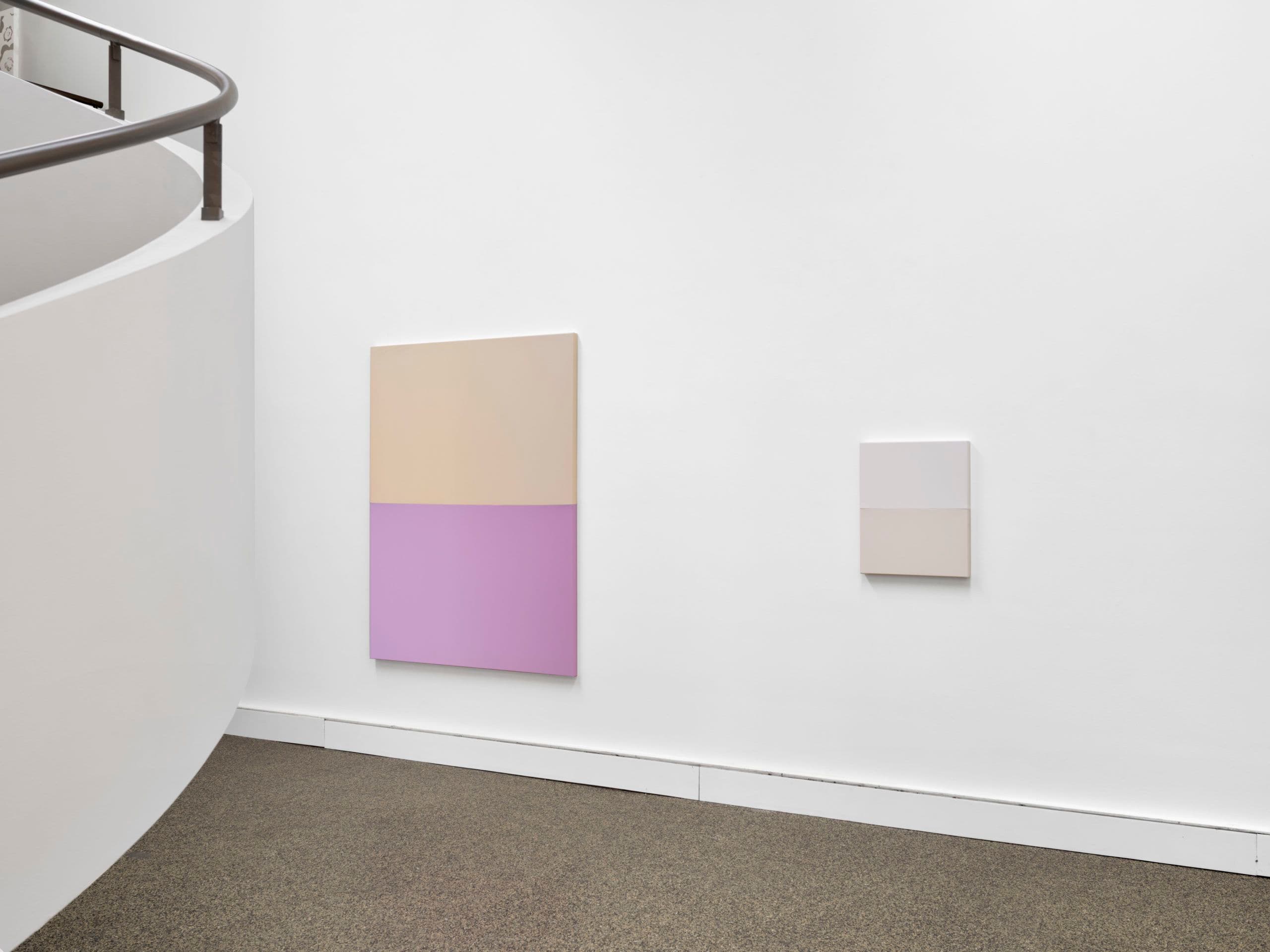
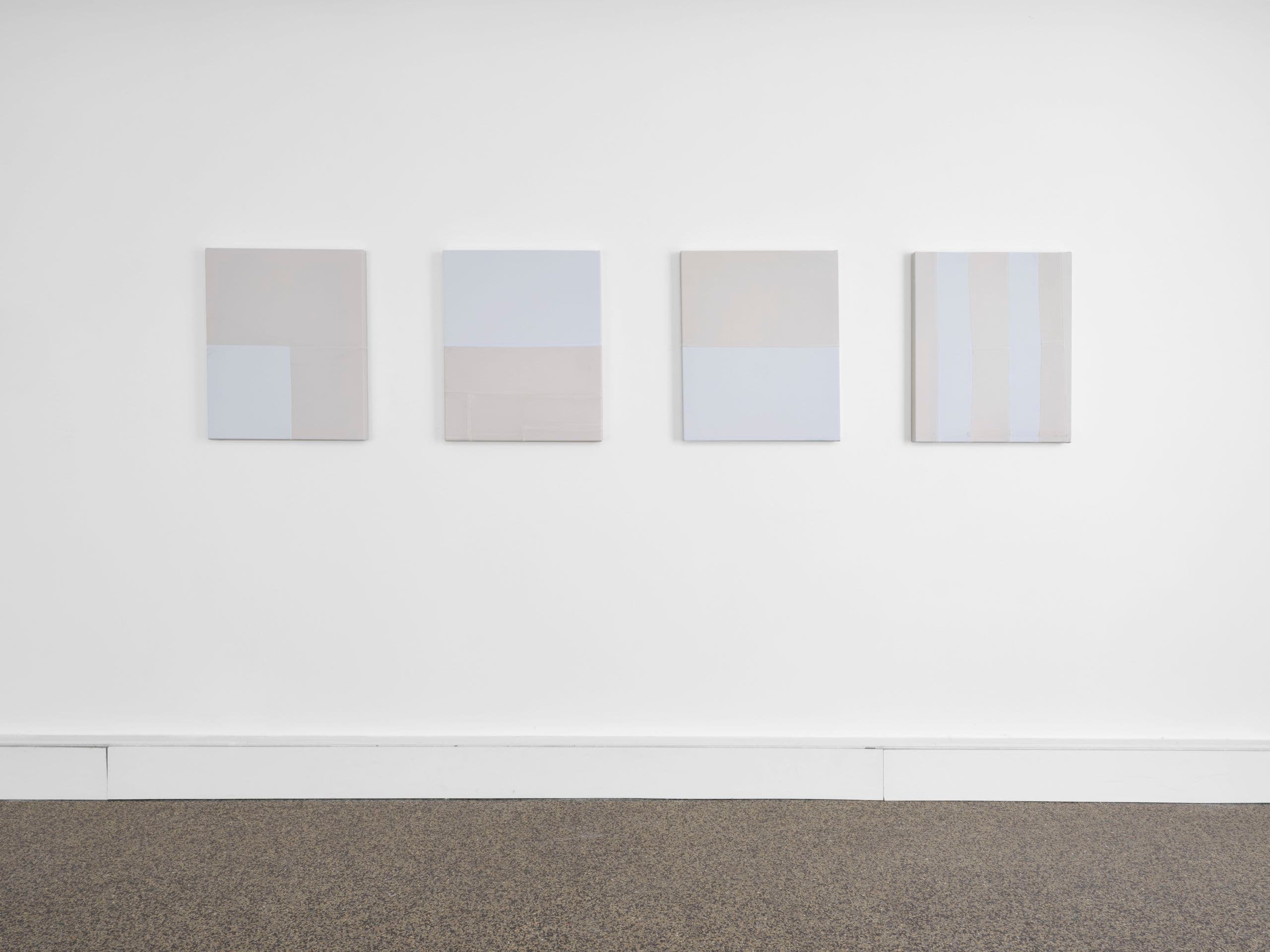
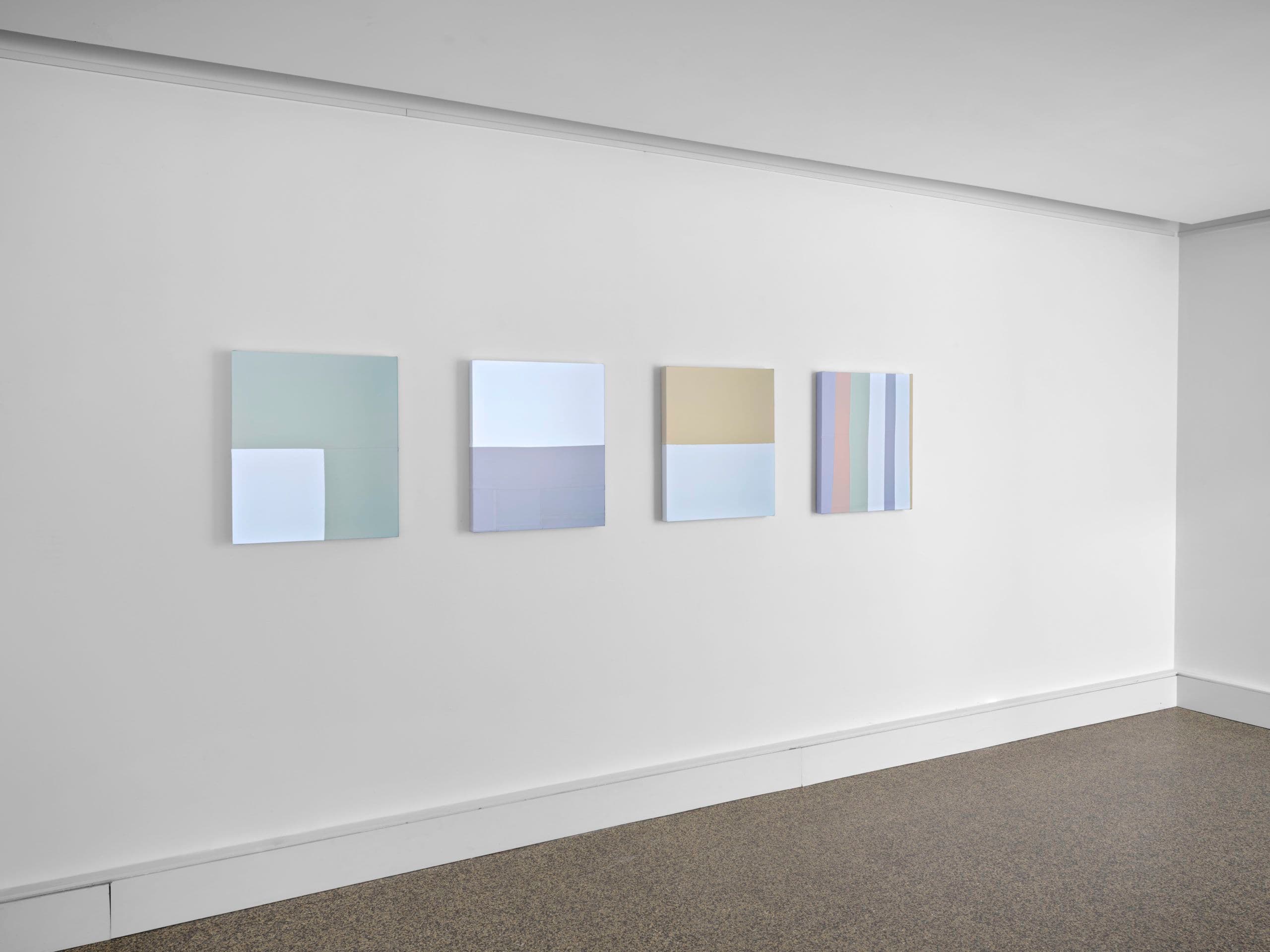
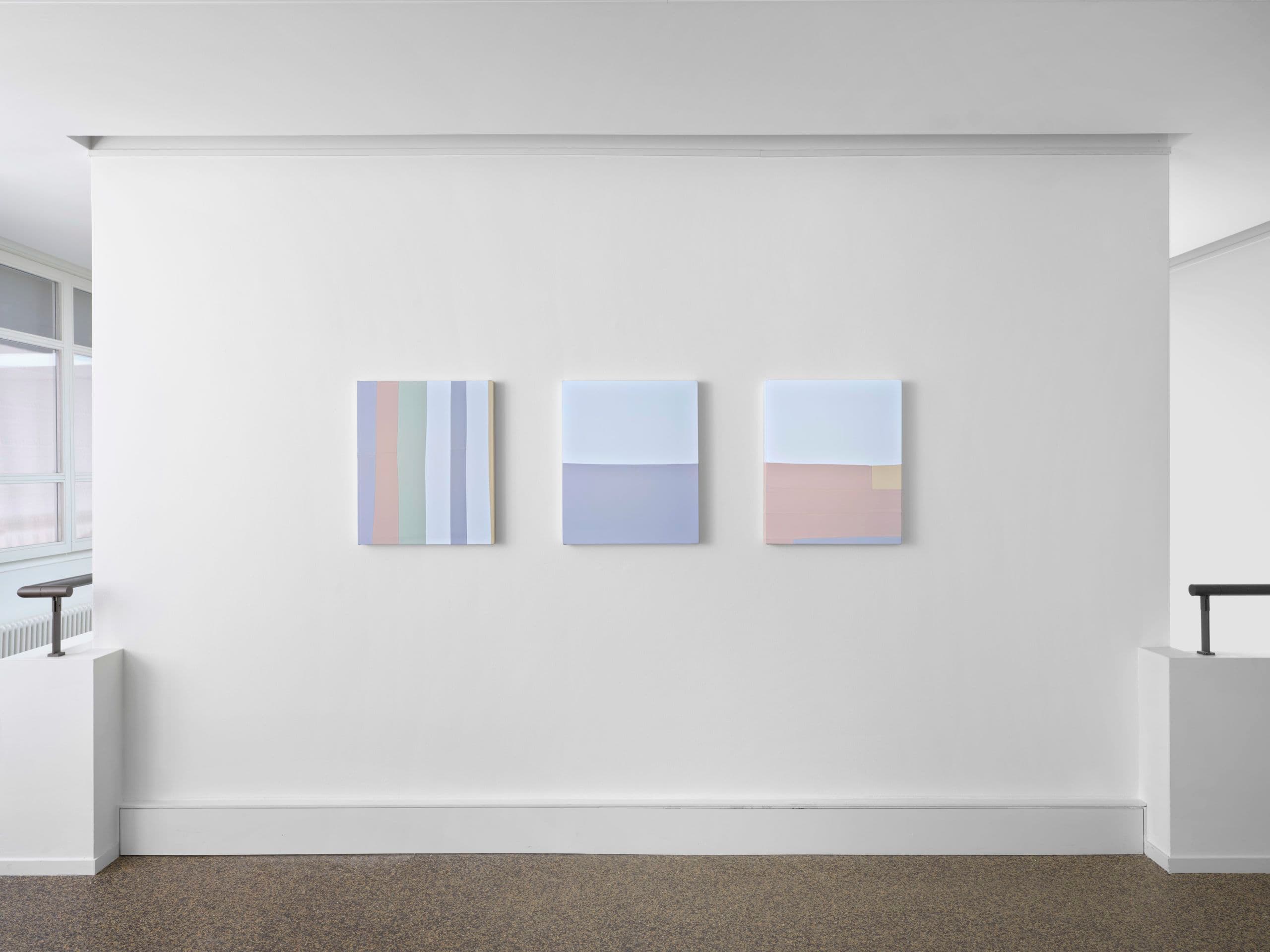
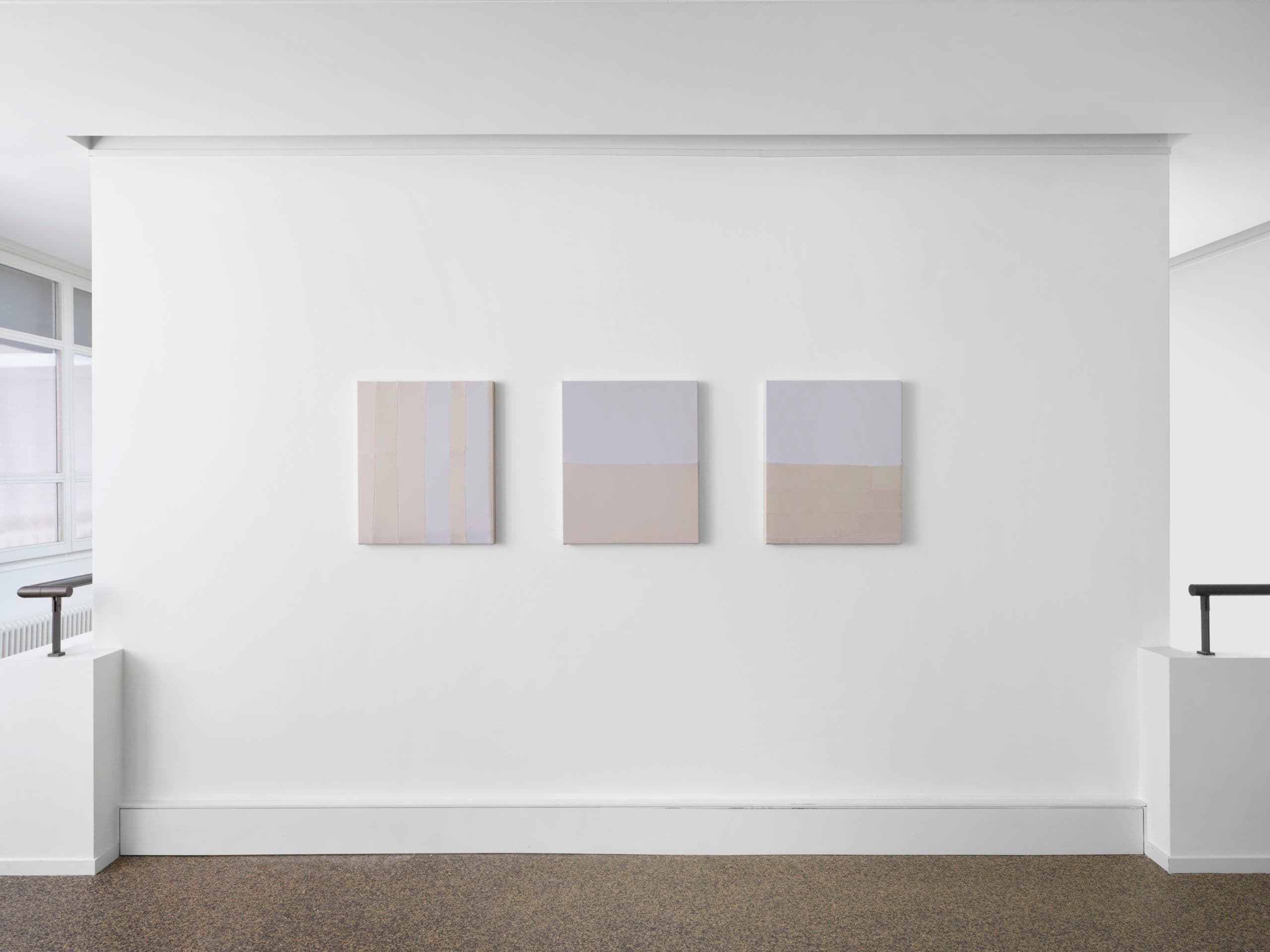
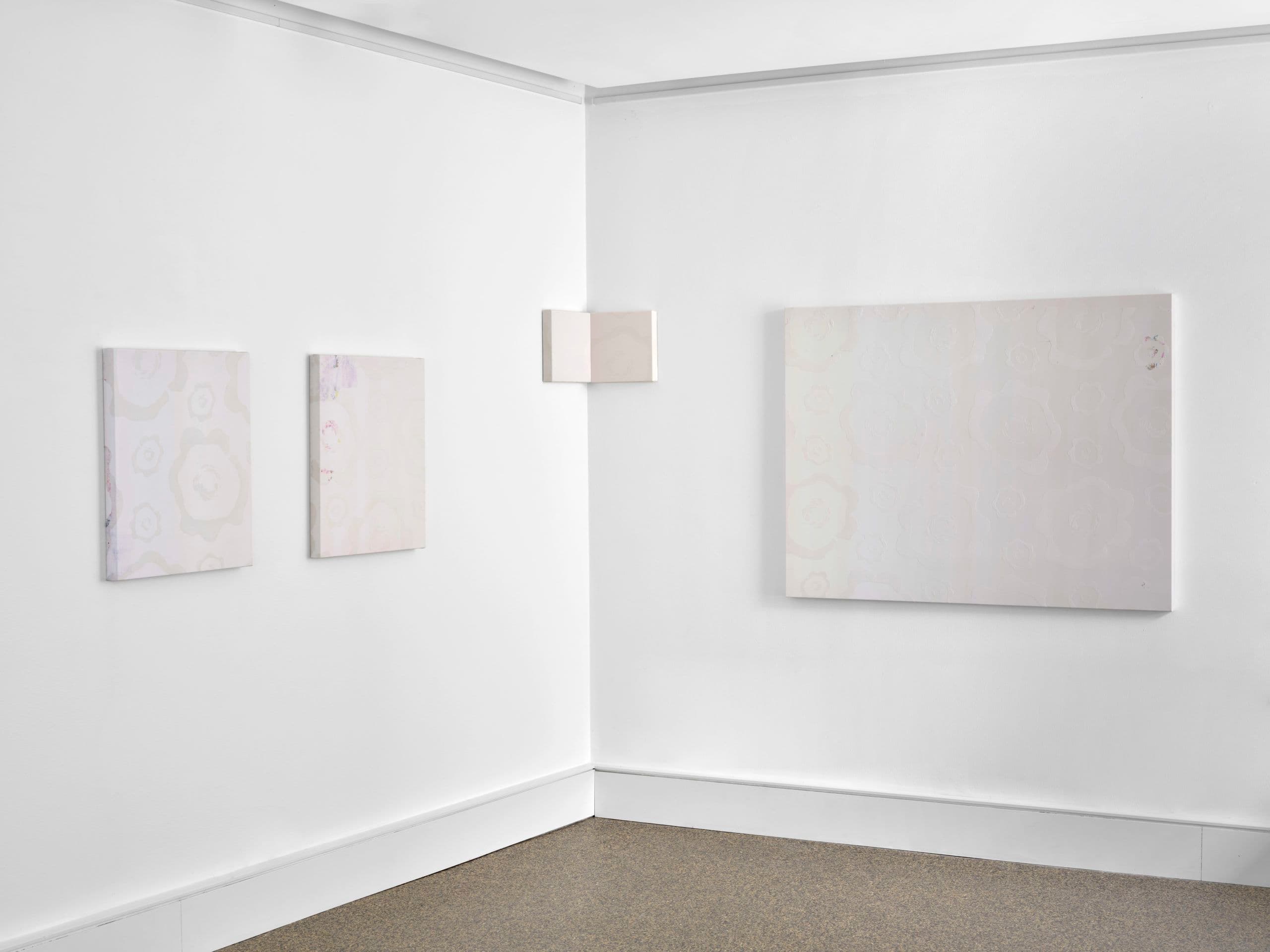
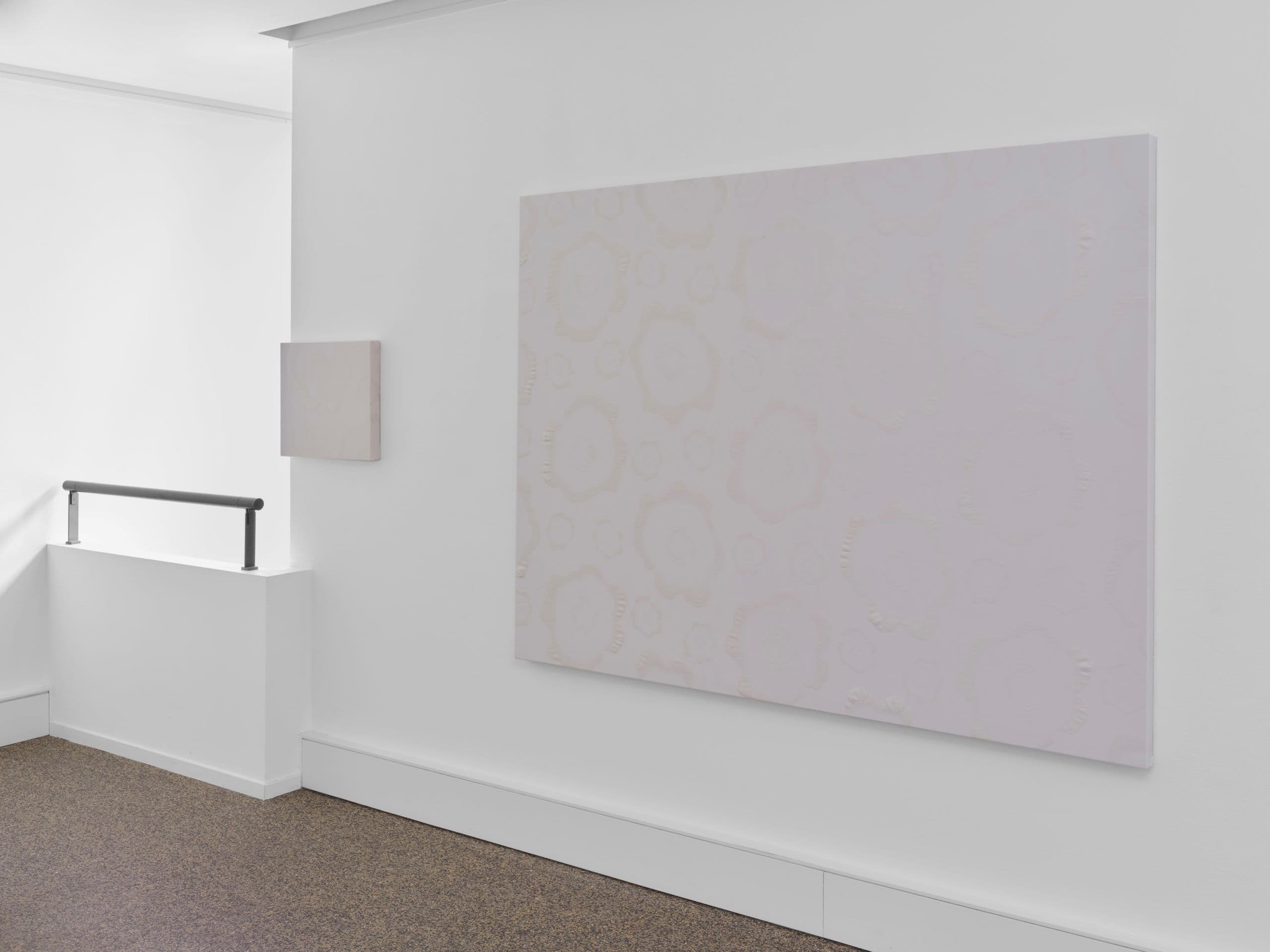
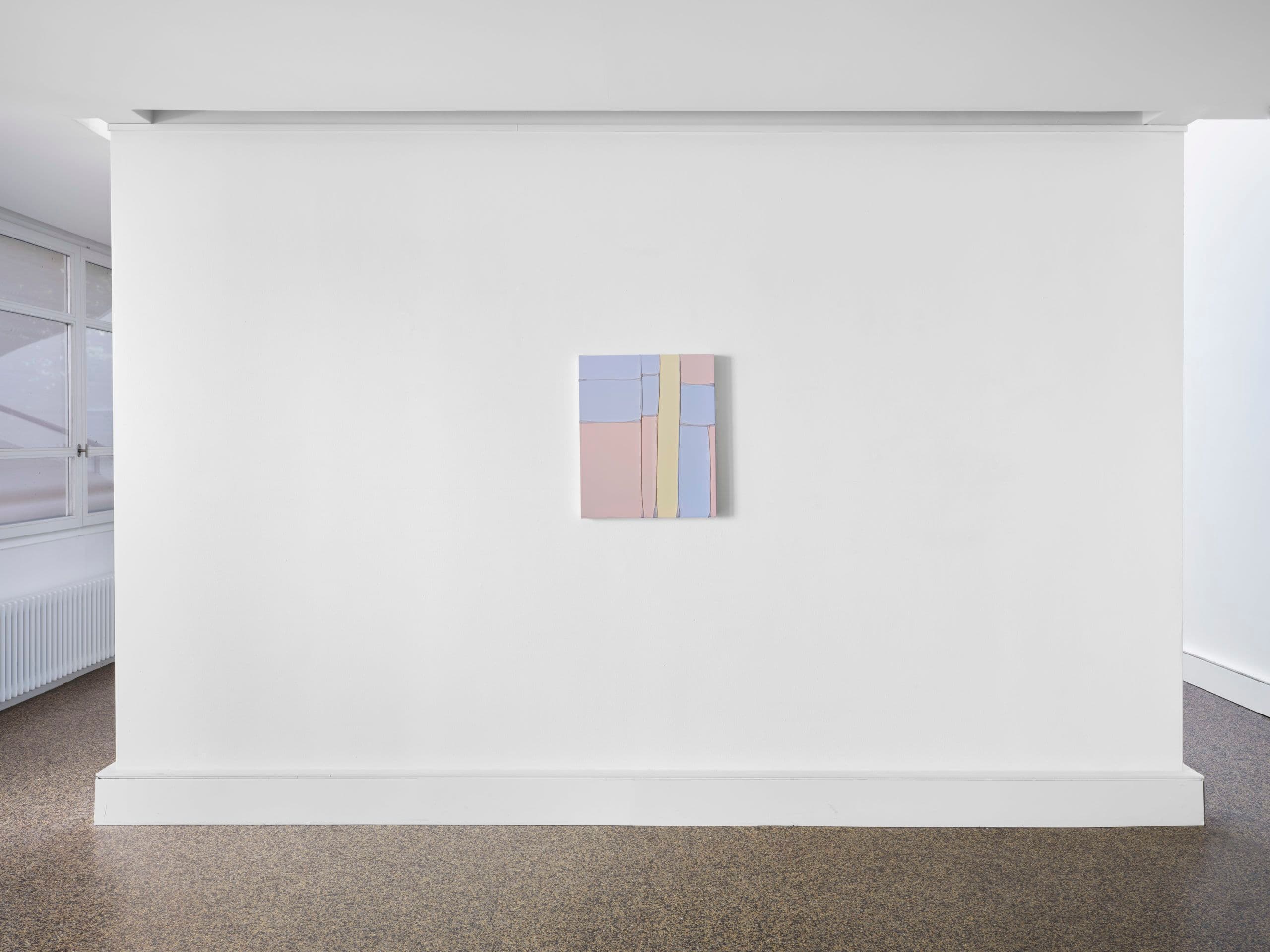
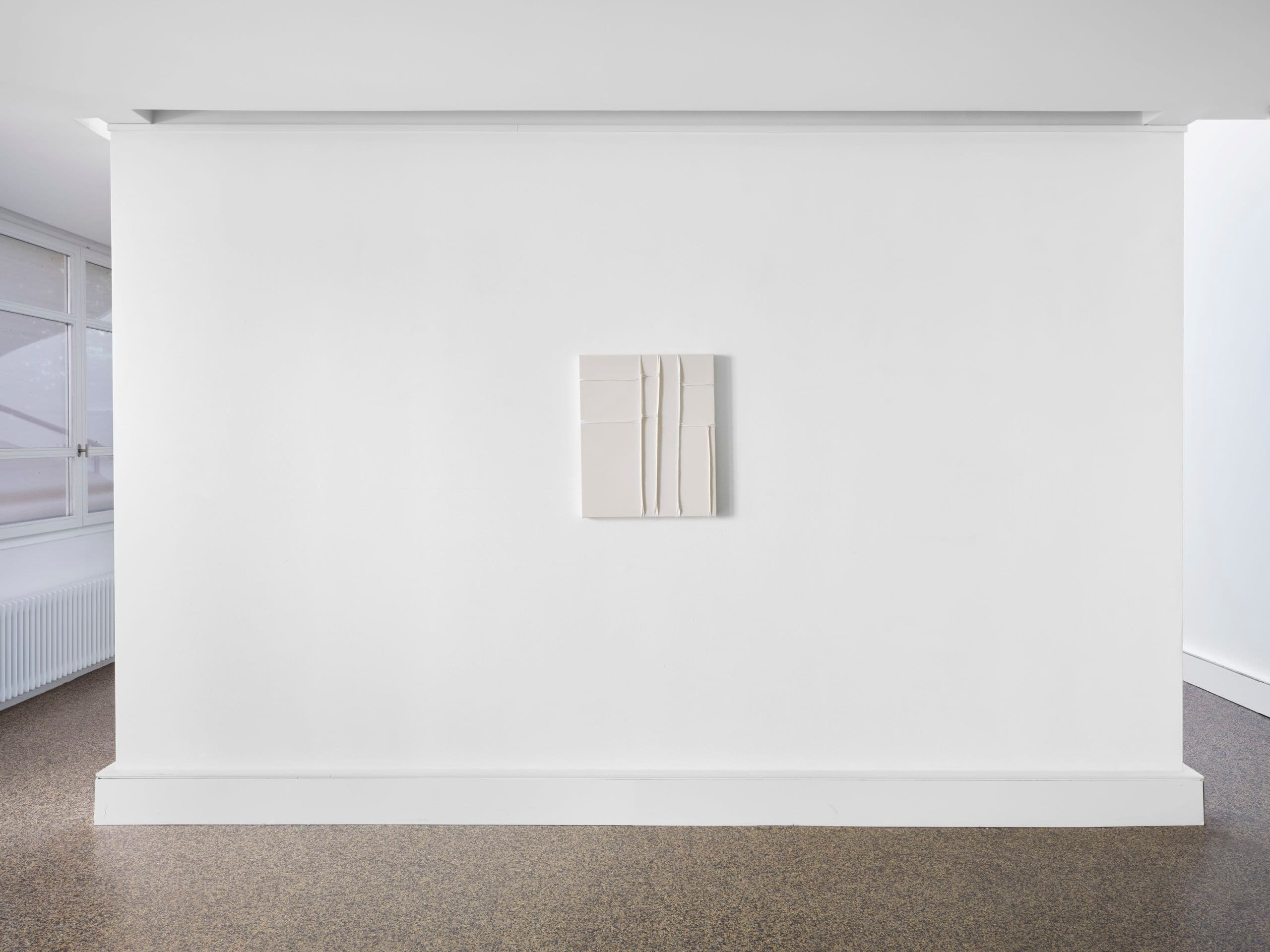
WildeJealousy is the first chapter of Flowers, a two-part solo exhibition by Tobias Kaspar unfolding across Wilde's spaces in Basel and Geneva. The second chapter, Revenge, opens at Wilde Geneva in July. On view are thirteen new Patchwork Reflector Paintings and The Flower Room, a single work consisting of nine paintings. Together, they mark the latest chapter in an ongoing body of work that began more than a decade ago. In 2015, Kaspar began working with manufacturers connected to the Swiss textile industry. St. Gallen remains one of Europe's centres for textile innovation, supplying fabrics to many of the world's leading haute couture houses. What interested Kaspar was not fashion itself, but the logic that animates it. Fabrics designed to be worn, wrapped around bodies and set in motion became static surfaces. Materials intended for garments became paintings. From this encounter emerged the first Reflector Paintings, works made from industrial silver reflective textiles coated with microscopic glass beads. Depending on light conditions, movement and photographic flash, their surfaces shift between visibility and disappearance. Materials engineered to be seen become paintings whose visibility is never fixed. The works presented at Wilde in Basel push this investigation further. The thirteen Patchwork Reflector Paintings are constructed from different reflective textiles sewn together. Under ordinary viewing conditions they appear restrained, almost monochrome white, with seams, folds and material transitions fully exposed. As light changes, colour slowly emerges. Surfaces shift from white to pastel tones, from muted presence to luminous intensity. The Flower Room consists of nine paintings forming a single installation. Here Kaspar overlays reflective textile with a floral motif appropriated from a pattern previously used by a Japanese fashion house in Paris. Depending on the position of the viewer and the available light, the flowers appear and recede while the reflective surface shifts between white, pink, red and iridescent tones. Tobias Kaspar's work repeatedly examines how images circulate, acquire value and shape desire. In Jealousy, this investigation becomes material. The paintings do not simply present images. They stage the conditions under which images become visible.