
Germain, Paris
Guy de Rougemont
La Ligne Serpentine
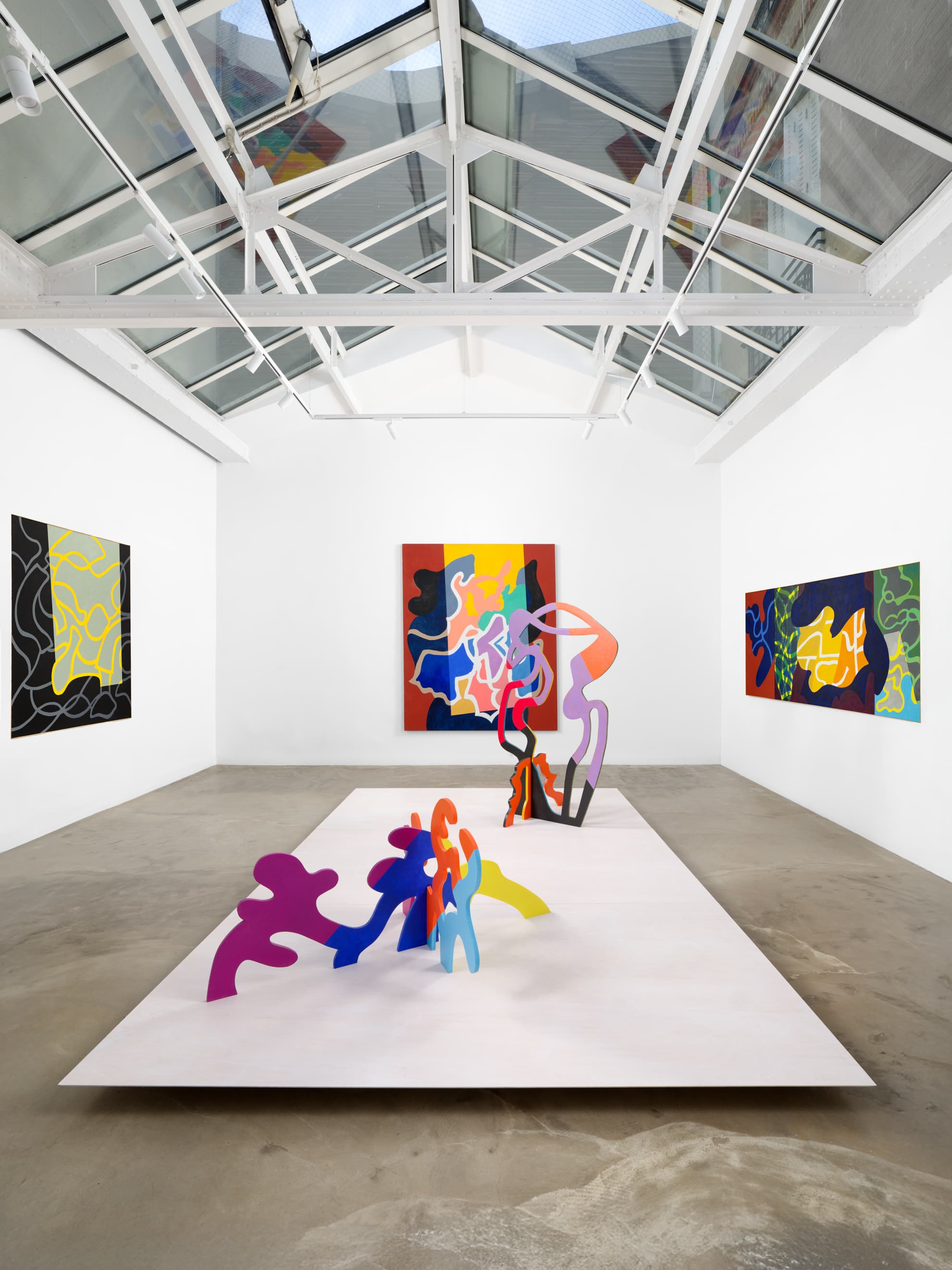
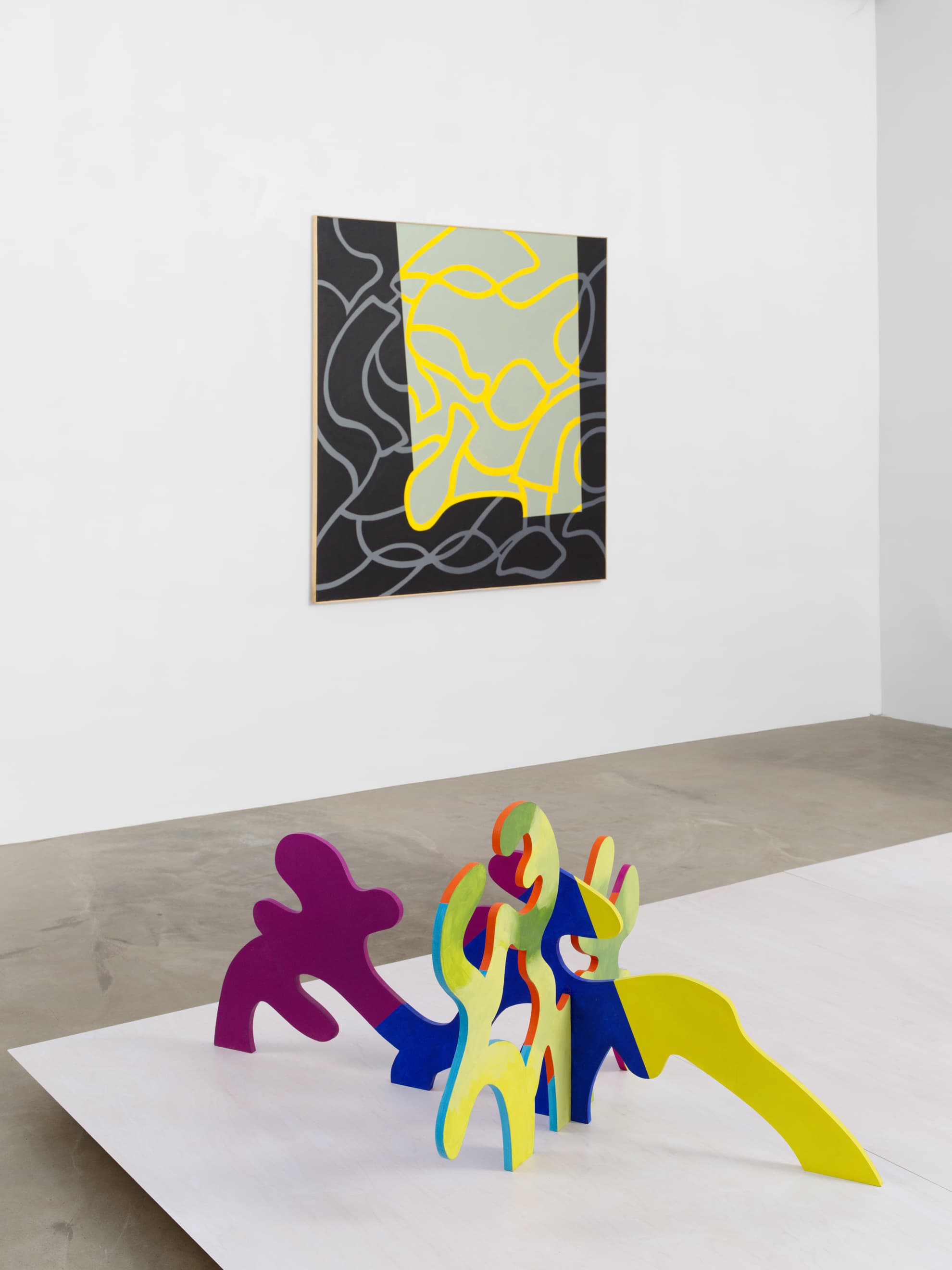
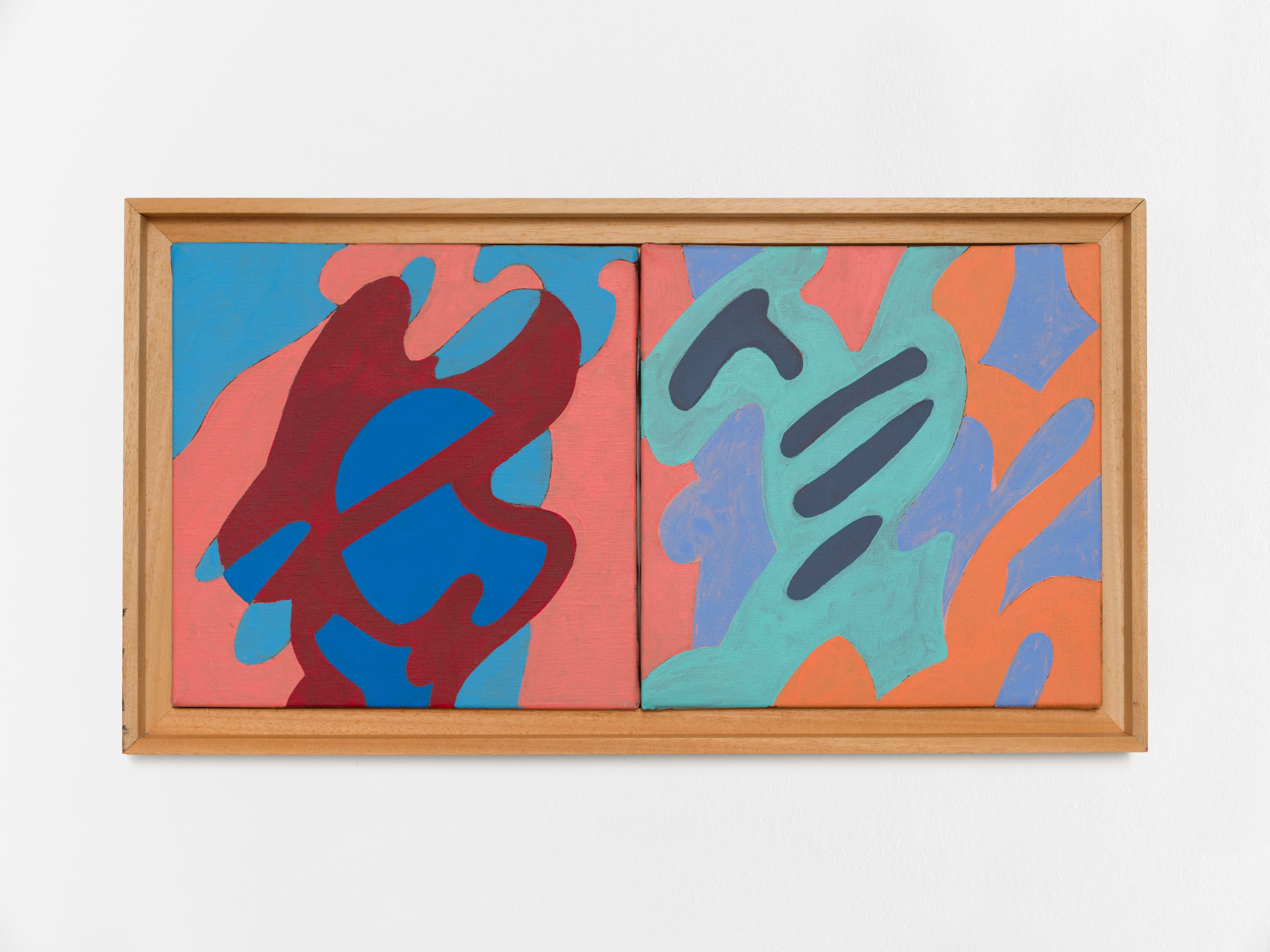
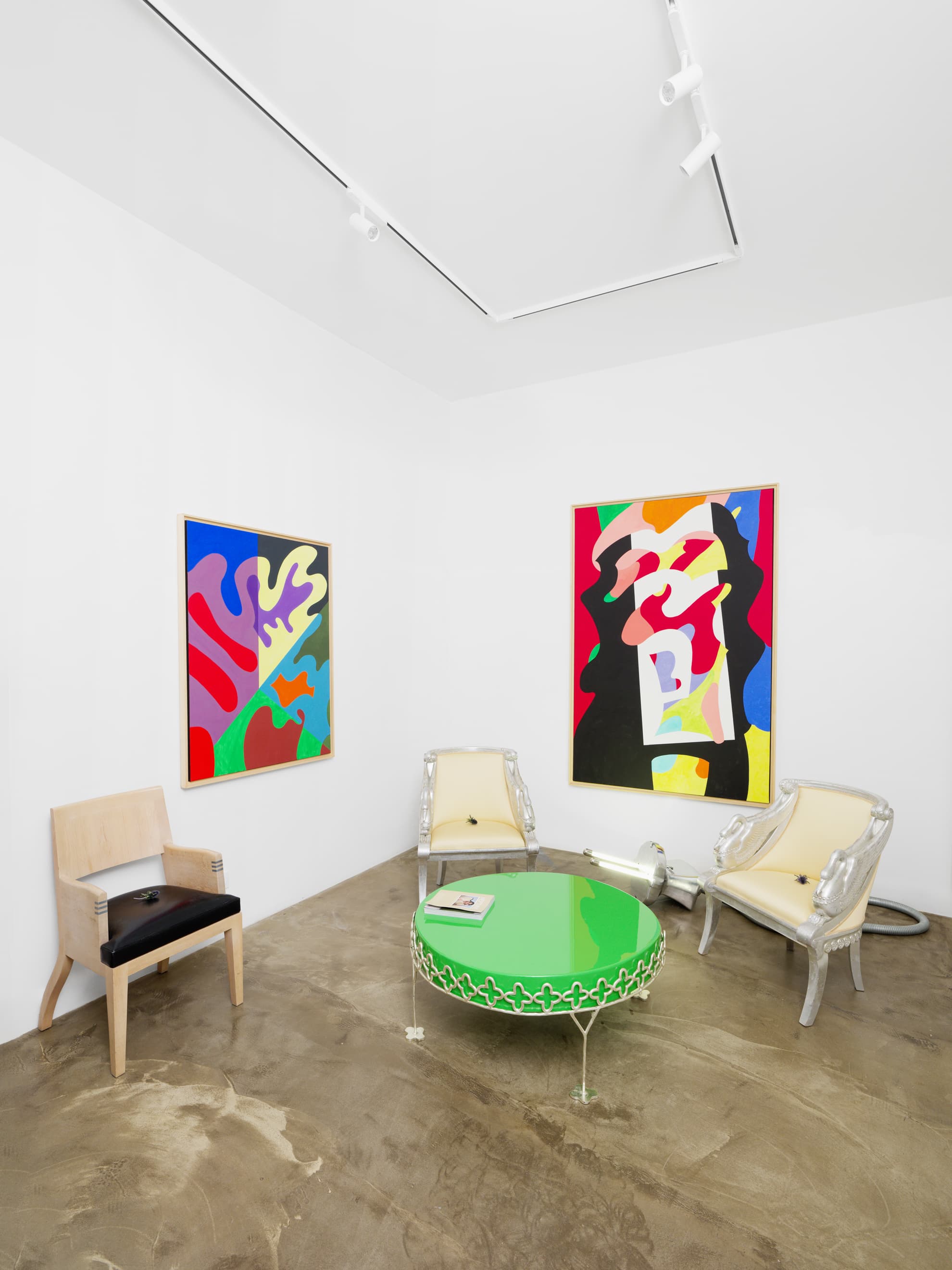
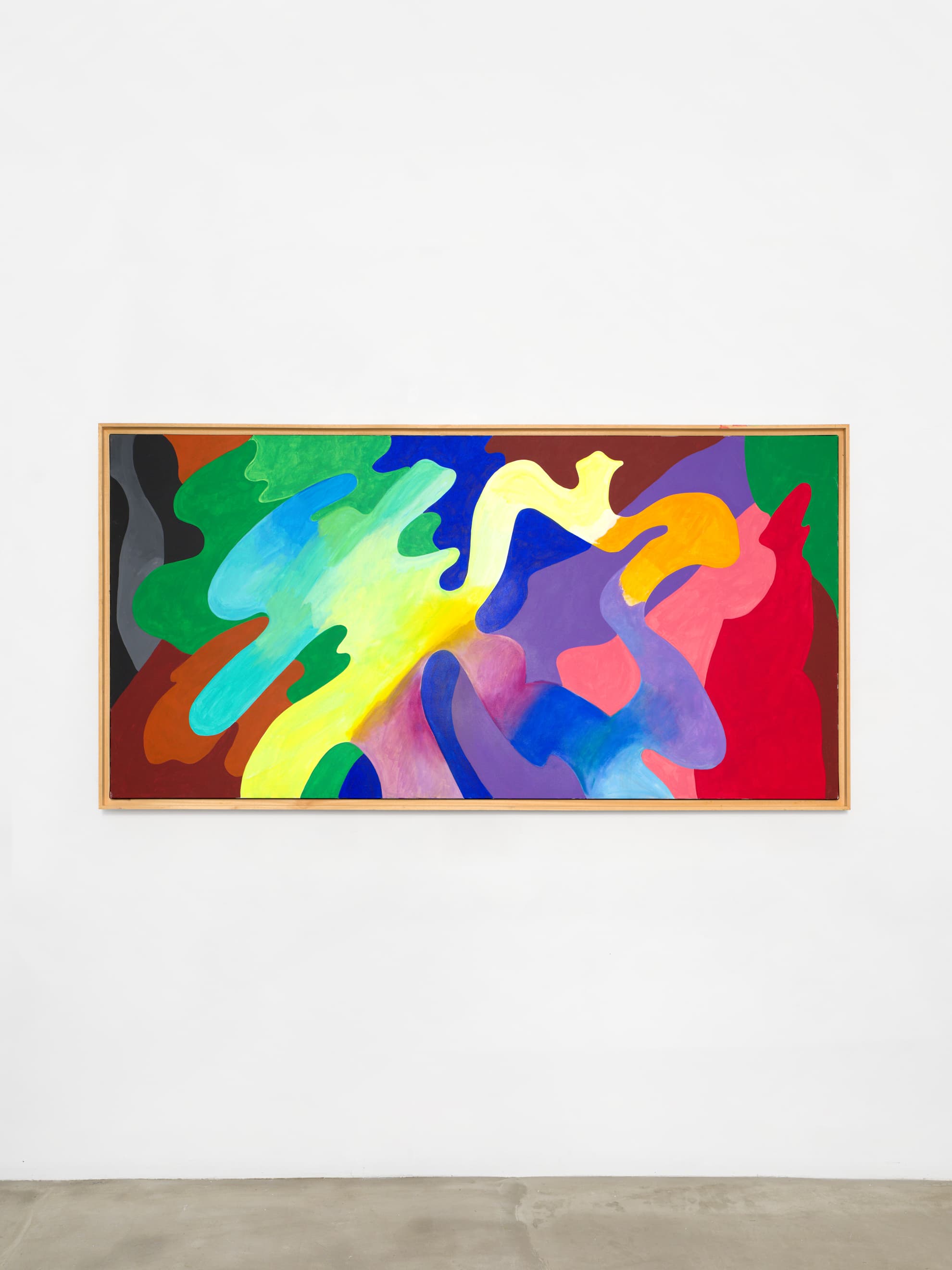
Ketabi BourdetKetabi Bourdet Gallery is pleased to present La Ligne Serpentine, its second exhibition dedicated to Guy de Rougemont (1935–2021). Following Guy de Rougemont, Painter Above All in October 2024—which presented a retrospective of the artist’s painted production from 1965 to the 2000s—this new exhibition, situated between painting and sculpture, highlights works from the Serpentines series. Created in the 2000s, these works mark a moment when line and color attain a renewed freedom. A Rediscovered Baroque The serpentine line appears late in Rougemont’s work, both as a return to his earliest curvilinear inspirations and as a form of culmination. It represents the outcome of a long journey through the various states of color, following several decades of geometric rigor and methodical spatial construction. At the end of the 1990s, this undulating line gradually asserted itself, softening the grids, bending surfaces, and liberating the gesture, without ever breaking with the artist’s earlier investigations. After the ellipse, the cylinder, the gridded surface and the “de-gridded” works of the 1990s, the serpentine opens a new field. In its presence, color—previously treated in flat, solid areas—becomes nuanced, more complex, and begins to breathe. Shadow and light cease to confront one another directly and instead engage in a continuous, almost organic movement. The curve becomes the site of a profound reconciliation: between thought and the senses, between intellectual construction and pictorial intuition, between rigor and the pleasure of painting. “As slow or rapid intertwinings, ascending or returning upon themselves, the serpentine line finds its color in the movement of real light, only to lose it in the stillness of represented light. These two moments, these two states, are metaphors of the mind: between the agitation of the external world and the inwardness of meditation,” Rougemont observed. This serpentine line embodies movement, internal tension, and vital energy. It draws the viewer into a mobile experience, without a single fixed viewpoint, compelling the eye to follow its sinuosities and to move through the space of the painting or around the sculpture. Inheriting the linea serpentinata theorized by the Italian Mannerist masters of the sixteenth century— Pontormo, Bronzino, Parmigianino—it shares their complexity and fertile instability, while decisively moving beyond them. From One Serpentine to Another The emergence of the serpentine line occurs gradually and with nuance. Between 1999 and 2002, it remains fine and supple, in close dialogue with the broad areas of color that characterize the de-gridded works, and with the “bursts of light” developed from the 1980s onward, which reveal the artist’s mastery of transparency and translucency. The line acts as a transitional link, graceful and fluid, inscribing itself within a space that is still structured, sometimes segmented, where it slips in, overlaps, or contradicts the grid without abolishing it. From 2003 onward, the serpentine fully asserts itself. It thickens, becoming broader and more voluptuous, occupying the surface with newfound confidence. This evolution does not represent a rupture but rather an expansion: the line retains the memory of the grids, reconnecting in particular with the “lights” of the 1980s. Dense color captures and redistributes the flow of light, while the curve—now sovereign—organizes the movement of the gaze. These constant echoes of form underscore the deep continuity of Rougemont’s visual language, founded on variation and transformation rather than on a succession of styles. A late but decisive development, the serpentine line now appears as the most accurate form for expressing what runs throughout Rougemont’s entire body of work: a painting of duration, movement, and life. “The serpentine line allows everyone’s fantasies to emerge: the whirl of a mountain torrent, the spirals of clouds; the folds of a silky fabric, the tendrils of a vine... The serpentine line is a line of life, of adventures,” Rougemont wrote. At the dawn of the new century, the artist thus affirmed a return to his earliest aspirations—where abstraction, freed from all constraint, fully reconnects with the living. —Julie Goy