

Marais, Paris
Group Exhibition
Cicatrices
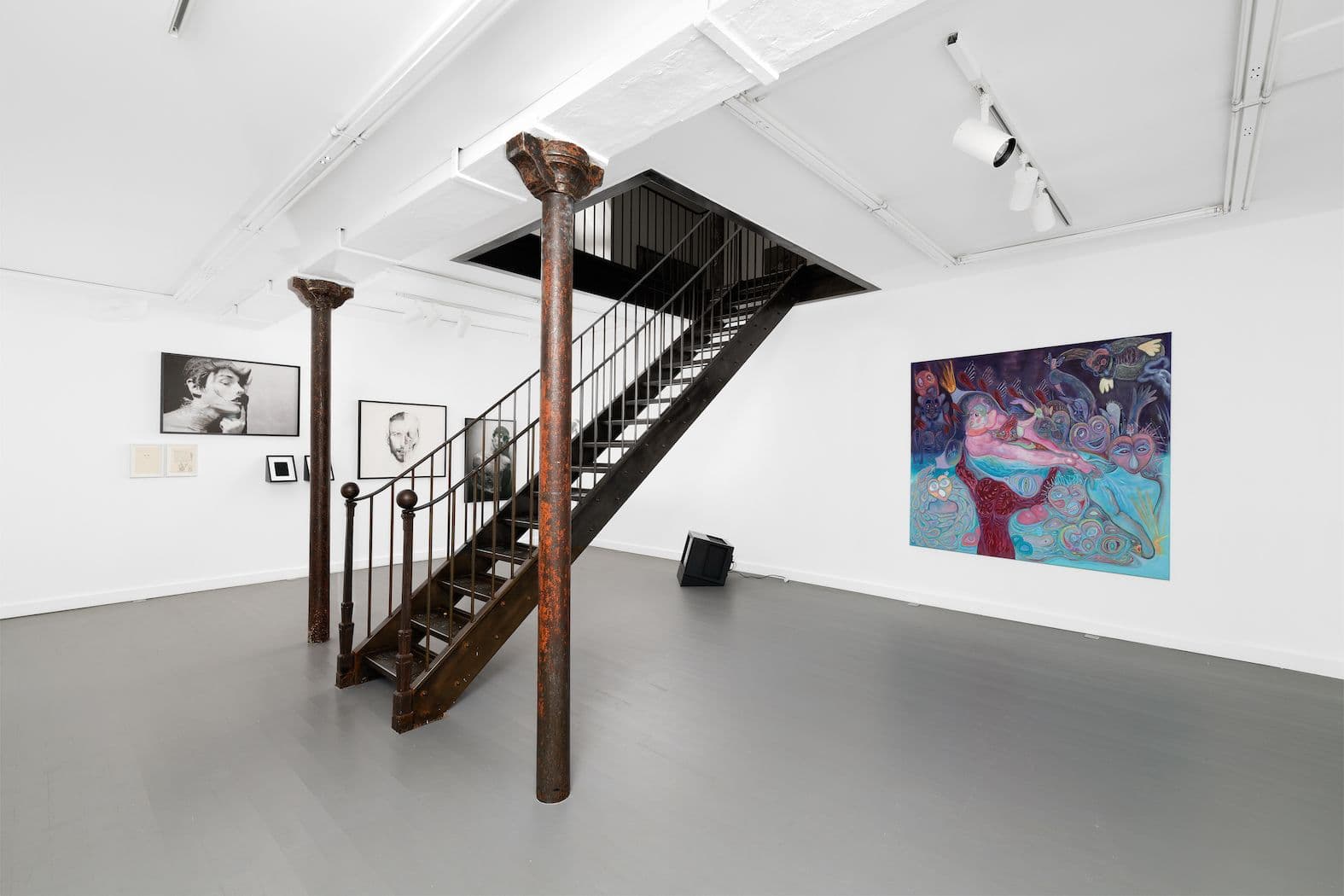
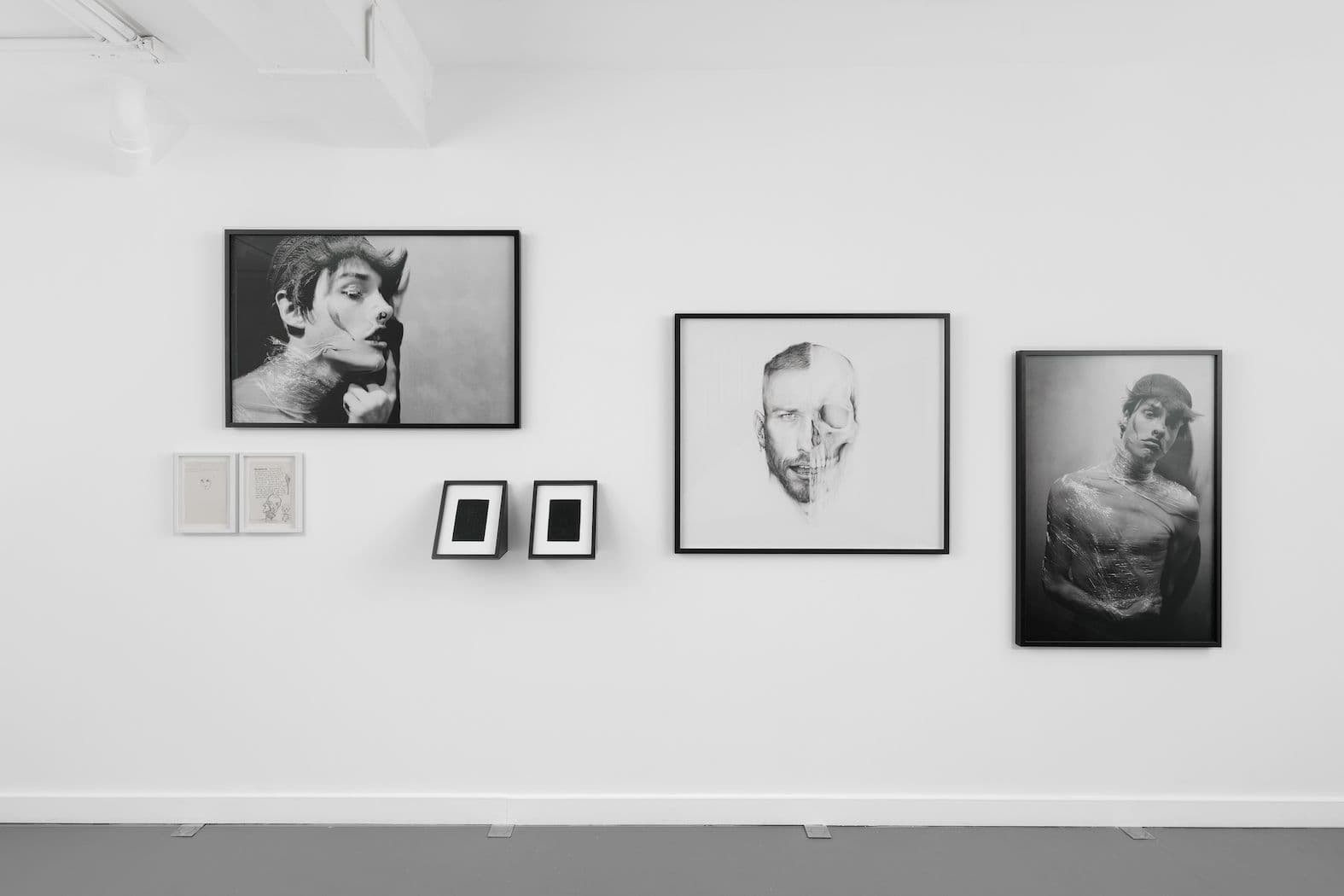
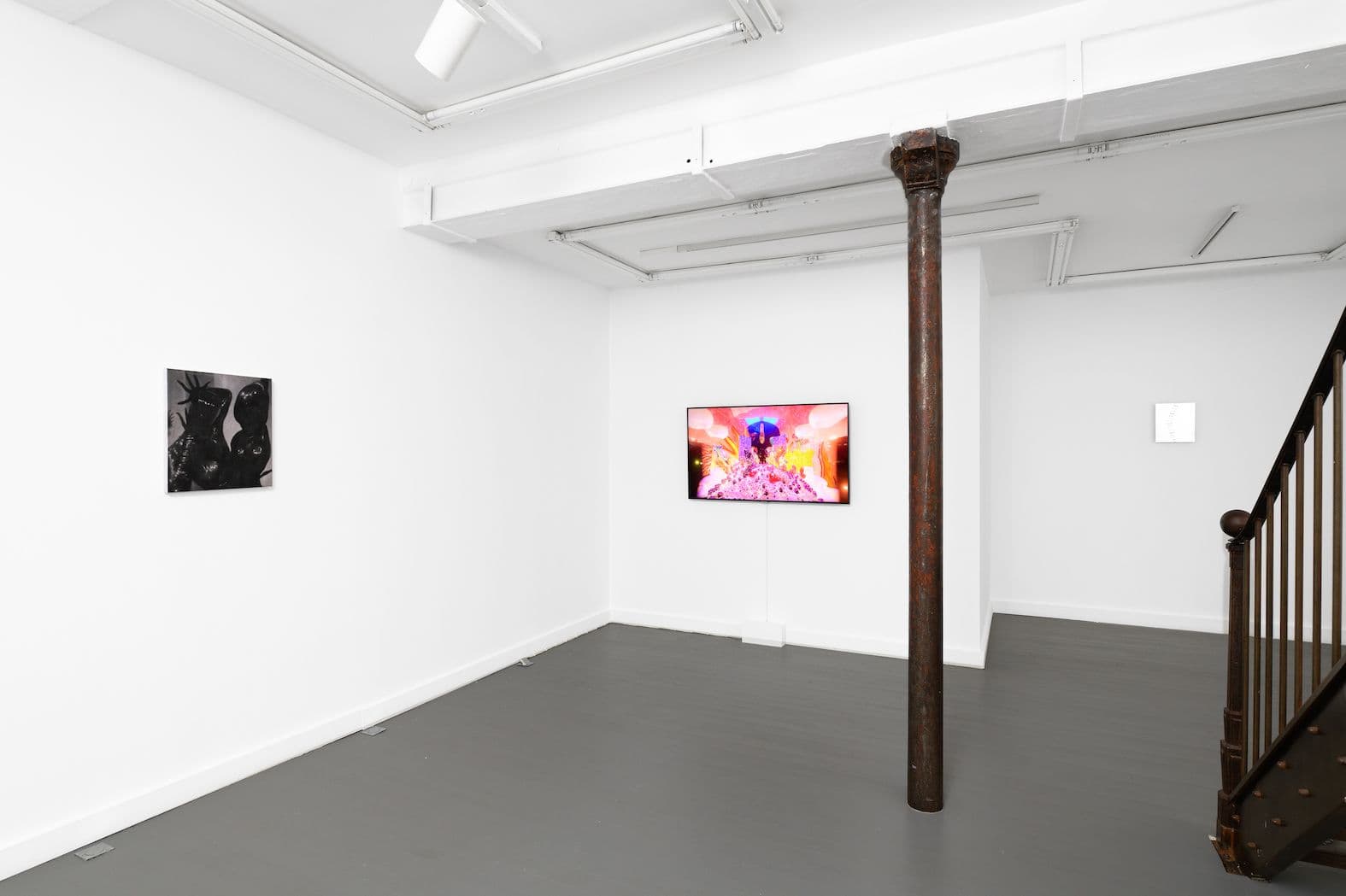
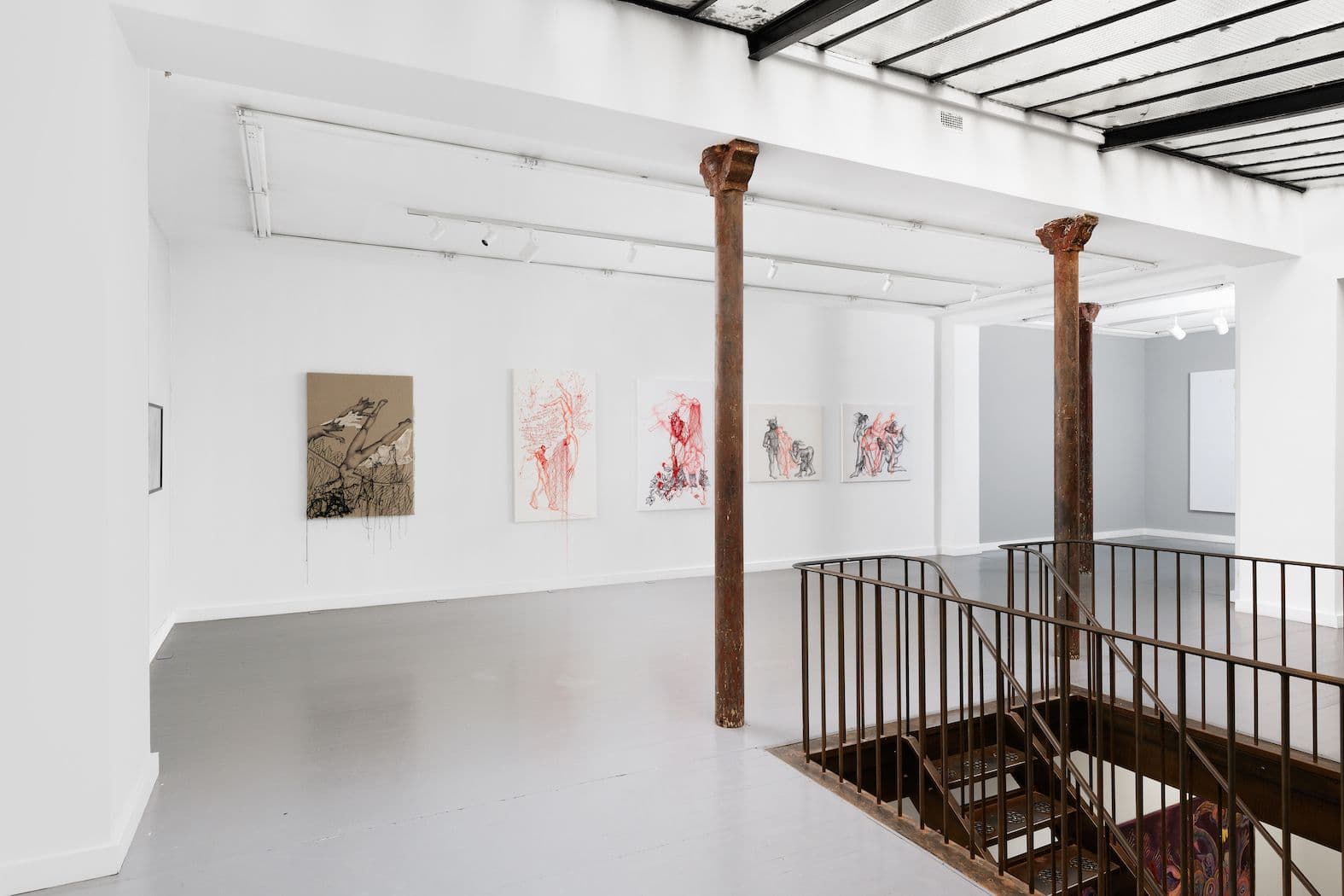
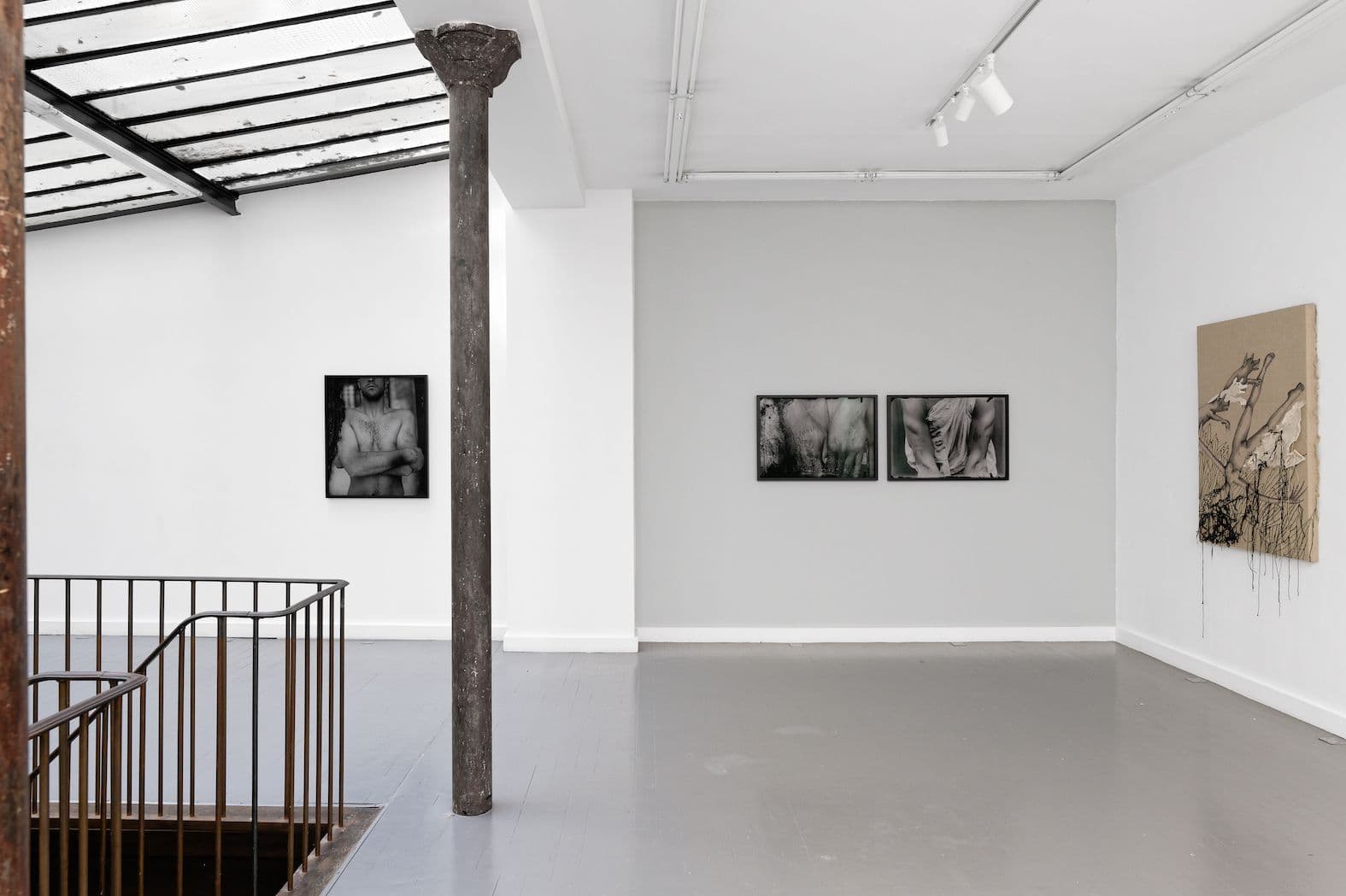
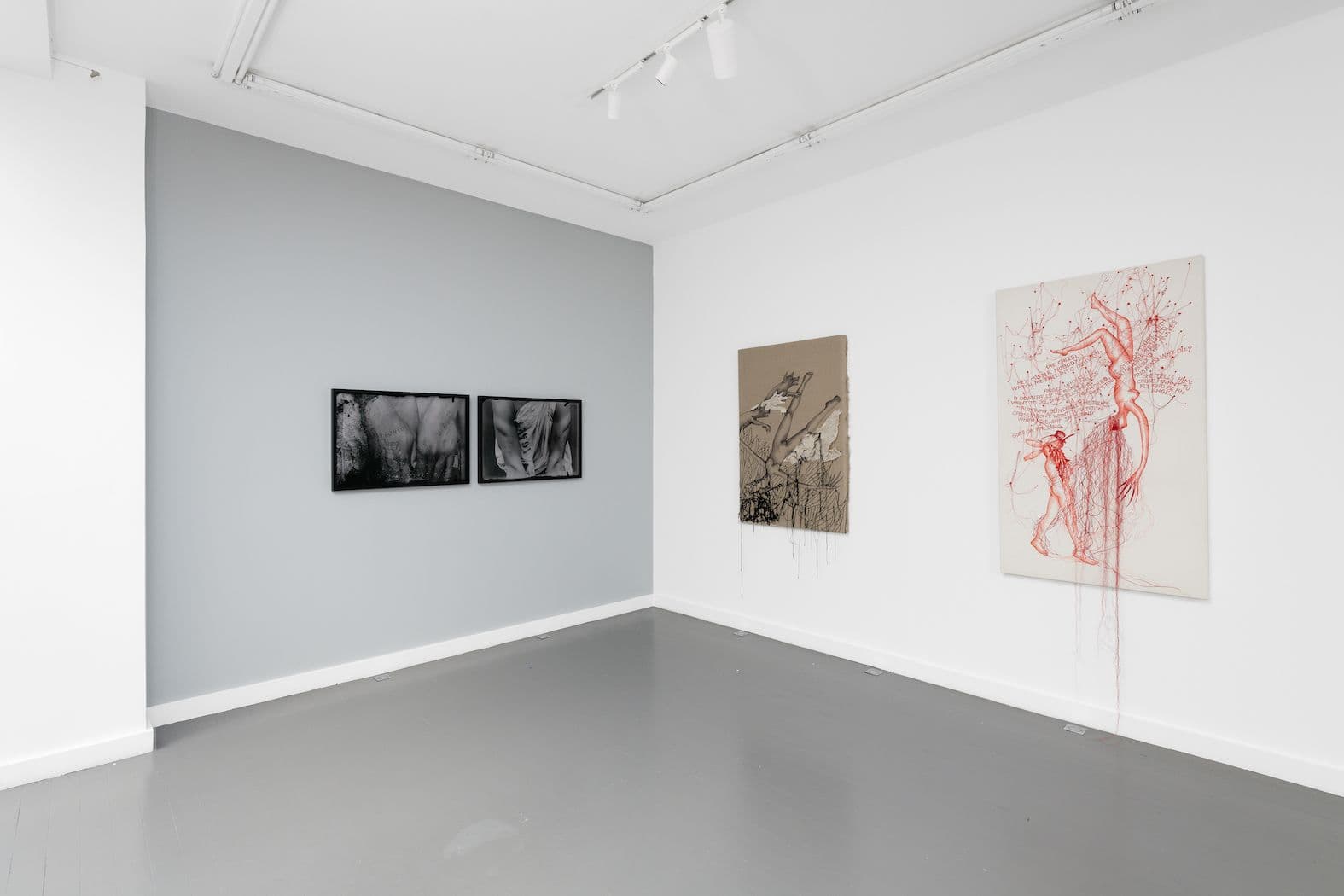
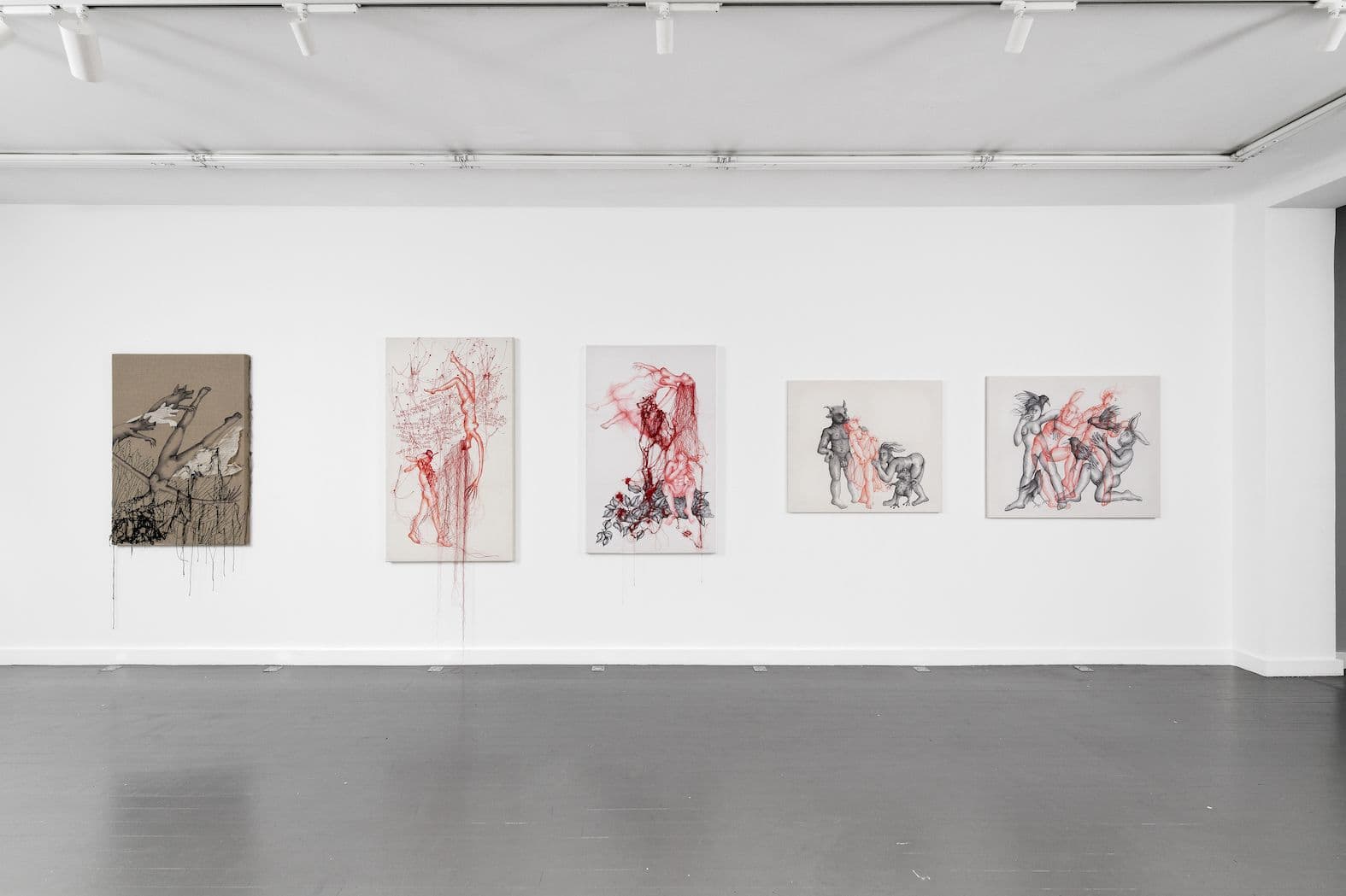
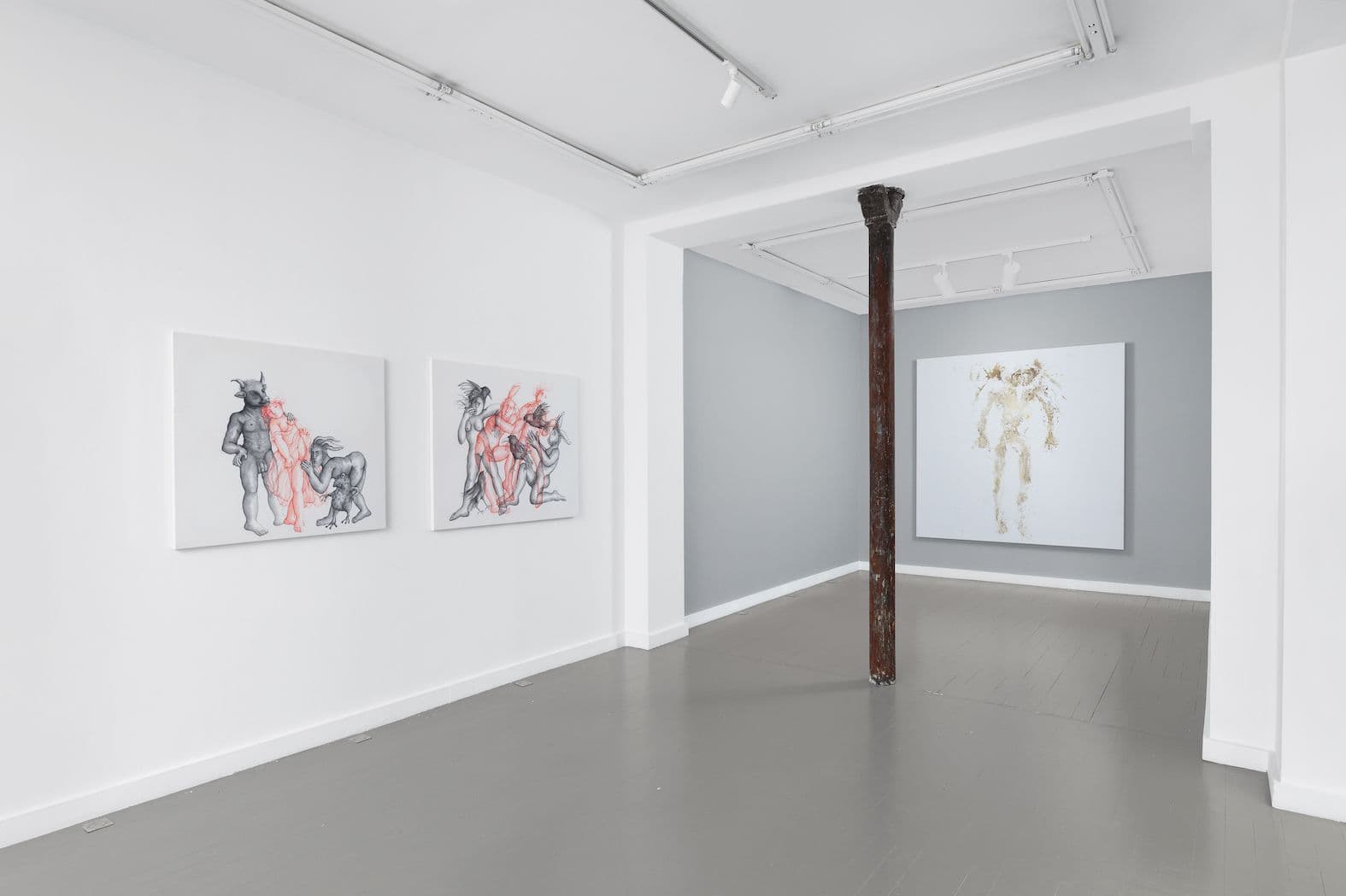
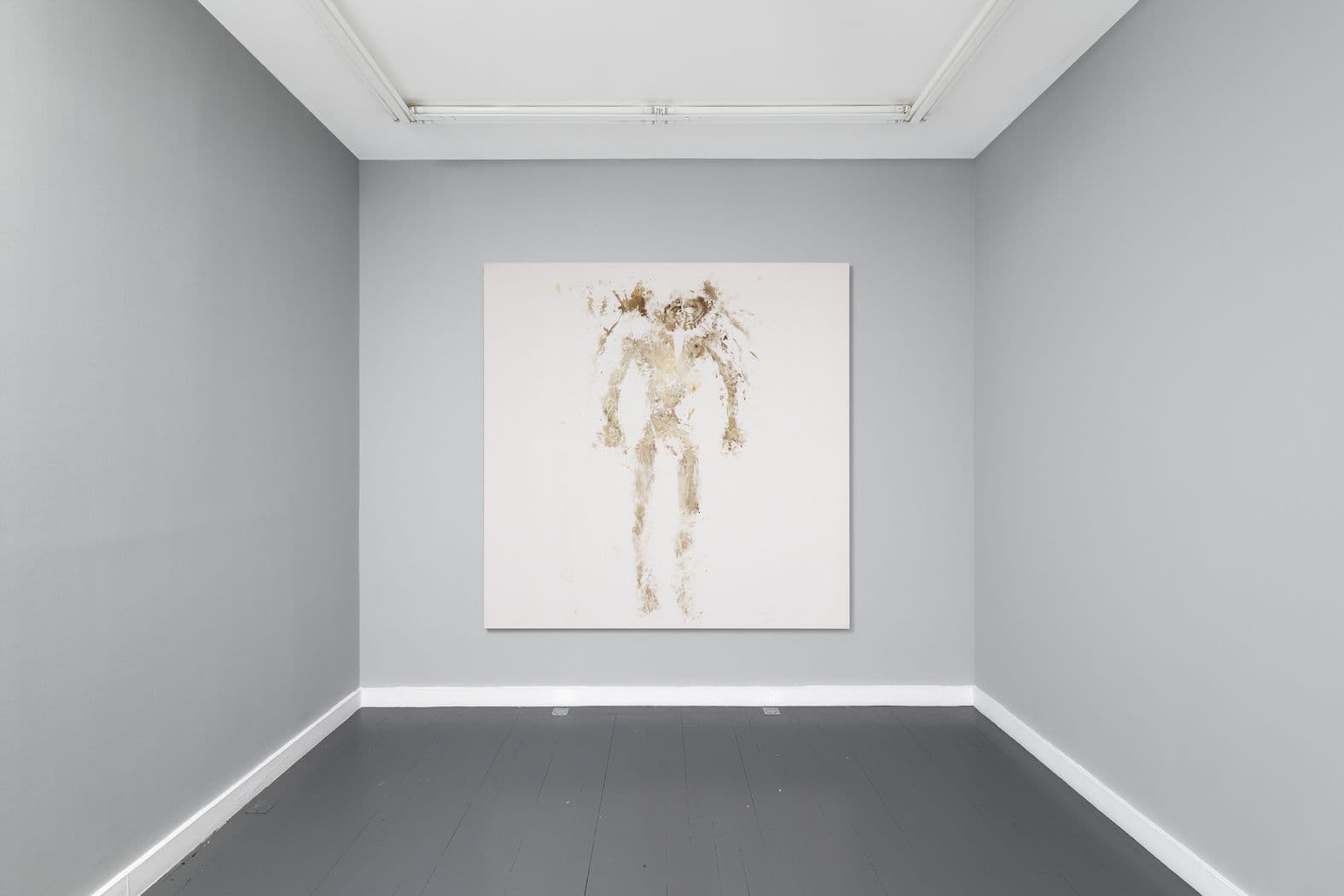
Mor CharpentierAlexander Apóstol, Kader Attia, Teresa Margolles, Carlos Motta, Valentin Ranger, Rosângela Rennó, Sylvie Selig, Zhang Yunyao "Among all bodies, there are some that for a long time seemed to exist without a soul. They were regarded as pure anatomy, edible flesh, working muscles, reproductive wombs, skin within which to ejaculate." —Paul B. Preciado, Dysphoira mundi This is an exhibition that intends to talk about the bodies from the place of the wound. To investigate the forms of representation of the anatomy, with special attention to the fragment, to the detail that exposes a fracture in the system and reveals the imprint of violence on the skin and the body. The scar as a trace of time, as the writing of a history of domination that is inscribed directly on the subject. The scar as a liminal space of oppression and resistance. The scar, therefore, as the ultimate testimony of human existence. Corporeality continues to occupy a central place in contemporary artistic practices. "All politics are, first and foremost, politics of the body," concludes Paul B. Preciado paraphrasing Michel Foucault, and adds that without a great mass of subaltern bodies subjected to segmentations of species, sex, gender, class and race, neither fossil extractivism nor the organization of the capitalist world economy would have been possible. In the work of these artists, and particularly in the pieces that are part of this exhibition, we find the subtext of this somato-political history and the scars it leaves in its wake. The first of them, in the form of a stitched fracture that crosses, in Kader Attia's mirror, the viewer's face. The artist has been working for more than a decade with a notion of repair that goes beyond the literal and seeks to invoke profound notions of overcoming and coping with colonial trauma. The reconstructed object or the evident scar -which reveals both the wound and its repair - are the best example of this idea. Both Rosângela Rennó and Alexander Apóstol are interested here in the place occupied by the subaltern male body in Latin America. Meaning here the incarcerated, seen as disposable labor, racialized, impoverished, or relegated to the favelas. Rennó works with original negatives from an archive in Sao Paulo, which were used to classify inmates according to body marks, tattoos or scars —in the tradition of Lombroso's or Bertillon's theories. The interest in documenting the fragment that contains the pertinent information, discarding the rest of the individual's anatomy, offers a particularly suggestive point of view and framing to these images. Alexander Apóstol, for his part, weaves a network of artistic and cultural references that take shape in the bodies of a series of models filmed in a slum of Caracas. The fountain as an aspirational public monument exemplifies the urban policies of a city that wished to embrace modernity. But there is inevitably also a reference to the work of Bruce Nauman, and the pioneering introduction of the body as a material for artistic practice. As is common in her practice, Teresa Margolles brings us face to face with violence as a form of revulsive. The silhouette, reminiscent of Yves Klein's anthropometries, is actually the imprint of a corpse in its shroud. The victim: an anonymous Venezuelan migrant murdered on the border with Colombia, a turbulent region to which the artist has devoted years of work. Through her pieces, Margolles reveals the way in which the technologies of power of colonial modernity had functioned to the point of instrumentalizing death, a notion that Cameroonian thinker Achille Mbembe called necropolitics. It remains at this point to address the question of the body from the point of view of sexual difference and dissidence. The female body as a permanent terrain of battle and resistance, but also others that escape the heteropatriarchal logic: queer, trans, sick, abject... We can start by going through the gallery of images displayed by Carlos Motta. Most of them are self-portraits, taken in different periods of his life, but they share a will to reveal his bare identity. In them he intermingles the intimate and personal with references to the historical forms of stigmatization and oppression of the queer community to which he belongs. In her photographic performances he explores physical transformation, monstrosity, and the relationship with pain and illness. These themes also appear in the works of Zhang Yunyao and Valentin Ranger. In the former, the black and white image evokes a fetishistic imaginary, halfway between teratology and BDSM. The latter, on the other hand, develops his obsessions around the medical universe and to make visible the visceral and potentially abject interior of the anatomy. Finally, Sylvie Selig also opens a door to a dreamlike and disturbing creative universe in which a profound anti-patriarchal critique takes shape in surreal characters and scenes. In the work of this veteran artist we can recognize the narrative and conceptual strategies of the feminist creators of her generation. The presence of embroidery and stitching —which becomes hair, spilled blood or a network of rhizomatic connections— appears in this context as another example of the repaired wound, which persists, nevertheless, as a witness that interrogates the viewer.