
Lower East Side, New York
Harrison Haft
Nuclear Eden
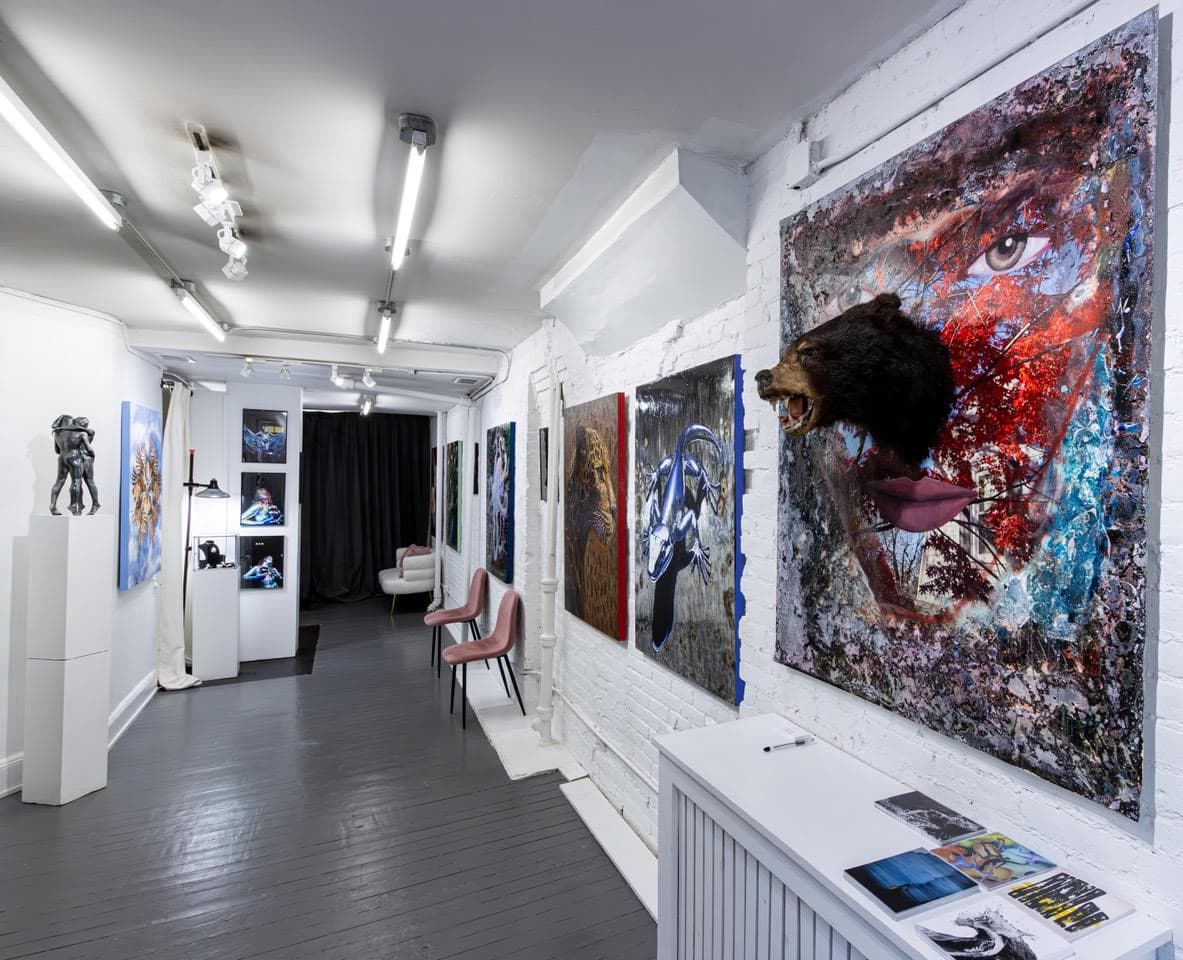
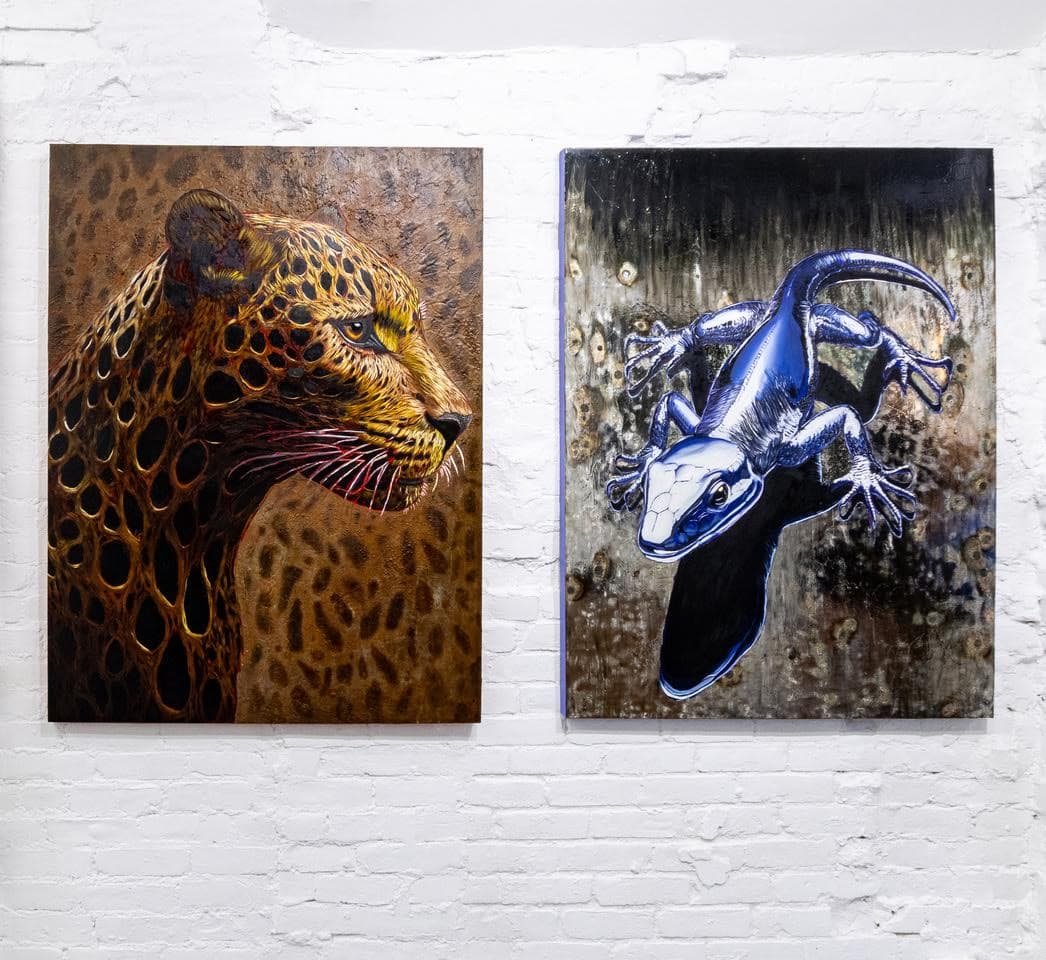
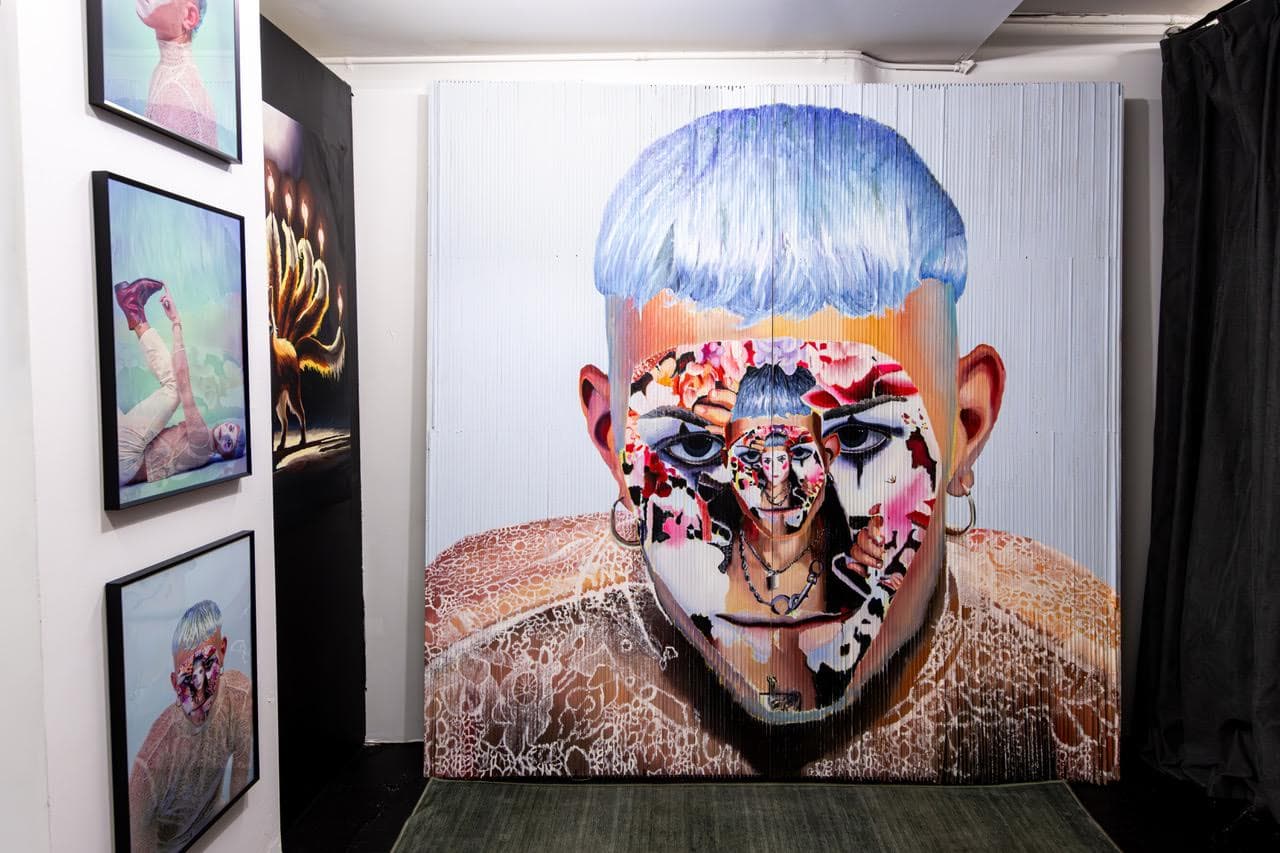
Collective Z GalleryCollective Z is pleased to present Nuclear Eden, the first New York solo exhibition of painter and filmmaker Harrison Haft. The exhibition envisions an irradiated paradise — an after-state in which inherited beliefs collapse and recombine rather than vanish. Built from staged and manipulated photographic references and translated into oil through the vernacular of the old masters, Haft’s work brings corrupted figures into proximity with animal hybrids, allowing instinct, mythology, and identity to intermingle under sustained pressure. Haft’s practice is grounded in over a decade of photographic training. He stages sources with directorial precision before translating them into oil with the formal weight of Flemish glaze and Baroque torsion. The anachronism is corrective rather than nostalgic: by inserting contemporary, psychologically charged subjects into vocabularies from which they have been historically erased, the work asserts presence rather than argues for it. Across the paintings, the figure is hybrid — part anatomical, part material, part mythological. Haft gives form to the hypocrisy of the modern age with duplicitous singularities: hybridities of form, reality, and identity that extol the ineffably sublime through visceral, corporeal tension. The exhibition enters into dialogue with the corporeal intensity of Francis Bacon, the erotic and philosophical transgression articulated by Georges Bataille, and the ecological delirium embedded in the work of Hieronymus Bosch. Within this lineage, the paintings move freely between registers — a peacock’s tail of unblinking eyes, a nine-tailed fox haloed by candle flame, and a white fawn at rest among heavy blooms. Other works approach the body more directly: a face crowned by floral interiors, a surface ruptured open to disclose its own image. Haft’s scale is deliberately varied. Intimate works draw viewers into confrontational proximity; larger pieces operate as spatial force, occupying the room as presence before they are read as representation. “My work uses saturation and dramatic surreal composition to directly confront the viewer,” Haft writes, “holding tension between gender, reality, and imagined form... The work is not concerned with truth or documentation, even when figurative; such experiences cannot be contained by the canvas, nor clarified through narrative. Instead, the images remain deliberately unstable. Meaning is not offered but provoked.” Each viewer arrives already decided, bringing cultural assumptions about queer identity, innocence, darkness, grief, or tenderness; the work meets those assumptions and presses against them. By rendering contemporary imagery through historically weighted painterly vocabularies, “Nuclear Eden” operates as an anachronistic, restorative gesture — challenging historical erasure while insisting on becoming over resolution. While anchored in oil painting, several works employ traditional supports and processes in deliberately unorthodox ways, disrupting expectations of materiality, archival stability and control through entropy introduced during chemical processes. In dialogue with the paintings, the exhibition may also feature limited runs of sculptural jewelry derived from specific works — translating the imagery’s tensions into three-dimensional, wearable form, functioning as autonomous sculptural gestures rather than decorative accessories. Together, the paintings and objects extend the exhibition’s inquiry into embodiment, circulation, and mutation. Harrison Haft (b. New York City) is a New York City–based painter and filmmaker whose practice is grounded in over a decade of photographic training. Working from staged and manipulated photographic references, he translates contemporary, psychologically charged imagery into oil painting through the vernacular of the old masters. Haft attended Wesleyan University, where he became the first student accepted to complete dual senior theses in Film and Studio Art. By collapsing historical technique with modern subject matter, his work challenges art historical erasure while resisting fixed narratives or singular truths. “Nuclear Eden” is his first solo exhibition at Collective Z.