
Weho, Los Angeles
Group Exhibition
Obsequies
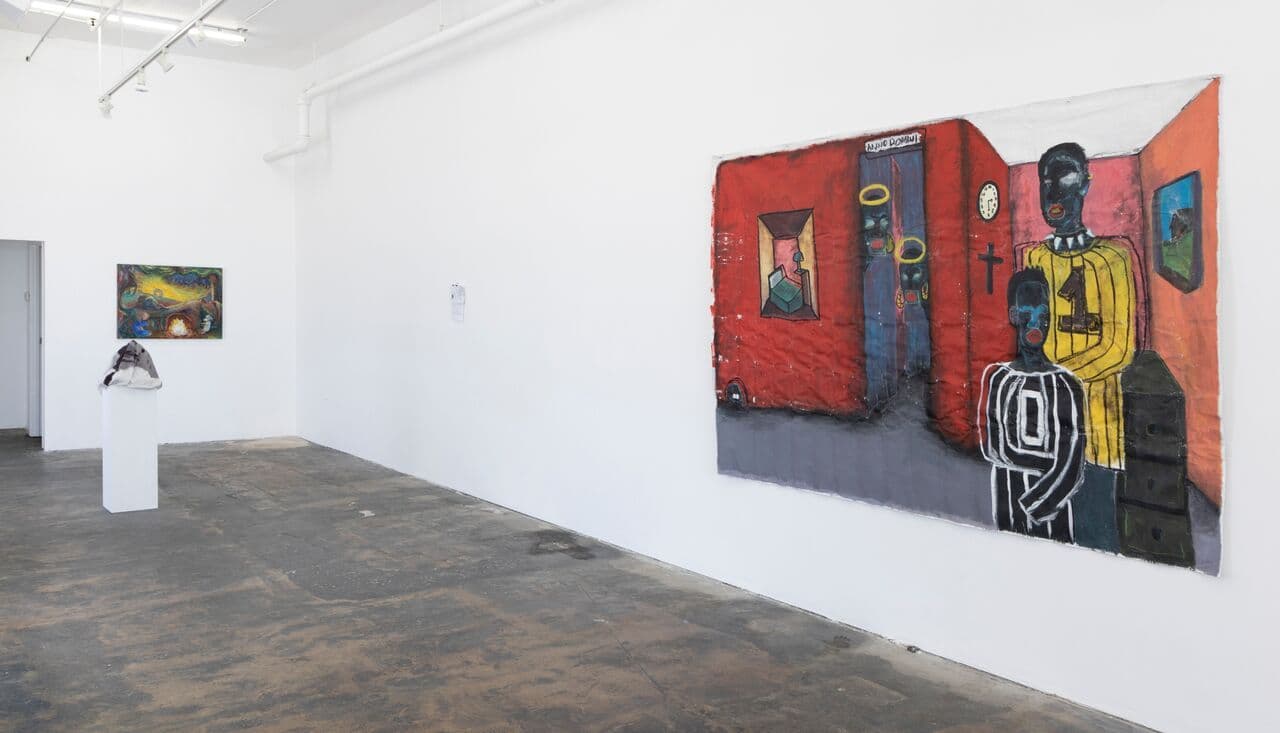
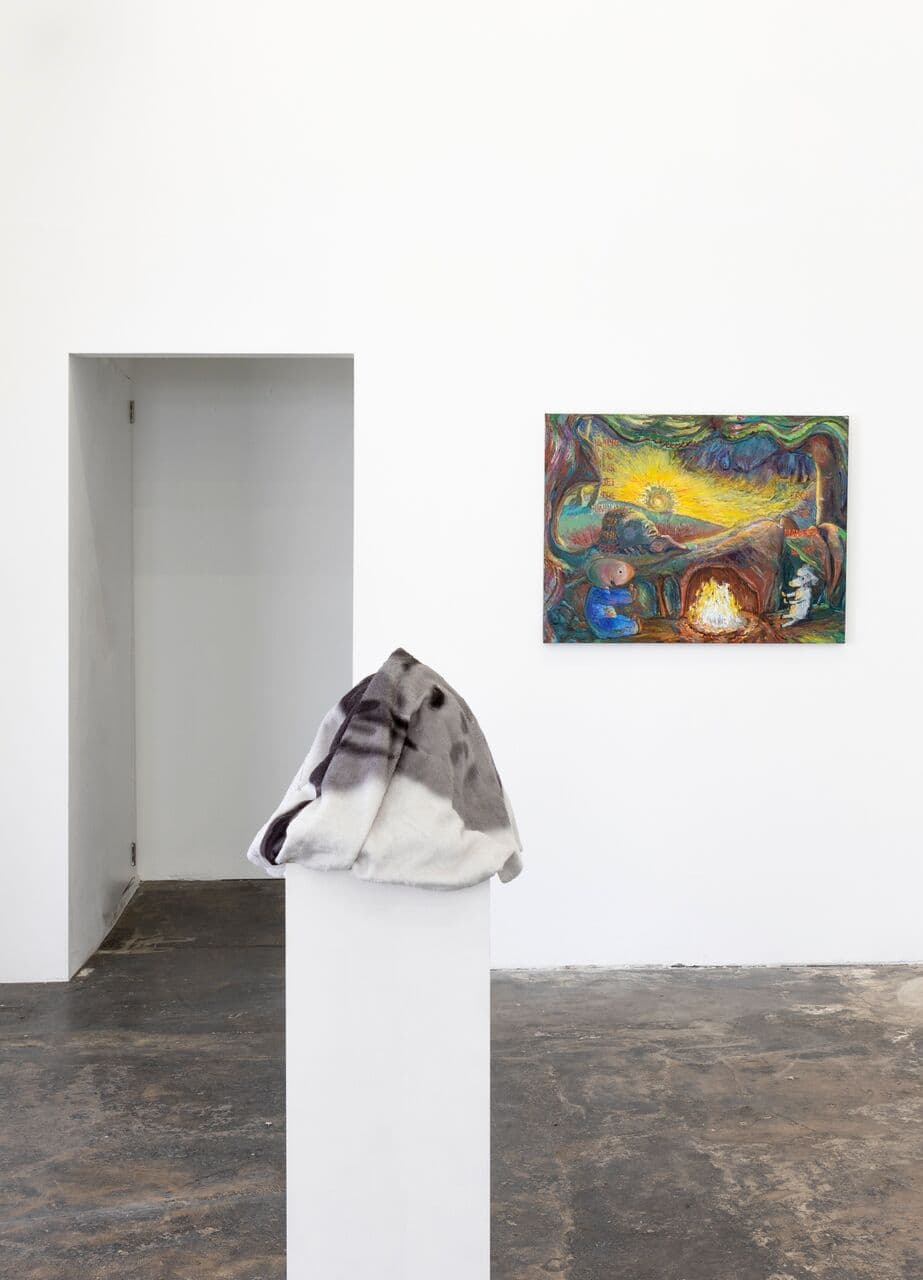
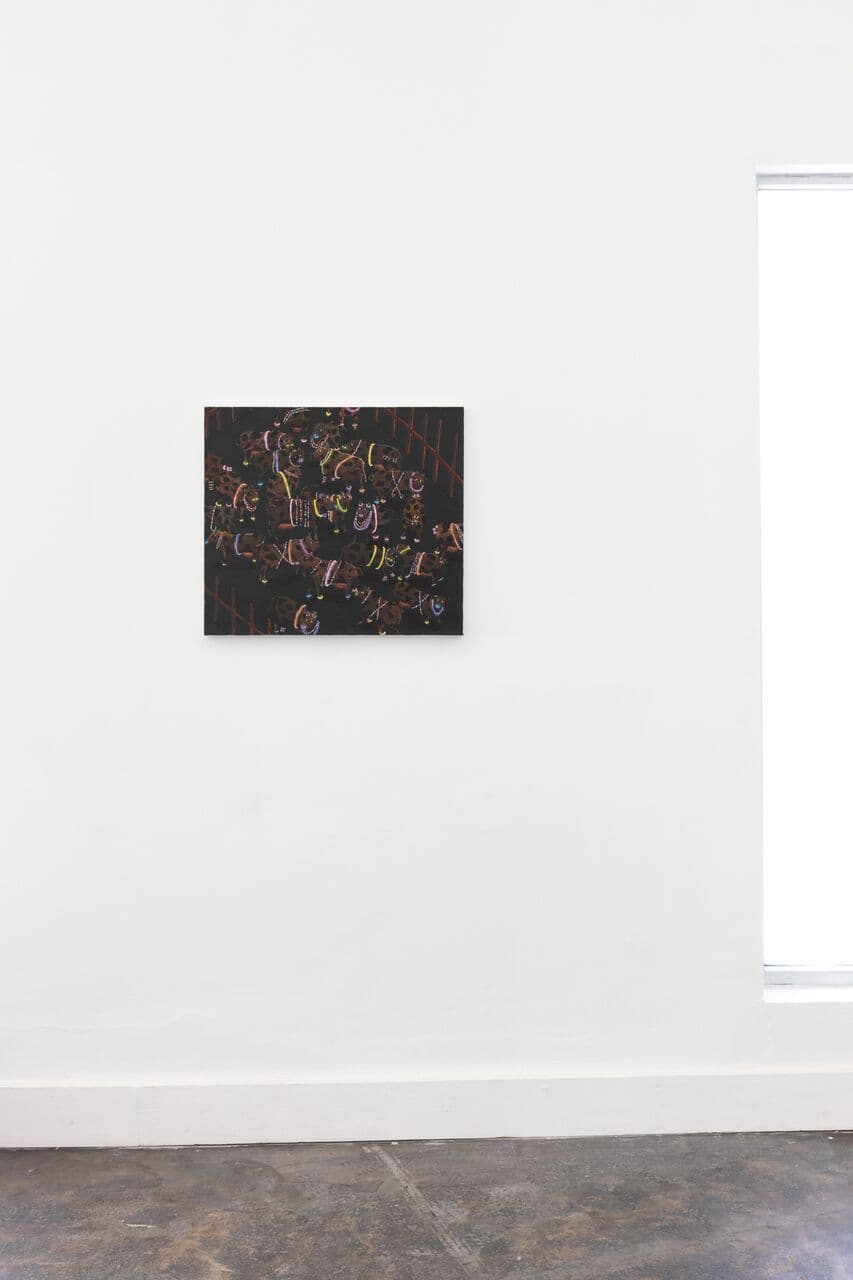
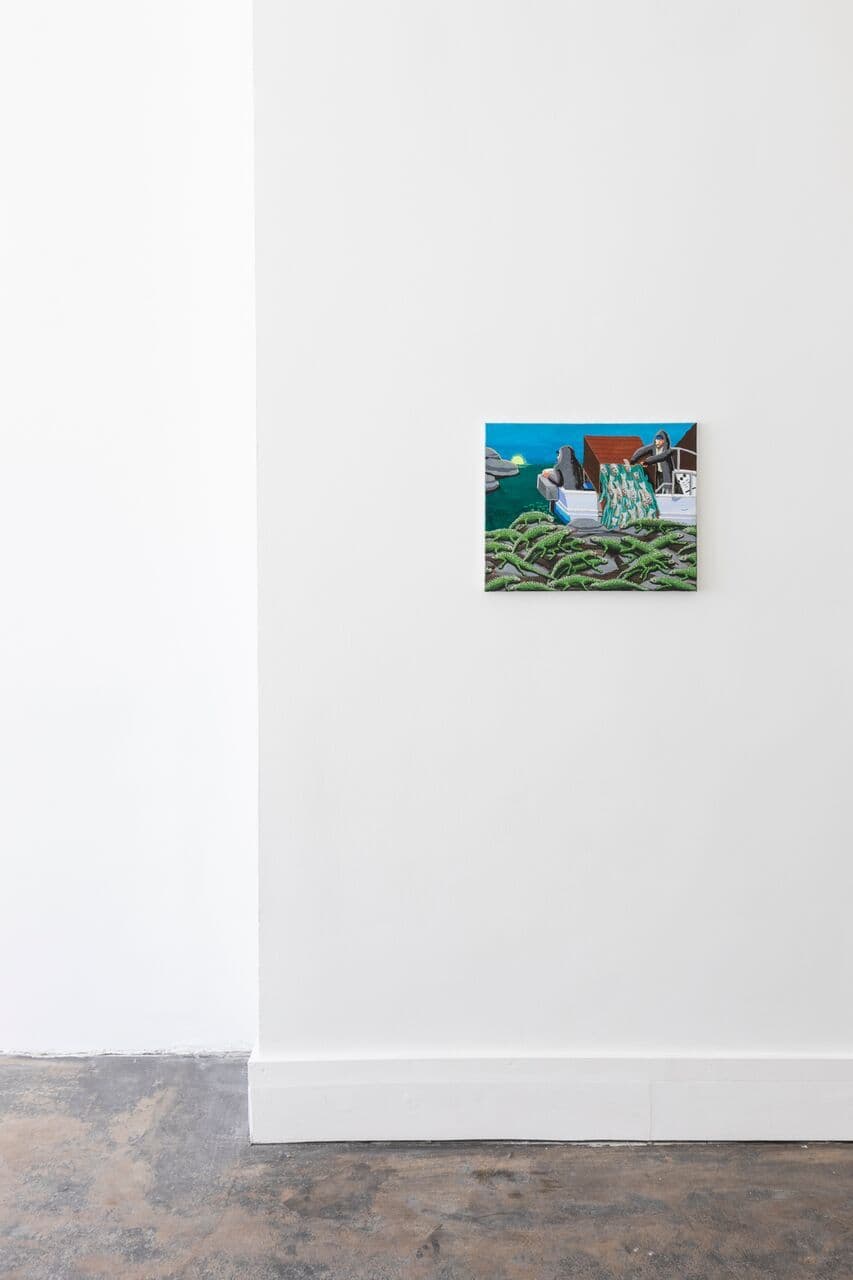
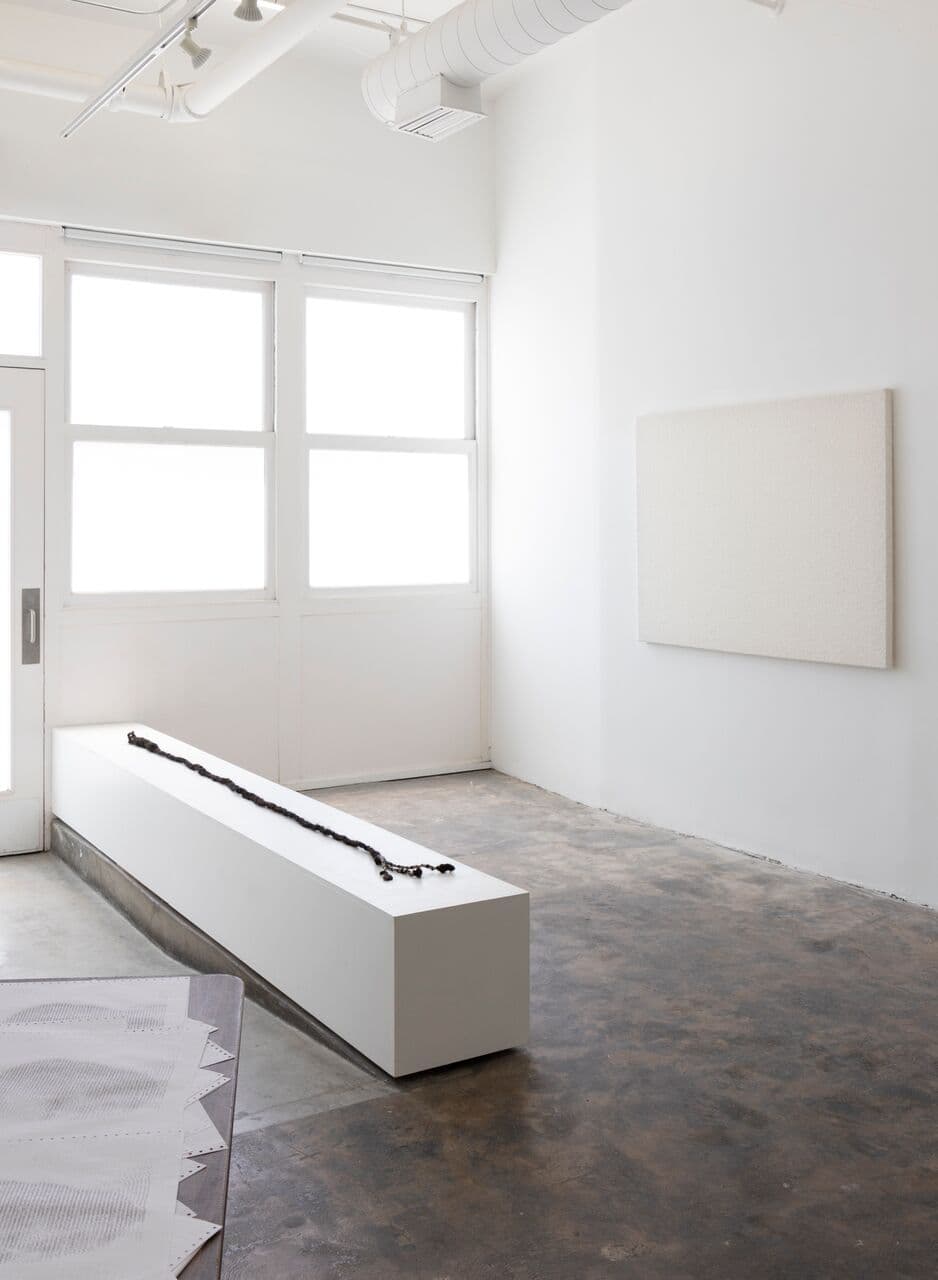
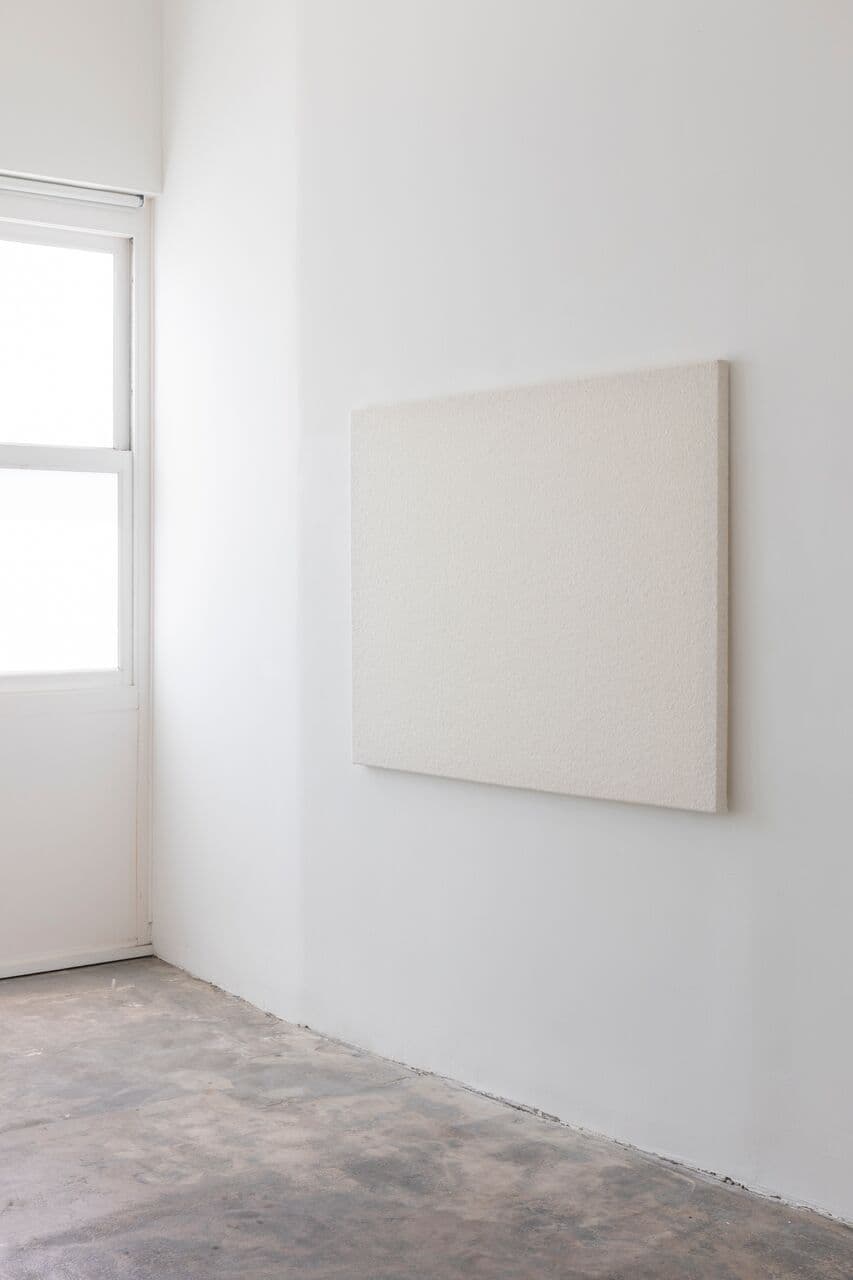
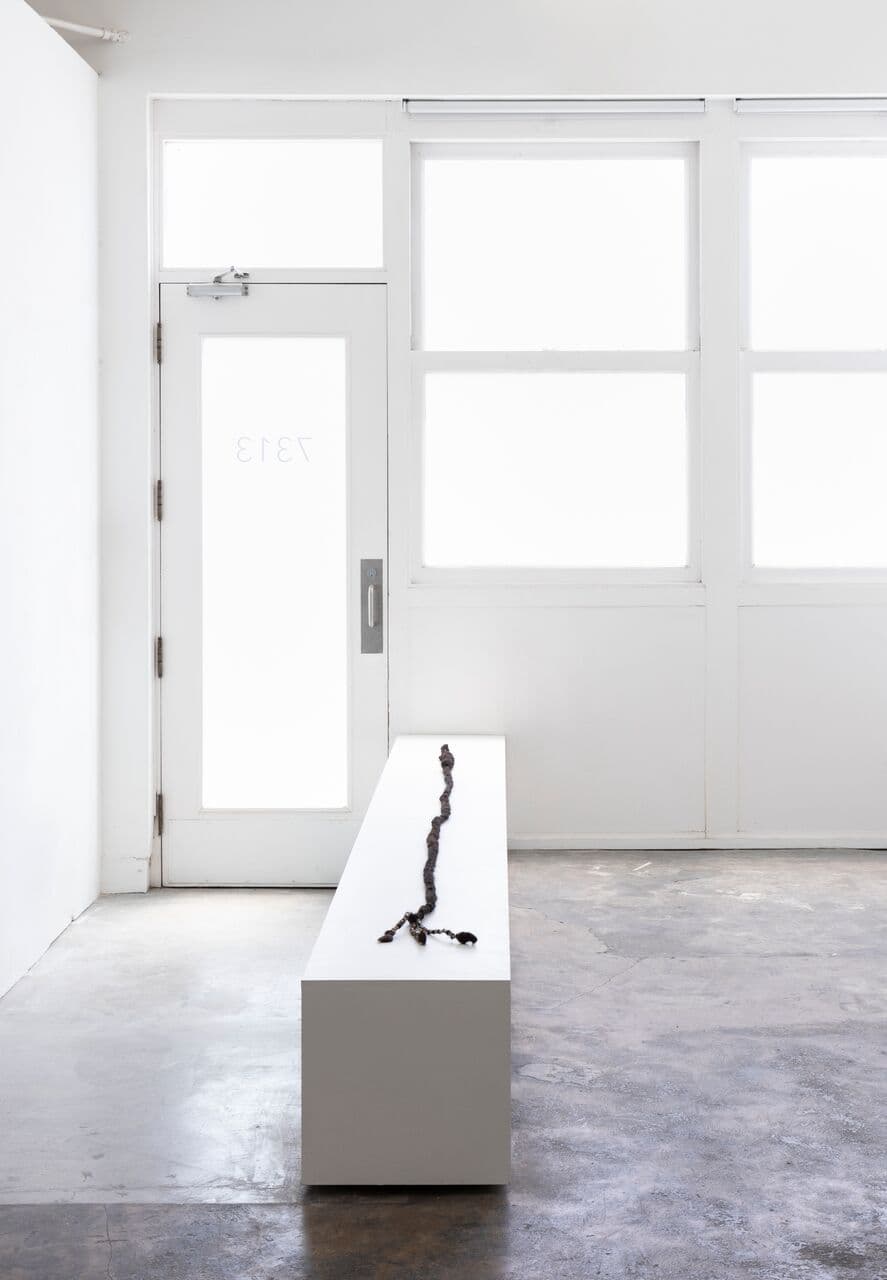
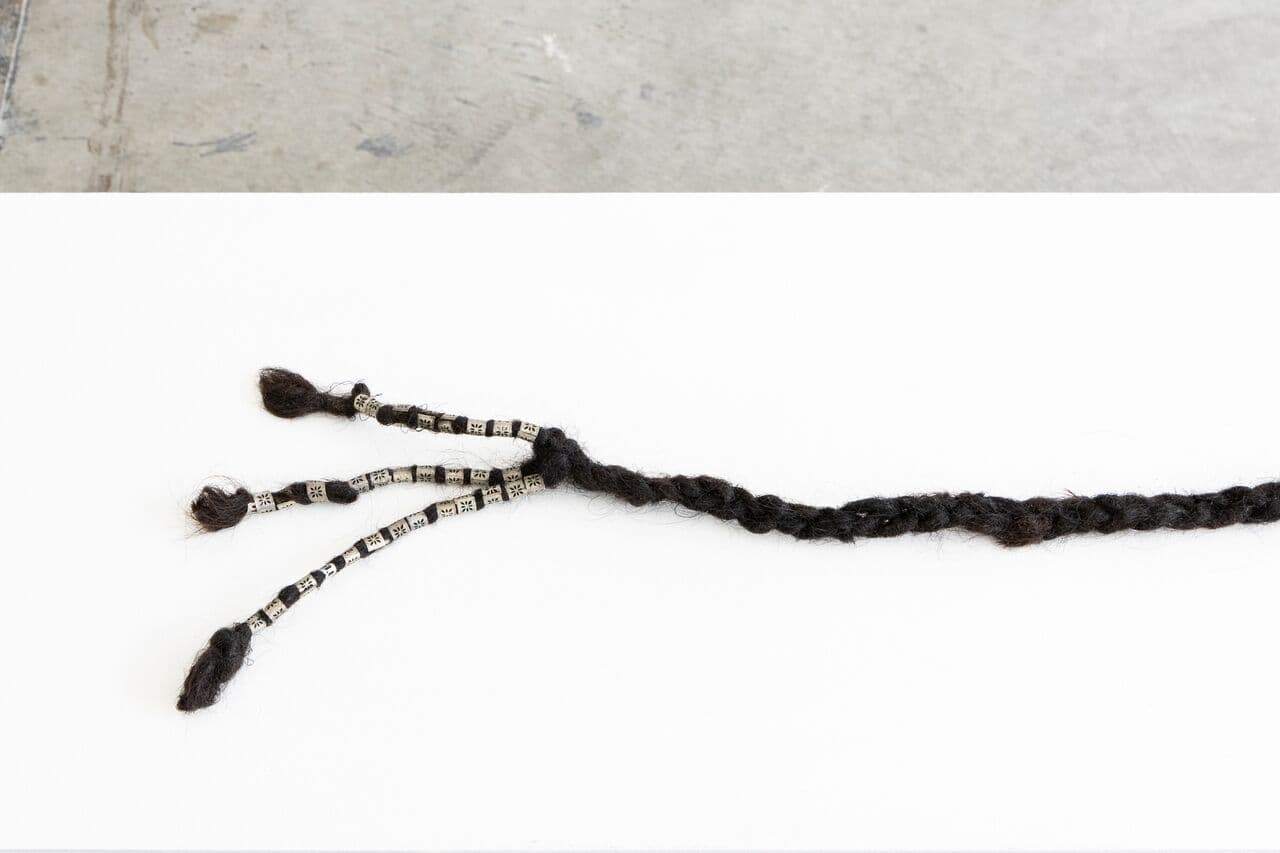
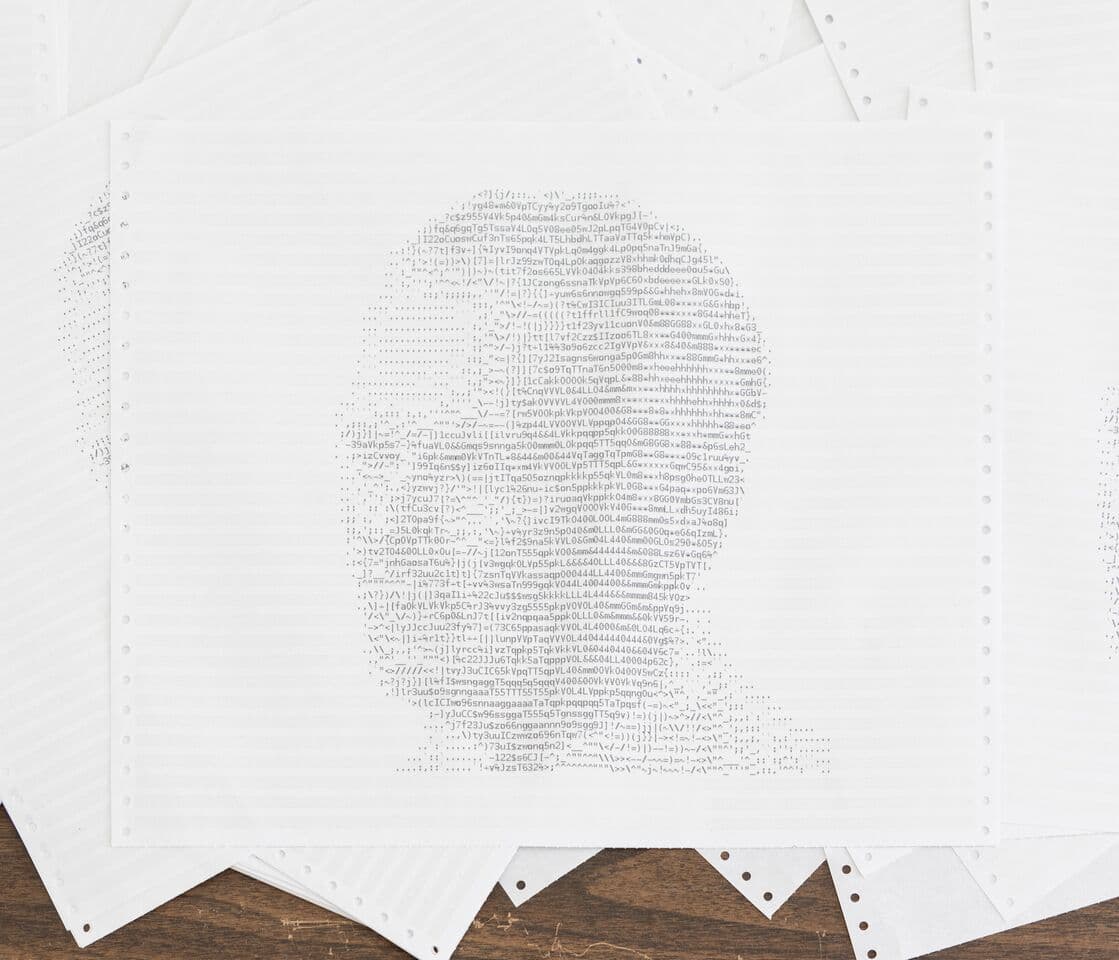
AA|LAAria Dean, Hamishi Farah, Sean Kierre-Lyons, Redeem Pettaway, Ralph Pugay, Adriana Ramić, Bunny Rogers, Ser Serpas Curated by Manuel Arturo Abreu The near-homophony of “obsequies” (funeral ceremonies) and “obsequious” (bootlicking, sycophantic compliance) invokes a relationship between assimilation and mourning. Consider Hortense Spillers’ argument that commemorative space without criticality can easily normalize violence in its celebration of the “resilience” of oppressed people. Or consider the injunction to “respect the dead,” even if they don’t deserve respect. Institutional memory mines the personal funereal to justify dominant narratives in an ongoing violent revisionism. Tears become a kind of national discursive fuel, and mourning can engender both stasis (inactivity, quietism, equilibrium) and resistance (entropic tendencies, creative destruction, service to the ineffable). One can be paralyzed by sorrow or radicalized, faced by the ineffable void of time and the failure of language it engenders as we grieve the world as it is, what was lost, and what could be. We see traces of the ineffable void of history in the burn marks in Aria Dean’s monochrome canvas work, as well as in the performative abstraction of Ser Serpas’ drawings. Sean Kierre-Lyons’ whip, fashioned from the artist’s hair, parodies the libidinal economy of white fears of Black retaliation. Redeem Pettaway’s painting, Arranged Death (2017), evokes predestination and the tyranny of linear time in relation to family -- two angelic figures gaze upon an intimate scene of mourning with the inscription “Anno Domini” above, signifying the standstill of the event even as the clock on the wall infinitely ticks forward. Ralph Pugay’s painting of a group of cows wearing glowsticks mourns the artist’s failed attempt to perform landscape painting via cow rave. Adriana Ramić’s work, 1 May 1980 (after Leo Ramić), is a takeaway print based on an ASCII drawing of Yugoslavian leader Tito, which her father printed and distributed the day before the leader’s death. Immediately afterwards, the police came around, paranoid and suspicious of the correlation between the generated image and Tito’s death. Please feel free to take home one of the printouts. - Manuel Arturo Abreu