
Tribeca, New York
Beatrice Bonino
If I Did, I Did, I Die
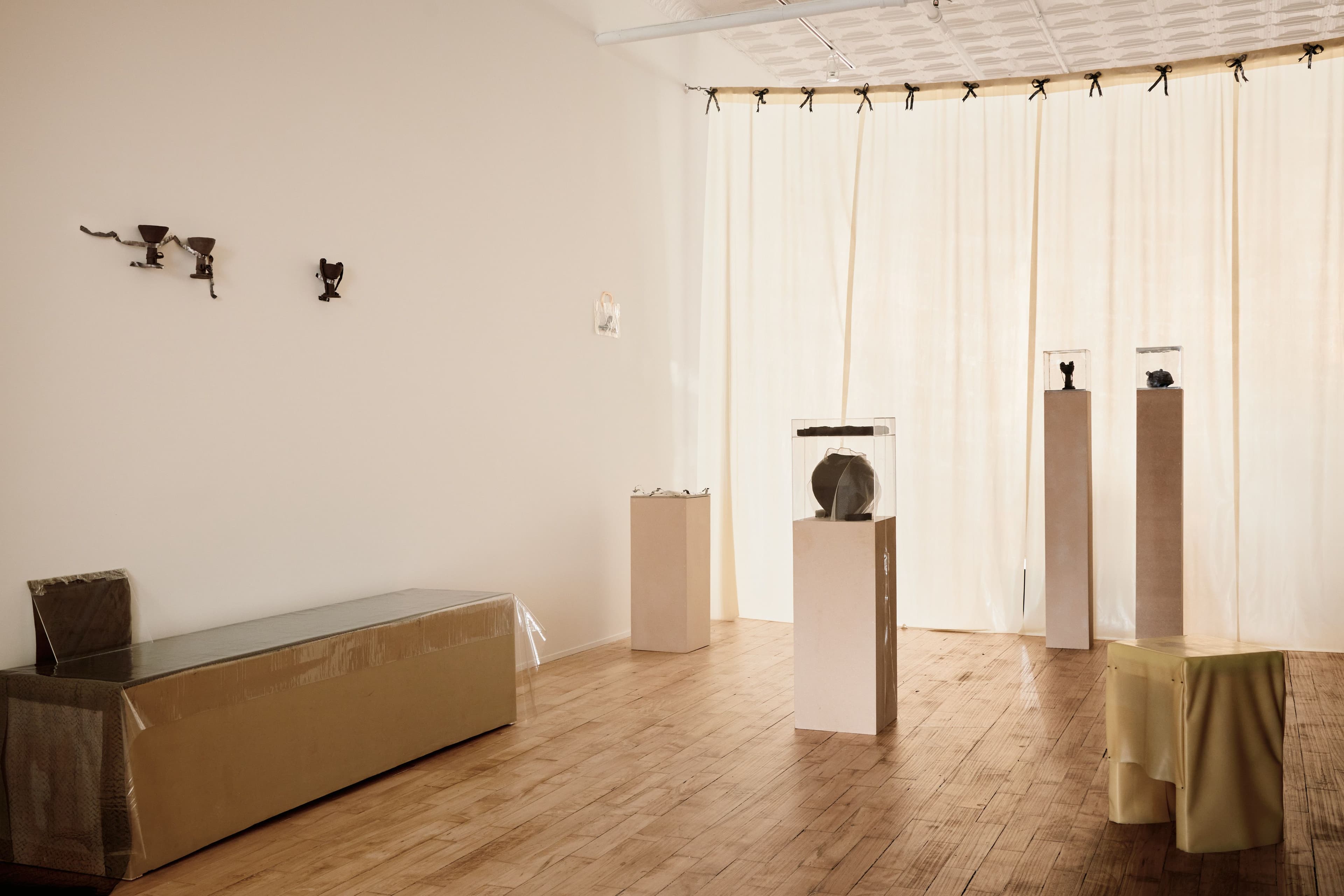
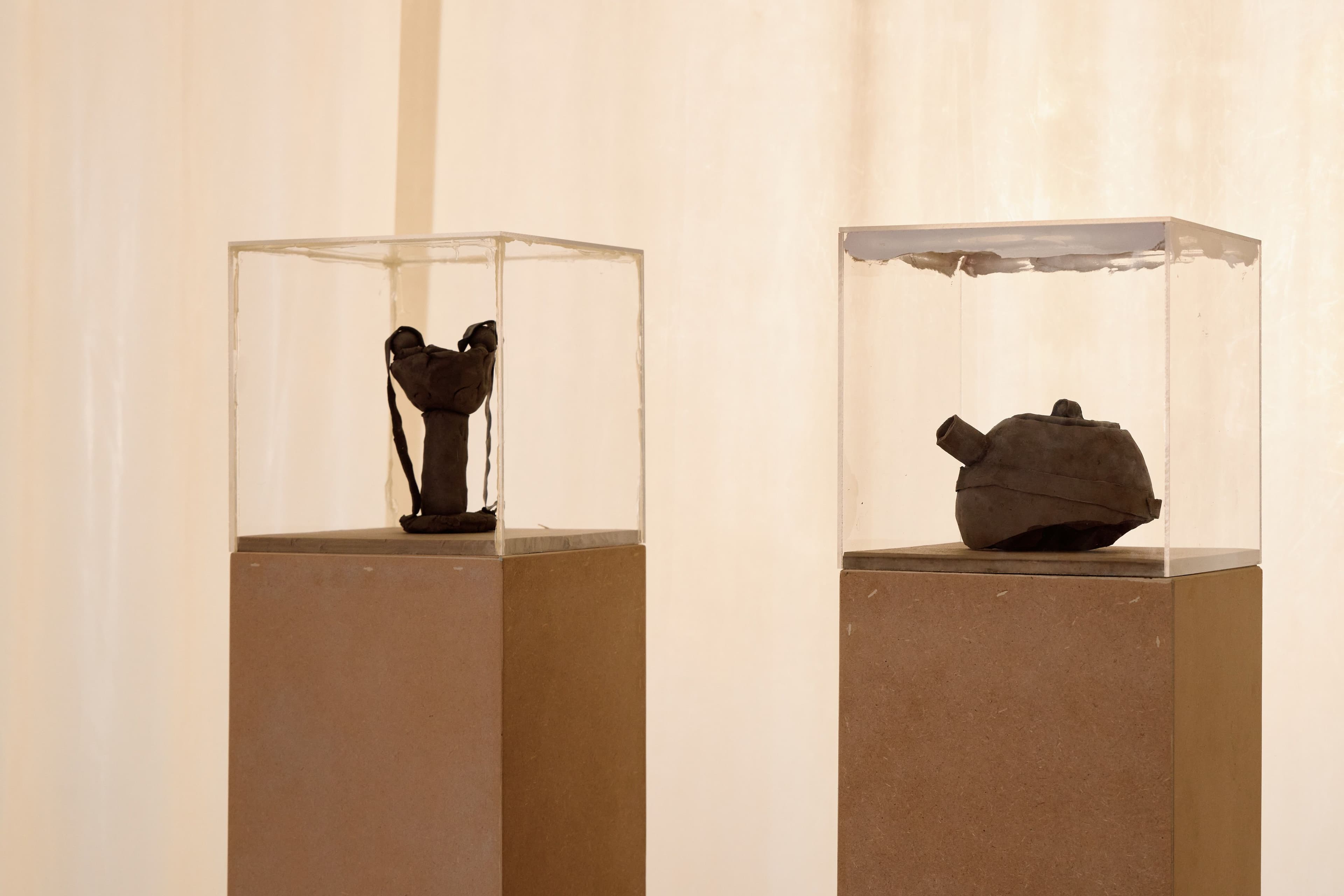
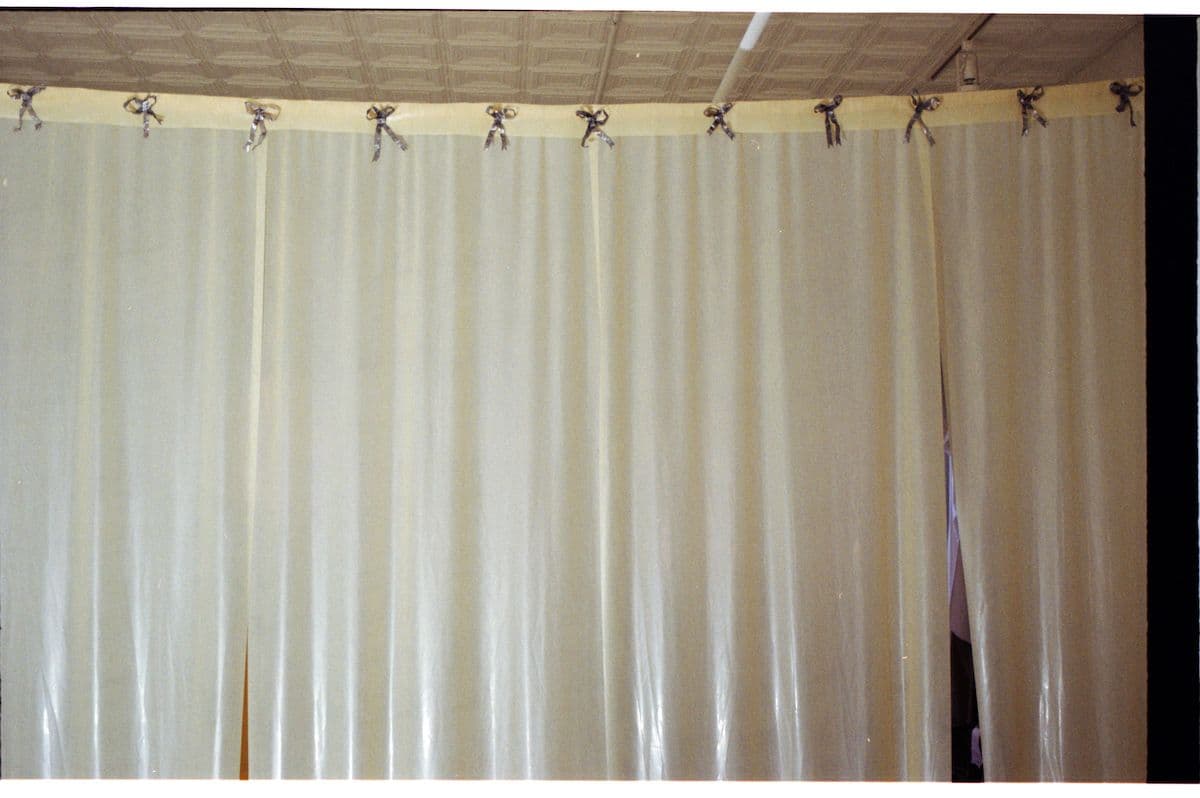
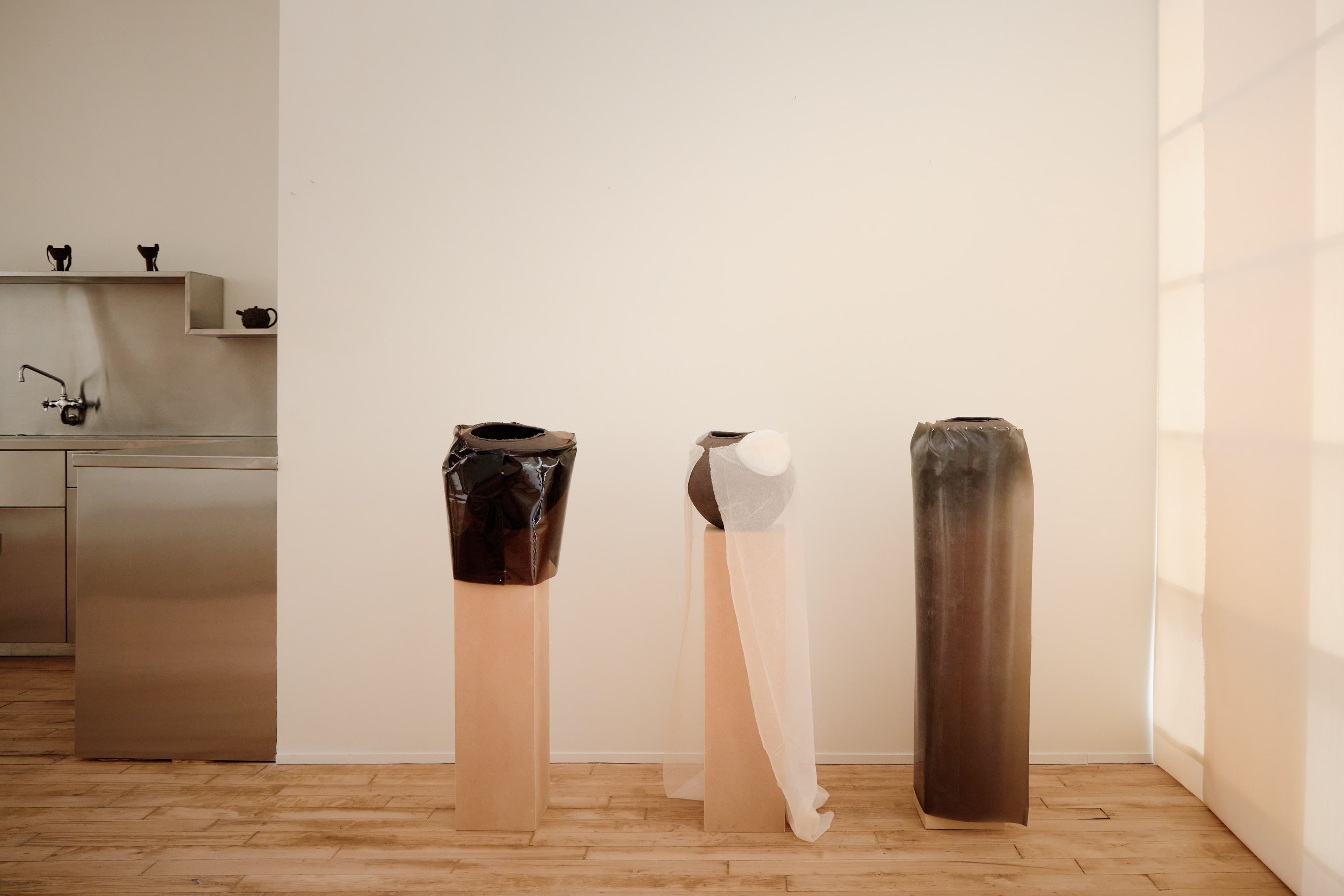
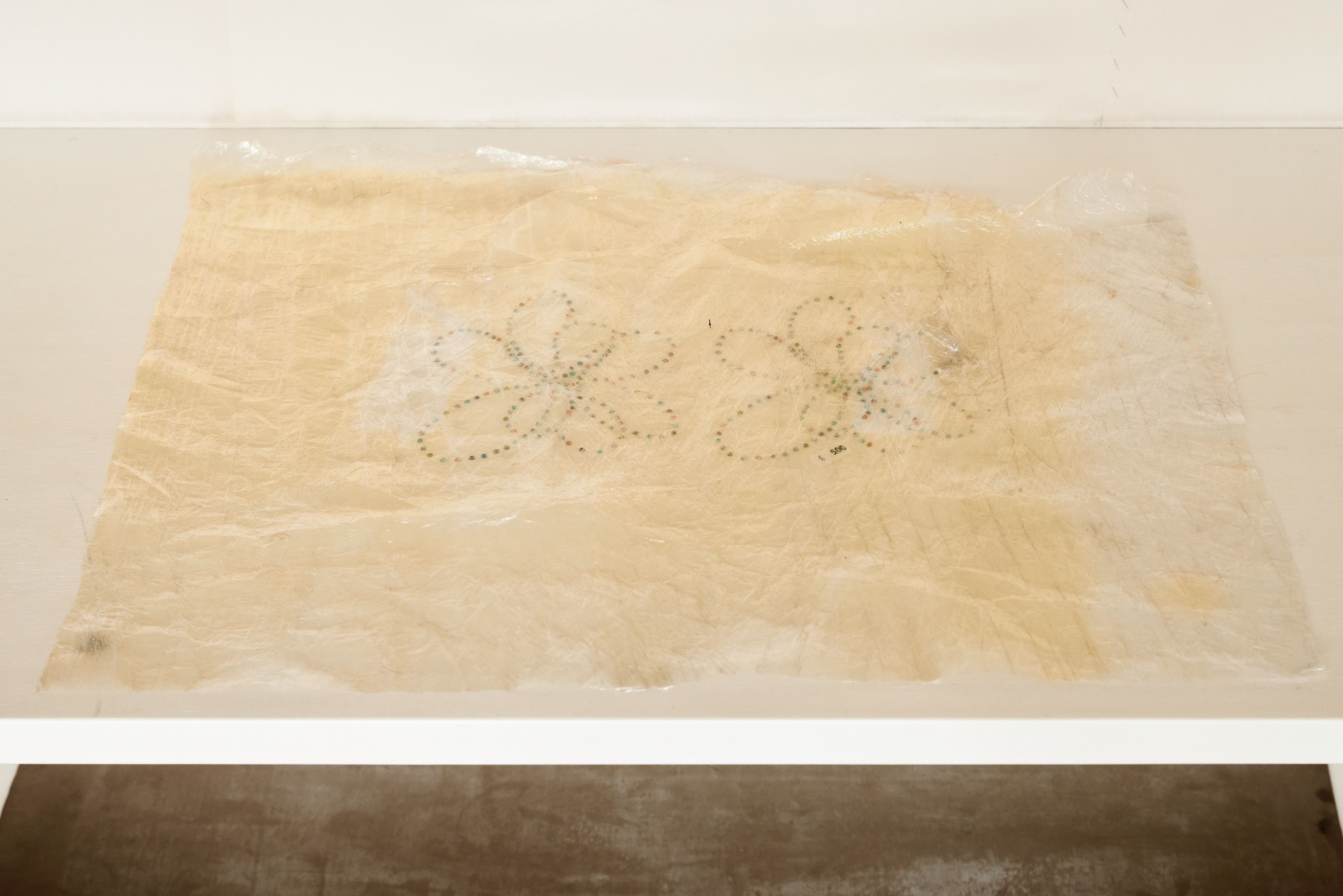
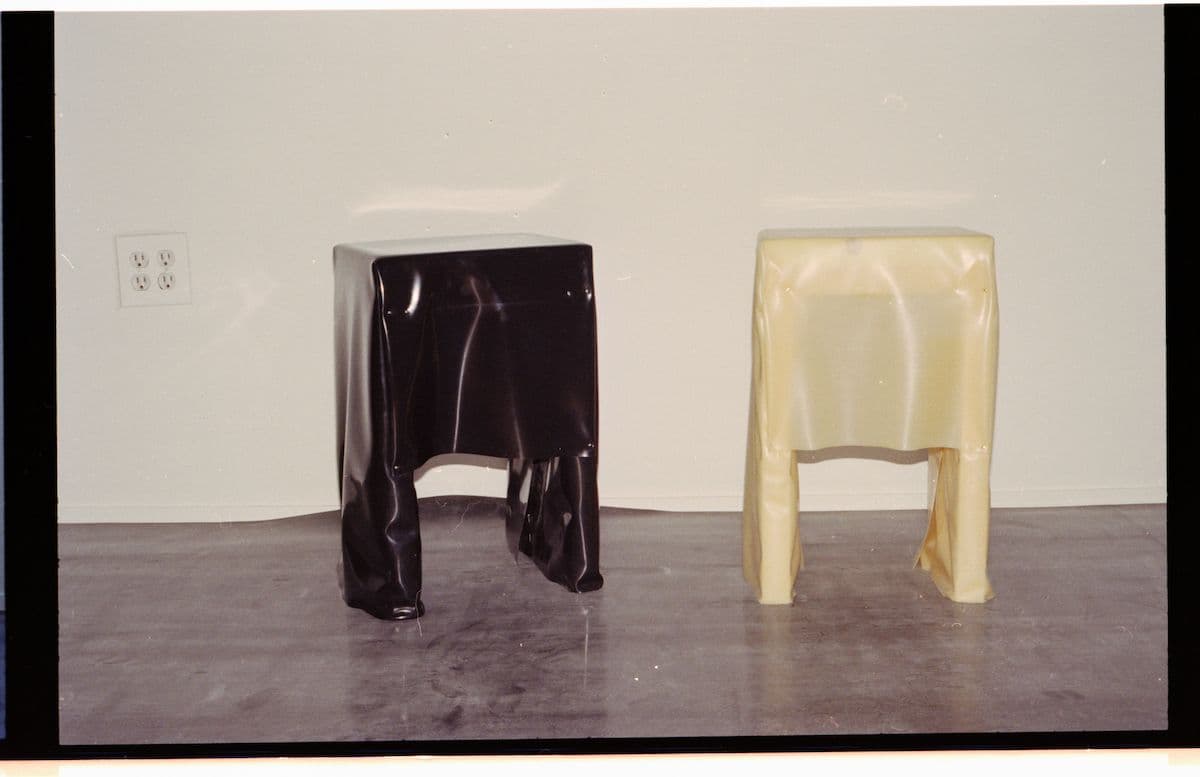
Jacqueline Sullivan GalleryJacqueline Sullivan Gallery, the decorative arts and design gallery located in TriBeCa, is pleased to present If I Did, I Did, I Die, the American debut of Italian-born, Paris-based artist Beatrice Bonino, and the gallery’s first presentation of a dedicated body of work by one artist. The exhibition features over twenty works, including decorative ceramics, functional seating and experiments in material. In keeping with the gallery’s mission to directly commission works from artists and designers with the aim to support and steward their talents, all of the pieces were created over the course of nearly three months in New York City, many of them made physically within the gallery. During a time of intense and tender personal and artistic transition for Bonino, this work in many ways informed the artist’s return to herself, which she describes as “pouring new material into a mold to create something new.” Bonino’s work explores ideas about ephemerality and memory, notions of “fastening,” and the tensions inherent in everyday materials. Materials usually intended for functional use - ceramic vessels, lead ribbon, cardboard, plexiglass, latex, plastic, rubber, scotch tape, rhinestones, foam, nails, steel wool, cellophane, acrylic, and paper - here are exalted into things of beauty. In a process of discovery (and self-discovery), Bonino exhibits a delicacy and precariousness in manipulating these materials into being as works of art. Informed by The Art of Memory by Francis Yates (1966), the conceptual underpinning of memory theory has become fundamental to much of Bonino’s practice. Inspired in particular by Yates’ description of ancient Greek and Roman memory practice, where information was attributed to imagined statues in imagined architectural spaces, her work demonstrates an emotional output that “speaks back” when made concrete in sculptural forms. Building on this idea, Bonino dresses clay vessels using lingerie hooks, rhinestones and shoulder pads – as “ghosts” that embody an internal dialogue that express themselves externally. Bonino also puts forth evocative ideas regarding notions of "closure" and "disclosure." The concept of closure expresses itself within the fastening of materials that would otherwise eschew restriction – materials that love to bend, fold, collapse or break. Bonino's works explore disclosure through the translation of memory as well as an intense and tender presence through their conception.