
Chelsea, New York
Group Exhibition
Change Yer Sheets
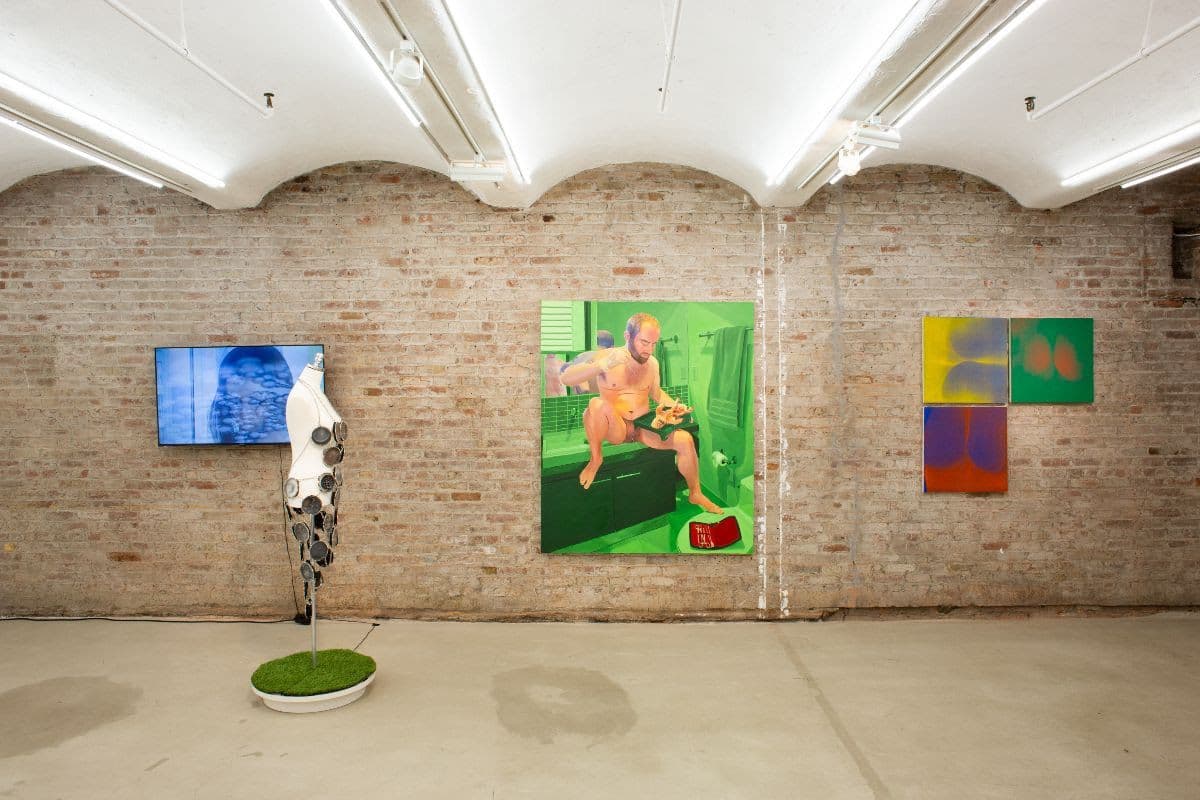
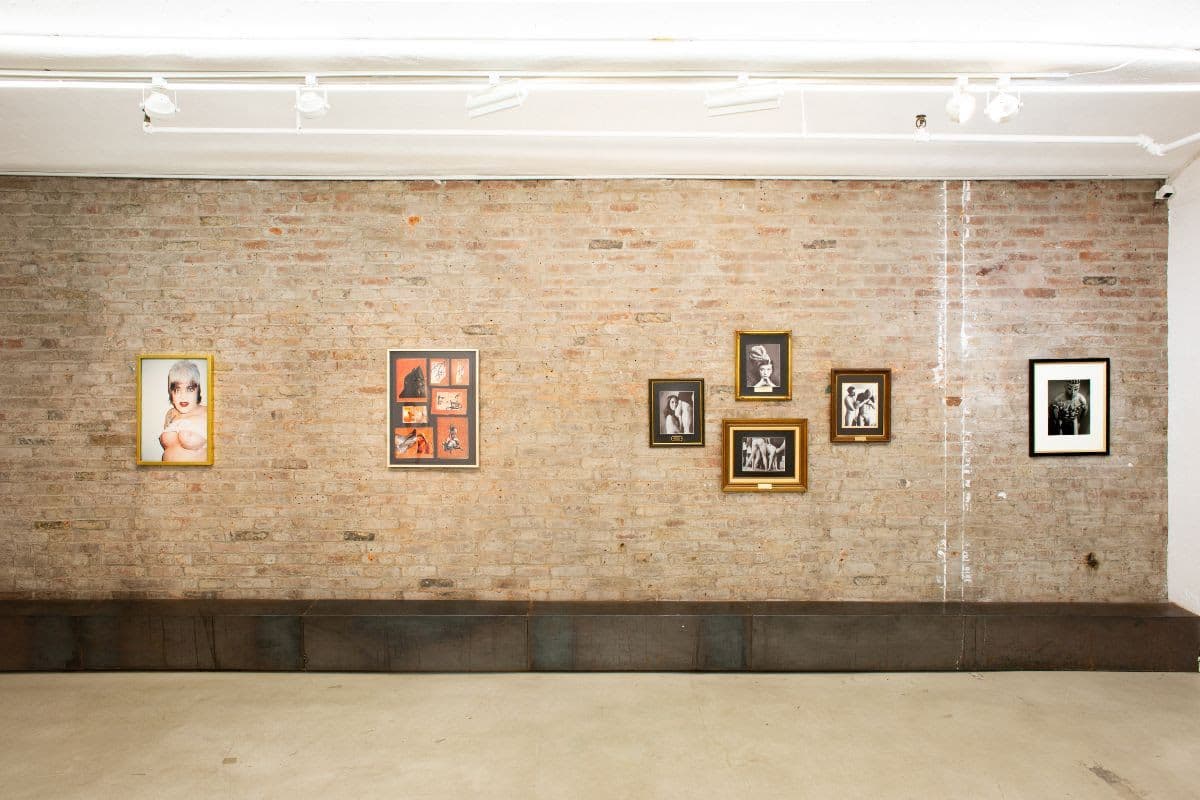
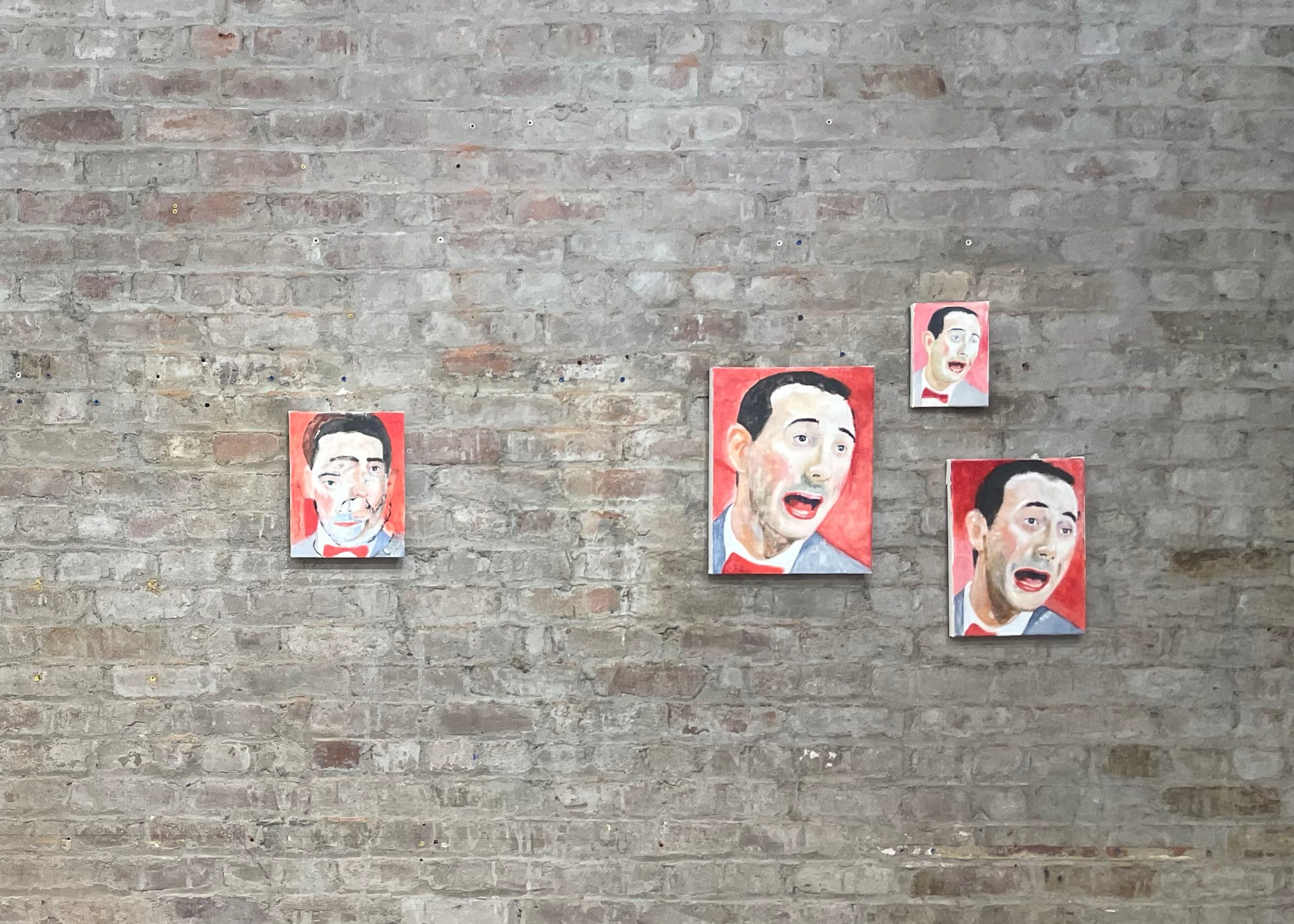
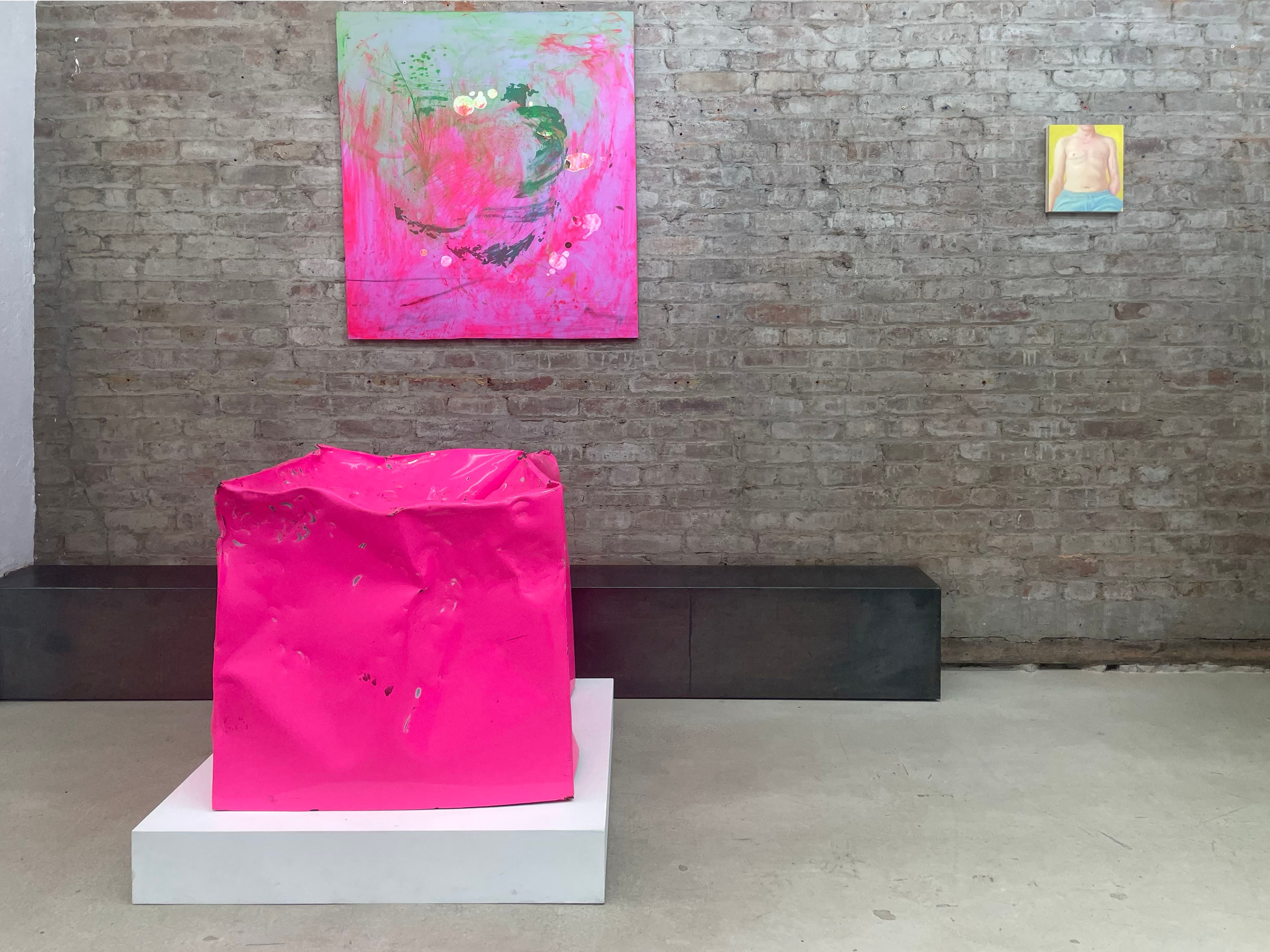
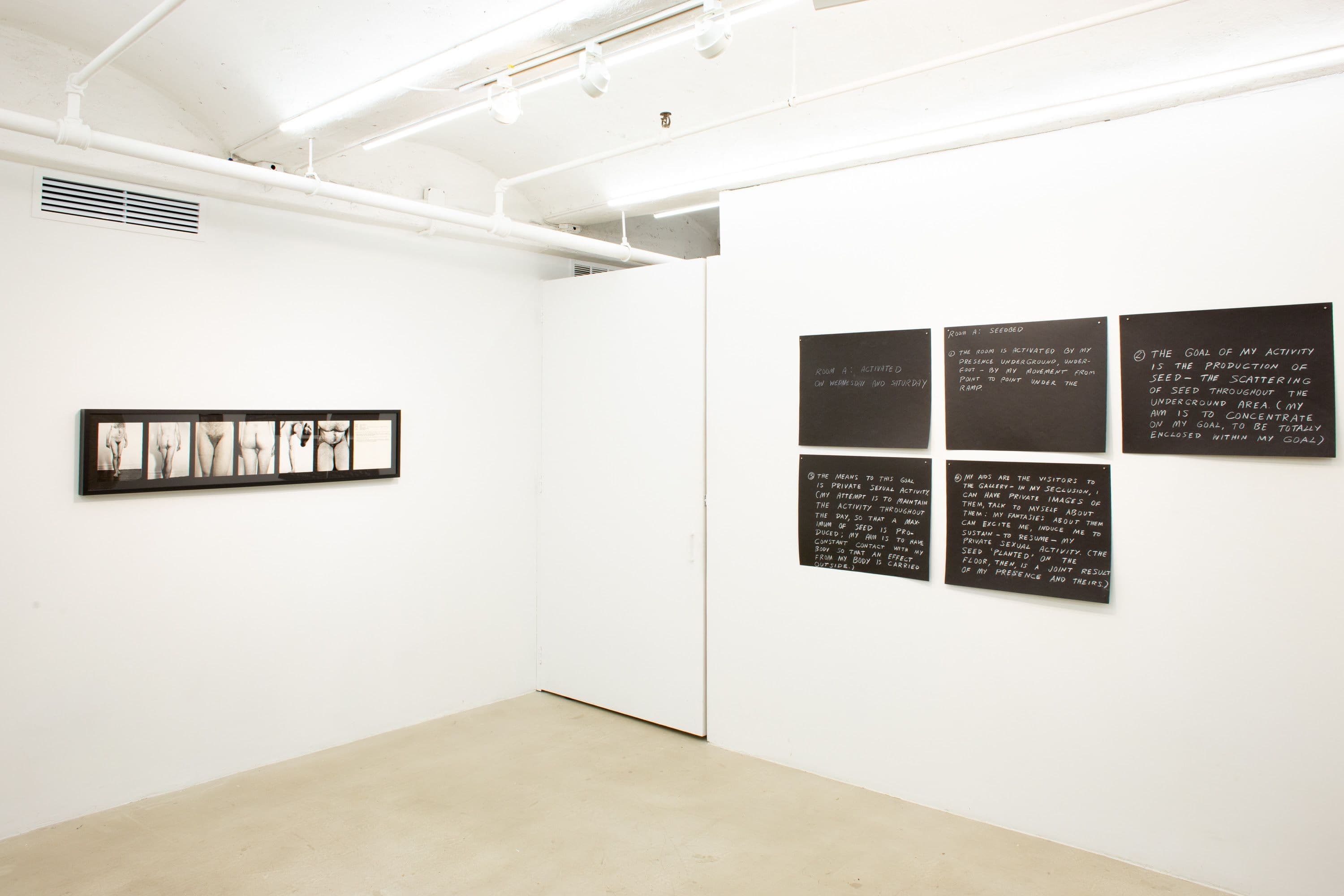
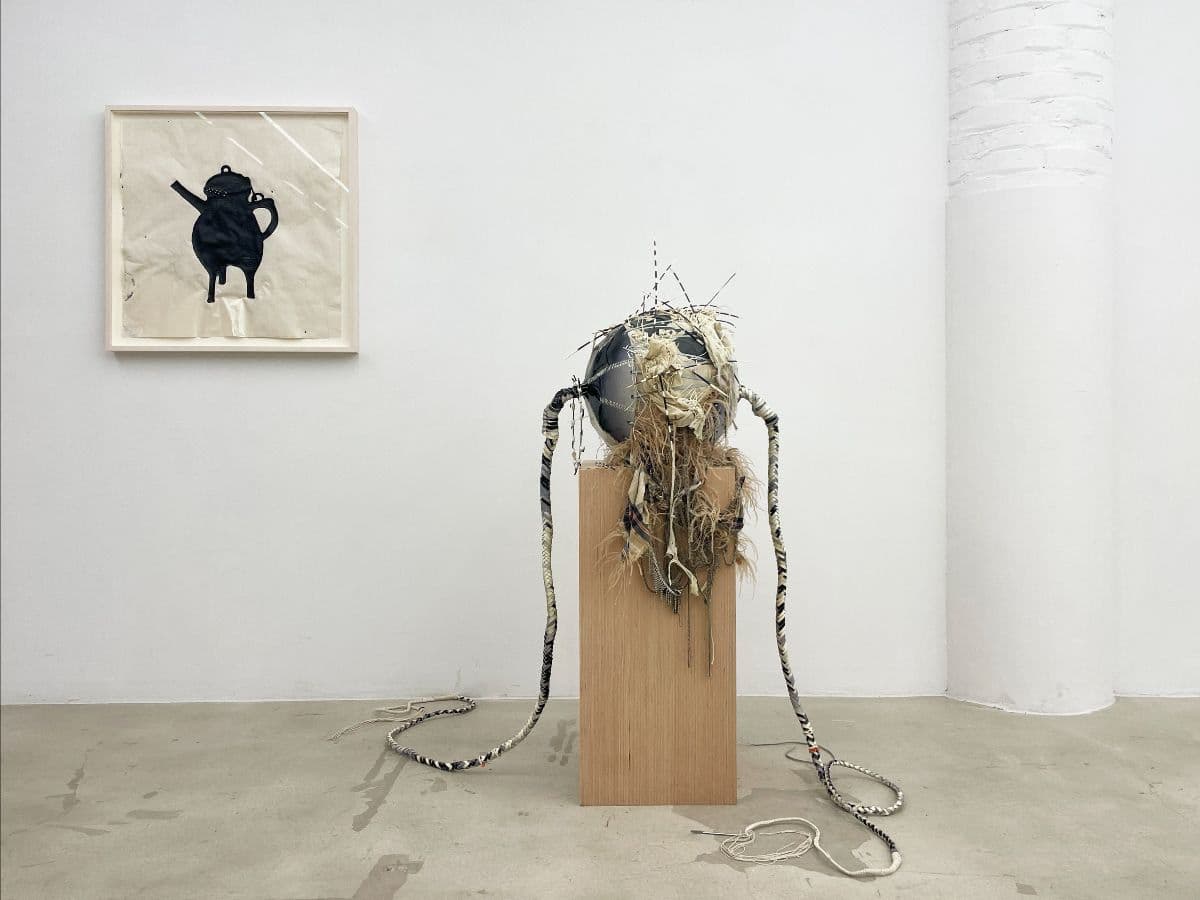
New DiscretionsVito Acconci, Ron Athey, Linus Borgo, Breyer P-Orridge/Heist, Ellen Jong, Michael Fox, Kate Gilmore, Clarity Haynes, Brendan Lott, Angel Lartigue, Angelo Madsen, Fakir Musafar, Aaron Michael Skolnick, Vincent Tiley “Sooner murder an infant in its cradle than nurse unacted desires.” —William Blake New Discretions is proud to present Change Yer Sheets, a group show about how nothing should ever stay the same. Genesis Breyer P-Orridge used to tell the story of her formative days in the Exploding Galaxy commune, in which each morning one reached into a pile of clothes and took on the role of whatever character the costume merited. Sometimes you were Mrs. Asquith, angry complainer. Or you could be the Alien Brain, an otherworldly visitor, naïve about everything. You also never to slept in the same room, never repeated a day. Routine was the enemy. Later, Genesis would advocate a simpler, stripped-down version. If you felt stuck, simply change something. Anything. It can be as simple as moving your furniture. It can be changing your hair. (Genesis changed all the time.) Two artists inspired this exhibition. Fakir Musafar, the prototypical Modern Primitive, who documented his solo body performances as far back as the 1940s, is the first. His single-minded efforts to find meaning in his corporeal self launched entire subcultures. (No exaggeration.) It is seminal work, as is Seedbed, Vito Acconci’s infamous sculpture/performance during which he nestled beneath a ramp in the Sonnabend Gallery. Over the course of three weeks, he diddled himself eight hours a day while mumbling dirty talk below unsuspecting gallerygoers. The action now reads as borderline vile—there is even reference on the now-defunct Phenomenology Club podcast to Acconci being the proto-edgelord. Yet this action, documented here with its original chalkboard instructions, shifted performance into oozy new territories. From these anchor points, we swing into the present with a sling-like lubricity. Everything, everyone is connected. Breyer P-Orridge is present, in one of the many Pandrogyne portraits of Genesis and Lady Jaye by Michael Fox. Ron Athey’s new collage works serve as another bulwark. Madsen invites us inside his body, over and over again, until a certain transcendence is reached. Ellen Jong pierces her traditional heritage as if it were a nipple. Vincent Tiley’s Serpent lurks in the corner, both menacing and regal. Kate Gilmore strikes a more formal note, with sculpture reshaped by viewers, literally, recording rage as metallic wound. Angel Lartigue presents Massbody, a project serving as both living sculpture and as promotional material for corpse estate planning for patrons of the arts. Linus Borgo’s classically inspired Haruspex presents body building, not for fitness but for the future. Clarity Haynes portrait of Borgo bears witness to his painting, too. And Brendan Lott unleashes prompts from the Minnesota Multiphasic Personality Inventory (MMPI), a long-standing diagnostic tool used to assess human personality traits and psychopathology into the dreaded AI. And then there is the appearance of Pee Wee Herman. Or rather, Aaron Michael Skolnick’s transformation into Pee Wee who himself morphed into roleplay so completely as to lose his original identity. In multiple interviews, Genesis often mused as to whether Neil Megson (her birth name) still existed. One answer, “Where’s Neil? We were not afraid of letting go of the other person. In fact, it seemed essential.”