
West, London
Lucia Di Luciano
Lucia Di Luciano
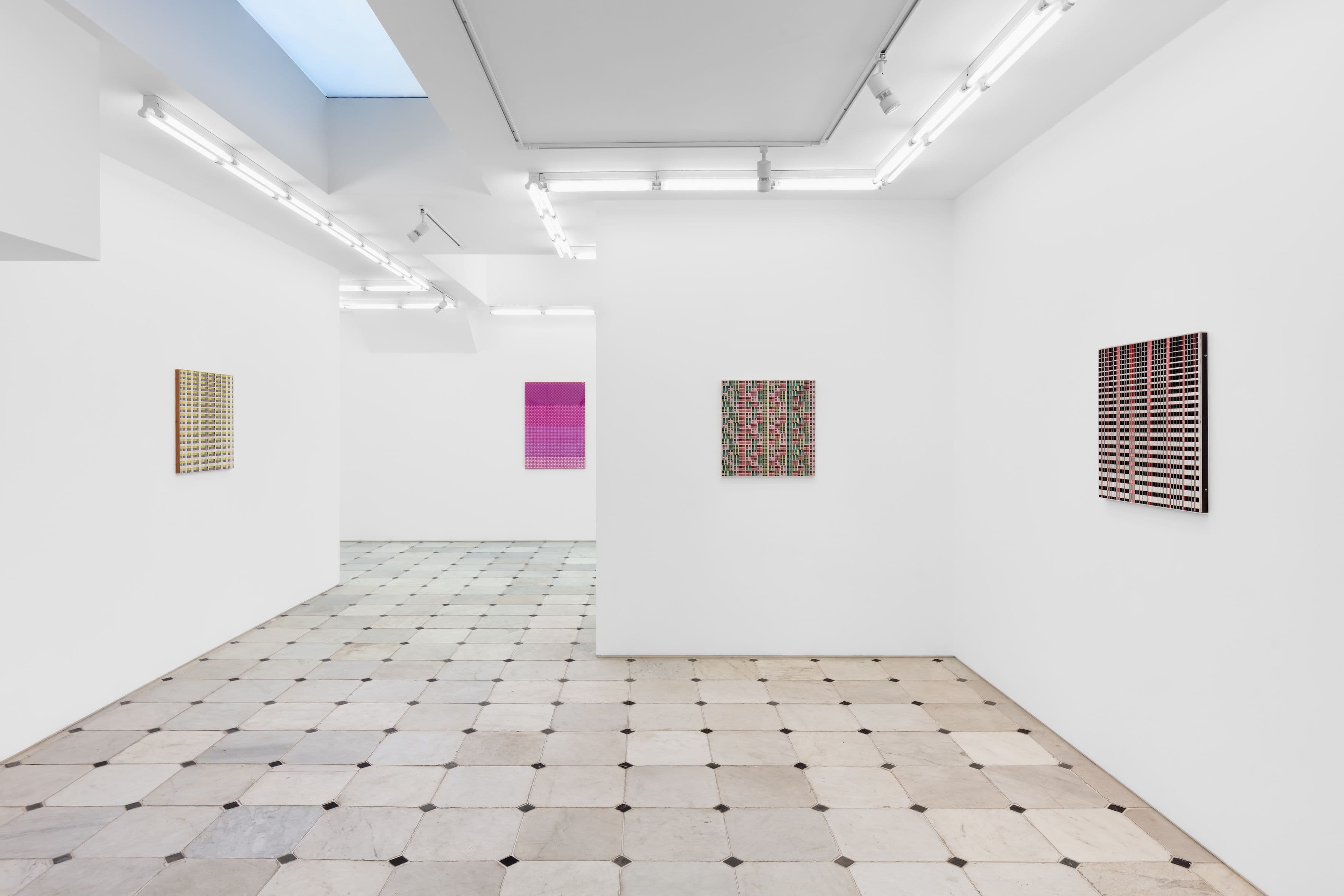
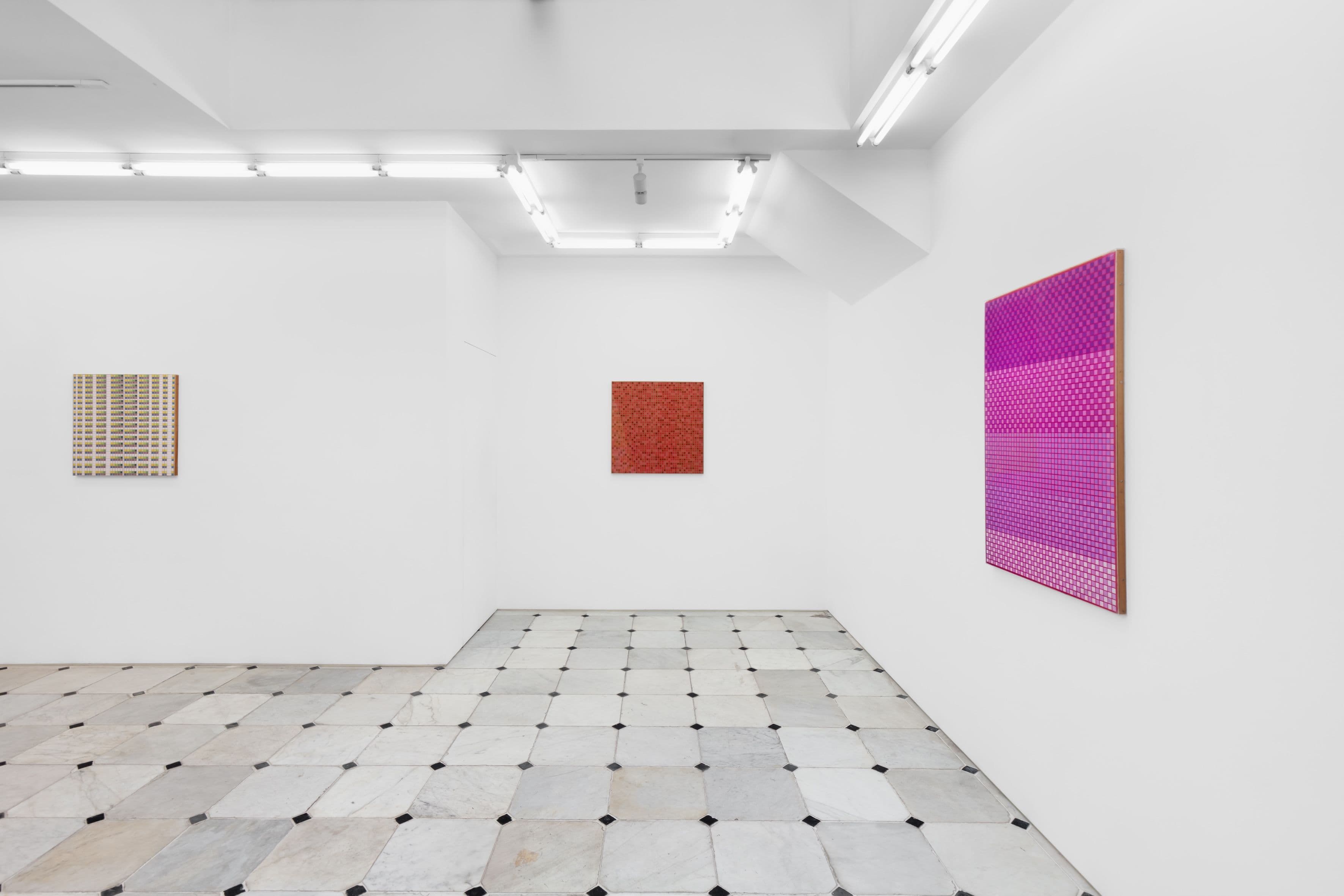
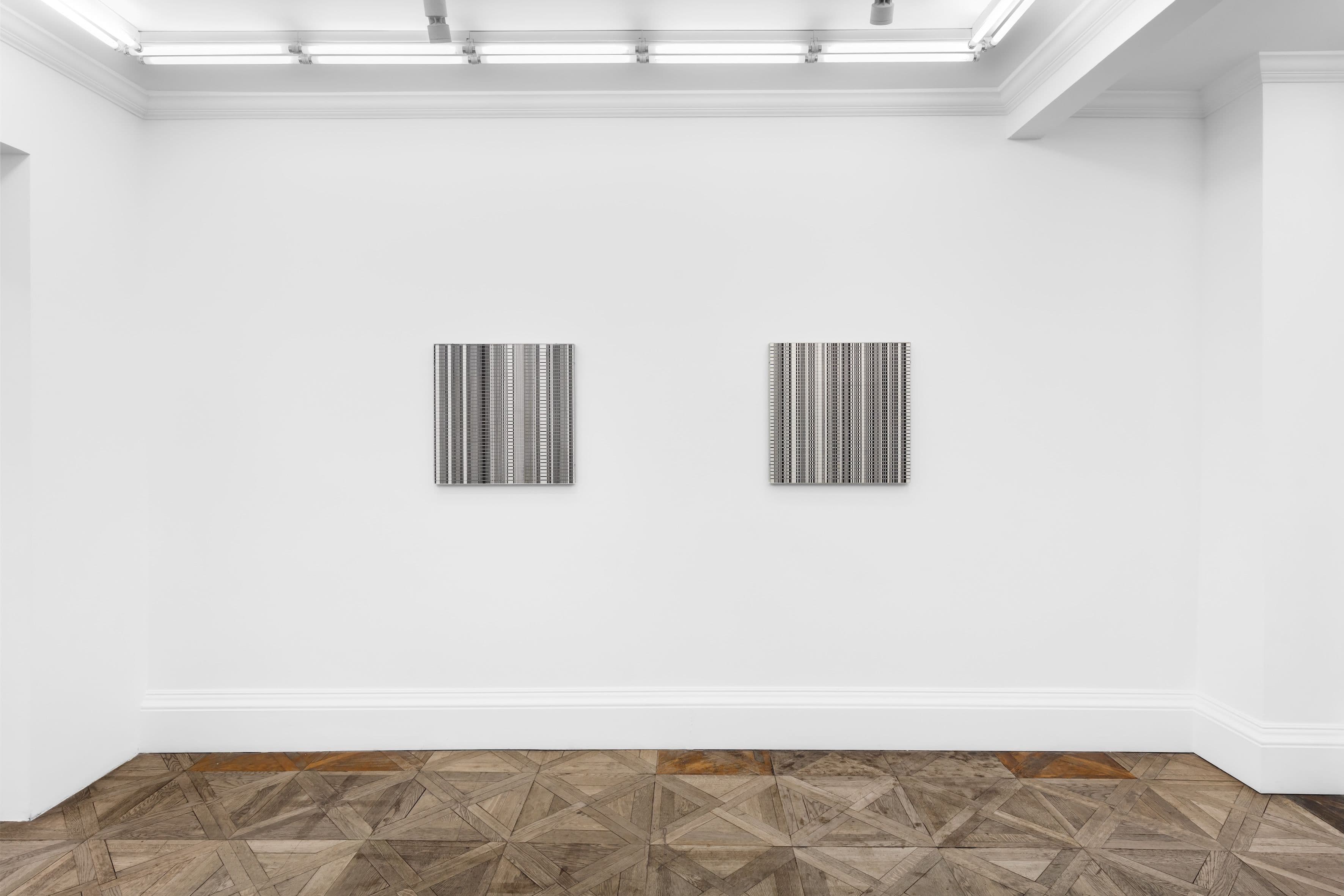
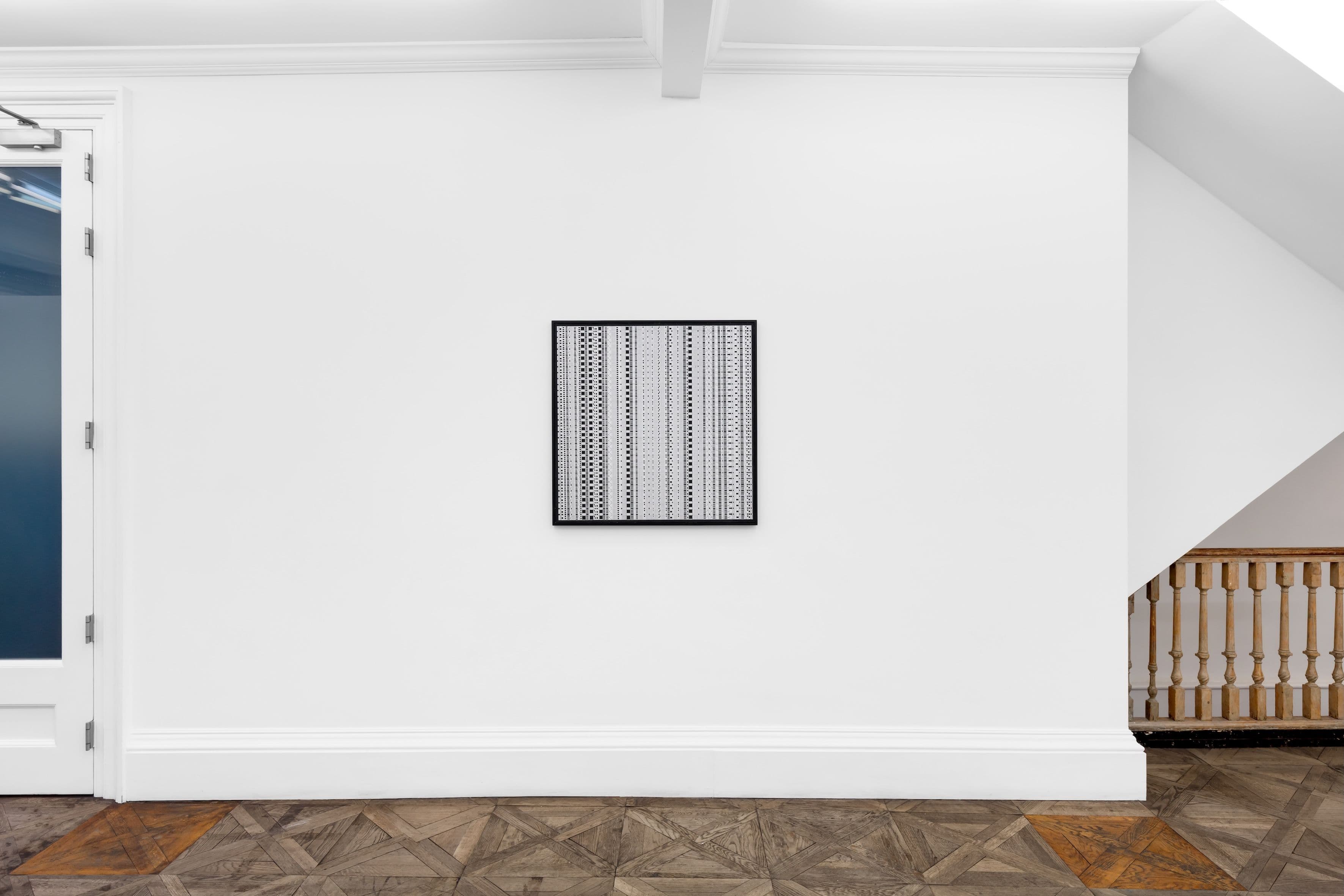
Herald St"My work has been a continuous transformation. I am a woman who moves forward, I want to move forward, my life is made up of painting, I love only painting." —Lucia Di Luciano (1883 Magazine, 2025) Herald St is delighted to present a two-part exhibition of works by Lucia Di Luciano, taking place across the gallery’s premises in Bethnal Green and Bloomsbury this autumn. Marking the nonagenarian artist’s debut solo outing in the United Kingdom, it is comprised of a historic survey tracing the evolution of her seven-decade career, alongside a vibrant presentation of recent paintings and collages. The exhibition follows Di Luciano’s inclusion in The Milk of Dreams, 59th International Art Exhibition of La Biennale di Venezia curated by Cecilia Alemani in 2022, as well as last year’s Electric Dreams: Art and Technology Before the Internet at Tate Modern, building on a renewed recognition of the artist’s seminal position within Italy’s twentieth-century vanguard. Di Luciano started her career at the postwar moment when the emotion-laden and autographic gestures of art informel were beginning to be overthrown by Pop art, Neo-Dada, and an optical, kinetic, and scientific path to abstraction. In the 1960s, she and her late husband Giovanni Pizzo were key figures in the Europe- and Latin America-centric progression towards an objective form of art, which in Italy culminated with Arte Programmata. This prevailing movement comprised a multitude of artist groups, whose research into the mechanisms of light, perception, and dynamism informed their output. In 1963, the couple were among the founders of the collective Gruppo 63, and following its dissolution later the same year they set up Operativo ‘r’. Both communities followed a strictly rationalist process, adhering to theoretical principles such as Gestalt analyses of vision and Bertrand Russell’s writings on mathematical logic, combined with a careful precision to the craftsmanship of their work. Notably, an important retrospective of Piet Mondrian had taken place at the Galleria Nazionale d’Arte Moderna in Rome in 1956, and this deeply impacted a generation of young artists moving towards a sharp-edged, systematic, and utopic approach – including Di Luciano and Pizzo, who had met in the same year as students at the Academy in Villa Medici. The Galleria Nazionale was led at the time by the formidable Palma Bucarelli, who later became an influential supporter of the artist couple’s work, acquiring a number of paintings for the museum’s collection in 1966. Renowned critics Giulio Carlo Argan and Lea Vergine were also early advocates and wrote seminal texts underlying their practices, and curators Fiamma Vigo and Italo Tomassoni included their works in landmark group exhibitions. Eschewing oil on canvas for industrial mediums such as Masonite and Morgan’s Paint, Di Luciano’s early paintings are characterised by rhythmic, ‘programmed’ structures that give the impression of being machine-made at a time when calculators and computers were making a nascent appearance in daily life. They embrace Rosalind Krauss’s fulcramatic maxim, ‘the grid functions to declare the modernity of modern art,’ rendering each composition devoid of foreground and background and inviting multidimensional readings spanning the architectural, industrial, musical, linguistic, and psychological. At Museum St, a suite of exemplary paintings from 1963 to 1992 demonstrates the transition from black- and-white towards colour and gradient, always contained within a square or rectangle of the golden ratio. Starting in the late 1960s, this chromatic experimentation was, as stated by the critic and curator Paolo Bolpagni, ‘not a betrayal of [her] original commitments, but instead an inevitable extension of [her] research into optical perception’. A 2003 text by Di Luciano echoes this thought: ‘In the 1970s… I began to feel a pressing and ongoing need to use colour… The scientific meanings of colour were well-matched with my aesthetic research, within the rationalisation of artistic procedures.’ She cites Albert Munsell’s 1915 ‘Colour Globe’, as well as ‘colour grammar and syntax’ and the perceptive results of contrasting tones, shades, quantities, luminosity, and saturation as ongoing subjects for analysis in her paintings during this period. Di Luciano considers the synonymity of her life and work as a continuous process of visual research. In the 1990s she and Pizzo moved to Formello, a small village outside of Rome, to isolate themselves from the world and obsessively dedicate their lives to painting. The move marked a turning point in her practice: the rigid lines of her grids loosened, then began to disappear altogether, and colour – once nonexistent in her paintings – became the main event. At Herald St’s eastern space, a riot of shades ranging from pastel to metallic to neon seem to ignite the walls. Within each tableau is a wealth of details, from small bars and squares of colour, to sweeping paintstrokes, and fine lines, dots, and swirls of ink. There is a palpable shift from her collages of the late 90s which almost appear as helter-skelter catalogues of her early paintings in miniature or fantastical landscapes of farmers’ fields, to the very recent monochromes peppered with tiny, intuitive, and meditative marks. There is a joy to the artist’s descent – or, perhaps more aptly, ascent – into chaos, with rigorous abstraction morphing into evocative mark-making, and in some cases outright figuration: La Mia Casa (2024) depicts her Formello home, a hermitage in her mind, immersed in waves of vivid blue and white paint. In her paean to Di Luciano, Nathalie Du Pasquier mused of the Italian artist’s current work: ‘Of course they come from the previous ones, but little by little freed themselves from the program, while the program remained – “paint every day.”’ In Di Luciano’s own words, ‘My work is not yet over. For me, painting is still all about research, based on rationality, imagination, and creativity. This is a deliberate decision I have made, aware that it will result in adding just the right degree of quality to my life.’ —Émilie Streif