
West, London
Victor Boullet
Punt e Mes
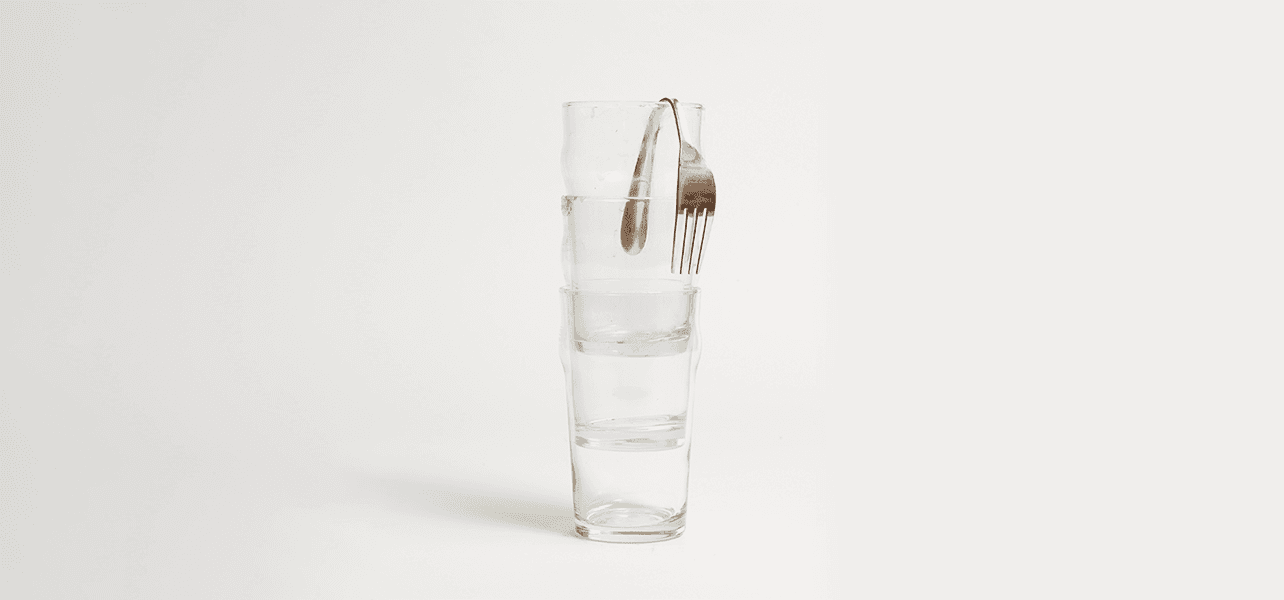
The Artist Room"Whatever comes is there, unchangeable. You have to just deal with it" —Victor Boullet The Artist Room presents the second exhibition of work by Victor Boullet (b. 1969, Oslo). Whilst Dundee Marmalade spotlighted a decade of Boullet’s oil on canvas paintings, Punt e Mes showcases smaller-scale works, including a body of unseen drawings on paper, sculptures constructed from domestic materials, and recent paintings made in Rome, Italy. Punt e Mes [one point and a half] takes its title from a classic Italian vermouth – a dark drink characterised by its unique taste with “a ‘point’ of bitterness and one ‘point’ of sweetness”– which mirrors this double exhibition’s two parts to one part structure. The exhibition includes a selection of drawings made in both Liverpool and London, drawn utilising two distinct techniques: coloured biro on paper and, more traditionally, pencil on paper. Likening each drawing to ‘a poem’, for Boullet drawing is a way of directly presenting the interior landscape and inner workings of the mind; a direct representation of the self. For many artists drawing is a preliminary process, however Boullet, working at night, uses drawing as a device to solve problems found earlier in the paintings. As such, they become both a method of questioning and solution. Opposing traditional framing methods, the drawings are presented in plastic bags, a device that enacts ‘strict poverty’. Boullet explains that the bags imagine a way “someone with no money might decorate their home”. Their lack of ornamentation focuses the eye entirely on the image whilst also acting as a bridging device between the gallery, a space normally reserved for the middle and upper classes, with the working class aesthetic that feeds constantly throughout Boullet’s practice. Most exhibited works were created during a period of self-imposed exile in Toxteth, a suburb of Liverpool. Boullet speaks of the complexity of moving to a working class area to create work for the upper classes. 'Everything I did in Toxteth has no value until it’s activated in a gallery somewhere else'. The series of paintings exhibited atop the coloured biro drawings were created in Rome in 2023. Differing in technique to the paintings presented in Dundee Marmalade, Boullet has transferred his drawing methodology to canvas. Made during a period of severe art historical research, Boullet proclaims them ‘a self portrait of the failed academic’. All materials were sourced in Rome and the paints from historic art supplies vendor Ditta G. Poggi. The pigments used are ‘from the earth’ – the red dominating series is naturally sourced from Pozzuoli enforcing a dialogue between outcome, research and environment. Operating in complex territory, the sculptural works (made between 2014 and 2021) were created in an environment where they would unlikely be accepted as anything higher than the materials of their composition: Tesco Everyday Value pineapple chunks, Cillit Bang cleaning spray, and plastic forks, among them. They have no power until moved and recontextualised by the gallery, where they challenge what can be accepted as fine art. Intrinsic to the body of work as a whole, the sculptures deal directly with painting: they have been painted on and/or are constructed from studio materials for example, Fairy Liquid and canvas keys - Fairy Liquid, the unsung hero of the painter here elevated to its deserved higher status. The artist handmade plinths constructed using army surplus materials function, much like the plastic bags, as a bridging device. The brutality of the sculpture’s content and language is a direct absorption of environment and many of the titles are sourced from the colloquial dialect of Liverpool. Works from Dundee Marmalade linger as ghosts, hidden beneath blankets as ‘Sorrowmongers’. Boullet intends to highlight the expected fate of some artworks post-exhibition - locked away in storage units and hidden from public view. Here, Boullet forces us to witness the tragic fate of many commercial artworks, which, in a way, mirrors his own practice of concealing work for many years before allowing them to be viewed publicly. Punt e Mes draws together all the disparate elements of Boullet’s practice, presenting the complex network of conceptual and physical relationships that create his gesamtkunstwerk.