
Germain, Paris
Gerhard Richter
La Couleur du Renoncement
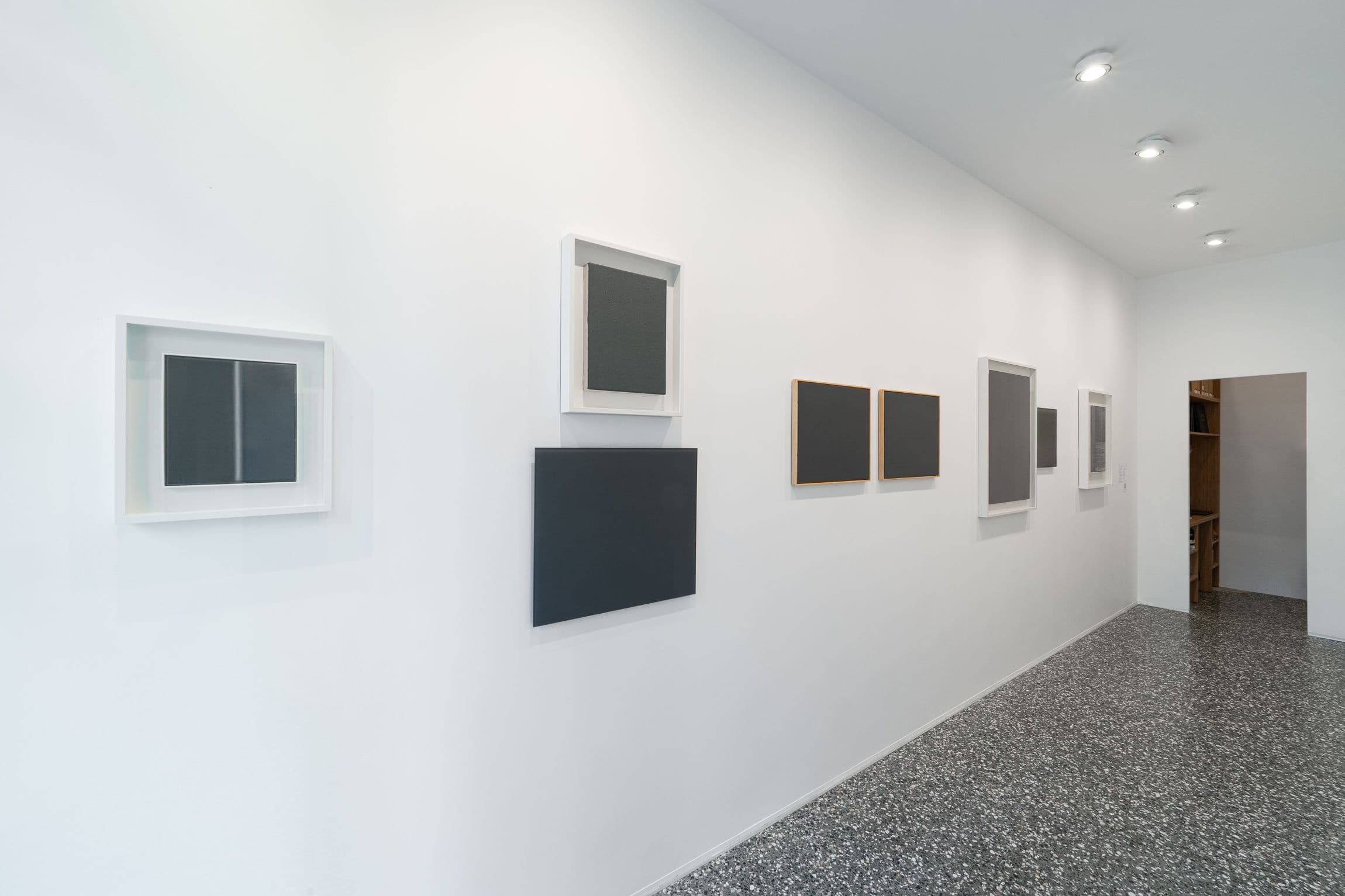
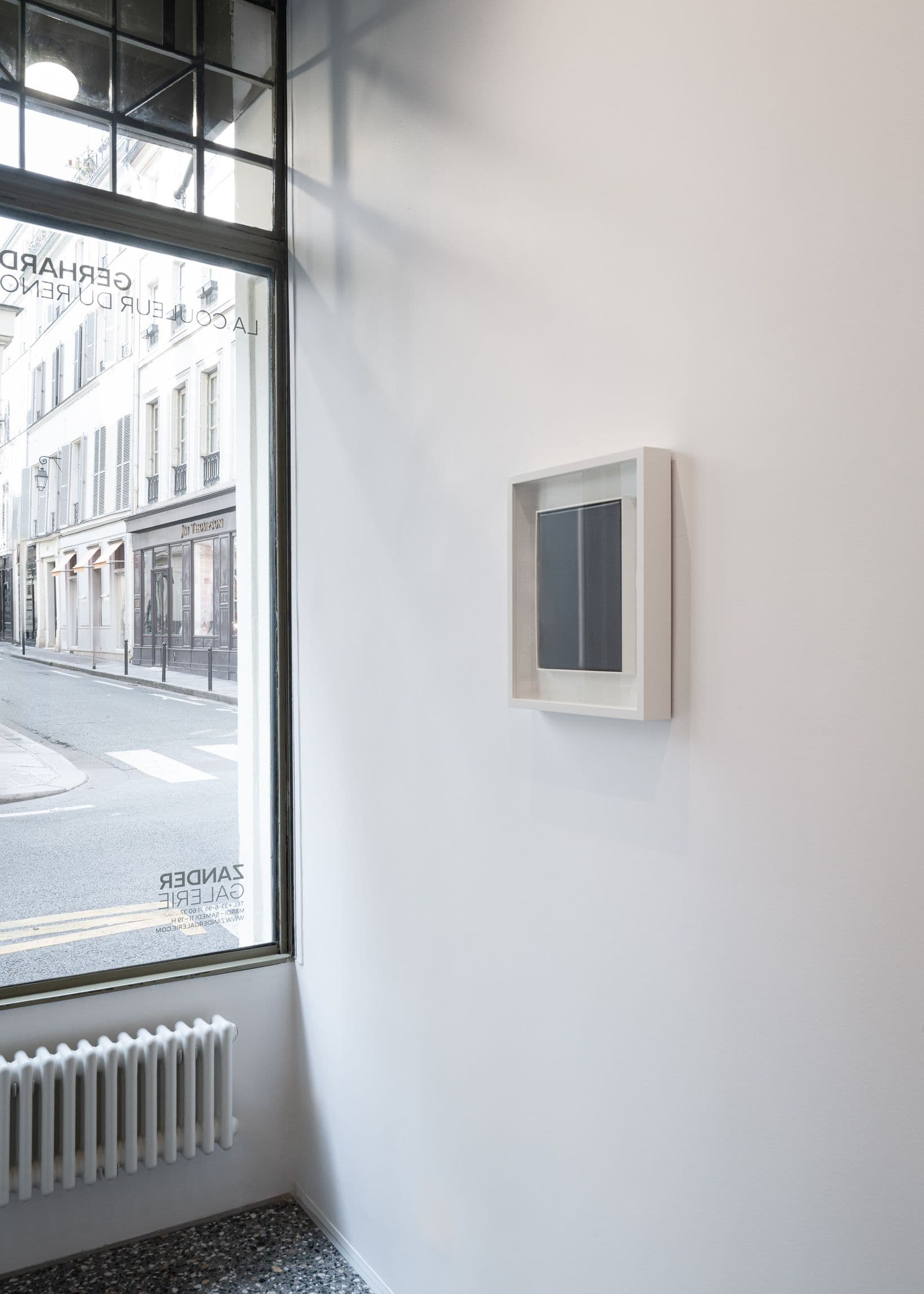
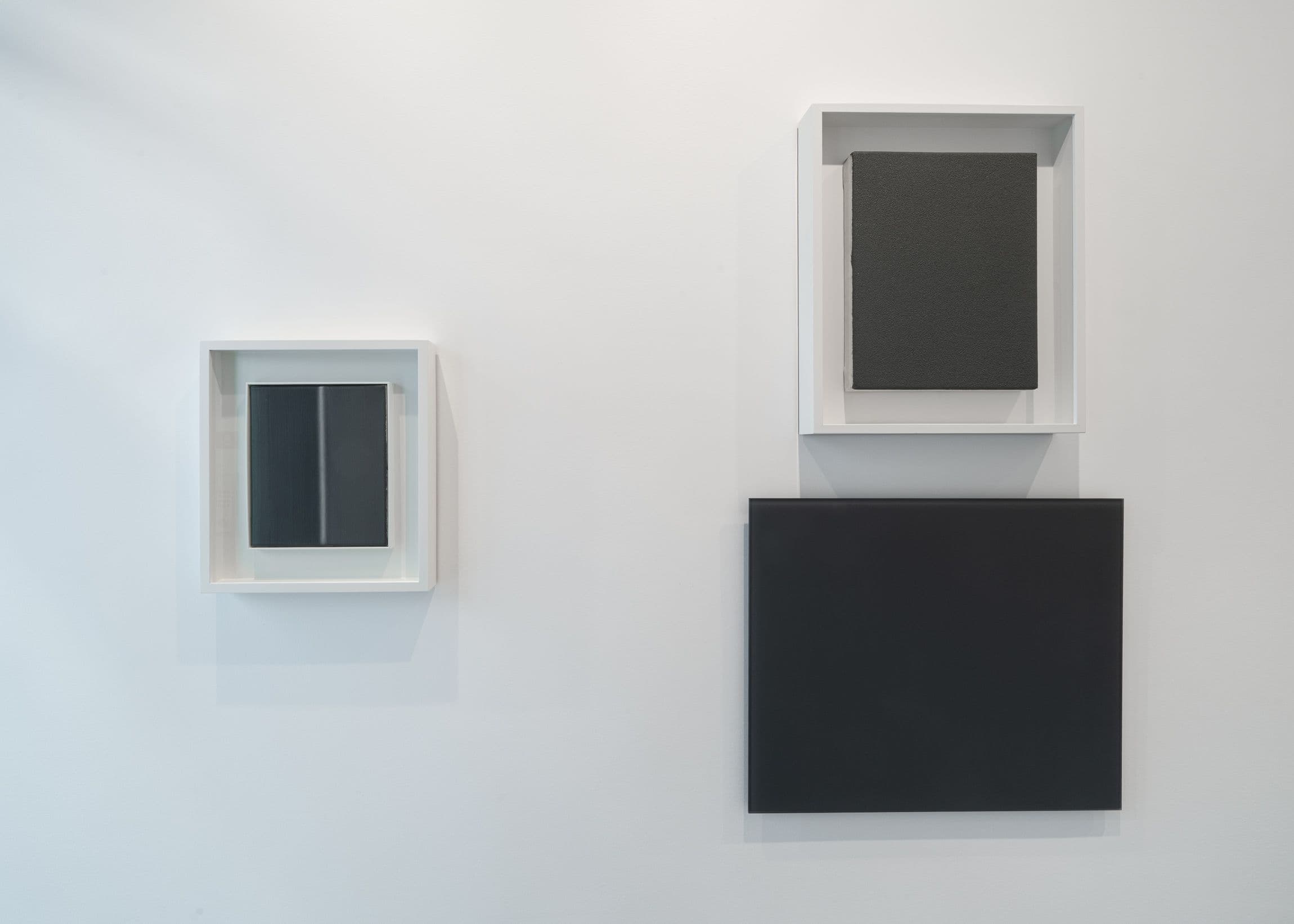
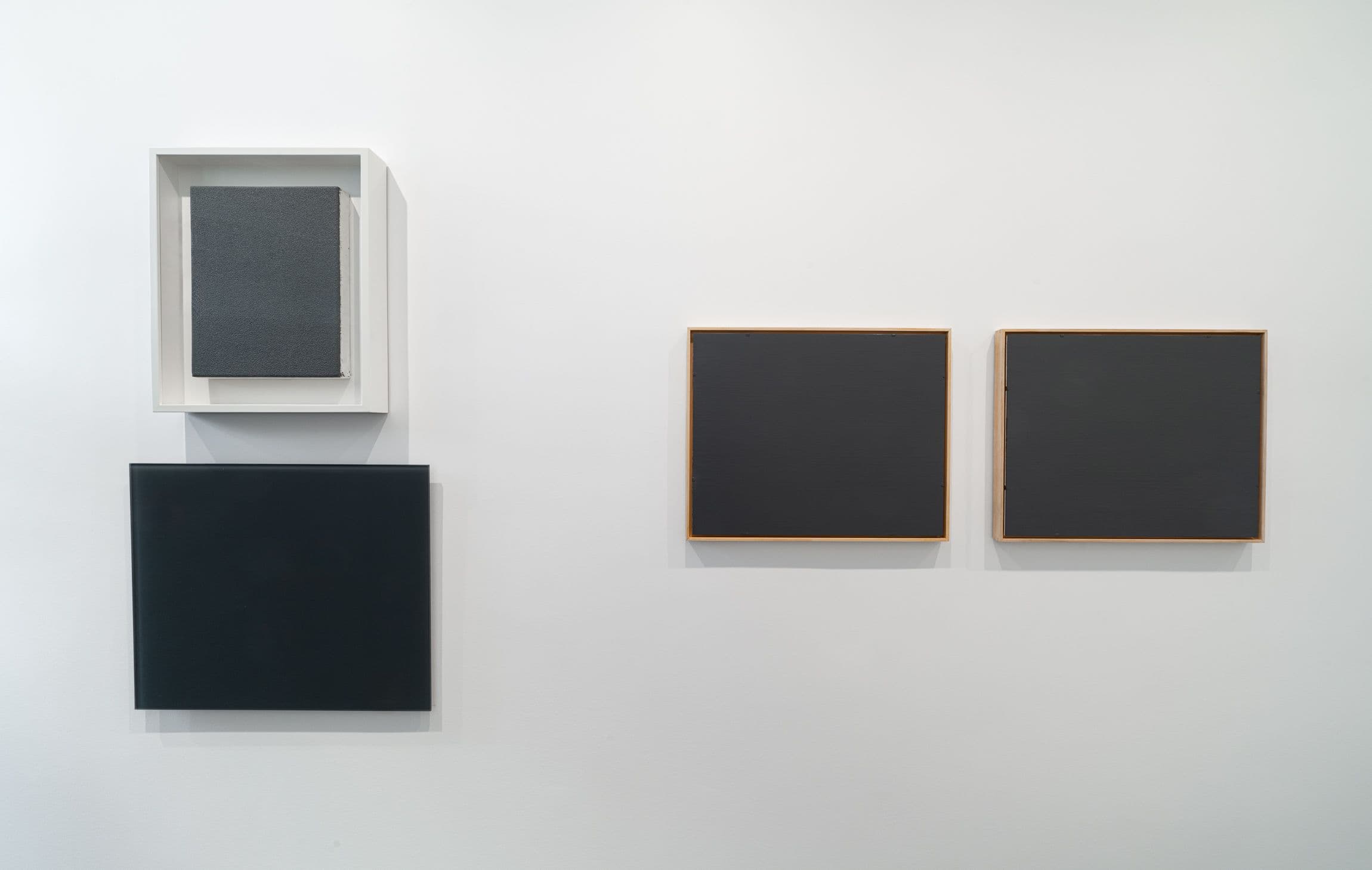
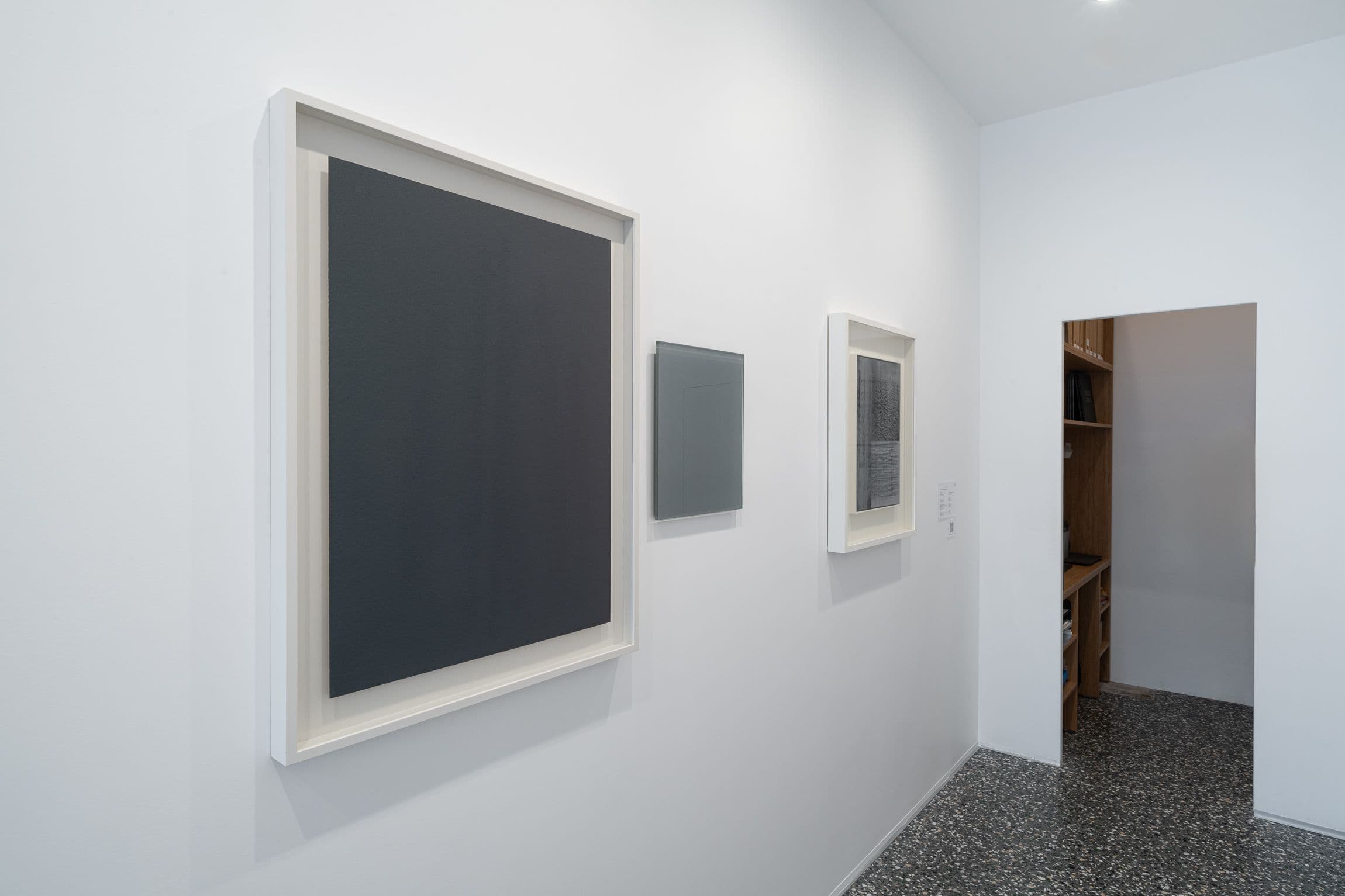
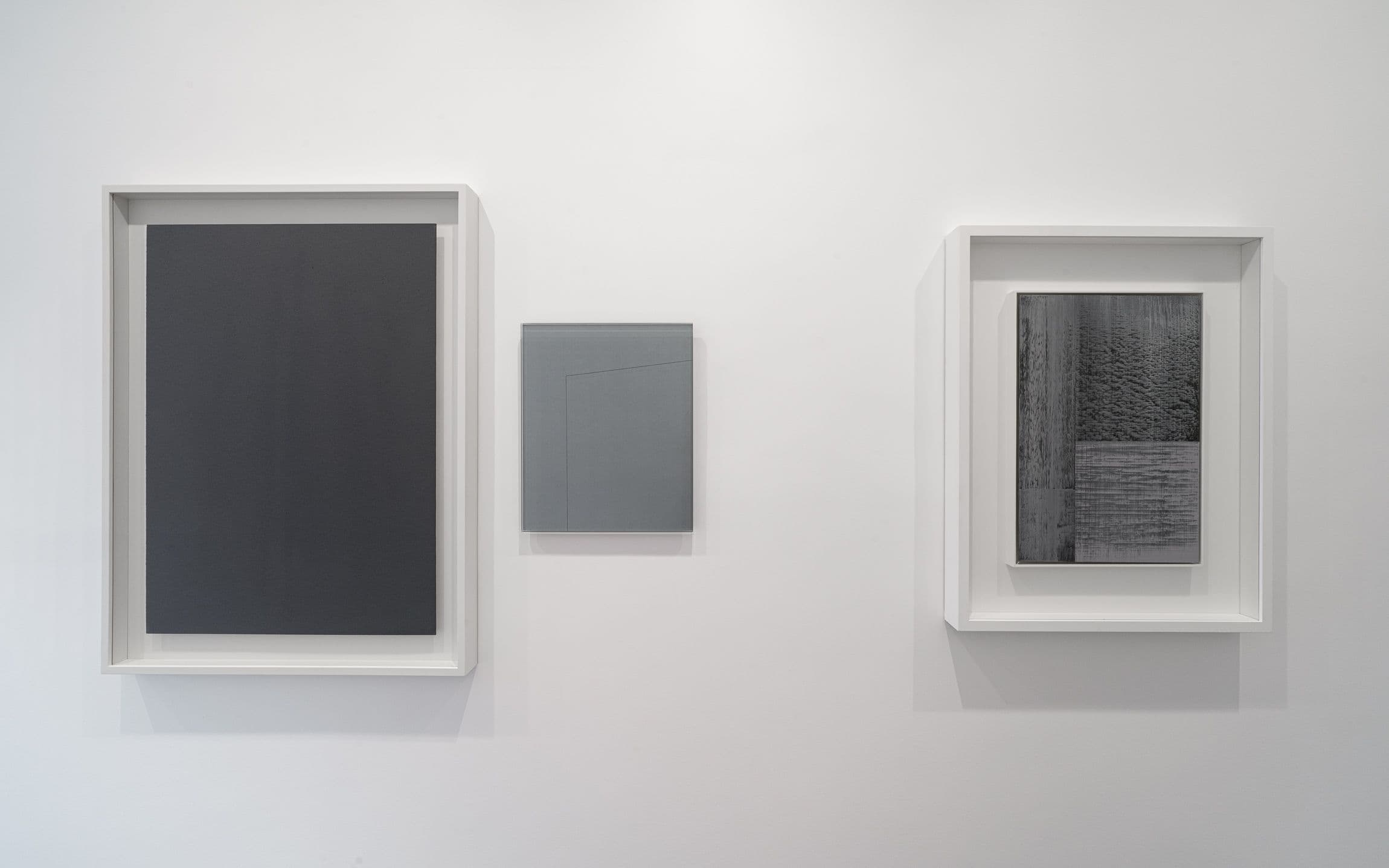
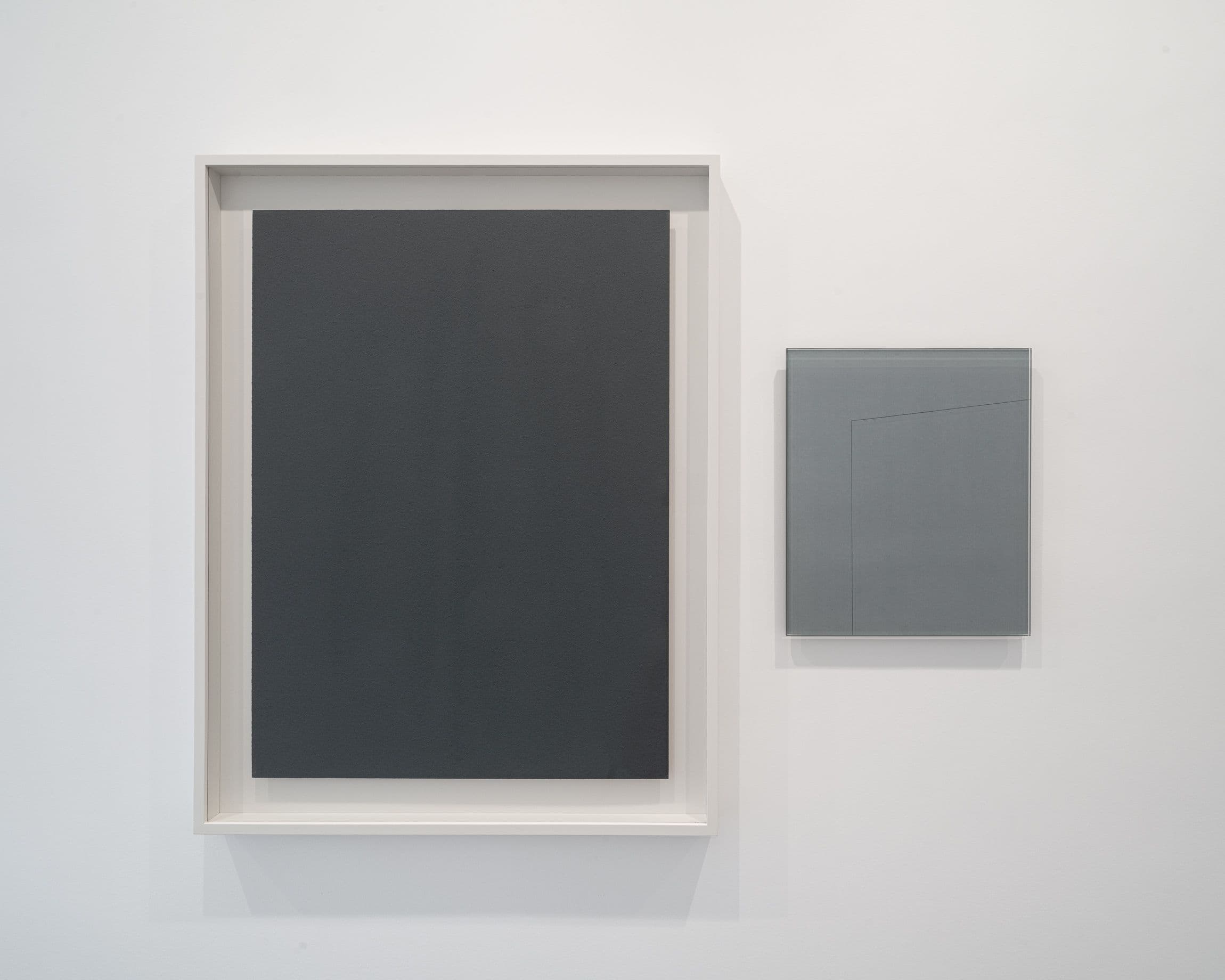
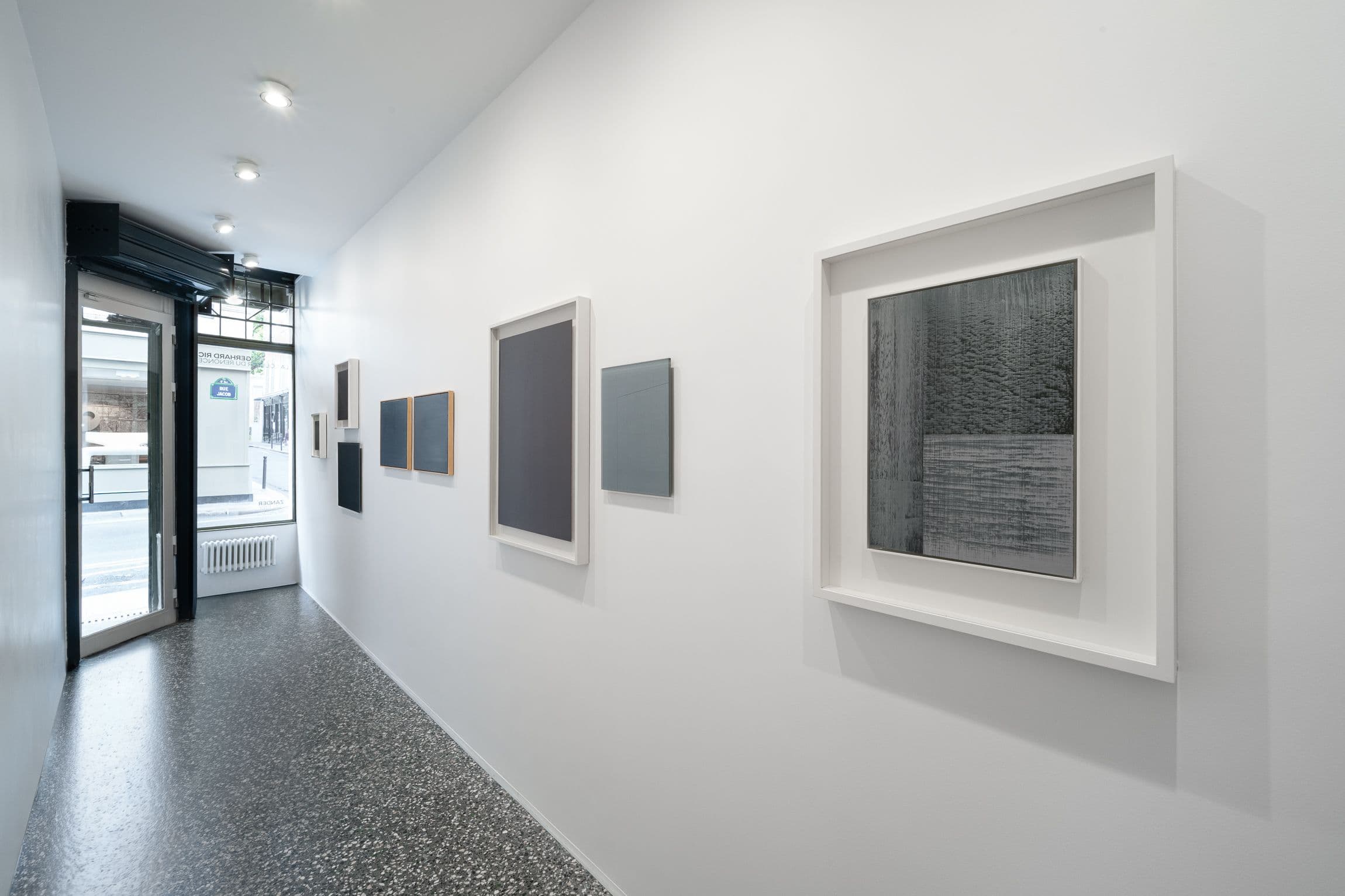
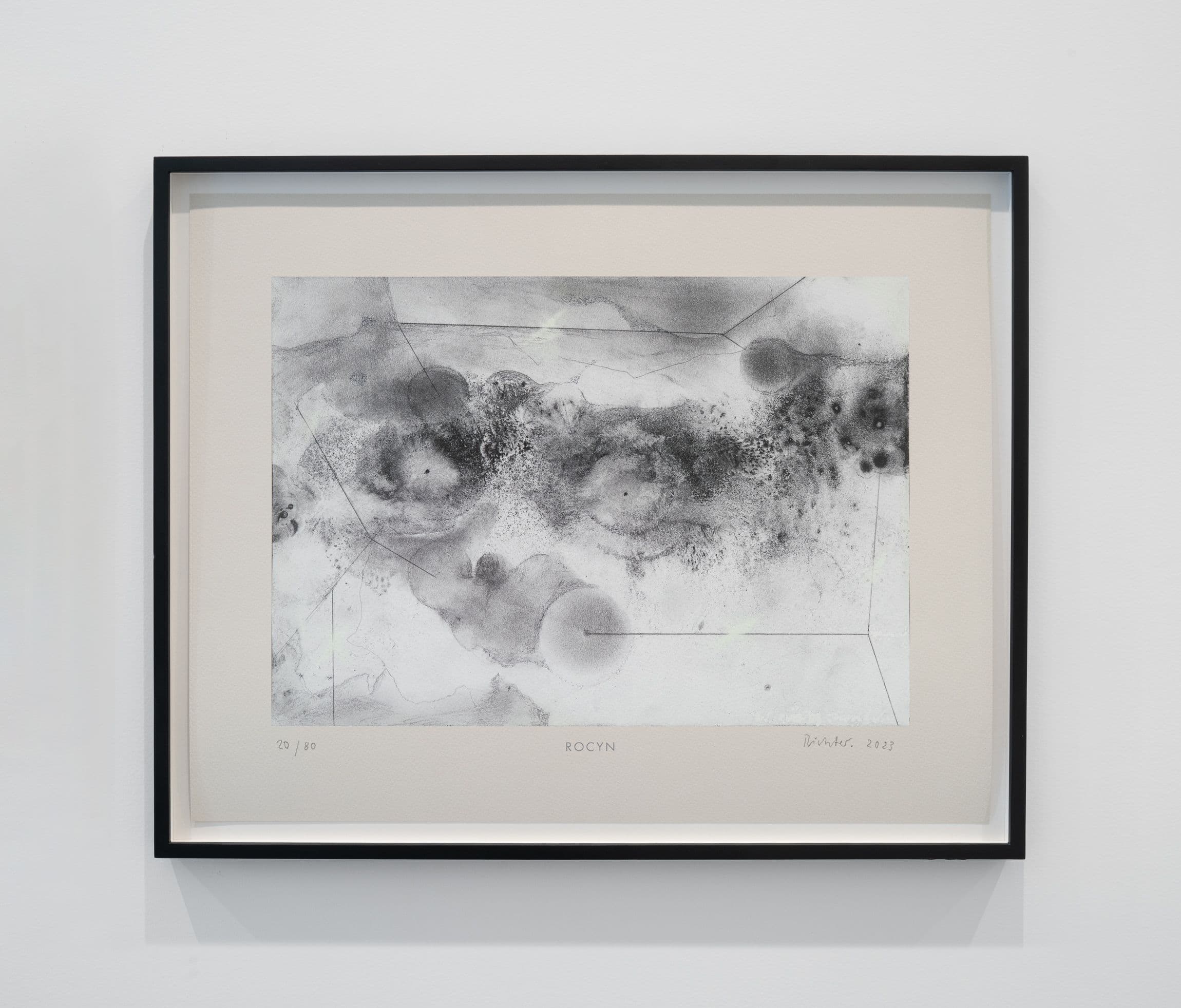
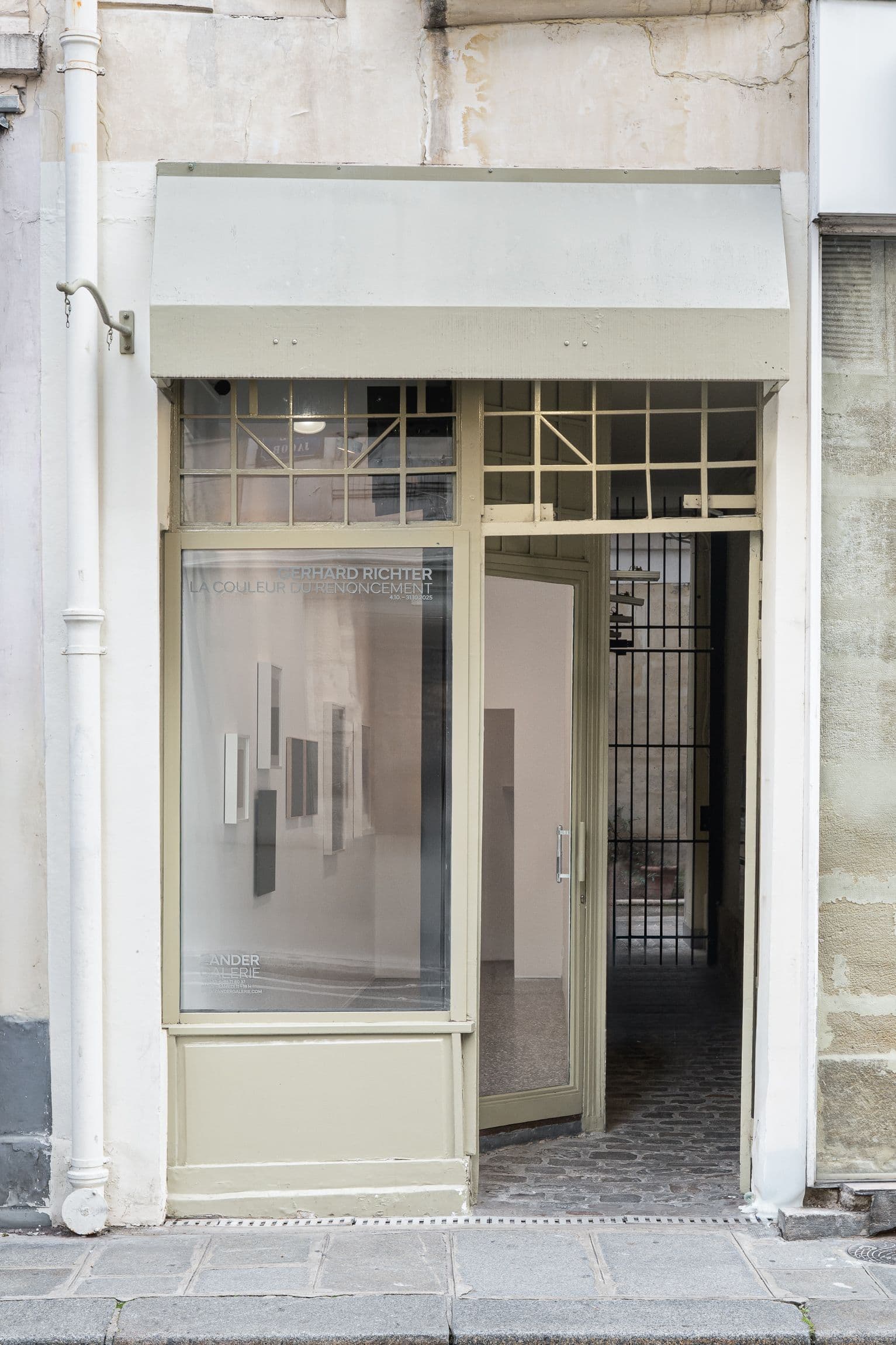
Zander GalerieZander Galerie Paris is pleased to present its upcoming exhibition dedicated to one of the most influential figures of contemporary art, Gerhard Richter, and to one of the most radical aspects of his practice: his grey paintings and objects. The title La Couleur du Renoncement evokes a deliberate act of withdrawal: a renunciation of image and narrative that mirrors Richter’s own radical reduction of painting to its most essential elements. At a time marked by personal doubt and inner turmoil, this renunciation was not a loss but a necessary condition for achieving a profound intensity in which painting regains its fundamental power. Born in Dresden in 1932 and trained in East Germany under the doctrine of Socialist Realism, Gerhard Richter chose in 1961 to leave that ideological system, moving to Düsseldorf just months before the construction of the Berlin Wall. Confronted with the languages of Western abstraction and postwar modernism, Richter deliberately distanced himself from both, instead forging his own form of anti-painting. By the mid-1960s, he had gained recognition for his blurred photo-paintings, based on press images and family snapshots, which called into question the reliability and objectivity of the image. At the same time, he developed systematic series such as his colour charts, abolishing aesthetic hierarchies and placing chance at the core of the creative process. These experiments, rooted in a dialectical engagement with the history of painting and its relationship to photography, prepared the ground for his first monochrome works. Beginning in the early 1970s, Richter fully committed to this exploration with his Graue Bilder (Grey Paintings). These works marked a decisive shift in his practice: by erasing vivid colour and recognisable motifs, Richter stripped painting of both narrative and individual expression. The canvas became an autonomous field, built up through successive layers applied with a brush, roller, or squeegee, producing surfaces that range from uniform matt finishes to dense, vibrating textures. Richter would prepare his mixtures of grey in advance, apply them, and rework the surface, often adding further layers until a fragile visual balance was achieved. Each work becomes a material trace of repeated, controlled gestures, where discipline and chance are in constant dialogue with an almost scientific precision. For Richter, grey–the sum of the three primary colours: red, yellow, and blue–is not an absence but a paradoxical presence. As he explained in a 2004 conversation with artist Jan Thorn-Prikker, “I think grey is an important colour – the ideal colour for indifference, fence-sitting, keeping quiet, despair. In other words, for states of being and situations that affect one, and for which one would like to find a visual expression,” yet through the act of painting the works arrive at a form of austerity, calm, and unexpected beauty. This transformation gives the Graue Bilder a meditative and critical dimension, confronting the viewer with the raw materiality of painting. In La Couleur du Renoncement, works from different periods are brought into dialogue to highlight the persistence of this exploration throughout Richter’s career. From the early canvases of the 1970s, to later works on glass and grey mirrors, in which the surface becomes reflective and literally incorporates the viewer into the artwork, a remarkably coherent trajectory unfolds. The grey mirrors not only include the viewer into the pictorial field, but also radicalise painting itself, collapsing its two fundamental paradigms: painting as a window onto the world and as an opaque object. Far from being a mere non-colour, grey here stands as a response to the proliferation of images and meanings in contemporary culture. Refusing to offer a stable interpretation, Richter’s Graue Bilder unsettle our visual certainties and lead us back to our own zones of doubt. This questioning resonates with the spirit of renunciation that defines the grey works presented in this exhibition. Through this deliberately restrained language, Richter turns apparent absence into profound intensity, where silence becomes a form of resistance and painting reclaims its essential power.