

Lower East Side, New York
Group Exhibition
The Ordinary
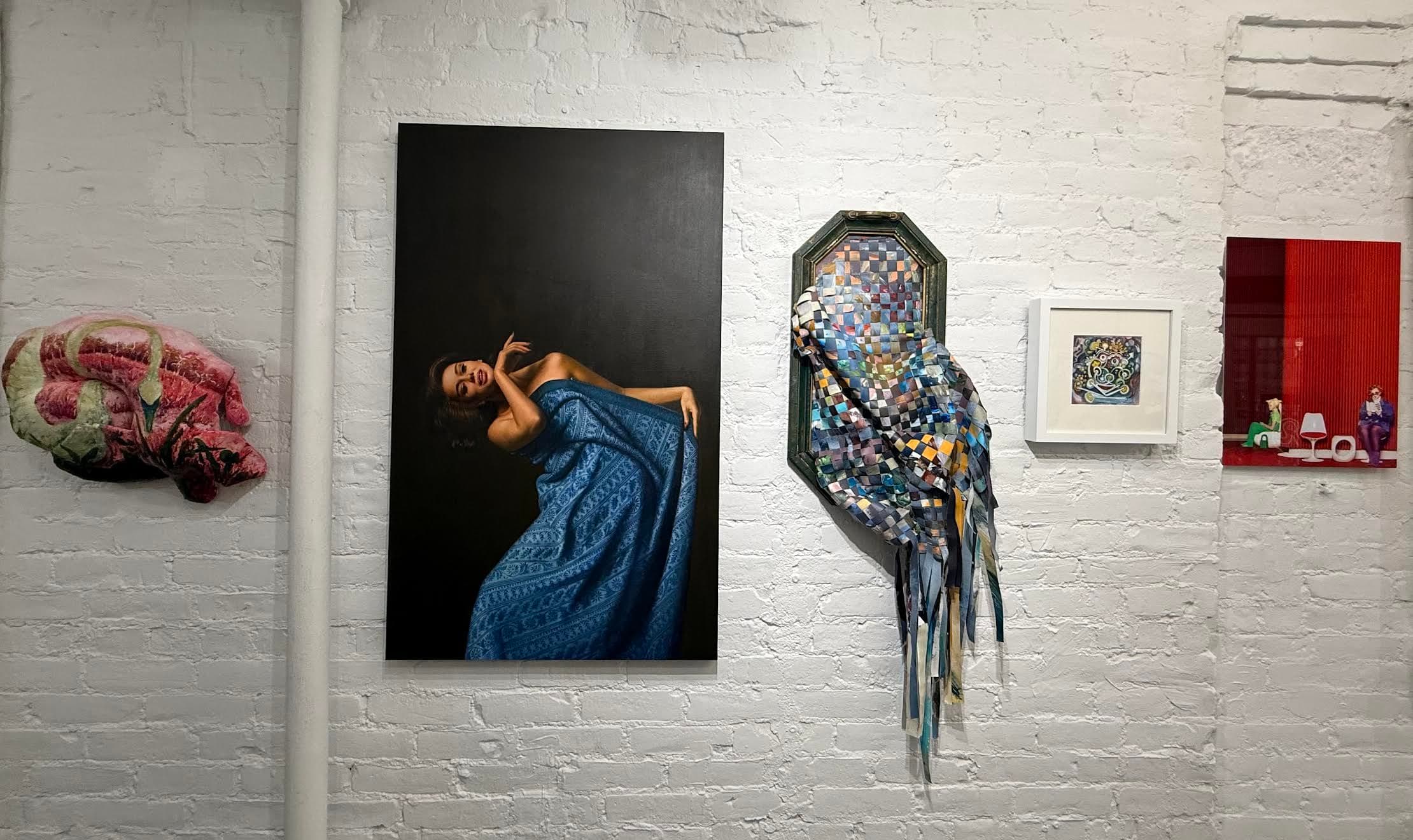
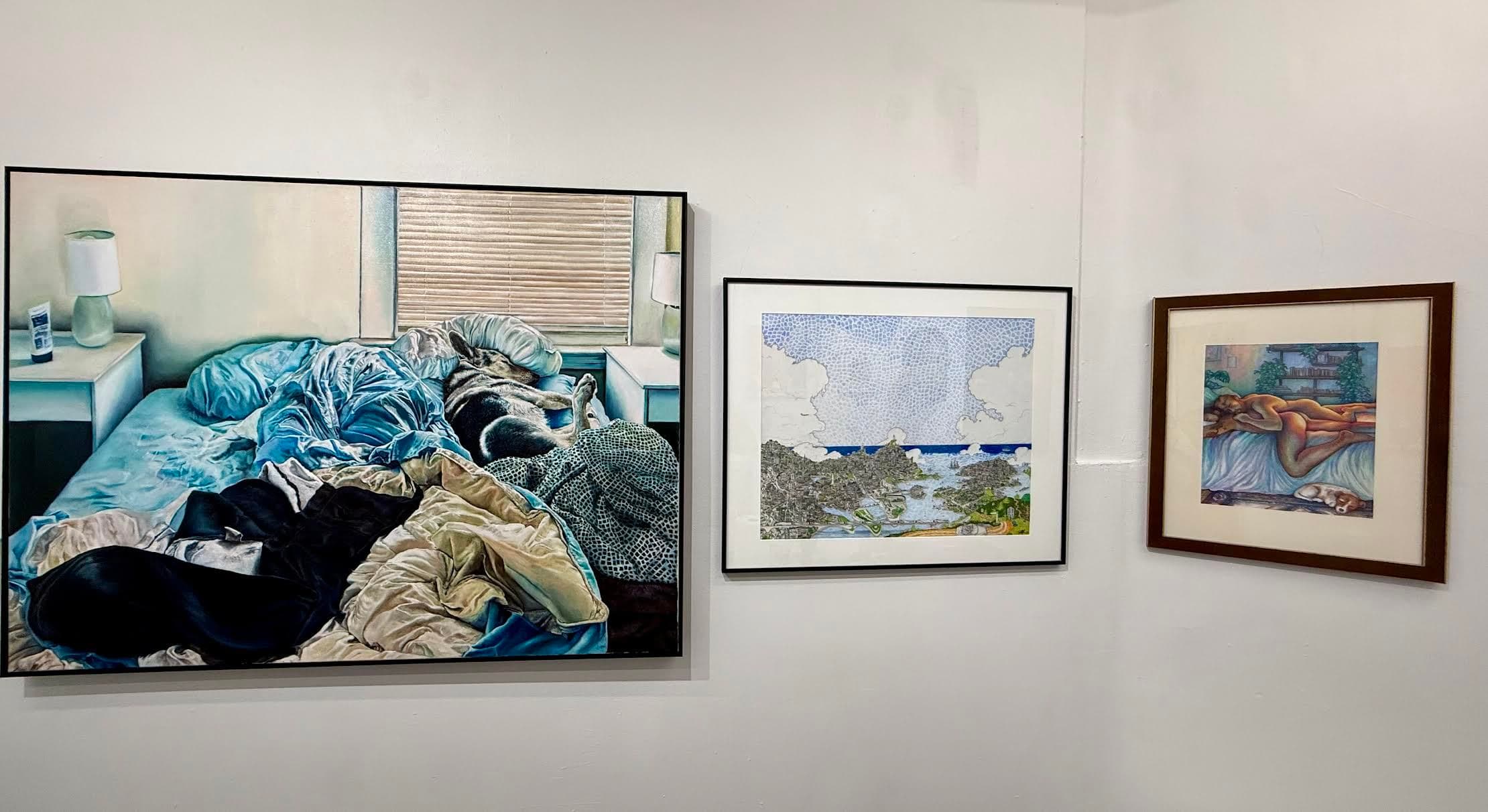
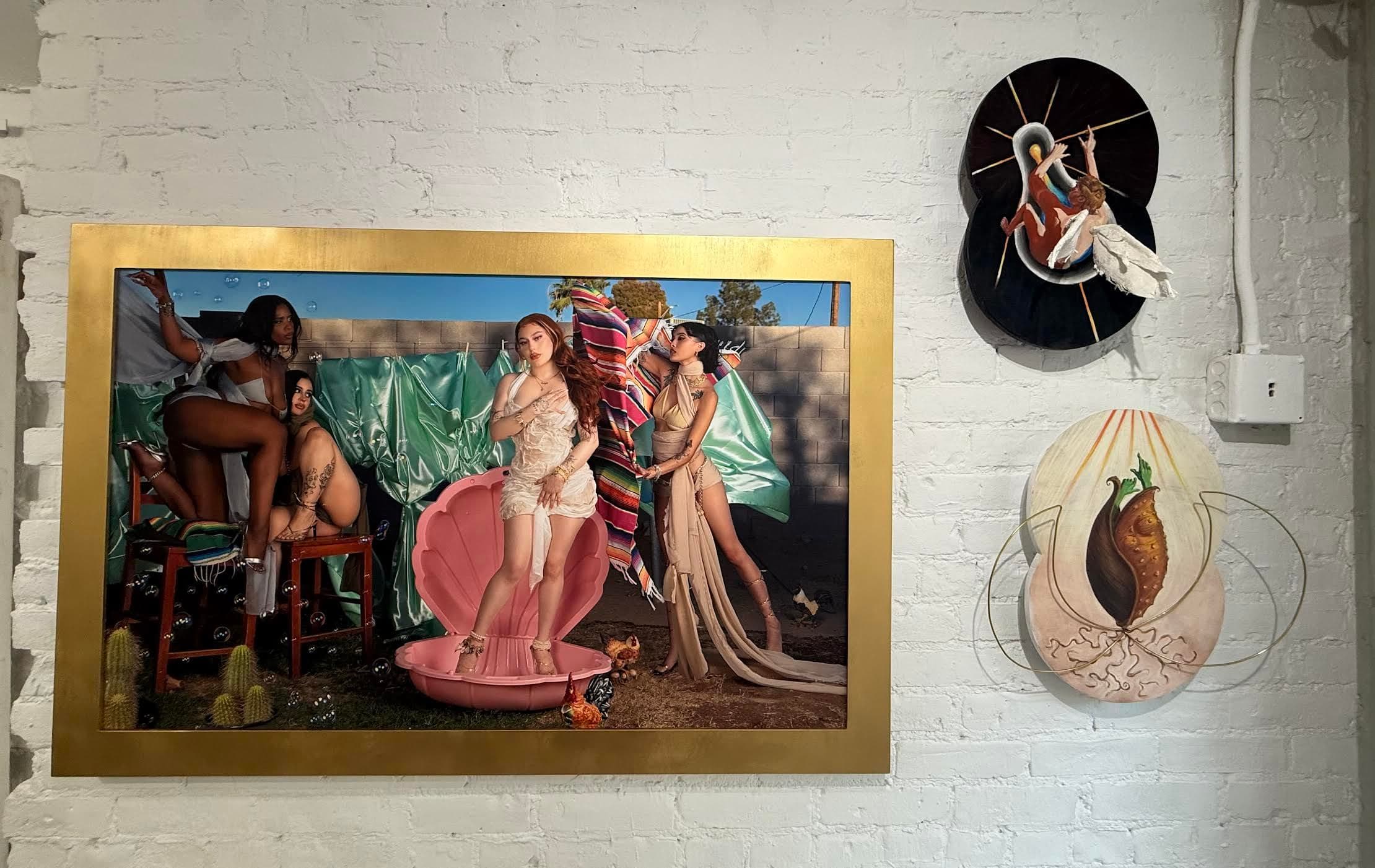
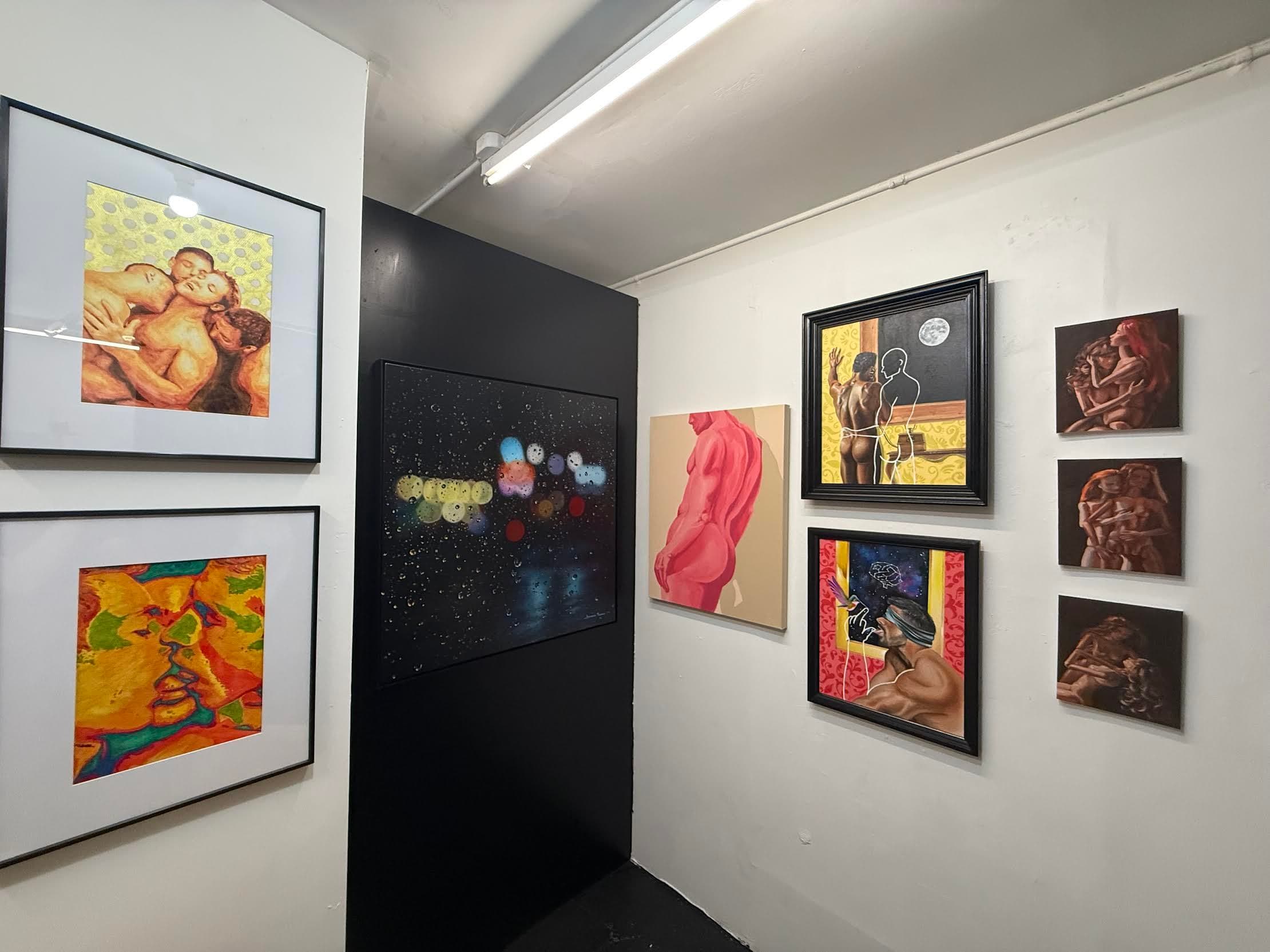
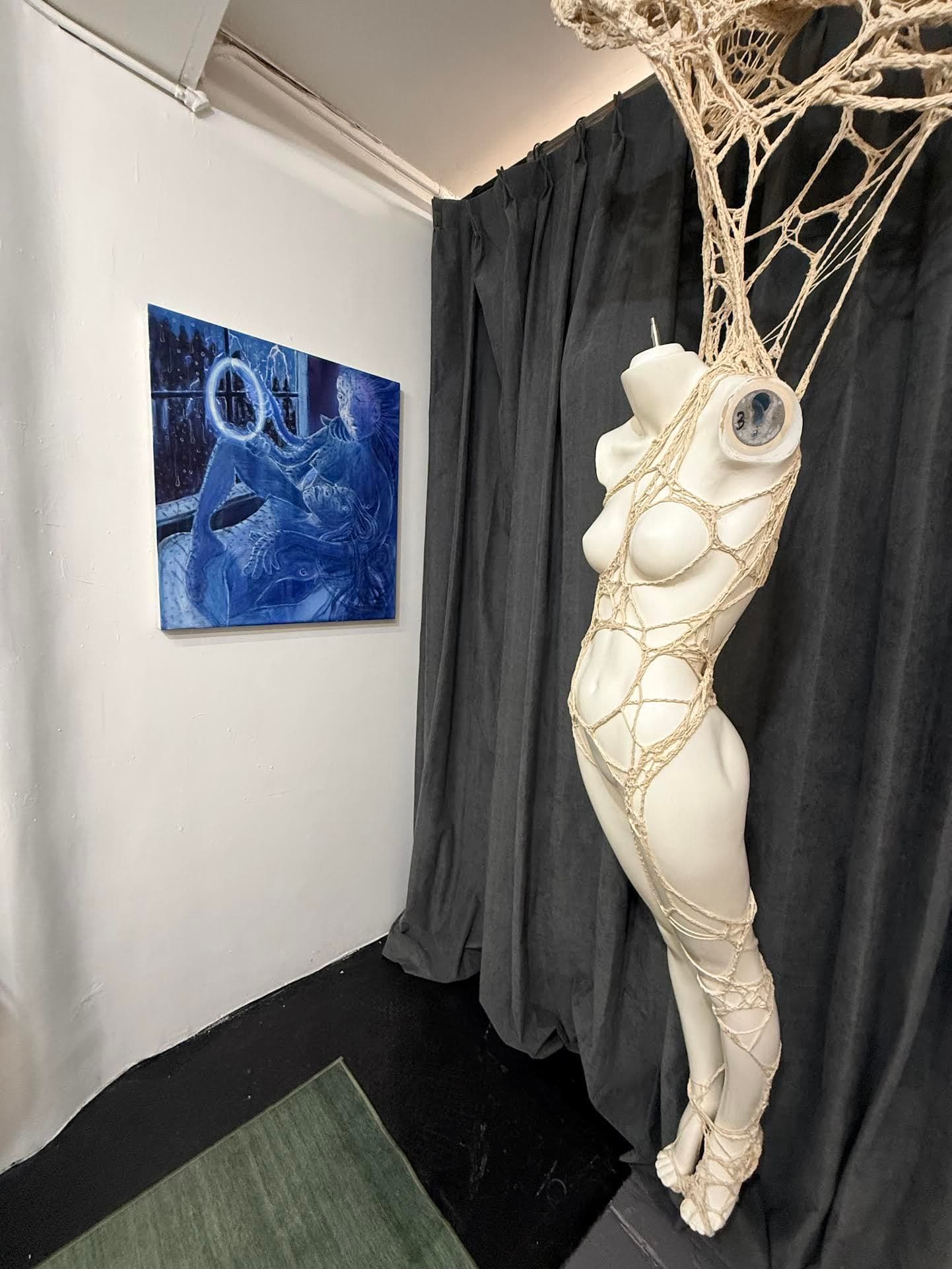
Collective Z GalleryTom Acevedo, Zak Pop Art, Creed Bauman, Evelyn Beliveau, Tanner Bosma, Matt Cauley, Courtney Charles, Dante Cioffoletti, Joan Cox, Mitchell Craig, Kaden Bard Dawson, James Falciano, Paul Gravett, Mufid Hanna, Bill Hendricks, Jack Mac, Dario Mohr, Robbie Piper, Leo Pontius, Joshua Roberts, Anya Rosen, Omar Soto, Patrick Webb, Doron Wolf, Veronica Wolfgang, Saul X Collective Z presents The Ordinary, a Pride Month group exhibition of twenty-six queer artists. The exhibition takes as its premise a quiet provocation: that the most radical claim a queer life can make is not to be extraordinary, but to be ordinary — and to be ordinary on its own terms, without editing out the parts that make it real. For much of its history, queer visibility has been staged as spectacle — the parade, the protest, the figure who refuses to disappear. The Ordinary turns instead toward what that visibility was always meant to secure but rarely guaranteed: the everyday. A shared bed, a kiss in the kitchen, a name said without flinching. The exhibition treats domestic intimacy as its central subject rather than its backdrop — in James Falciano's sleeping nude among books and houseplants, in Joan Cox's couple bending to a forehead kiss in a lived-in room — and insists that for queer people the unremarkable has never been a given. It is the achievement. What gives the show its edge is its refusal of the bargain that usually accompanies acceptance: that to be ordinary, a queer life must first be made respectable. The everyday it claims stays whole and unsanitized — devotional and erotic, grieving and camp. Saul X buckles a ball gag across a leather Bible; Paul Gravett crowns a pin-up with a hand-stitched halo; Mufid Hanna draws an absent lover as a bare white outline at the end of a telephone line. Desire, faith, and loss are not exceptions to ordinary life here. They are its texture. The same insistence runs through the show's portraits and invented worlds, where artists picture lives — and whole landscapes — on their own terms. Bill Hendricks dissolves a tribute to Marsha P. Johnson into a flower-crowned abstraction; Omar Soto restages Botticelli's Venus in a sunbaked backyard kiddie pool; Robbie Piper draws an entire imaginary city in ink and watercolor, line by patient line, over thousands of hours. To make the ordinary is, for these artists, also to remake the world that withheld it. Across painting, photography, textile, sculpture, and works on paper, The Ordinary proposes that belonging means having the whole of a life count — tender and filthy, sacred and ridiculous, in love and in mourning. That this remains, for so many, the most radical request of all is the argument the exhibition leaves in the room.