
SoHo, New York
Joseph Cochran II
Public Work
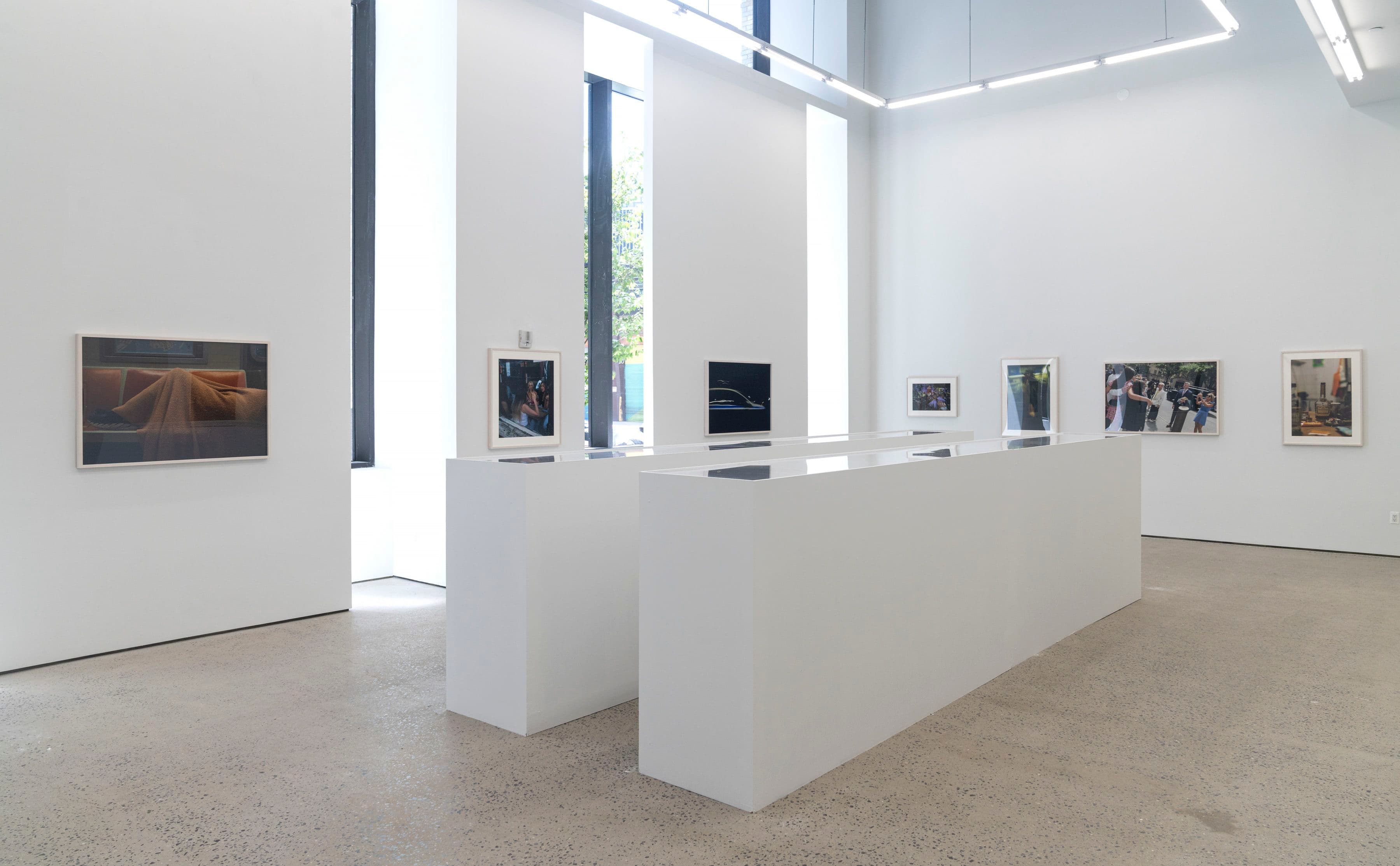
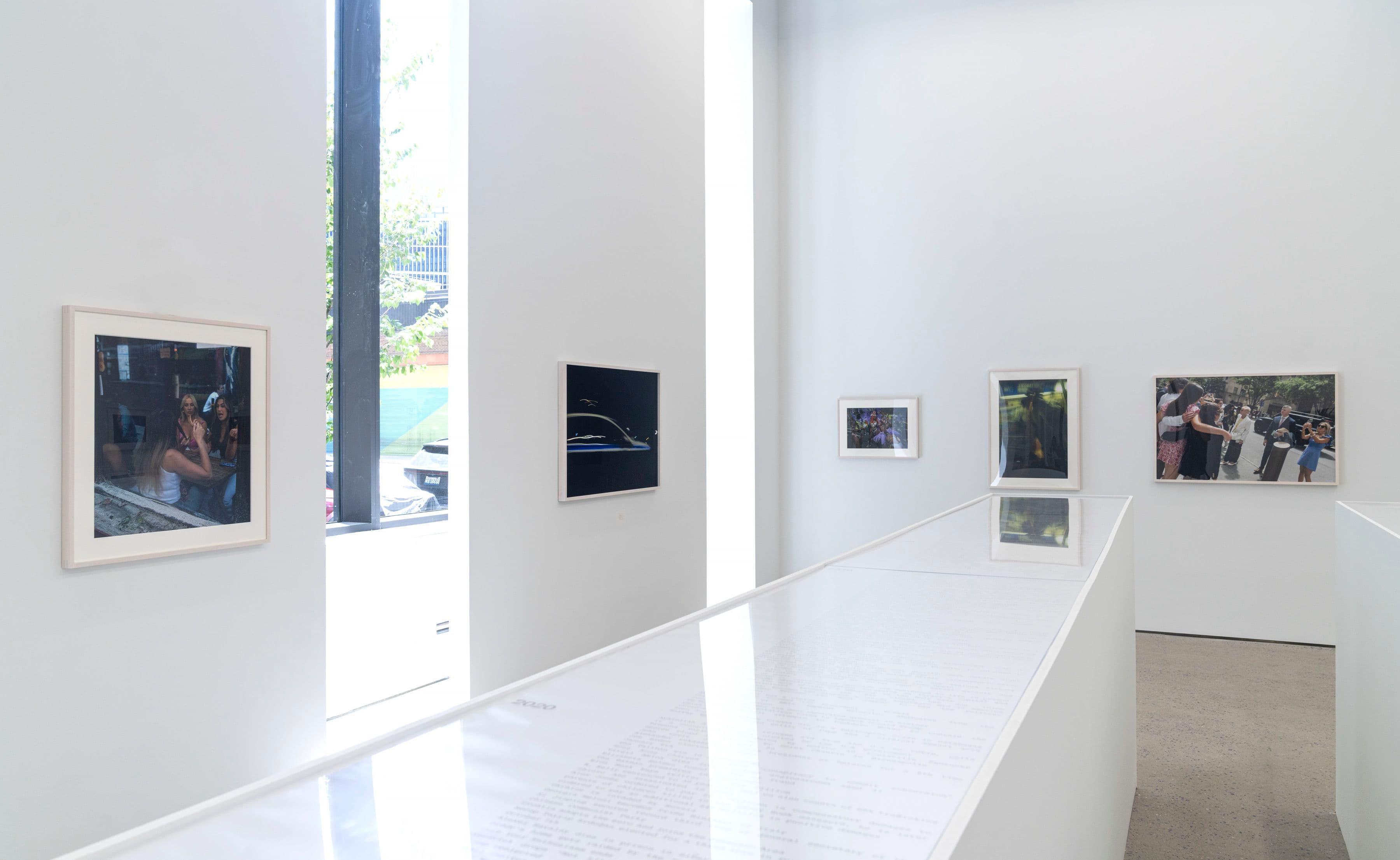
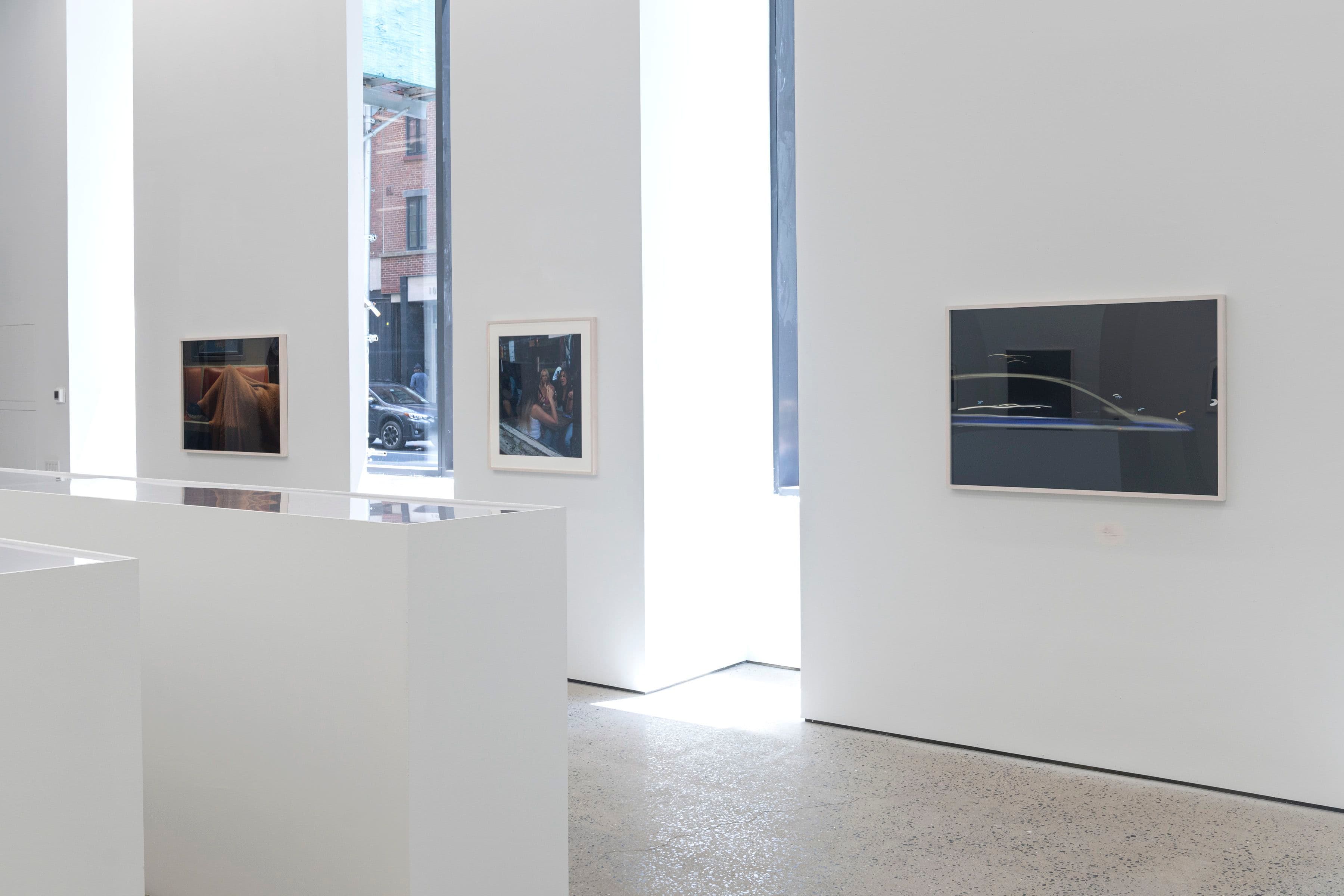
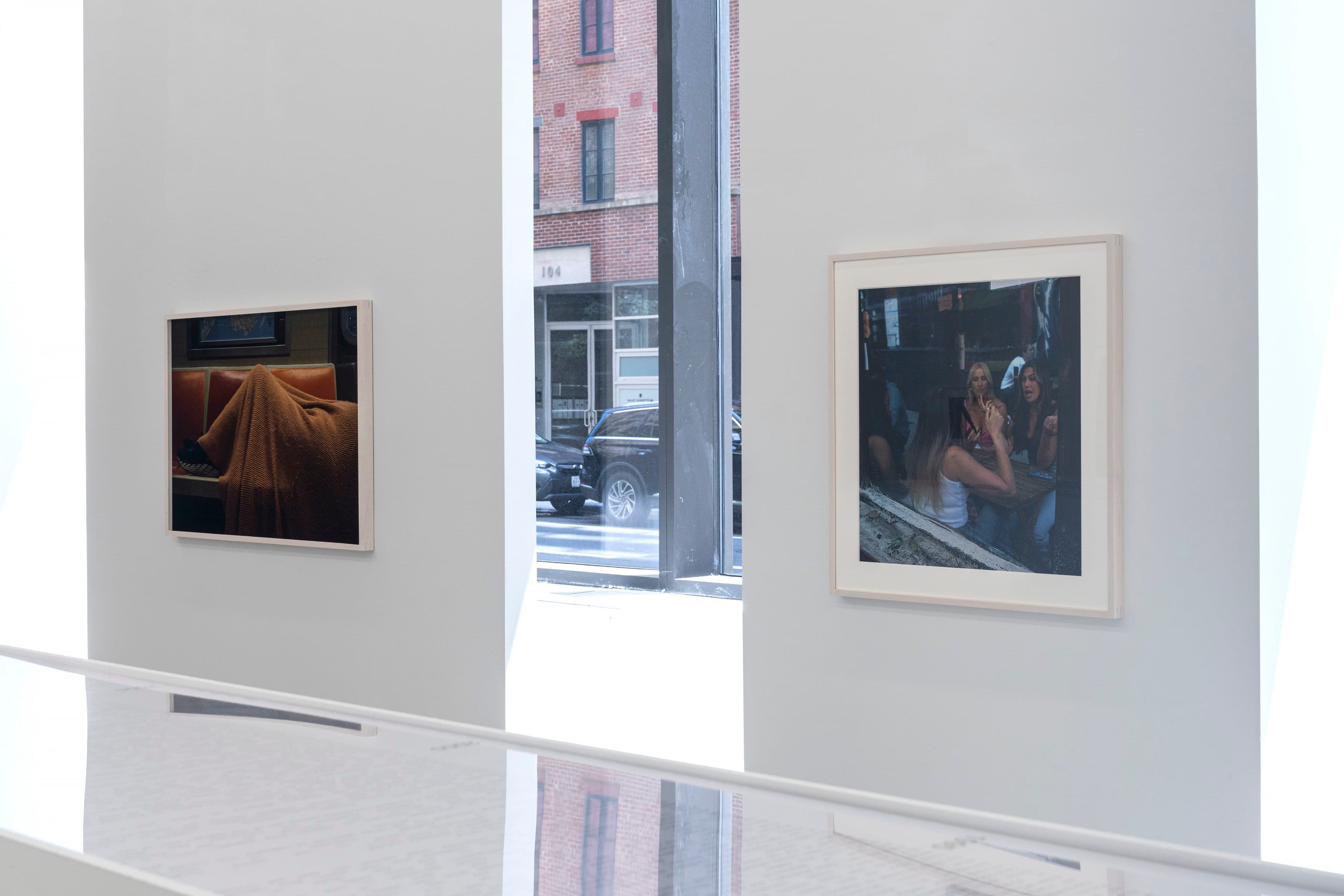
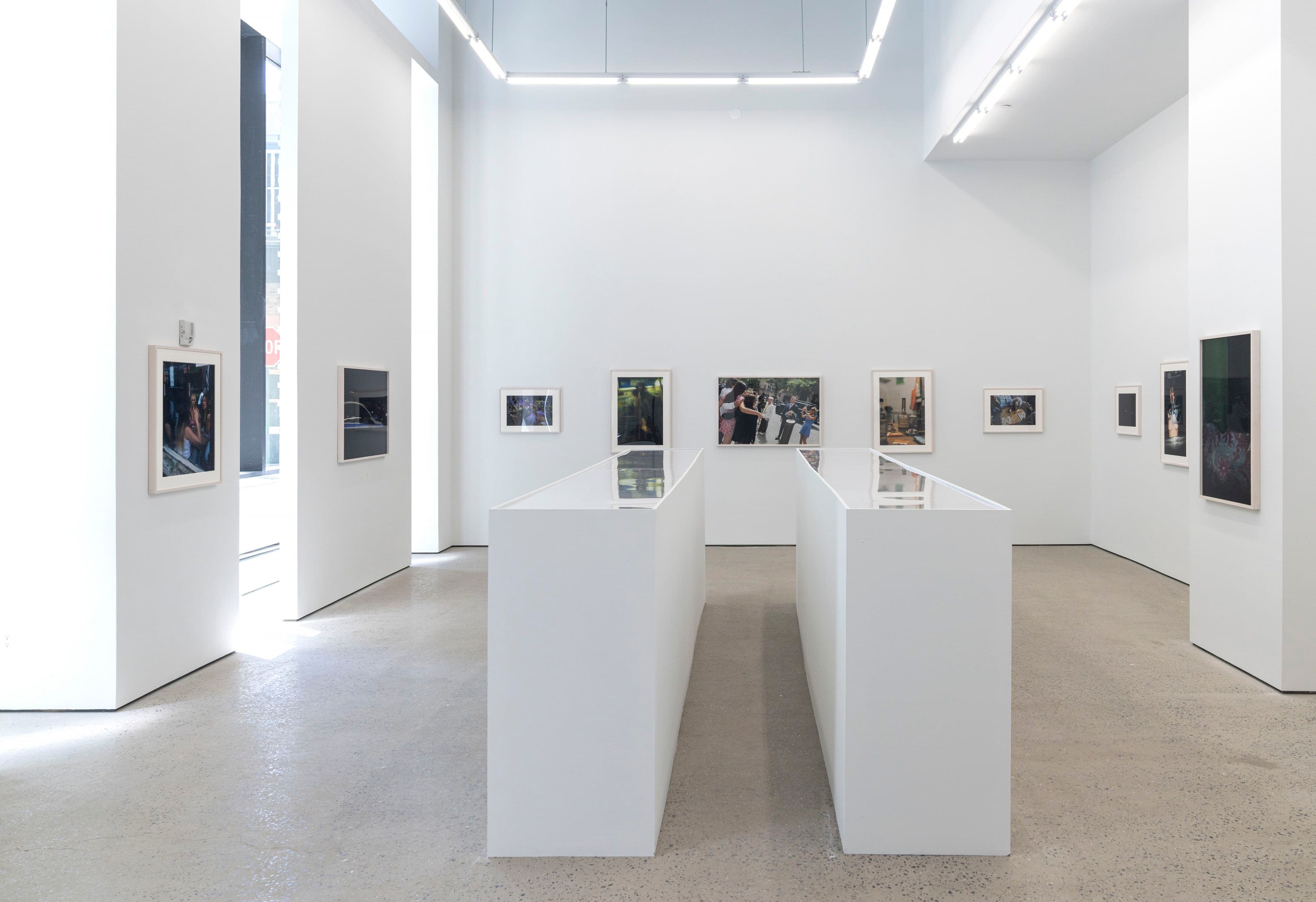
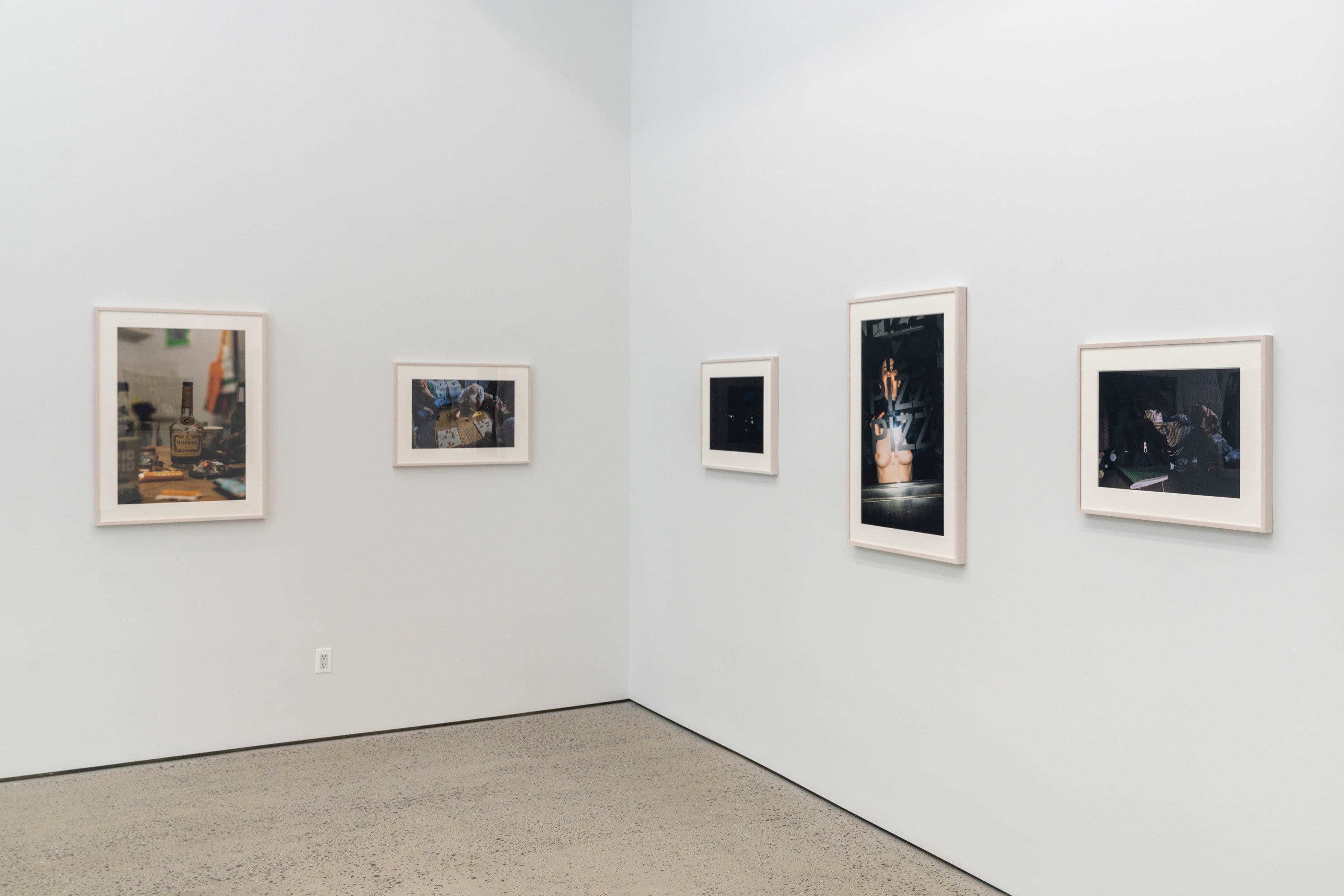
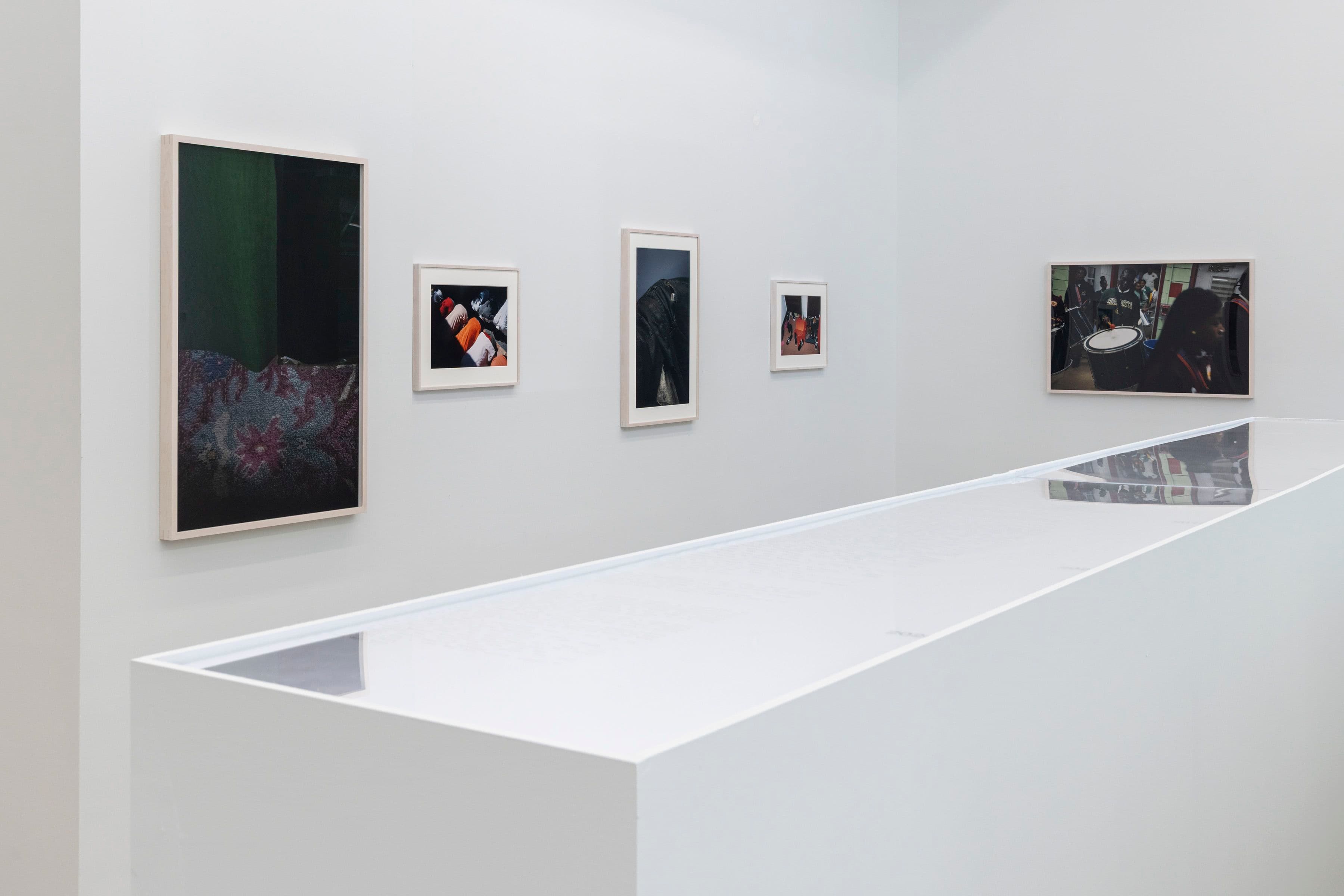
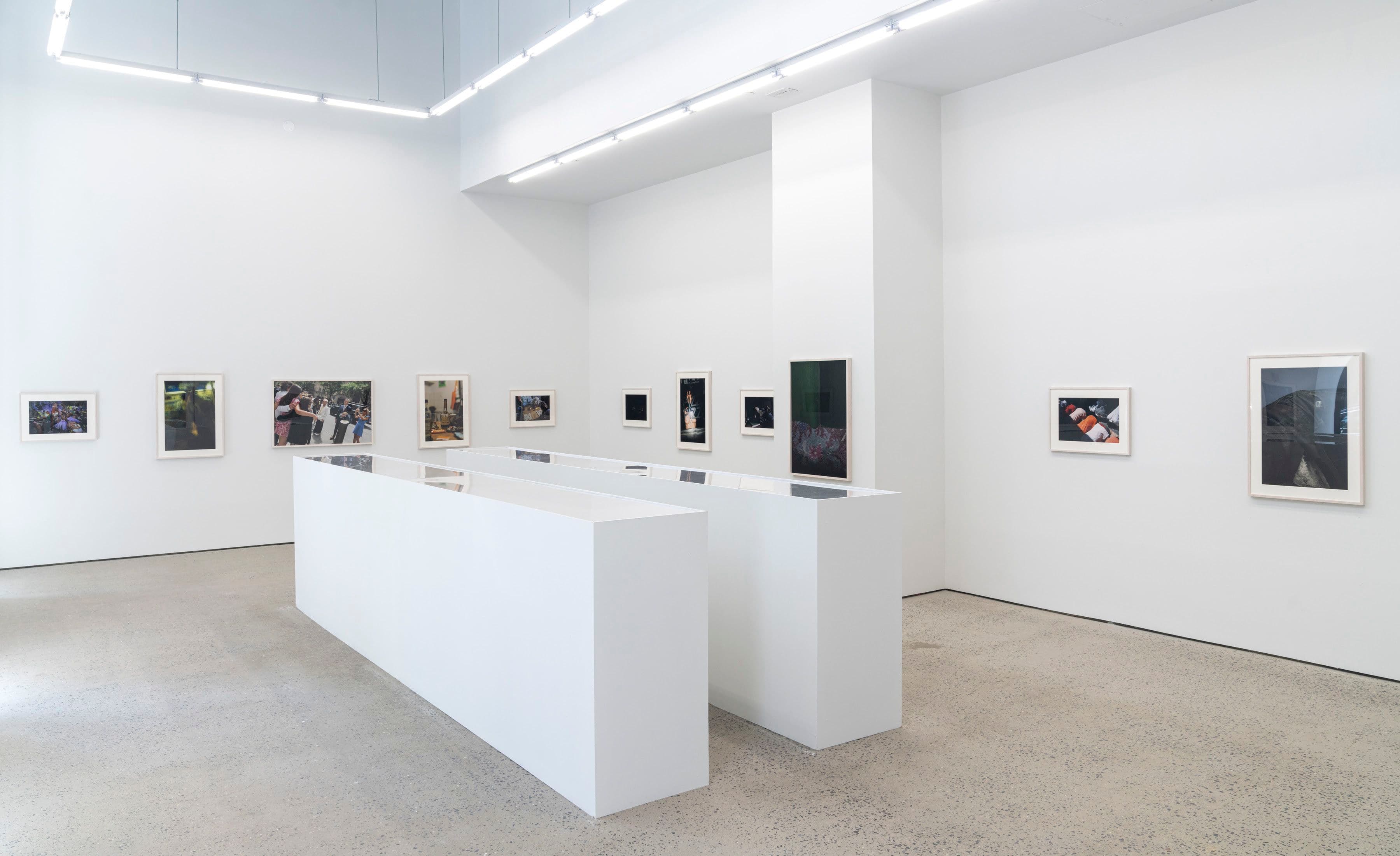
Swivel GallerySwivel Gallery is pleased to present Public Work, Joseph Cochran II’s second solo exhibition with the gallery. The exhibition showcases a new body of work by the artist that explores photography not only as a mode of documentation, but as a social practice — a tool of resonance. The focus of Public Work roots deeper than the practice of image-making, it rather re ects a sustained inquiry into how photographs can operate in response to civic life, echoing through the social eld and becoming part of its texture. Through nearly a decade, Cochran has developed a practice attuned to how public life is structured, sustained, and strained, delving into its nuances in a studious manner to investigate how photography can intervene in that space. Rooted in the artist’s engagements with public education, electoral politics, and city legislature, Public Work investigates the visible and invisible frameworks that underpin society. The series traces a progression: from observation to proximity, from proximity to responsibility. What emerges is a nuanced portrait of civil society as something not abstract, but built and maintained through labor — labor that is often under-recognized, and often taken for granted. At the core of this exhibition is a focus on those who work on behalf of the public — across all levels of infrastructure: educators, drug dealers, transit workers, the food industry, nightlife entertainers, sanitation crews, legislative aides, cops, hedge funders, strippers, and everything in between. The images center their presence not as symbols, but as evidence of the lived mechanics of civic endurance. These individuals embody every facet of the idea of public, as both a formal role and quiet acts of daily commitment with the verdict of their actions judged by the individual, and that judgement based on their respective backgrounds and upbringings. Public Work offers up a selfess, unbiased attempt to turn its lens toward the public itself — the gestures, negotiations, and interpersonal exchanges through which shared space is activated and sustained. The photographs trace how space in the city is negotiated physically, emotionally, and temporally. Drawing from the language of cultural anthropology, Public Work observes the choreography of often overlooked, high-context rituals and low-context systems — from the spatial logic of signage and surveillance to the rhythms of bureaucracy, legislation, and transit, and class division. These structures tend to operate on monochronic time: strict schedules, procedural scripts, the measured cadence of institutional life, or the concepts of “need”. But within and against that order, everyday life asserts itself in polychronic gestures — layered, interrupted, improvisational. Public Work gives a deep glimpse into the world that we live in, one that cannot be controlled or predicted. The body of work asks, “What does it mean to move through a city marked by limited space, compressed time, and fragile trust? What happens when the public must take on responsibilities the state has abdicated? And how might visibility be reimagined — not as exposure, but as recognition?” While centered on the civic experience of New York City, the work extends beyond it. The artist’s broader practice spans rural and lesser-frequented locations across continents — communities that, like the artist’s native Brownsville, Brooklyn, hold their own forms of insulation, migration, and mutual care. Using a range of diaristic, journalistic, and abstract photographic approaches, Cochran constructs a visual language that resists linear narrative. These images exist in suspended time — unbound by fixed identity, oriented instead toward the unspoken dimensions of belonging, survival, and social exchange.