
Marais, Paris
Group Exhibition
Genesis
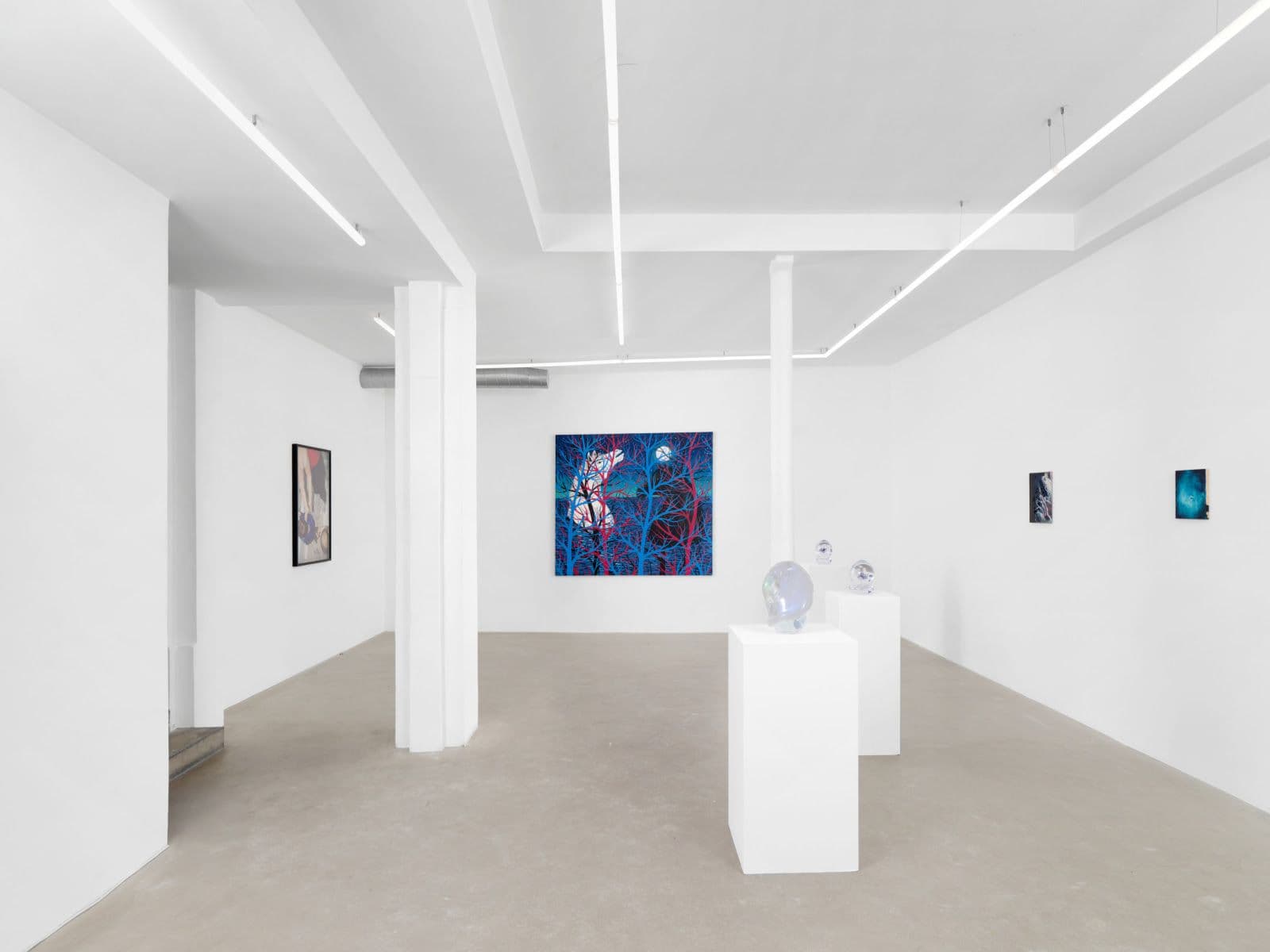
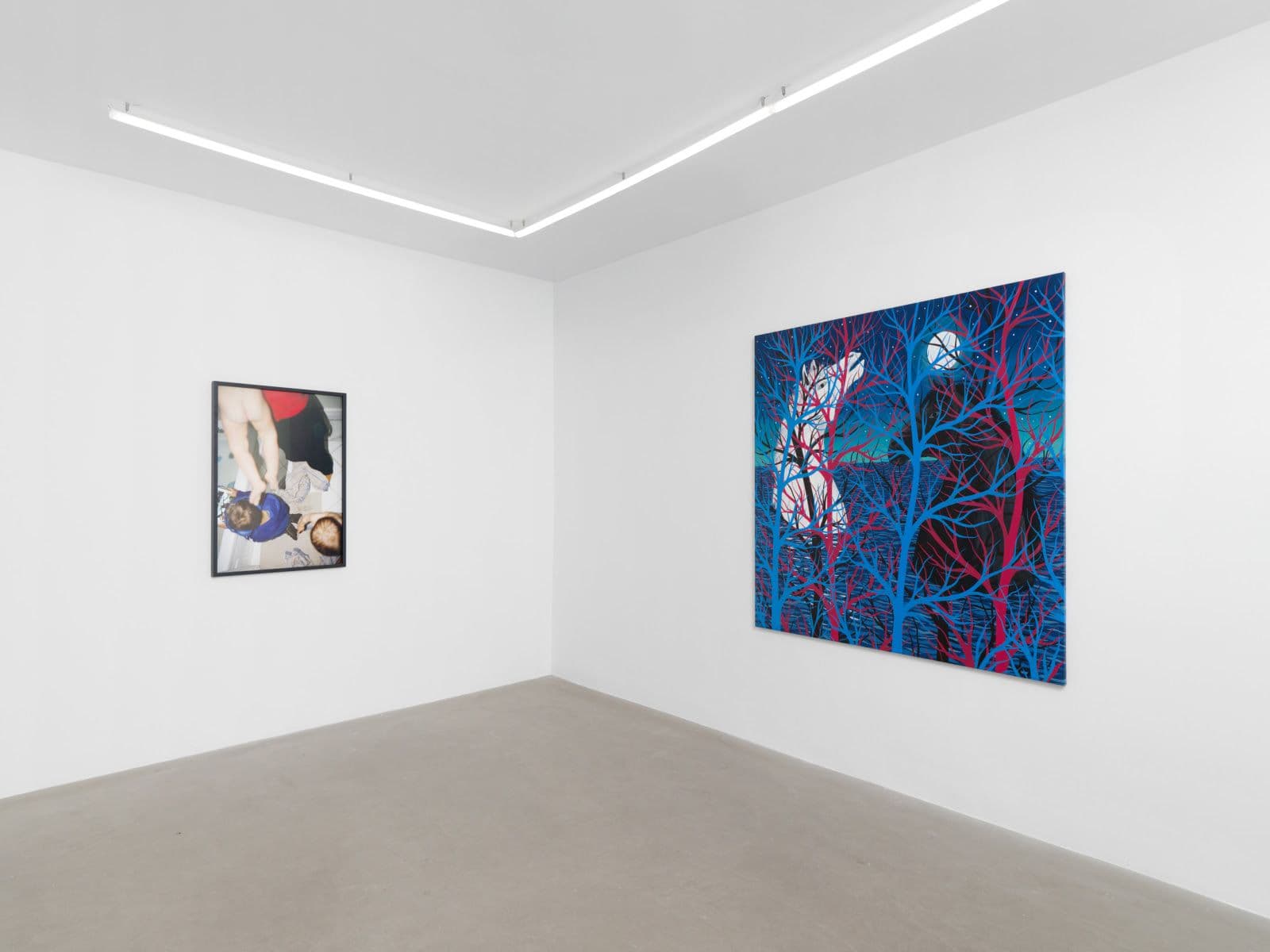
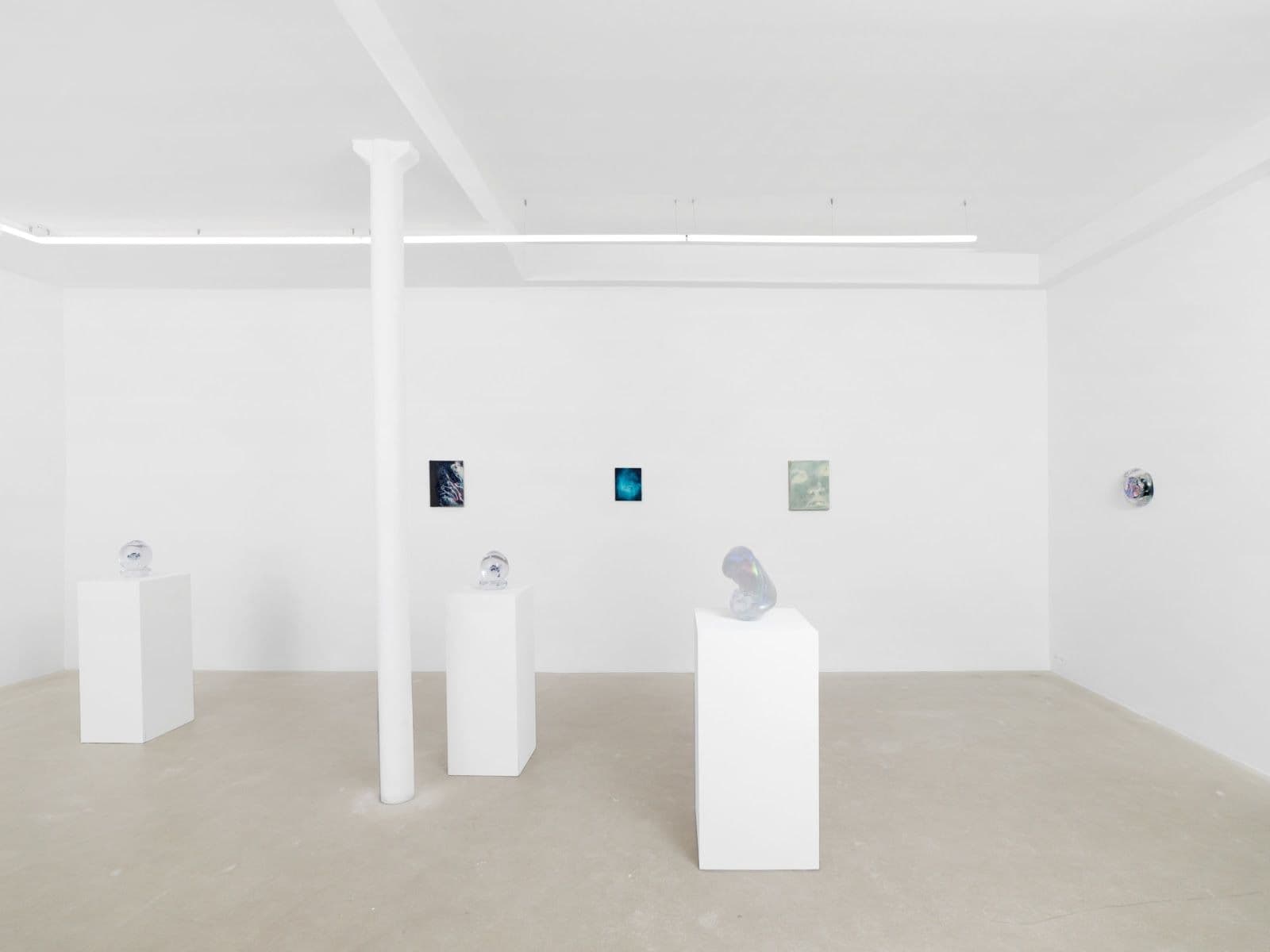
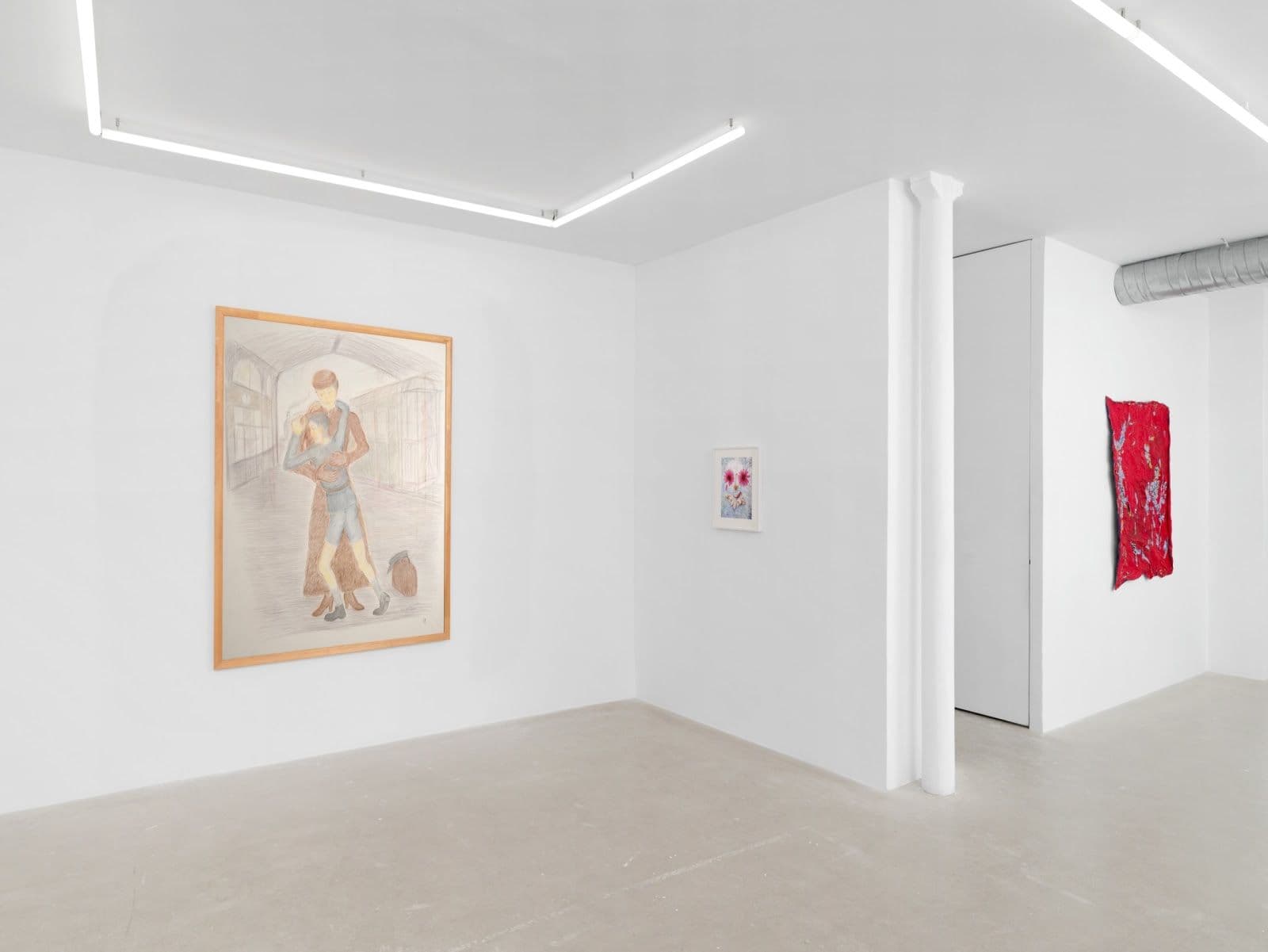
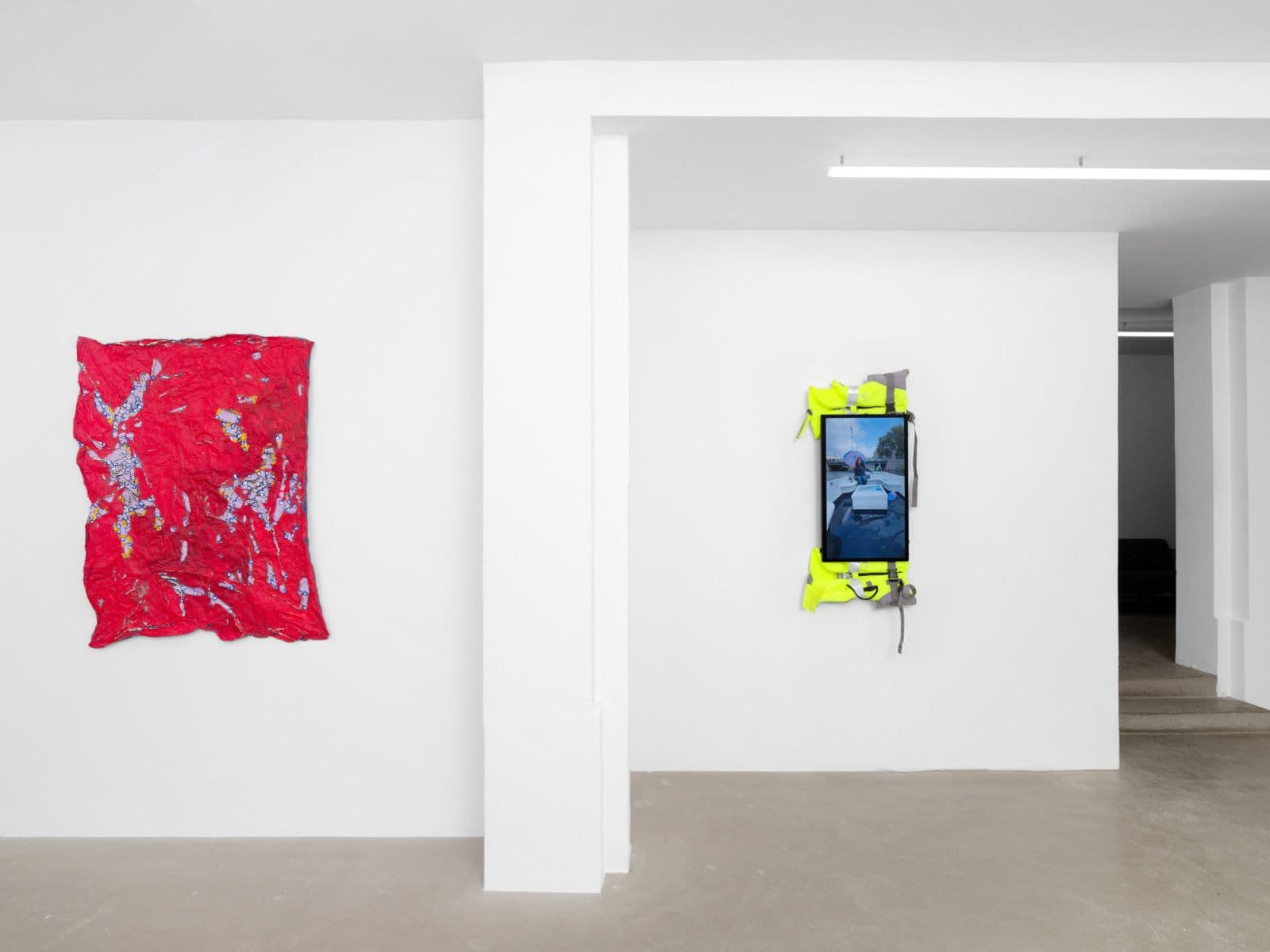
Balice HertlingFlavie Audi, Igi Lólá Ayedun, Talia Chetrit, Thea Djordjadze, Martine Gutierrez, Hongyan, Pierre Klossowski, Mercedes Llanos, Puppies Puppies (Jade Guanaro Kuriki-Olivo), Emre Özakat, Song Hà, Mostafa Sarabi [Scroll down for French version / Veuillez trouver ci-dessous la version française] The Gradiva, she who is splendid in walking: the bas-relief was an obsession of Freud’s, who was pushed to read Wilhelm Jensen’s Gradiva by Carl Jung and later kept a replica in his study, much like the story’s protagonist, Norbert Hanold. “Where had she walked thus and whither was she going?” In Pompeii, in a dream, N.H. sees the Gradiva walking away from him. In the shadow of an erupting Vesuvio, she lies on the portico of the Temple of Apollo and falls asleep. Upon traveling to Pompeii, he sees her again, while standing at the intersection of two streets, “where the Vicolo Mercurio crossed the broader Strada di Mercurio,” the center for trade and business in the city, named for the god of commerce, merchants, and travel. She is precisely the unknown that sparks his desire, she is both the past and the future. He speaks first to her in Greek, then in Latin, until finally she responds in his familiar German. Then she walks away. At the intersection of the Vicolo Mercurio and the Strada di Mercurio, at the intersection of past and future, memory and desire, death and life, N.H., the archaeologist, finds the Gradiva alive among the ruins of Pompeii, the lava stepping-stones, the lizards, the poppies pushing through the cracks. Pompeii is staged as the meeting ground for the most improbable of encounters between N.H. and the woman from his dreams, of his past and future, who walks and who walks through time. In Gianfranco Rosi’s documentary, Pompeii, Sotto le nuvole, an archaeologist is seen handling an ivory statuette of Lakshmi, the Hindu goddess of love and fertility. The Pompeii Lakshmi, since its discovery in 1938, has provided evidence for long-distance trade routes connecting the Roman Empire and India. Scholars have also speculated that the iconographic differences from typical depictions of Lakshmi as well as her resemblance to Venus may signal a syncretic depiction, an amalgamation of the two goddesses presiding over similar domains. One imagines the same roads that mark the point of convergence for N.H. and the Gradiva as having borne witness to the passage of the Lakshmi statuette. Like the Gradiva, who binds together the past and the future in the dream and who is encountered at the intersection in Pompeii that is somewhere at the threshold of them all, the Lakshmi statuette is inflected through the syncretic depiction of Venus-Lakshmi, a symbol of the mother-deity combining the iconography of different cultures. She is the intersection and the land itself, the red mineral-rich volcanic soil of Pompeii that replenishes life after disaster. Hélène Cixous: “Ce rouge est le sang de ma mémoire. Ma mémoire est un placenta. C’est la terre rouge qui nourrit mon avenir.” The red earth is the blood of my memory, a placenta that nourishes my future. In Le Troisième Corps, Cixous responds to Freud’s interpretation of Jensen’s Gradiva, on the snowballing series of critical interventions inspired by the bas-relief of the Gradiva, who is splendidly ordinary in her walking. Cixous writes the mother into the story, writes her own mother: “My mother has an important name. The name is Eve. My mother is still living. She is primordial, she is unforgettable… In the Gradiva, the mother isn’t spoken of: mothers are forgotten, perhaps never existed.” Where had she walked thus and whither was she going? Later: “Eve would say during that time: all roads lead to Rome. And Rome is all places desired. Thus: one has only to depart in order to arrive. One has only to live in order to die, one has only to die in order to fall in love and only to forget in order to start over.” In the Gradiva, the mother is primordial, unforgettable, though she is unmentioned, unnamed. She survives. She is the crossroads that connects all places desired, the very fabric of the world. She teaches love as a time-shattering thing, is the tether between past and future, between love and loss. The various works included in Genesis might be read within such a landscape, at such an intersection in Pompeii at which the image of the mother and the mother-deity is re-read and re-inscribed with meaning, and within the red earth itself which is the image of fertility, of the cycles of life and death and rebirth over generations and the fragile threads that bind time together. Any possible continuity belongs to life and death and to her, she who walks through the past and into the future. —Julian Dime Julian Dime is a filmmaker, writer, and video editor based in Montreal, Canada. He has edited films with artists including Aura Rosenberg, Veronica Gonzalez Peña, Jesper Just, and Tony Stone, which have screened at the Whitney Museum of American Art, UCCA Beijing, Lincoln Center, Museum Sztuki, and various galleries. His most recent film, Unless the Eye Catch Fire, a collaboration with Brandon Poole, explores a series of deaths in Nova Scotia, of a man, a dog, and an eagle, and takes inspiration from the eponymous short story by P.K. Page. Their deaths are diffracted through the memories of the man’s sister, over the well in the basement of their family home, and between the pine-slatted walls of the local eagle rehabilitation centre. Puppies Puppies (Jade Guanaro Kuriki-Olivo), born in 1989 in Dallas, USA, and currently based in New York, is a multidisciplinary artist whose practice spans sculpture, installation, and performance, addressing personal and political questions through themes of identity, transformation, and the human experience. Solo exhibitions include the New Museum, New York, USA; MOCA Cleveland, Ohio, USA; Kunsthaus Glarus, Glarus, Switzerland; Galerie Balice Hertling, Paris, France; MoMA PS1, New York, USA. Their work has been featured in group exhibitions such asthe Biennale di Venezia, Venice, Italy; Fondazione Prada, Venice, Italy; the Whitney Biennial, New York, USA; the Berlin Biennale, Berlin, Germany; Kunsthalle Bern, Bern, Switzerland. Mostafa Sarabi, born in 1983 in Kermanshah, Iran, and based in Tehran, moves between reality and fantasy in paintings that interlace distorted perspectives, symbolic motifs, and labyrinthine patterns. Solo exhibitions include Blanc International Contemporary Art, Beijing, China; The Island Club, Limassol, Cyprus. His work has been featured in group exhibitions such as Jameel Art Center, Dubai, UAE; Balice Hertling, Paris, France; Delgosha Gallery, Tehran, Iran; Giardino Segreto, Milan, Italy; the 58th Carnegie International, Pittsburgh, USA; Palai Project, Lecce, Italy; Passerelle Centre d’art contemporain, Brest, France. Mercedes Llanos, born in 1992 in Mar del Plata, Argentina, and based in New York, USA, draws on dreamlike imagery to explore femininity, gender, domesticity, and power within South American cultural traditions. Solo exhibitions include Espacio Tacuari – Vergez Collection, Buenos Aires, Argentina; Balice Hertling, Paris, France. Her work has been featured in group exhibitions such as Amanita, New York, USA; Lyles and King, New York, USA; Balice Hertling, Paris, France. She is a recipient of the Elizabeth Greenshields Foundation Grant (2021, 2024). Hongyan, born in 1966 in China and based in Beijing, draws on personal experience and meditative practice to create paintings that challenge perception and invite viewers to reconsider their ways of seeing. Solo exhibitions include Antenna Space, Shanghai, China; Balice Hertling, Paris, France. Her work has been featured in group exhibitions such as Beijing Gallery Weekend, Beijing, China; Meessen De Clercq, Brussels, Belgium; Bill Cournoyer / The Meeting, New York, USA. Flavie Audi, born 1986 in Paris, France, is an artist based in London, UK, whose practice begins with the manipulation of glass, using its fluid, molten states to evoke the sensuality and vitality of the body. Her works channel luminosity and movement, translating the mechanisms of life and light into forms that resemble fragments of an ethereal landscape. Recent exhibitions include Nilufar Gallery, Milan, Italy; Corning Museum of Glass, New York, USA; Venus over Manhattan, New York, USA; Tristan Hoare Gallery, London, UK; Qatar Museums, Doha, Qatar; Aberto 02, São Paulo, Brazil; Sized Ltd, New York, USA; Karma International, Zürich, Switzerland. Igi Lọ́lá Ayedun, born in 1990 in São Paulo, Brazil, and based in Paris, France, explores the cultural and biological significance of color, reconstructing life cycles through materiality and visual translations of dreams. Solo exhibitions include Museu de Arte do Rio de Janeiro, Rio de Janeiro, Brazil. Her work has been featured in group exhibitions such as Pinacoteca de São Paulo, São Paulo, Brazil; Etiópia Centro de Arte y Tecnología, Zaragoza, Spain; Konvent Zero, Barcelona, Spain. She is the founder of HOA Cultural Society in São Paulo, Brazil. Talia Chetrit, born in 1982 in Washington, USA, and based in New York, probes identity, sexuality, and the mechanics of image-making through staged self-portraits, intimate family photographs, and unguarded depictions of the body. Solo exhibitions include 10 Corso Como, Milan, Italy; Kaufmann Repetto, Milan, Italy; Hannah Hoffman, Los Angeles, USA; MAXXI Museum, Rome, Italy. Her work has been featured in group exhibitions such as Kunstpalast, Düsseldorf, Germany; Kunsthalle Bremen, Bremen, Germany; Marciano Foundation, Los Angeles, USA; Villa d’Este, Tivoli, Italy; Macro Museum, Rome, Italy; Whitney Museum, New York, USA; Palais de Tokyo, Paris, France; Sculpture Center, New York, USA. Pierre Klossowski (1905–2001), born and died in Paris, France, was a novelist, essayist, philosopher, translator, screenwriter, and painter known for major literary works including Roberte ce soir, La Révocation de l’Édit de Nantes, and Le Baphomet. His work has been featured in exhibitions such as the Centre Pompidou, Paris, France; Documenta, Kassel, Germany; the Venice Biennale, Venice, Italy; Musée d’Art Moderne de la Ville de Paris, France; Kunstmuseum Basel, Switzerland; the Museum of Modern Art, New York, USA. Emre Özakat, born in 1997 in Istanbul, Turkey, and based in Paris, France, explores the memory and circulation of digital images through painting by stretching, distorting, or fragmenting found online visuals into new pictorial forms. Solo exhibitions include Pipeline Contemporary, London, UK; van Fanny Freytag, Amsterdam, Netherlands; Villa Clea, Milan, Italy. His work has been featured in group exhibitions such as Josilda da Conceiçâo, Amsterdam, Netherlands; Springboard Art Fair, Utrecht, Netherlands. He received support from the Mondriaan Fonds in 2024. Thea Djordjadze, born in 1971 in Tbilisi, Georgia, and based in Berlin, Germany, creates sculptures and installations that respond to architecture through layered constellations of materials that evoke memory while altering spatial perception. Solo exhibitions include Hamburger Kunsthalle, Hamburg, Germany; Wiels, Brussels, Belgium; Gropius Bau, Berlin, Germany; MoMA PS1, New York, USA; Malmö Konsthall, Malmö, Sweden. Her work has been featured in group exhibitions such as the 56th Venice Biennale, Venice, Italy; Triennale di Milano, Milan, Italy; Kunsthalle Wien, Vienna, Austria; Palais de Tokyo, Paris, France; Sculpture Center, New York, USA. Martine Gutierrez, born in 1989 in Berkeley, California, USA, and based in New York, uses photography and video to subvert pop-cultural tropes in the exploration of identity, power, beauty, and heritage. Solo exhibitions include the Museum of Modern Art, New York, USA; Whitney Museum of American Art, New York, USA; Contemporary Art Museum St. Louis, St. Louis, USA. Her work has been featured in group exhibitions such as Fondation Carmignac, Hyères, France; Smithsonian American Art Museum, Washington, USA; Kunstmuseum Bonn, Bonn, Germany.ndation Carmignac, Hyères, France; Smithsonian American Art Museum, Washington, USA; Kunstmuseum Bonn, Bonn, Germany. Song Hà, born in Orange County, Los Angeles, USA, is an multidisciplinary artist based in New York. She is the eldest daughter in her family. She descends from Vietnamese warriors, healers, and shamans. Through film, poetry, and curation, she explores transformation as sacred ceremony. She sees all creation as a form of remembering. A Netflix Trans Film Center Fellow, she curated A Lotus Blooming in a Sea of Fire at apexart (2025) and directed the documentary The Songs of Water, which premiered at NewFest. Her writing appears in Esquire, Elle, and Poetry Magazine. She has lectured at Stanford, Harvard, and Columbia. She’s currently fundraising for her narrative short, Womb Envy, about the impossible longing to give birth as a trans woman. ***** En regardant "Pompei, Sotto le nuvole" de Gianfranco Rosi, on découvre une scène où une archéologue tient une petite statuette, souvent identifiée comme la déesse indienne Lakshmi et retrouvée dans une maison pompéienne. Évoquant le trajet incertain qui l’a menée si loin de son origine, elle souligne sa proximité avec Vénus et le symbole de fertilité qu’elles partagent. Cette résonance met en lumière la circulation, à travers les régions, de figures maternelles qui conservent un pouvoir génératif malgré les déplacements et les transformations. À partir de cet objet inattendu, l’exposition explore la maternité comme un ensemble de relations en mouvement — survie, régénération, continuité — où mort et fécondité, soin et contrainte se tiennent dans une tension délicate.