
Marais, Paris
Martial Raysse
Recent Paintings
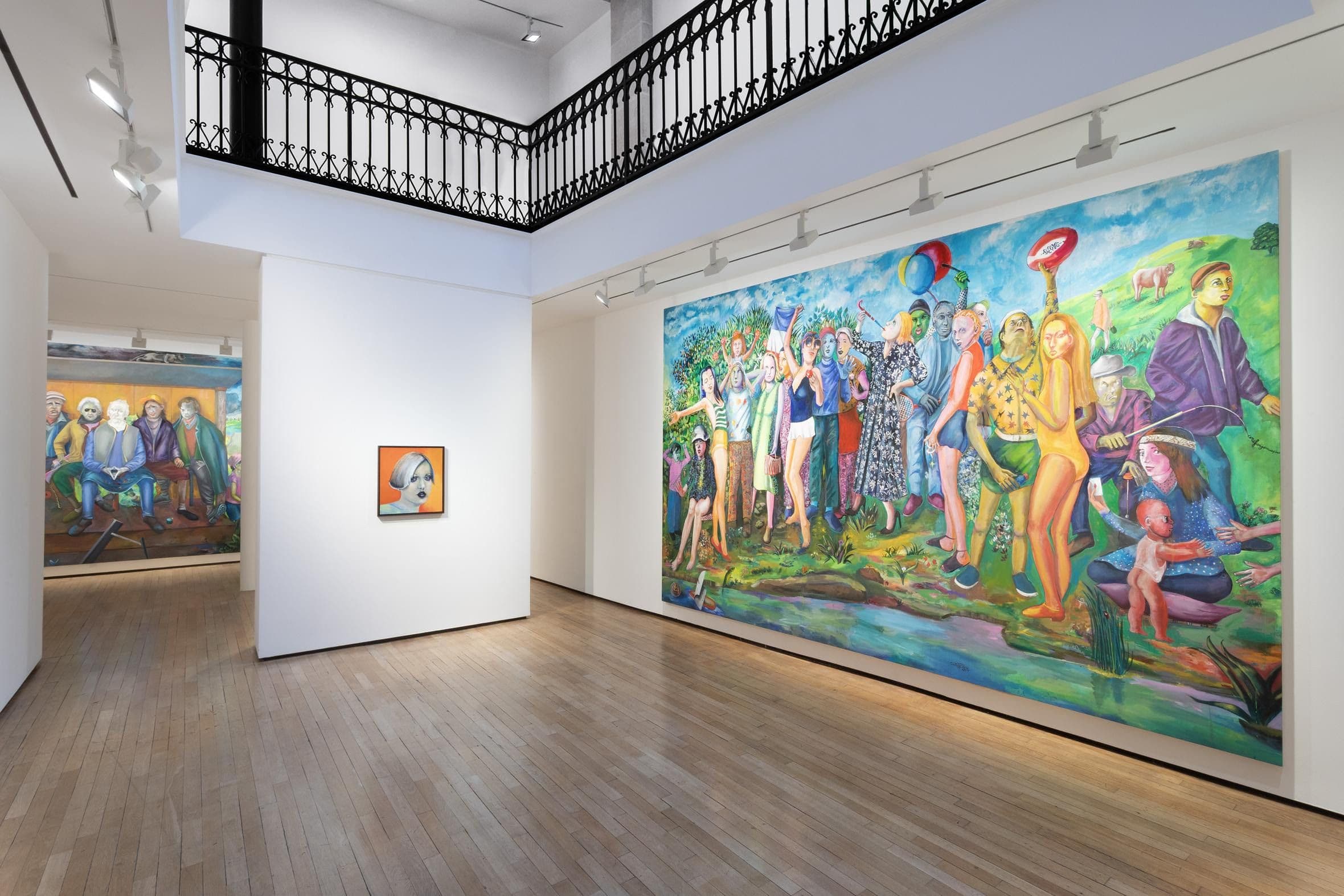
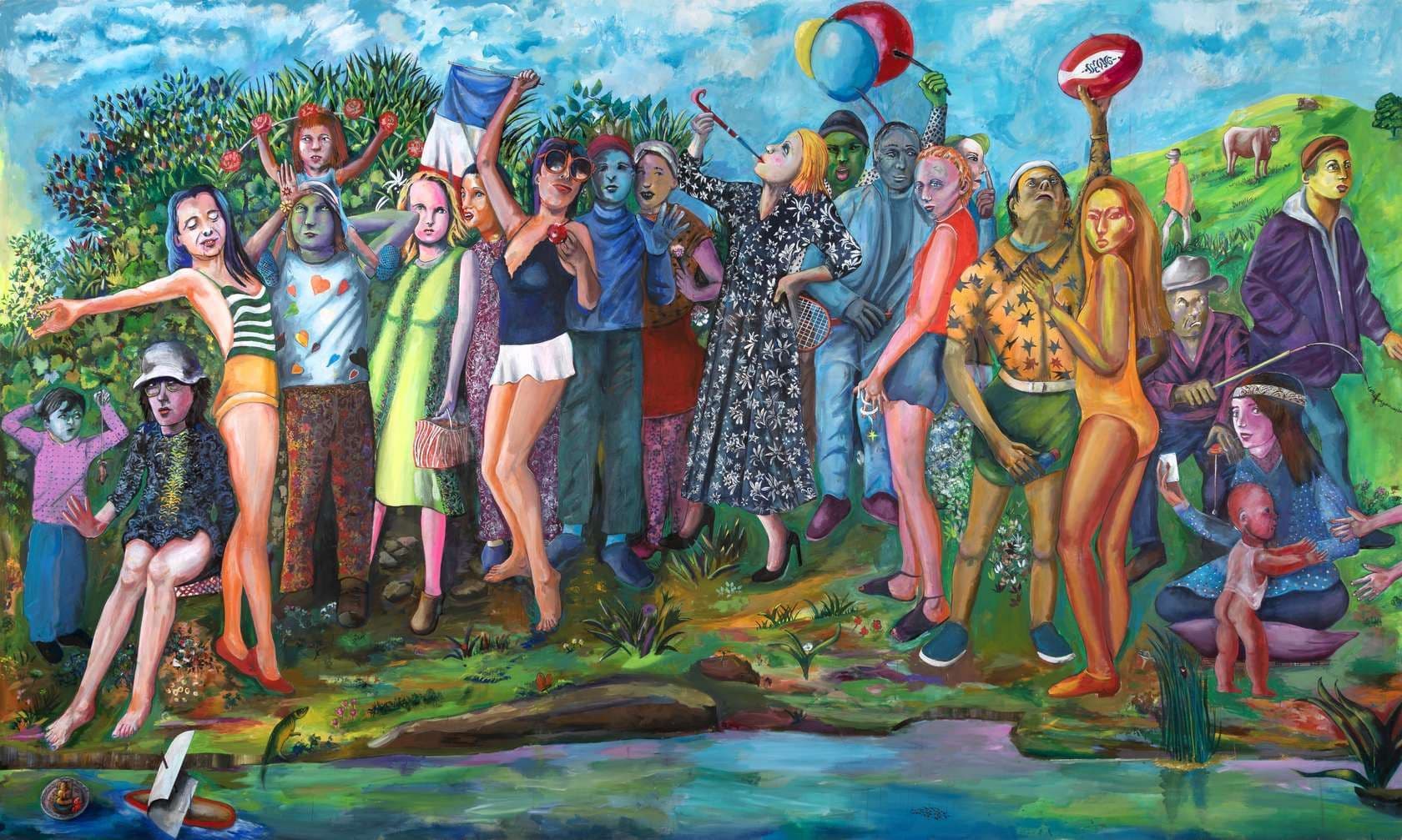
TemplonOn the occasion of its 60th anniversary, Templon is opening 2026 with its first-ever exhibition dedicated to legendary French artist Martial Raysse, unveiling the culmination of a decade of work. Nearly thirty recent works, including several monumental pieces are on view. For this second major exhibition in ten years – his retrospective at the Pompidou Center took place in 2014 - Martial Raysse displays canvases of striking density. Three large-scale works, flirting with the ambition and drama of history painting, engage in dialogue with a series of allegorical female figures. Among them are Le Grand Jury (2022), La Peur (2023), four meters long and imbued with reminiscences of the war in Ukraine as well as the artist's childhood memories, and its fairy-tale counterpart La Paix (2023), a five-meter long canvas unveiled at Art Basel Paris last October. During these years of research, Martial Raysse engaged in a sustained dialogue with the Old Masters. La Peur et La Paix thus resonate with the panels Picasso designed for the chapel at the Château de Vallauris, while paying homage to other tutelary figures such as Jean Fouquet and Nicolas Poussin. The cohorts of half-radiant, half-bitter faces that now populate the gallery space testify to a keen sense of composition and constant attention to the symbolism of gestures. A black cat, a flower-covered hand, a dagger lurking in the shadows: with Raysse, every detail counts. He takes us from one narrative to another, multiplying the levels of interpretation and revealing, in successive layers, the tensions and challenges of the contemporary world. Internationally renowned, Martial Raysse's work continues to surprise, reinvent itself, and leave its mark on art history. By presenting these recent works today, Templon highlights the latest achievements of an artist who has never stopped observing, experimenting, and revisiting his craft. Conceived far removed from fads and injunctions, his luminous apocalypses speak of the farce, and sometimes the chaos, of a humanity in motion. Martial Raysse was born in 1936 in Golfe-Juan. Considered a pioneer of French Pop Art, he creates images that transcend the banality of everyday life. Strongly influenced by advertising, he turns away from realistic art to reveal the underlying vitality of everyday objects and images. His thinking evolved throughout his career and took different forms: painting, neon, assemblage and video. A member of the New Realism movement in the early 1960s, Martial Raysse quickly gained recognition for his innovative art and represented France at the 1966 Venice Biennale. Questioning his interest in the pop world following the events of May 1968, he quickly turned away from ‘formal aestheticism’: "Now, international good taste is within reach of every petty rentier of painting, just as was the case with Art Informel. Best to avoid it." In the 1970s, the artist turned toward grand painting - a shift that was not a retreat but an act of absolute courage, far removed from the official art of the time. His aversion to dogma and his taste for going against the grain marked his return to France - first to the Paris region, then to Dordogne, where he still lives and works today. Few French artists have attained such international recognition or occupied such a commanding place in art history. His works are housed in the world’s most prestigious museums. Exhibited as early as 1960 at MoMA in New York and in 1965 at the Stedelijk Museum in Amsterdam, he was the subject of retrospectives at the Munich Museum of Modern Art in 1971, the Galerie nationale du Jeu de Paume in 1992, and the Centre Pompidou in 2014, the year he received the Praemium Imperiale in Japan. In 2015, Palazzo Grassi hosted his first major monographic exhibition in Italy. His works were more recently presented in a solo exhibition at the Musée Paul Valéry in Sète in 2023.