
Chelsea, New York
Group Exhibition
Ringl + Pit
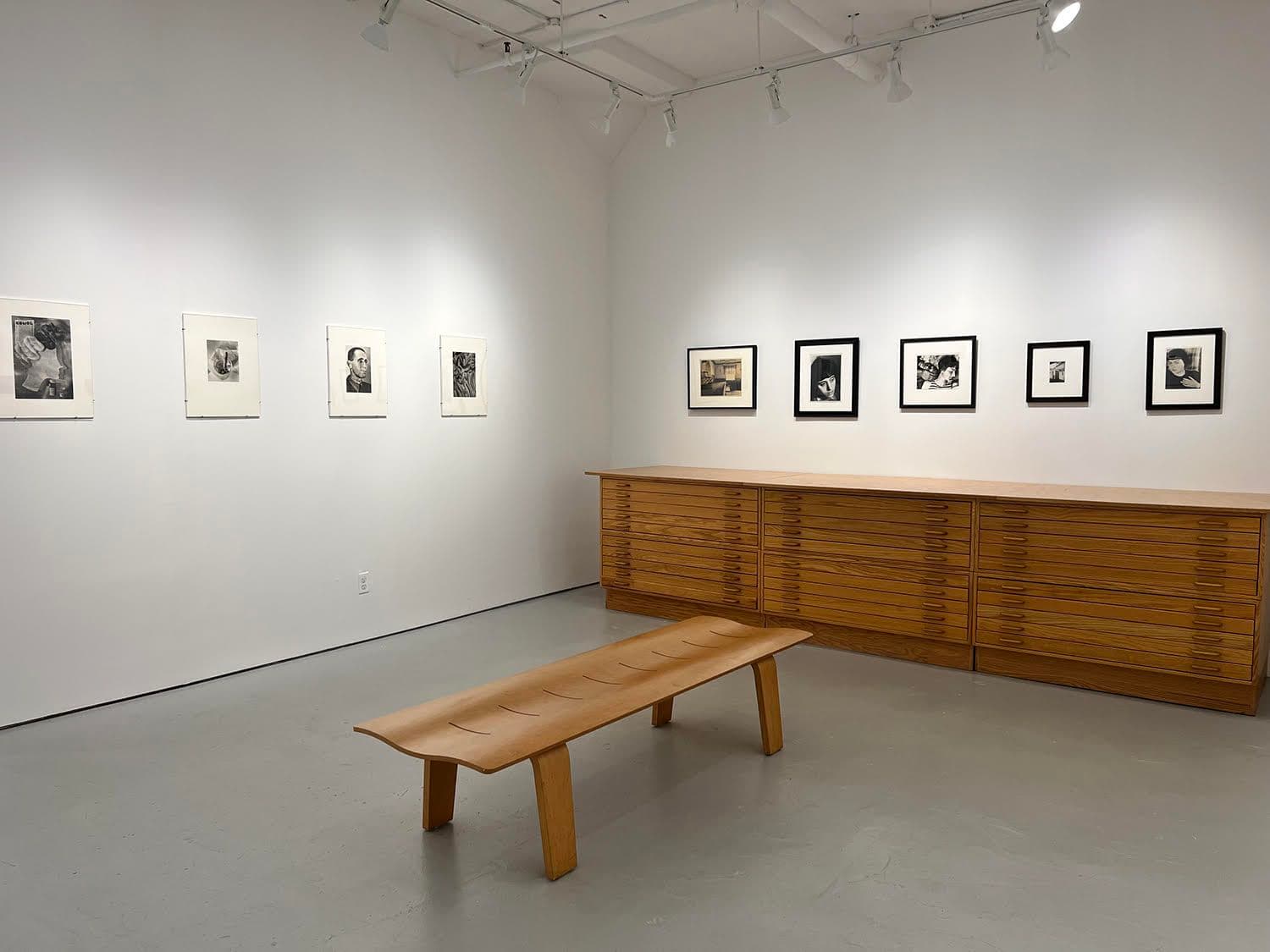
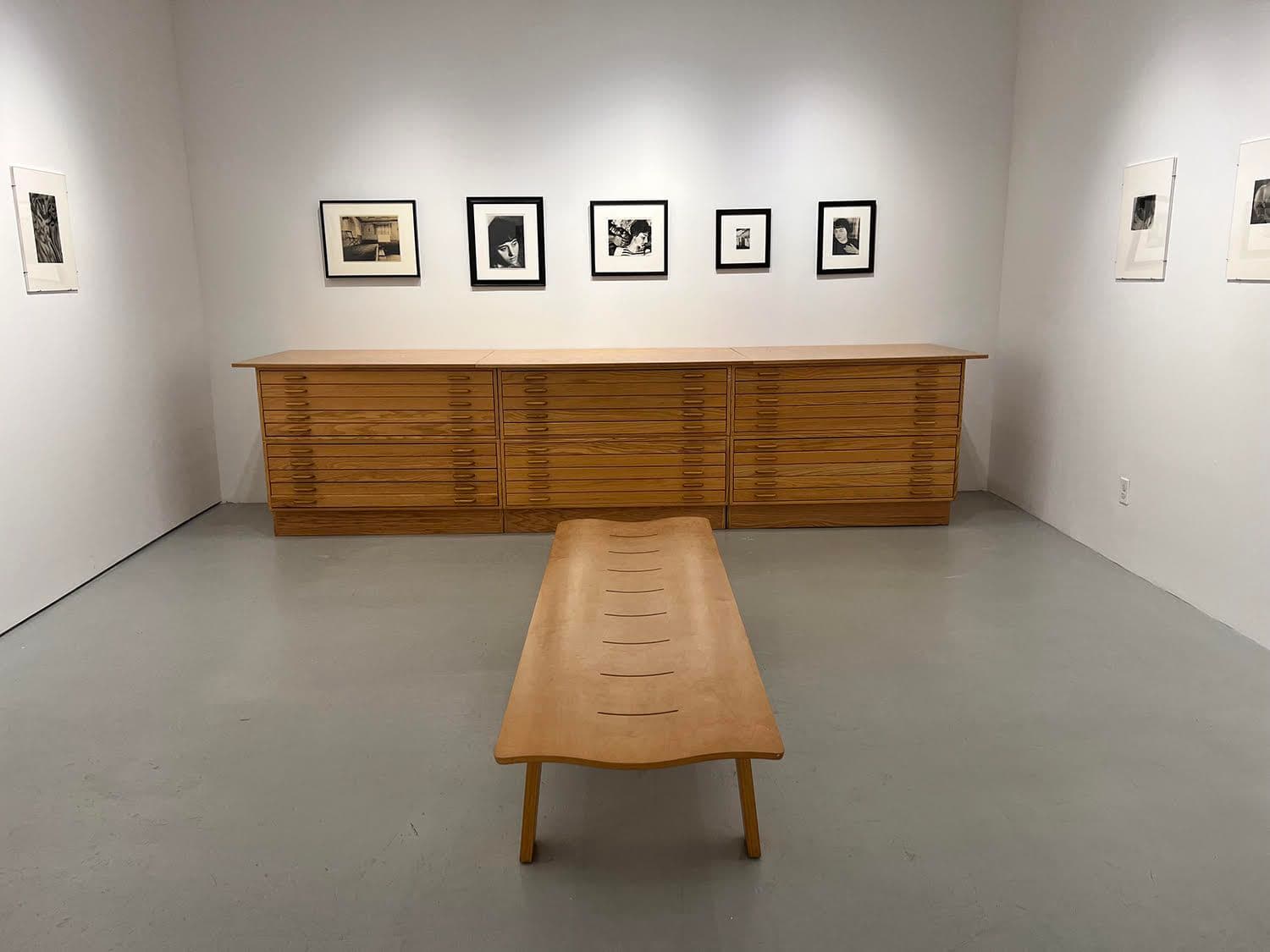
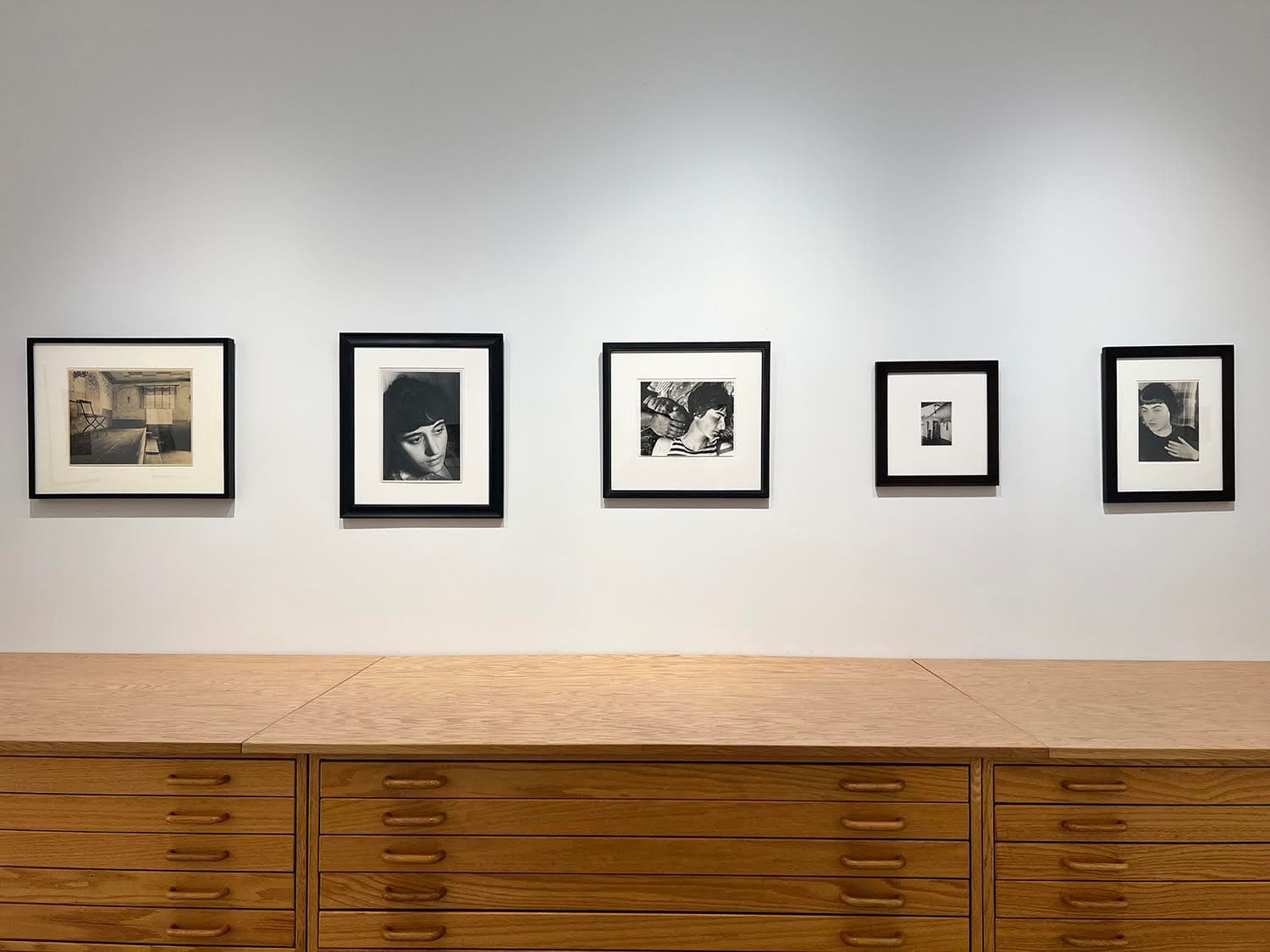
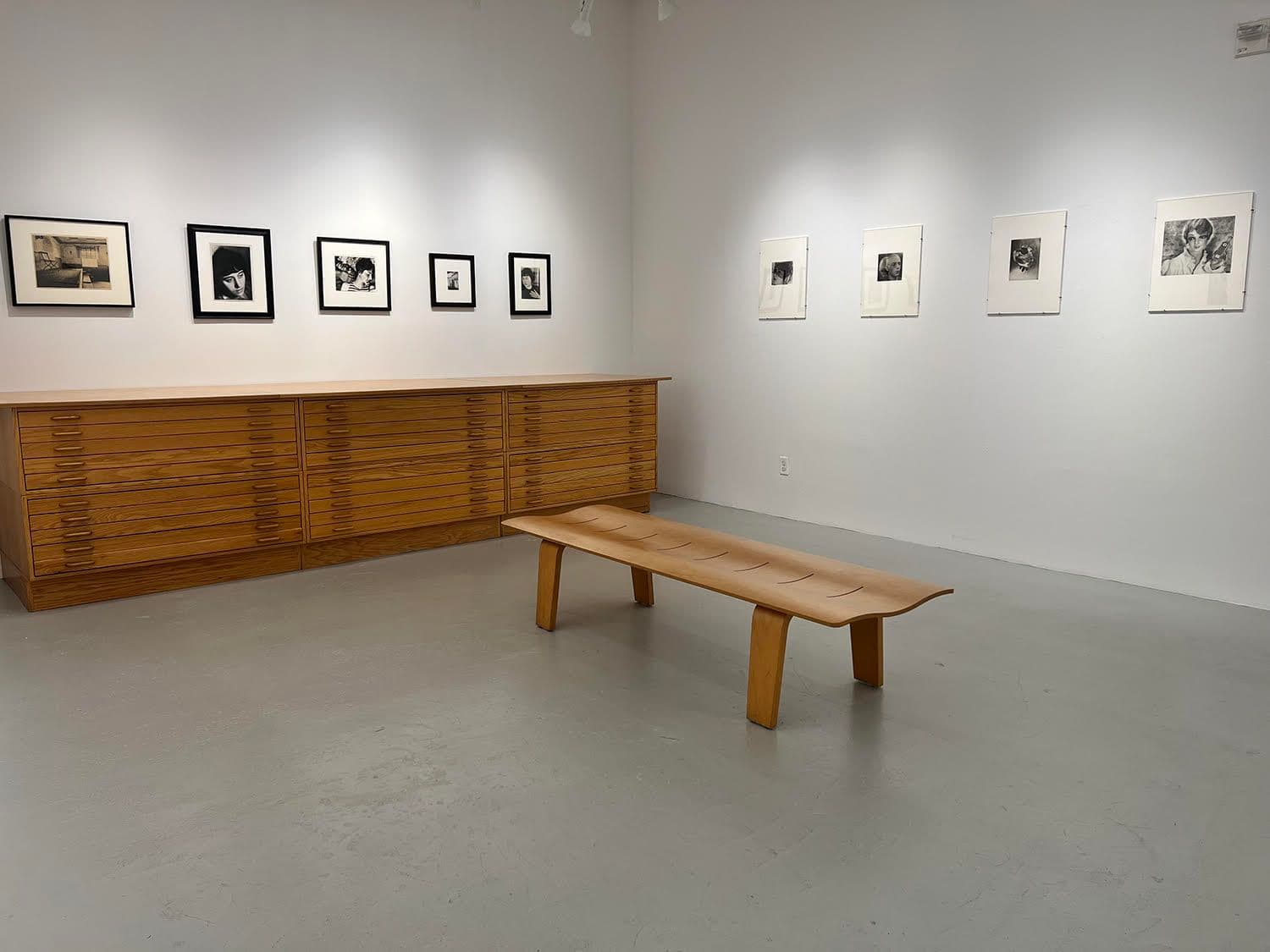
Robert Mann GalleryAt the height of the Weimar Republic, an artist duo experiments with gender roles and consumer culture, subverting a commercial world dominated by cheerful faces and brightly illustrated pages. They photograph wigs, mannequins, and merchandise in unorthodox still lives, tapping into Berlin's vibrant, avant-garde spirit. Their work transcends traditional advertising, highlighting touch, texture, and enigma. Their name: Ringl + Pit. Robert Mann Gallery is pleased to present Ringl + Pit. The show features rare studio photographs alongside an exceptionally limited-edition portfolio of the duo's life work—much of which has been rarely exhibited to the public. Ringl + Pit were the childhood nicknames of Grete Stern (Ringl) and Ellen Auerbach (Pit). Both trained under Walter Peterhans, the pioneering photography instructor at the Bauhaus, who emphasized precision, formal clarity, and graphic design. In 1930, Stern and Auerbach founded their Berlin-based studio, Ringl + Pit, blending avant-garde experimentation with commercial portraiture and advertising. Their work emerged during a period of increasing independence for women in Germany, both socially and artistically. Their photographs challenge conventional advertising norms through striking, surreal, and meticulously composed images. Working collaboratively, the women alternate roles behind the camera and on set, constantly refining each shot until it feels just right. The studio quickly gains a reputation as one of Germany's most innovative, producing crisp, compelling images that merge modernist aesthetics with subversive wit. Their work is widely recognized, earning international awards and appearing in influential publications such as Die Gebrauchsgraphik and Cahiers d'Art. Among their most iconic works is Komol Haircoloring Advertisement, an advertisement for hair dye that disrupts traditional beauty standards with artificial hair, a paper cutout silhouette, and metallic mesh. In the Güldenring Cigarettes Advertisement, they defy convention by omitting both the pack and the hand, instead focusing on a single cigarette protruding from a cellophane wrapper. Their textile commission for Maratti captures a seam running down a luxurious swath of fabric—eschewing the expected female model and instead emphasizing craftsmanship and tactile detail. The exhibition also includes two rare self-portraits. In Pit with Veil, Auerbach is shown in a stylized headpiece, her sideways glance withheld from the viewer, hinting at the portrait as a form of disguise. In contrast, Stern appears in a tight close-up, her bespectacled face framed with intense, inward focus. Together, these portraits reveal the duo's deep artistic dialogue—an exploration of selfhood, queerness, and mutual expression. Their work captures the intellectual and creative energy of Weimar-era Germany, a time of extraordinary cultural ferment that is tragically cut short by the rise of the Nazi regime. As progressive Jewish women, both Stern and Auerbach are forced to flee the country in the early 1930s. Auerbach eventually settles in New York; Stern makes her home in Buenos Aires. Though continents apart, the two remain lifelong friends. In 1985, they co-publish Fotografie Ringl + Pit, a carefully designed portfolio that echoes the aesthetic and material choices of their early 1930s studio work. Taken together, their photographs illuminate how Auerbach and Stern not only participate in, but help define the avant-garde spirit of their time. Through humor, experimentation, and a refusal to conform to prescribed gender roles, they carve out a bold new space for visual expression. Their work endures as a testament to photography's power to question representation, defy convention, and assert identity. The exhibition Ringl + Pit is presented in conjunction with Yale University of Art Gallery's The Shared New Vision of Ringl + Pit.