
Chelsea, New York
Fernand Fonssagrives
Photographs 1930s-1950s
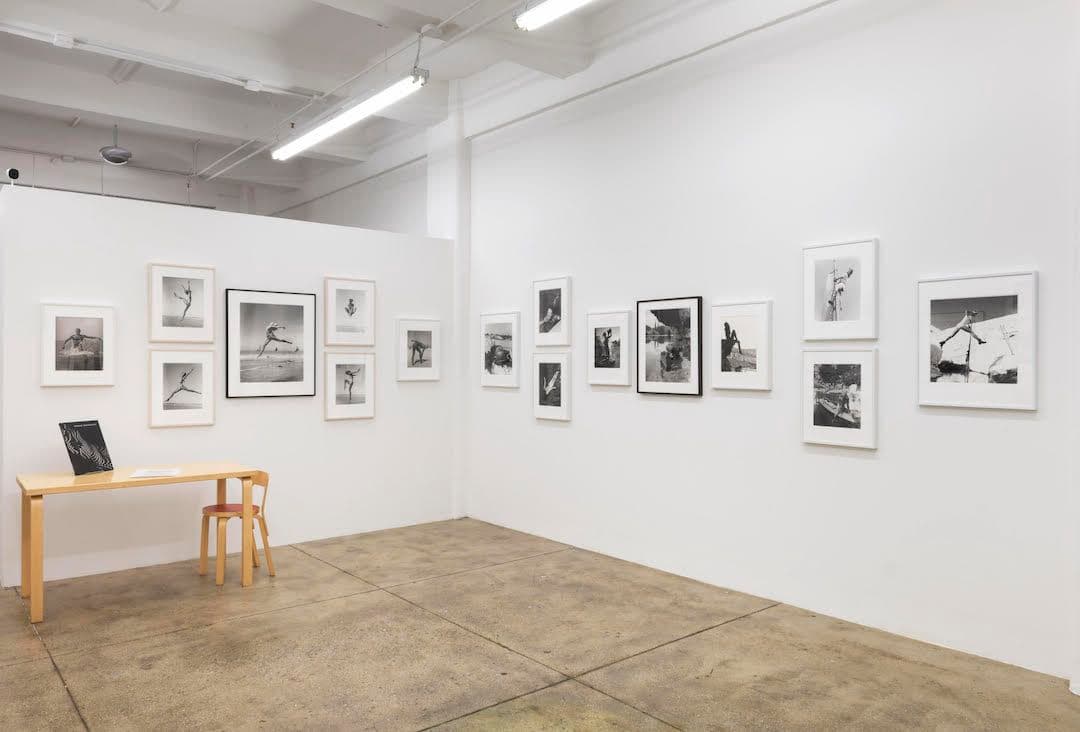
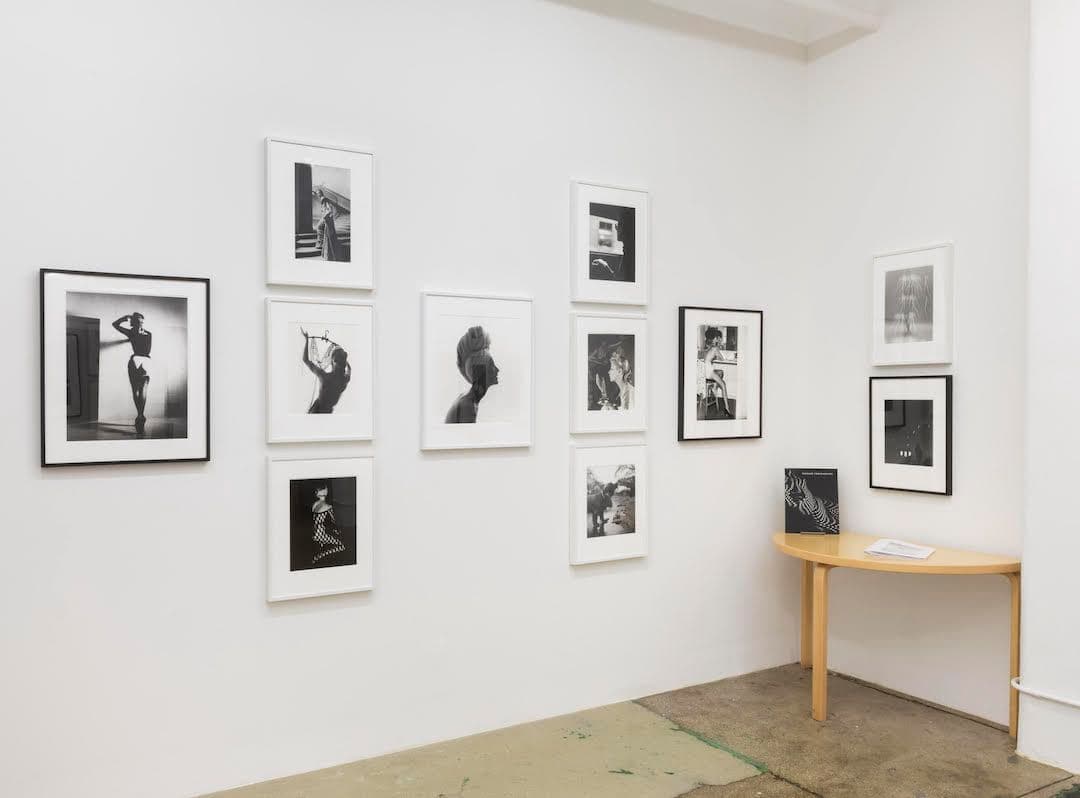
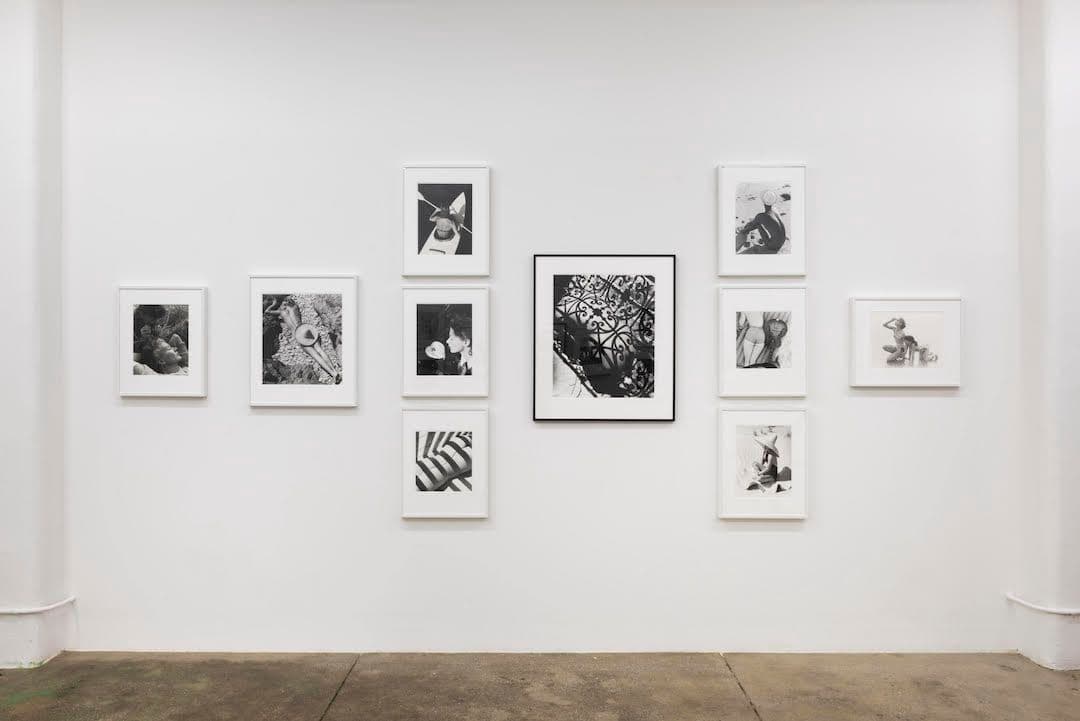
Deborah Bell PhotographsDeborah Bell Photographs is pleased to present an exhibition of photographs from the 1930s-1950s by the French photographer Fernand Fonssagrives. Fernand Fonssagrives (1910-2003) was one of the most successful and highly paid fashion photographers of the 1940s and 1950s. His photographs were widely published in the editorial pages of Town & Country, Vogue, Glamour, Mademoiselle, Harper's Bazaar, and Esquire, where his pictures for Bergdorf Goodman also appeared regularly in the advertising pages. This exhibition concentrates on the photographs Fonssagrives made in Europe and New York during the formative years of his career, from the 1930s into the 1950s, emphasizing the free-spirited life and working partnership he had with the Swedish-born dancer Lisa Bernstone, to whom he was married from 1935-1950. Their unique collaboration as model and photographer created the foundation for what became remarkable individual careers for each of them. Born Fernand Vigoureaux near Paris in 1910 to a sculptor father and a musician mother, his parents encouraged the young Fonssagrives to do the things he loved most: science, art, sports, gymnastics and dance. After his parents divorced when he was 12, Fernand began to use his mother's maiden name as his surname. He moved to the United States at the age of 18 to continue his dance studies, and returned to Europe in 1931 at the age of 21. In 1934 Fernand met Lisa, also a dancer, who was studying in Paris. Fernand and Lisa married in 1935, performed with different companies, and worked together as dance instructors. Fernand's career was abruptly ended, however, when he injured his leg badly in a diving accident. During his lengthy recuperation Lisa gave him a Rolleiflex, and his career as a photographer was born. As Fernand said later, "it was my first serious camera, and it became a part of my body." He began to photograph Lisa swimming, diving, and bathing in mud; in some images, she appears like a nude sprite, posing fearlessly on the edge of a cliff. Long before assignments from art directors became the norm, Fonssagrives sold his pictures to magazines throughout Europe such as Jeunesse d'Aujourd'hui. As Lisa explained to the photographer David Seidner decades later, "In those days, a picture didn't have to be assigned to be published; if it was beautiful, the magazines would run it." Martin Harrison describes this period of magazine photography in David Seidner's book, Lisa Fonssagrives: Three Decades of Classic Fashion Photography (1996): When Fernand Fonssagrives began to photograph Lisa in 1934 it was in the leaping, super-athletic stances that characterized an important aspect of the avant-garde. The cult of the dynamic body appropriated by fashion photography in the 1930s was founded on an amalgam of diverse cultural references, from Diaghilev and Futurism...and the Neue Sachlichkeit. Women were portrayed in magazines as symbols of the urgent pace of change in modern life; movement, speed and modernity were assumed to be synonymous. Lisa's inherent grace and athleticism, intensified by her training as a dancer, were attributes which Fonssagrives was able to exploit in syndicating photographs of her to the many European magazines which specifically catered to the new passion for health, action and beauty. They met with immediate success and the couple set out to tour Europe, working their way as an itinerant photographer and model team. 'Fernand was charming, great fun -- we were like children in those years,' recalled Lisa, 'there was dancing, the excitement of new ski-jumps, swimming -- play really, which would become part of being a model.' In their Hansel and Gretel-like existence they camped out under the open skies and at one point constructed a beach-house on Noirmoutier, an island off the Atlantic coast of France, all the time moving...from place to place, selling photographs to magazines as they went.... When in Paris the Fonssagrives continued to give private dancing lessons in people's homes. After being "discovered" by the photographer Willy Maywald in the elevator of the Fonssagrives' apartment building in Paris, Lisa's modeling career broadened to include sitting for other well-known fashion photographers of the period such as Horst, Hoyningen-Huene, Man Ray, and Erwin Blumenfeld. This idyllic lifestyle was soon to change, however, as Seidner explains: When the outbreak of war was imminent in 1939, Lisa and Fernand were holidaying in Sweden. Instead of returning to Paris they decided to emigrate to New York. Fonssagrives quickly found regular work as a photographer for the magazine Town and Country and Lisa was soon able to re-establish contact with exiled European photographers such as Horst and Blumenfeld. After their daughter Mia was born in 1941, Lisa's career as a model continued to flourish in New York. In addition to working with Fernand, she posed for American photographers including Louise Dahl-Wolfe, George Platt Lynes, Frances McLaughlin-Gill, Toni Frissell -- and Irving Penn, whom she met on assignment for Vogue in 1947 and would marry in 1950. Fernand and Lisa worked together on assignment even after her marriage to Penn. Although Fernand continued to photograph for fashion magazines and advertisers into the early 1960s, as the fashion-magazine industry burgeoned he found himself increasingly stifled and discontent with the business, its expectations, and his confinement to the studio. As Robin Muir explains in the monograph Fernand Fonssagrives: An Eye for Beauty (2005), Fonssagrives was "conspicuously successful at his profession, but refused to allow its concomitant 'glamorisation' to affect him." Fonssagrives closed his studio in 1963 and moved to Spain study sculpture and resume his life as an artist. For the last 30 years of his life he lived in Little Rock, Arkansas, with his second wife, Dianne Capron, a professional figure skater and Montessori teacher, and their son Marc. In the 1980s he began to re-visit the photographs in his archive. In addition to a small number of vintage prints, the photographs in this exhibition were printed by the photographer Sean Moorman, Fonssagrives's former assistant and the manager of his estate.