
Belleville, Paris
Group Exhibition
Broken Idols
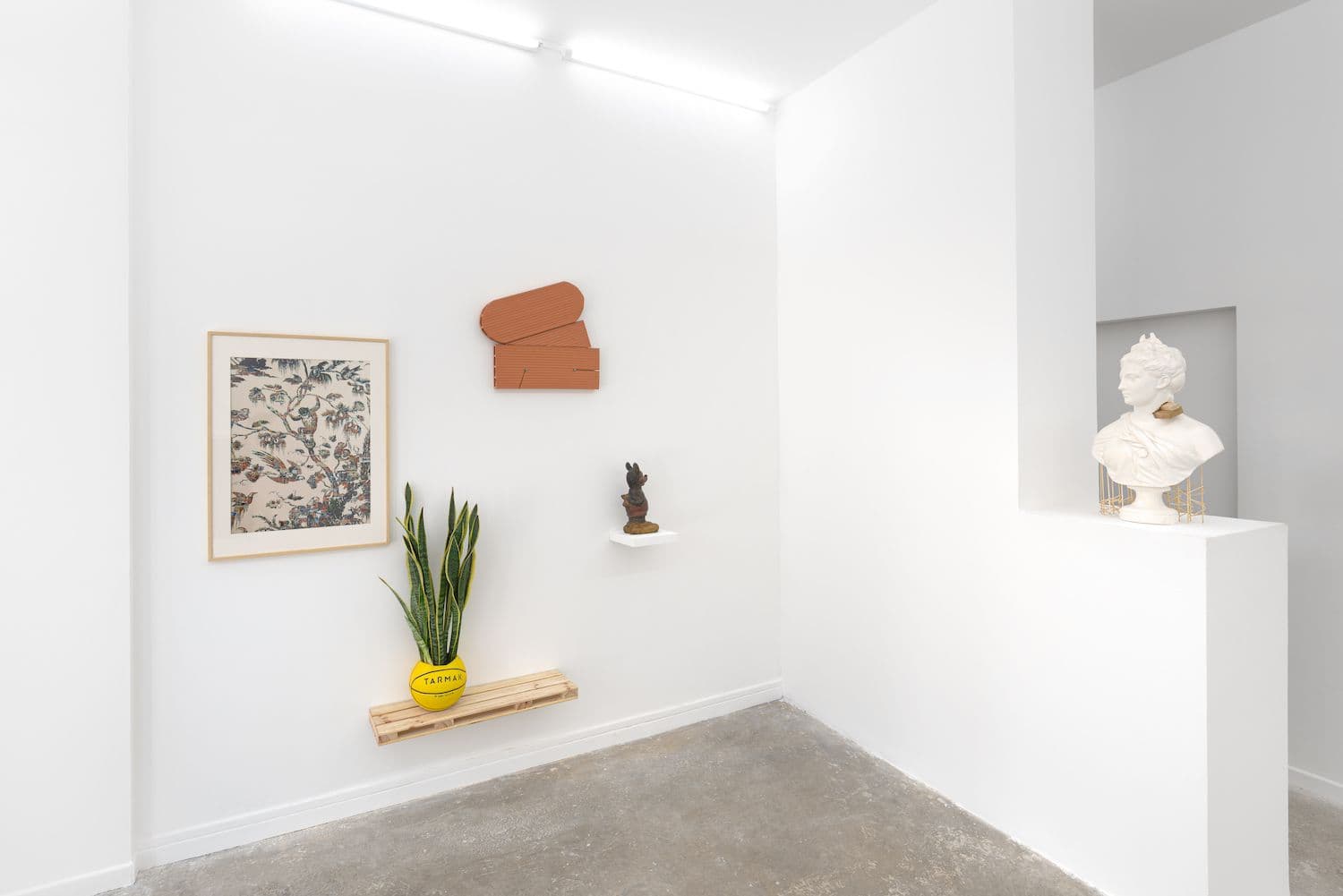
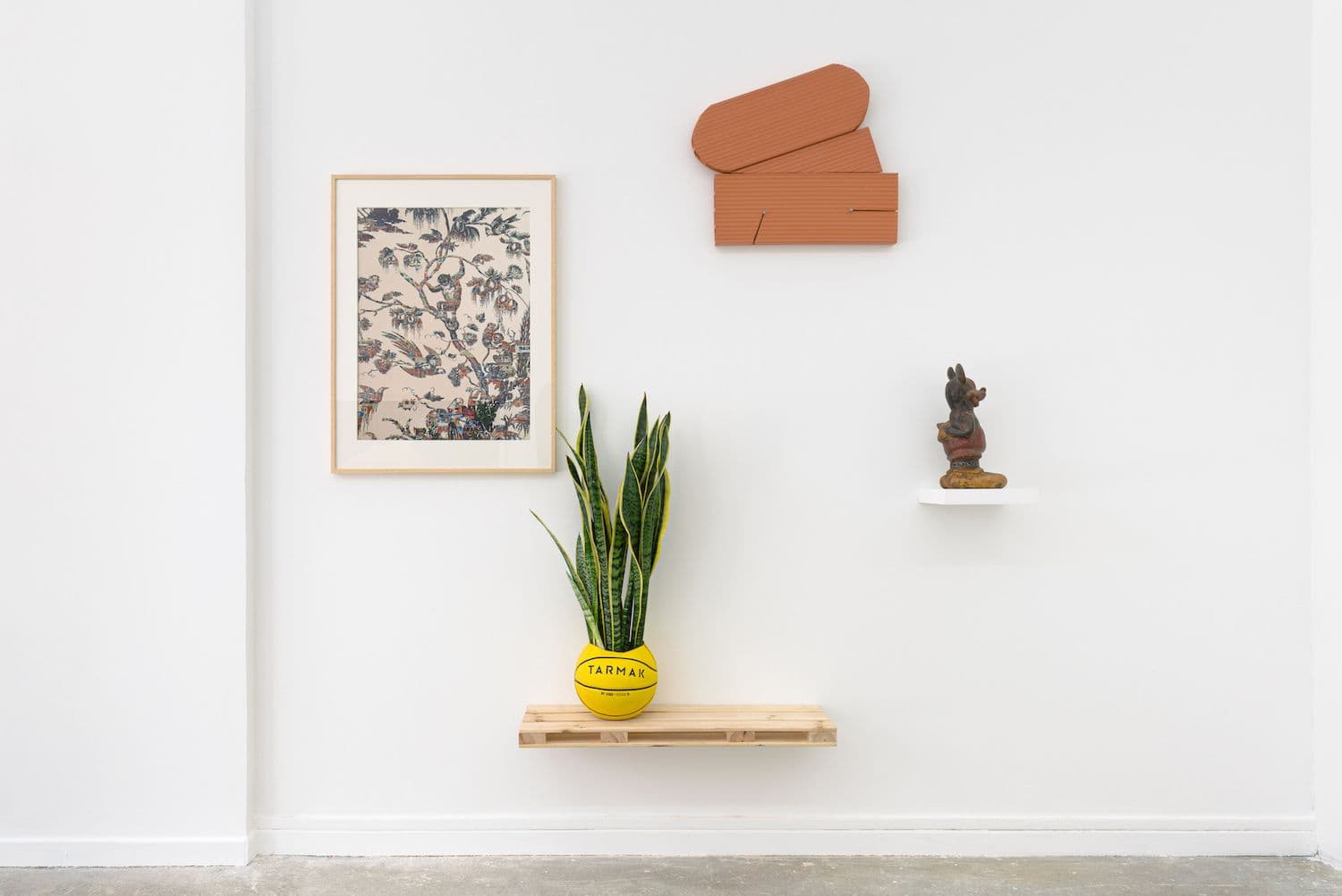
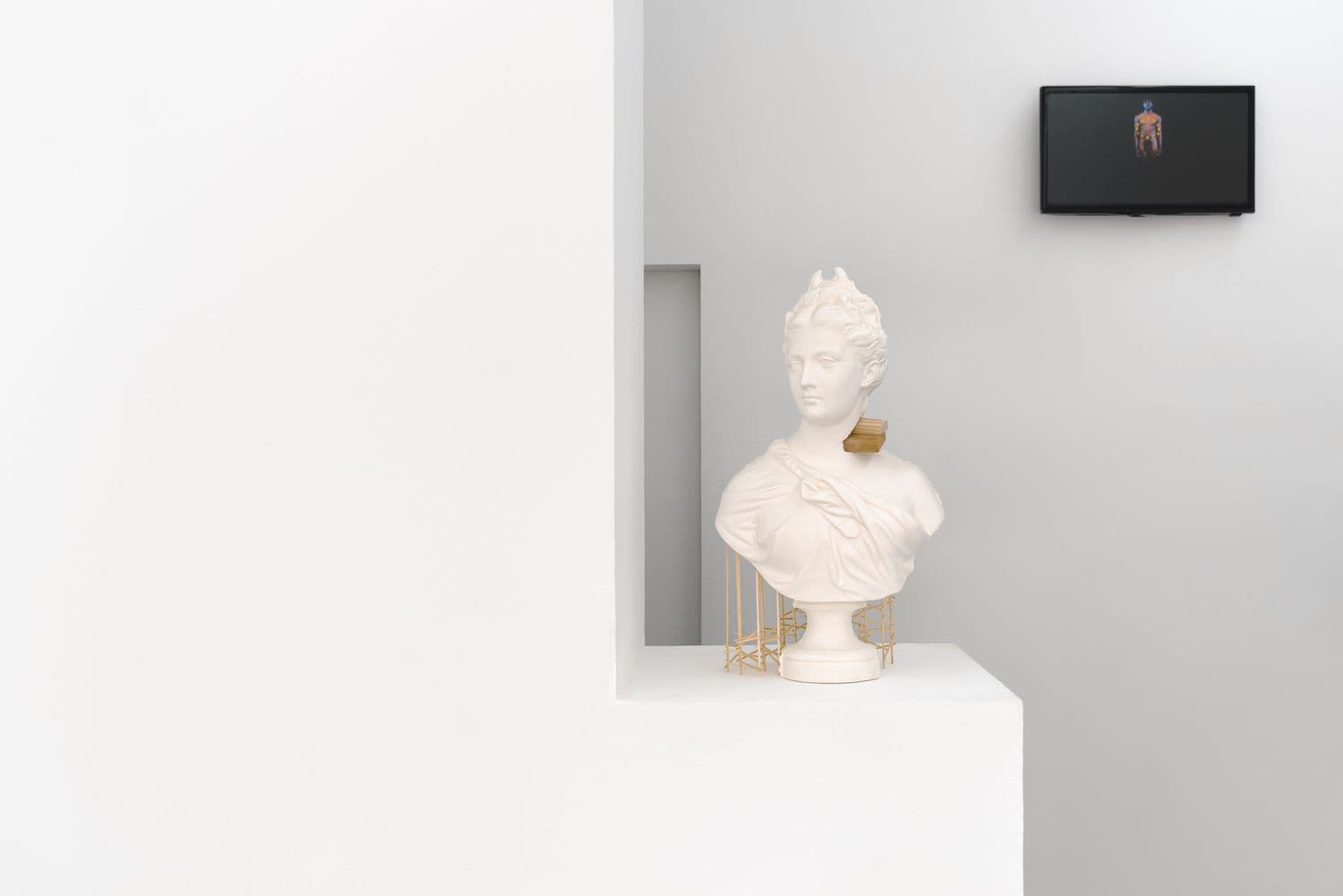
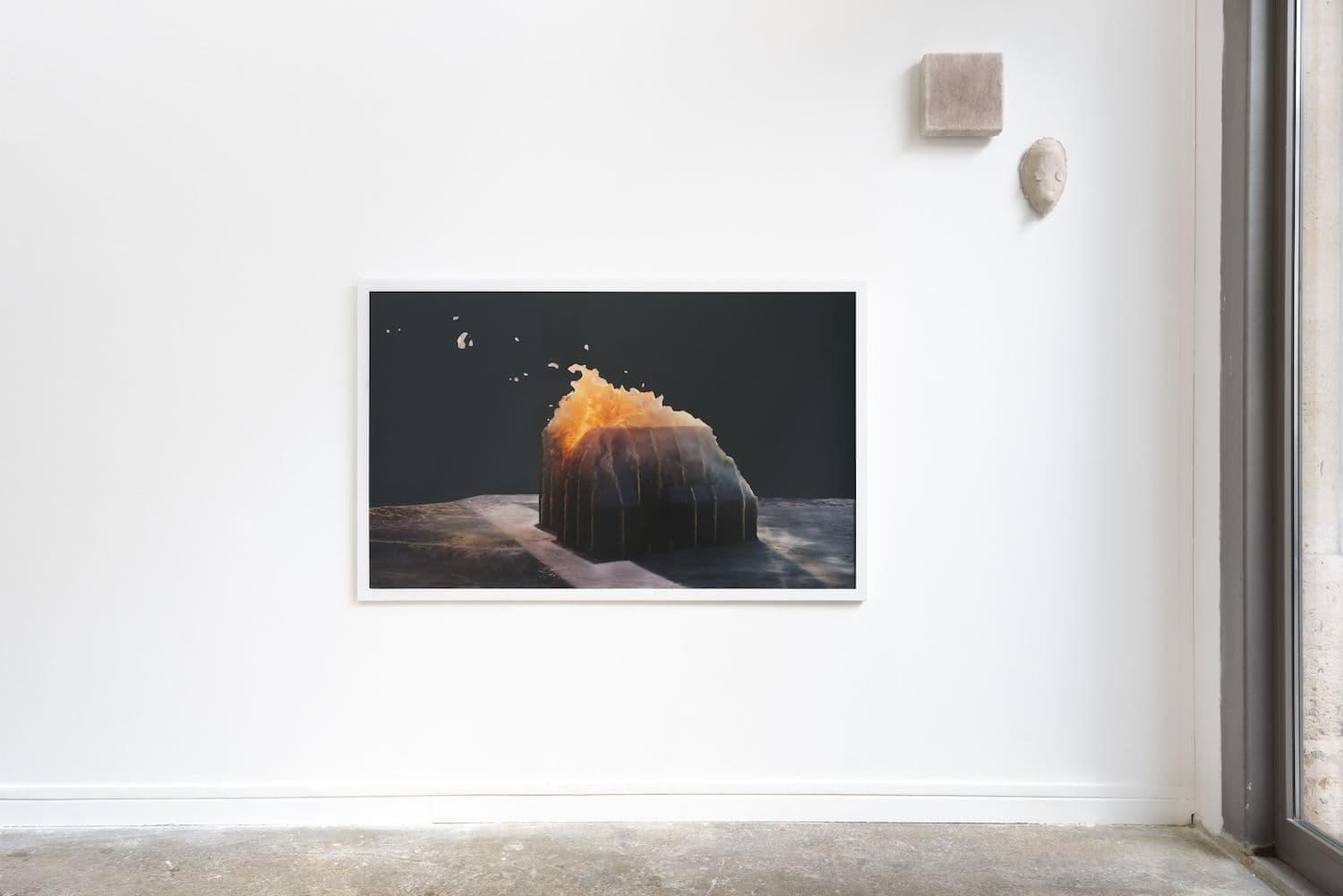
Maëlle GalerieNayari Castillo, Kenny Dunkan, Radamés 'Juni' Figueroa, Pepe López, Carlos Martiel, Nadín Ospina, Oscar Abraham Pabón, Nelson Pernisco, Emmanuel Rivière, Paul Souviron [Scroll down for French version / Veuillez trouver ci-dessous la version française] "I marry white culture, white beauty, white whiteness. When my restless hands caress those white breasts, they grasp white civilization and dignity and make them mine." - Frantz Fanon, Black Skin, White Masks, 1952. A couple of weeks ago, we were subjugated by the image of Notre-Dame Cathedral in flames. The scene was breathtakingly beautiful: both sublime and devastating. Seeing the spire fall was like seeing European civilization topple; the end of an epoque and the birth of a new cycle. As an old friend who had lived through the war said: "Notre-Dame and our culture must change. If they hadn't gone up in flames themselves, we would have had to burn them down." How come, throughout the world, this strange phenomenon provoked intense pain akin to the losing of a limb ? Why should seeing the images of this spire fall be any more dramatic than the loss of a shabono in Amazonia, or of the Great Mosque of Aleppo ? In reality, beauty has no nationality and we all experience void in our cultural spaces as an intimate process between the universal symbol of memory and the construction of being. Prioritizing, or not, European civilization is not the question. What interests us lies elsewhere: our relationship to icons. Paul B. Preciado suggested turning these ruins into a punk monument – the last of a dying world, and the first of a new one beginning – but a veritable cultural wound exists that inhabits the minds of millions of people who have nothing to do with Europe, and who saw their idols come crashing down one spring afternoon. Evoking this spirit of reappropriation of Other's symbols, the "Broken Idols" exhibition borrows the title of a novel by Manuel Díaz Rodríguez. The main character, Alberto Soria, lives in Paris, but is forced to return to the Caribbean, unhappily, dissatisfied and disillusioned. His ideals gradually fade in a disappointing world and a society that does not understand his passion for Europe. Here, the intention is not to promote the destruction of icons, but to reflect on this fascinating cultural space created by deconstructing the purity of the Eurocentric icon by blending it with each and every one's personal history, and combining it with the construction of all of our identities. The exhibition brings together artists who, in an iconoclastic spirit, deconstruct and propose a hybrid cultural space. The loss of an ideal, which reveals multiple layers, denounces a romance between the centre and the margin, illustrating Franz Fanon's reflection in "Black Skin, White Masks". The pieces selected are little time bombs that attempt to decipher the symbolism of the monument. They are experiences in which the icons of dominant culture are used in the margins, or vice versa, as a passport to social mobility. On show are nine works that combine nativism and internationalism in a troubling blend of exoticism, nostalgia, and uprooting. Forming a backdrop to the exhibition is a "tropical" tapestry, revisiting the French decorations of the 19th century. Created by Pepe Lopez in the spirit of the Universal Exhibition, it evokes the rich French exoticism, decorated with monkeys and palm trees that conceal the image of Caracas' dangerous favelas. A neo-classical bust mounted on a pile evokes the idea of the current crisis in Europe, and Carlos Martiel's performance confronts us with the powerful image of his black body as he rips from his skin gold stars, the symbol of the European community. Emmanuel Rivière transforms the interior void of a ritual African mask into a white, immaculate volume. Nadin Ospina, presents one of his best-known archeological objects: a Mickey Mouse made using ancestral techniques to modelize the pre-Hispanic gods. And Nelson Pernisco safeguards images of rebellions in which the monuments are destroyed by the community. Like the traces of paint in an old building, each work is a journey and an immersion in the paradoxical games that compose our icons; they are an invitation to turn the page, to watch our bunkers burn, and to let honey trickle on our wounds. - Rolando J. Carmona ***** “J’épouse la culture blanche, la beauté blanche, la blancheur blanche. Dans ces seins blancs que mes mains ubiquitaires caressent, c’est la civilisation et la dignité blanche que je fais miennes.” Frantz Fanon, Peau noire, masques blancs, 1952. Il y a quelques jours, nous avons été subjugué par l’image de Notre-Dame en flammes. La scène était d’une beauté à couper le souffle : sublime et désolante à la fois. Voir la chute de cette flèche c’était comme voir la civilisation européenne dévorée par le feu ; la fin d’une époque et la naissance d’un nouveau cycle. Comme disait une vieille amie qui a vécu la guerre : « Notre-Dame et notre culture doivent changer... si elles n’avaient pas brûler d’elles mêmes, nous aurions dû les brûler ». Comment cet étrange phénomène à t’il pu provoquer dans le monde une douleur sombre telle la perte d’un membre ? Face à cette image, pourquoi voir cette flèche tomber serait-il plus dramatique que la perte d’un Shabono en Amazonie ou de la Grande Mosquée d’Alep ? En réalité, la beauté n’a pas de nationalité et chacun vit le vide de son espace culturel comme un processus intime entre le symbole universel de la mémoire et la construction de l’être. Donner ou ne pas donner la priorité à la civilisation européenne n’est pas la question. Ce qui nous intéresse est ailleurs : notre relation aux icônes. Paul B. Preciado propose de faire de ces ruines un monument punk, le dernier d’un monde qui se termine et le premier d’un autre monde qui commence », mais il existe une véritable blessure culturelle qui habite l’esprit de millions de personnes qui n’ont rien à voir avec l’Europe et qui ont vu leurs idoles se briser un après-midi de printemps. Évoquant cet esprit de réappropriation des symboles de l’autre, l’exposition «Broken idols» reprend le titre d’un roman de Manuel Díaz Rodríguez. Le personnage principal de ce roman Alberto Soria installé à Paris est contraint de rentrer vivre dans la Caraïbe ; mécontent, insatisfait et désabusé. Ses idéaux s’affaiblissent peu à peu dans un monde décevant et une société qui ne comprend pas sa passion pour l’Europe. Ici, l’intention n’est pas de faire l’apologie de la destruction des icônes, mais de réfléchir à cet espace culturel passionnant créé en déconstruisant la pureté de l’icône eurocentrique en la mêlant à l’histoire personnelle de chacun, en la mélangeant à la construction de l’identité de tous. L’exposition rassemble des artistes qui, dans un esprit iconoclaste, travaillent la déconstruction et proposent un espace culturel hybride. La perte d’un idéal, qui révèle de multiples couches dénonce une romance entre le centre et la périphérie, illustrant la pensée de Franz Fanon « peau noire et masques blancs». Les pièces sélectionnées sont de petites bombes à retardement, qui tentent de déchiffrer le symbolisme du monument. Expériences dans lesquelles des icônes de la culture dominante sont utilisées à partir de la périphérie ou inversement, en tant que passeport de mobilité sociale. Neuf œuvres combinant nativisme et internationalisme, où se mêlent un mélange inquiétant d’exotisme, de nostalgie et de déracinement sont données à voir. L’exposition aura pour toile de fond une tapisserie «tropicale», revisitant les décorations françaises du 19ème siècle. Créé par Pepe Lopez, dans l’esprit de « l’exposition universelle » elle évoque l’exotisme français riche, orné de singes et de palmiers qui cachent l’image de dangereuses favelas de Caracas. Un buste néo-classique, sur pilotis, évoque l’idée de la crise actuelle en Europe et la performance de Carlos Martiel nous confronte à l’image puissante de son corps noir alors qu’il déchire, à même sa peau, des étoiles dorées, symbole de la communauté européenne. Emmanuel Rivière, lui, transforme le vide intérieur d’un masque rituel africain en un volume blanc et immaculé. Nadin Ospina, présente l’un de ses objets archéologiques les plus connus, un Mickey réalisé à l’aide de techniques ancestrales pour modéliser les dieux pré-hispaniques, et Nelson Pernisco sauvegarde des images de rebellions où les monuments sont détruits par la communauté. Comme les traces de peinture dans un vieil immeuble, chaque oeuvre est un voyage et une immersion dans les jeux paradoxaux qui composent nos icônes, une invitation à tourner la page, à regarder nos bunkers brûler et laisser le miel couler sur nos blessures. - Rolando J. Carmona