
Tribeca, New York
Lily van der Stokker
Male Art Exhibition, Great Show!
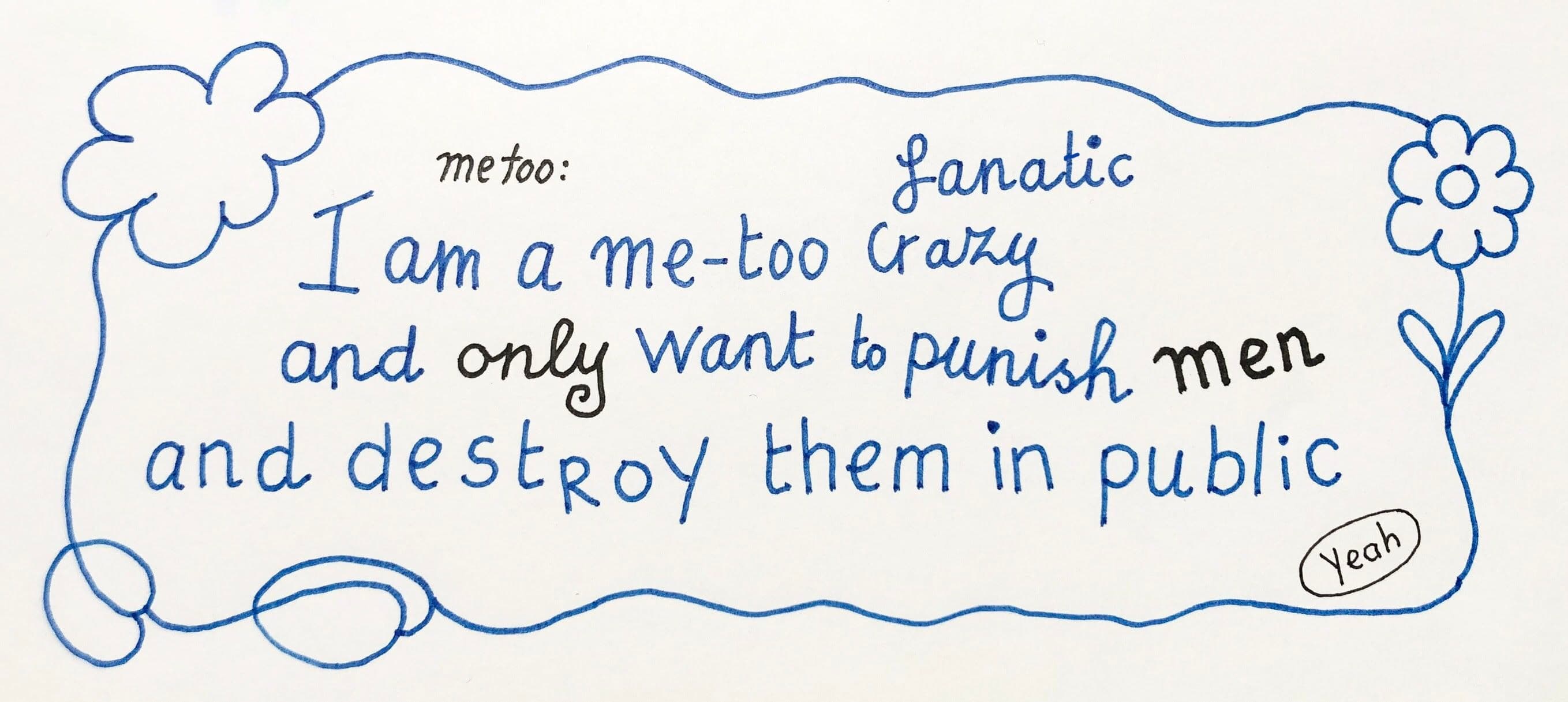
Kaufmann RepettoKaufmann Repetto is glad to present Male Art Exhibition, Great Show!, Lily van der Stokker’s sixth solo exhibition with the gallery. In her new wall paintings, paintings on canvas and drawings the artist tackles the issue of ‘male art’, subverting this slippery trope into a profound and combative reflection about genders and their hierarchy, in the art world and beyond. Unveiling her own personal pantheon of male artists, commemorating notably ‘masculine’ art works proposed by them over the past decades, van der Stokker addresses men as a (supposedly) marginalized group, neglected and overlooked in the current climate of inclusivity. Against the backdrop of the identity-political discourse of the past years on the one hand, and the pressing debate about male dominance, the rise of the ‘manosphere’ and its misogynist and anti-feminist stances on the other, the artist avoids any deterministic reading but challenges the viewer with open-ended questions. Gender has been a central factor in the reception of van der Stokker’s oeuvre throughout her career. The artist’s visual signature - floral motifs, ornamental doodles and bright colors – has been labeled as ‘girlish’ for decades. Far from being appreciative, this apparently mild term channeled most of the times a diminutive and hegemonic judgement, omitting the powerful, self-affirmative and liberatory forces that underpin van der Stokker’s aesthetic and formal choices. Since the early 1990s the artist tenaciously fought this cliché, claiming resistance through her own practice and in her theoretical positioning vis-à-vis artist colleagues, curators and museums. Addressing gender in the art world encountered reserve, if not open hostility, and was candidly overruled by the mantras of neutrality and supposed quality. The conviction that art had ‘nothing to do with gender’ was the dominant routine of critics and curators, while the marginalization of feminine/feministic subject matter was de facto sanctioned, both politically and institutionally, for years to come. But has the recent gender equality movement, with its noticeable impact on the exhibition and collection policies of institutions and curators alike, transformed men into an endangered species? Are male artists left out nowadays, excluded and ignored in an art world dominated by polyvocality? Van der Stokker playfully yields to the temptation of rephrasing history, turning ‘art made by men’ into a sort of reverse-stigma.Concocting ‘another male art exhibition’, she recalls with aphoristic humor a series of brash, boyish artworks by male artist friends and colleagues, evoking the intransigently ‘masculinized’ associations that cling to subject matter like cars and guns, beer and cigarettes. “For me it is a correction fantasy of the uncountable all-male art shows from the past”, says the artist, ”they went by without ever being questioned for their possible male temperament rather then their suggested genderless neutrality”. Lily van der Stokker has exhibited internationally, with solo exhibitions including those at Frac Normandie, Caen; Camden Art Centre, London; The Migros Museum für Gegenwartskunst, Zurich; Stedelijk Museum, Amsterdam; SCAD Museum of Art, Savannah; Hammer Museum, Los Angeles; Museum Boijmans van Beuningen, Rotterdam; Tate St. Ives, Cornwall; Van Abbemuseum, Eindhoven; Museum Ludwig, Cologne; and Le Consortium, Dijon, among others. Her work has also been included in group exhibitions at Kunsthal Rotterdam, Rotterdam; Stedelijk Museum Schiedam, Schiedam; Kunstmuseum St. Gallen, St. Gallen; MAC Lyon, Lyon; Kunstmuseum Basel, Basel; Walker Art Center, Minneapolis; The Art Club of Chicago, Chicago; Centre Pompidou, Paris; New Museum, New York; and Aspen Art Museum, Aspen, among many others. Van der Stokker has completed numerous monumental public art projects such as Schattige Babyvoetjes (cute baby feet), Amsterdam (2025); Thank You Darling for the High Line, New York (2023); the Celestial Teapot, Hoog Catharijne, Utrecht (2013); and Pink Building during the World Expo in Hannover (2000). Van der Stokker’s work is in many permanent collections, including those of Stedelijk Museum, Amsterdam; Museum Arnhem; Museum Boijmans van Beuningen, Rotterdam; Jumex Collection, Mexico City; Museum of Contemporary Art, Chicago; Centre National des Arts Plastiques, Paris; Le Consortium, Dijon; Musée des Beaux Arts de Nancy, Nancy; Bonnefantenmuseum, Maastricht; Van Abbemuseum, Eindhoven; and Worcester Art Museum, Worcester.