
Midtown, New York
Pablo Picasso & Wifredo Lam
Pablo Picasso & Wifredo Lam
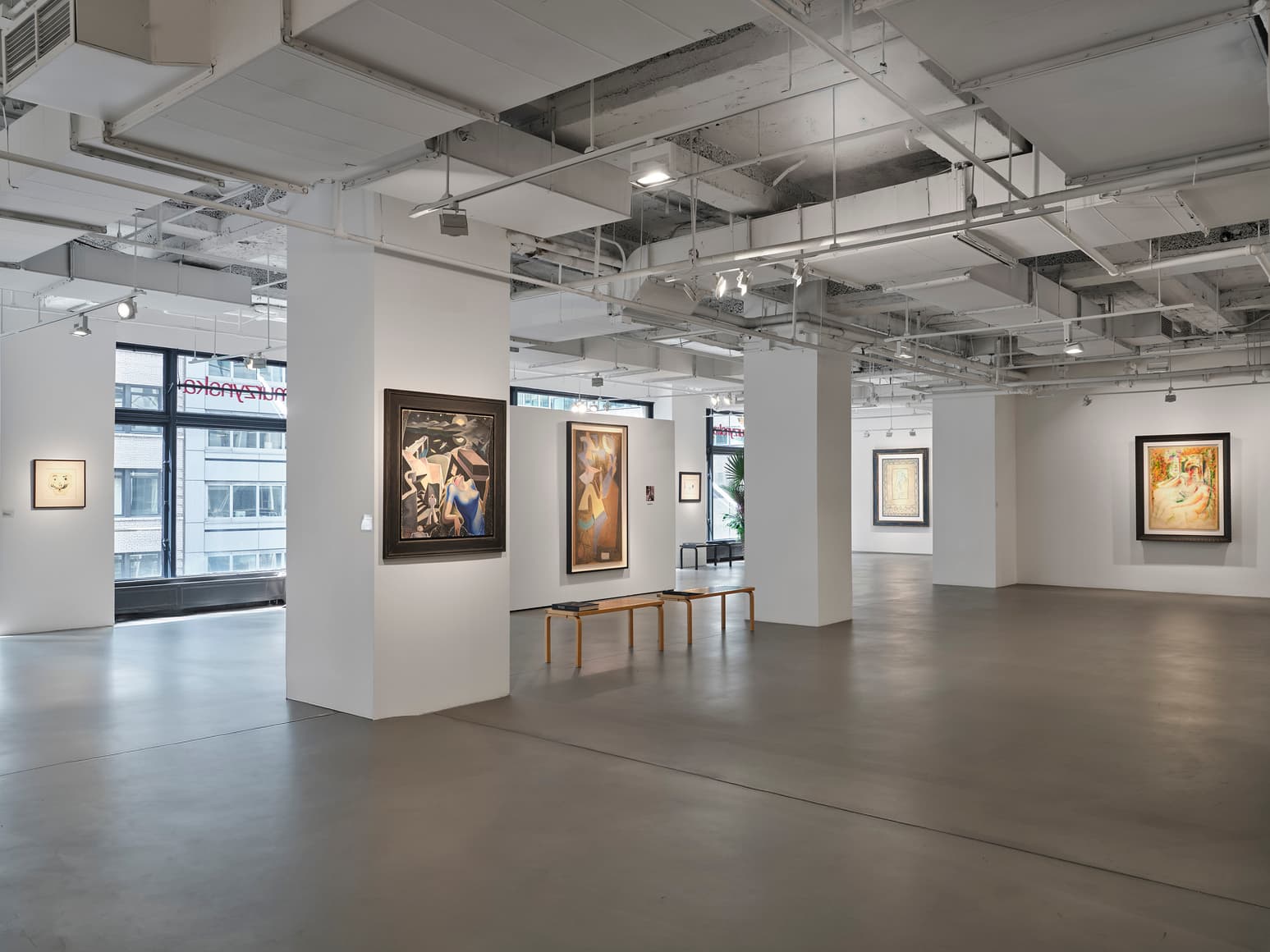
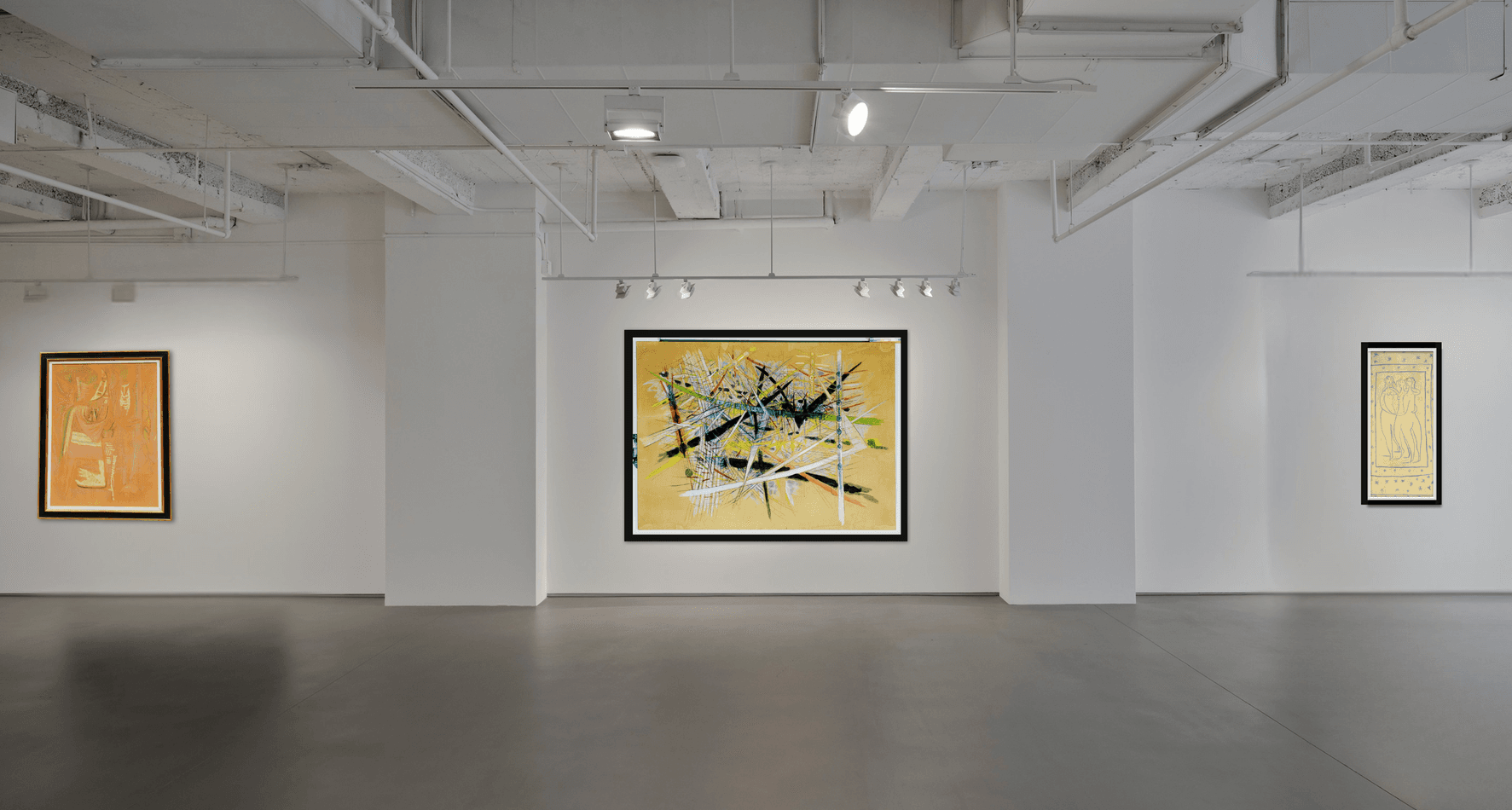
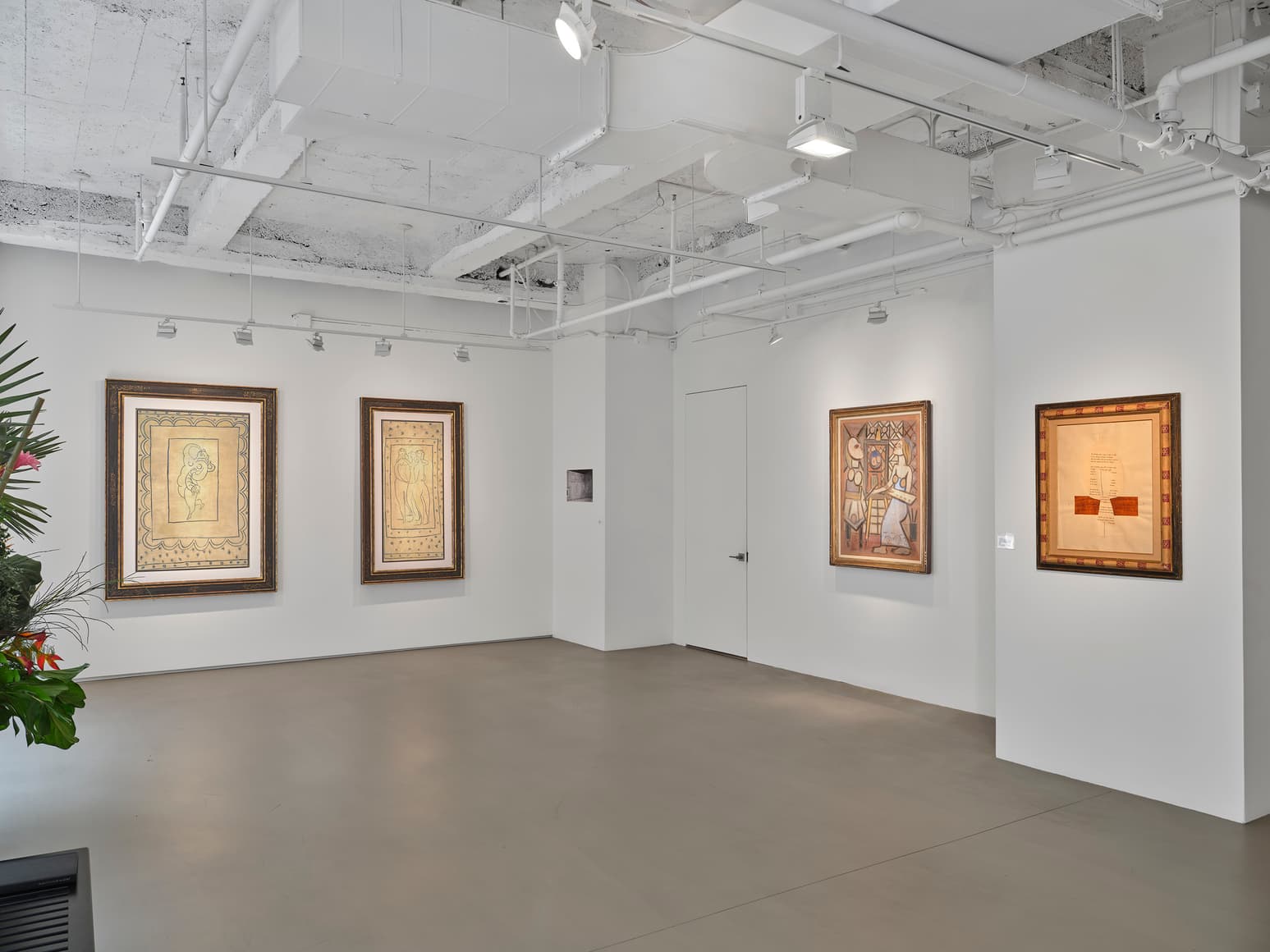
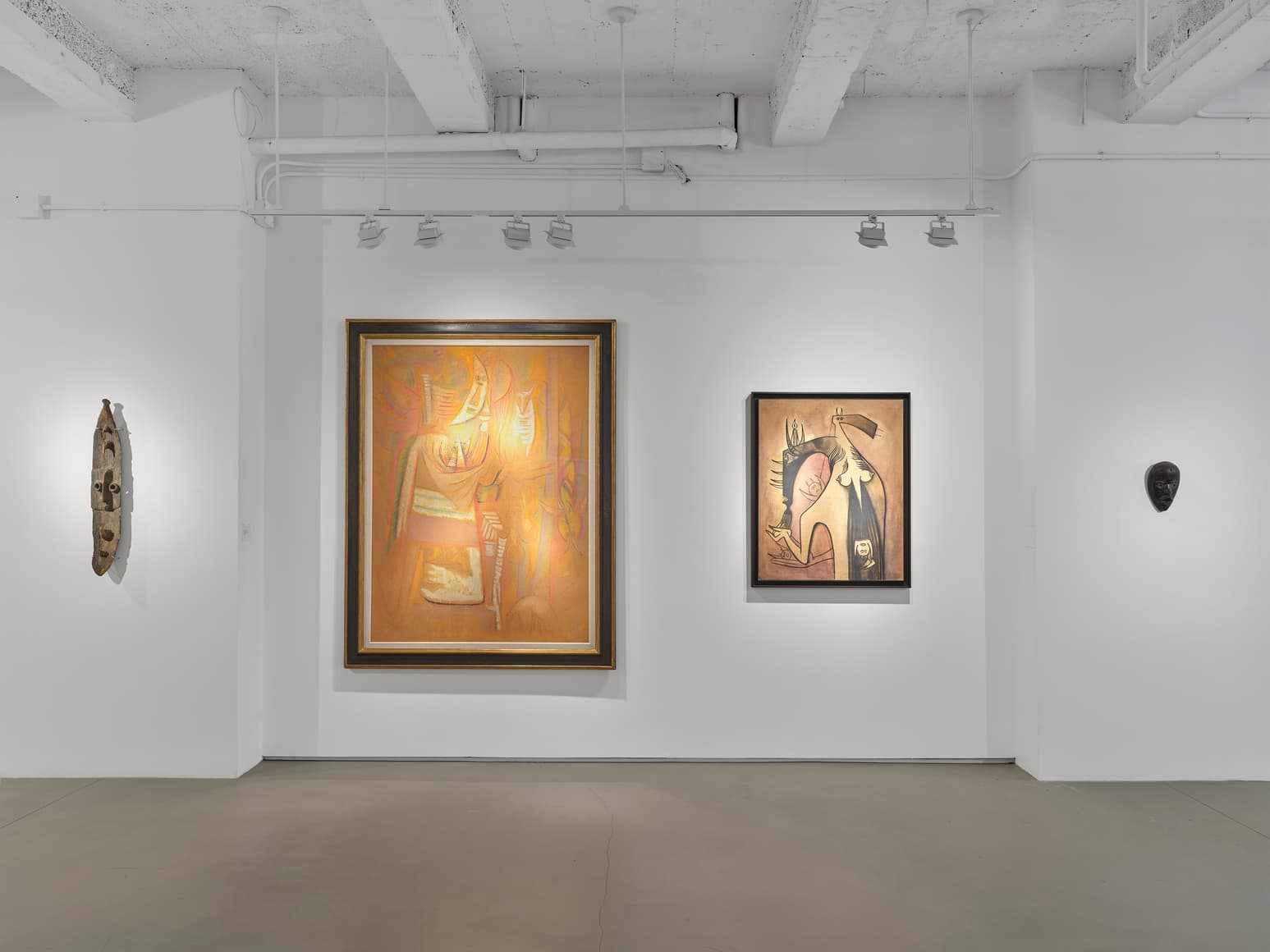
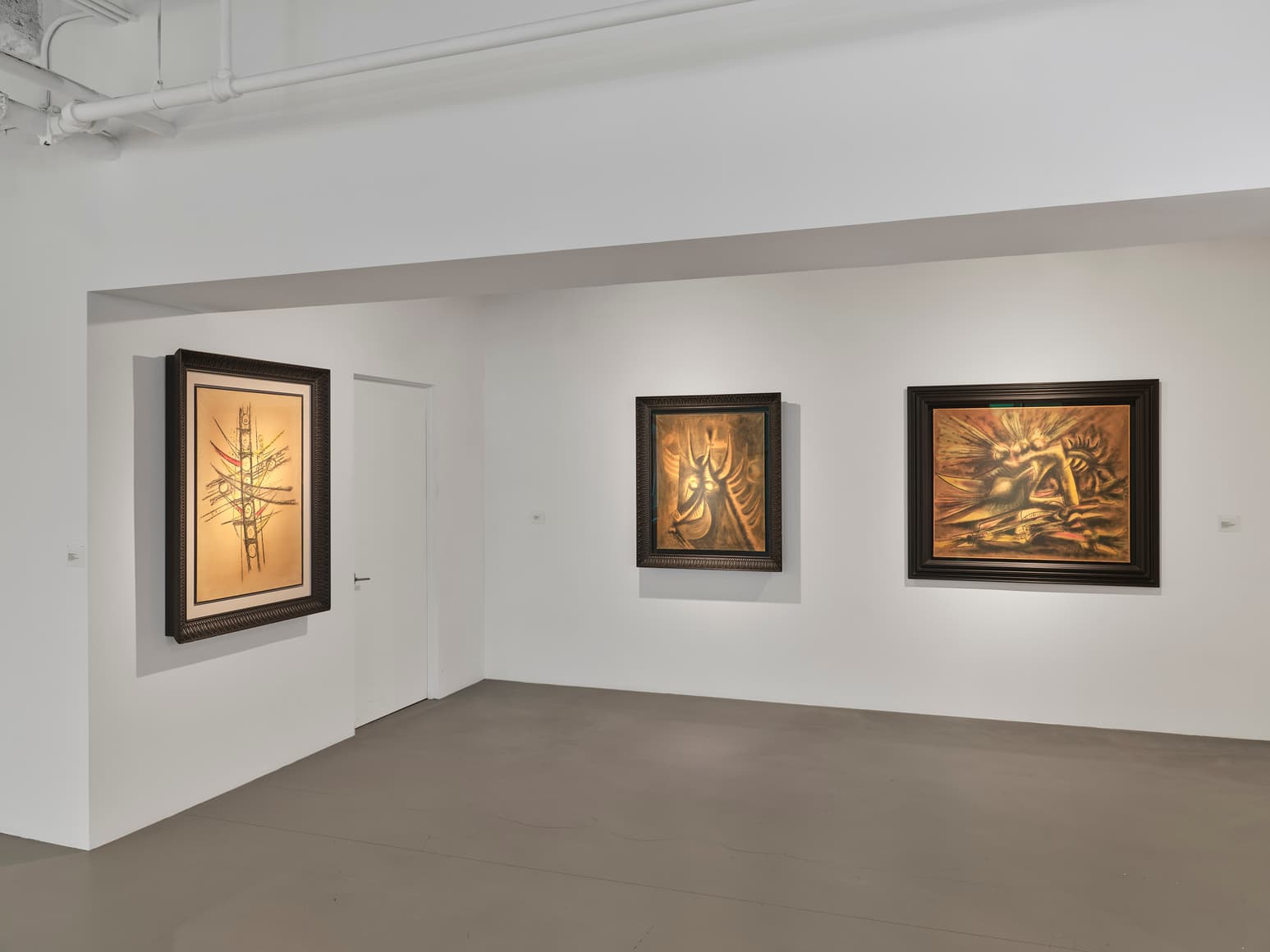
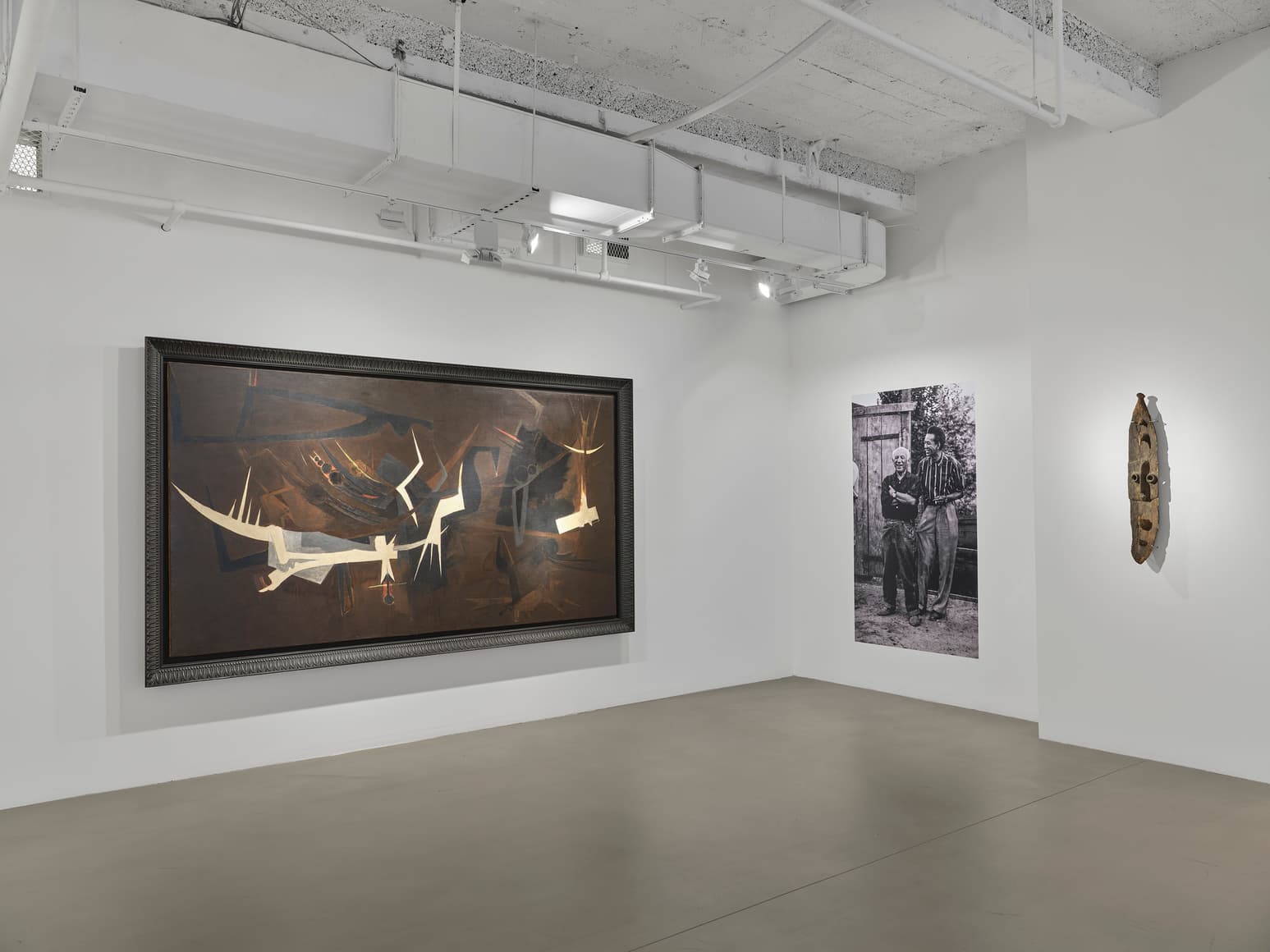
Galerie Gmurzynska“Picasso found in Lam the only kind of confirmation he could care about — that of a man who had realized himself by taking, in relation to Picasso, the very opposite path: who, starting from the primitive myth he bore within him, and assimilating on his way the most learned disciplines of European art, had attained the highest point of consciousness.” —André Breton, 1941 Approximately 50 works (spanning from 1918 to 1978), including paintings, frescos, works on paper, collage, and ceramics, are being presented. Following the finissage of Museum of Modern Art’s highly lauded solo retrospective “Wifredo Lam: When I Don’t Sleep, I Dream”, the Galerie Gmurzynska exhibition includes some important Lam works previously exhibited at the MoMA. The exhibition is accompanied by a 350-page scholarly volume with previously unpublished archival materials and new research by Jérôme Neutres, Jacques Leenhardt, Fabrice Flahutez, and Dorota Dolega- Ritter, and this is the first publication to take on the subject of their relationship. Lam and Picasso first met in Paris in May 1938, and the encounter proved foundational for both artists, which subsequently developed into a deep lifelong friendship of mutual respect. Picasso lauded Lam, saying “Lam, I think that you have my blood in you, you must be one of my relations, a primo, a cousin.” (1938) and “My friend Lam. I’ve seen your things. They’re very good! And I’m so glad I saw them. You know how much I love you” (1945). Between 1940 and 1946, Picasso and Lam regularly exhibited together at the Pierre Matisse Gallery, New York, in the Fuller Building, the same premises now occupied by Galerie Gmurzynska where the Lam / Picasso exhibition is taking place. The last dedicated exclusive two-man exhibition related to Lam and Picasso dates back to 1939 at the Perls Gallery in New York, and it was Lam’s first showing in America. Picasso personally brought his friends Chagall, Giacometti, Le Corbusier, Léger, and Miró to Lam’s foundational solo show at Galerie Pierre (Pierre Loeb) in Paris in 1939, and he introduced Lam to André Breton, the Surrealist circle, and Michel Leiris. Picasso and Dora Maar held Lam’s entire oeuvre for safe- keeping during World War 2 when Lam returned to his native Cuba. The exhibition includes from Lam a rare Étude pour La Jungle (1943) as well as other masterpieces from Lam’s estate including part of his indigenous art collection, and from Picasso, two rare frescos from his 1918 honeymoon in Biarritz are exhibited as well as works engaging in his lifelong interest in African art such as Animaux naturels (Arts Primitifs) from 1943, a total of six oil on canvas paintings. Pablo Ruiz Picasso (1881 – 1973) was one of the most influential artists of the 20th century, a Spanish painter, sculptor, printmaker, ceramicist, and theatre designer who spent most of his adult life in France. The son of an academic painter, José Ruiz Blasco, he began to draw at an early age. In 1895, the family moved to Barcelona, and Picasso studied there at La Lonja, the academy of fine arts. His visit to Horta de Ebro from 1898 to 1899 and his association with the group at the café Els Quatre Gats in around 1899 were crucial to his early artistic development. In 1900, Picasso’s first exhibition took place in Barcelona, and that fall he went to Paris for the first of several stays during the early years of the century. Picasso settled in Paris in April 1904, and soon his circle of friends included Guillaume Apollinaire, Max Jacob, Gertrude and Leo Stein, as well as two dealers, Ambroise Vollard and Berthe Weill. Among the enormous number of Picasso exhibitions that were held during the artist’s lifetime, those at the Museum of Modern Art, New York, in 1939 and the Musée des Arts Décoratifs, Paris, in 1955 were most significant. Wifredo Lam (1902-1982) was a major 20th-century painter who fused elements of Cubism and Surrealism with African culture in his paintings. Born in Cuba, the multi-ethnic artist came from Chinese, European, Indian, and mixed-African descent. He studied in Spain at the studio of Fernando Alvarez de Sotomayor, the Director of the Prado, who also taught Salvador Dalí. An early tragedy – the death of his wife and newborn son – contributed to the development of his existential and surrealist style. After the Spanish Civil War, Lam went to Paris where his friend Pablo Picasso would introduce him to Matisse, Léger, Braque, Miró, Éluard and Michel Leiris. Lam passed the WWII years in the Caribbean, in the company of prominent surrealists and intellectuals such as, Claude Lévi-Straus, André Masson, and André Breton, whose poem “Fata Morgana” Lam illustrated in 1940. He developed an interest in Santeria and Voodoun, which became integral for his work. Through the 1940s, Lam would exhibit with Pierre Matisse Gallery in New York. In 1960, Lam established a studio on the Italian coast in Albisola Mare. In 1964, he was awarded the Guggenheim International Award, which was followed by major retrospectives at the Moderna Museet, Stockholm, the Palais des Beaux-Arts, Brussels, and the Stedelijk Museum, Amsterdam. Today, the artist’s works can be found in leading museums such as the Museum of Modern Art, New York; Los Angeles County Museum of Art, Los Angeles; and the Museo Reina Sofia, Madrid.