

Little Italy, New York
Lina Bradford & Gage Spex
Dream a Little Dream of Me
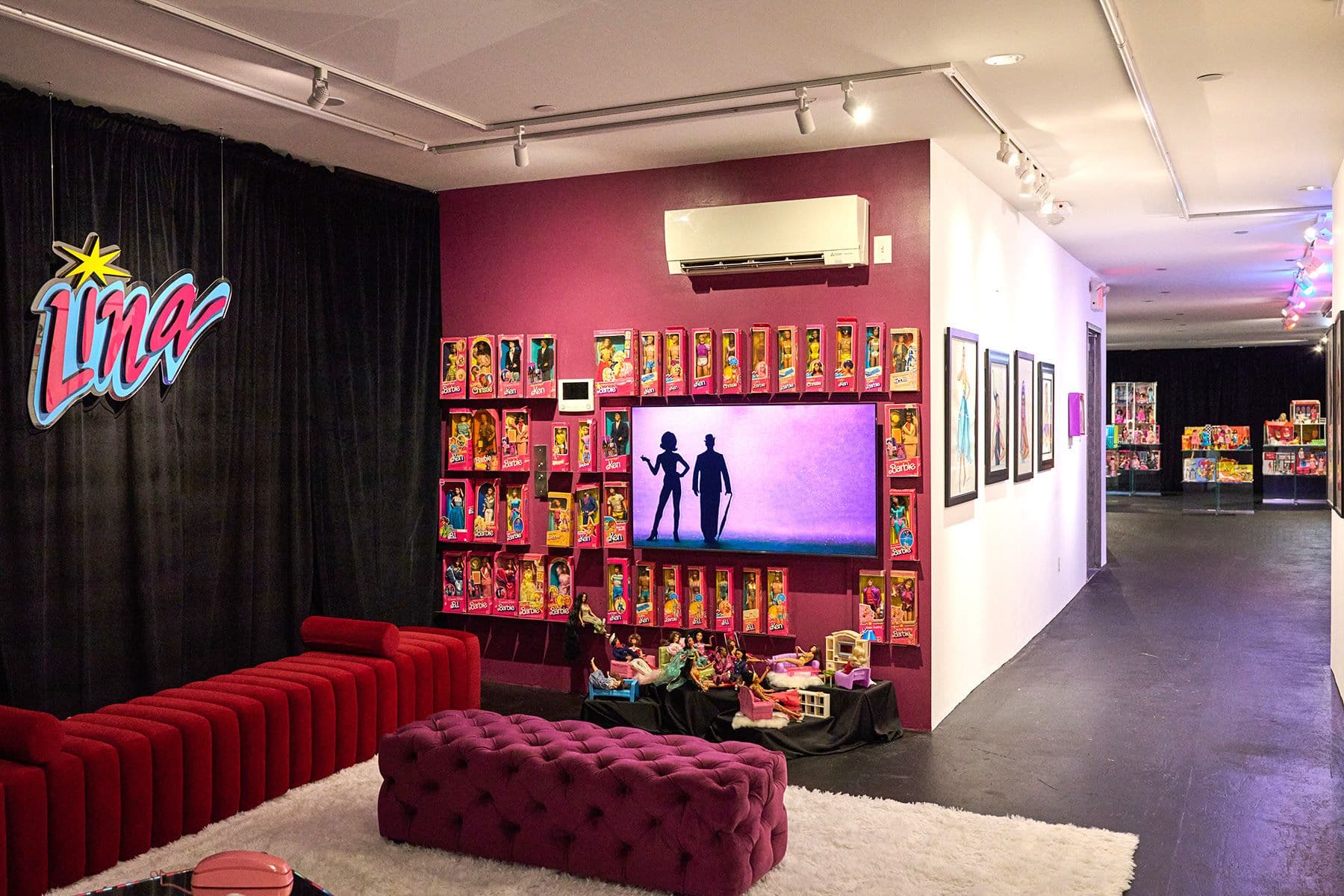
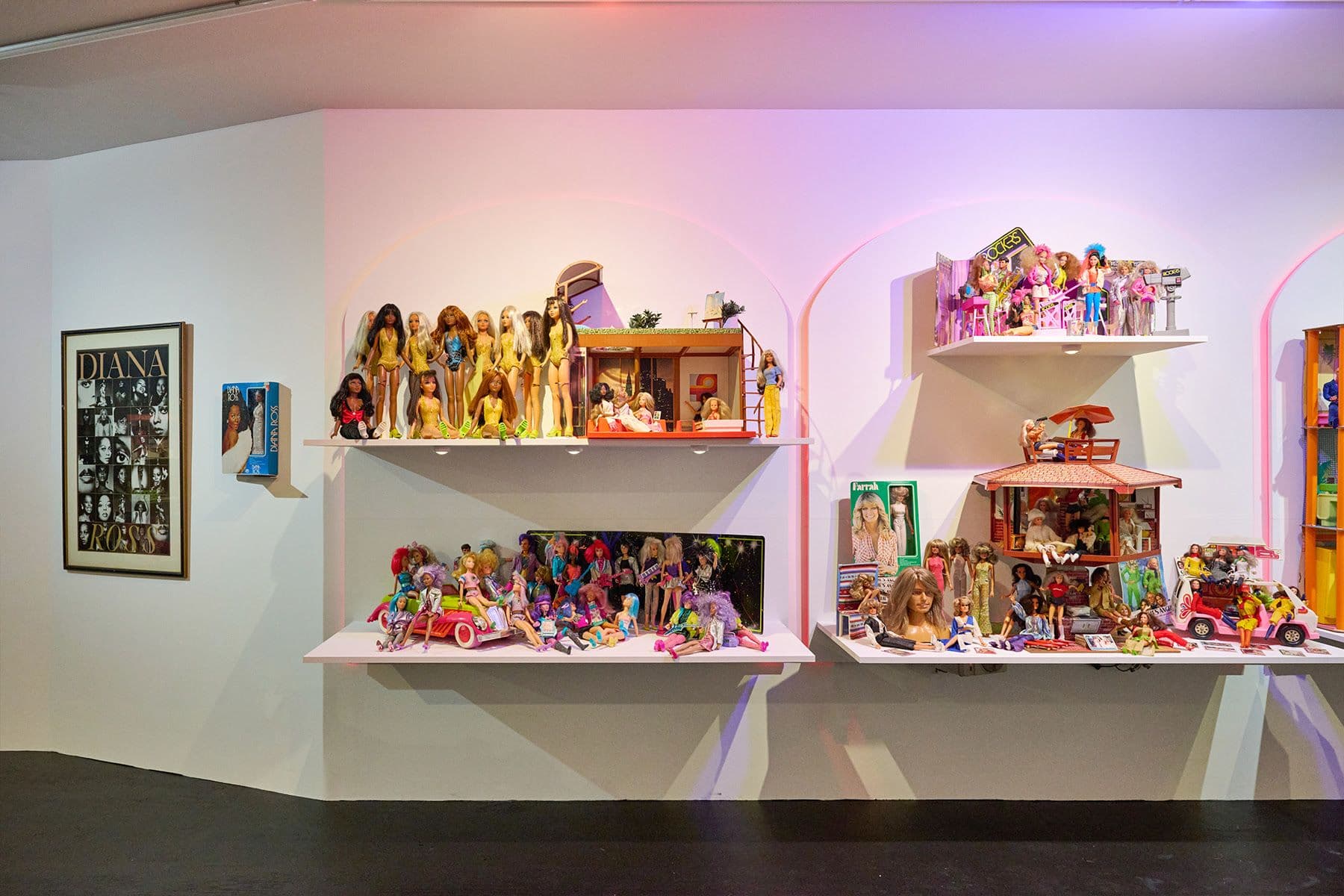
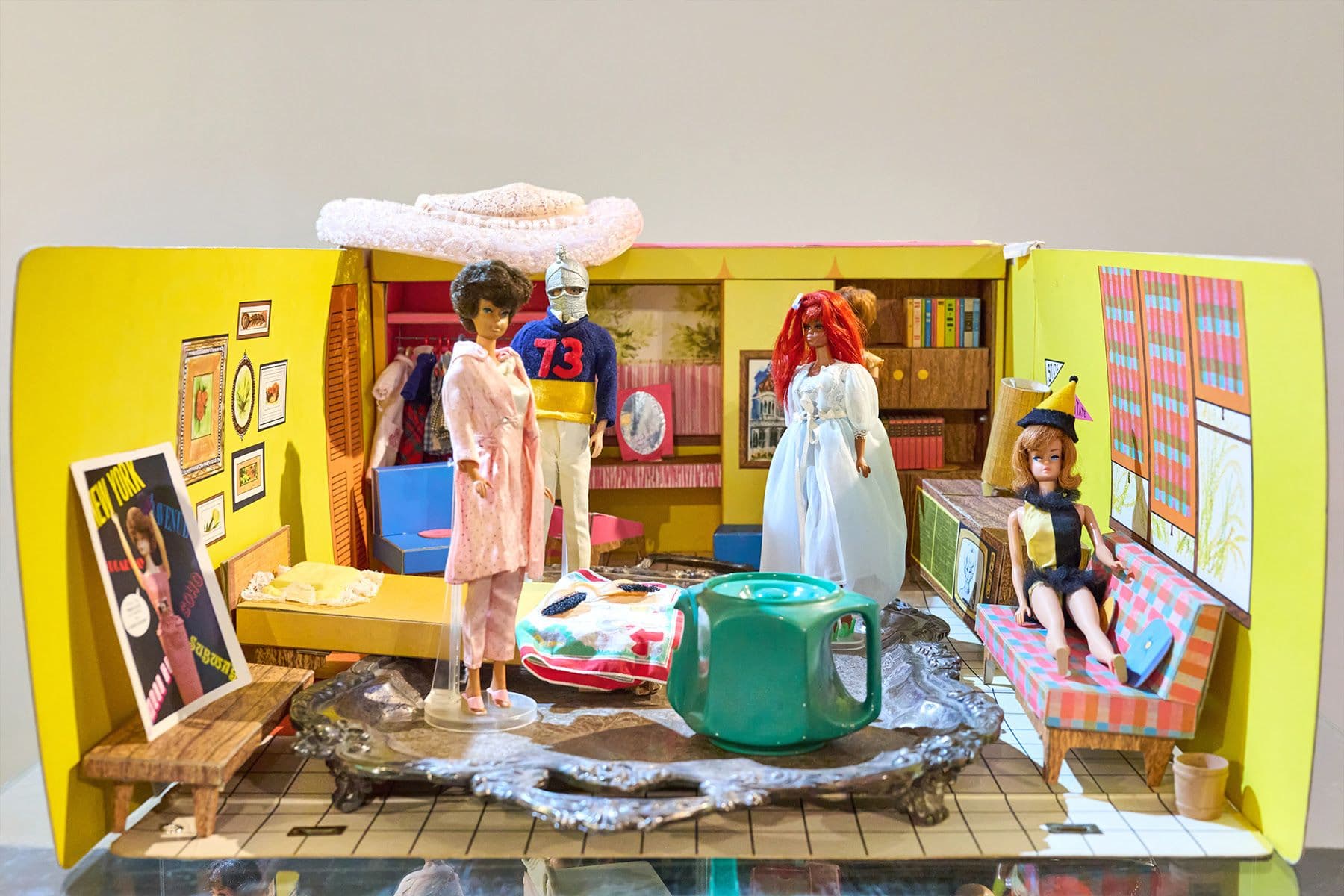
Salma SarriedineWhen I first arrived in New York in the early 2010s, I gravitated toward those sordid alternative spaces like the Spectrum, a small room in Bushwick with mirrored walls, rank with sweat and cigarette smoke, that came alive every Saturday night. Co-founded by the multidisciplinary artist and party producer Gage Spex, the quasi-performance venue and D.I.Y. nightclub was a second home for many “radical faeries, non-gender-conforming performers, women and men of color, trans people, some artists, a few writers, loners, the ignored, poor, [and] thrifty,” as Andrew Durbin described in his 2017 novel MacArthur Park. Being there felt like a promise kept: My own dream of the city, growing up on the other side of the country, had been shaped by hours spent watching ’90s talk show appearances with the club kids and studying old snapshots of RuPaul, Amanda Lepore, and Candis Cayne. I’d often listen to live sets by Lina Bradford, a.k.a D.J. Lina, that had been filmed and uploaded to YouTube. Across these generations, nightlife has consistently been a place for freedom, fun, and fantasy, a testing ground for new looks and new identities where all are welcome. Bradford and Spex, two veterans of the scene, have kept these ideals alive. The Spectrum shut down in 2019, but Spex continues to throw roving parties that transport their attendees from warehouses or churches to extraordinary other worlds. Bradford had already made a name for herself as a dancer at Manhattan clubs and as an actress in films like Foo when she began performing as the D.J. Girlina in 1997. The artists are united in that their senses of imagination and world-building were instilled early on, in part as avid collectors of Barbie dolls from a young age, a childhood hobby that would one day help to inform their notions of themselves and the spaces they’d create as artists. Dream a Little Dream of Me, a two-person exhibition at SALMA SARRIEDINE curated by Aviva Silverman, traces Spex and Bradford’s origins through their extensive doll collections and examines their cross-generational contributions to New York’s subculture via photographs, videos, and other ephemera. 600 dolls from their combined collections, most of which are Barbies, fill the gallery. Though they share an appreciation for Mattel products dating back to the ’60s, Bradford and Spex take vastly different approaches to their collecting practices. Bradford came of age at the height of Studio 54 and Danceteria, and much of her collection includes pristine miniatures of celebrities like Cher and the band Kiss. Her collection spans over 500 dolls in total and is often staged as a backdrop for her YouTube talk show In the DollHouse with Lina, where a magical eight-ball summons a guest to be interviewed each week. Spex treats their figurines as found materials, scouring flea markets, thrift stores, and junkyards for castaway toys, then taking them home to be cleaned and mended. Their collection includes over 200 dolls and accessories, including several iterations of Barbie’s Dreamhouse, after which an iteration of the Spectrum was named. The artists’ dolls are complemented by snapshots hung on the walls that revisit Bradford partying with other nightlife mainstays, including the drag queen Lady Bunny and the actress Sophia Lamar, as well as hand-sewn gowns and paintings made by Spex. An intimate look inside the personal worlds of two trans nightlife icons, the exhibition is likewise a meditation on the doll as a symbol for queer becoming. First emerging out of the ballroom community in the ’80s, the word “doll” has become a broad, endearing slang to describe transfeminine people. But it’s not a moniker everyone accepts, for dolls contain conflicting connotations. They’re plastic and unchanging, with impossibly tiny waists and pretty pouts, yet they can be anyone and anything: a doctor, a diva, an Olympic skier! The scholar Erica Rand wrote in Barbie’s Queer Accessories, an examination of Barbie’s many cultural meanings, that the doll suggests “suggests roles are only as fixed as costumes.” Bradford illustrates this idea in several portraits by the illustrator Alvaro, in which the D.J. is depicted as everything from a dominatrix in a black catsuit to Twiggy character in a leggy Mondrian-print shift dress. And in the back of the gallery, Spex has created a new installation, an “afters” room, using furniture from their Brooklyn apartment. An important part of nightlife, they seem to suggest, is what happens outside the club. The dolls are dressed up. They’re hanging out. They’re having a ball. —Coco Romack Lina Bradford, professionally known as DJ Lina (previously known as Girlina), is an American disc jockey, dancer, and actress. Bradford was a member of the 1990s New York Club Kids scene and first performed as a DJ in 1997. She appeared in films, including Wigstock: The Movie and Woo, for which she gained wider prominence. Gage Spex is a non binary multidisciplinary artist who creates installations involving performance, costumes, sound and light to activate sensory experiences. They have performed in nightclubs, museums, galleries and theatres. From 2011 to 2019 they founded the LGBTQIA performance, art, and nightlife space, The Spectrum, also known as The Dreamhouse. They continue to organize events nomadically.