
Marais, Paris
Group Exhibition
L'écriture ou la Vie
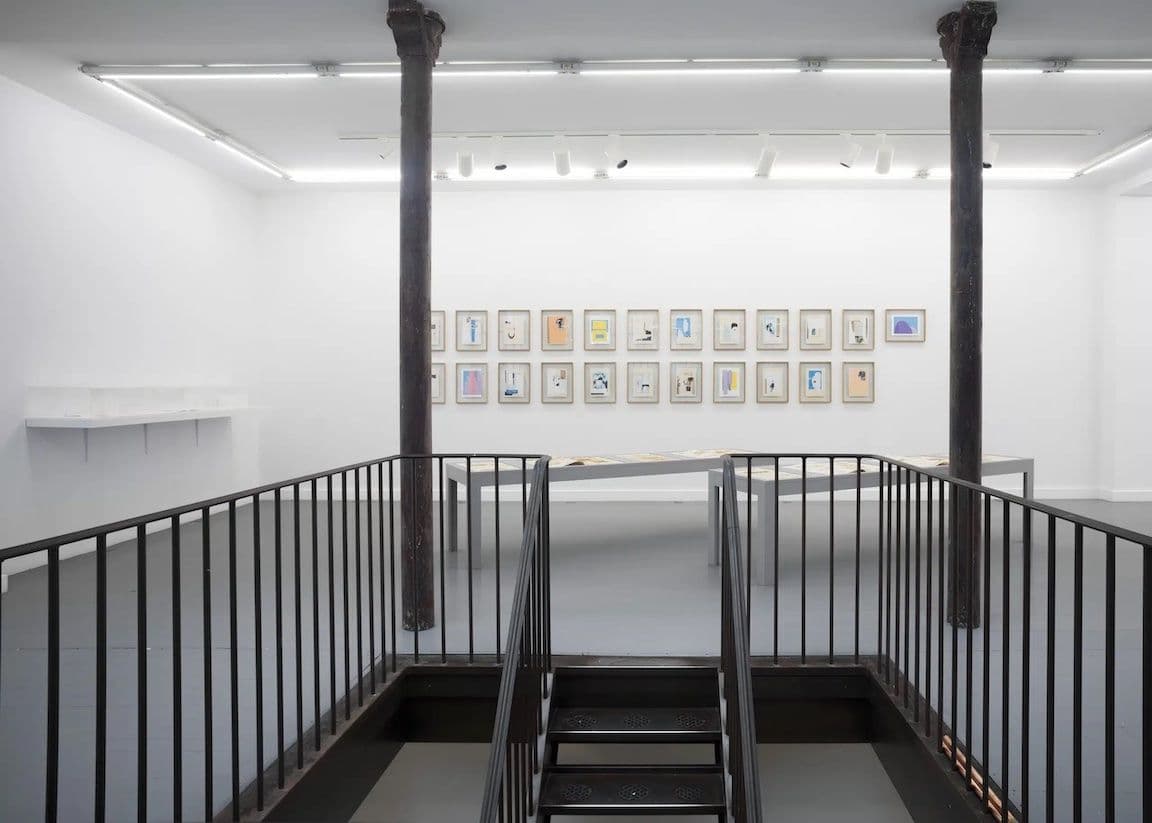
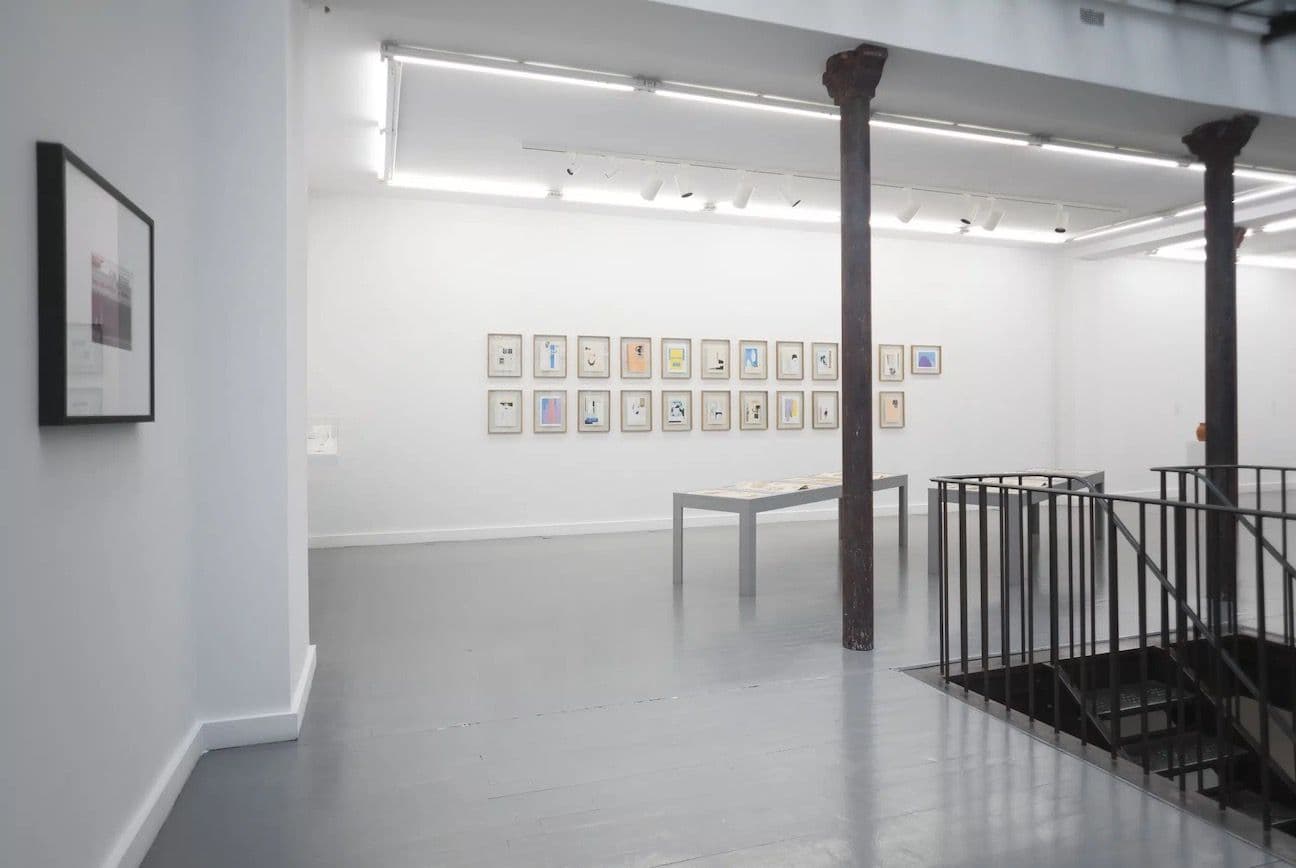
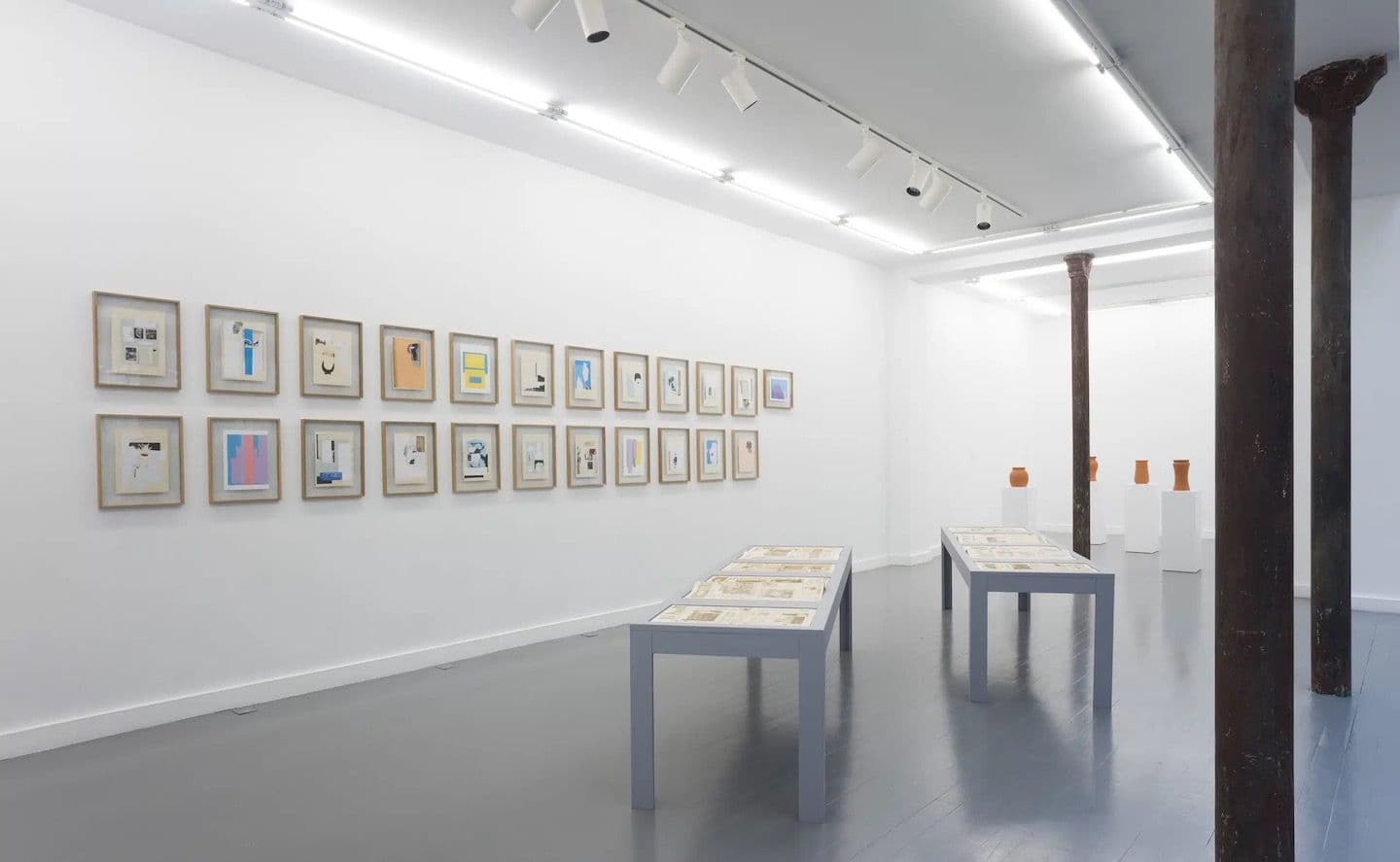
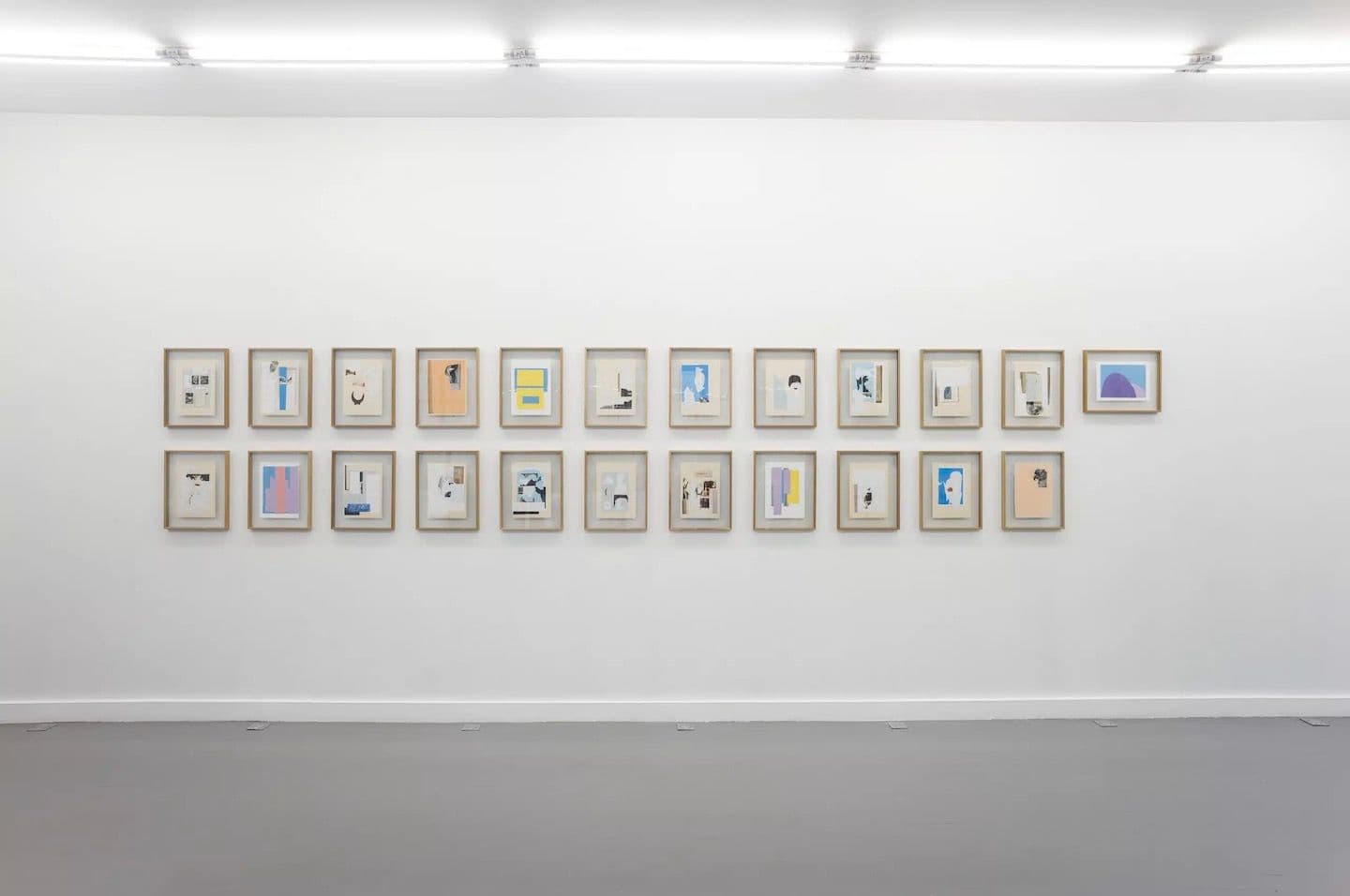
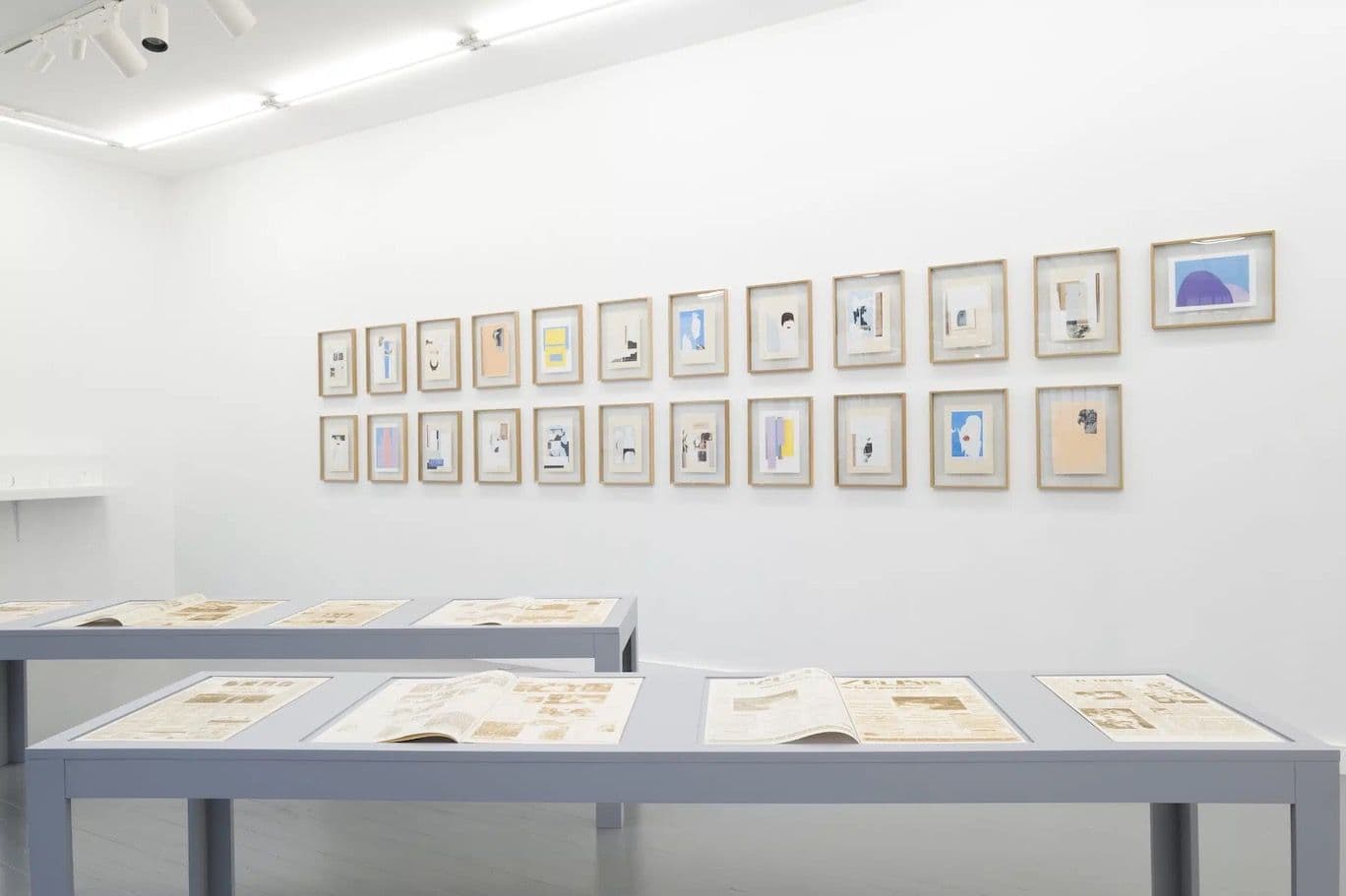
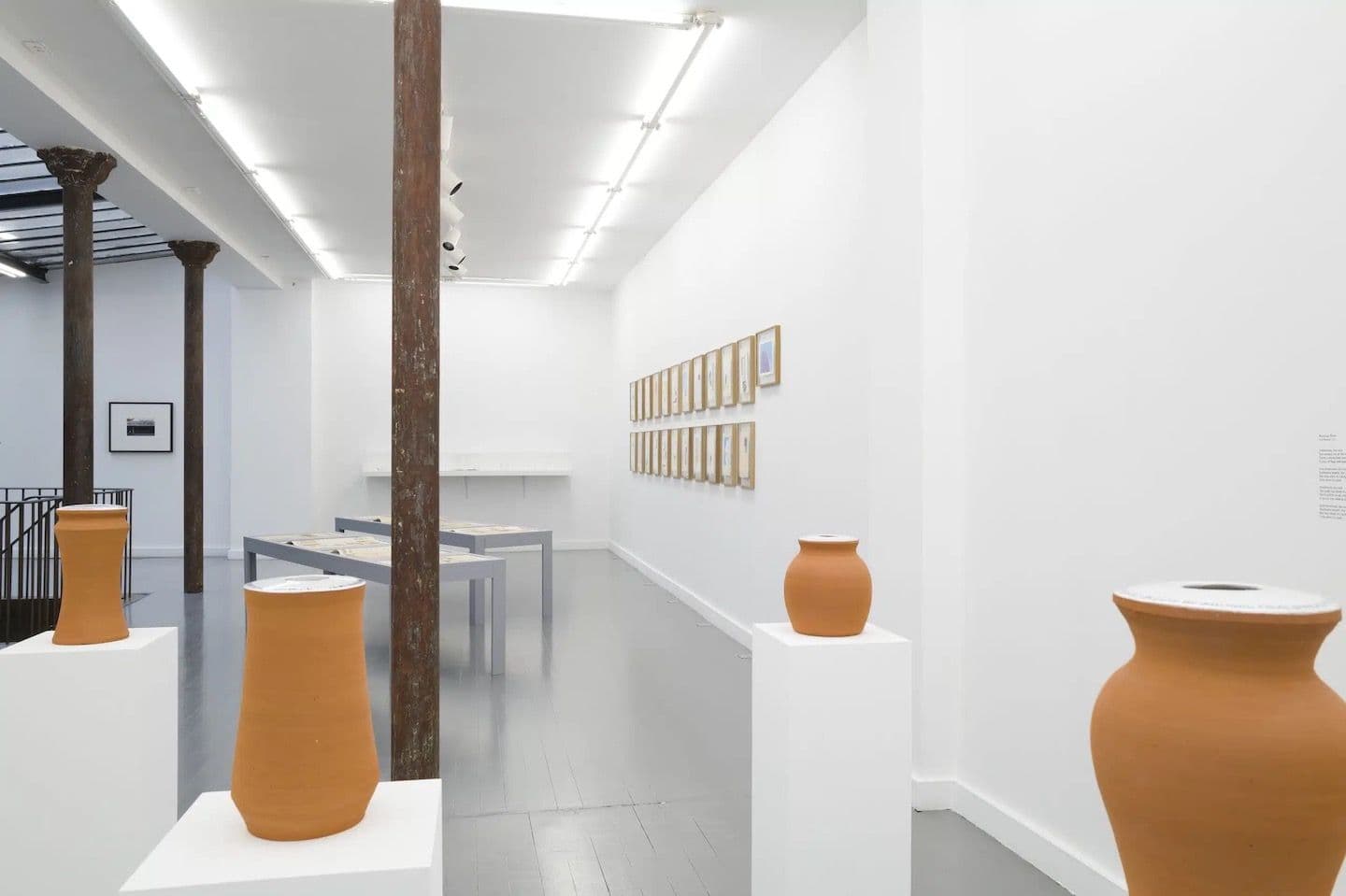
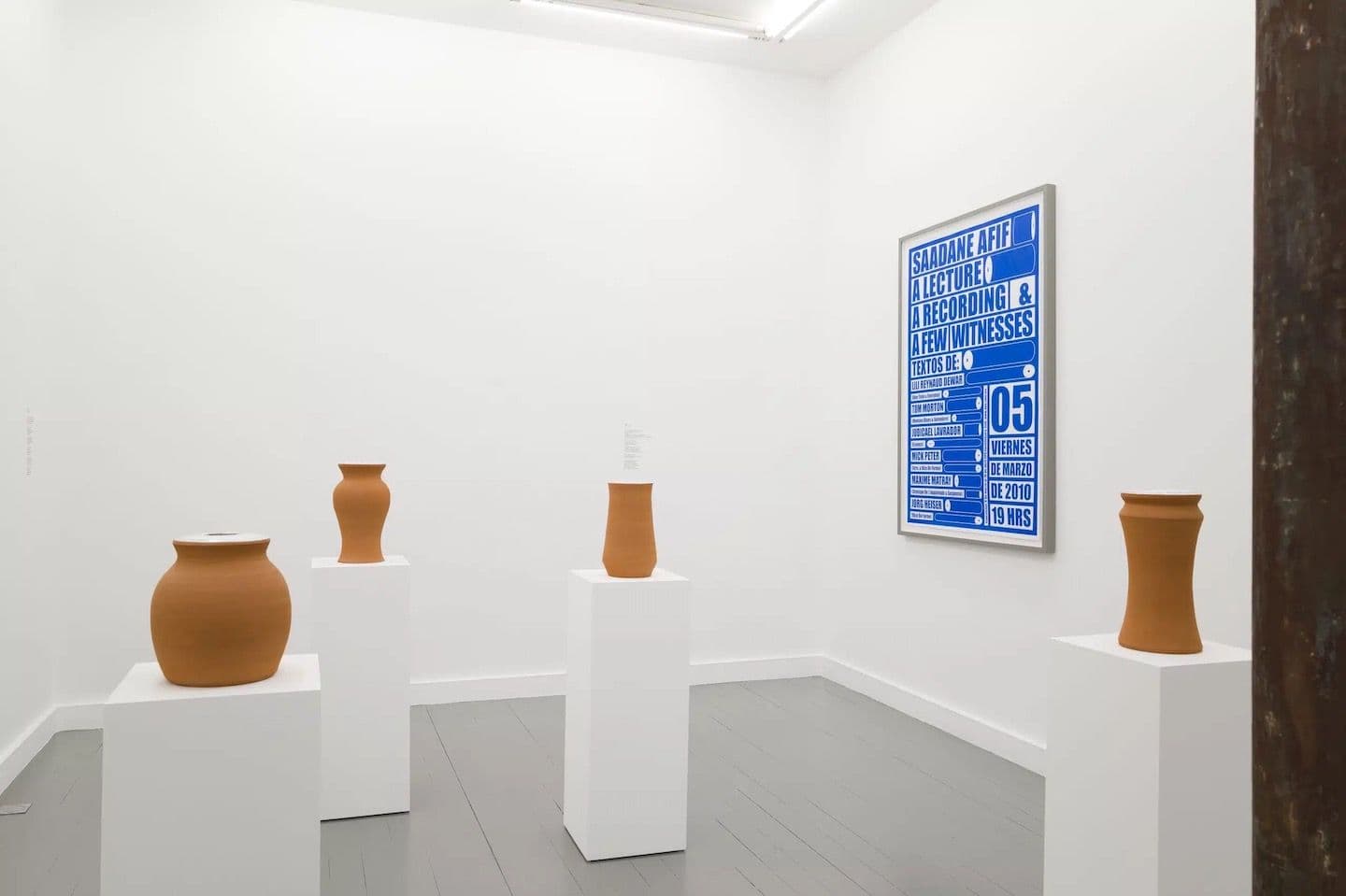
Mor CharpentierLawrence Abu Hamdan, Saâdane Afif, Marwa Arsanios, Bianca Bondi, Teresa Margolles, Carlos Motta, Oscar Muñoz, Uriel Orlow, Nicolás Paris, Charwei Tsai In 1994 Jorge Semprún published L'écriture ou la vie, a book of memoirs in which he recounts his deportation and captivity in the Buchenwald concentration camp, almost five decades after his liberation. In the book he explains how, for a long time, the act of writing, recalling that horror, had become impossible for him, incompatible with his own survival. The price to pay to go on living had been deliberate oblivion. The dilemma faced by Semprún suggests a series of considerations about the capacities of writing and language, about what it is possible to express through words in the face of the unspeakable. Thus, we will be interested in the text that disappears, fading over time, or erased in an act of censorship, but which can also become a political instrument. Writing, ultimately, as an exercise of construction / suppression of reality and memory. Through his recreation of the testimonies of the Nuremberg trials, it is certainly Lawrence Abu Hamdan who comes conceptually closest to Semprún's account. Arranged in a light box, the typed witness statements are completed with handwritten annotations that include certain passages, excluded from the final transcription because of their inconsequence in the development of the trial. Through this gesture, he invites us to reflect on the margins of interpretation and the extent to which every historical account involves some form of editing. Alongside them, Uriel Orlow's work confronts us with the exercise of censorship of a declassified document from the British Interior Ministry. The systematic obliteration of the text, line after line, leaving only one sentence visible, is almost comical, but it blatantly reflects the volume of ideas that are impossible to enunciate. Oscar Muñoz's practice is characterized by the creation of countless metaphors about memory and the fragility of the devices we deploy to preserve it. Writing would be one of them but, as his two installations show us, it does not always stand the test of time, and proves to be fleeting, fragile and —ultimately— indecipherable. Similarly, Charwei Tsai insists on the ephemeral character of existence, through a video in which prayers written by herself on an incense tablet are slowly consumed. Saâdane Afif also ventures into a conceptual space in which the word can be symbolically captured through an action of mechanical recording. A form of memento, completed by the inscriptions that precisely identify each of the terracotta vessels. Nearby, a selection of artworks by Nicolás Paris revolve around the ideas of learning processes and transmission of knowledge. The exercise of writing is also, undoubtedly, an act of political resistance through which rhetorical processes are articulated and ideologies are formulated, as Marwa Arsanios shows us with her installation inspired by revolutionary media. The title —practically an oxymoron— evokes once again the quandary between “saying” and “not saying” with words. Other artists, however, will insist on the tradition of the written message as a tool of vindication and protest, such as Teresa Margolles, who brings to the public space the fearsome threats of the narcomensajes. Carlos Motta's work, on the other hand, intertwines the public with the private, the personal and the political, as in the case of Humboldt's intimate correspondence in which he exalts his love for another man. Bianca Bondi, in turn, also places at the core of her piece a love letter, preserved for decades, and which is limited to a simple sentence that could well summarize the spirit of the entire exhibition: “words fail me...”.