
Giardini, Venice
Ilit Azoulay
Queendom
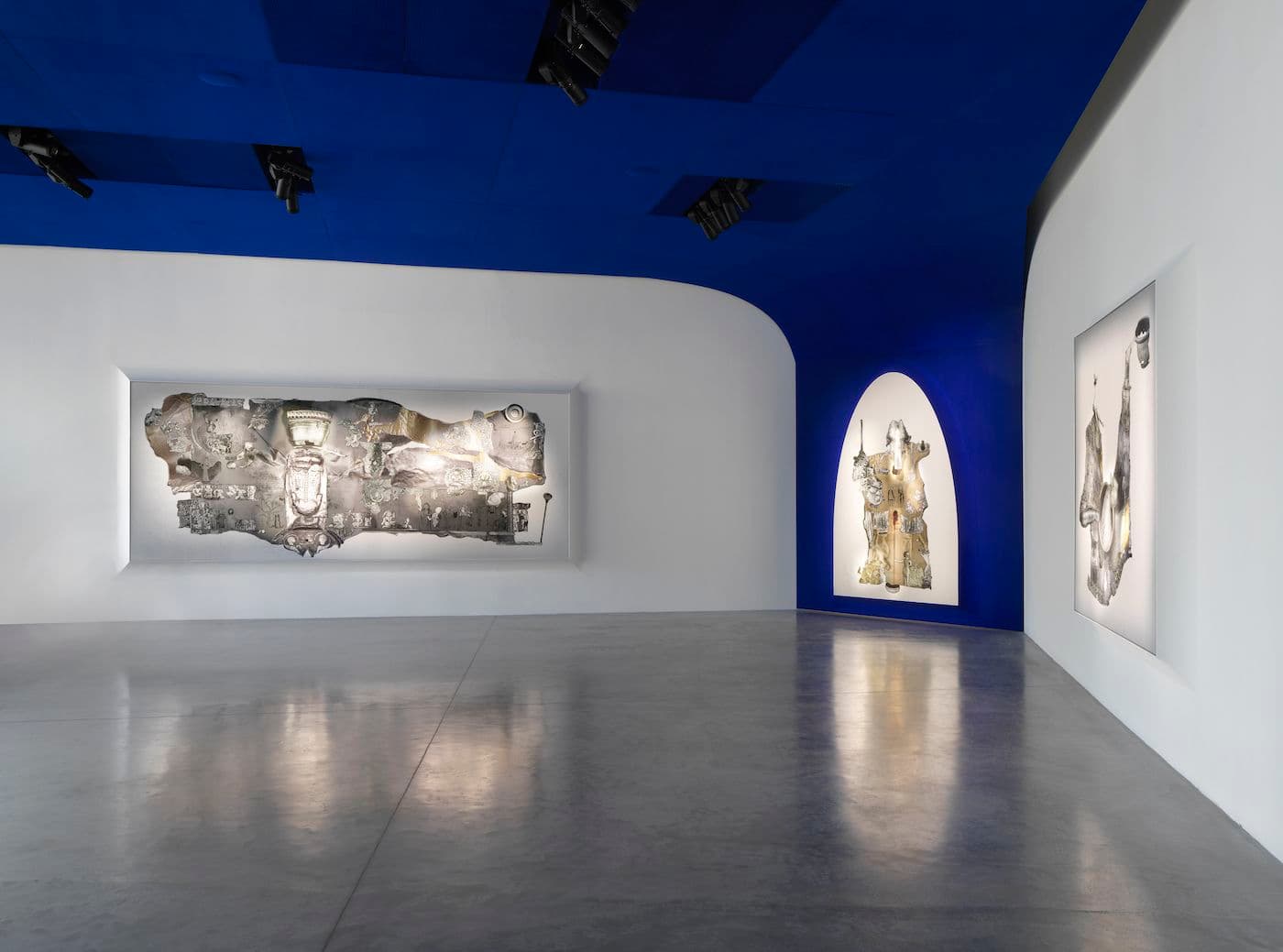
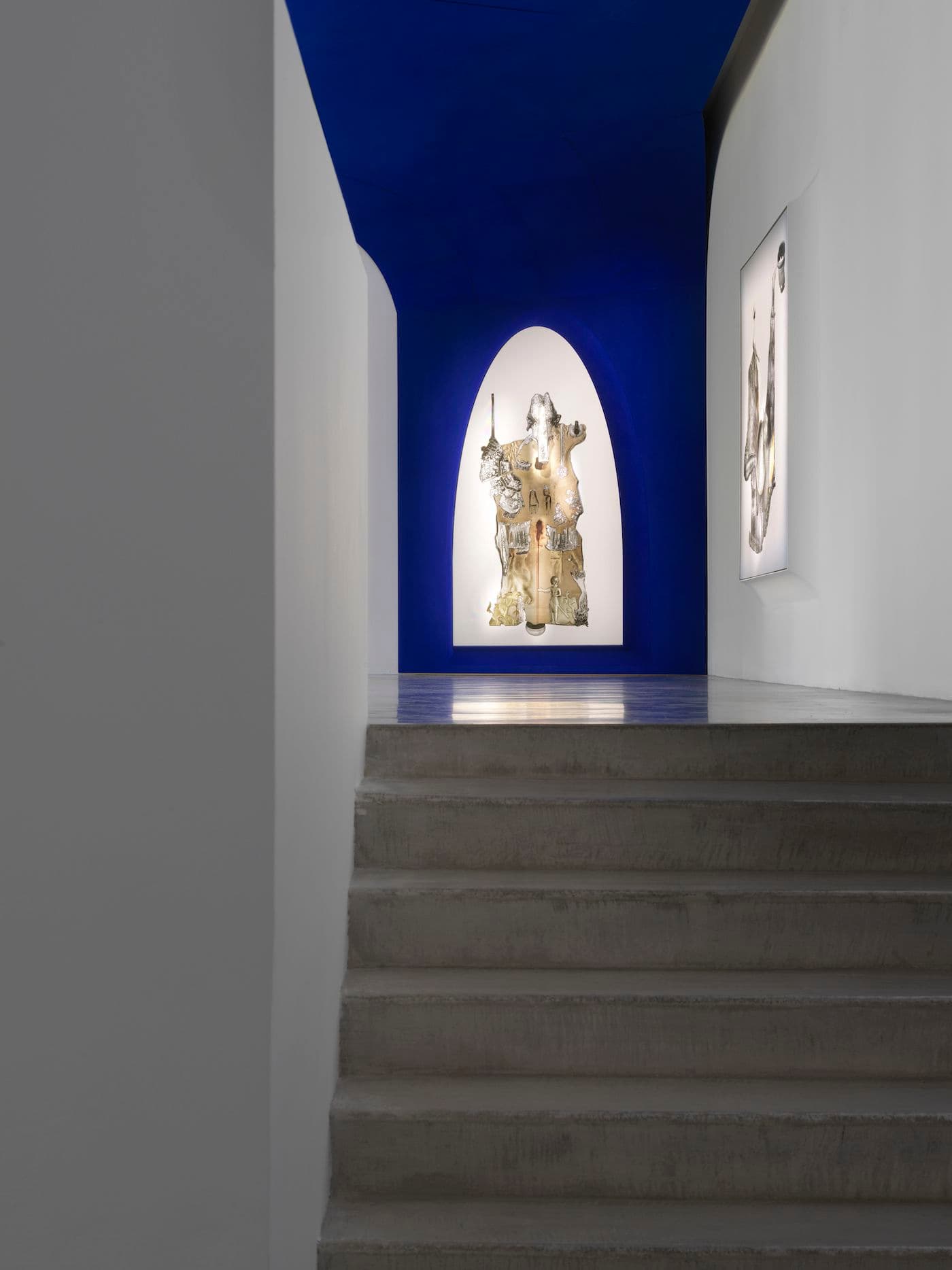
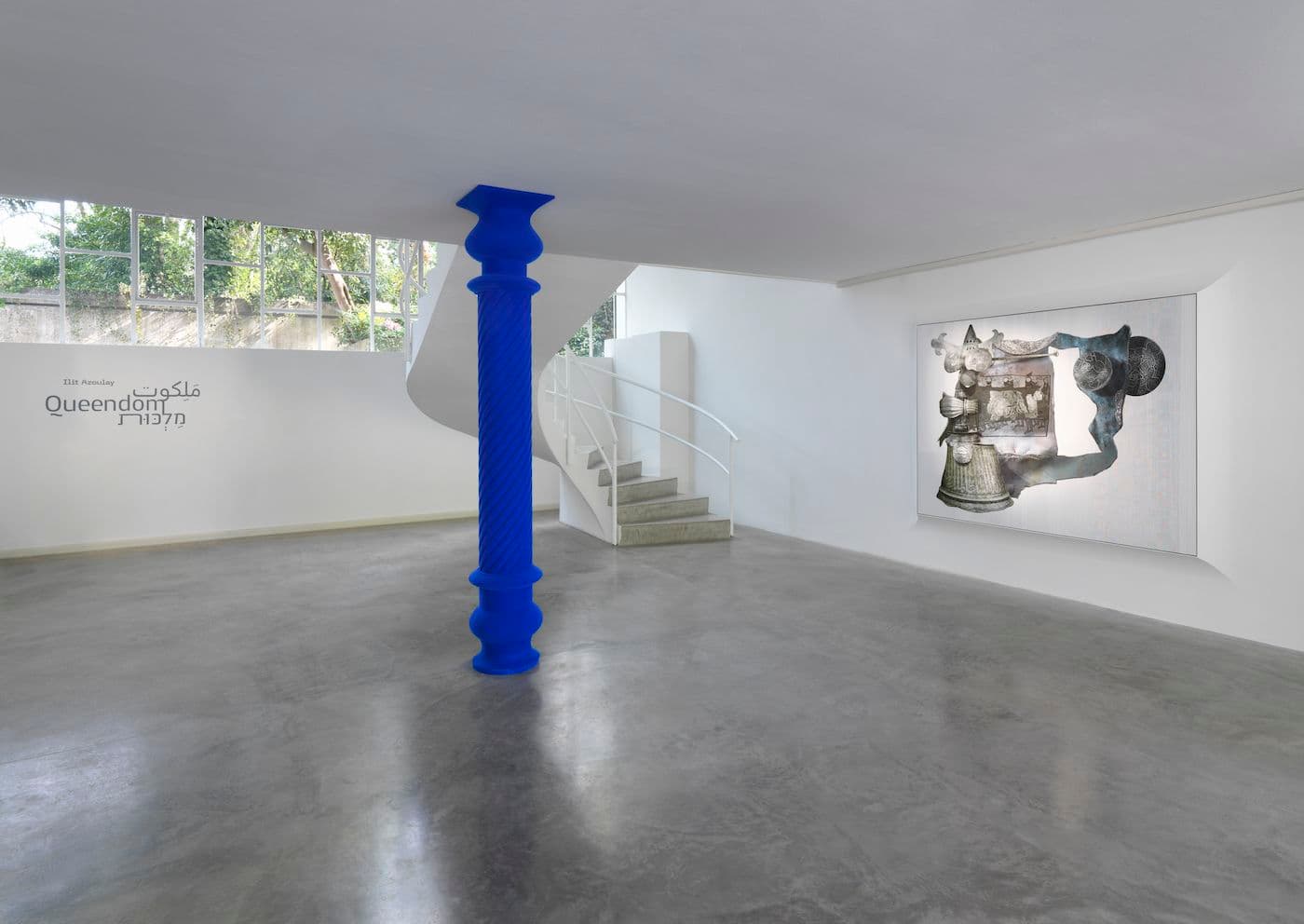
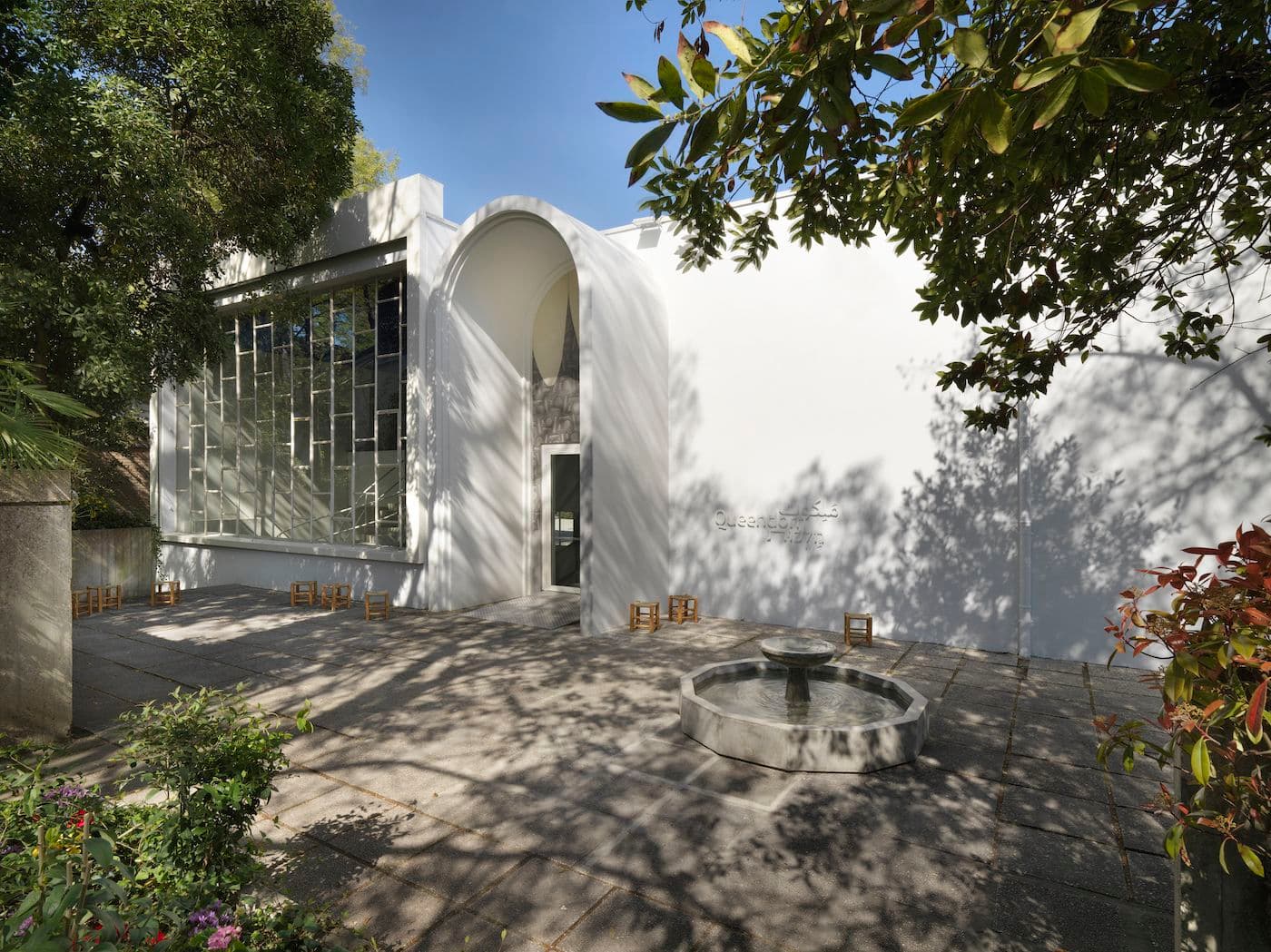
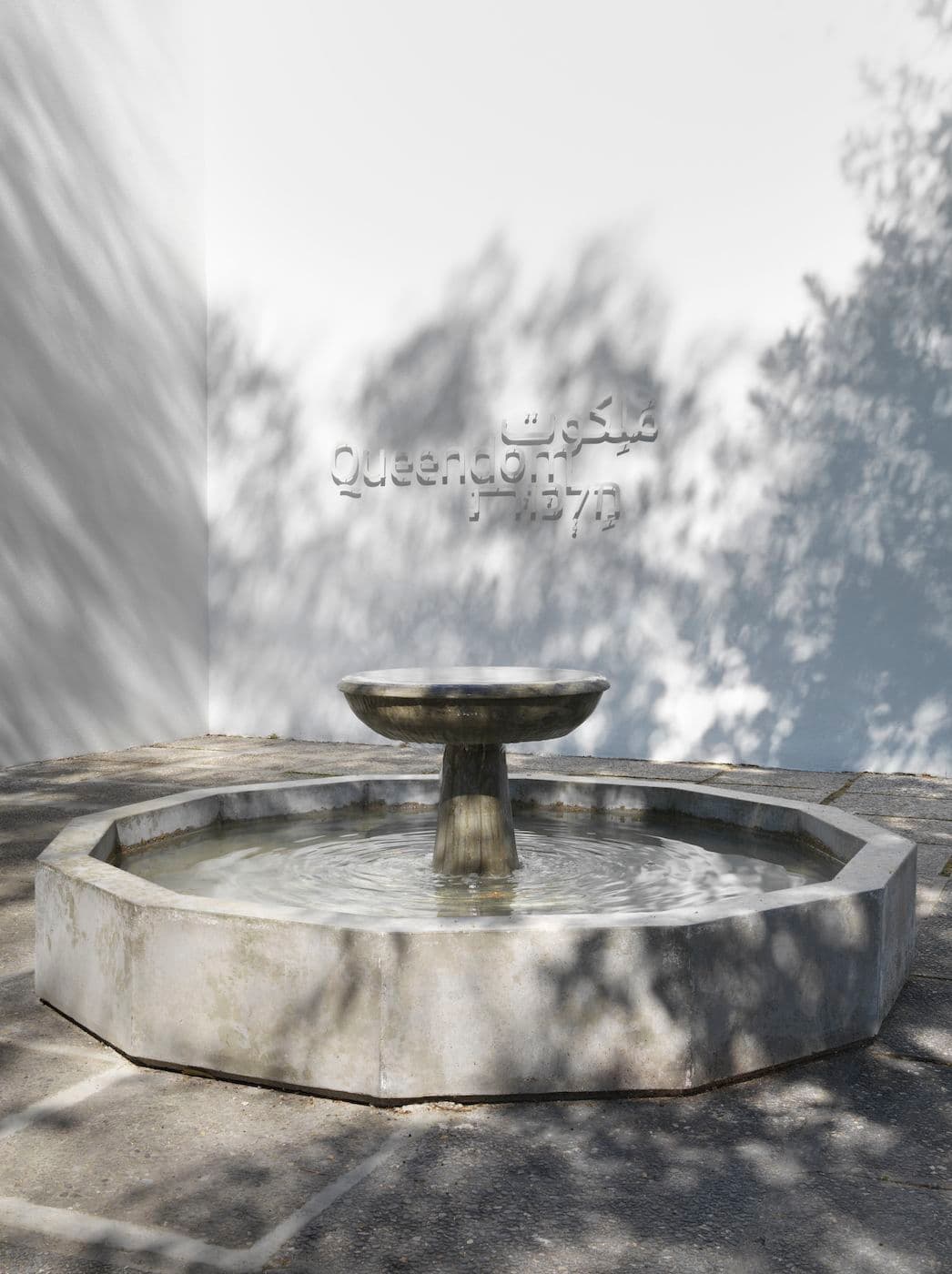
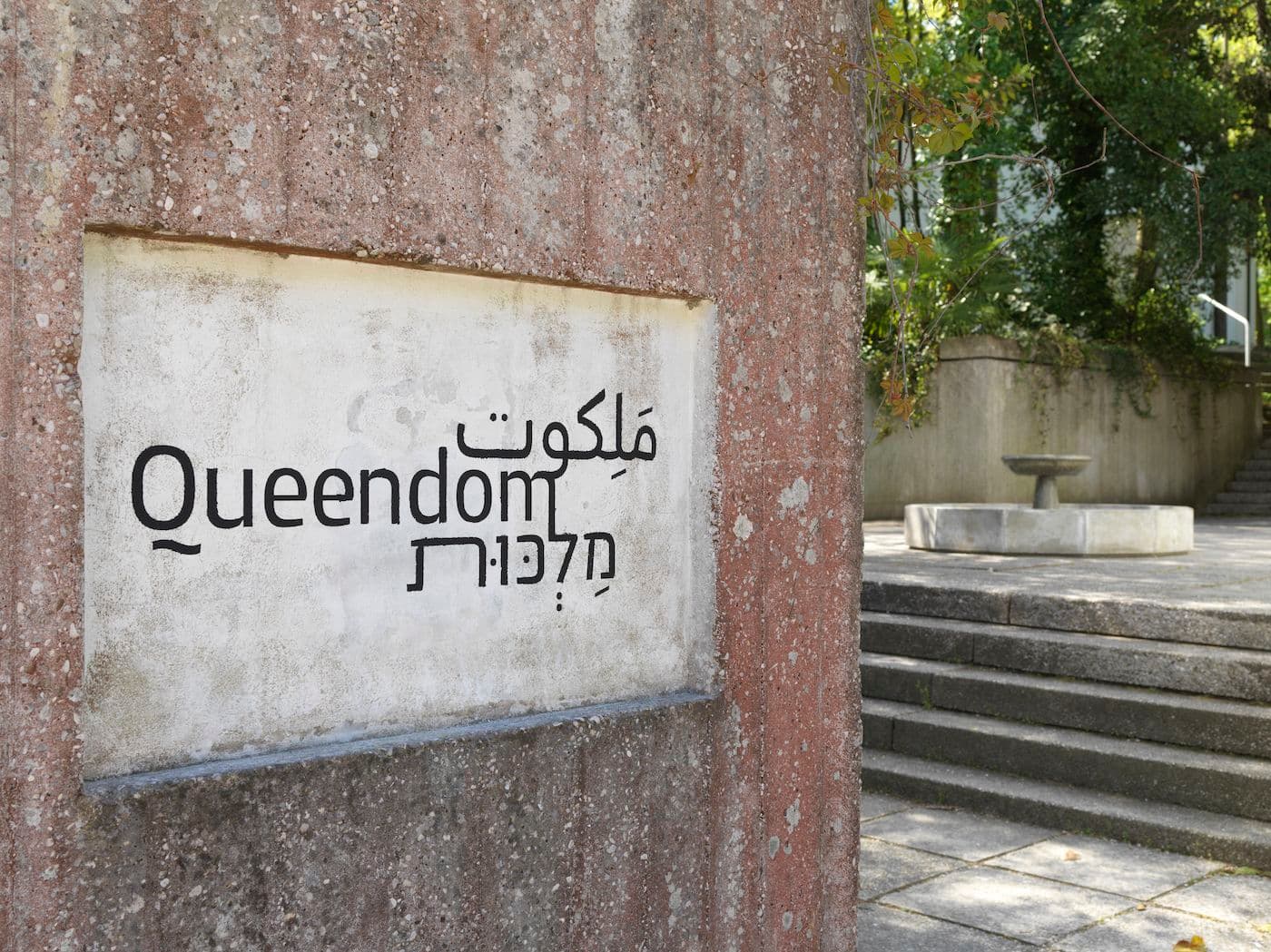
Israel PavilionThe Israel Pavilion at the 59th International Art Exhibition – La Biennale di Venezia features the internationally acclaimed artist Ilit Azoulay. Her work minutely scrutinizes how visual information is processed, by means of a unique photographic and interrogative method that disassembles and reassembles previously unexamined elements. Through a prism of knowledge production and the imagination, Azoulay changes how the world is perceived. Within the context of the Biennale Arte 2022, she addresses intersectional questions of cultural appropriation, shared histories, and the sovereignty of art. Azoulay’s project, Queendom, comprises large-scale panoramic photomontages, a sound installation produced in collaboration with a light-language channeller, and architectural interventions. The Queendom is governed by art, and its story is one of female and cultural empowerment. It is compiled from data that arises from a comprehensive system crash, following a malfunction of existing power structures, and pours out of the digital realm into the physical realm of the Giardini della Biennale. Beneath an ultramarine canopy, the pavilion is transformed into the Queendom’s palace, shifting from of its decades-long national and patriarchal programming into a trans-regional and re-gendered space. Azoulay also reconfigures its architectural orientation from West to East—away from a male-centered gaze to female empowerment, and from Eurocentric modernity to Middle Eastern contemporaneity. Azoulay habitually composes images based equally on information gleaned from oral histories and storytelling, and rigorous research and investigation. Her point of departure for the current project is a nearly forgotten archive of obsessively photographed medieval metal vessels from the Islamic world, compiled by the Austro-Jewish-British art historian David Storm Rice (1913–1962) and bequeathed to the L.A. Mayer Museum for Islamic Art in Jerusalem. These are precious objects that were produced in the Middle East, traded in the Levant, brought to Europe via Venice, and are now mostly held in Western museums. Azoulay engages with these archival photographs by scanning, cropping, and changing them onto new data carriers, and the photomontaged images are then digitally “welded” onto scanned metal plates. She uses digital craftwork to visualize the afterlife of the images and their transformations, accentuating histories of appropriation and missing links in their geographies of knowledge. The resulting panoramic photomontages function as pathways to the imaginary expanse of the Queendom, from whence a universal language of healing projects out to the visitors and extends throughout the pavilion’s premises. Within the terra artis of Queendom, the migration of visual data can be explored. What do images that are twice removed from their source remember—and in a digitally connected world, can these be recontextualized? Is it possible for art to transition from its assigned identity? What at first appears to be an innocent foray into a realm of fantasy is, in fact, a call to take responsibility for one’s imagination. Queendom (2022) is curated by Dr. Shelley Harten, Curator for Contemporary and Modern Art and History, Jewish Museum Berlin. Ilit Azoulay (b. 1972 in Jaffa–Tel Aviv, Israel; lives and works in Berlin) has works held in numerous museum and private collections worldwide, including the Museum of Modern Art, New York; Guggenheim Museum, New York; LACMA, Los Angeles; Hammer Museum, Los Angeles; Art Institute of Chicago; Centre Georges Pompidou, Paris; National Gallery of Australia, Canberra; Julia Stoschek Collection, Berlin; The Israel Museum, Jerusalem; and Tel Aviv Museum of Art, Tel Aviv. Her work has been exhibited extensively around the world, including solo exhibitions at Herzliya Museum of Contemporary Art, Herzliya, Israel (2014); KW Institute for Contemporary Art, Berlin (2014); The Israel Museum, Jerusalem (2017); CCA – Center for Contemporary Art, Tel Aviv (2019); and Braverman Gallery, Tel Aviv (2021). She has also participated in group exhibitions at major international venues, including The Israel Museum, Jerusalem (2011, 2017); Daimler Contemporary, Berlin (2012, 2020); Museum of Modern Art, New York (2015); Musée d’Art Moderne de la Ville de Paris, Paris (2015); Australian Center for Contemporary Art, Melbourne (2015); Pinakothek der Moderne, Munich (2016); Bauhaus Museum, Dessau (2019); and the Eretz-Israel Museum, Tel Aviv (2021). Azoulay attended the Bezalel Academy of Arts and Design, Jerusalem. She is the recipient of several awards, including the Constantiner Photography Award for an Israeli Artist, Tel Aviv Museum of Art (2011); the Israel Ministry of Culture and Sports Prize (2011, 2017); and the Rencontres d’Arles Discovery Award (2014); and was among the finalists for the Prix Pictet (2015). Her recent publications include the artist-book Finally Without End (Sternberg Press, Berlin, 2014); Shifting Degrees of Certainty (Spector Books, Leipzig, 2014), which accompanied her exhibition at KW, Berlin; and the monograph No Thing Dies (Mousse Publishing, Milan, 2019), published following her eponymous exhibition at The Israel Museum, Jerusalem. Commissioners: Michael Gov, Arad Turgeman Curator: Shelley Harten
Visit
Giardini