
Tiergarten, Berlin
Group Exhibition
Fallow Ground: Natural Materiality (Chapter 1)
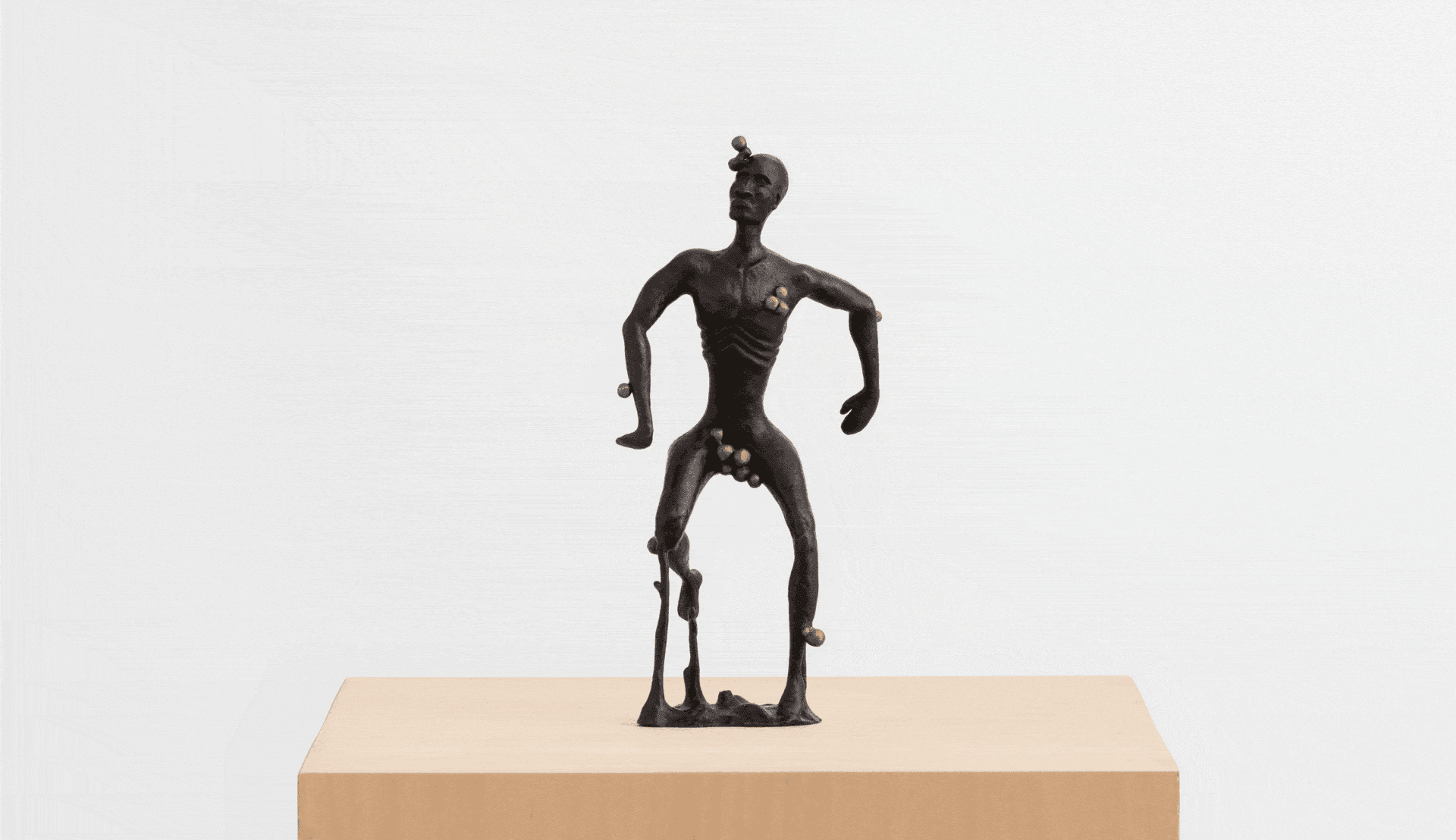
PSMInga Somdyala, Thami Kiti, Atang Tshikare, Bulumko Mbete, Pierre Vermeulen, Ben Stanwix and Xhanti Zwelendaba, Seretse Moletsane, Anna van der Ploeg As the first of three Chapters following Fallow Ground, this exhibition delves into the interplay between art and natural materials, exploring how materiality can anchor contemporary practice in heritage and environment. Drawing from the broader themes of rest, sustainability, and creative renewal established in Fallow Ground, Chapter One foregrounds works by artists who engage deeply with organic and elemental resources, transforming them into vehicles for storytelling, cultural reflection, and spirituality. Featuring South African artists Inga Somdyala, Thami Kiti, Atang Tshikare, Bulumko Mbete, Pierre Vermeulen, Ben Stanwix and Xhanti Zwelendaba (collaborative practice), Seretse Moletsane, and Anna van der Ploeg, the exhibition showcases diverse practices that span sculpture, painting, beadwork, and carving. Each artist’s process is grounded in their relationship to natural materials—be it wood, soil, sweat, cow dung, or botanical dyes (using traditional herbal medicines like imphepho)—highlighting materials formerly defined as artisanal or ‘craft’, and the critical role they have since taken on in representing authentic expression by contemporary artists living and working in South Africa. Through these works, the exhibition interrogates how natural materials carry memory, identity, and tradition, often serving as bridges between past and present. Importantly, these artists often choose a material for its rootedness in everyday life and familiar rituals, rather than its relationship to art itself. Natural ochre, as an example, has a particular connection to cultural and cosmetic use for Xhosa people, which artist Inga Somdyala harvests from different parts of South Africa to create his canvas installations and works. Similarly, Thami Kiti’s sculptural practice stems from a long tradition in the Eastern Cape province of South Africa, of carving walking sticks in intricate designs and symbols, one practice out of many that may become threatened due to the rapid urbanisation of smaller rural communities. A reflection of this may be seen in the collaborative work by Ben Stanwix and Xhanti Zwelendaba, where an image of a rural landscape has been digitally altered by superimposing the daily movements of the artists from home to studio to grocery store (tracked on a fitness app) and printed on Ikhuko—the Xhosa name for a woven grass mat. These examples and more aim at situating the artists’ practices within a broader discourse on sustainability, cultural continuity, and the evolving relationship between humans and the environment. Chapter One aims to deepen conversations initiated in Fallow Ground, further exploring how care, reflection, and material practices can inform the future of contemporary art, offering audiences in Berlin an intimate encounter with the richness of creative expression from Southern Africa.