
Chelsea, New York
Enzo Cucchi
Mostra Coagula
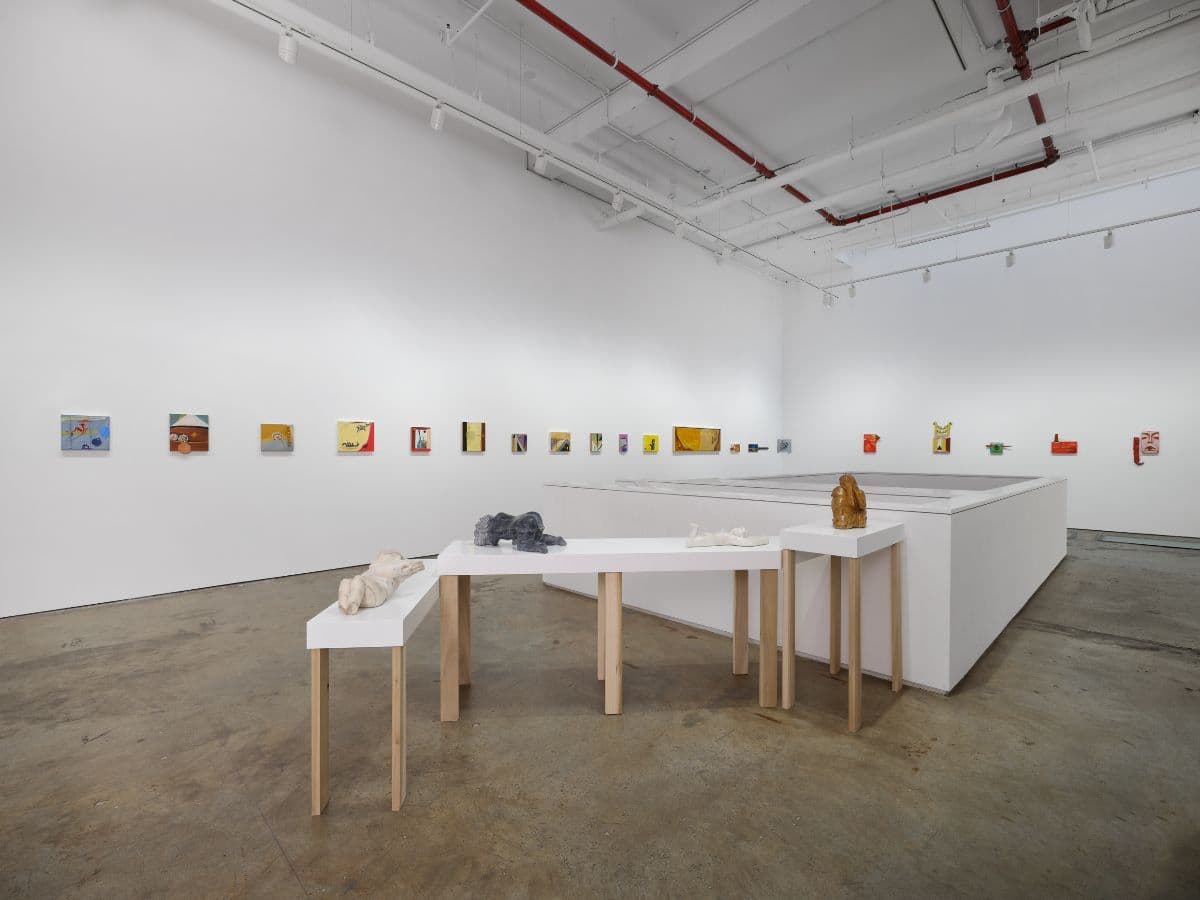
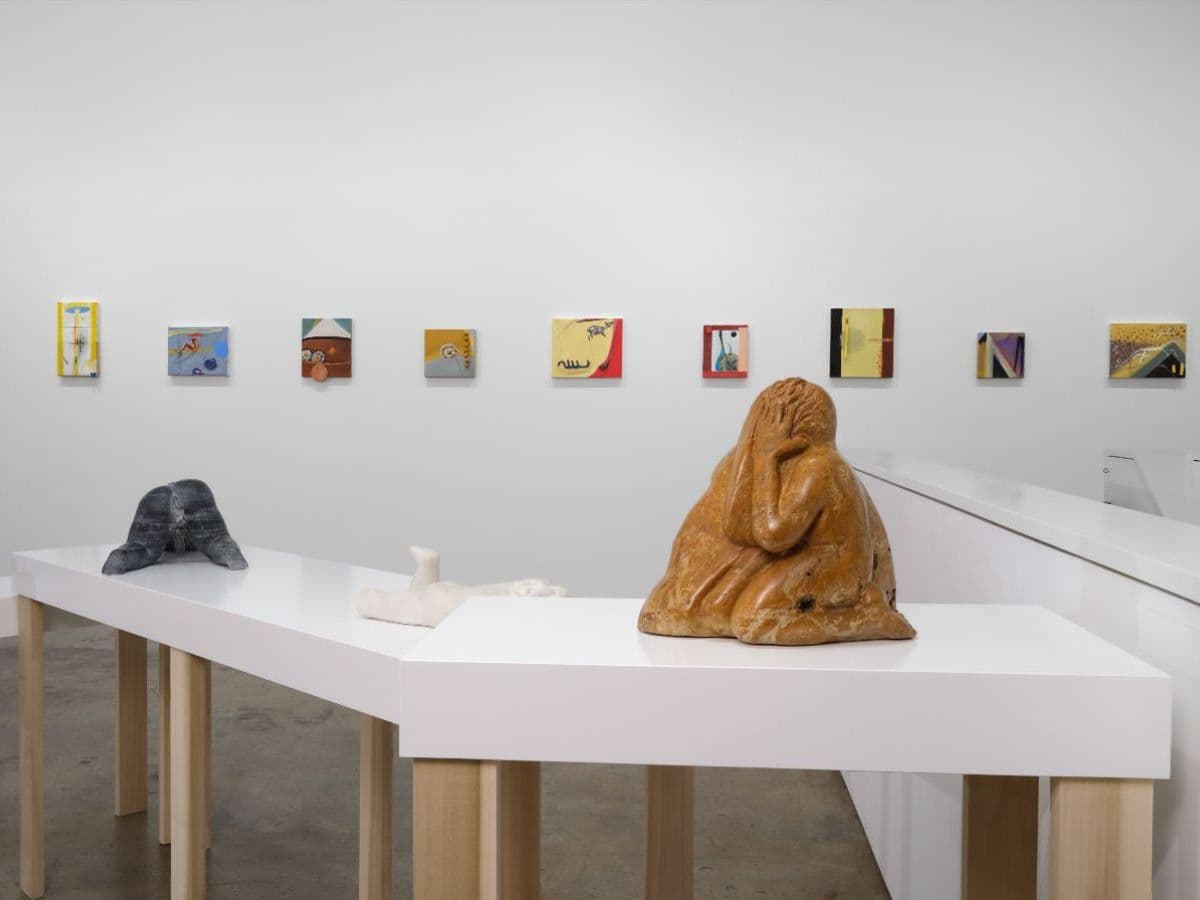
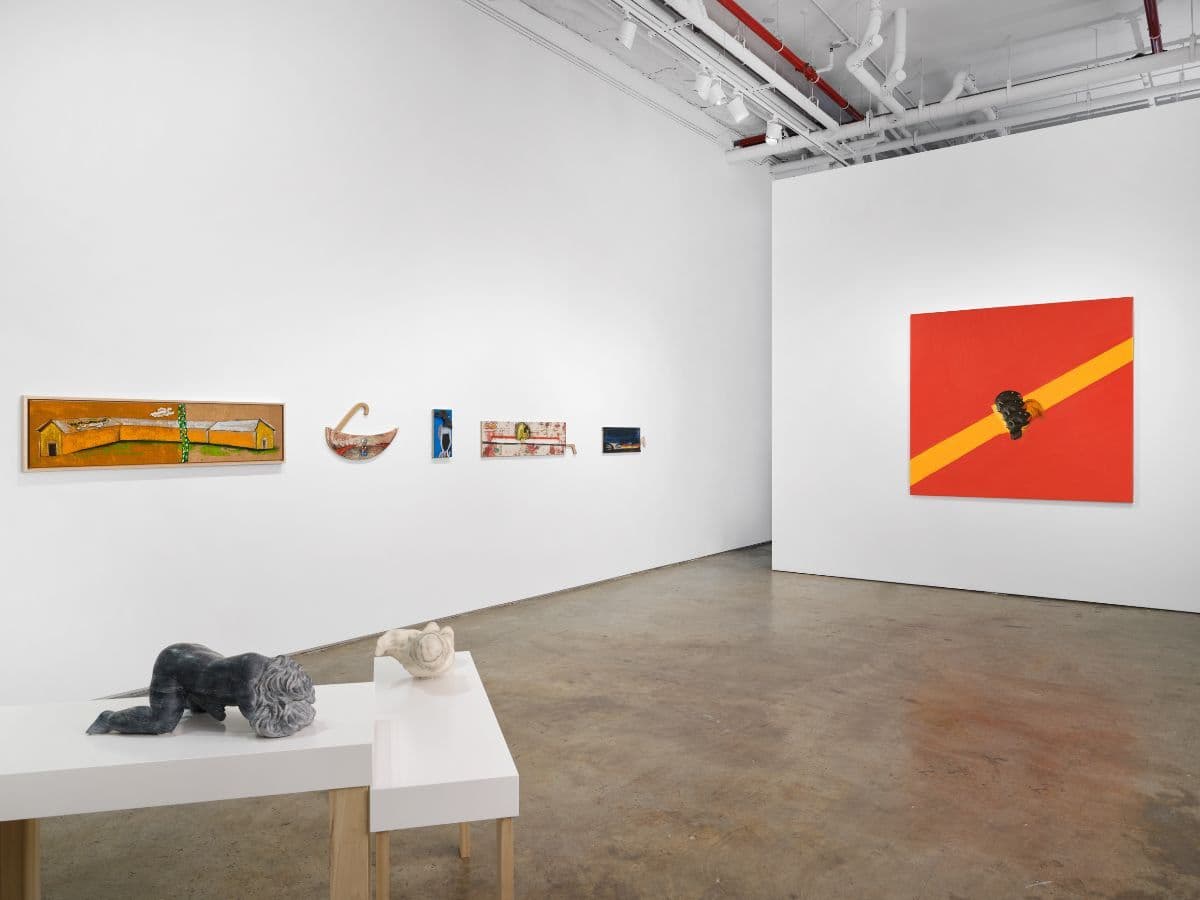
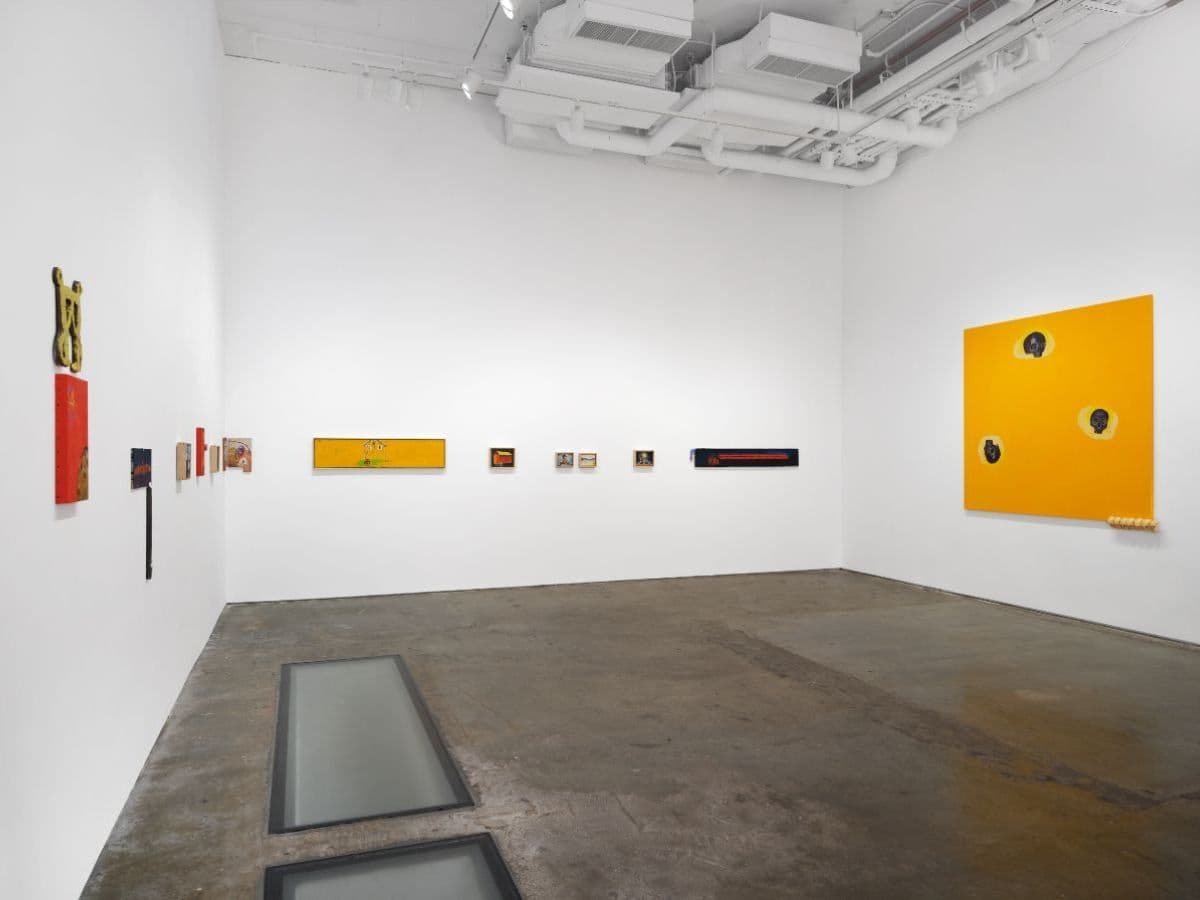
Vito Schnabel GalleryVito Schnabel Gallery is pleased to present Enzo Cucchi: Mostra Coagula. The exhibition, is the gallery’s first solo presentation with the artist and marks Cucchi’s first major exhibition in New York in over two decades. Mostra Coagula features new paintings and ceramic and marble sculptures, demonstrating the artist’s distinctive use of symbolic figuration, vibrant color, and surreal exploration of human emotion. Cucchi’s work brings together form, concept, and material, creating works that are vehicles for discourse. On the occasion of the exhibition, curator Bartolomeo Pietromarchi interviewed Enzo Cucchi in Rome, discussing the new works for Mostra Coagula and re-examining Cucchi’s 1986 solo exhibition at the Solomon R. Guggenheim Museum in New York. An excerpt from the conversation appears below and the full text is available on our website and in print at the gallery. Bartolomeo Pietromarchi: Let’s go back to images—the meaning that images have for you today. Their ecology in today’s world. Once, you told me that for an image to have its status as such, it must always be authorized by those who, by excellence, are the creators of images—artists… Enzo Cucchi: That’s a great question. Who can truly authorize an image? Look at everything around us. It’s not a matter of omnipotence or absolute right. The point is: who, if not an artist, can authorize an image? Only art can do that. Think about certain terrible, raw images. If you witness horror, a violent scene, what do you do? Do you show it as it is? Can you just display a severed head, for example? No, you can’t. Only Caravaggio can. And he does. Go to Malta, look at The Beheading of Saint John the Baptist, and you’ll understand. A newspaper, any media outlet, can’t afford to do that. You can’t just throw a severed head in front of people’s eyes. It doesn’t work like that. Why? Because it lacks deep authorization, a level of awareness, a justification that only art can provide. You can talk about certain images, but showing them is another matter. So what now? Who decides? On what basis? Spiritual? Moral? If you don’t know what something means, if you don’t understand that reality, at the very least, you need to have the respect to acknowledge that. You have to be careful. Now, imagine a figure like Caravaggio. Impressive, right? Sure, he was protected—also because he had quite a… let’s say, edgy temperament. But protected or not, who truly authorized his works? The commissioner or himself? It’s impossible to think it wasn’t him. Because when you look at a Caravaggio, his power collapses onto you. It leaves you breathless—with that madness, that absolute radicality. Take The Burial of Saint Lucy. If someone tried to paint a work like that today, they’d be arrested. The Church would sue for blasphemy. Not only would it not be exhibited, but the artist would be in serious trouble. And yet, he painted it. And who authorized it? He did—and in the end, the Church had to follow. That painting is still inside a church today. If you think about it, it’s incredible. And it still is today. BP: So is this still valid today? Does the artist still have the power to authorize an image? EC: What I’m trying to create in this exhibition is precisely this discourse around the image—not a linear narrative. When you enter and leave the space, you shouldn’t feel like you’ve witnessed a traditional story or a mere aesthetic exercise. It’s not just about exhibiting your work for the sake of it. It’s not self-referentiality or that ‘showcasing’ we were talking about earlier. Enzo Cucchi (b. 1949, Morro d’Alba, Italy) is one of the central figures of the Transavanguardia movement in Italy in the 1980s– a resurgence of Neo-Expressionism, along with Francesco Clemente and Sandro Chia. At the age of 36, Cucchi was the subject of a solo exhibition at the Solomon R. Guggenheim Museum in New York, spanning the entire rotunda. His interest in the interaction between different arts and disciplines has led him to work in diverse fields (from the visual arts to architecture, design, and fashion), and to grasp the importance of the relationship between these areas. In recent years, he has specifically designed permanent works for different cities: the mosaic for the Museum of Art in Tel Aviv; the monumental ceramic for the Ala Mazzoniana of Termini Station in Rome; and two ceramic works for the Stazione Salvator Rosa designed by Mendini in the Naples subway. The Chapel of Santa Maria degli Angeli in the Tamaro Mount, and The Church of San Giacomo Apostolo in Ferrara. He designed “Ideal Fountains”, one in Toronto, one in the Louisiana Museum in Copenhagen, one in Catanzaro and a new one is now installed in Ancona. These works show that the relevance of a language based on a short circuit between the narrative force of the sign and the formal seduction of matter can relate to the complexity of urban space and the individual cultural contexts it communicates with. Enzo Cucchi has presented numerous solo exhibitions and taken part in group shows at renowned international museums such as the Kunsthalle Basel, the Solomon R. Guggenheim Museum, New York, the Tate Gallery, London, the Centre Georges Pompidou, Paris, the Castello di Rivoli, the Palazzo Reale, Milan, the Sezon Museum of Art, Tokyo, the Academy of France, Rome–Villa Medici, and the Musée d’art moderne of Saint-Étienne Métropole. He has also participated in the most important contemporary art exhibitions internationally, including the Venice Biennial, documenta in Kassel, and the Quadriennale d’Arte in Rome. His works are in the world’s major museum collections and many prestigious private collections.