

Chelsea, New York
Yuko Mohri
Falling Water
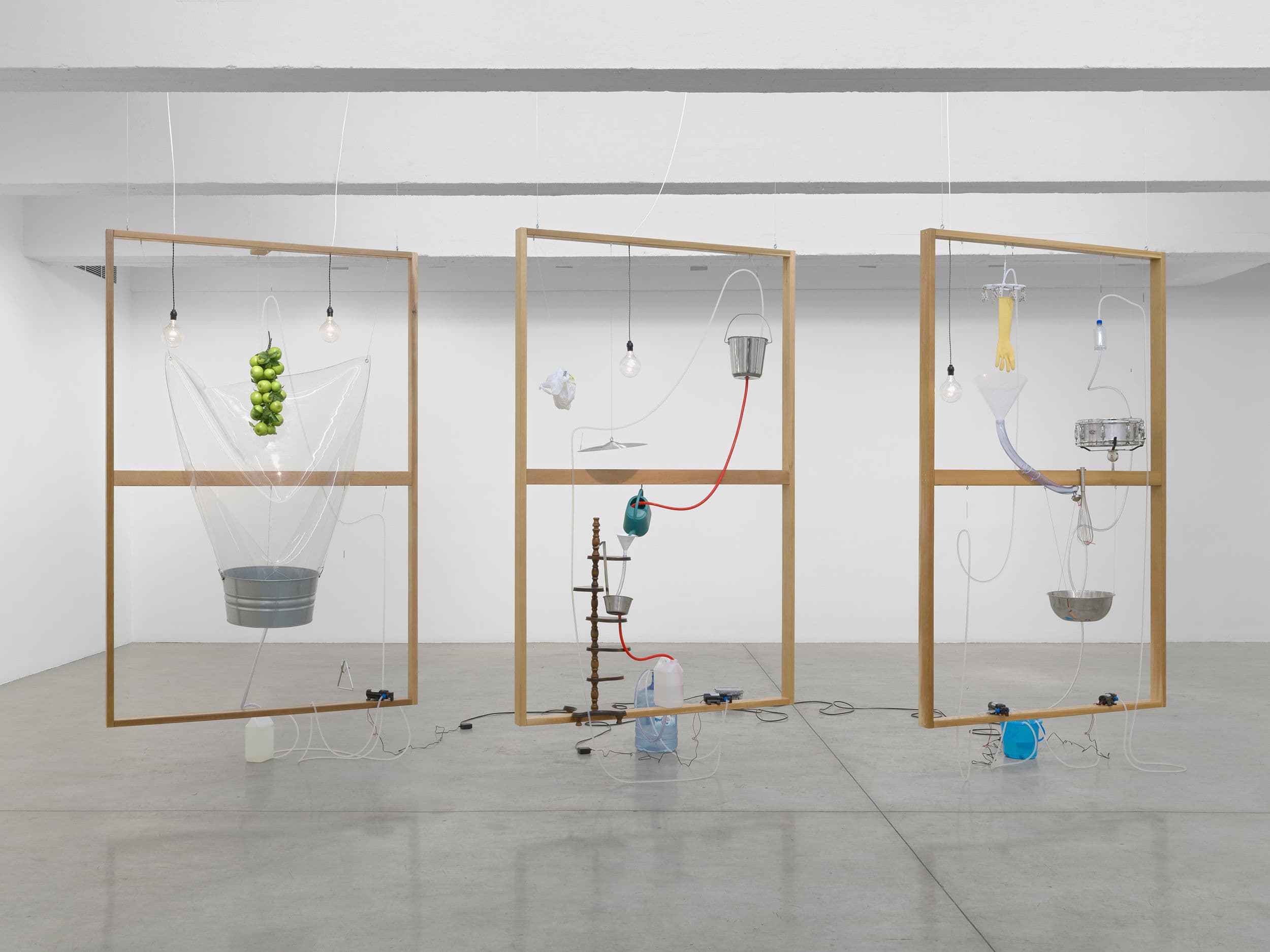
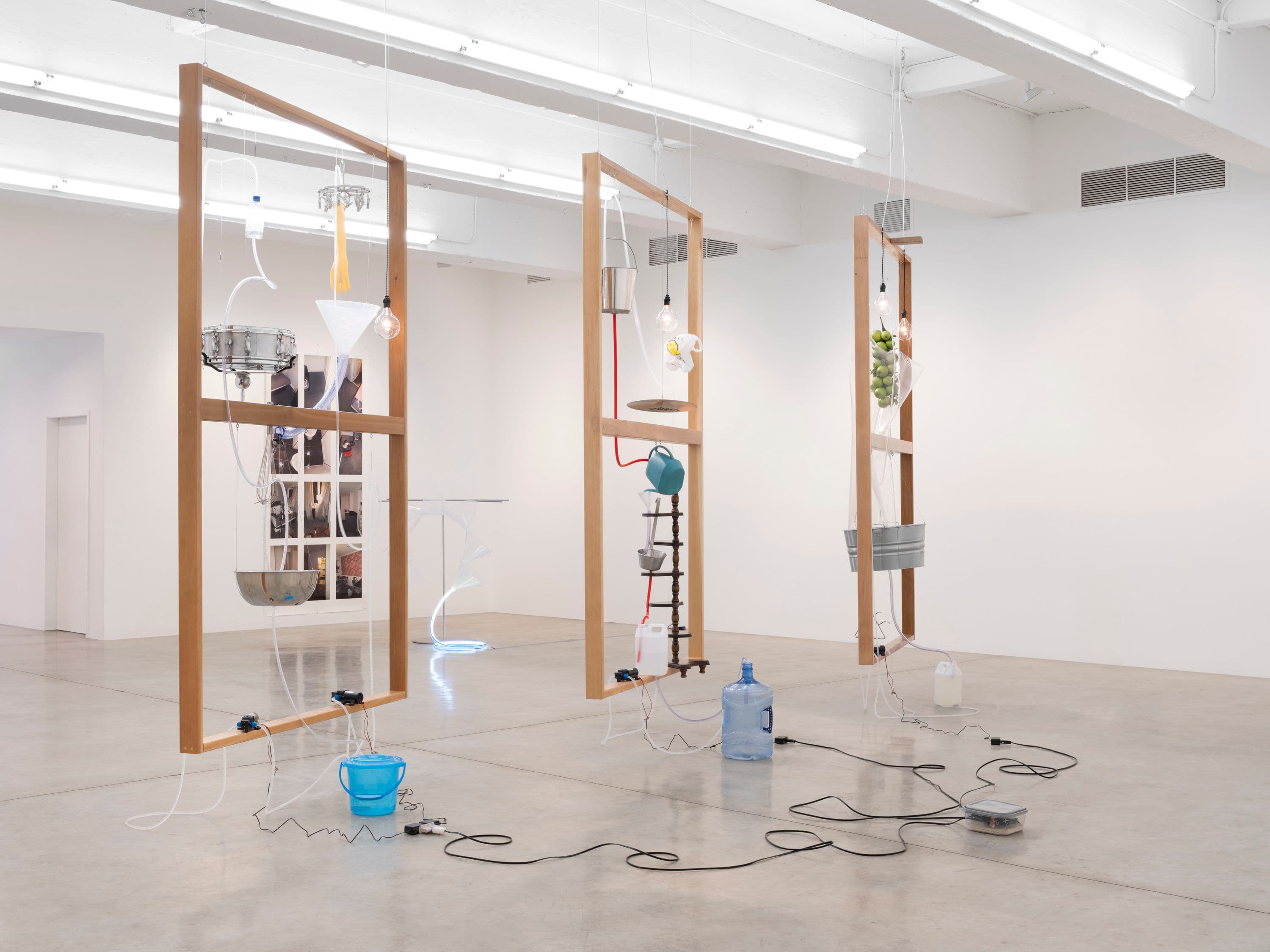
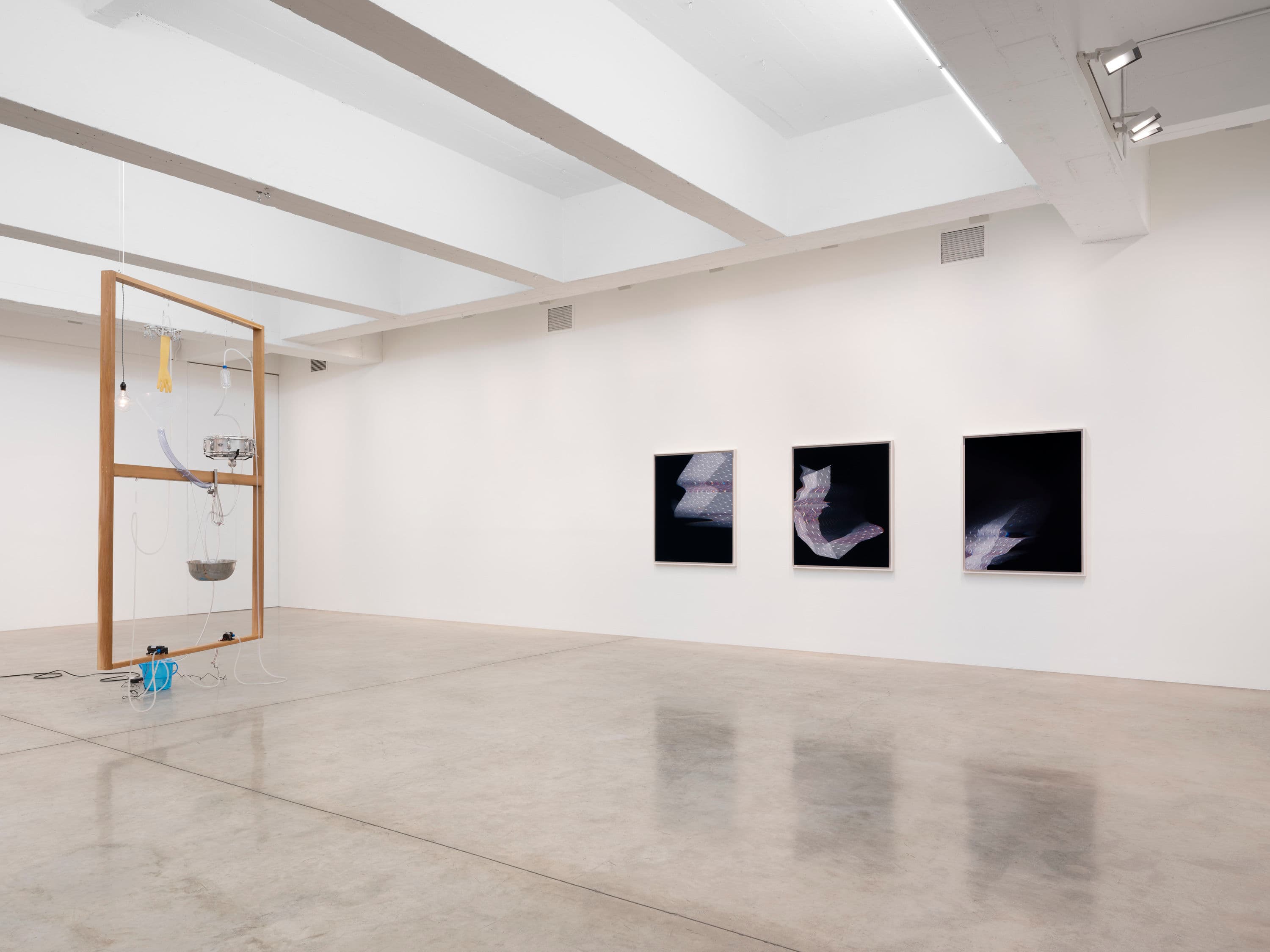
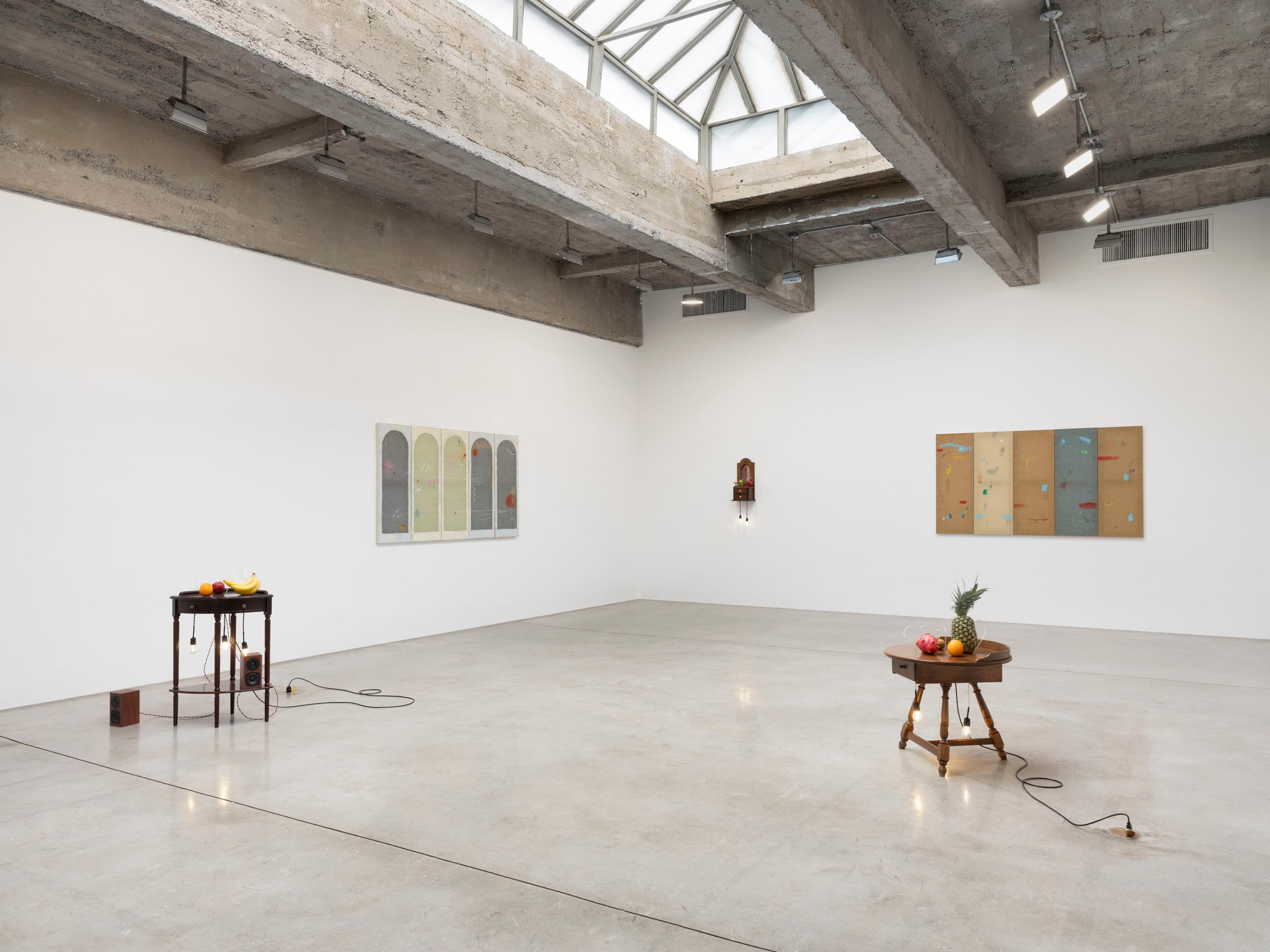
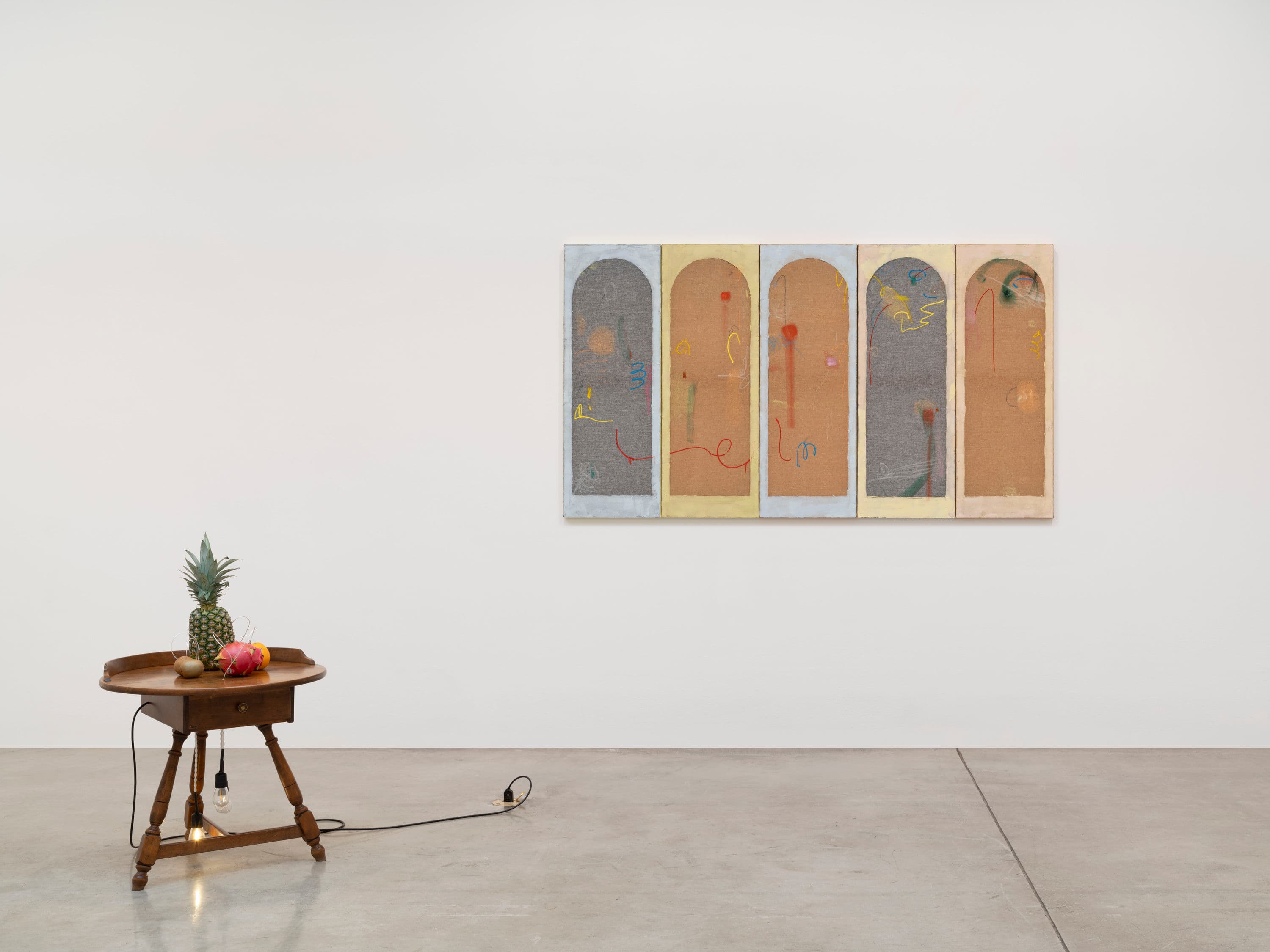
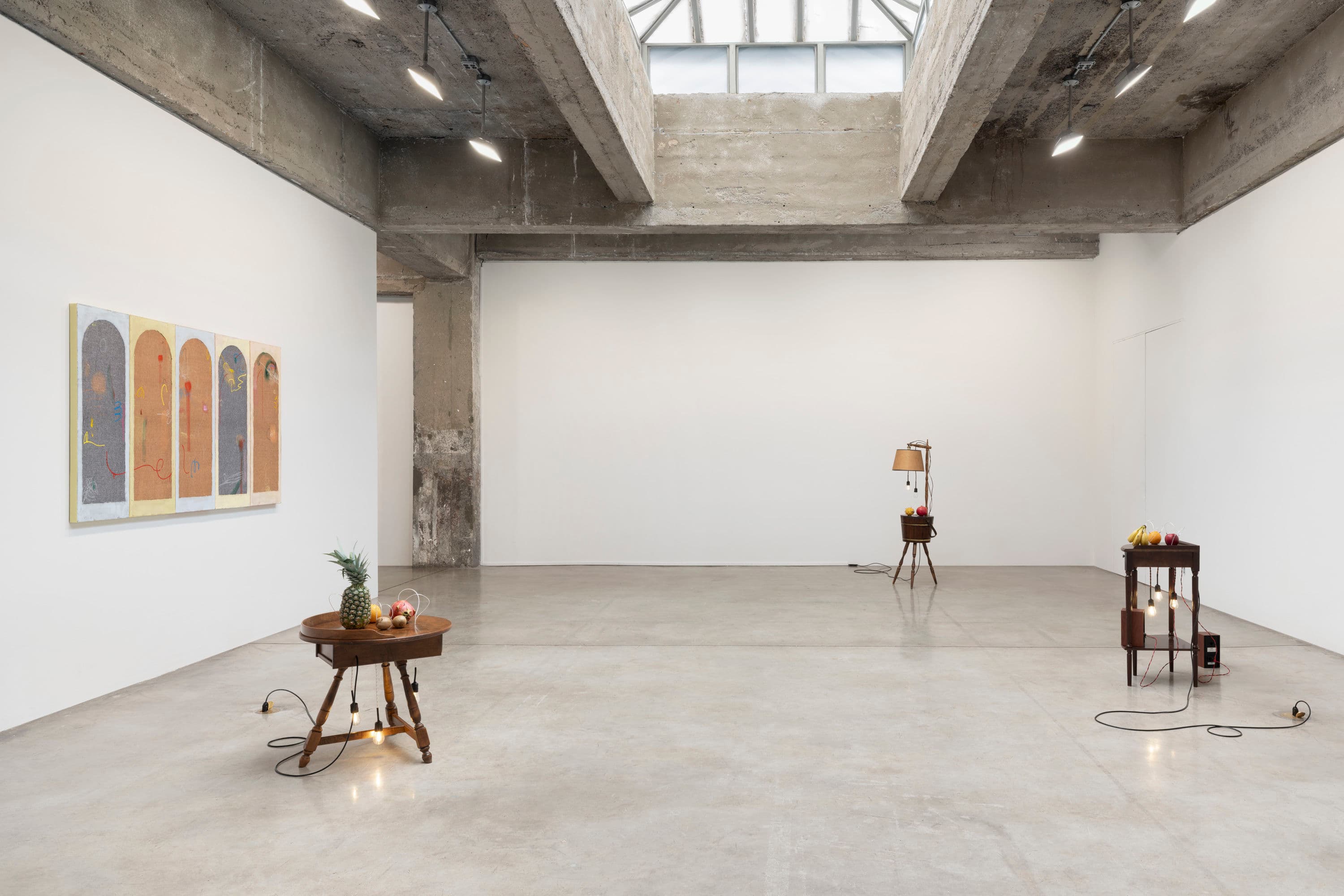
Tanya BonakdarTanya Bonakdar Gallery is pleased to present Falling Water Given, Yuko Mohri’s first solo exhibition with the gallery. Known for transforming everyday materials and environments into self-contained ecosystems, Yuko Mohri's practice explores the invisible forces that shape our world — from gravity, magnetism, and humidity to social and emotional currents that flow between people and spaces. In the downstairs gallery, a group of new works from the artist’s Moré Moré (Leaky) series appear within hanging frameworks inspired by Marcel Duchamp’s ready-mades and The Large Glass. In these kinetic, site-responsive installations, Mohri orchestrates an intentional water leak, turning its flow and rhythm into a driving force that animates improvised infrastructures composed of found objects and instruments she discovered in New York. This series grew out of her long-standing fascination with the ad-hoc leak solutions implemented in Tokyo subway stations. Tokyo’s leaky stations reflect a high-tech city forced into constant improvisation by environmental factors like earthquakes. Mohri channels this atmosphere by creating systems that feel alive, provisional, and responsive—mirroring the way cities constantly negotiate with nature. Upstairs, Mohri presents a contemporary meditation on the traditional western still life and eastern Buddhist painting. Ripe fruits undergo a slow process of decomposition, their subtle moisture shifts captured by electrodes and translated into sonic harmonies or patterns of light. These works reveal how life continues to pulse within the fruit long after it has been severed from soil or branch. Mohri’s Decompositions question the relation between stillness and liveliness, revealing that what might seem without life is actually full of it. As the fruits dry over time, resistance grows, and consequently the pitch of the composition changes. A new series of paintings extend Mohri’s interest in systems and organic processes. Abstracted forms become a visual trace of an environment, revealing how matter behaves when the artist allows chance, atmosphere, and time to shape the image. Together, these works illuminate the subtle choreography of energy and matter, revealing the unseen connections and quiet harmonies that animate both the natural and built worlds. Mohri was born in Kanagawa, Japan in 1980 and now lives and works in Tokyo. She received a Bachelor of Fine Arts from Tama Art University in 2004 and a Masters of Fine Art from the Tokyo University of Arts in 2006. Yuko Mohri is the recipient of the 2025 Calder Prize, and in 2024 represented Japan at the 60th Venice Biennale with an exhibition entitled Compose, curated by Sook-Kyung Lee, the Director of the Whitworth Gallery, Manchester. International solo exhibitions include Entanglements, Pirelli HangarBicocca, Milan (2025); Piano Solo: 12th January, 1900, National Museum of Modern and Contemporary Art, Korea (MMCA), Seoul (2025); On physis, Artizon Museum, Tokyo (2024); Moré and Moré, Aranya Art Center, Hebei, China (2024); I/O, Atelier Nord, Oslo (2021); SP., Sony Park, Tokyo (2021); Voluta, Camden Arts Centre, London (2018); Assume That There is Friction and Resistance, Towada Art Center, Aomori, Japan (2018). Her work has been included in a number of international group shows including the Gwangju Biennale, Guangju, Korea (2023); Biennale of Sydney (2022); Asian Art Biennial, Taichung, Taiwan (2021); Bienal de São Paulo (2021); Glasgow International (2021); Tai Kwun Contemporary, Hong Kong (2021); Ural Industrial Biennial of Contemporary Art, Yekaterinburg, Russia (2019); Palais de Tokyo, Paris (2018); Asia Pacific Triennial of Contemporary Art, Brisbane, Australia (2018); Biennale de Lyon, Lyon, France (2017); Centre Pompidou-Metz, Metz, France (2017); Kochi-Muziris Biennale, Kochi, India (2016); Yokohama Triennale, Kanagawa, Japan (2014), among others. Mohri’s works are included in international institutional collections, including the Museum of Contemporary Art, Miami; the Albertina, Vienna; Centre Pompidou, France; M+, Hong Kong; Musée d’Art Contemporain de Lyon, France; Museum of Contemporary Art Tokyo, Japan; and the National Museum of Modern Art Kyoto, Japan, Ashmolean Museum, England, among others.