
Chelsea, New York
Marcia Hafif
From: The Inventory
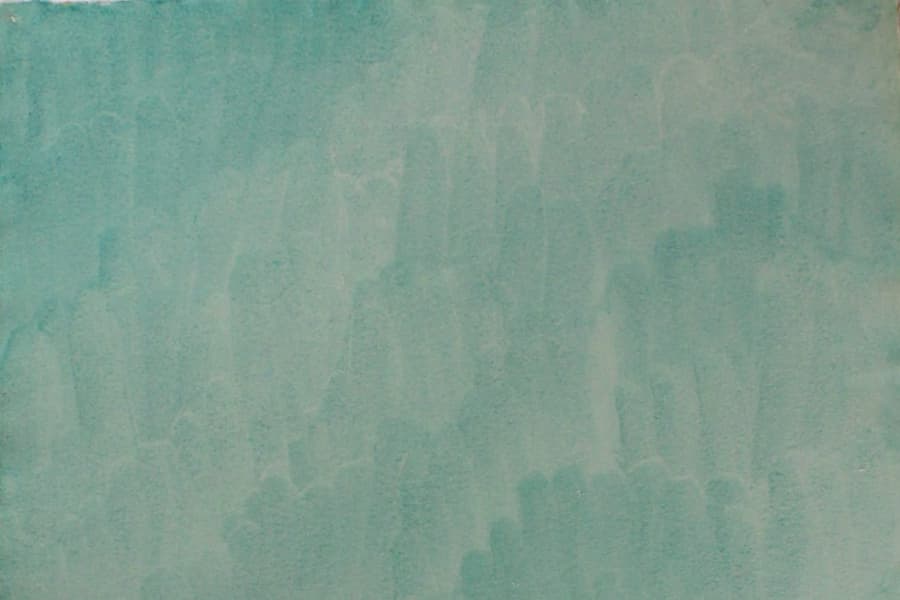
Fergus McCaffreyFergus McCaffrey, New York is proud to present our sixth exhibition of the work on Marcia Hafif (1929 – 2018) – From: The Inventory. After seven years working and exhibiting in Rome, Hafif returned to California in 1969 to undertake an MFA degree. Moving to New York City in 1972, Hafif renewed her creative practice by developing a formal methodology for exploration and innovation within the materials and methods in painting, that would become known as The Inventory. From 1972 to 2015 she completed twenty-six highly influential series that have inspired fellow innovators like Rebecca Quaytman and Laura Owens to challenge painterly convention. The concision of Hafif’s practice is mirrored in her own writings, which best capture the rigor and joy of her pioneering approach to art making. An Extended Gray Scale 1972 After color: black and white. The artist’s gray scale, a set of ten tones from white to black, was extended to as many gradations as I could determine by eye. Working over most of a year, these became a set of one hundred and six 22 x 22-inch oil paintings. Plans and drawings were made for the many ways in which these paintings could be arranged: align one long row, stacked in two, three or four rows, or simply a section of the whole. Mass Tone, Oil Studies 1973 Mass Tone is the name for the color of a pigment seen in its dense form, neither mixed with another color nor diluted. Purchasing many different pigments and a glass plate and muller in order to grind each once separately into linseed oil, I made oil paint, applying it with a small brush to small canvases, then larger ones. Doing this I found a beauty in the colors beyond what I had ever seen in tube paint. Egg Tempera 1973 Egg tempera, composed of egg yolk, pigment and water, was the medium used on wooden panels during the Renaissance. I ordered wooden supports, cradled to maintain a flat surface. I cracked a fresh egg, pinching the yolk to hold it up by its skin and piercing the bottom allowing the contents to flow into a bowl. The yolk was combined with pigment and water, making paint, then painted in vertical strokes top to bottom on the prepared surface. Watercolor 1974 Watercolor paint is made from the same pigments as those for oil, egg, acrylic and other media through in another binder: Gum Arabic. It is water soluble and normally used on paper. I bought tubes of watercolor paint in many different colors, then with a large sable brush painted each color working top to bottom, not avoiding occasional runs, onto a separate sheet of J B Green paper pinned to a slanted surface. Neutral Mix 1976 For this group of twenty-three paintings, traditionally constructed, each a different size, some vertical others horizontal, I mixed pairs of complementary pigments with white. The resulting colors were painted onto linen canvases prepared with rabbit skin glue and white lead. Since pigments do not follow the rules of a color chart the resulting grays were more different from each other than expected. My plan for these included a Salon Style hanging. Broken Color 1978 For canvases of a larger format 7 x 6 ½ or 6 ½ x 7 or even 6 ½ x 16 feet, and still another on a long wall, I mixed two complementary colors (red and green, blue and orange, yellow and purple) with white then painted each brush stroke separately into the surface. With these I started in the center of the canvas then worked all over until it was covered.