
Chelsea, New York
Group Exhibition
The Expanded Field of Mono-Ha
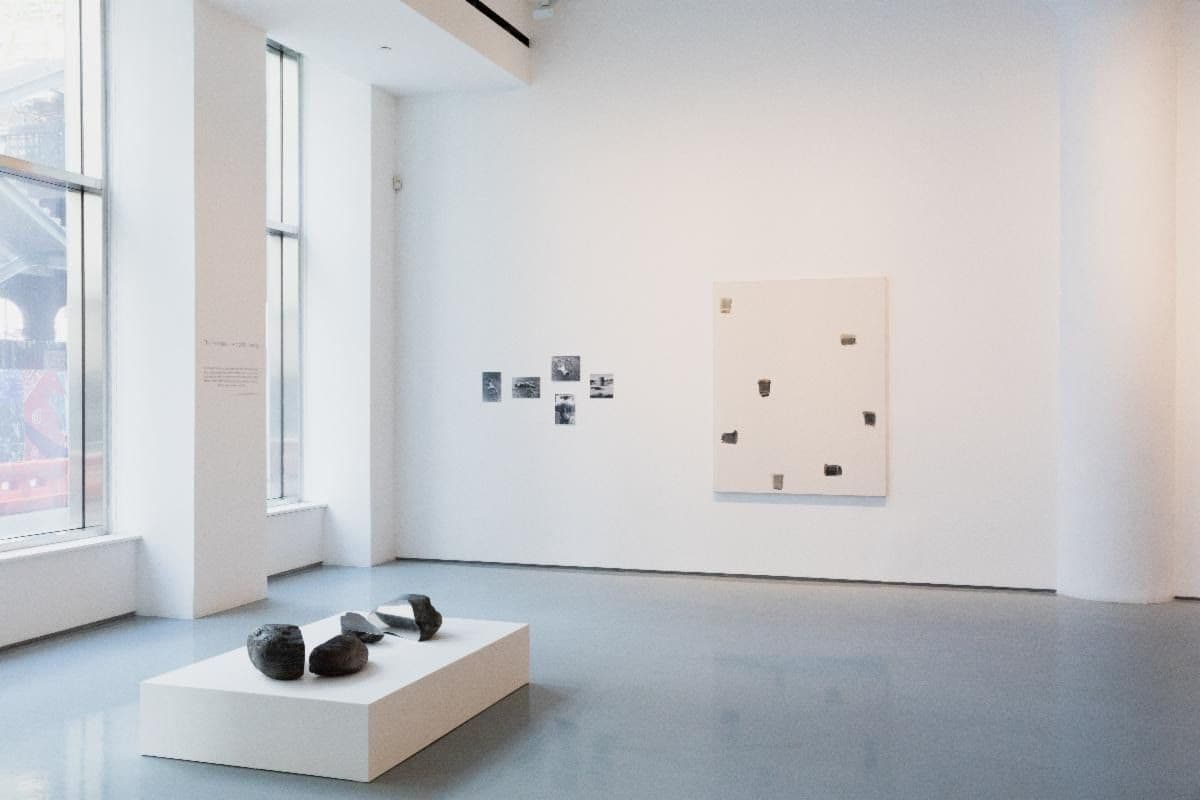
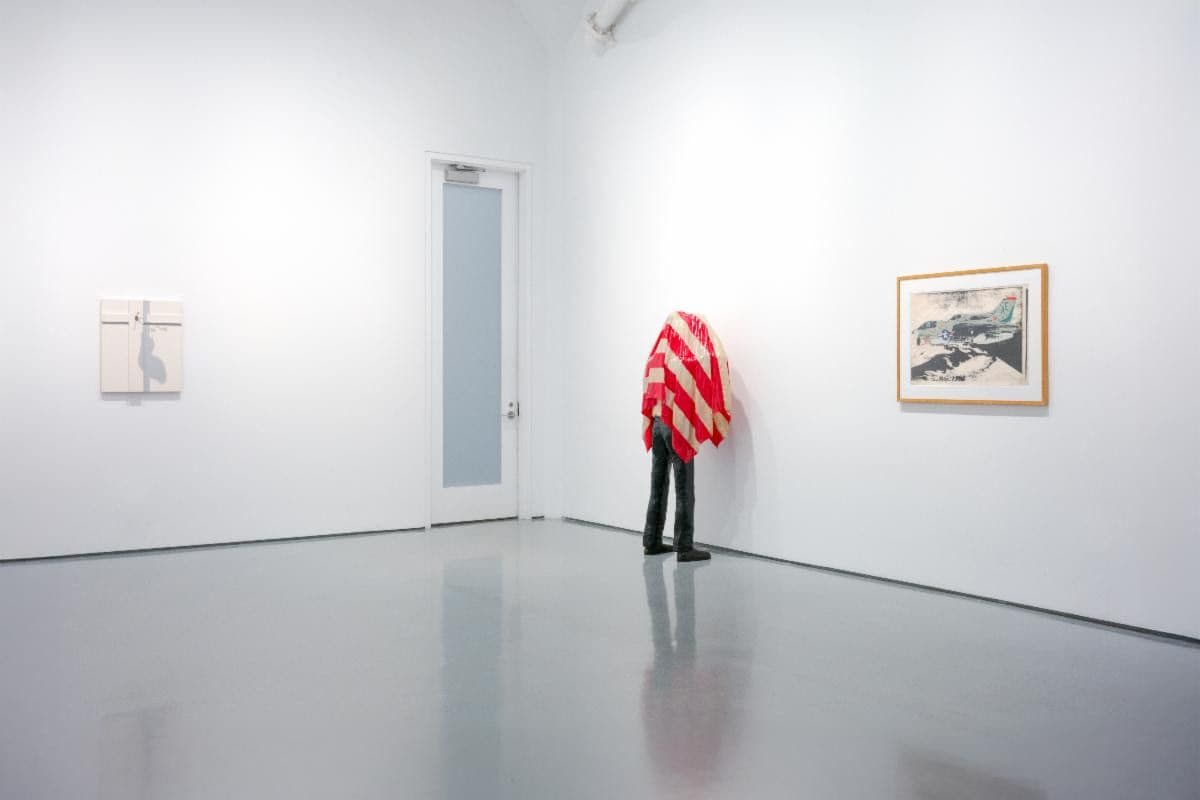
Fergus McCaffreyJiro Yoshihara, Kazuo Shiraga, Toshio Yoshida, Natsuyuki Nakanishi, Jiro Takamatsu, Nobuaki Kojima, Nobuo Sekine, Lee Ufan, Noriyuki Haraguchi, Koji Enokura Challenging Mud, 1955 and Phase-Mother Earth, 1968 are widely regarded as the representative essence of the Japanese art movements Gutai (1954- 72) and Mono-Ha (1968-late 1970s). Both works were created by intense human labor from mud, water, and concrete, and reflect the ‘concreteness’ and ‘embodiment,’ of Gutai and matter-of-factness of Mono-Ha, the ‘school of things.’ The former was performed by Kazuo Shiraga at the Ohara Kaikan in Tokyo; the latter being made by Nobuo Sekine for the 1st Kobe Suma Rikyū Park Contemporary Sculpture Exhibition, which took place 15 miles from the home of Gutai in Ashiya City. The concept of an outdoor exhibition was pioneered in Japan by the Gutai founder Jiro Yoshihara with the Experimental Outdoor Modern Art Exhibition to Challenge the Burning Midsummer Sun in a park in Ashiya in Summer 1955, where Yoshihara encouraged his younger charges ‘to create art that has never been created before’, thereby establishing a pointed ambition for what success resembled among members of Japanese avant-garde artist communities. Yoshihara based his critique and challenge to his students on a concise aesthetic analysis of art historical precedent in order to acknowledge and move beyond a lineage of traditional innovations, theories, and techniques that needed to be surpassed in the aftermath of World War II. His ideas were codified in the legendary Gutai Manifesto of 1956, and remained fundamental to Gutai’s longevity and the sustained international acclaim there after. During the 1960s, Gutai came to represent the epitome of artistic achievement for Japanese working with unorthodox materials, experimental techniques, and non-traditional aesthetic philosophies. Within this atmosphere, the Mono-Ha movement emerged without a governing constitution, manifesto, or leader. Perhaps reflecting the disagreements within the group and the provocative indifference of youth, the artists and theorists of Mono-Ha saw fit to publicize their work while overlooking or ignoring artistic precedent for their activities in Japan, promoting it as if their aesthetic innovations took place in a historical vacuum. The Expanded Field of Mono-Ha is a reappraisal of aspects of Gutai, Neo-Dada, and Mono-Ha practices in Japan during the 1960-70s. The exhibition establishes affinities and historical connections between the movements and reveals the depth and interconnectivity of the Mono-Ha within broader histories of the Japanese post-war avant-garde. Drawing from Rosalind Krauss’ 1979 essay Sculpture in the Expanded Field, the exhibition features three generations of artists: Jiro Yoshihara, Kazuo Shiraga, Toshio Yoshida, Natsuyuki Nakanishi, Jiro Takamatsu, Nobuaki Kojima, Nobuo Sekine, Lee Ufan, Noriyuki Haraguchi, and Koji Enokura; and begins with an excerpt from Gutai Manifesto: In Gutai Art, the human spirit and matter shake hands with each other while keeping their distance. Matter never compromises itself with the spirit; the spirit never dominates matter. When matter remains intact and exposes its characteristics, it starts telling a story and even cries out.