
Matignon, Paris
Max Ernst & Joaquín Ferrer
Les surprises du hasard (The surprises of chance)
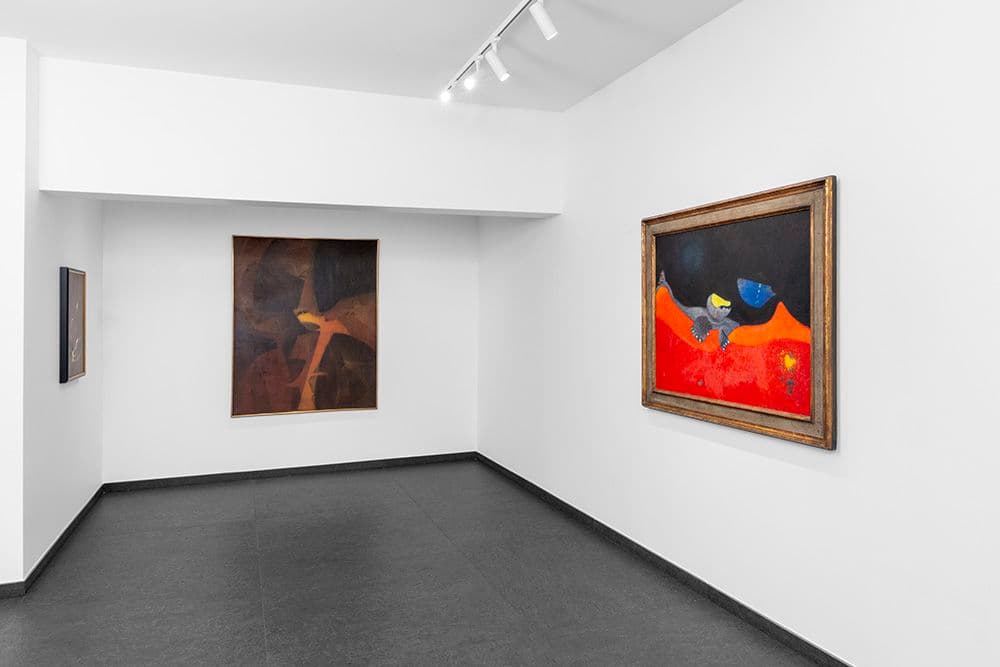
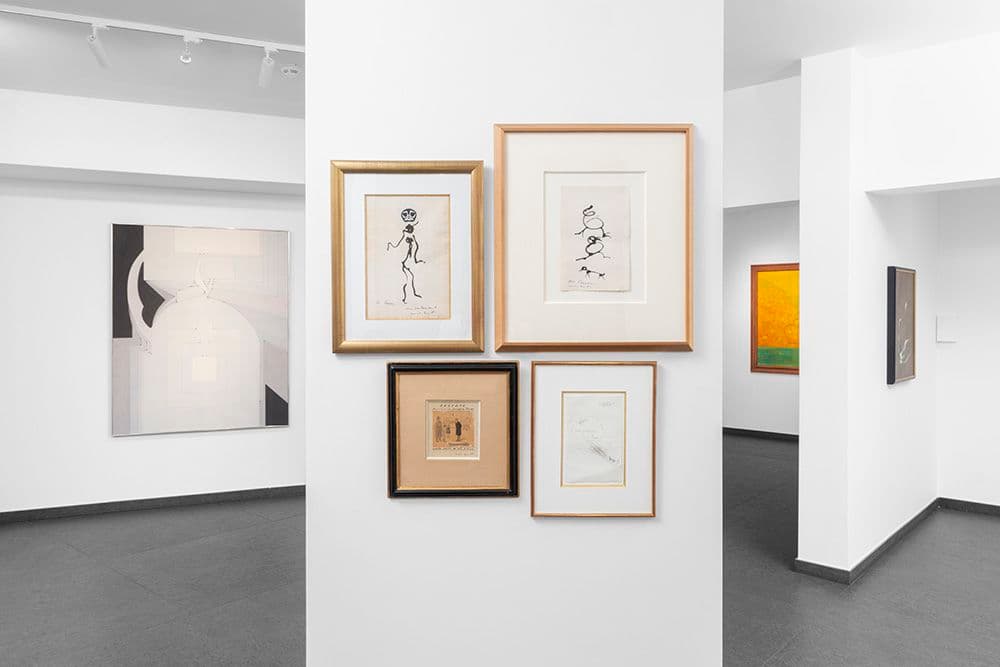
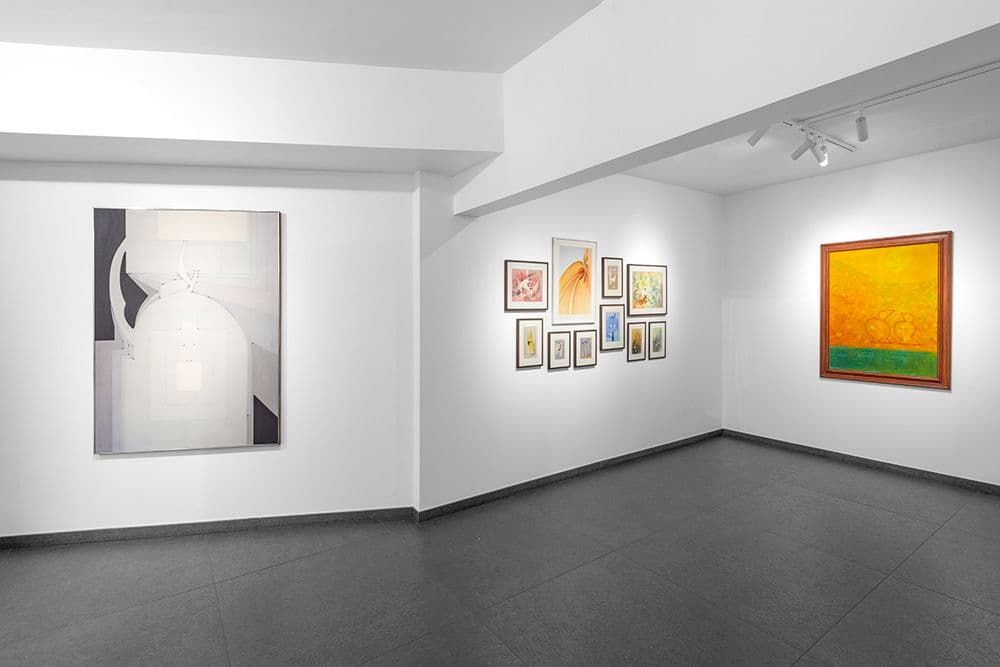
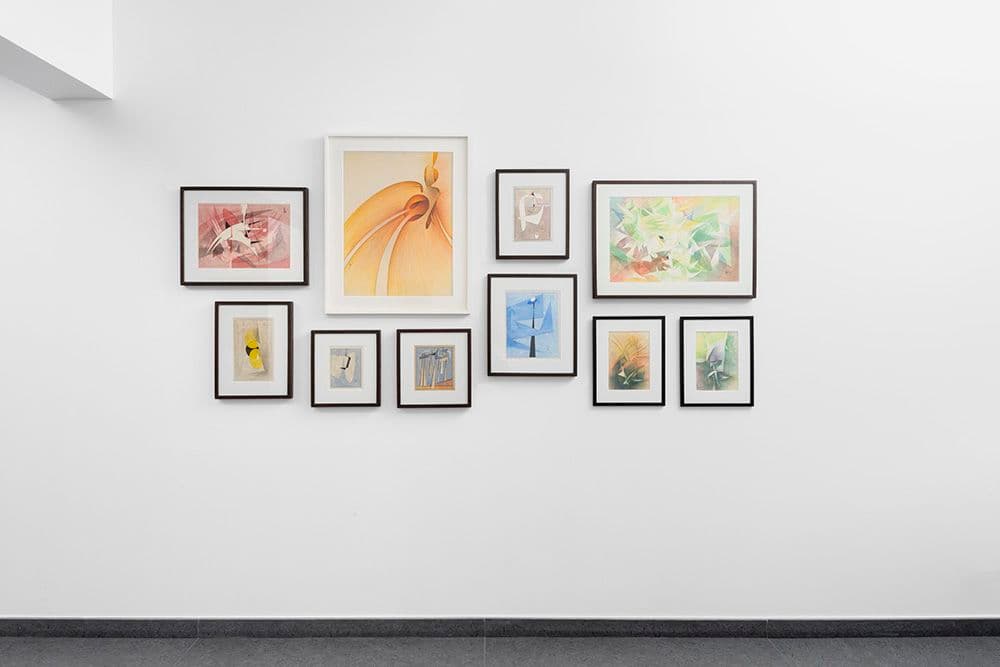
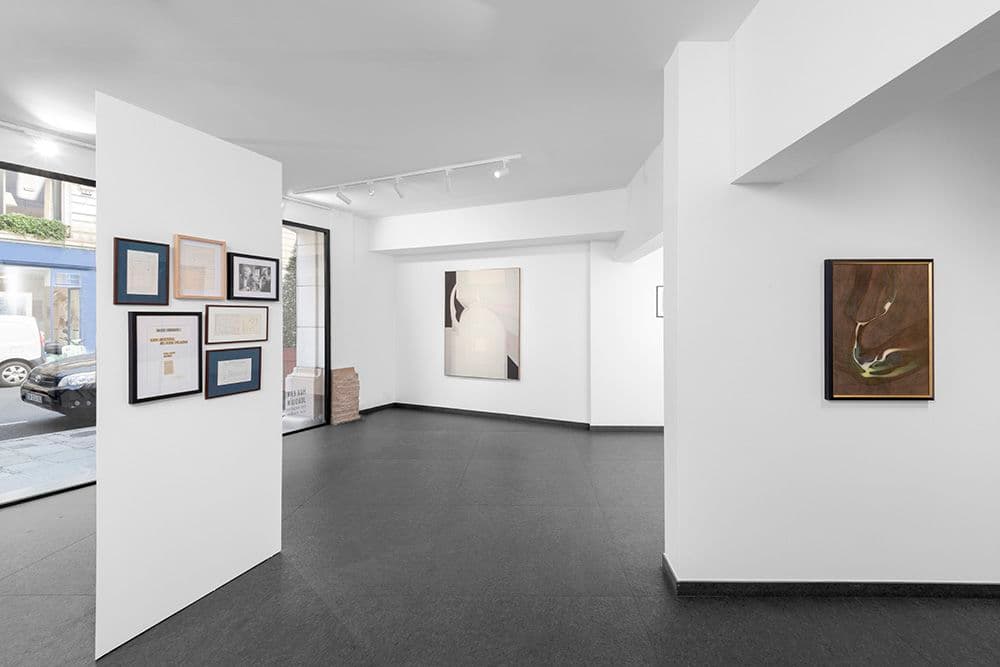
ContinuaGalleria Continua is delighted to present Les surprises du hasard (The surprises of chance), an unprecedented dialogue between Max Ernst and Joaquín Ferrer - two major figures born on opposite sides of the Atlantic, whose deep intellectual and artistic friendship has long remained largely unknown. Ernst plays a significant role in supporting Ferrer shortly after his arrival in France in the 1960s. Coinciding with Paris' spring art week, this unique encounter unfolds within the gallery's space in the heart of the Matignon district. Les surprises du hasard was the title of a 1971 exhibition at Galerie Alphonse Chave in Vence, showcasing a series of Max Ernst's lithographs—45 compositions born entirely from chance, as the artist himself described in the catalog. It was this same stroke of luck that sparked the friendship between Max Ernst and Joaquín Ferrer - a meeting that was unexpected yet instantly felt meant to be. The two artists first met in 1967 over lunch at the home of poet and writer Alain Bosquet. At the time, Ernst was already a celebrated artist, while Ferrer was a young painter who had arrived in Paris in 1960 on a Cuban government scholarship. From their very first encounter, Ernst is struck by the power of Ferrer's drawings and paintings - so much so that he finds them reassuring. To him, it seems that in a contemporary art scene increasingly driven by sensation and media hype, there are still artistic approaches seeking their own path away from the noise of the world. He sees Ferrer's enigmatic, abstract, and biomorphic compositions - bathed in delicate pastel tones and rooted in the expansive orbit of Surrealism - as profoundly authentic. Fascinated, Max Ernst immediately acquires several works by the young Cuban artist. Once displayed in his apartment on Rue de Lille, they quickly catch the attention of his visitors. Among them were Nina and Robert Lebel, who take an interest in Ferrer - whom Ernst describes as "a bit of [his] own discovery." His gallerist, Jean Hugues, is also intrigued and insists on meeting him. Ernst wasted no time sharing the news: "Jean Hugues (‘Le Point Cardinal') will come to see you. He's very enthusiastic. (…) If possible, come by my place Sunday morning around 11 for some advice." The following year, in 1968, Ferrer holds his first exhibition at Galerie Le Point Cardinal. Naturally, Max Ernst lends his support, contributing a collage as a preface to the exhibition catalog: "Preface Portrait of Joaquín Ferrer as a Seven-Year-Old Poet." This humorous composition depicts a young schoolboy in a classroom, his gaze fixed on the floor. A crying little girl rubs her eyes, while in front of them, a teacher leans toward the boy with a stern expression, his hands crossed behind his back. Behind the children, a policeman with firmly planted legs seems to block any exit, while in the foreground, a giant fork lies on the floor, as if to remind us of the existence of worlds, proportions, and relationships that children may be the only ones able to see. The title references Arthur Rimbaud's poem Les Poètes de sept ans (1871), a key figure in Surrealism who heralded a new poetic and artistic era. Rimbaud's call to "Changer la vie" becomes a central tenet of Surrealism, which aims to revolutionize both art and existence by reconnecting with childhood and breaking free from the constraints of reason. Max Ernst sees in Joaquín Ferrer a painter capable not only of forging new paths for art but also of taking the poetic energy of Surrealism to new horizons. —Julia Drost Joaquín Ferrer and Galleria Continua: A Meeting Through Time Since the 2000s, the city of Manzanillo in Cuba has seen the rise of a new generation of Cuban artists, including Alejandro Campins and José Yaque, who are now represented by Galleria Continua. Both share a deep admiration for Joaquín Ferrer, a major figure in Cuban art who, originally from Manzanillo, lived in Paris for many years before his passing. In 2021, curator, Laura Salas Redondo, has the opportunity to meet Joaquín Ferrer thanks to the curator Carlos Escala. This meeting also allows Alejandro Campins to connect with Ferrer, further revealing the deep admiration contemporary Cuban artists have for him. This encounter marks the beginning of an important artistic dialogue. In 2024, curators Laura Salas Redondo and Niurma Pérez Zerpas showcase a broad selection of Joaquín Ferrer's works in the exhibition Kaleidoscopes – Cuba: Contemporary Perspectives at Galleria Continua/Les Moulins. This event highlights Ferrer's artistic legacy, carried forward by his sole heir, Christiane Ferrer, while also shedding light on his friendship with Max Ernst. This meeting leads to the idea of a dedicated exhibition, aimed at honoring the artist and celebrating the influence of his work in the landscape of contemporary art. Max Ernst (Brühl, 1891 – Paris, 1976) is a German painter who later becomes an American and then a French citizen. Associated with the Dada movement and later Surrealism, Ernst embraces a playful, imaginative approach throughout his work. Constantly exploring new artistic movements, his style evolves quickly from the expressionism of his early paintings to becoming a significant figure in Surrealism. He invents several new techniques, such as frottage and collage-novel, and develops a dreamlike, metaphysical painting style. As an inventive sculptor, Ernst creates a unique universe filled with hybrid characters. His work freely reinterprets mythological sources, deconstructing and reassembling them through a visual language that blends the unconscious, archaic memories, and dreamlike visions, opening up new possibilities for thought. Joaquín Ferrer (Manzanillo, 1928 – Paris, 2022) is a painter renowned for his unique style, blending geometric abstraction with lyrical abstraction. Born in Manzanillo, Cuba, he studies at the School of Fine Arts in Havana before moving to Paris in 1960 on a government scholarship, where he spends most of his life. Influenced by Surrealism, Constructivism, and pre-Columbian art, Ferrer develops a universe that invites an inner journey toward the sublime. His work is distinctive and authentic, combining artistic sensitivity, subtlety, and formal rigor, with a masterful play of rhythm and light through his imaginary, dreamlike, mystical, and poetic alphabet. In addition to his painting, Joaquín Ferrer creates a significant body of work as a printmaker, illustrating many books by poets and writers. He has been featured in exhibitions at major institutions and galleries around the world, including the National Museum of Fine Arts of Cuba, the Museum of Contemporary Art of Caracas, the Museum of Modern Art of the City of Paris, the Denise René Gallery in Paris, the Art Museum of the Americas in Washington D.C., and the Maison de l'Amérique Latine in Paris. Ferrer is considered one of the key figures in 20th-century Latin American abstraction. This exhibition is presented in collaboration with the Nahmad Collection, along with Christiane Ferrer and Aïa Ferrer, co-founders of the Association of Friends of Joaquín Ferrer. The Association of Friends of Joaquín Ferrer is founded in 2018 and is supported by a scientific committee of art experts. Its mission is to promote the artist's work through exhibitions and the publication of a catalogue raisonné.