

Matignon, Paris
Ron Gorchov
Ron Gorchov
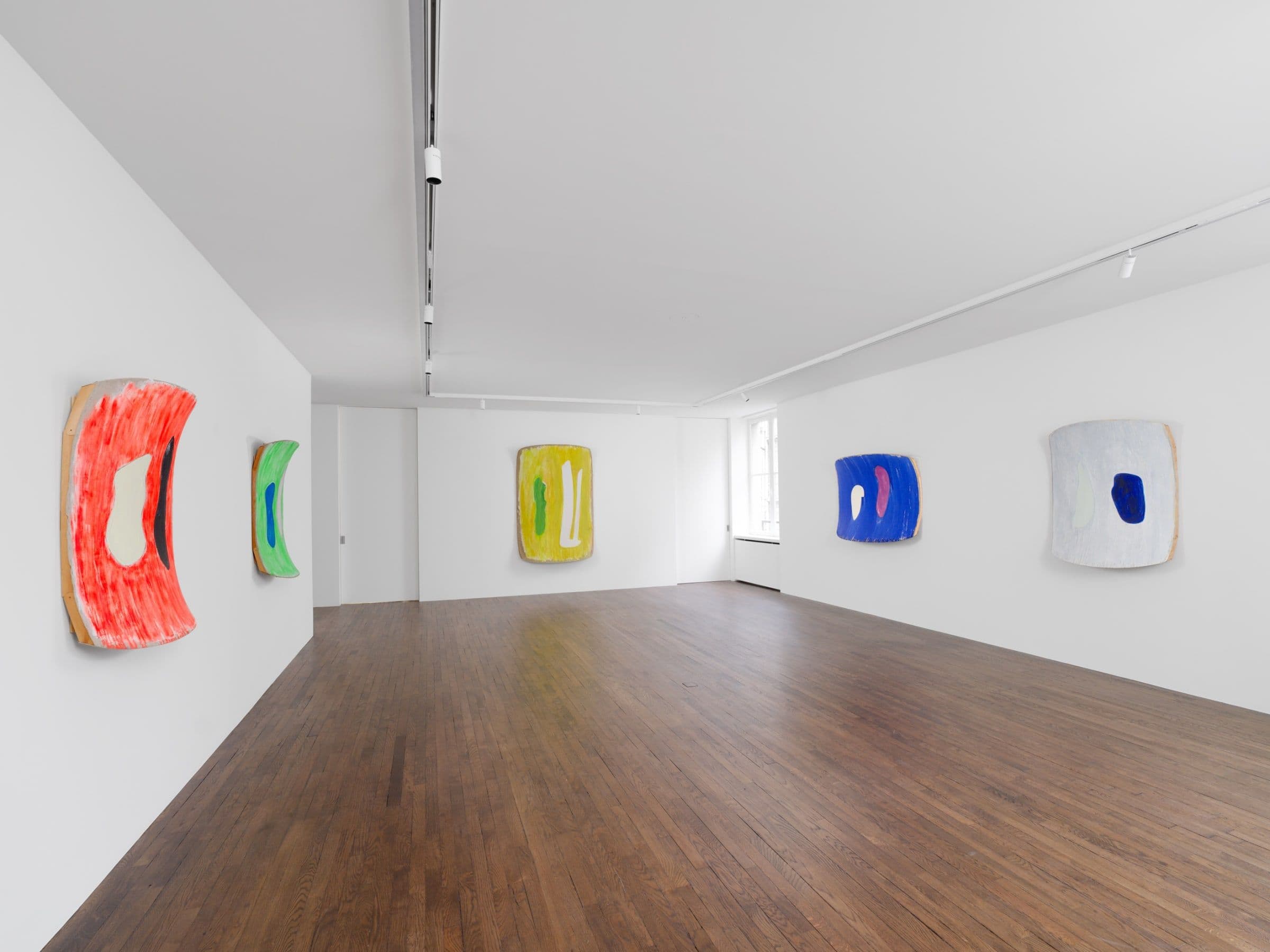
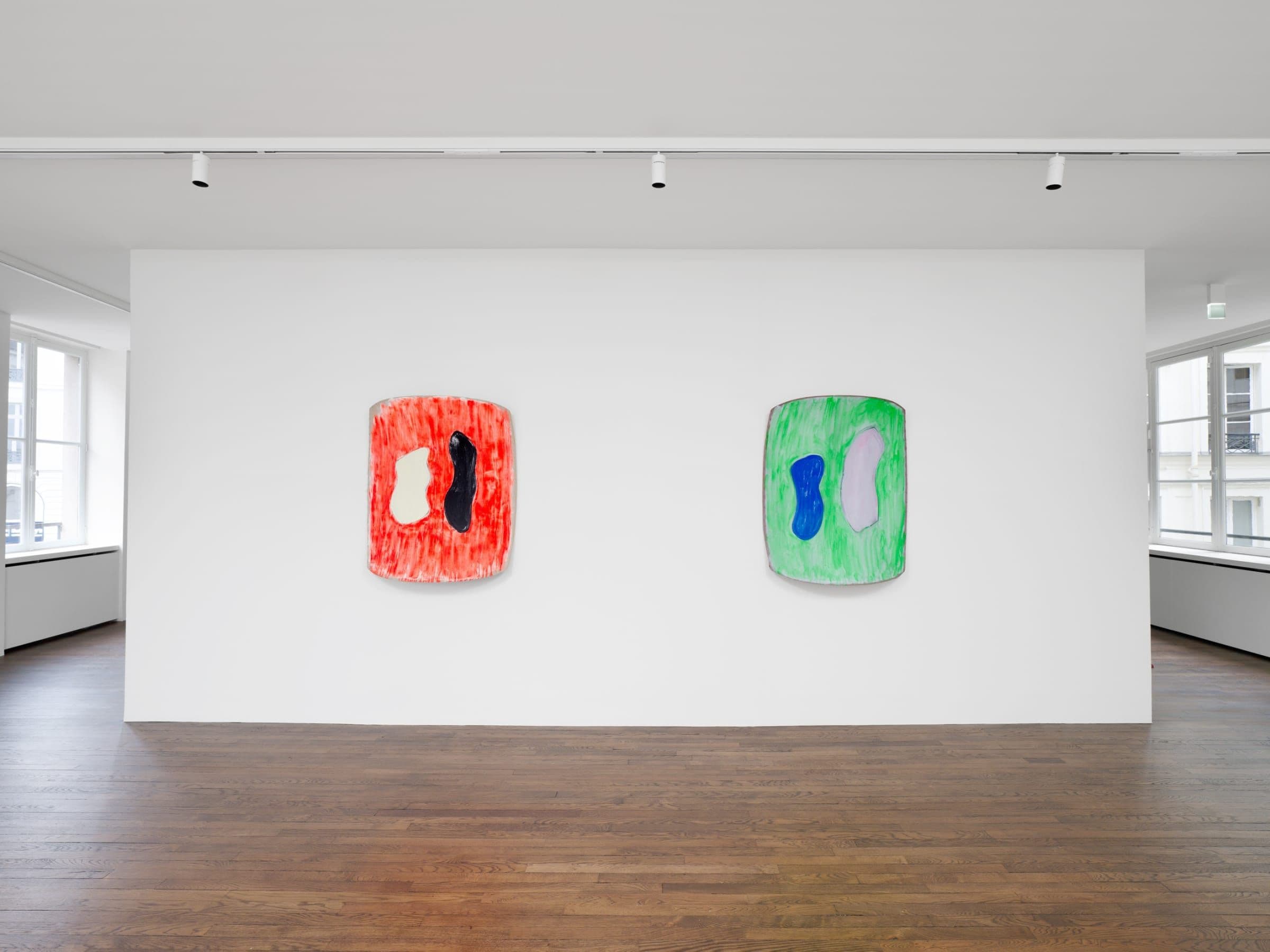
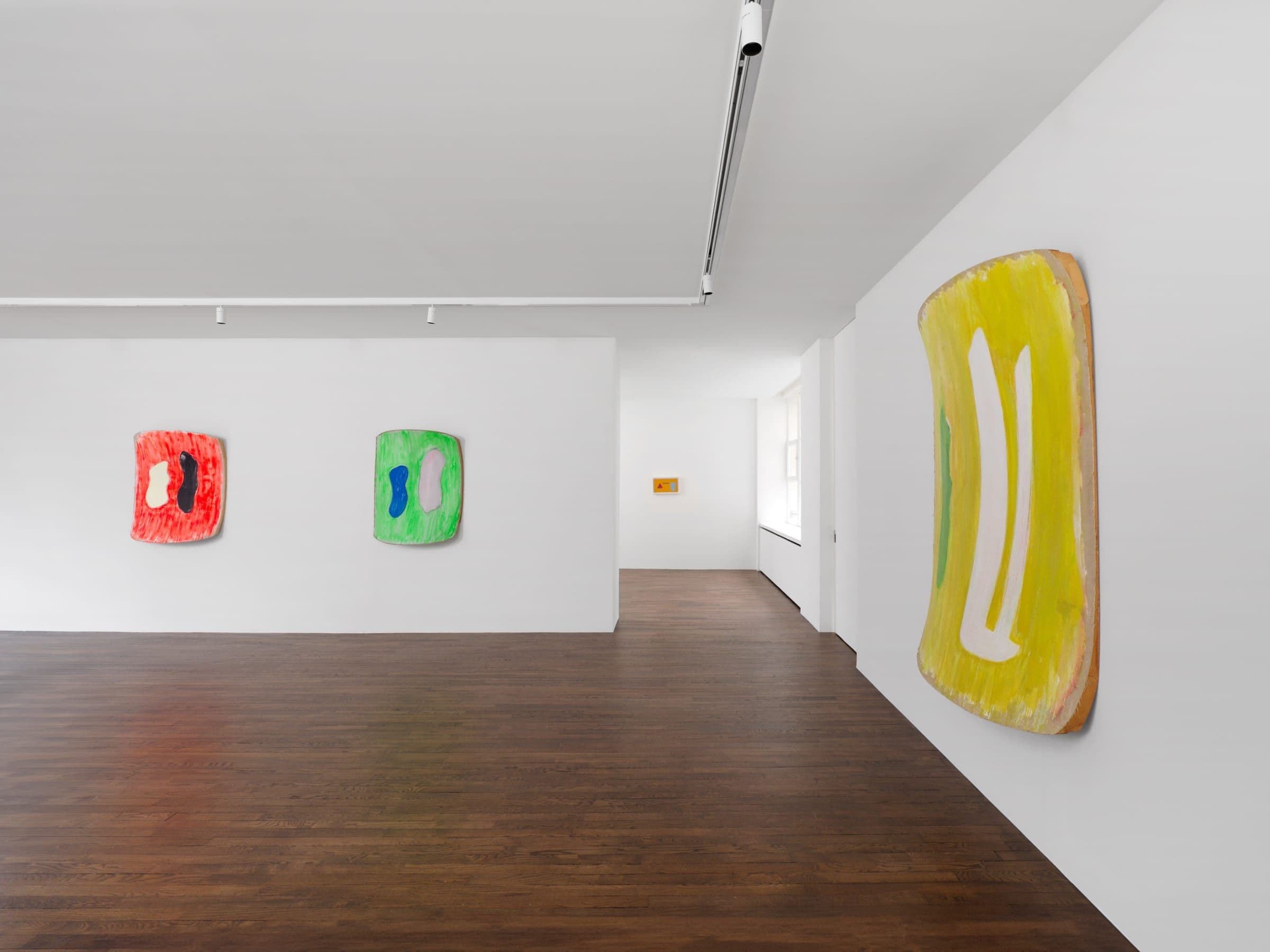
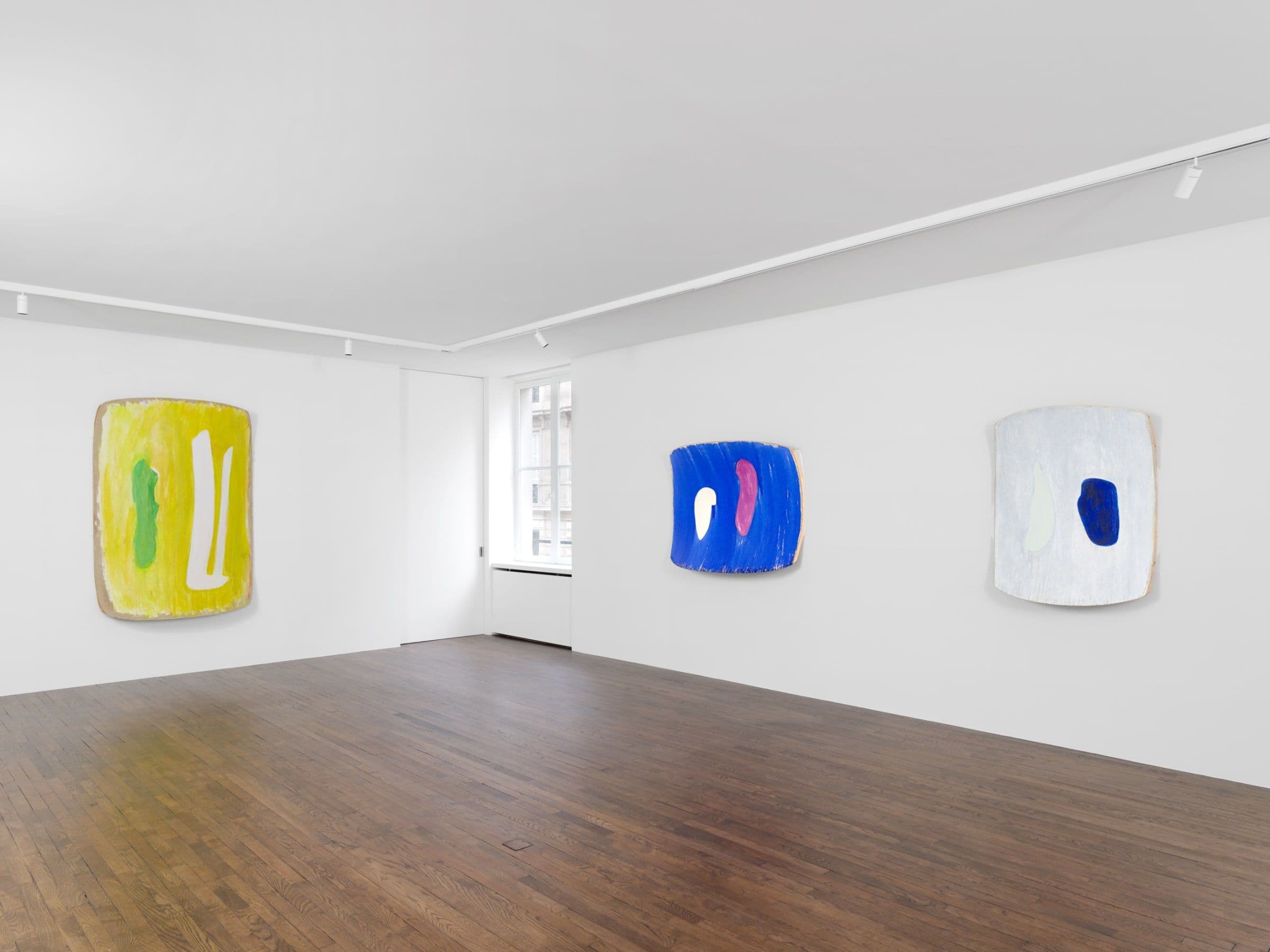
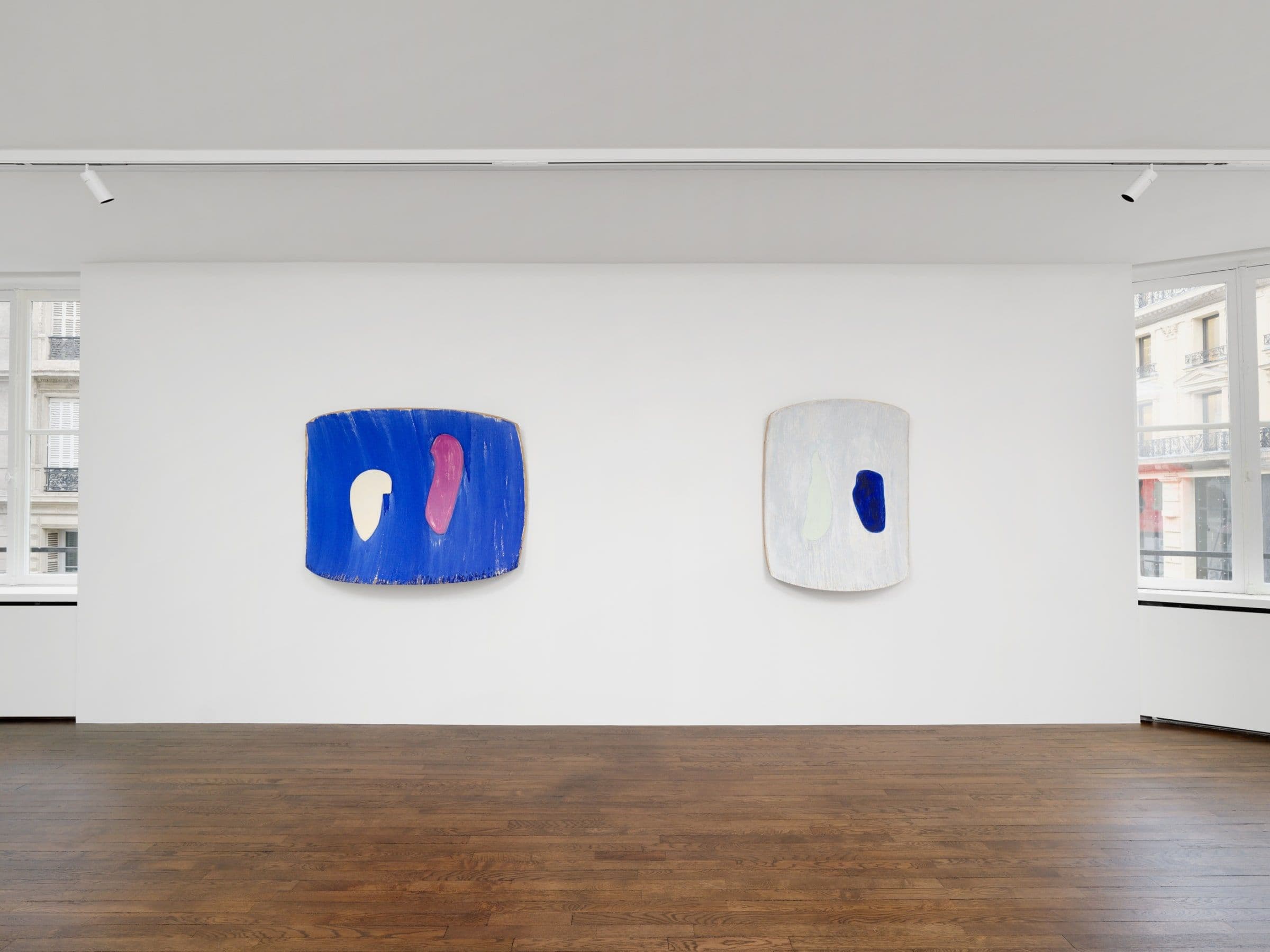
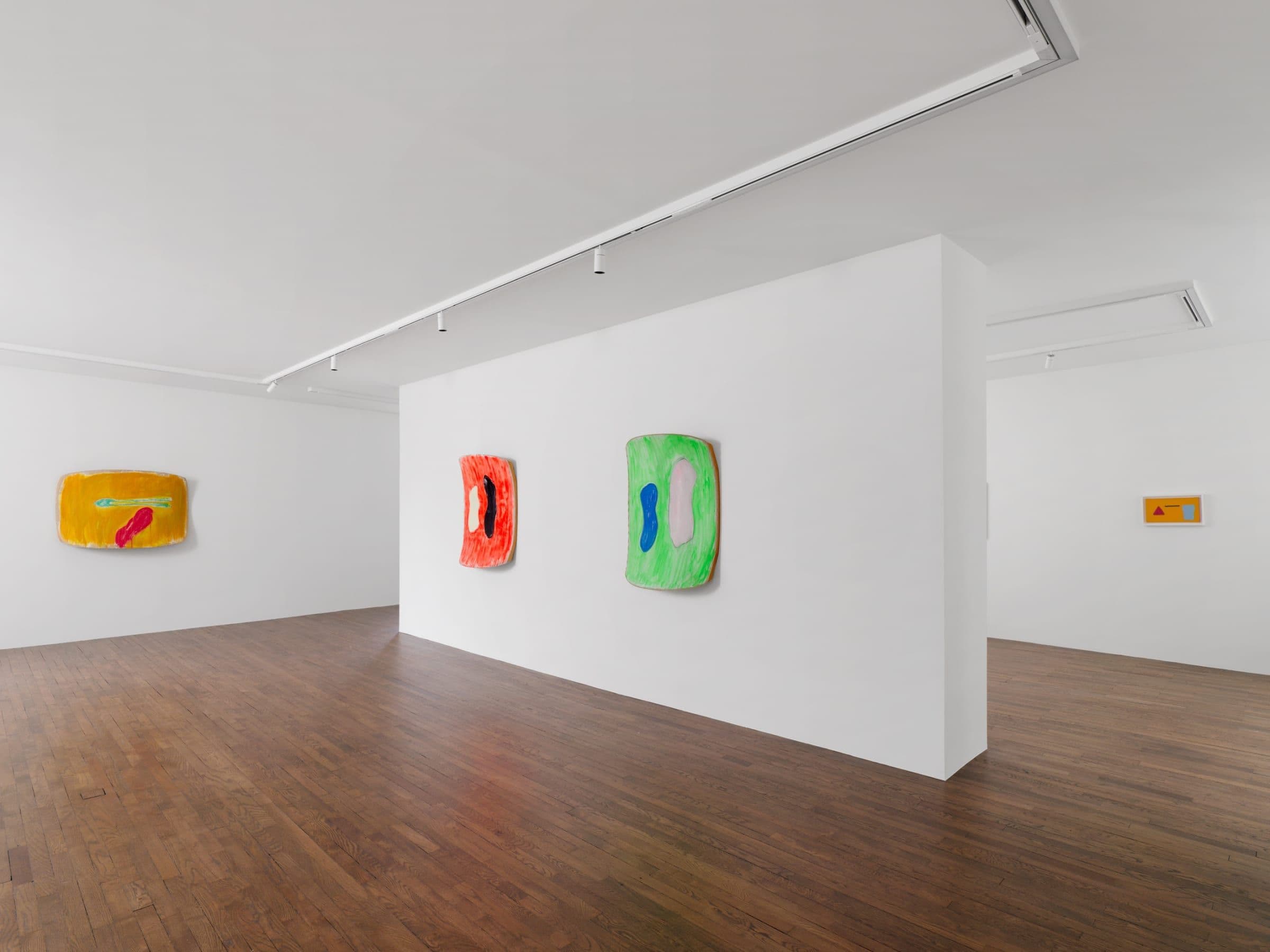
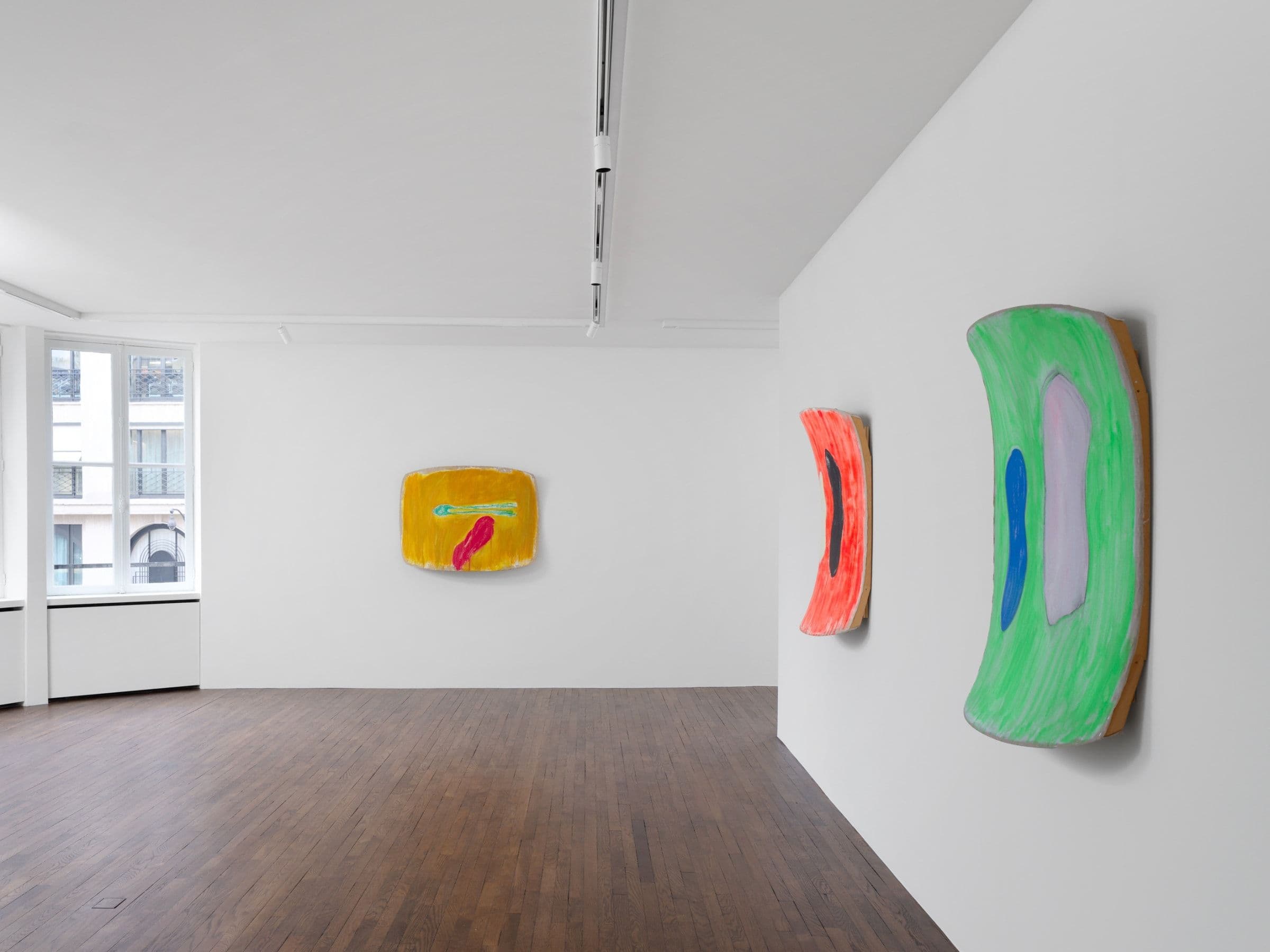
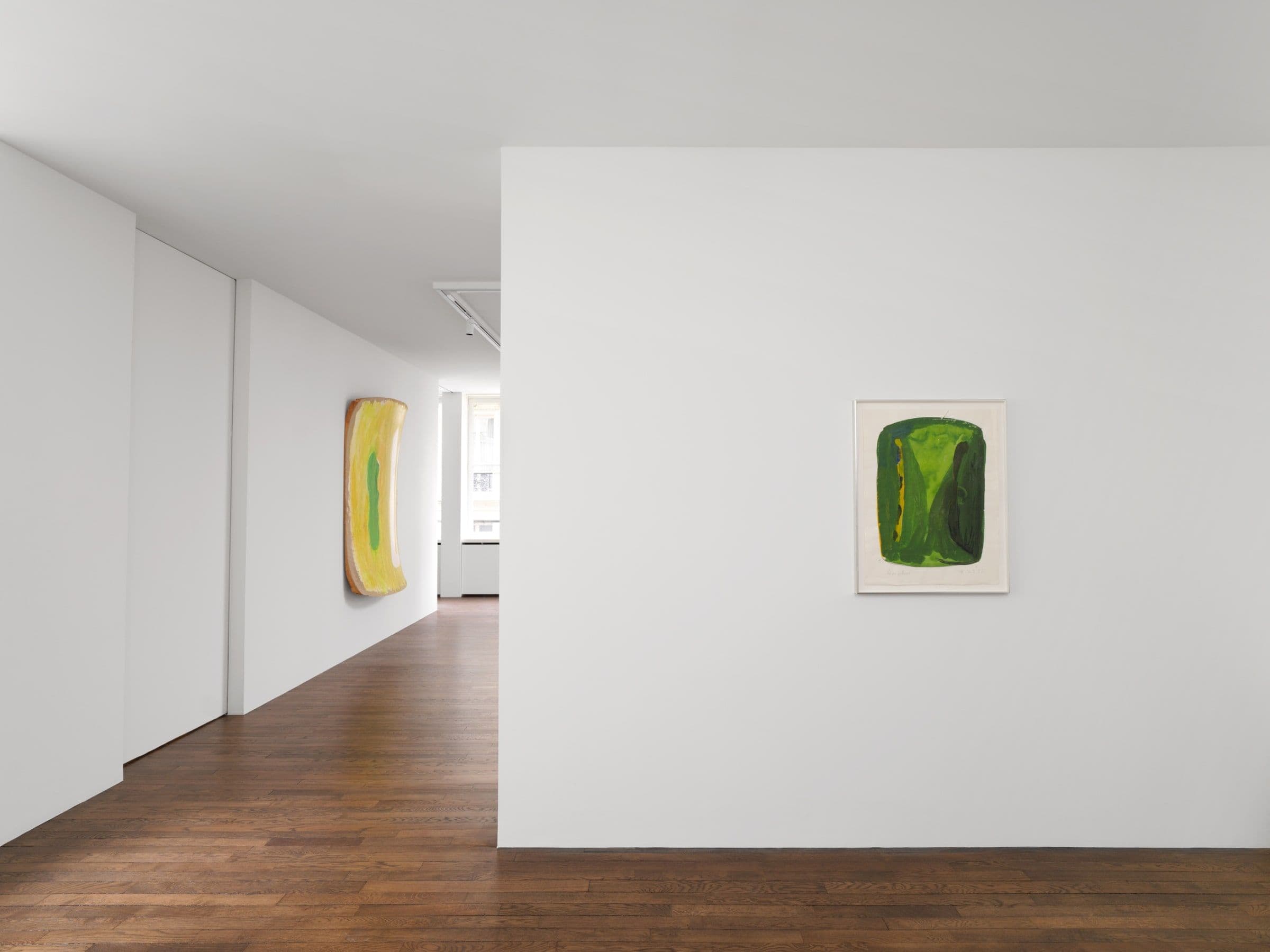
Mitterrand[Scroll down for French version / Veuillez trouver ci-dessous la version française] Mitterrand St-Honoré is pleased to present a new exhibition of works by American artist Ron Gorchov. Ron Gorchov belongs to a generation of painters who broke with the traditional rectangular frame in the 1960s, establishing a new link between sculpture and abstract painting. As part of a group of New York artists including Frank Stella, Richard Tuttle, Blinky Palermo and Ellsworth Kelly, Gorchov challenged the physical limits of painting. It was in 1967, in Mark Rothko's studio, that he created his first curved canvas. Since then, Gorchov contributed to the emergence and development of shaped canvas in the history of twentieth-century painting. His works are characterized by the use of curved wooden frames reminiscent of a horse's saddle or a shield. On the linen canvases stretched over the deliberately sculptural frames, Gorchov tirelessly reiterates abstract motifs inspired by ancient Greek sculptures, which he varies through a multitude of chromatic experiments. The works presented at Mitterrand St-Honoré provide a glimpse of these formal explorations, carried out between 1970 and 2020. The tension applied to the stretcher, which becomes concave or convex, frees the pictorial surface from a number of spatial and material constraints. The real depth of the canvas reinforces the dialogue between the biomorphic forms in contrast with the background and create an illusionary effect. The work is no longer fixed; the forms float on the surface of the composition and seem to detach themselves from their support. As Gorchov said in an interview, his aesthetic ideal would be to free himself from gravity and see the work floating freely in space[1]. A detachment that reflects a complete state of mind, or even a philosophy, as the artist said himself: ‘My paintings are mainly made up of daydreams and luck’[2]. Ron Gorchov was born in 1930 in Chicago (IL) and died in 2020 in Brooklyn (NY). His paintings are a part of many important collections, including the Metropolitan Museum of Art, New York; the Museum of Modern Art, New York; the Whitney Museum of American Art, New York; the Detroit Institute of Arts, Michigan; the Solomon R. Guggenheim Museum, New York; and the Everson Museum of Art, New York. 1 - Ron Gorchov, Maruani Mercier, Bruxelles, 2017 2 - Ron Gorchov in interview with Robert Storr and Phong Bui, September 2006 ***** La galerie Mitterrand St-Honore est heureuse de presenter une exposition de l'artiste americain Ron Gorchov. Ron Gorchov fait partie d'une generation de peintres qui a rompu dans les annees 60 avec le traditionnel chassis rectangulaire en etablissant un lien nouveau entre la sculpture et la peinture abstraite. Au sein d'un groupe d'artistes new-yorkais comprenant Frank Stella, Richard Tuttle, Blinky Palermo et Ellsworth Kelly, Gorchov a repousse les limites physiques de la peinture. C'est en 1967 dans l'atelier de Mark Rothko qu'il façonne sa premiere toile courbee. Gorchov a des lors contribue a l'apparition et au developpement des shaped canvas dans l'histoire de la peinture du XXeme siecle. Ses oeuvres se caracterisent par l'usage de cadres en bois courbes qui peuvent evoquer une selle de cheval ou un bouclier. Sur les toiles de lin tendues sur ces chassis deliberement sculpturaux, Gorchov repete inlassablement des motifs abstraits inspires de sculptures grecques antiques qu'il decline a travers une multitude d'experimentations chromatiques. Les oeuvres presentees a la galerie Mitterrand | St-Honore donnent a voir un aperçu de ces explorations formelles realisees entre 1970 et 2020. La tension appliquee au chassis, qui devient donc concave ou convexe, permet de liberer la surface picturale de certaines contraintes spatiales et materielles. La profondeur reelle de la toile renforce le dialogue entre les formes biomorphiques qui contrastent avec le fond et creent un effet d'illusion. L'oeuvre n'est plus fixe, les formes flottent a la surface de la composition et semblent se detacher de leur support. Comme a pu l'evoquer Gorchov lors d'une interview, son ideal esthetique serait de s'affranchir de la gravite et de voir l'oeuvre flotter librement dans l'espace. Un detachement qui reflete tout un etat d'esprit, voir une philosophie, comme l'a declare l'artiste lui-meme, « mes peintures sont principalement faites de reveries, et de chance ». Ron Gorchov est ne en 1930 a Chicago (IL) et est decede en 2020 a Brooklyn (NY). Ses peintures font partie de nombreuses collections importantes, notamment le Metropolitan Museum of Art, New York ; le Museum of Modern Art, New York ; le Whitney Museum of American Art, New York ; le Detroit Institute of Arts, Michigan ; le Solomon R. Guggenheim Museum, New York ; et le Everson Museum of Art, New York.