
Belleville, Paris
Takashi Murakami
Understanding the New Cognitive Domain
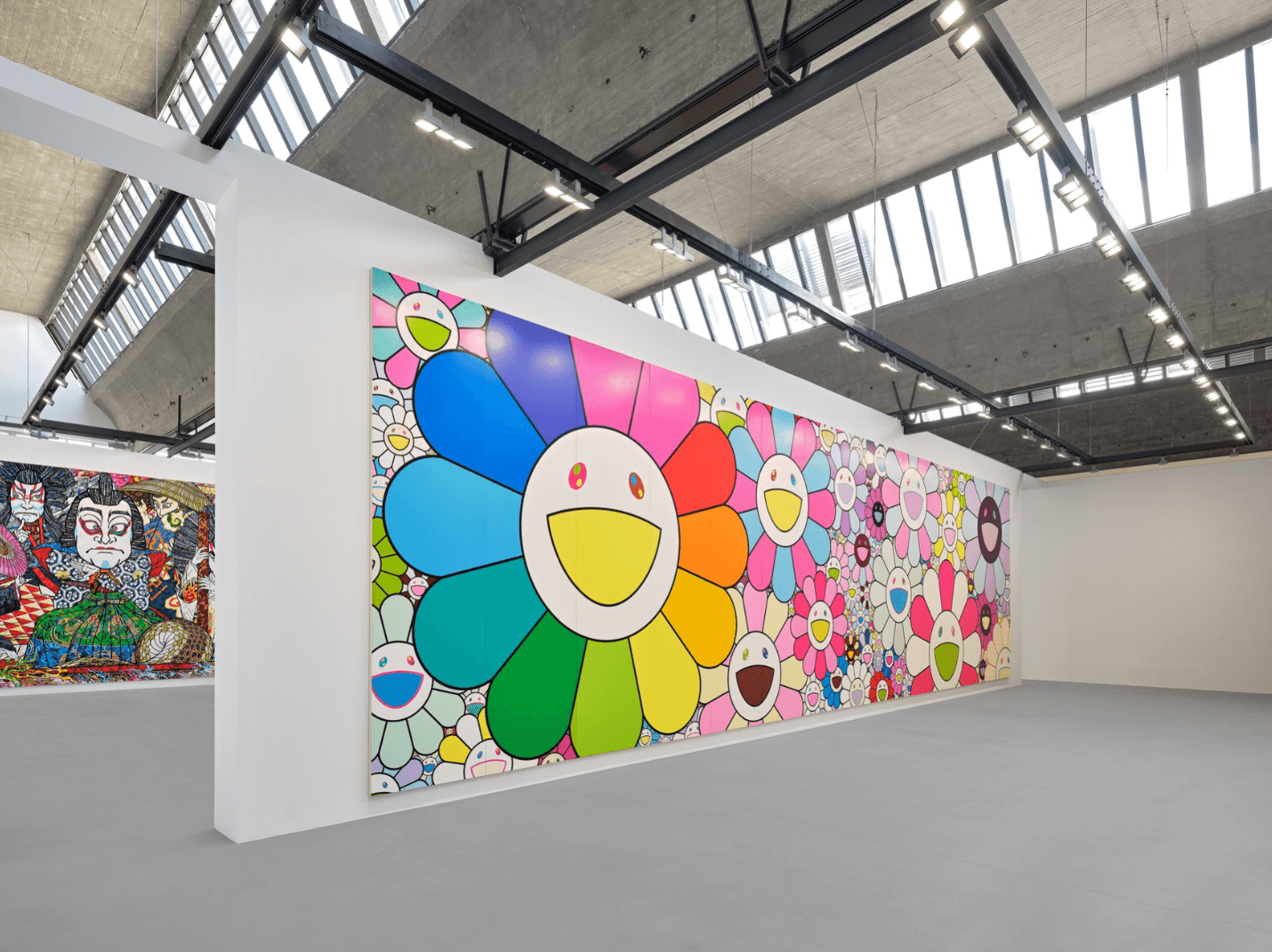
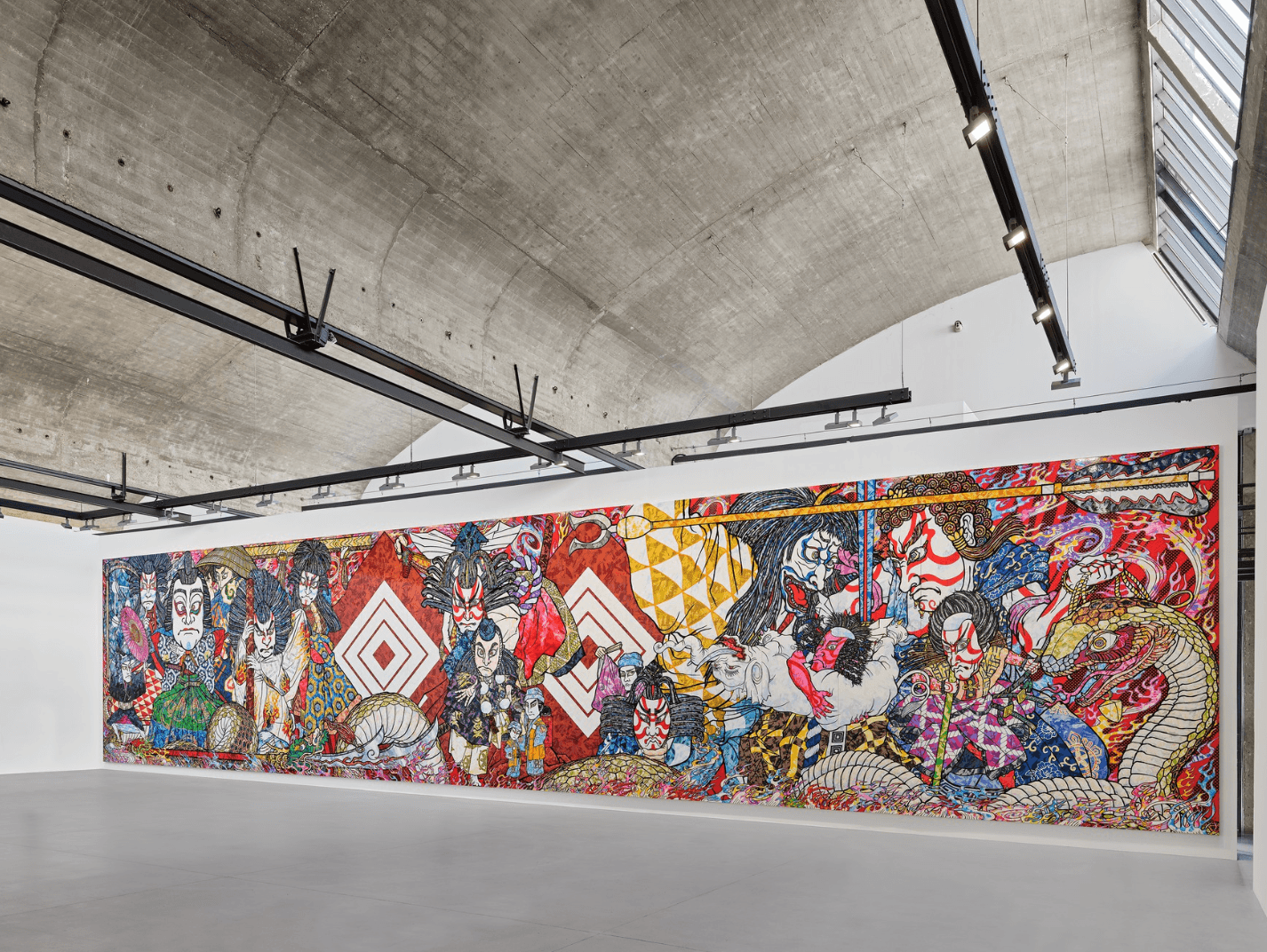
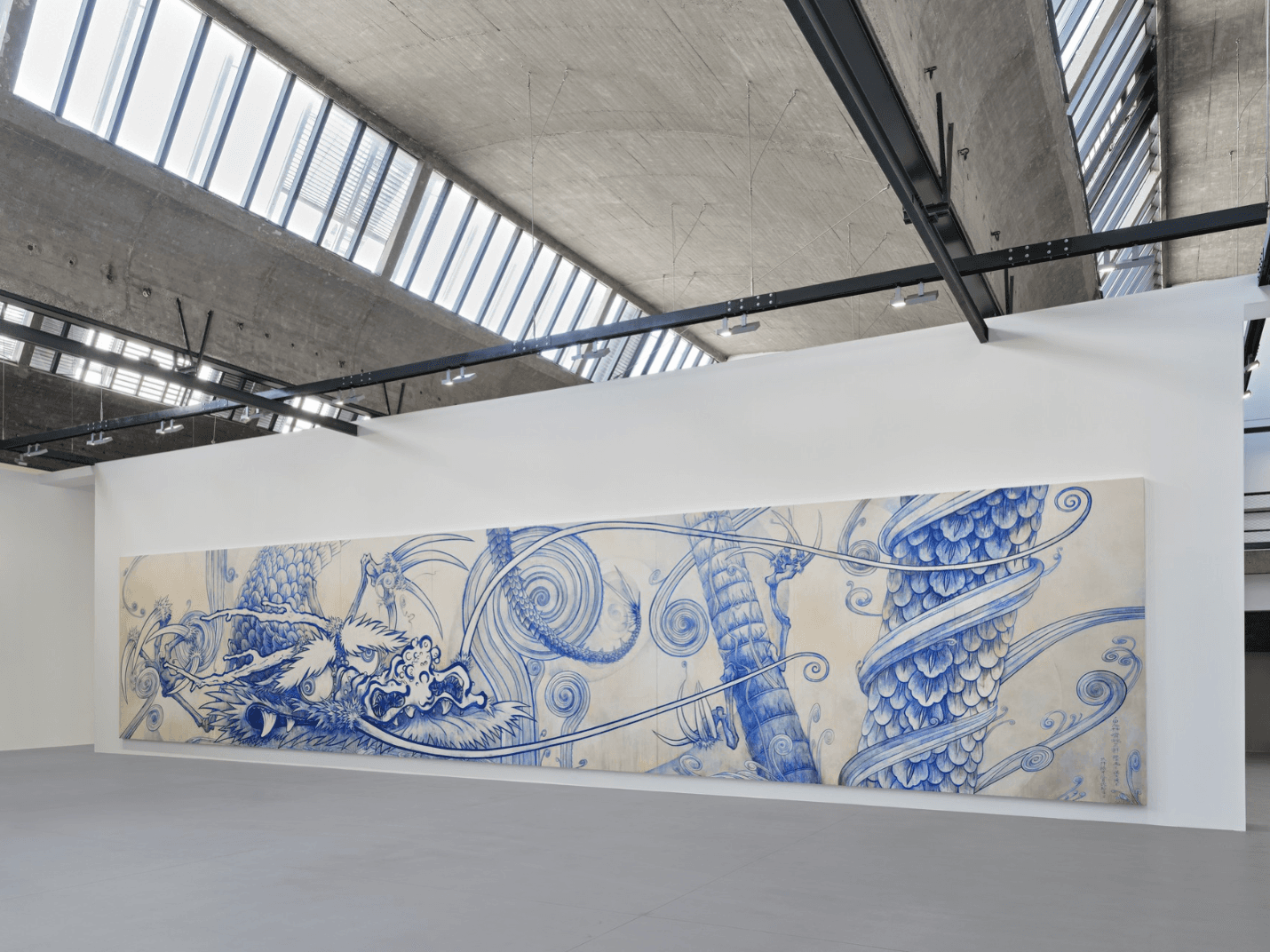
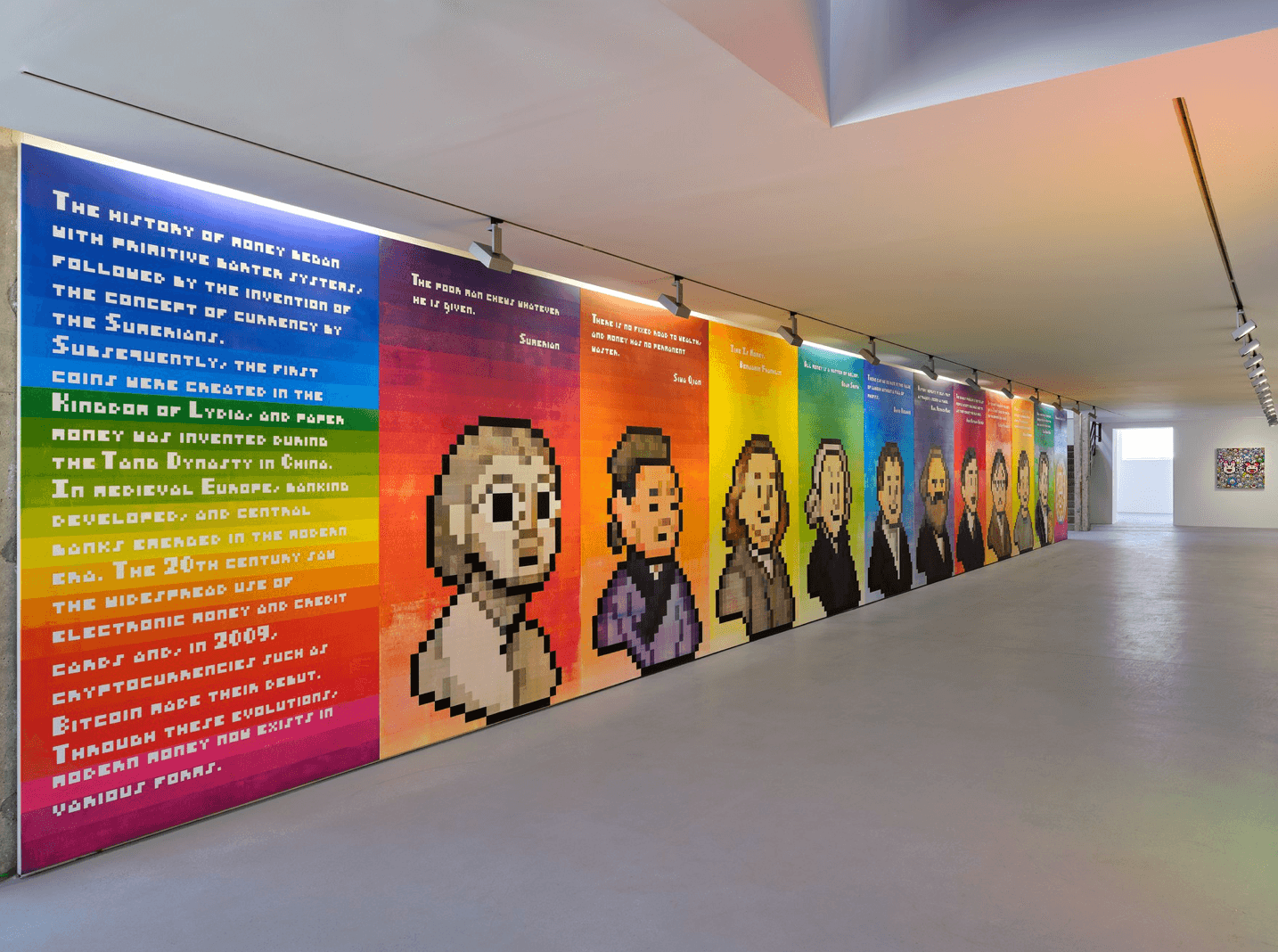
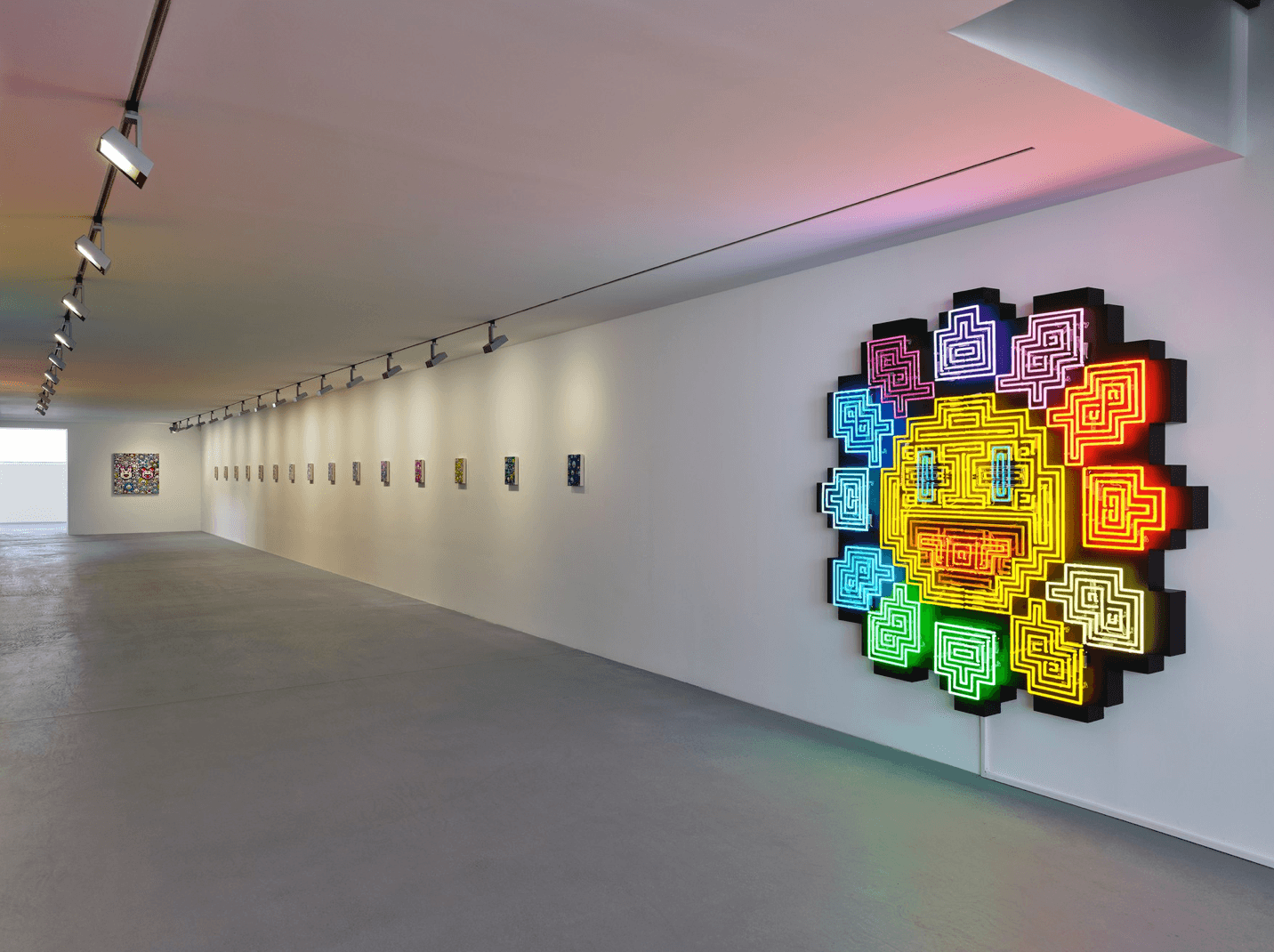
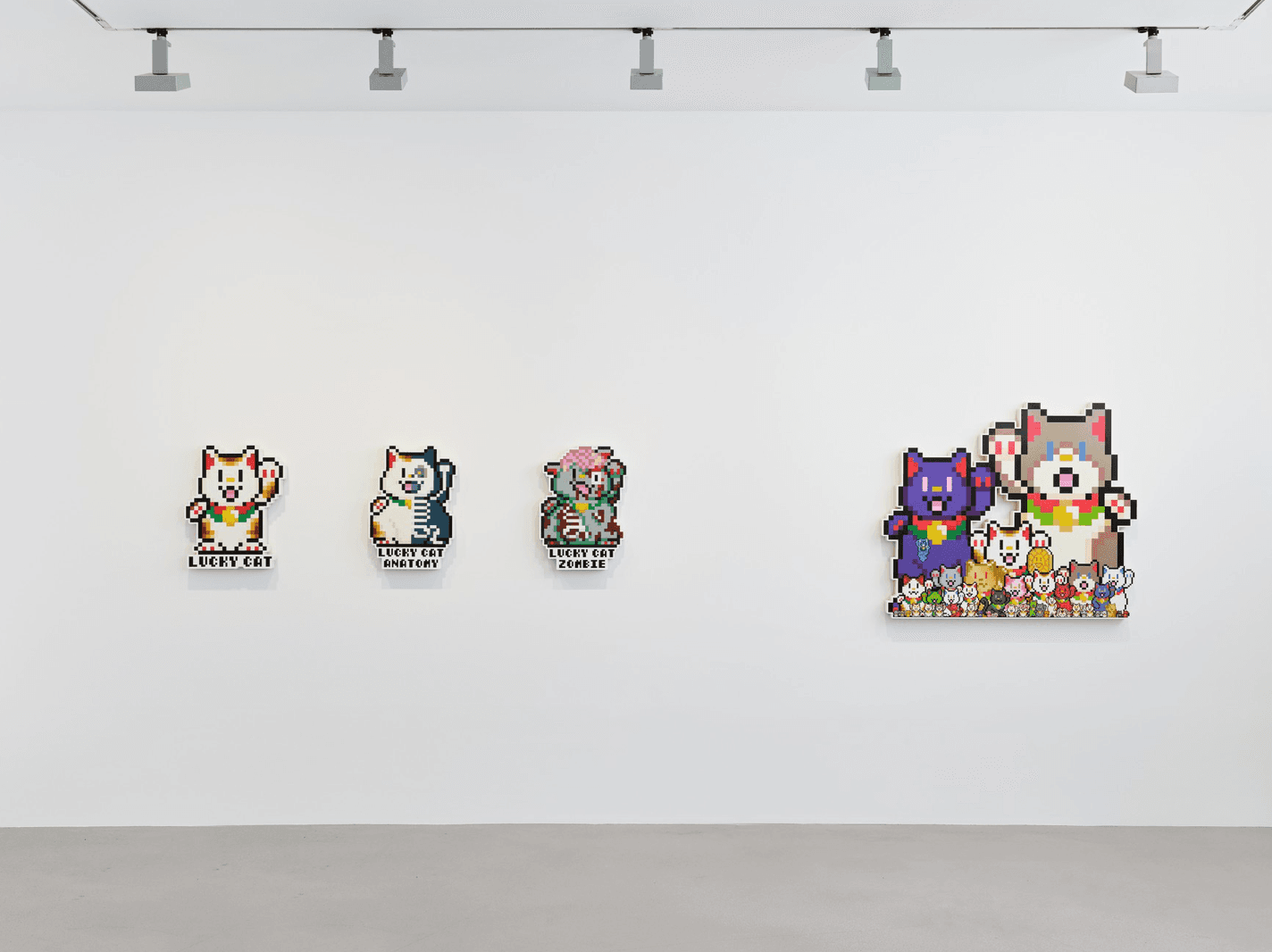
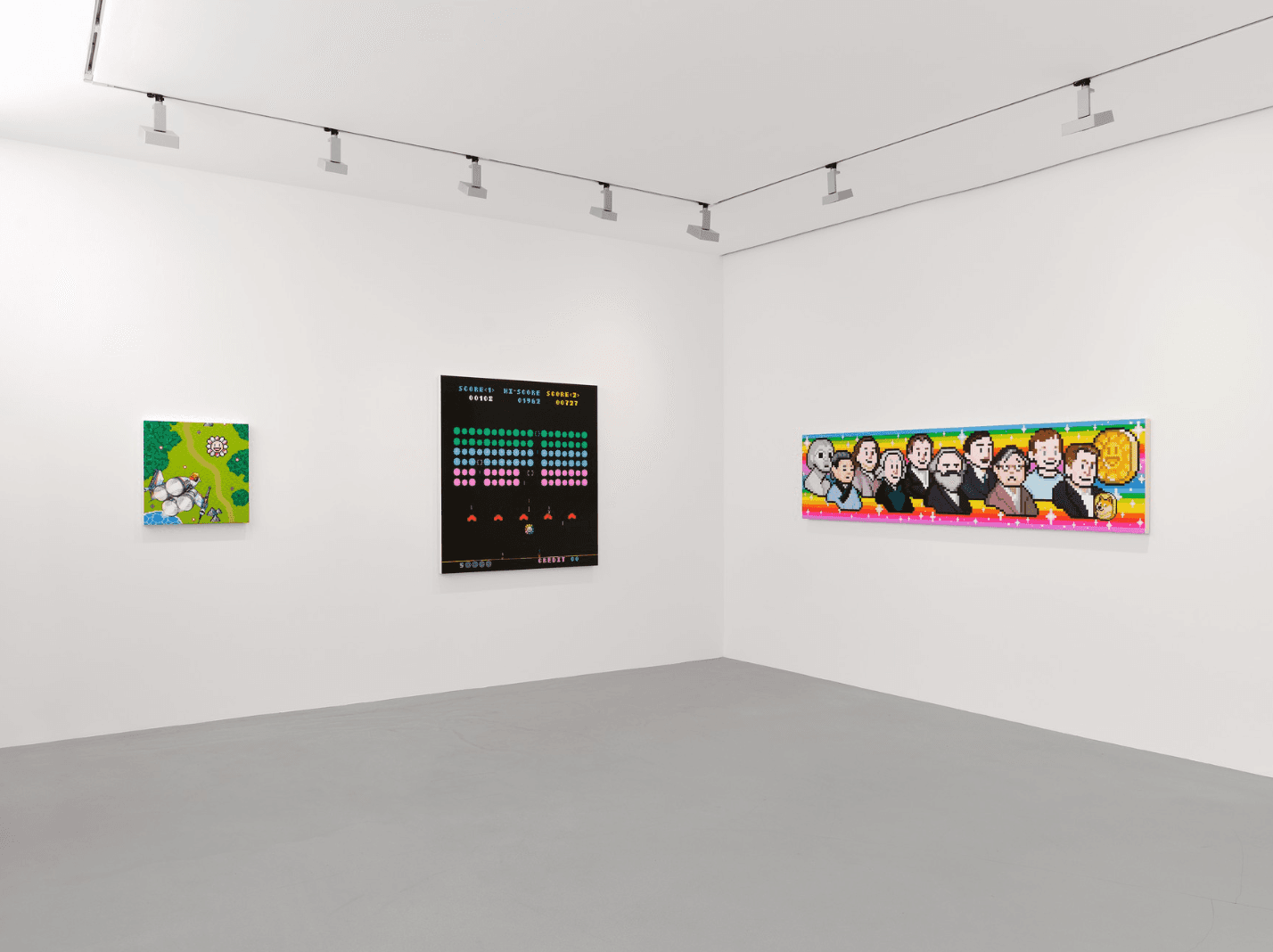
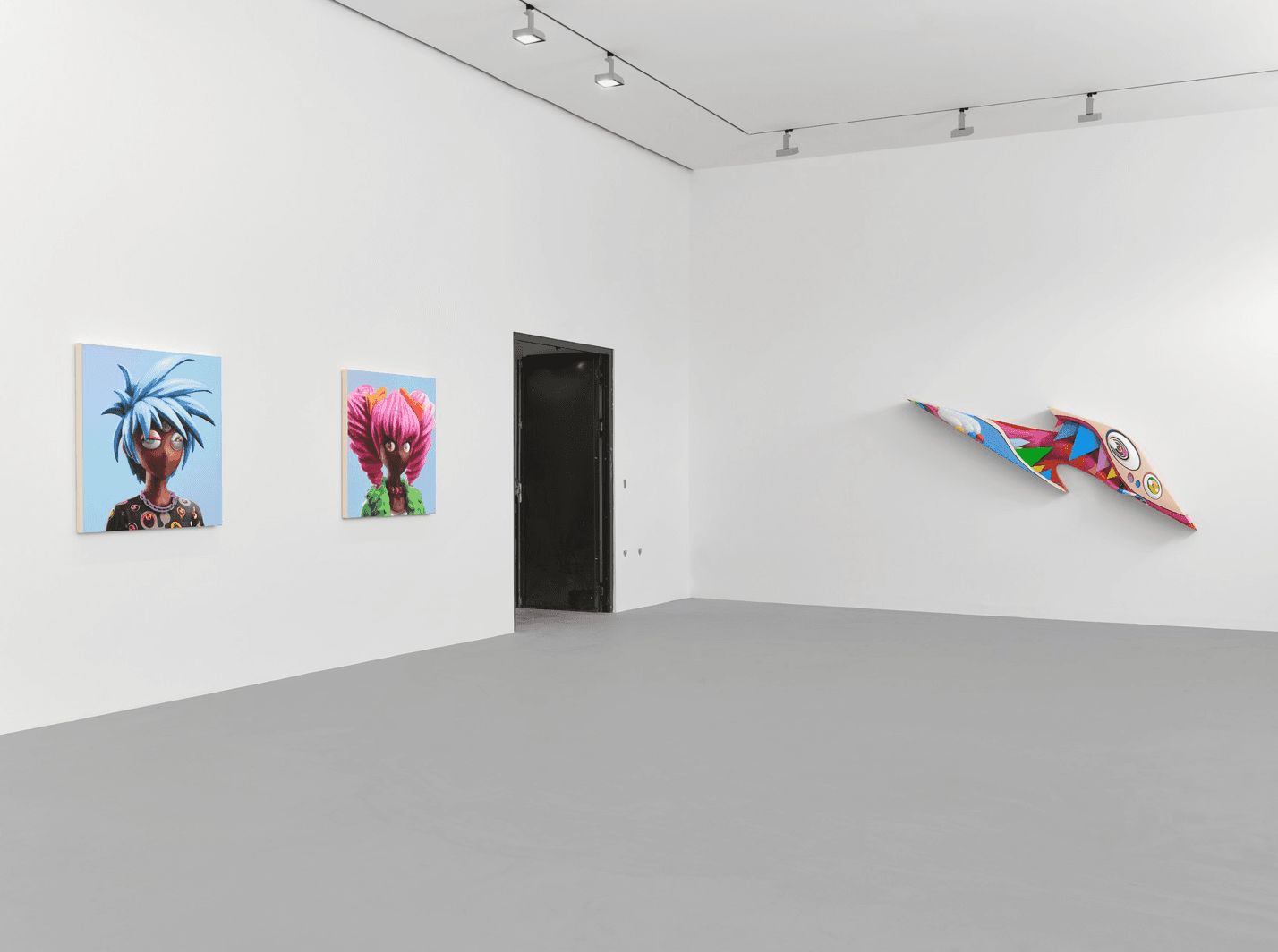
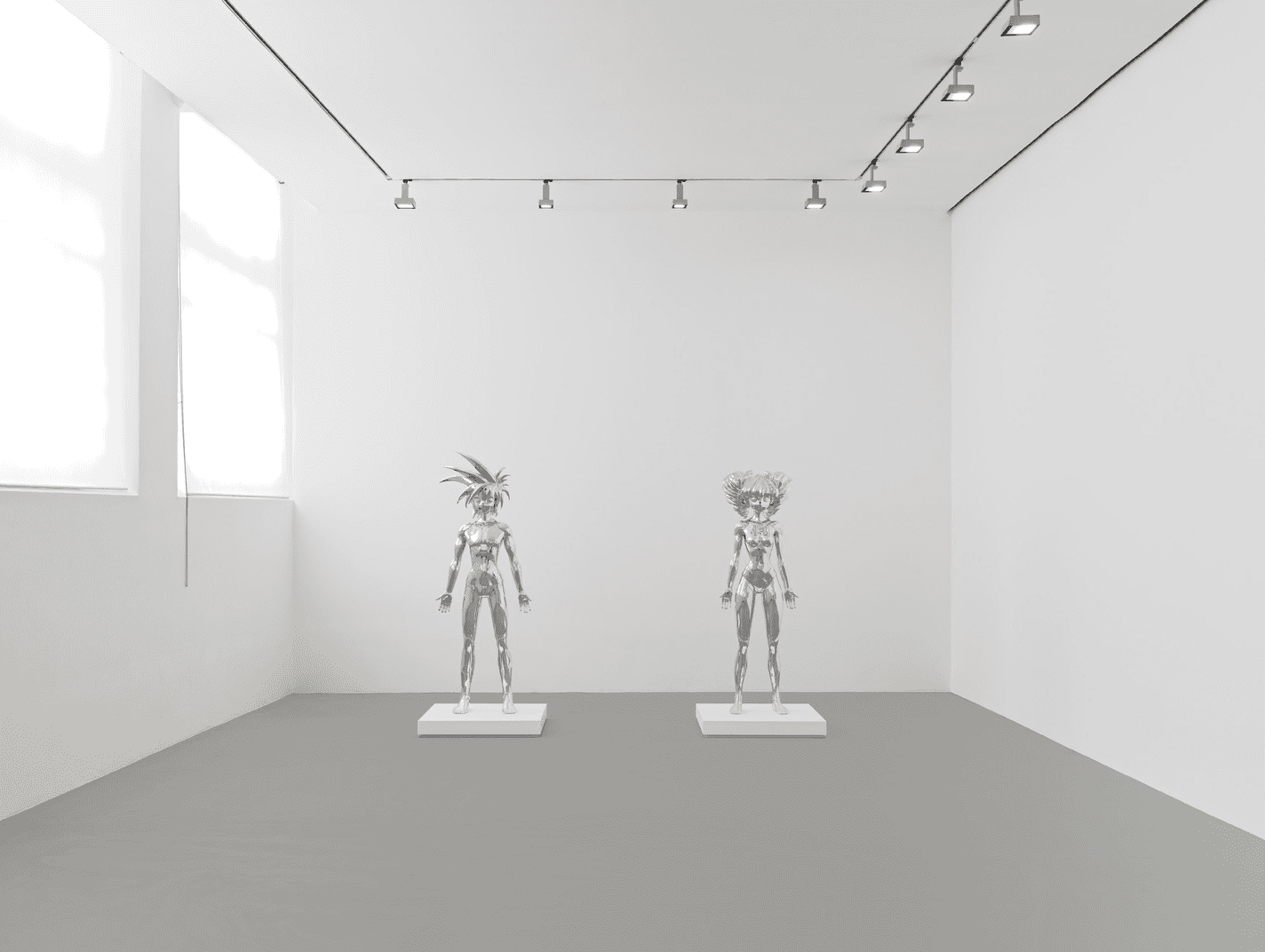
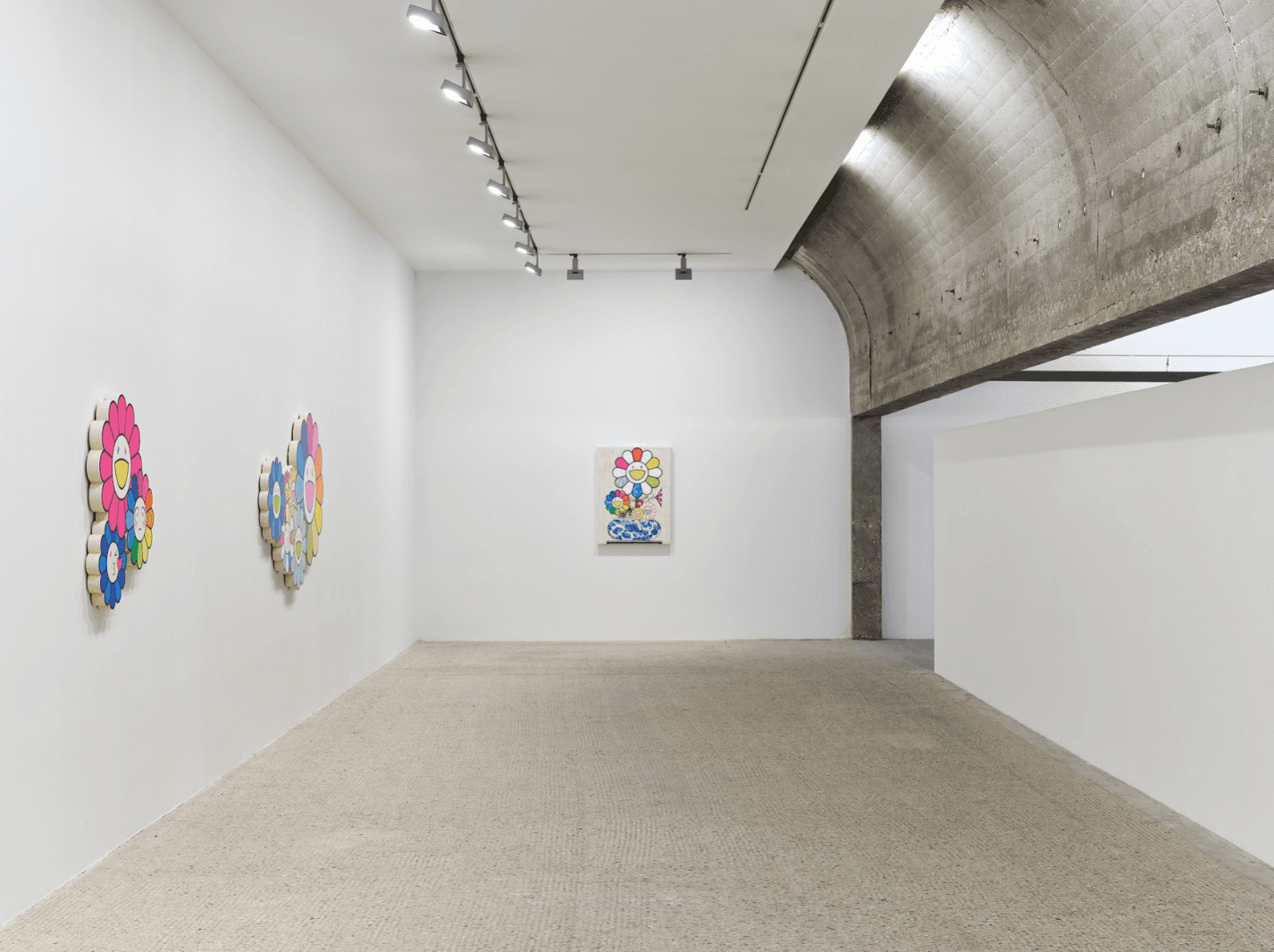
Gagosian[Scroll down for French version / Veuillez trouver ci-dessous la version française] Gagosian is pleased to present Understanding the New Cognitive Domain, an exhibition of work by Takashi Murakami at the gallery in Le Bourget, focused on his monumental paintings. The exhibition features five such works plus others in smaller formats and several sculptures. This is the artist’s first exhibition with the gallery in France. Understanding the New Cognitive Domain marks the debut of a monumental new 5-by-23-meter painting by Murakami based on the iwai-maku, or stage curtain, that he produced for the Kabuki-za theater in Ginza, Tokyo, in celebration of Japanese Kabuki actor and producer Ichikawa Ebizō XI’s assumption of the name Ichikawa Danjūrō XIII, Hakuen. (Kabuki stage names, which specify an actor’s style and lineage, are passed down through generations; the Ichikawa family has a roughly 350-year history.) The November 2022 unveiling of Murakami’s design, which was commissioned by film director Takashi Miike, coincided with the first performance of Ichikawa Shinnosuke VIII in the November Kichirei Kaomise Grand Kabuki Theater program. Also on view is another extended-format painting, Dragon in Clouds – Indigo Blue (2010), which Murakami produced in response to eccentric Japanese artist Soga Shōhaku’s Dragon and Clouds (1763). Shōhaku’s work is a multi-panel Unryūzu (cloud-and-dragon) painting in which the titular creature appears as a Buddhist symbol of optimism and good fortune. Murakami’s painting, like Shōhaku’s, uses a restricted palette and is spread over several conjoined sections. Graphic swirls allude to Shōhaku’s expressive use of ink and suggest the dragon’s flight, combining with its flared nostrils and serpentine whiskers to evoke turbulent motion. Dragon in Clouds – Indigo Blue also resonates with contemporary Japanese visual culture, particularly the video game Blue Dragon, while its vast scale revives the visceral and psychological impact of Shōhaku’s masterpiece. In another epic, friezelike painting, Murakami employs an aesthetic that evokes nostalgia for the pixelated look of 1980s computer graphics. The work was inspired by Mike Kelley’s Pay for Your Pleasure (1988), a set of banners portraying great artists and writers, accompanied by quotes about the transgressive nature of creative genius, shown with a self-portrait by a convicted criminal. (Kelley will have a solo exhibition at the Bourse de commerce, Paris, in October.) Murakami’s work replaces Kelley’s subjects with important contributors to the field of economics over the past millennium, including the Sumerians, Sima Qian, Jean-Baptiste Colbert, Benjamin Franklin, Adam Smith, Karl Marx, John Maynard Keynes, Satoshi Nakamoto, Vitalik Buterin, Elon Musk, and the cryptocurrency Dogecoin, ranging them along a rainbow-hued timeline. By aligning these key drivers of global economic change with characters in a video game, Murakami draws attention to the competitive and strategic aspects of economic theory, and the degree to which these figures’ ideas have influenced contemporary culture. Understanding the New Cognitive Domain also includes several “lucky cat” paintings that reference the artist’s recent NFT projects, and other works featuring Murakami’s iconic smiling flower motif—including a two-meter rainbow neon sign—in which the artist again employs a retro-digital variant on his influential Superflat aesthetic. His ever-proliferating cartoonlike blossoms function as immediately recognizable and infinitely flexible icons that may be at once ornamental and symbolic, directing the viewer toward intertwined themes of identity, representation, and technology. Finally, two mirror-plated figures representing futuristic anime-style avatars reinvest the Clone X NFTs (2021) that Murakami developed in collaboration with RTFKT Studios with physical presence, reflecting his fascination with the metaverse and his sensitivity to the hybrid nature of agency in today’s world. Separated from works such as Dragon in Clouds – Indigo Blue by a gulf of history, such projects act as a reminder that, while their maker trained in the techniques and aesthetics of traditional Japanese painting, he is also immersed in current pop-cultural styles, modes, personalities, and technologies. Murakami has designed a special NFT gift that is available for free exclusively to visitors on the opening day of the exhibition. The NFTs are minted on demand at the Le Bourget gallery and are limited to one per person. There is a special giveaway booth located at the exhibition where visitors are able to claim their digital gift. ***** Gagosian a le plaisir d’annoncer Understanding the New Cognitive Domain, une exposition d’œuvres de Takashi Murakami à la galerie du Bourget, centrée sur ses peintures monumentales. L’exposition présente cinq œuvres monumentales, des peintures de plus petit format ainsi que plusieurs sculptures. Il s’agit de la première exposition personnelle de l’artiste avec la galerie en France. Understanding the New Cognitive Domain présente une nouvelle peinture monumentale de Murakami, mesurant 23 mètres de long sur 5 mètres de haut, inspirée de l’iwai-maku ou rideau de scène, qu’il a réalisé pour le théâtre Kabuki-za de Ginza à Tokyo afin de célébrer l’accession de l’acteur et producteur japonais de Kabuki, Ichikawa Ebizō XI au nom d’Ichikawa Danjūrō XIII, Hakuen. (Les noms de scène du Kabuki, qui indiquent le style et la lignée d’un acteur, sont transmis de génération en génération ; la famille Ichikawa a une histoire d’environ 350 ans.) Commandé par le réalisateur Takashi Miike, cette création de Murakami a été dévoilée au public en novembre 2022, à l’occasion de la première représentation d’Ichikawa Shinnosuke VIII dans le cadre du programme du Grand Théâtre Kabuki Kichirei Kaomise. L’exposition présente également une autre peinture de grand format, Dragon in Clouds – Indigo Blue (2010), que Murakami a réalisée en réponse à l’œuvre Dragon and Clouds (1763) de l’artiste japonais excentrique du XVIIIe siècle Soga Shōhaku. L’œuvre de Shōhaku est une peinture Unryūzu (nuage et dragon) composée de plusieurs panneaux dans laquelle la créature tutélaire apparaît comme un symbole bouddhiste d’optimisme et de bonne fortune. La peinture de Murakami, comme celle de Shōhaku, est composée d’une palette de couleurs restreintes qui s’étend sur plusieurs sections. Les tourbillons graphiques font allusion à l’utilisation expressive de l’encre par Shōhaku et suggèrent le vol du dragon, alliant ses narines évasées à ses moustaches serpentines qui évoquent un mouvement turbulent. Dragon in Clouds – Indigo Blue fait également référence à la culture visuelle japonaise contemporaine, et plus particulièrement au jeu vidéo Blue Dragon, tandis que sa vaste échelle réaffirme l’impact visuel et psychologique du chef-d’œuvre de Shōhaku. Dans une autre peinture inédite en forme de frise chronologique, Murakami utilise une esthétique évoquant la nostalgie de l’aspect pixellisé des graphiques informatiques des années 1980. Cette œuvre est inspirée de Pay for Your Pleasure (1988) de Mike Kelley, dans laquelle l’artiste dépeint des portraits de grands artistes et écrivains, accompagnés de citations sur la nature transgressive du génie créatif, aux côtés d’un autoportrait d’un criminel condamné. (Kelley sera l’objet d’une exposition personnelle à la Bourse de commerce à Paris en octobre 2023.) L’œuvre de Murakami remplace les sujets de Kelley par d’importantes figures de l’économie des derniers millénaires, notamment les Sumériens, Sima Qian, Jean-Baptiste Colbert, Benjamin Franklin, Adam Smith, Karl Marx, John Maynard Keynes, Satoshi Nakamoto, Vitalik Buterin, Elon Musk et la crypto-monnaie Dogecoin, plaçant ces figures sur une ligne temporelle aux couleurs de l’arc-en-ciel. En associant ces acteurs clés des changements économiques mondiaux à des personnages de jeu vidéo, Murakami attire l’attention sur les aspects compétitifs et stratégiques de la théorie économique et souligne la façon dont les idées de ces personnages ont influencé la culture contemporaine. Understanding the New Cognitive Domain présente également plusieurs peintures de « chats porte-bonheur », en référence aux récents projets NFT de l’artiste; et d’autres œuvres représentant le motif emblématique de la fleur souriante de Murakami. L’exposition comprend notamment une fleur de deux mètres d’envergure composée de néons arc-en-ciel dans laquelle l’artiste utilise à nouveau une variante rétro-numérique de son influente « Superflat » esthétique. Les fleurs de Murakami, qui prolifèrent dans l’espace d’exposition, fonctionnent comme des icônes immédiatement reconnaissables et infiniment modulables. A la fois ornementales et symboliques, ces fleurs orientent le spectateur vers les thèmes entrelacés de l’identité, de la représentation et de la technologie. Enfin, deux figures en miroir représentant des avatars futuristes de style animé réinvestissent physiquement les Clone X NFTs (2021) que Murakami a développé en collaboration avec RTFKT Studios, reflétant à la fois sa fascination pour le métavers et sa sensibilité à la nature hybride de l’agencement du monde contemporain. Séparés d’œuvres telles que Dragon in Clouds – Indigo Blue par un gouffre historique, ces projets rappellent que, si leur auteur a été formé aux techniques et à l’esthétique de la peinture japonaise traditionnelle, il est également immergé dans les styles, les modes, les personnalités et les technologies de la culture pop actuelle. Pour cette occasion, Murakami a conçu un NFT spécial qui sera offert gratuitement et exclusivement aux visiteurs le jour de l’ouverture de l’exposition de 15 à 18 heures. Les NFTs seront créés à la demande à la galerie du Bourget, et seront limités à un par personne. Un stand spécial sera installé dans l’enceinte de l’exposition où les visiteurs pourront récupérer leur cadeau numérique (NFT).