
Tiergarten, Berlin
Öyvind Fahlström
Late Works
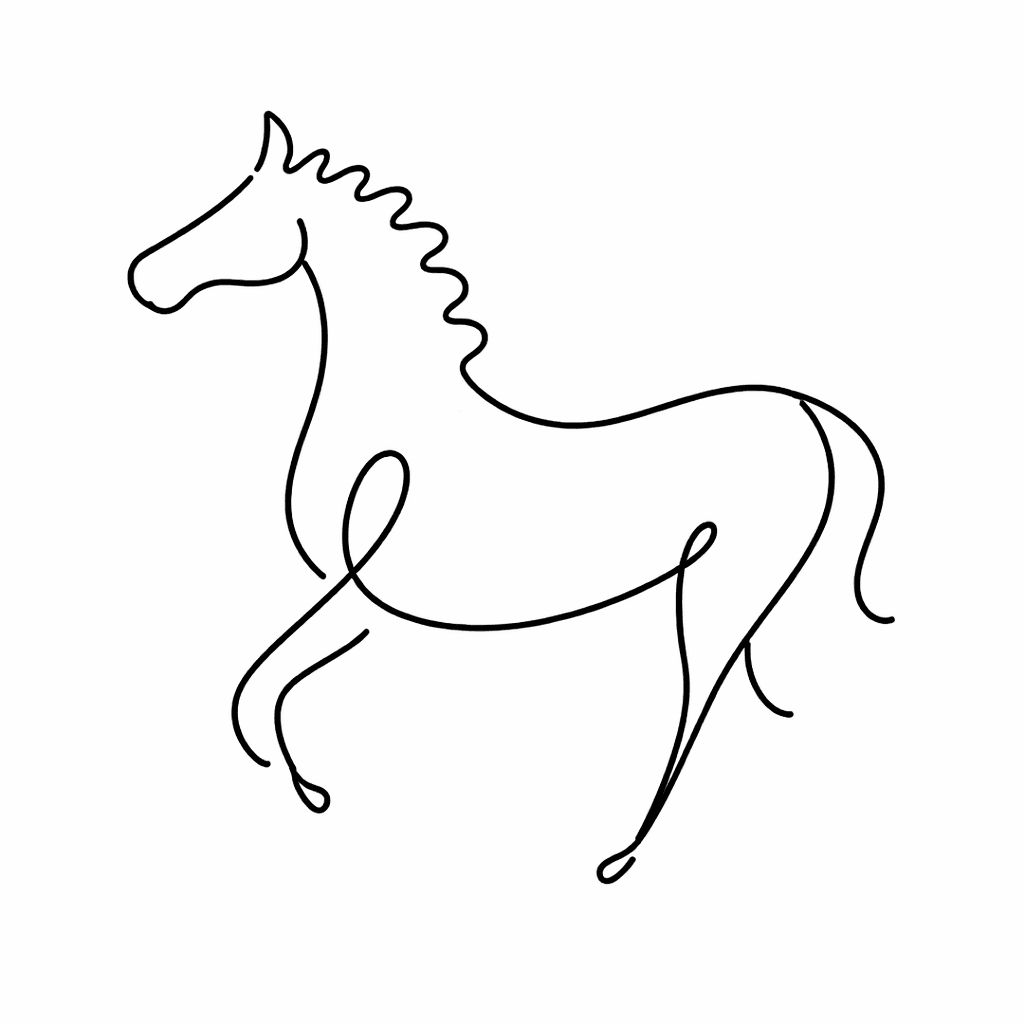
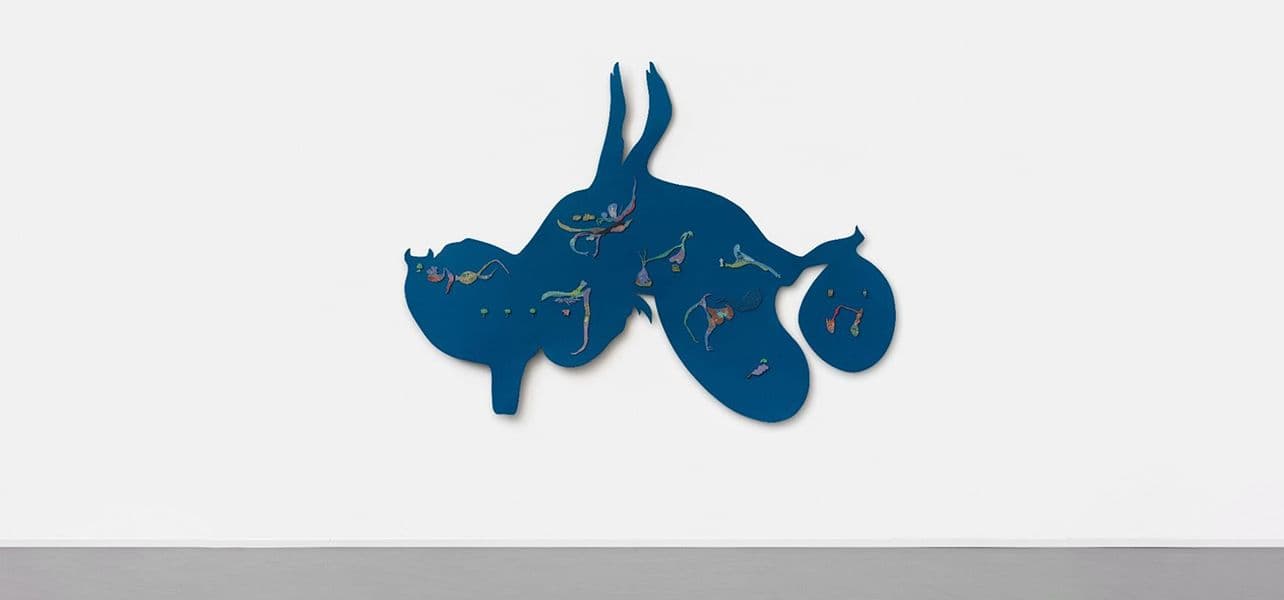
Aurel ScheiblerDespite the abbreviated nature of Öyvind Fahlström’s career - his first significant work, Opera, 1952-53, (Museo Reina Sofía, Madrid), and one of his last, Night Music 4, 1976, the year of his death at 47 - his oeuvre is surprisingly extensive, especially considering his meticulous, labor-intensive methods. His body of work spans early abstract paintings and drawings from the 1950s; Pop-related paintings and sculptures from the early 1960s; numerous films, performances, and contributions to art happenings during that decade; five large-scale sculptural installations (1966–73); and, from the late 1960s until his death, a series of densely populated, information-rich paintings and drawings addressing global political issues. In addition to his visual works, Fahlström authored several manifestos, wrote scripts for stage, screen, and radio, composed a five-hour “audiophonic novel,” and produced an array of prints and multiples. His artistic journey began in Sweden, Italy, and France, but it was in New York that he spent his most productive and influential years. Similar to several influential European artists of his generation, Fahlström initially approached the visual arts through the medium of poetry. The use of visible language persisted as a central component of his practice, becoming intricately interwoven with his drawing and overall artistic methodology. As with many major artists, Fahlström’s oeuvre can be understood in distinct phases. His “late work” is generally considered to have begun around 1973, signaled by S.O.M.B.A. (Lenbachhaus, München) - a pivotal piece featuring movable elements and incorporating his manifesto Some Of My Basic Assumptions. We are pleased to present the preliminary large-scale drawing S.O.M.B.A. Notebook (1973), composed of twenty sheets rendered in black ink. In the final two years of his life, Fahlström’s focus on emotion became more pronounced. In 1974, he created a pair of works responding to the political tragedy of Salvador Allende’s overthrow in Chile - not through statistics, as in earlier works, but through poetry. The unusual forms of these pieces originated from one-line ink drawings, echoing his early interest in Surrealism and showcasing his gift for formal invention, often overshadowed by his use of appropriated imagery. In 1974, Fahlström embarked on his final series of works - Night Music 1-4 - beginning again with a group of automatist ink drawings titled Improvisations for Night Music, a selection of which is also on view. These improvisational studies laid the groundwork for a set of painted metal panels and movable cutouts inscribed with fragments of poetry. Created between 1975 and 1976, the four Night Music panels feature biomorphic, deep-blue surfaces populated by magnet-backed elements that resemble undersea creatures or internal organs—forms the artist likened to tropical fish. Through a fusion of poetic text and apocalyptic imagery, these works project a bleak yet vividly imaginative vision of the future. Drawing upon the poetry of Sylvia Plath, Federico García Lorca, Georg Trakl, and Pedro Pietri, Fahlström imbued the series with emotional and existential depth - particularly poignant in light of his concurrent battle with colon cancer. A singular figure and true innovator, Öyvind Fahlström created a unique fusion of visual invention and narrative complexity - one that remains unmatched in contemporary art.