
Chinatown, New York
James Rosenquist
Waiting for an Idea
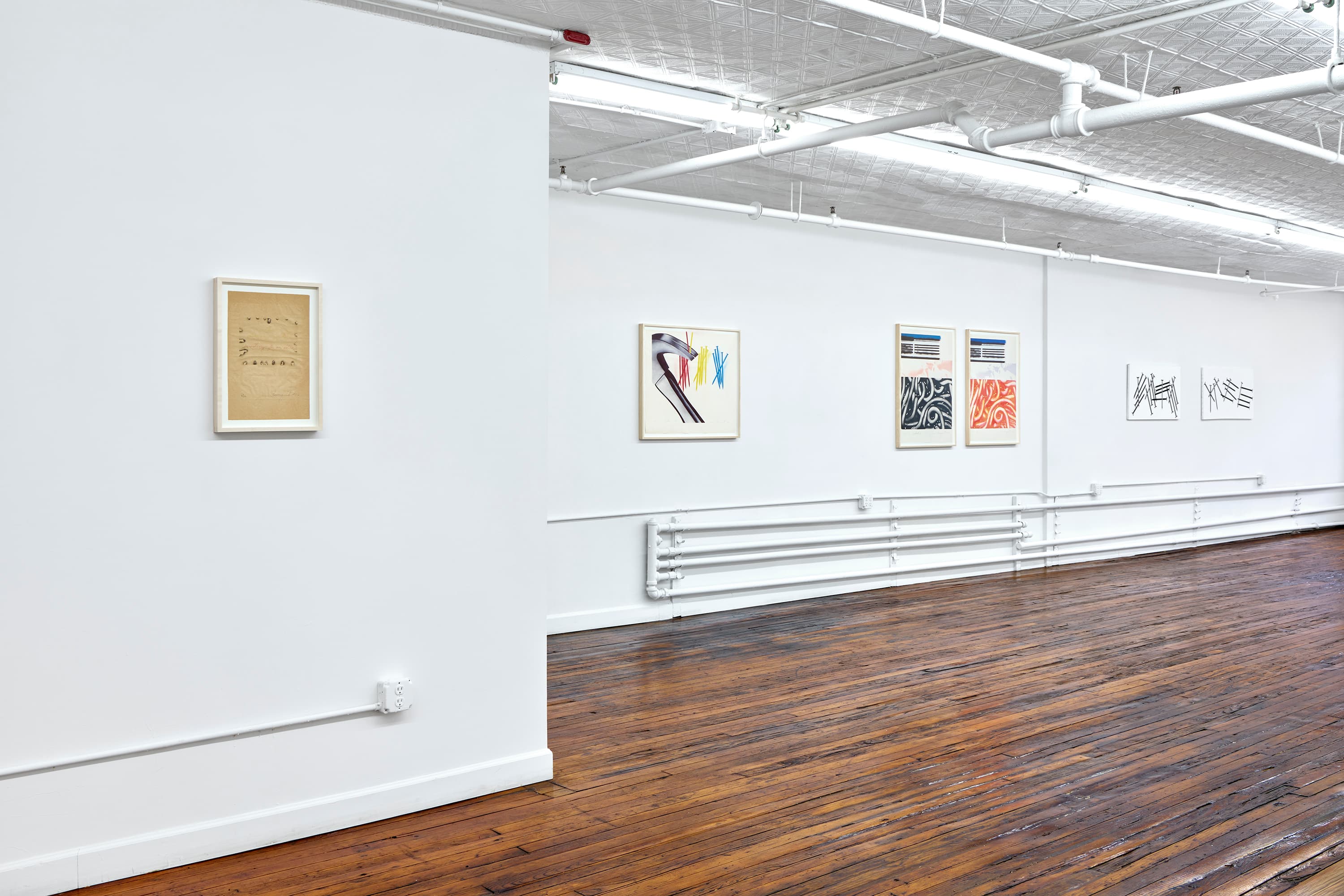
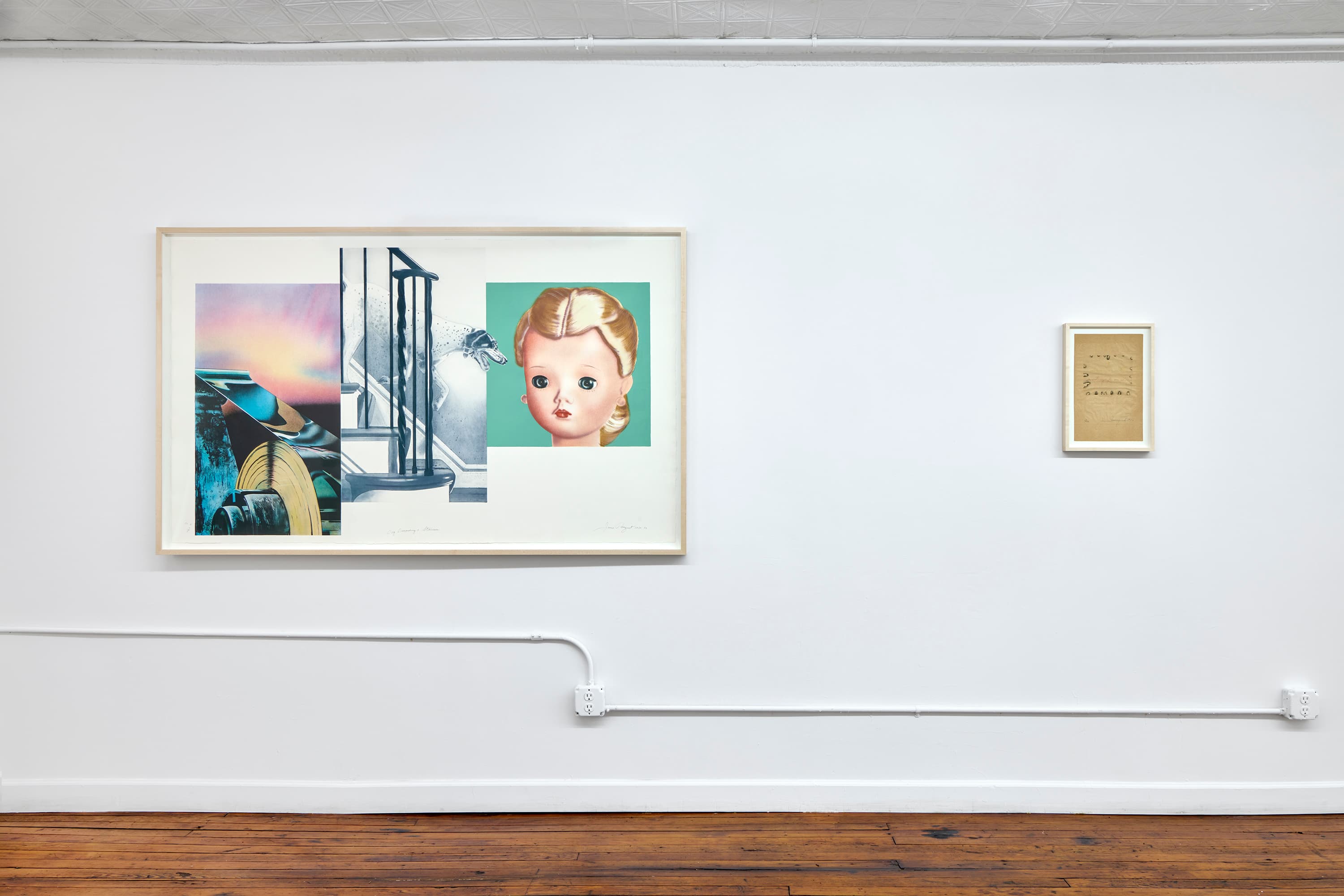
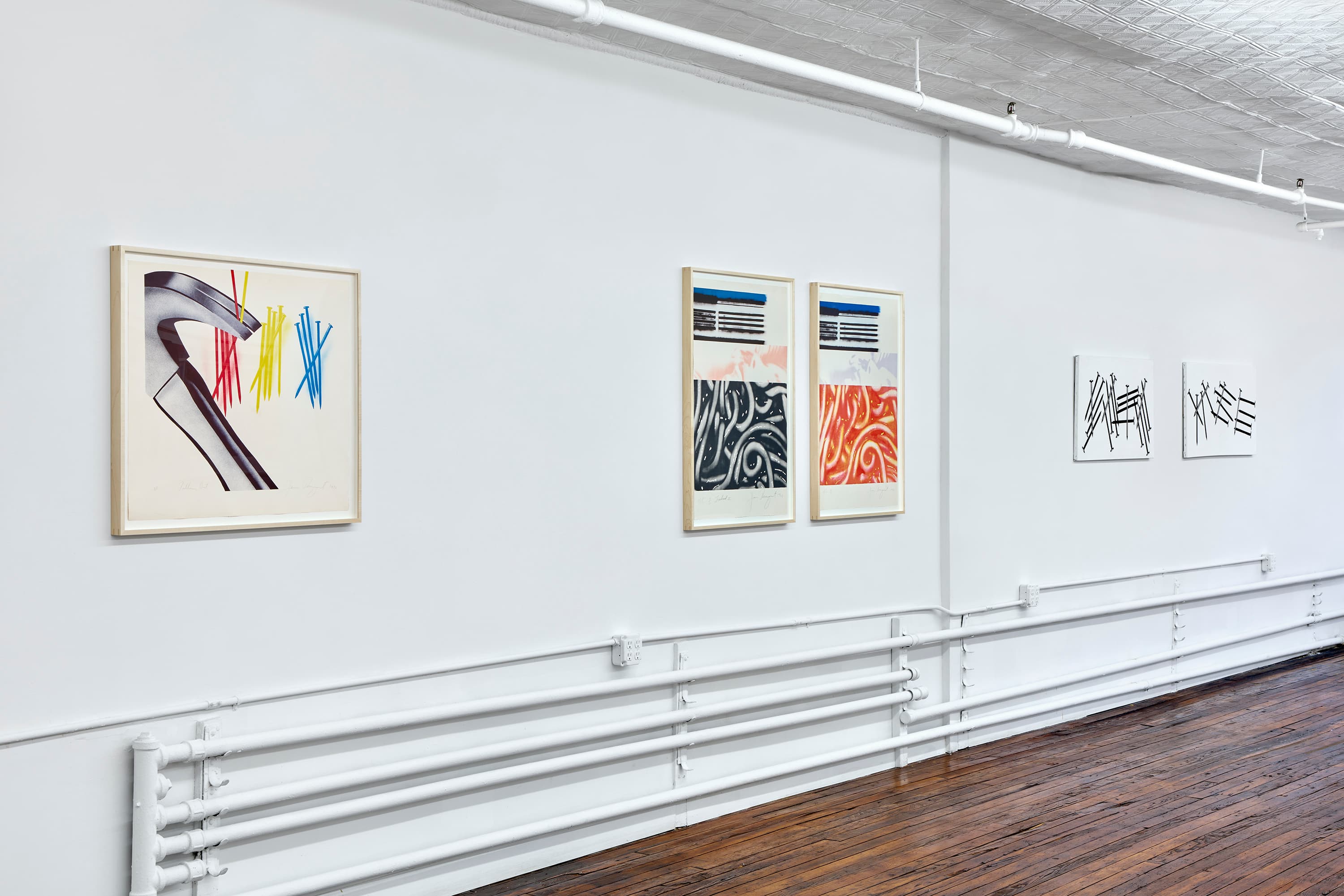
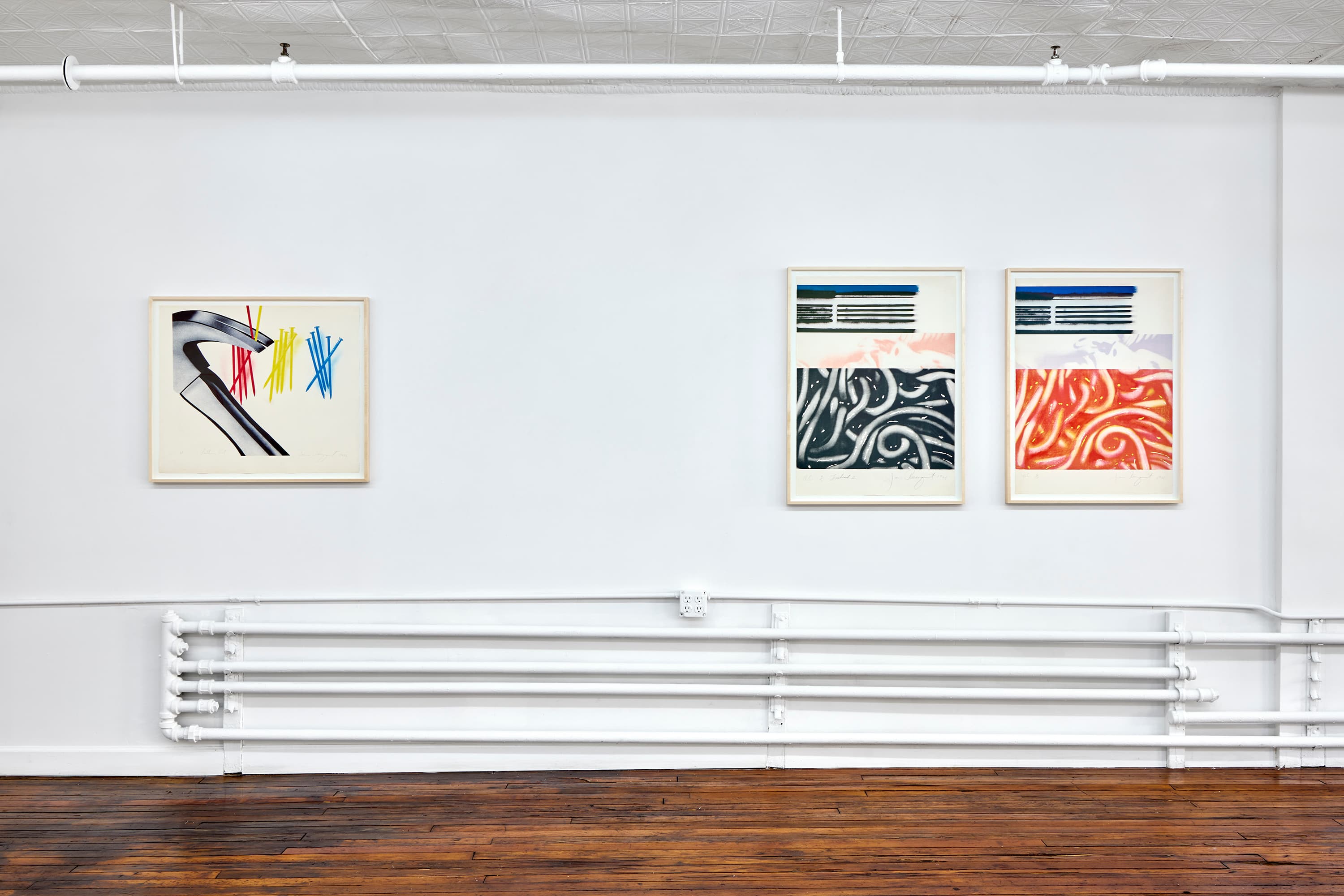
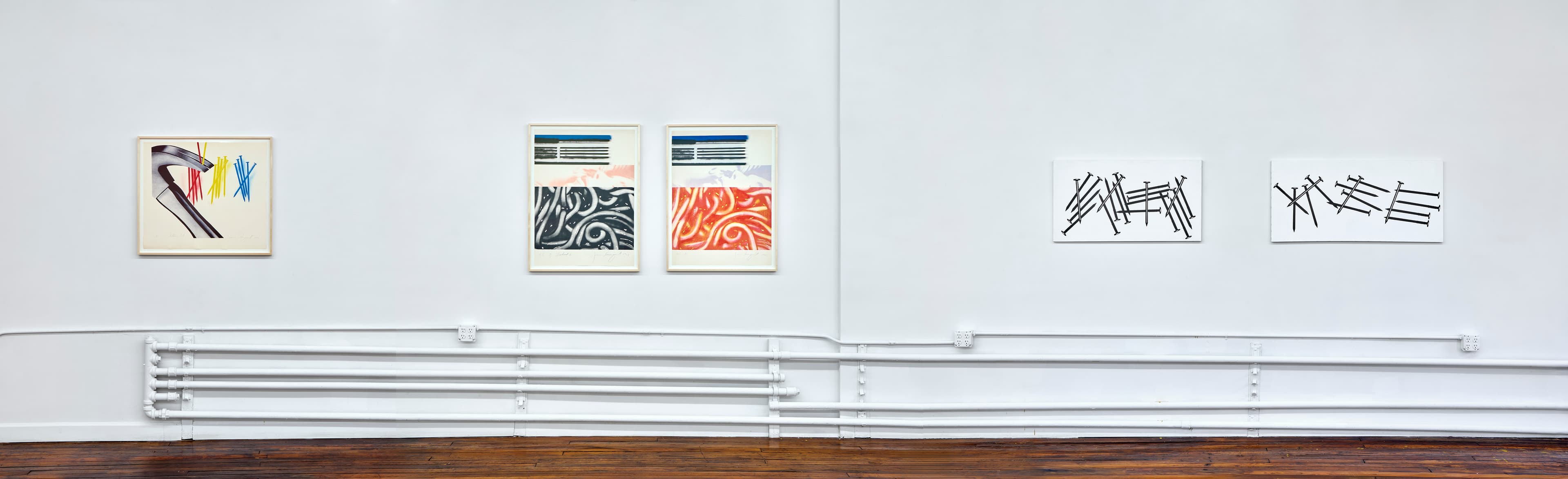
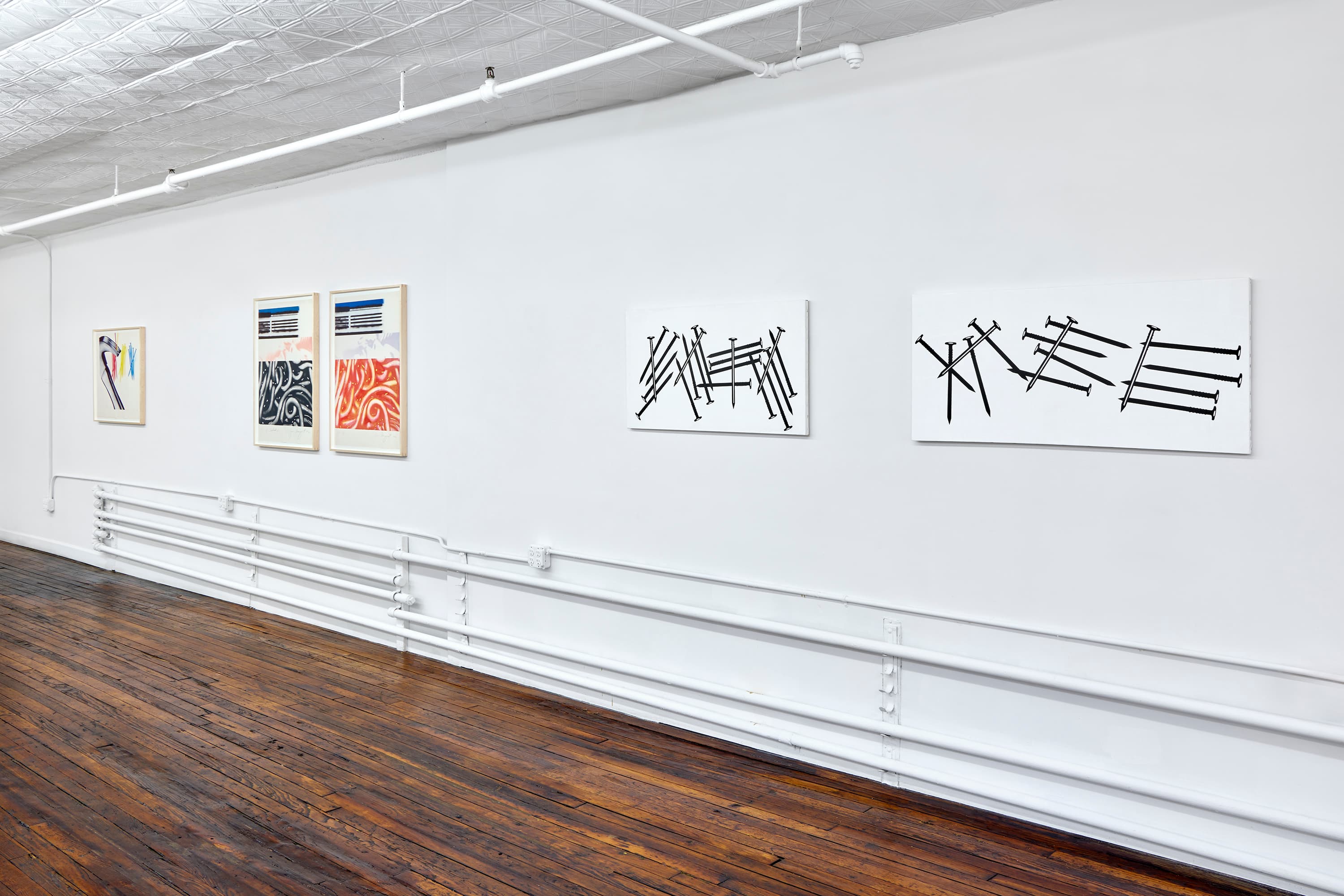
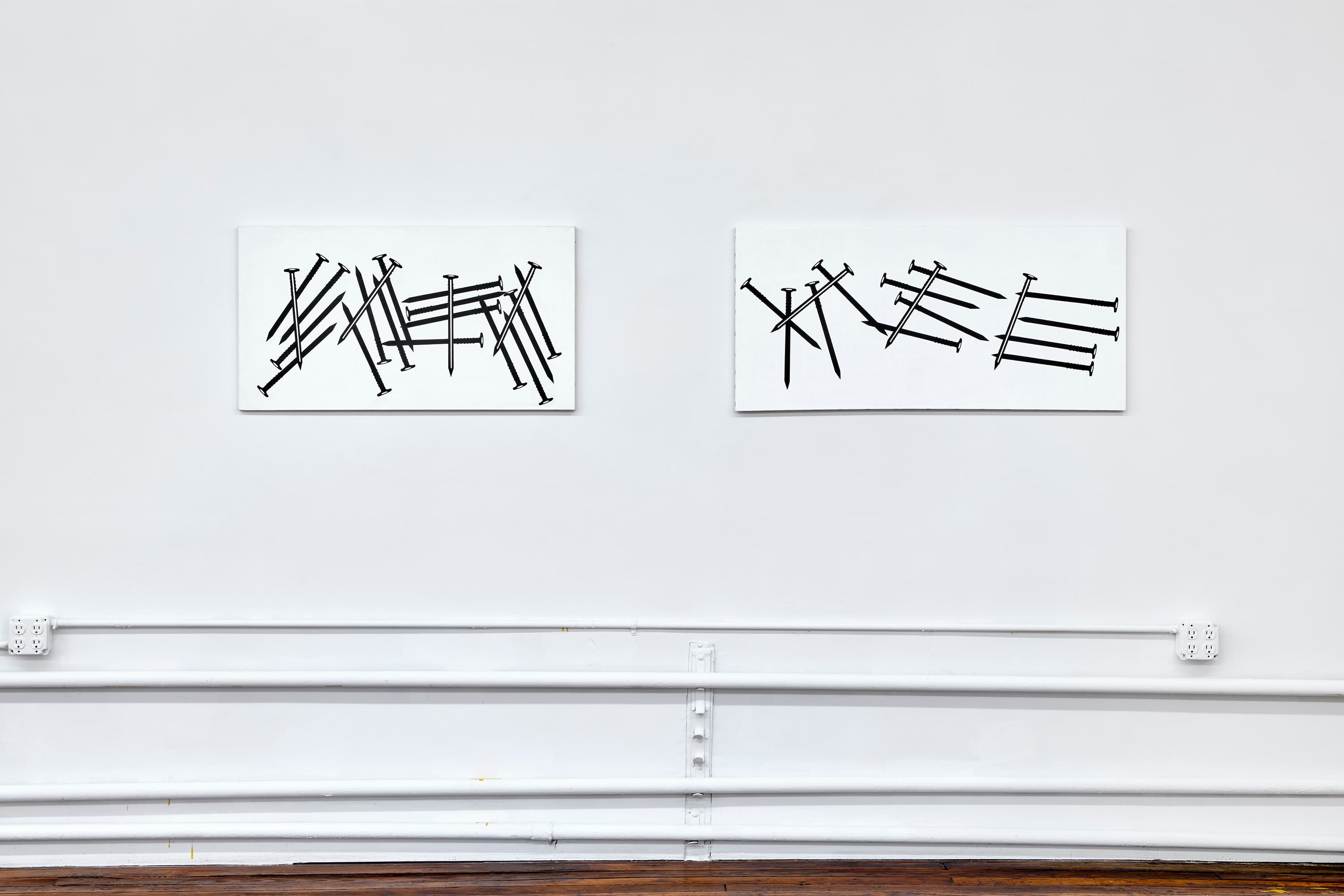
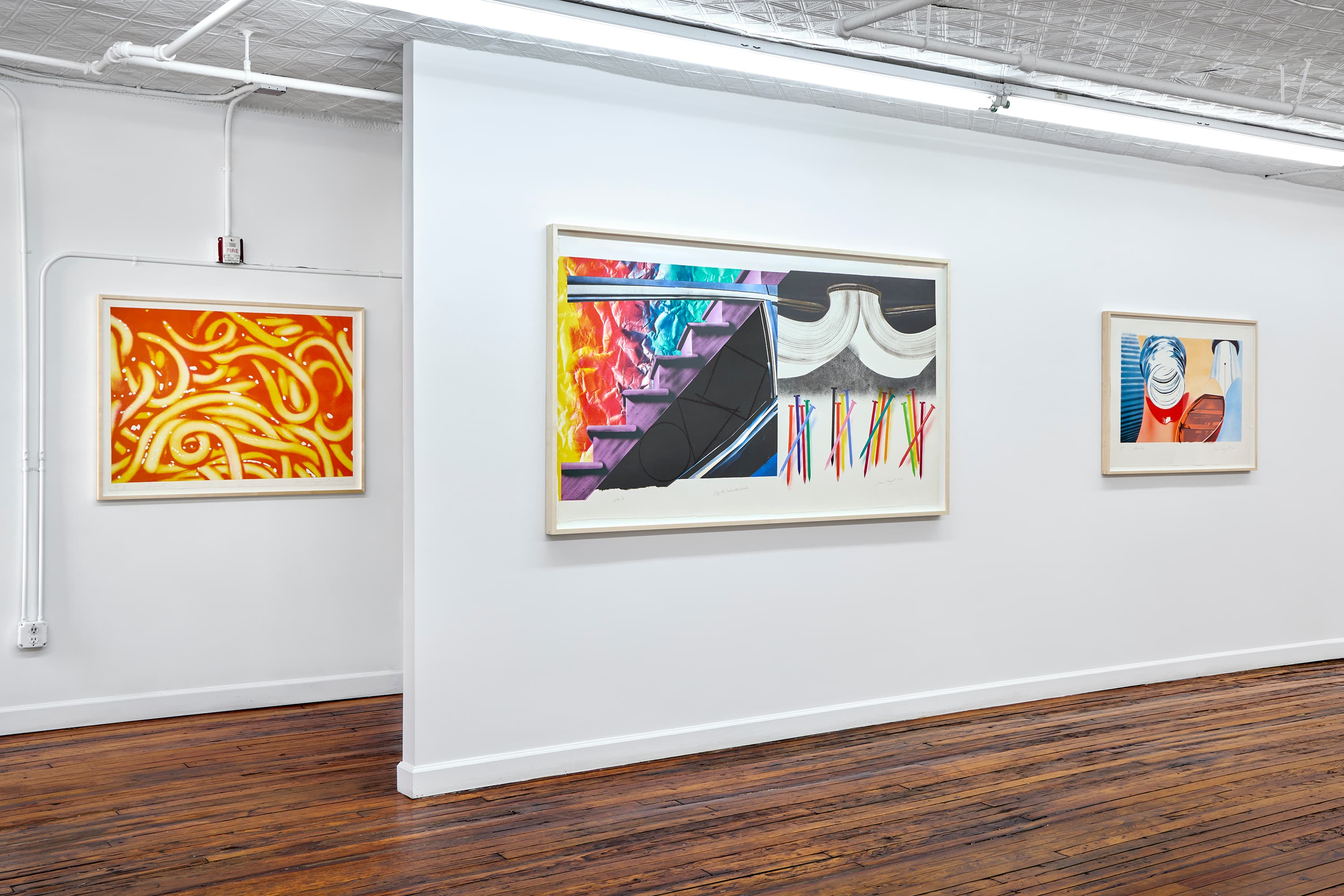
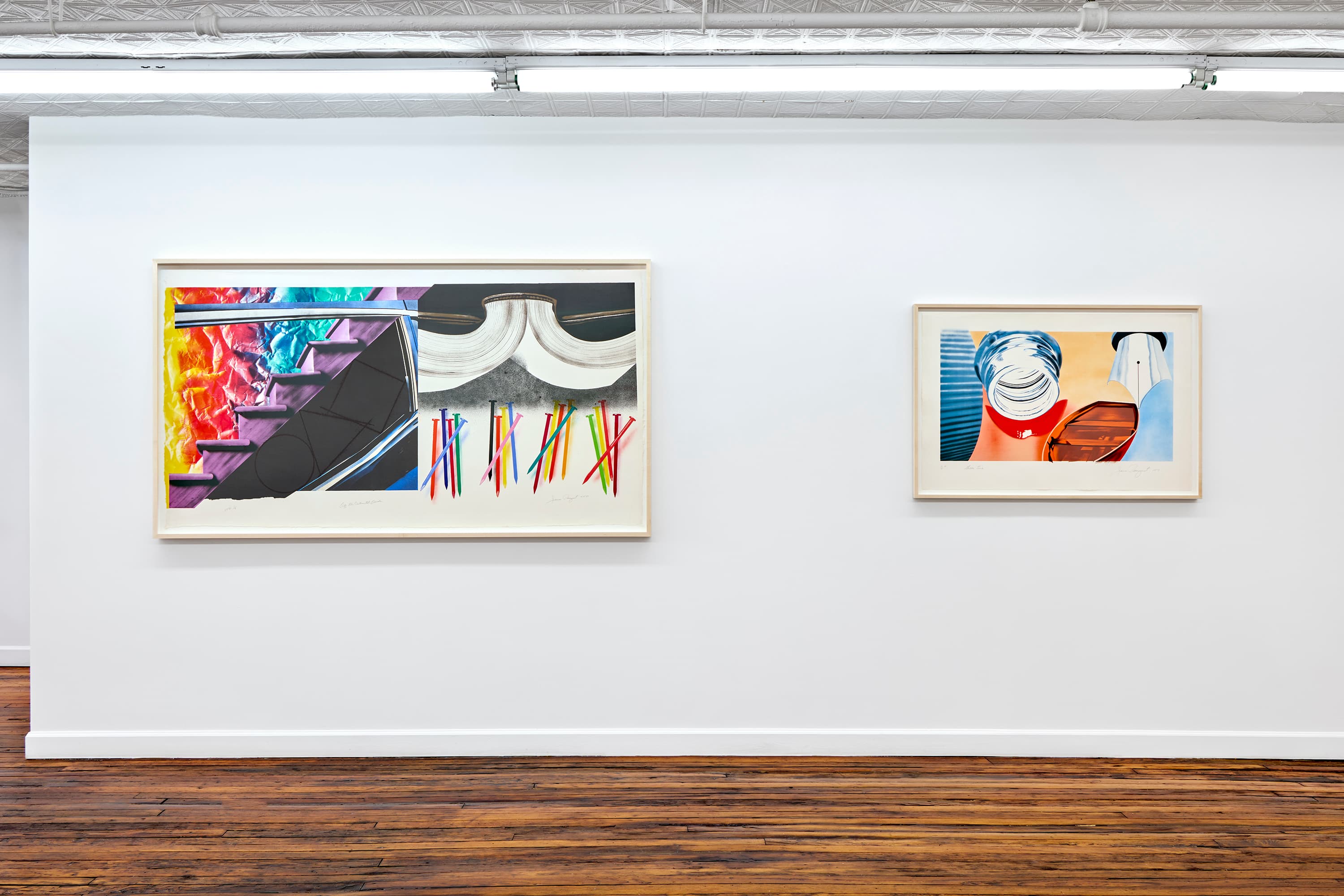
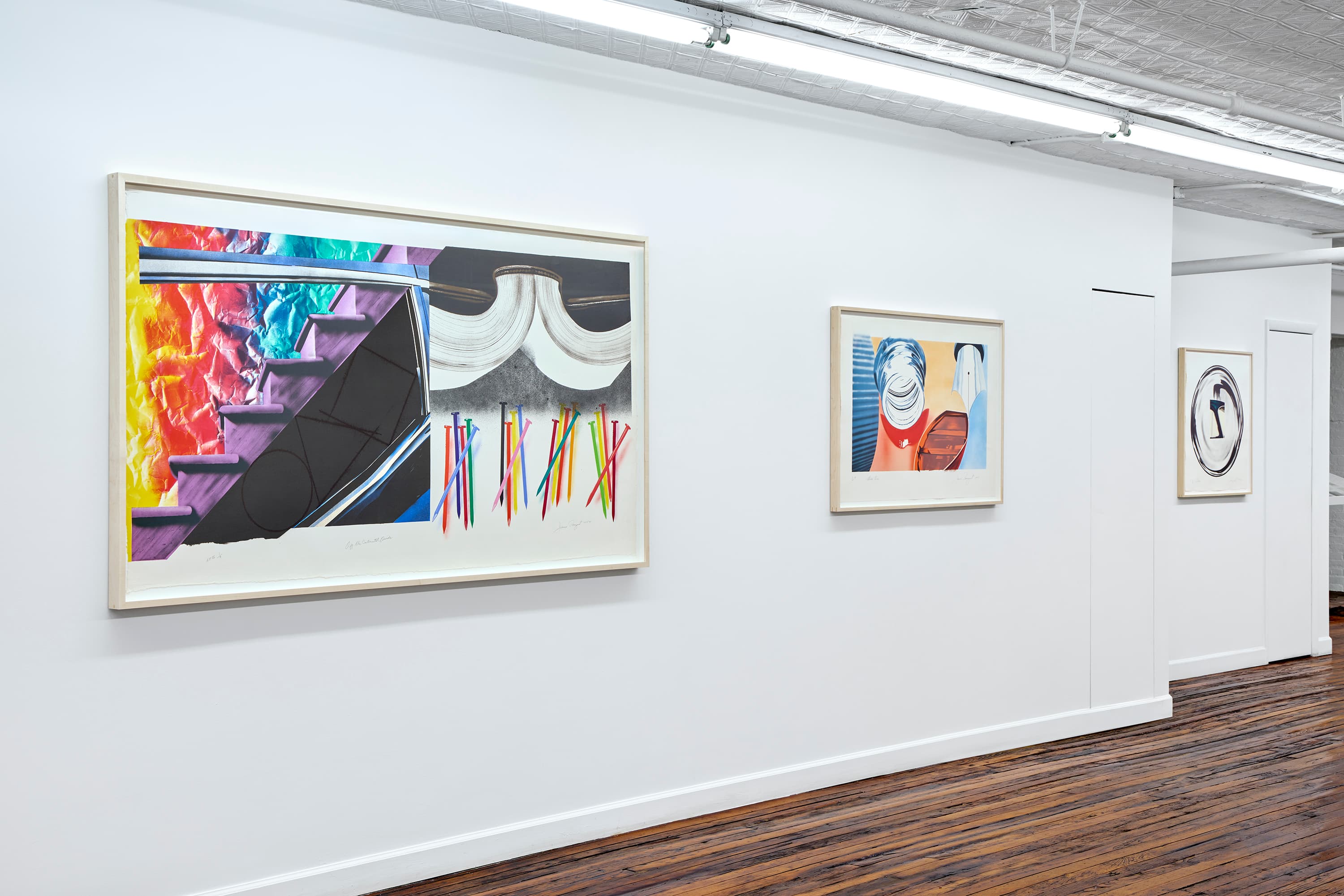
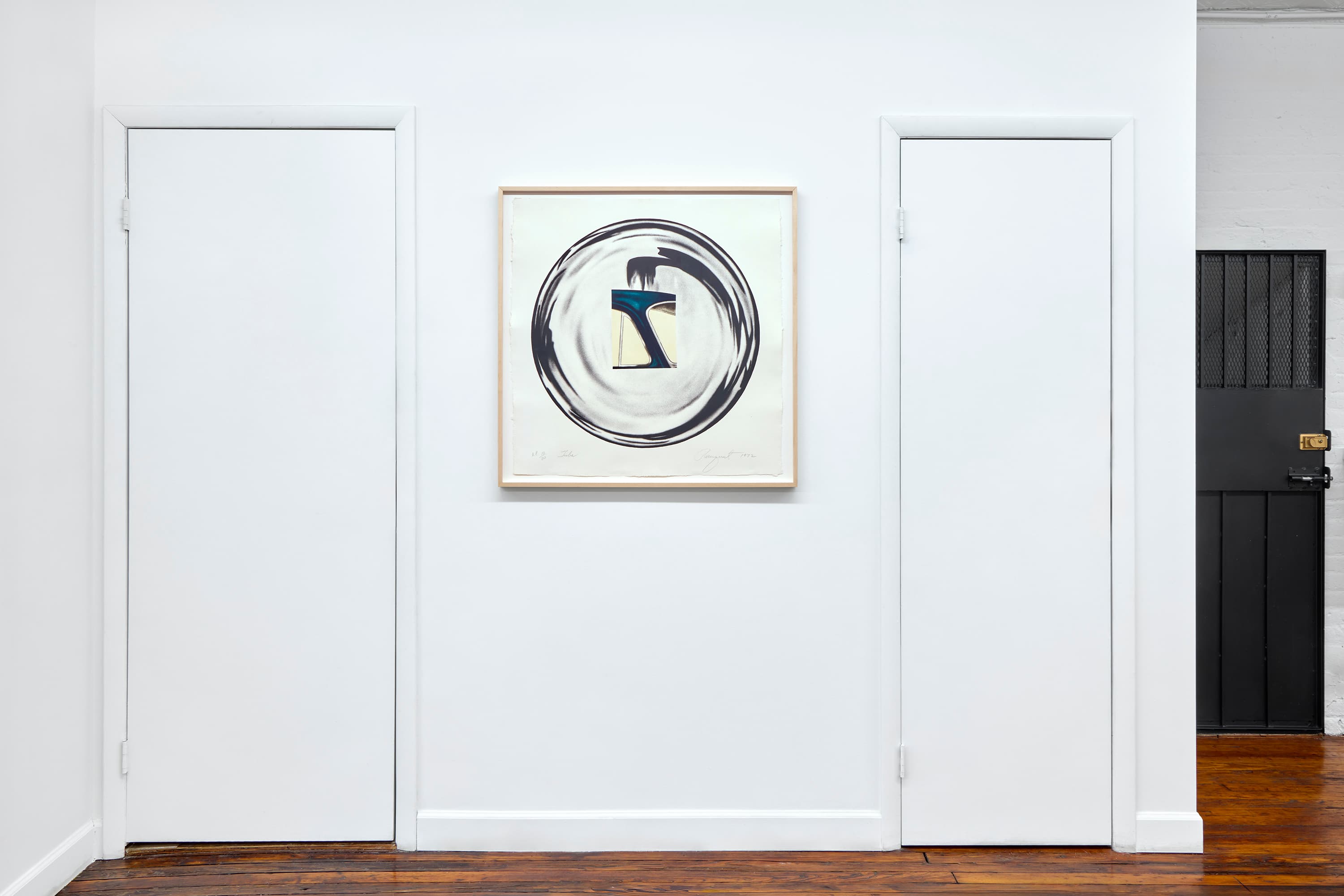
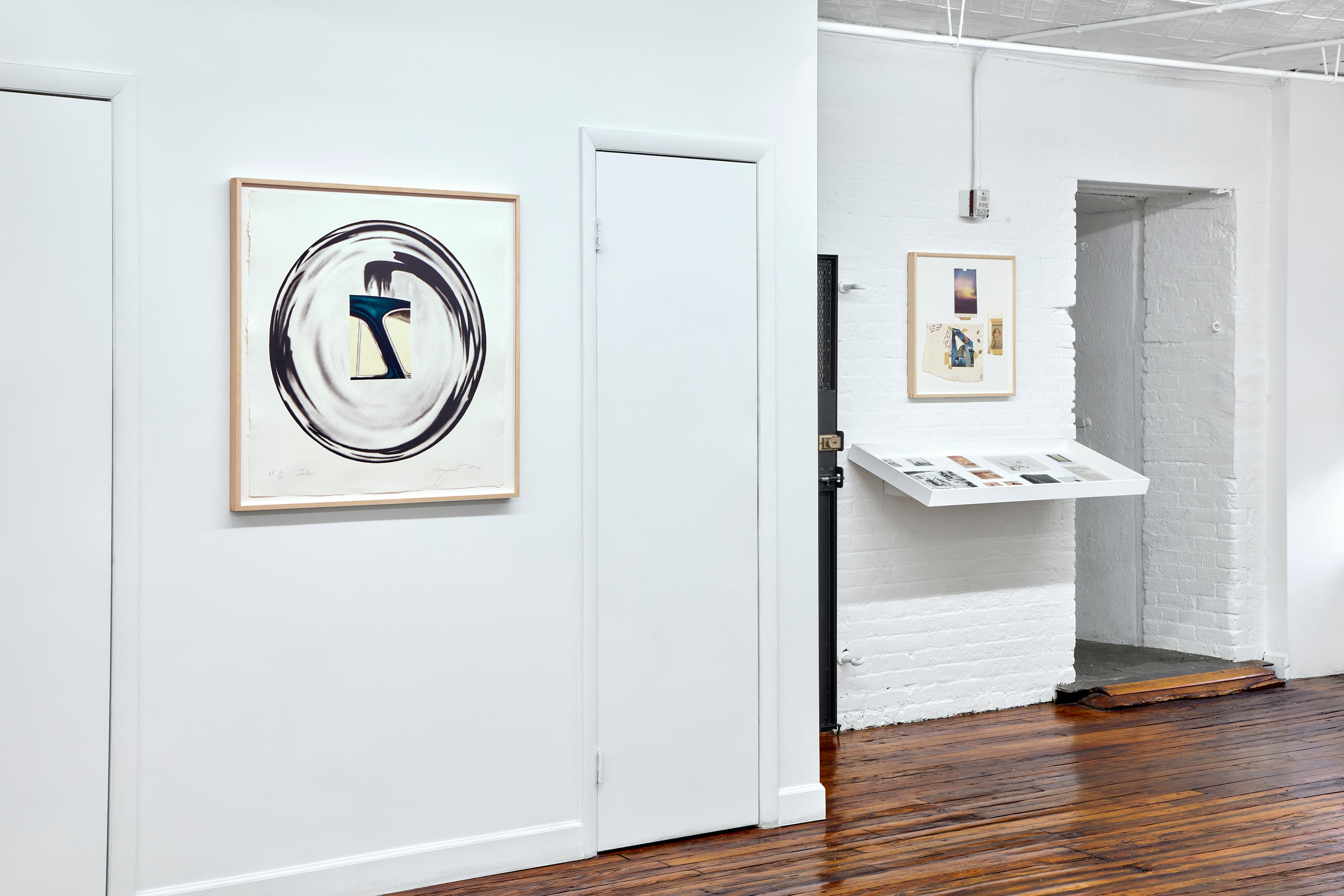
Off ParadiseOff Paradise is delighted to present James Rosenquist: Waiting for an Idea an exhibition curated by Natacha Polaert and organized with the James Rosenquist Estate. On Waiting for an Idea, the exhibition’s title piece, a work created in 1966 and printed on an actual brown paper towel, the artist shares: “It’s really Eastern philosophy. After a day’s work, you march in and wipe your hands on a paper towel. You are wiping off the things you did all day, never knowing when your best gesture is made, when your creative ability might be showing.” “Sometimes ideas come through the window, floating in from somewhere. That sounds like a poetic way of describing it, but I mean it quite literally. For all I know it might be electromagnetic signals or extraterrestrial rays or, as they used to say in the old days, a visit from your muse. All I had to do was snatch them out of the air and begin painting. Once that idea came to me, everything seemed to fall into place—the idea, the composition, the imagery, the colors, everything began to work. When a zingy idea enters your head that little initial blip so consumes you it seems like a thread unraveling your belly button. You get up and your ass falls off. It’s just this little hint you’ve found: “Oh, what is this?” It’s like a sudden flash of enlightenment. It always seems to start very small and then grows. Where does that come from? That little juxtaposition of thought and intuition. An illumination. People walk by it, ignore it; but I have a feeling that the most incredible things are around us all the time, and we just don’t have the ability to see them.” —James Rosenquist, Painting Below Zero, 2009 James Rosenquist (1933-2017) born in Grand Forks, North Dakota in 1933, was one of the most important American artists of the postwar era. Rosenquist studied art at the University of Minnesota (1952-54) before enrolling at the Art Students League, New York, also frequenting the Cedar Tavern where he met painters Willem de Kooning, Franz Kline and Milton Resnick. Working as a painter of monumental advertising billboards and painting abstract canvases in his spare time, in 1960 he abandoned commercial painting and set up a studio in Coenties Slip, New York. By cropping, fragmenting and re-colouring images from magazines, combined with the skills and gestures of sign-painting, Rosenquist developed a new language that differentiated him from the second generation of Abstract Expressionists and set him apart from his peers. Utilising techniques borrowed from advertising, described by the late American curator Walter Hopps as 'visual poetry', his work has plumbed questions ranging from the economic, romantic, and ecological to the scientific, cosmic and existential. Creating seminal work over more than five decades, Rosenquist consistently demonstrated his mastery of painting, collage, drawing and printmaking. His first solo exhibition was at Richard Bellamy's Green Gallery in 1962, followed by his inclusion in Six Painters and the Object at the Solomon R. Guggenheim Museum in 1963, curated by Lawrence Alloway and including works by Jim Dine, Jasper Johns, Roy Lichtenstein, Robert Rauschenberg and Andy Warhol. Organised by the Denver Art Museum in 1985, James Rosenquist: Paintings 1961–1985 travelled to the Contemporary Arts Museum, Houston; Des Moines Art Center; Albright-Knox Art Gallery, Buffalo; Whitney Museum of American Art, New York; and National Museum of American Art, Washington, D.C. In 1991, his exhibition at the Tretyakov Gallery, Moscow was one of the first by an American artist in Russia since the Cold War. Between 2003 and 2005, his work was shown in a career retrospective organised by the Solomon R. Guggenheim Museum, New York, which travelled to the Menil Collection and the Museum of Fine Arts in Houston; Guggenheim Museum Bilbao; and Kunstmuseum Wolfsburg. Following the artist's death in 2017, his work was shown in the survey exhibition James Rosenquist: Painting as Immersion at Museum Ludwig, Cologne and ArOS Aarhus Art Museum, Denmark.