

Marais, Paris
Group Exhibition
I Shut My Eyes and All the World Drops Dead
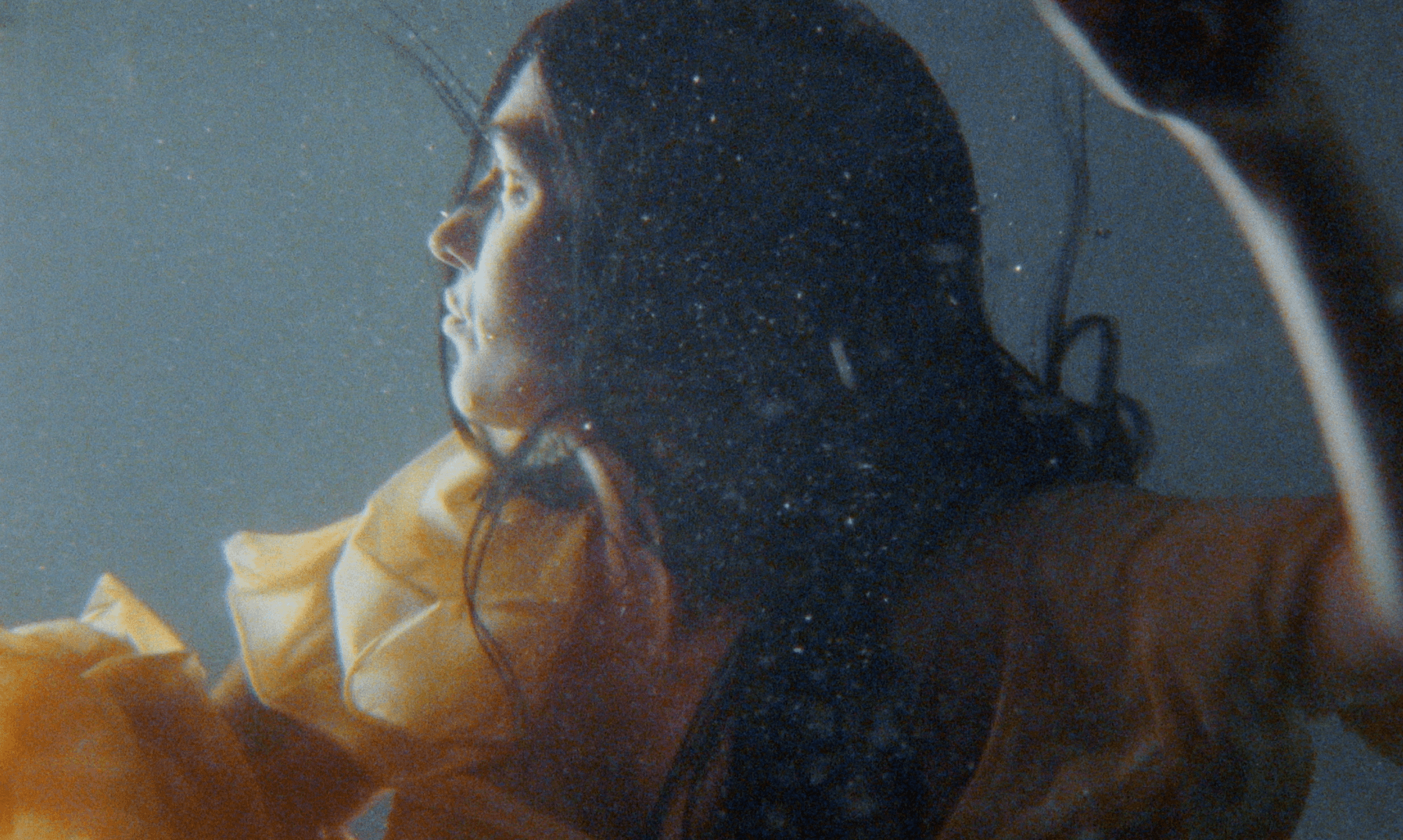
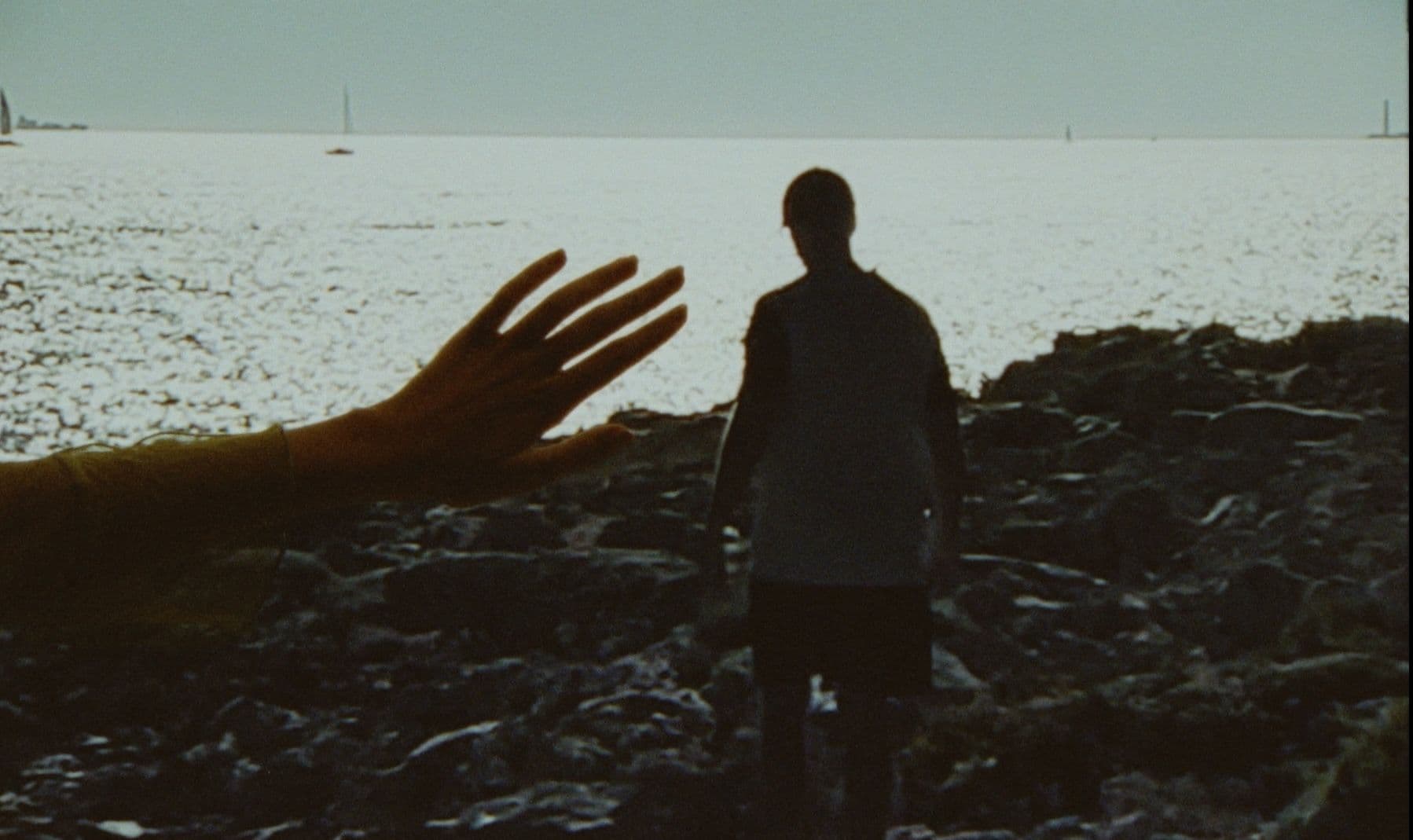
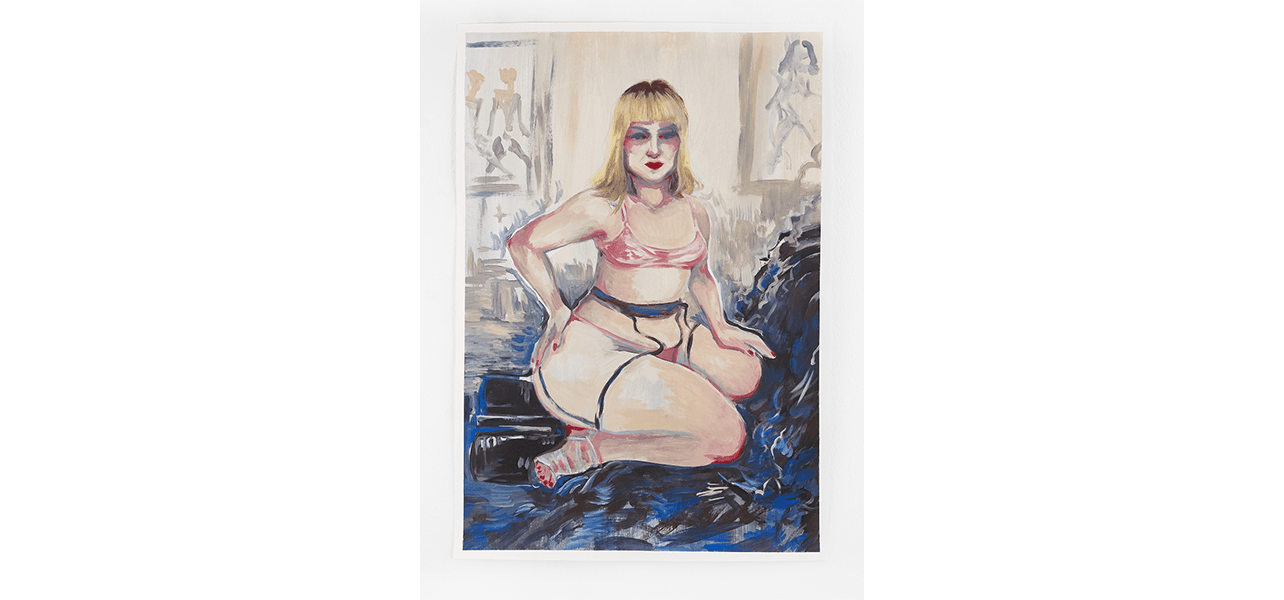
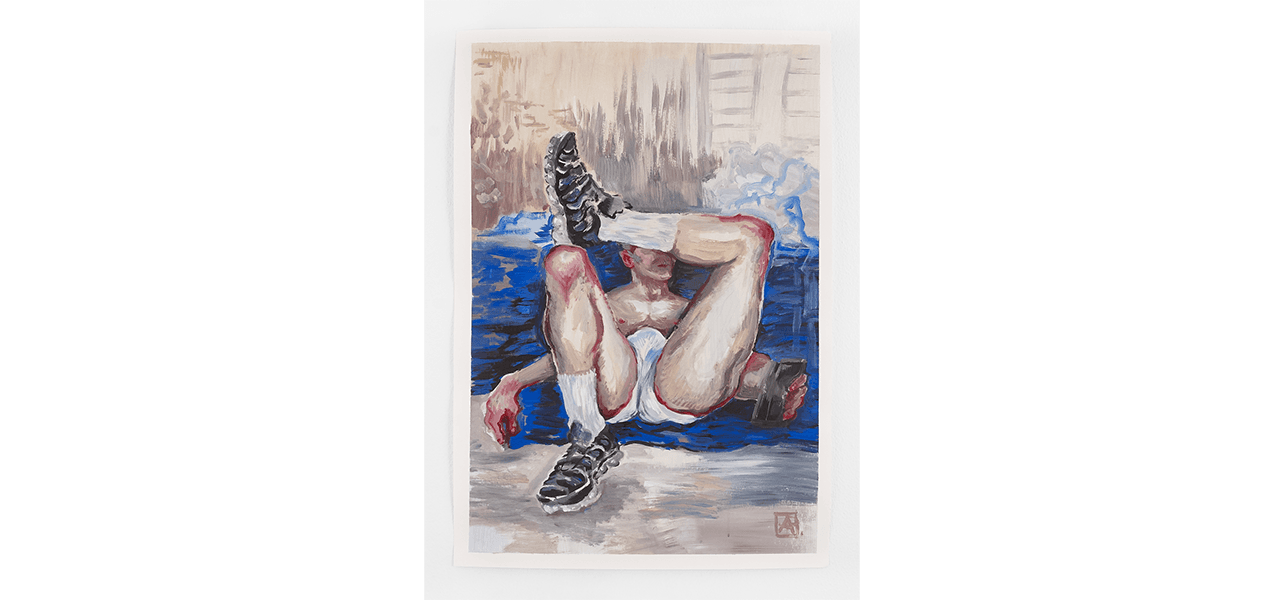
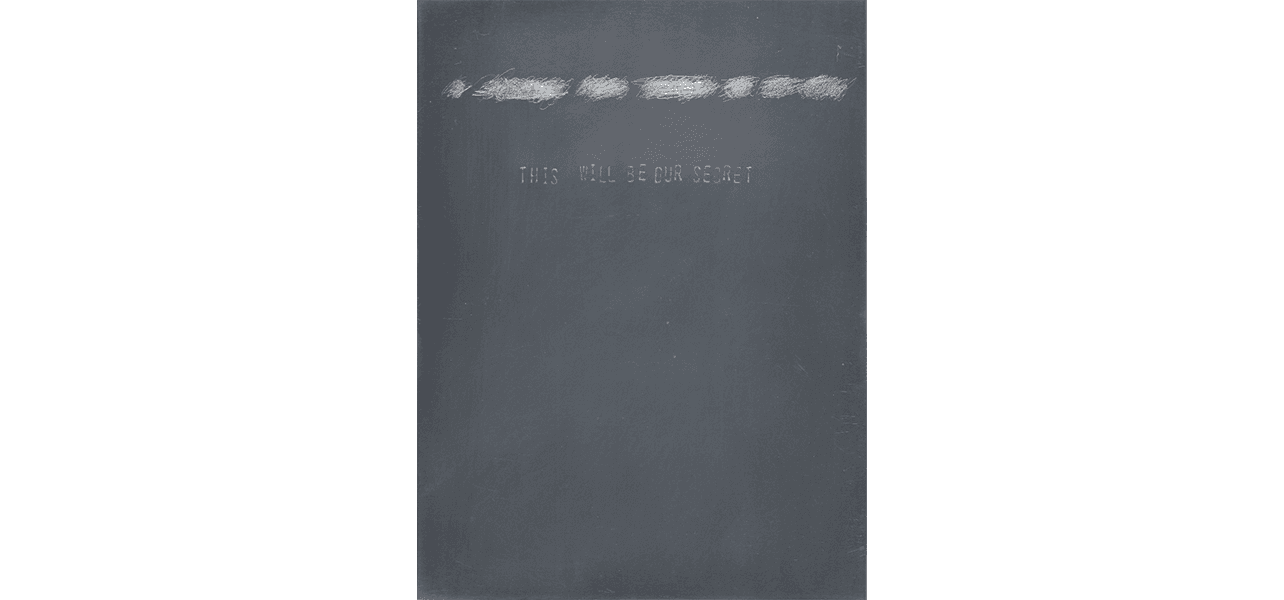
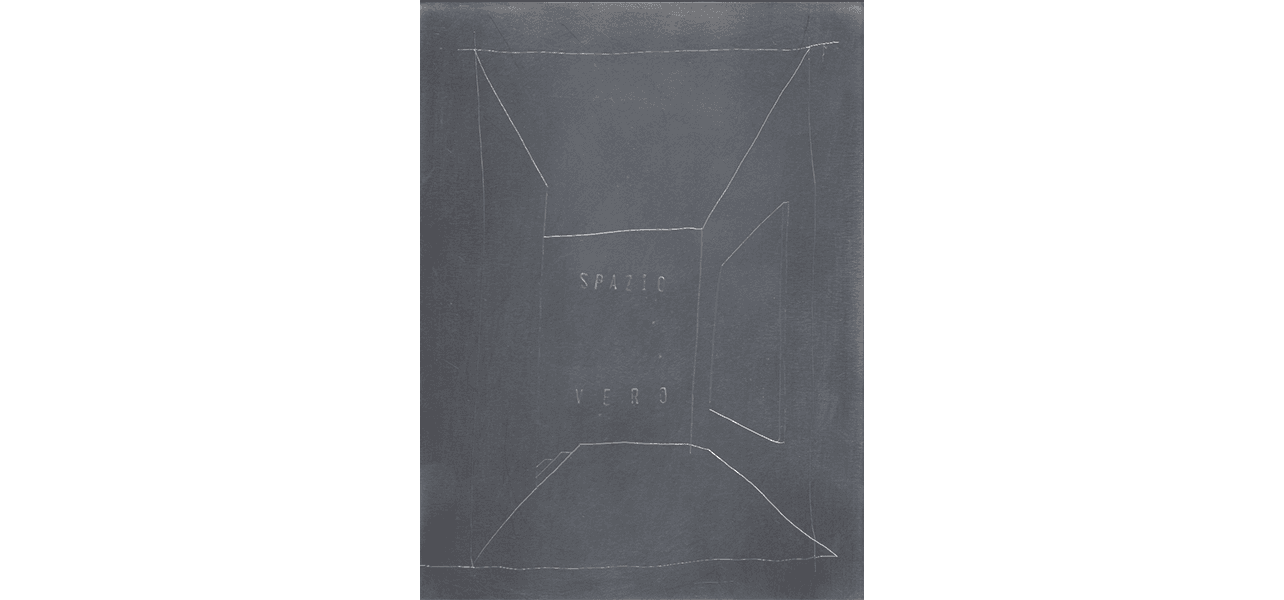
RefusésGiulio Gamba Lucia Martinez Garcia Andrea Popovic Curated by Athina Sanvido & Juliette Miller [Scroll down for French version / Veuillez trouver ci-dessous la version française] Refusés is pleased to present I Shut My Eyes and All the World Drops Dead. A reference to Sylvia Plath’s poem ‘Mad Girl’s Love Song’, this exhibition suggests the arts provide a space to take profoundly inner experiences into the public forum, allowing individuals to share, reflect on, and process private realities within a communal, safe space. As part of Refusés’ inaugural programming, each exhibition offers one answer to the cardinal question of what is the purpose of art? The first exhibition explored art as community building. I Shut My Eyes and All the World Drops Dead, aligns itself with Aristotle’s Poetics, which argues that art serves as catharsis, a vehicle for an emotional response from the viewer which allows us to learn more about human nature. Through painting, writing and video, this exhibition illustrates how private emotions and personal narratives shared publicly in the form of art, can transition from being confined to the artist’s subjective experience and become part of a broader dialogue. Andrea Popovic’s gripping portraits transform private moments into shared experiences, inviting the viewer to engage with the intimacy of his encounters. His close-cropped paintings, rendered in a quick and gestural style, feel like windows into his studio—a space where the sitters reveal themselves not only to the artist but also to the audience. Painting his friends, family and partner, the artist leans on these portraits as a way to literally slow down time and study his relationships with the person in front of him. By bringing these personal exchanges into the public realm, Popovic’s work creates a communal space for reflection, where even something as personal as a portrait of a loved one becomes open to interpretation. The painter’s use of a traditional medium imbues permanence into fleeting encounters, yet his stylized approach makes these moments feel both deeply specific and universally accessible. As a result, each portrait exists in a liminal space, where it is simultaneously private and public, individual yet relatable, inviting viewers to project their own narratives and emotions onto the work. The safety of his studio as the connecting thread, each individual painting invites open communal reflection. Giulio Gamba’s work explores human self definition. Drawing from everyday sources—phrases on city walls, books, and advertisements—Gamba assembles an archive of content that makes visible what often goes unseen. This activation is central to Gamba’s practice, as he lends his voice to each plate, which in turn speaks directly to the viewer. For him, this act of listening and responding allows a further exploration of what drives human interconnection. These objects clamor for attention, underscoring the tension between private thought and public display, and emphasizing the need for an active engagement with our surroundings to uncover the hidden layers of our existence. By inviting viewers to engage with and reshape his reflections, which are themselves simply extracted from our everyday lives, Gamba pulls the viewer into the intimacy of his mind. However, these works also serve as a foil for the audience, a surface against which they can bounce their own interpretations and experiences. Through this interplay, the viewer is not only confronted with the artist’s thoughts but also with a mirror that reflects their own. Finally, Lucia Martinez Garcia’s video brings the audience into the inner universe of a woman as she navigates her relationship. The use of close ups and anxiety-inducing loop footage pulls the viewer into the crux of this private emotional turmoil she is experiencing. It feels uncomfortable to sit in on this scene, like listening in on a phone call you’re not supposed to hear. Yet the mystical quality and soft aesthetics of the work make it difficult to look away, Martinez Garcia triggers our human nosy-ness and makes us sit in the discomfort. The audience is trespassing the intimacy of this couple and specifically of this woman’s potentially violent experience. The artist turns this disturbing act of witnessing a difficult situation into a wonderful, ethereal and soft work of art that we are happy to sit through, whereby clueing us into the psychological escapism happening in the video. Through this work, Martinez Garcia creates a space for the audience to reflect on an otherwise very difficult subject matter. In all of these pieces, art becomes a mirror of internal states, making the intangible (feelings, thoughts, memories) visible and communicable. The artists navigate the complexities of personal, internal landscapes, in return they provide a visual framework through which the public can process their own emotions. Much like Plath’s tumultuous inner world is worked out with pen and paper and offered up for communal reflection in ‘Mad Girl’s Love Song’, art can be a vehicle for externalizing the private, and using its place in the public realm to learn more about human relations. ***** Refusés a le plaisir de présenter I Shut My Eyes and All the World Drops Dead, une exposition collective réunissant Andrea Popovic, Giulio Gamba et Lucia Martinez Garcia. Une référence au poème “Mad Girl’s Love Song” de Sylvia Plath, cette exposition suggère que l’art permet d’énoncer des expériences profondément intérieures dans l’espace public, offrant aux individus un lieu pour partager, réfléchir et traiter des réalités privées au sein d’un espace commun et sécurisé. Dans le cadre de la programmation inaugurale de Refusés, chaque exposition cherche à répondre à la question cardinale : Quel est le but de l’art? La première exposition a exploré l’idée de l’art comme un outil de création communautaire. I Shut My Eyes and All the World Drops Dead s’aligne avec la Poétique d’Aristote, qui soutient que l’art sert de catharsis, déclenchant une réponse émotionnelle qui nous aide à mieux comprendre la nature humaine. À travers la peinture, l’écriture et la vidéo, cette exposition montre comment des émotions privées et des récits personnels, partagés publiquement sous forme artistique, peuvent transcender l’expérience subjective de l’artiste et s’inscrire dans un dialogue plus large. Les portraits saisissants d’Andrea Popovic transforment des moments privés en expériences partagées, invitant le spectateur à plonger dans l’intimité de ses rencontres. Ses peintures, réalisées dans un style rapide et gestuel, fonctionnent comme des fenêtres sur son atelier — un lieu où les modèles se dévoilent non seulement à l’artiste, mais aussi au public. Peignant ses amis, sa famille et son partenaire, Popovic utilise ces portraits pour ralentir le temps et approfondir ses relations avec les personnes face à lui. En introduisant ces échanges personnels dans l’espace public, son travail crée un espace de réflexion collectif, où même le portrait d’un être cher devient ouvert à l’interprétation. Grâce à l’utilisation d’un médium traditionnel, ces instants éphémères acquièrent une permanence, tout en restant accessibles et universels. Chaque portrait se situe ainsi dans un espace liminaire, à la fois privé et public, personnel et reconnaissable, incitant les spectateurs à projeter leurs propres récits et émotions. Le travail de Giulio Gamba explore la définition de soi à travers des archives de textes tirés de sources quotidiennes — phrases sur les murs de la ville, livres et publicités. Cette activation est au cœur de sa pratique : il prête sa voix à chaque plaque, qui s’adresse ensuite directement au spectateur. Pour lui, cet acte d’écoute et de réponse permet d’explorer ce qui motive l’interconnexion humaine. Ses œuvres soulignent la tension entre pensée privée et expression publique, tout en incitant à une réflexion active pour révéler les couches masquées de notre existence. En invitant le public à s’approprier ses réflexions, Gamba crée un espace où le spectateur est confronté non seulement aux pensées de l’artiste, mais aussi à un miroir qui reflète ses propres interprétations. Enfin, la vidéo de Lucia Martinez Garcia plonge le spectateur dans l’univers intérieur d’une femme naviguant dans une relation compliquée. Les gros plans et la répétition de séquences accentuent l’anxiété et l’intensité émotionnelle de ce moment privé, créant un sentiment de malaise, comme si l’on écoutait une conversation téléphonique interdite. Pourtant, la qualité mystique et l’esthétique douce de l’œuvre la rendent captivante, suscitant notre curiosité. Martinez Garcia crée un espace pour réfléchir à un sujet autrement difficile, transformant une situation troublante en une œuvre d’art éthérée qui invite le spectateur à s’attarder. Les œuvres de ces trois artistes transforment l’intangible — pensées, émotions, souvenirs — en formes visibles et communicables, créant un cadre visuel qui aide le public à traiter ses propres émotions. Comme dans le poème de Plath, l’art devient un véhicule pour extérioriser le privé et utiliser son exposition dans le forum publique pour mieux comprendre les relations humaines. Andrea Popovic (né en 1993): artiste suisse d’origine balkanique basé à Zurich, son travail explore la narration à travers des images fixes et animées. Giulio Gamba (né en 1997): artiste visuel suisse basé à Rome, sa pratique englobe des installations in situ, la poésie visuelle et l’image, abordant le besoin collectif d’intimité, d’écoute et de désir. Lucia Martinez Garcia (née en 1994): cinéaste, réalisatrice et monteuse suisse basée entre Paris et Genève, son œuvre explore les thèmes de la sphère privée en créant des fictions à partir de la réalité immédiate.