
Charlottenburg, Berlin
William N. Copley
X-Rated (1972-1974)
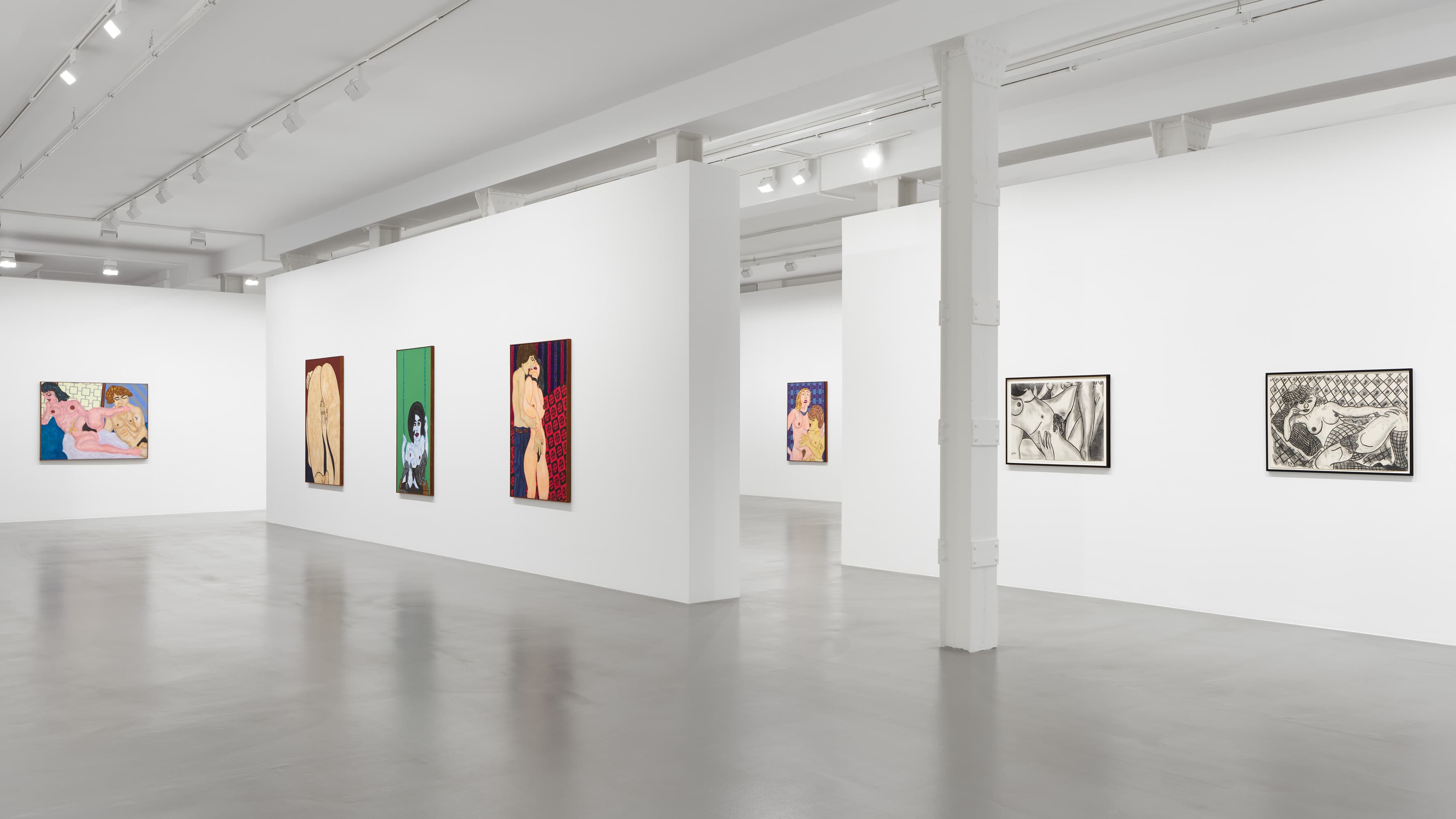
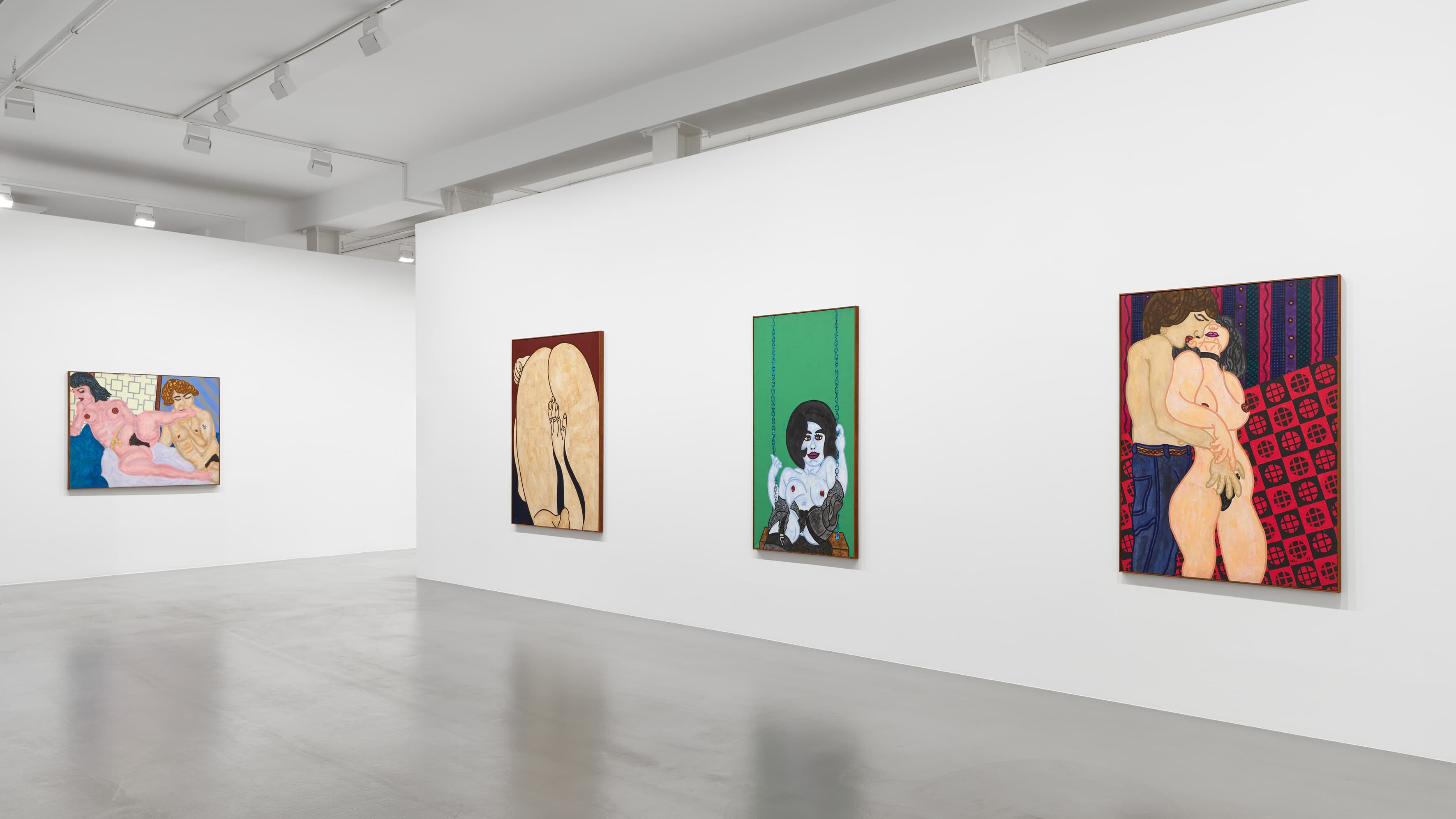
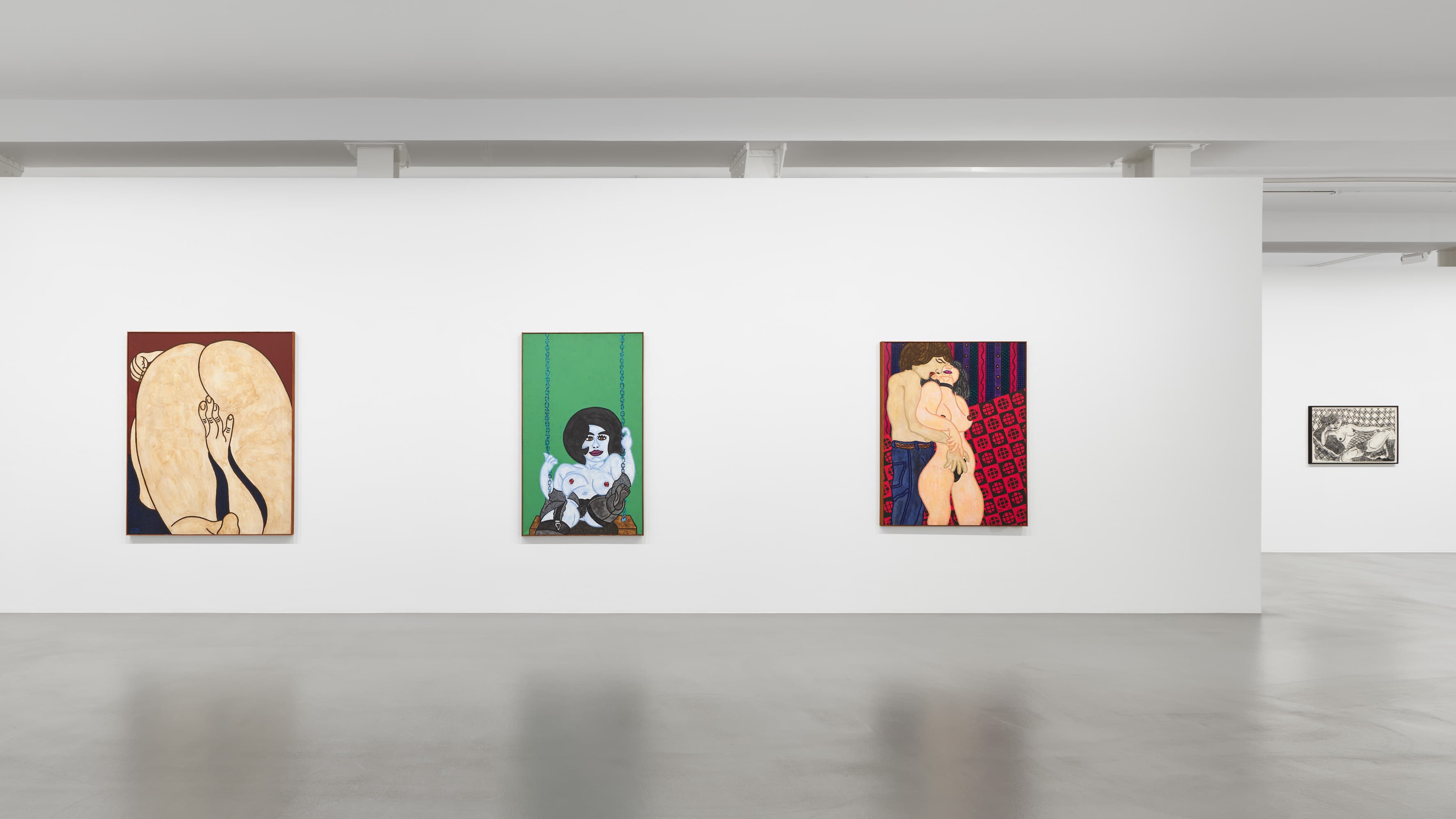
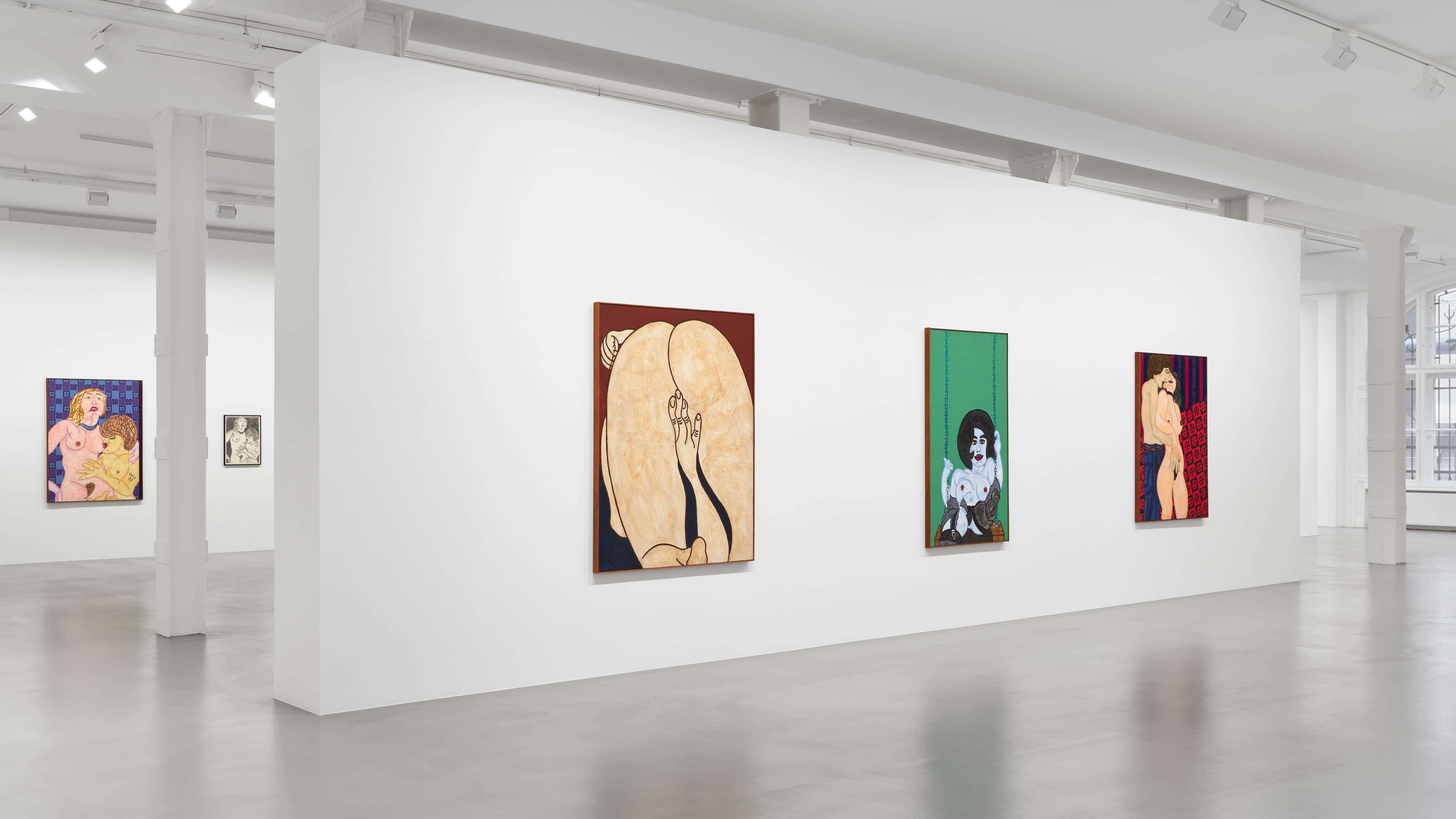
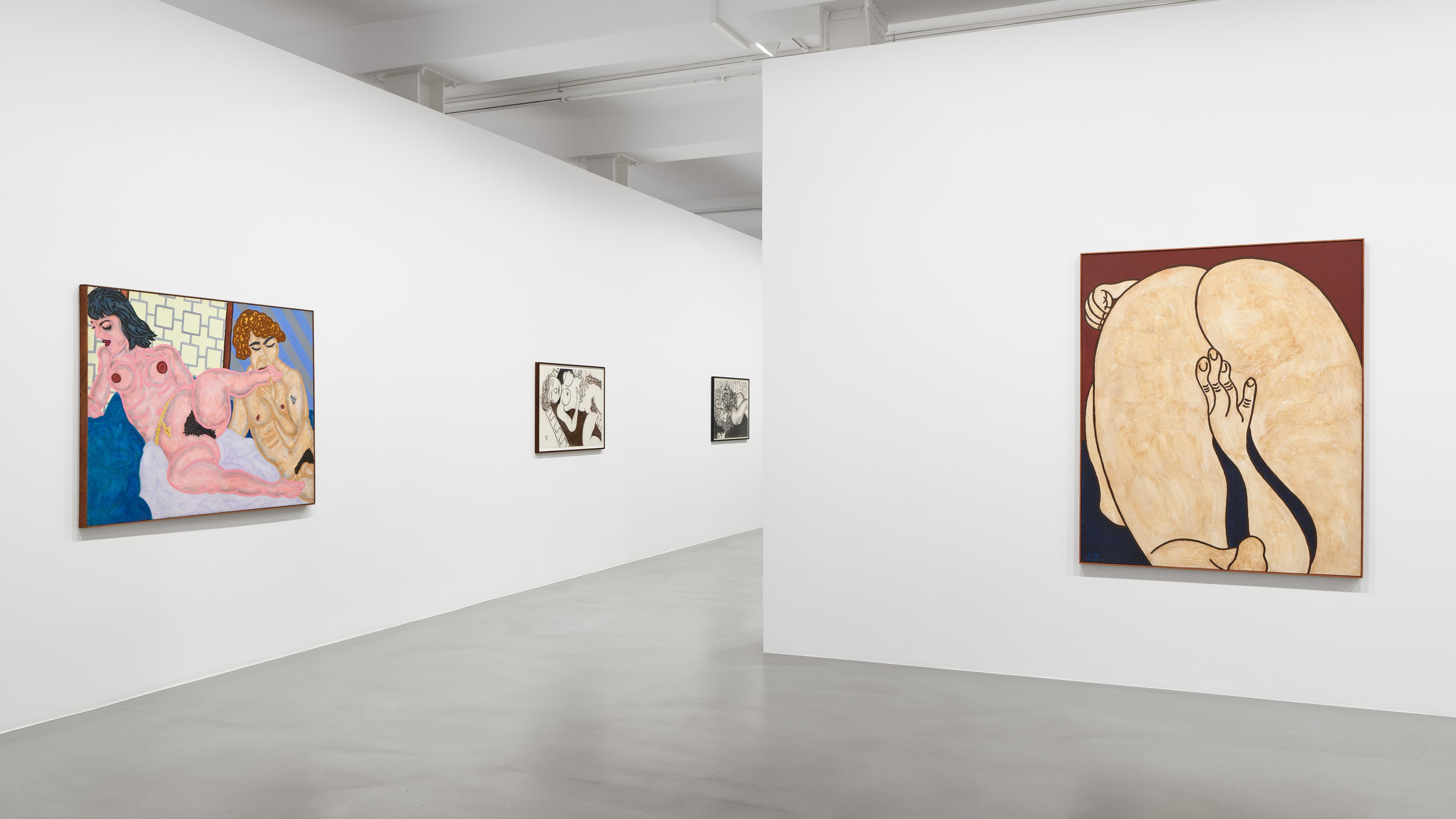
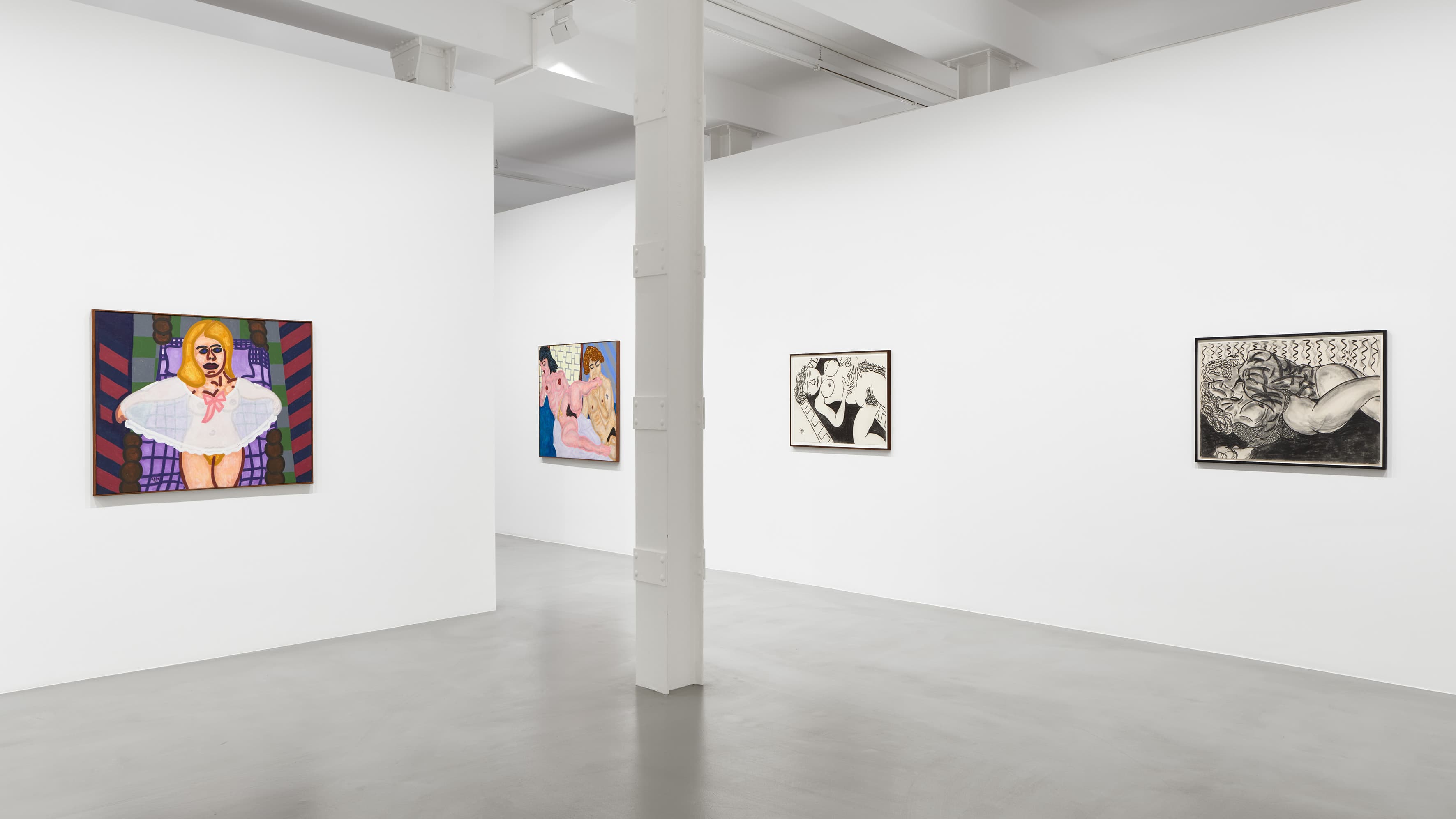
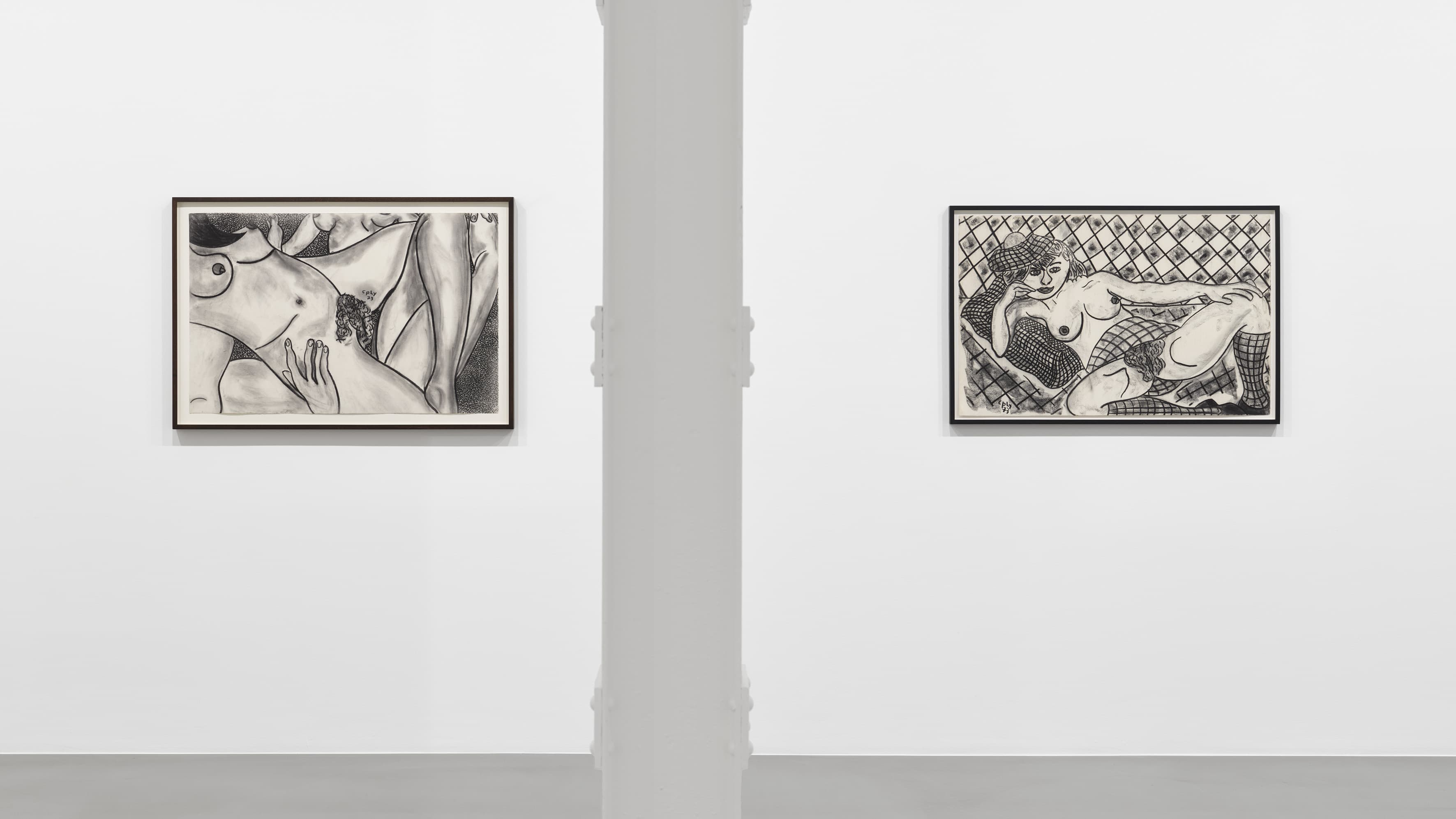
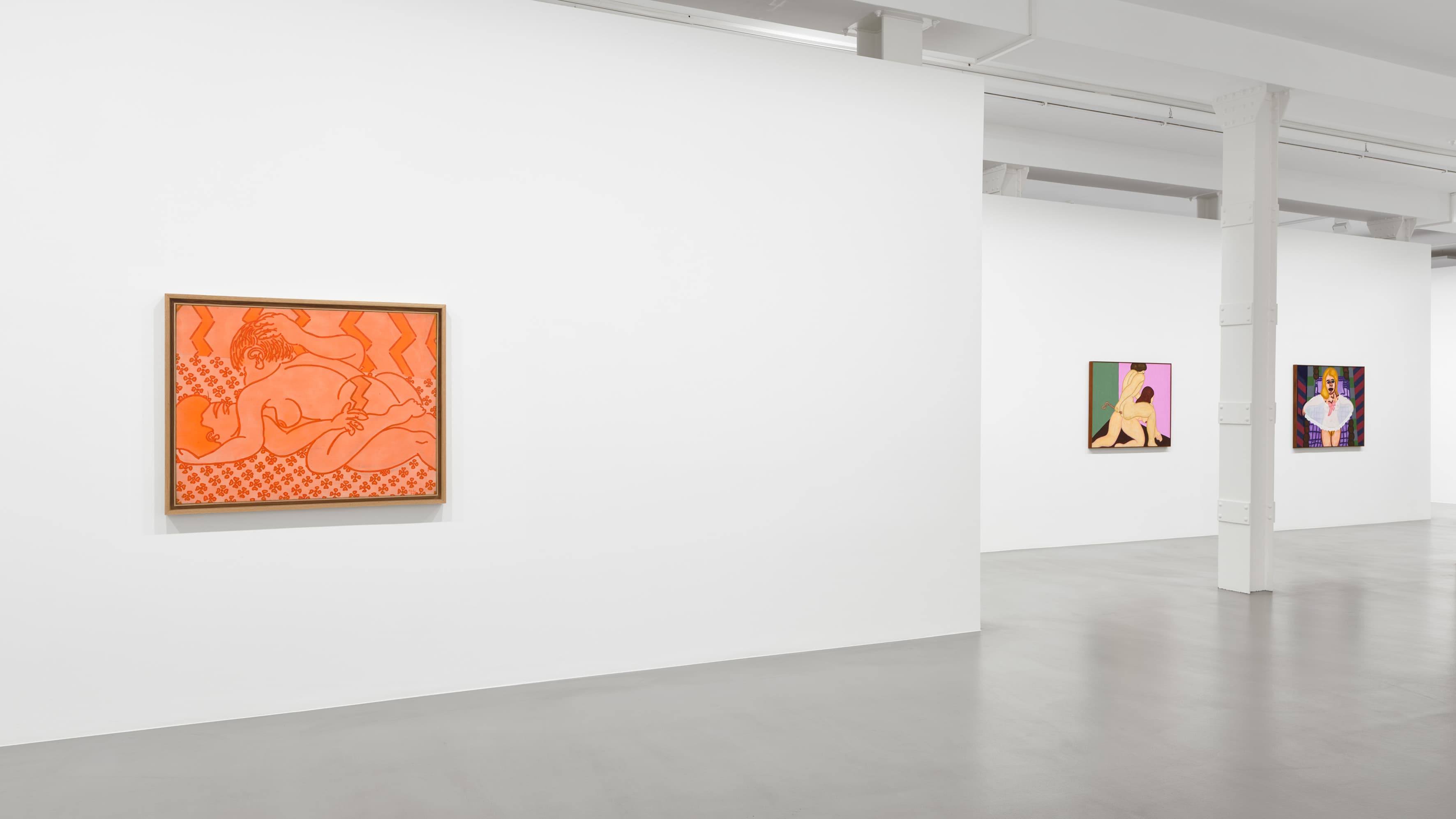
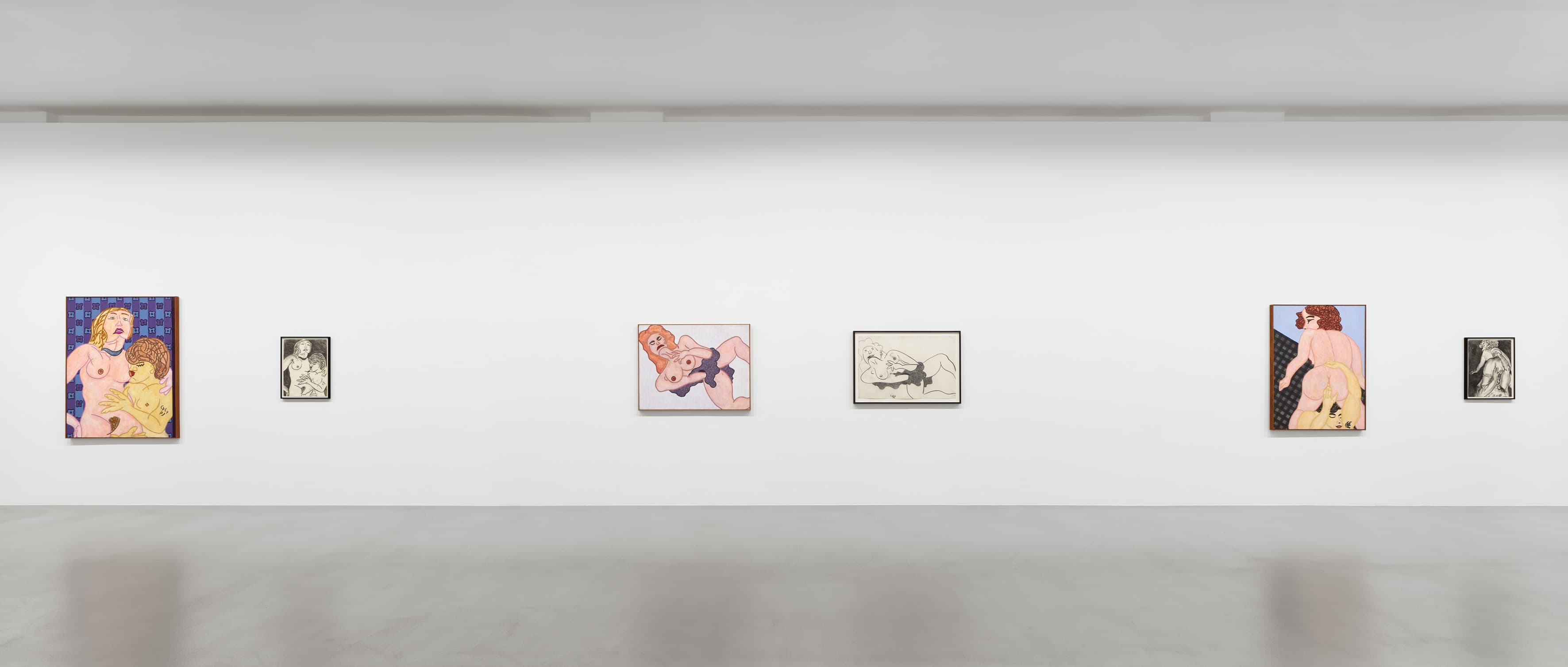
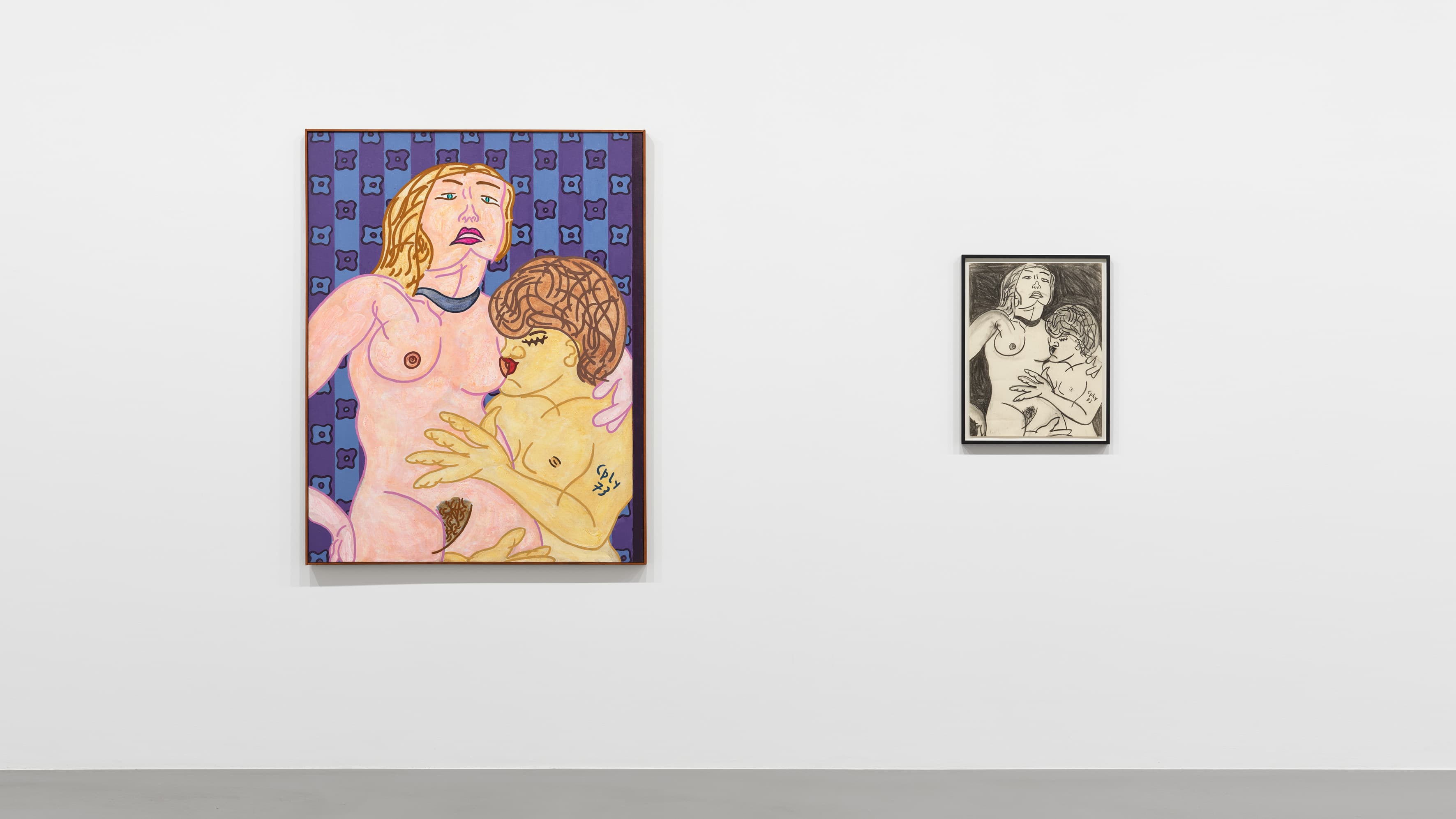
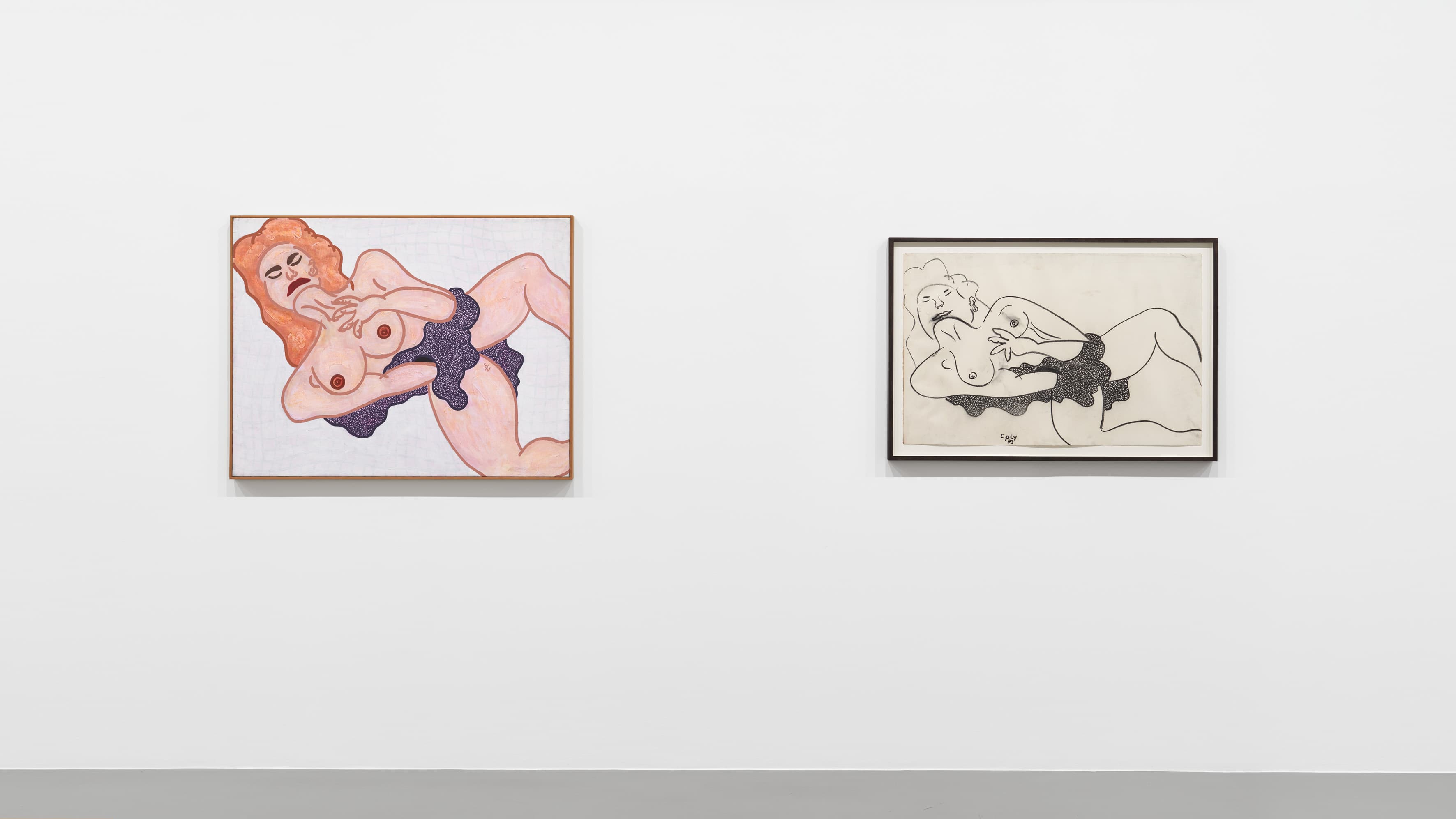
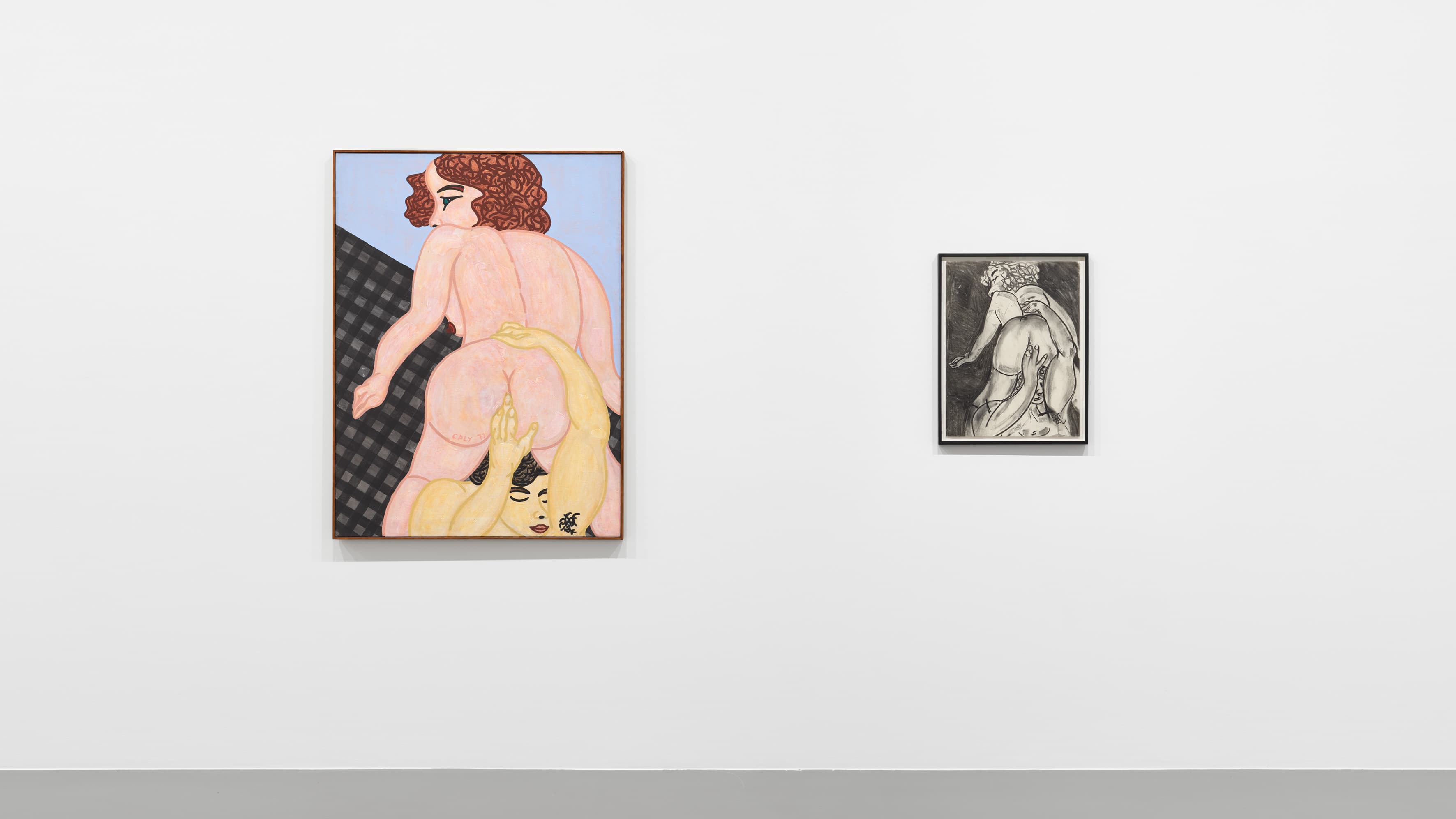
Max HetzlerGalerie Max Hetzler, Berlin, is pleased to present X-Rated (1972-1974), a solo exhibition of paintings and works on paper by William N. Copley. This is the fourth presentation of the artist's work at the gallery. Copley came to painting from an unusual position. He had ambitions to become a writer before becoming a painter, and operated a gallery in Beverly Hills focusing on the Surrealists. The Copley Galleries, which he ran with his brother-in-law John Ployardt, connected him with exiled Surrealists such as Man Ray, Max Ernst, and Marcel Duchamp, as well as dealer Alexander Iolas, who encouraged his nascent art practice. Debuting his first exhibition in Los Angeles in 1951, he moved to France soon after. Copley's work is influenced by the Surrealist movement both conceptually and personally. While his bold black outlines and self-taught figurative style recall comics and Pop art, his literary sensibility and narrative strategies embody Surrealist principles. Copley embraced humor, psychology, and eroticism, engaging with sexual subjects beyond the playful eroticism of his peers. The exhibition features works from Copley's prolific 'X-Rated' series, first shown in 1974 at the New York Cultural Center. This series draws on erotic imagery and motifs from adult magazines, aiming to 'break through the barrier of pornography into the area of joy.' In a decade when the sale of hardcore pornography was illegal in the US, Copley used adult magazines as a source, exploring eroticism, sexual politics, and pleasure. The 'X-Rated' paintings showcase a range of tones: some tender, others exuberant, and nearly all humorous. Copley stated: 'That's what makes sex so much fun: since nobody really understands it, the possibilities for originality are endless.' Copley typically produced two stages of preparatory drawings before starting a painting: an initial small-scale study followed by a larger version to refine the composition and pictorial dynamism. The exhibition includes pairings of preparatory drawings and completed paintings, highlighting this developmental process. Scenes of copulations and orgies appear against vivid, brightly colored backgrounds with bold geometric patterns, making them 'too artful to be libidinous,' as critic James R. Mellow remarked. This treatment and the entwined bodies with schematic outlines prompt comparisons to Henri Matisse. Copley presents the sexual act directly, without traditional suggestion or idealization. Titles borrowed from Hollywood movies, such as Les Quatre Cent Coups and The Exorcist, temper the shock of the pornographic image with comic playfulness. The 'X-rated' term from the film industry adds to this association: until the 1990s, it was used in the US for films suitable only for adults. Despite warnings about potentially offensive content, the 1974 exhibition at the Cultural Center, curated by director Mario Amaya, received positive criticism. Art in America writer Peter Schjeldahl praised it as a 'uniformly gorgeous exhibition.' The 'X-Rated' series is a singular chapter in Copley's oeuvre, distinct from the early 1970s art scene. In today's uncensored world, Copley's canvases remain subversive. By merging art and eroticism, Copley challenged norms, rejecting artistic neutrality in favor of directness and humor. William N. Copley (1919-1996), known as CPLY, lived and worked in Paris, New York, and Roxbury, Connecticut, among other places. Copley's works have been exhibited in renowned institutions worldwide, including the Philara Collection, Dusseldorf (2023); Institute of Contemporary Art, Miami (2018); The Menil Collection, Houston, traveling to Fondazione Prada, Milan (2016-2017); Museum Frieder Burda, Baden-Baden, traveling to Max Ernst Museum Bruhl, Hannover (2012); Bonnefantemuseum, Maastricht (2001); L.A.C. Lieu d'Art Contemporain, Sigean; Herning Kunstmuseum; Forum of Contemporary Art, St. Louis (all 1999); Ulmer Museum, Ulm (1997); Kestner-Gesellschaft, Hanover (1995); The New Museum, New York (1986); Kunstlerwerkstatt Lothringerstrasse, Munich (1981); Kunsthalle Bern, traveling to Centre Pompidou, Paris; Stedelijk Van Abbemuseum, Eindhoven; Badischer Kunstverein, Karlsruhe (1980); New York Cultural Center (1974); Stedelijk Museum, Amsterdam (1966); and Institute of Contemporary Arts, London (1961), among others. Copley's work is held in major public collections worldwide, including the Art Institute of Chicago; Centre Pompidou, Paris; Denver Art Museum; Fondazione Prada, Milan; Los Angeles County Museum of Art; The Menil Collection, Houston; Moderna Museet, Stockholm; Museum of Contemporary Art Chicago; The Museum of Modern Art, New York; Museum Ludwig, Cologne; Museum Moderner Kunst Stiftung Ludwig Wien, Vienna; Philadelphia Museum of Art; Power Institute, Sydney; Stadel Museum, Frankfurt; Stedelijk Museum, Amsterdam; Tate, London; and Whitney Museum of American Art, New York, among others.