
SoHo, New York
Wang Ye
Legume Blossoms in Blue
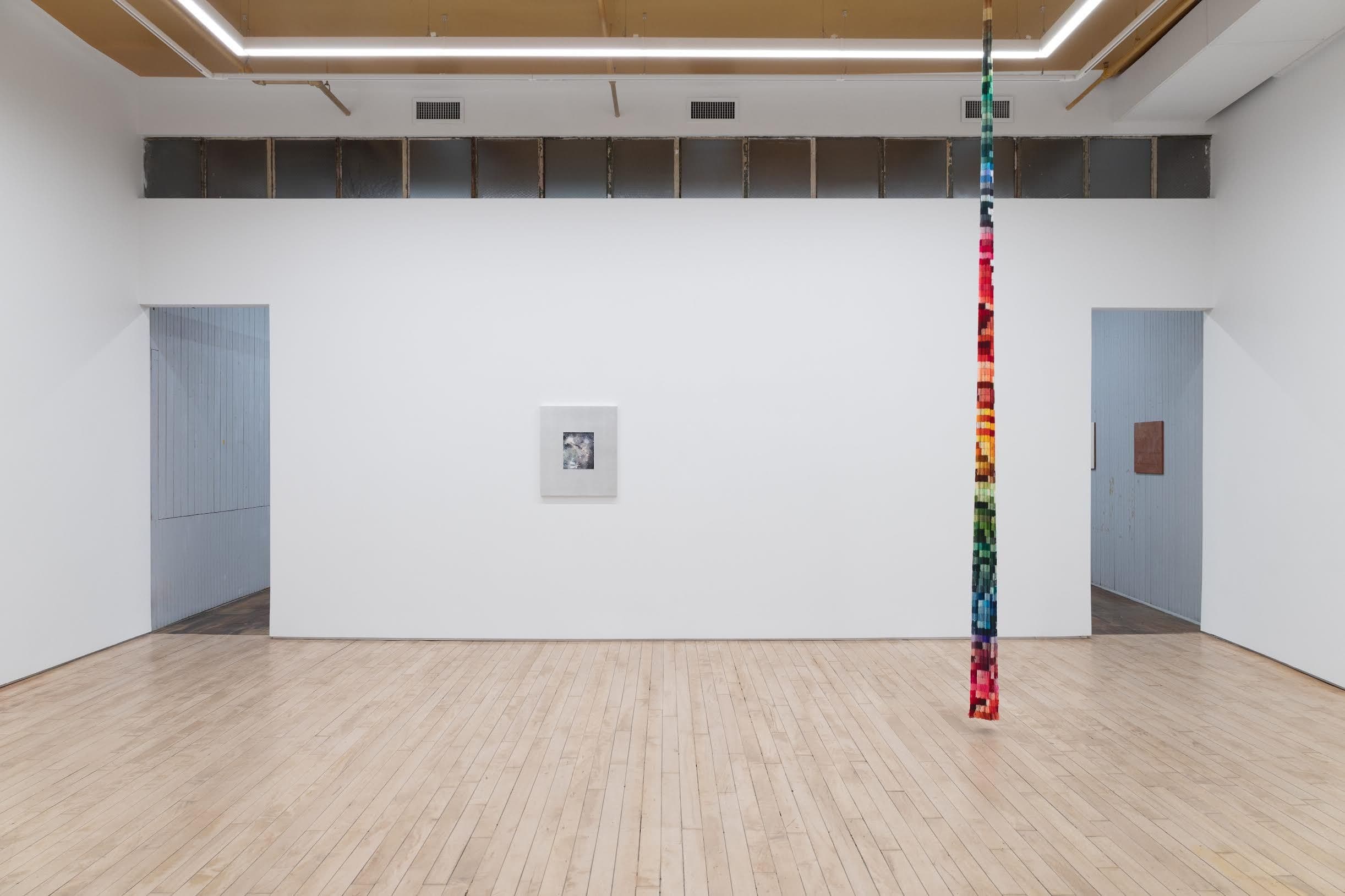
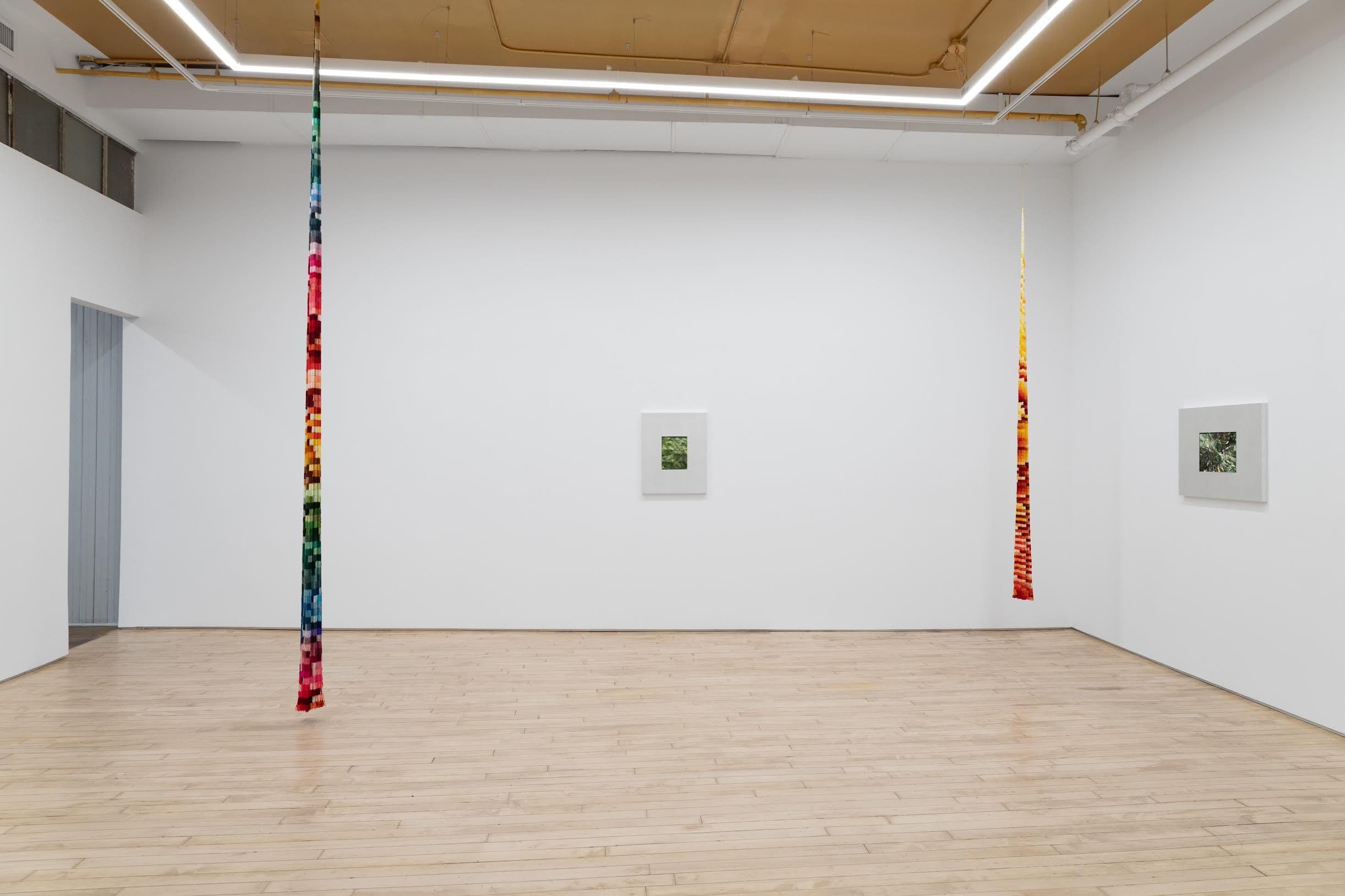
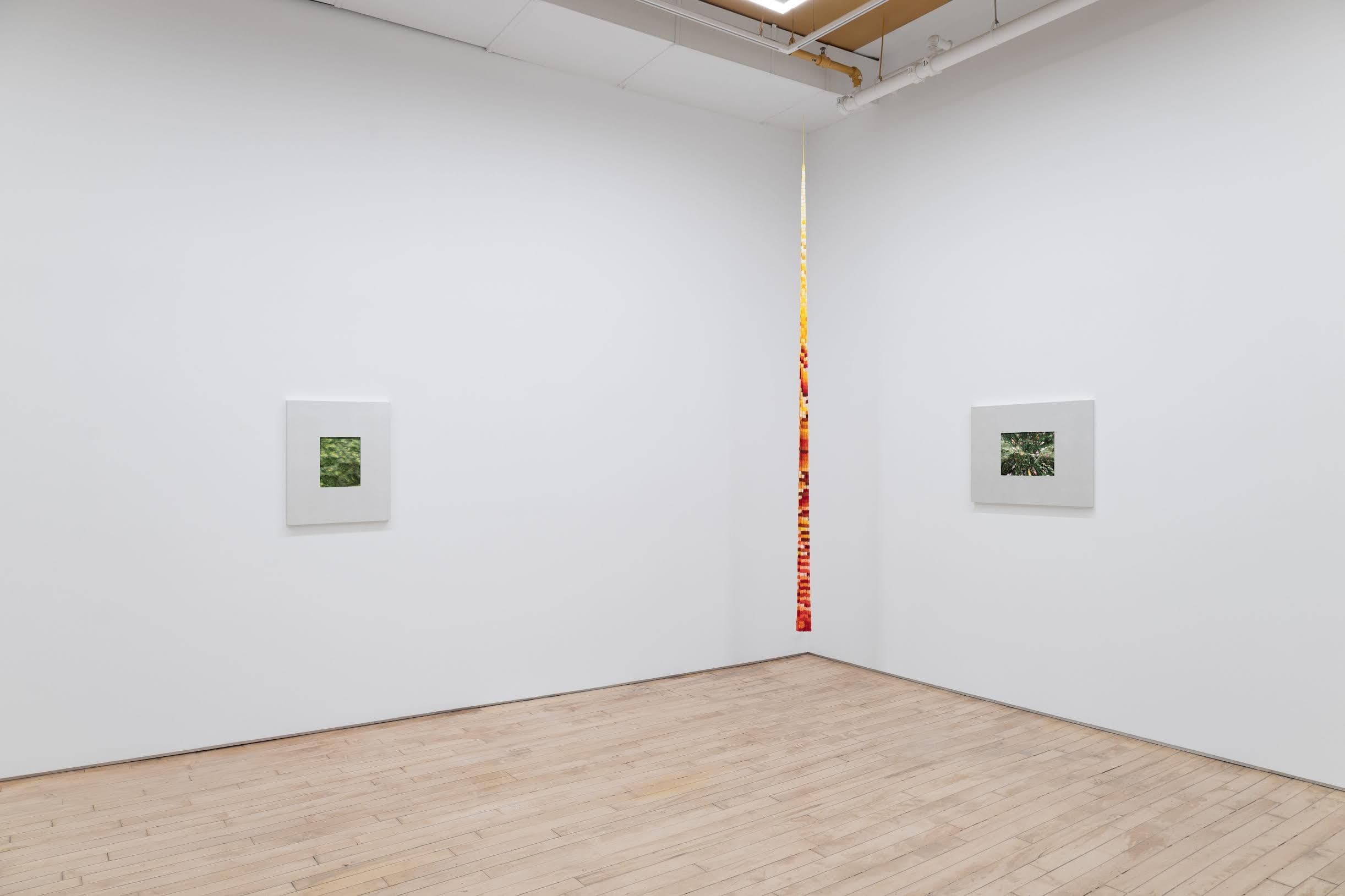
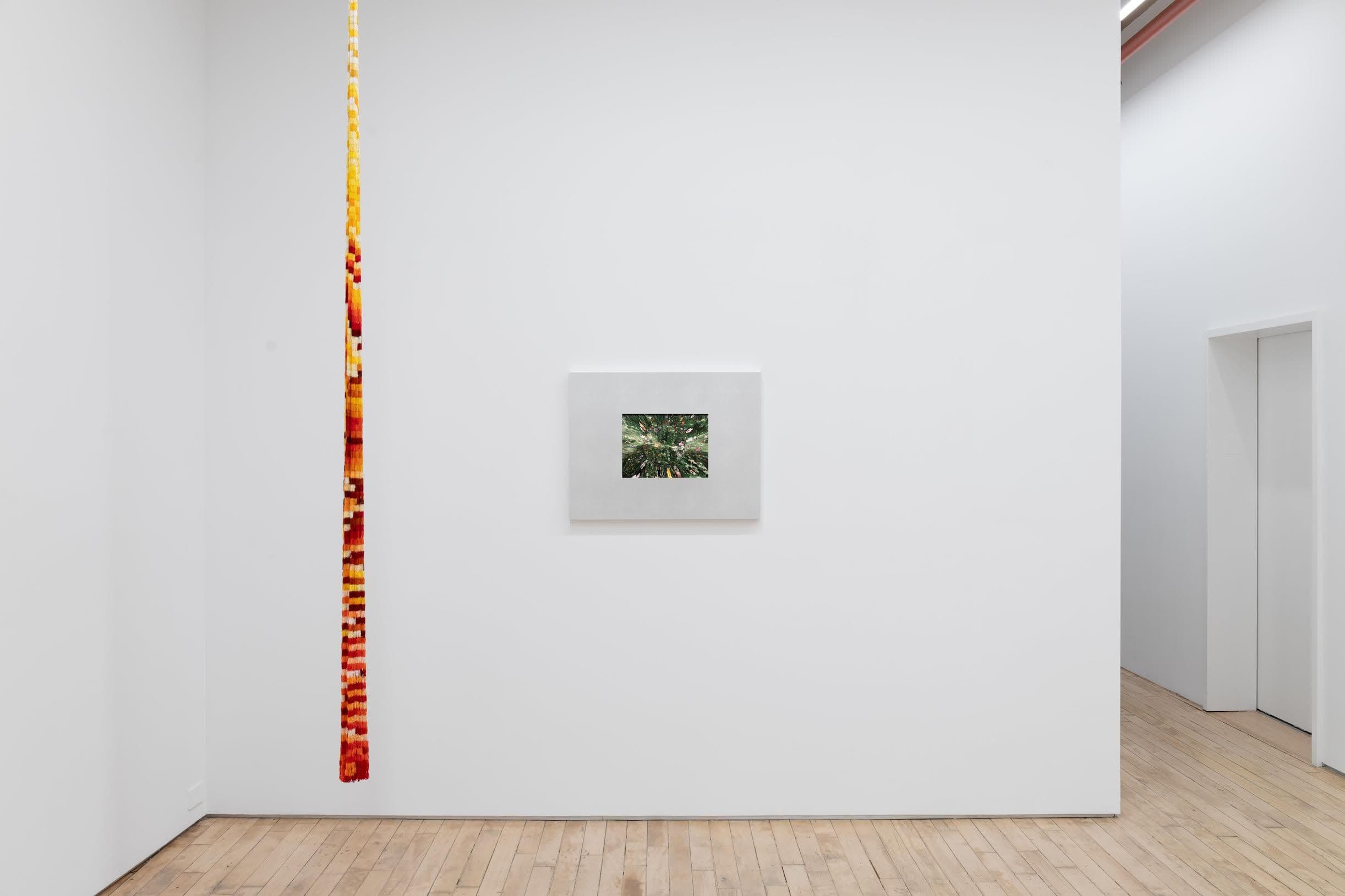
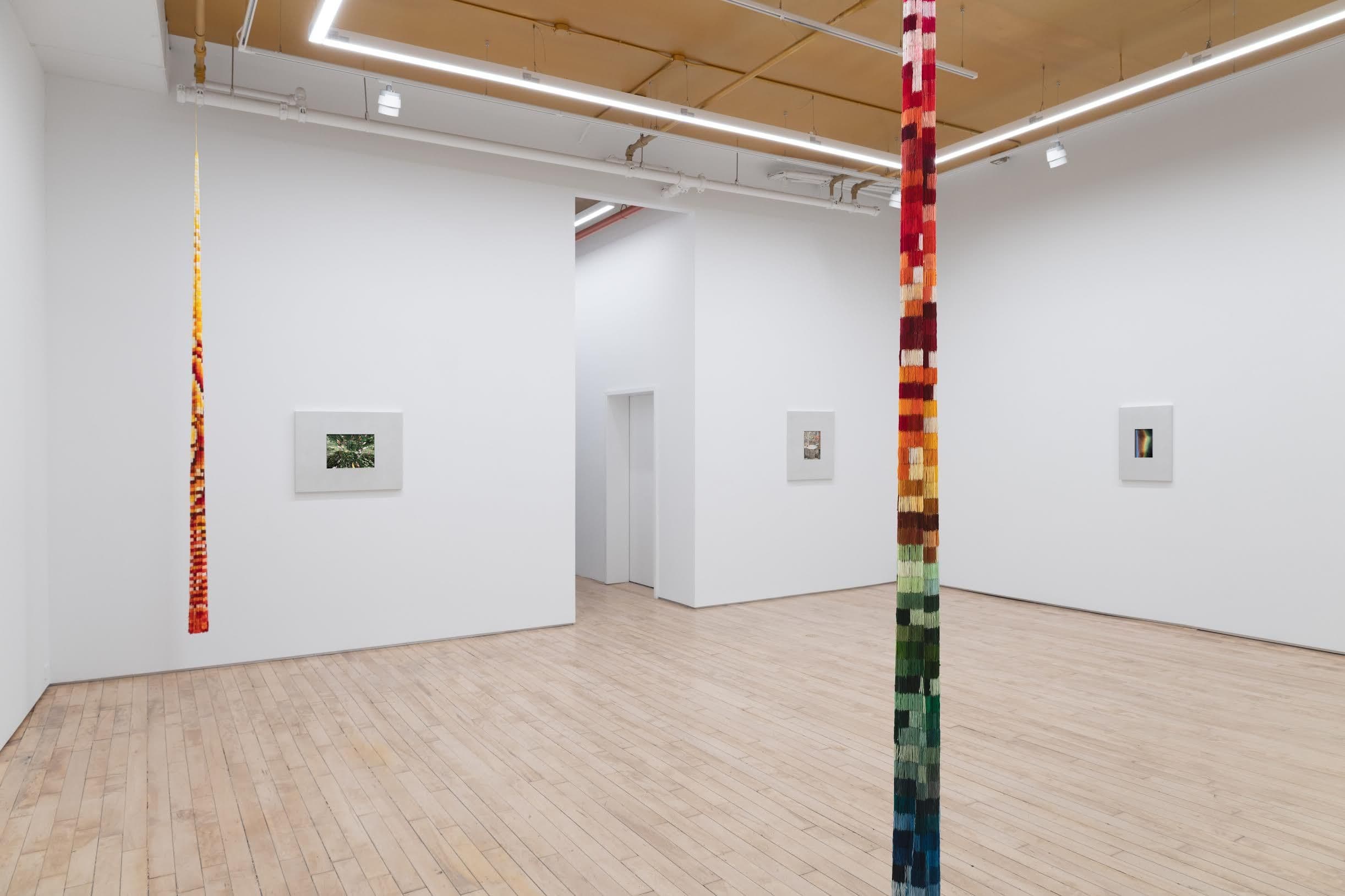
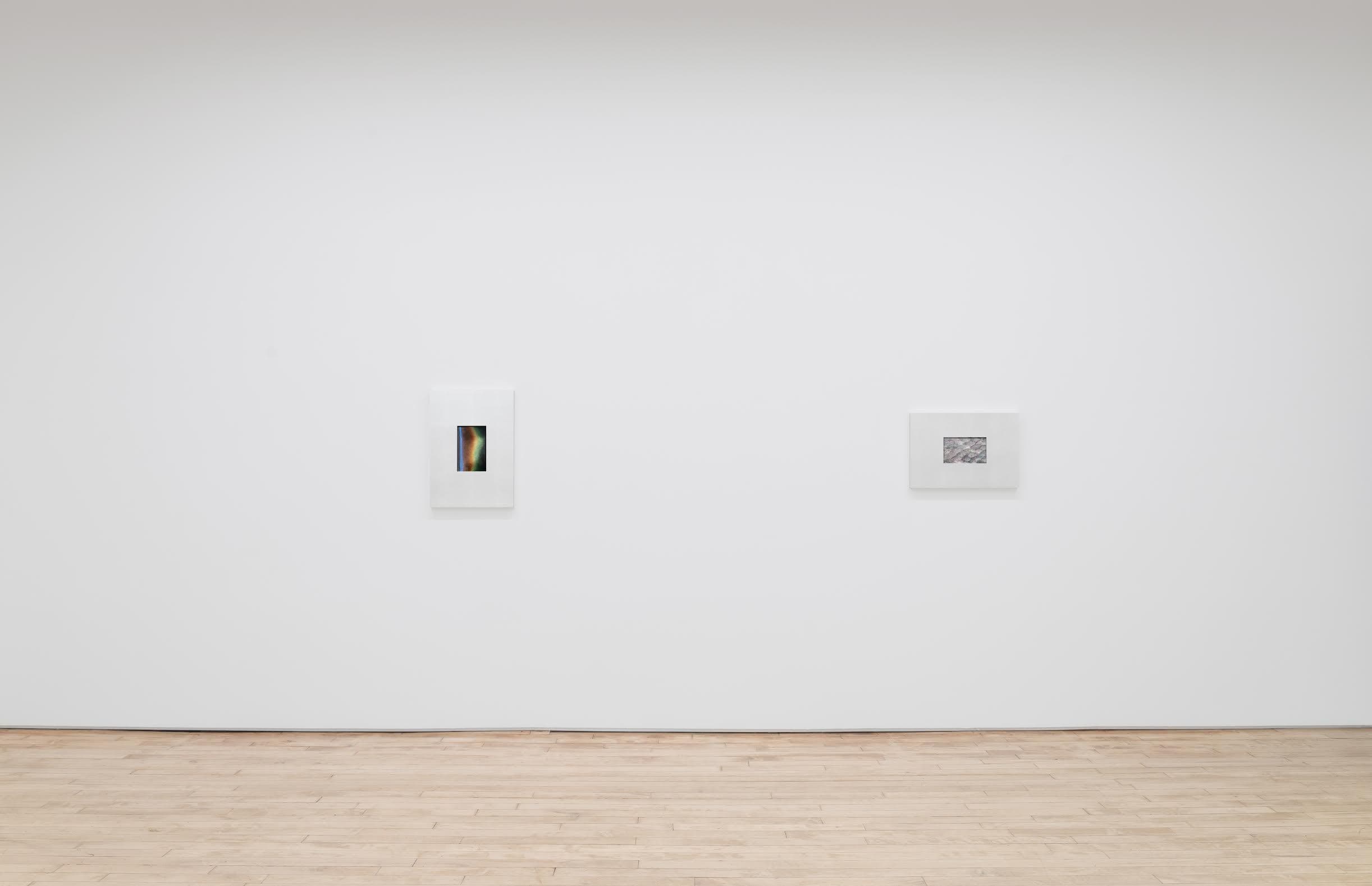
Yve YangYve Yang is pleased to present Legume Blossoms in Blue, Wang Ye’s long-awaited first solo exhibition in New York City. Featuring new silk embroidery works and soft sculptures, the exhibition merges century-old techniques with contemporary innovation, transforming an ancestral tradition into a language for the present. The exhibition title draws on the Chinese phrase “绣花” (literally “embroidering blossoms”), the everyday term for embroidery. While many Xiang embroidery works depict floral motifs, here also serves a metonym for the craft’s artistic and ornamental spirit—its beauty, refinement, and non-utilitarian nature. Legume Blossoms in Blue not only introduces Wang’s sui generis practice, but also offers a poetic reflection on the history and evolution of Xiang embroidery in Changsha, Hunan, where the artist now lives, works, and studies among local craftswomen. Changsha is a center of Xiang embroidery where artisans continue to work with techniques passed down for generations. Often perceived as static or frozen in time, these practices are too easily framed within a linear, Western notion of progress that equates innovation with rupture. By working alongside the embroiderers, Wang proposes another model—one of plural modernities in which temporality is layered, and a local past can remain an active site of theoretical and artistic production. Xiang embroidery broadly encompasses the diverse textile traditions of Hunan, where the needle as brush and thread as pigment have achieved lasting artistic significance. From Qu Yuan’s verses in The Songs of Chu to the silk relics of the Mawangdui tombs, the medium’s legacy is woven deep within the region’s history. Ethnic minority embroidery—often closely tied to women’s culture—forms another vital strand of this heritage. In its narrower definition, modern Xiang embroidery took shape between 1878 and 1898 under the influence of two pioneering embroiderers, Hu Lianxian and Madam Wei. Both studied traditional Suzhou and Cantonese techniques before reforming them in their own practice. Their most notable innovation was the “blended stitch” (掺针), which has since become the defining hallmark of modern Xiang embroidery. The exhibition draws inspiration from an embroidered skirt decoration attributed to Madam Wei, remembered through oral history. Created around 1900, it depicts a progression of legume blossoms—white to pale blue, to light blue, to deep blue—a palette known as Three Blues Flowers (三 蓝花). The blended stitch enabled seamless gradations, imbuing the stylized motif with an unexpected naturalism. Yet when Wang searched for such blue-and-white legume blossoms in their native hometown, only white and violet varieties could be found. Beyond the distortions of oral transmission, this absence underscores the blended stitch’s transformative power—its ability to heighten and reimagine color beyond the natural world. Such experimentation with color expression in 1900 Hunan faintly echoed the optical investigations of European Impressionism. Simultaneously and elsewhere in Britain, the Glasgow Style was charting its own path in textile design. Tragically, most Xiang embroidery from this period, including Wei’s Three Blues Flowers, was lost in the wake of war and looting. What survives is not the object as artifact, but the technique as tradition—passed from hand to hand, fragile yet enduring, much like the legume blossoms that return each spring. Wang departs from the conventional bundling of eight silk threads, instead using only one or two of the finest threads at a time. The result is embroidery both delicate and luminous, composed of hundreds of shades chosen with meticulous sensitivity to tone and rhythm. Every stitch— placed by hand—carries the trace of movement, of breath, and of touch. Granted an intimate and laborious legacy, Wang choreographs a silent performance in thread where color, texture, light, and time intertwine effortlessly. Wang’s proposal extends to soft sculptures that recall net-knotting methods historically used in Hunan fishing. Woven by hand and sourced from an embroidery workshop dating to the 1990s, the silk dyed with natural, artisanal methods retains its vivid color more than thirty years later. By integrating these historically and materially significant threads, Wang forges a tangible link to the sociocultural landscape of their native region. The Latin term textus—root of both “text” and “textile”— underscores a profound etymological and conceptual intersection between writing and weaving, two forms of inscription grounded in the embodied act of making. Text is not merely a line of words conveying meaning, but a woven fabric of signs; similarly, embroidery constitutes a tactile semiotics, where meaning is generated not solely through representation but through gesture, rhythm, and material presence. Wang’s work expresses genuine concern for the future of traditional art forms, inhabiting a space of cultural “in-betweenness,” where reinvention arises from the friction between inheritance and change. Over the past seven years, they have worked in close, sustained collaboration with women embroiderers, honoring their oft-overlooked labor and embodied knowledge, guiding tradition toward new forms of expression. The making of each piece is not merely a technical process, but an act of care, rooted in trust, artistry, and the quiet labor of hands. Upon completion, the work carries a shared fulfillment: a convergence of artistic vision and emotional labor—stitched across generations. Wang Ye (b. 1991, Changsha, Hunan, China) lives and works in Changsha. Their work has been exhibited at LUMA Westbau (Zürich), Turm zur Katz (Konstanz, Germany), West Bund Art Center Ceramic House (Shanghai), Today Art Museum (Beijing), X Museum (Beijing), Cloud Art Museum (Shenzhen), Long March Independent Space (Beijing), and Lisson Gallery (Shanghai). They are a graduate of the China Central Academy of Fine Arts and the Yale University School of Art.